

In the lush rainforests of Central and South America, an extraordinary avian performer has evolved one of the most elaborate courtship displays in the animal kingdom. The manakin, a small yet visually striking bird, has captured the attention of ornithologists and nature enthusiasts alike with its remarkable dancing abilities. These tiny feathered virtuosos perform complex choreographed routines that include moonwalks, wing snaps, and acrobatic leaps – all in the hopes of winning a mate. Their performances are not merely beautiful to witness but represent millions of years of evolutionary refinement. Let’s explore the fascinating world of the dancing manakin, a true testament to the power of sexual selection and the incredible diversity of avian behavior.
The Manakin Family: A Diverse Group of Performers
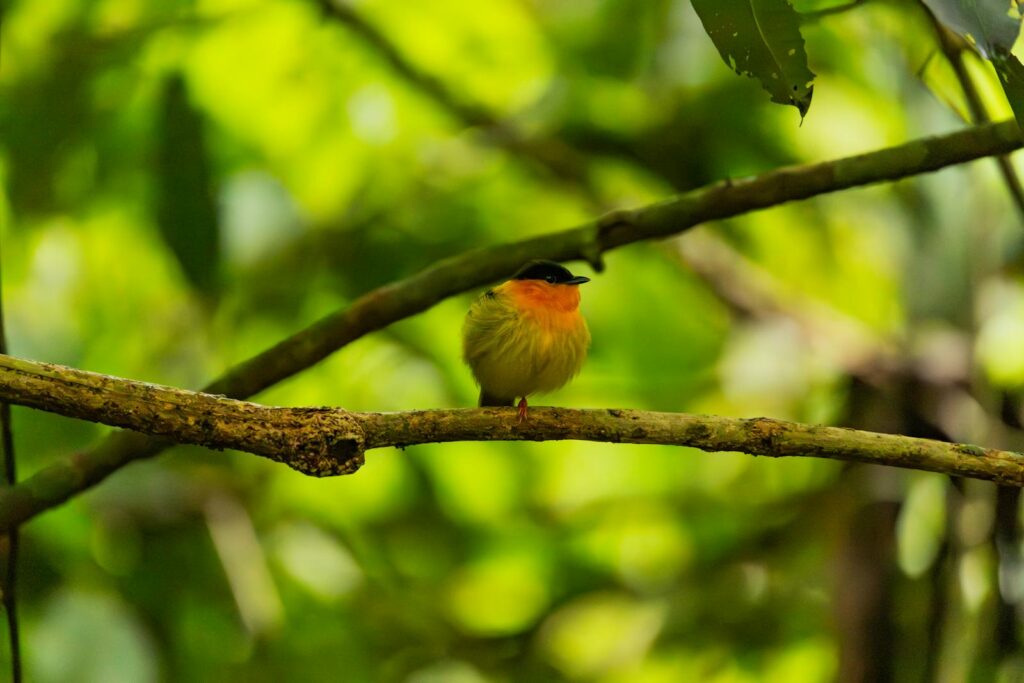
Manakins belong to the family Pipridae, which comprises approximately 60 species distributed throughout the tropical and subtropical forests of Central and South America. These small passerine birds typically measure between 3.5 to 6 inches in length, making them relatively diminutive compared to many other bird species. Despite their small stature, manakins display remarkable sexual dimorphism, with males featuring brilliant plumage in vibrant combinations of red, yellow, blue, orange, and black, while females typically wear more subdued olive-green attire that provides excellent camouflage in their forest habitat. This dramatic difference in appearance between the sexes directly relates to their unique mating system, where visual display plays a crucial role in reproduction.
Evolutionary Marvel: The Development of Dance
The elaborate courtship displays of manakins represent millions of years of evolutionary development driven by sexual selection. Unlike natural selection, which favors traits that enhance survival, sexual selection promotes characteristics that increase mating success, even when those traits might seem impractical or even detrimental to survival. In manakins, females have consistently selected males with the most impressive dance routines and physical ornaments, gradually shaping the extraordinary behaviors we observe today. The diversity of dance styles across different manakin species suggests that once this courtship strategy began evolving, it created evolutionary pathways for increasingly complex and specialized performances. Some researchers believe that the earliest manakin displays likely began as simple movements that gradually became more elaborate as female preference drove males to outperform their competitors.
The Golden-Collared Manakin: Master of the Moonwalk
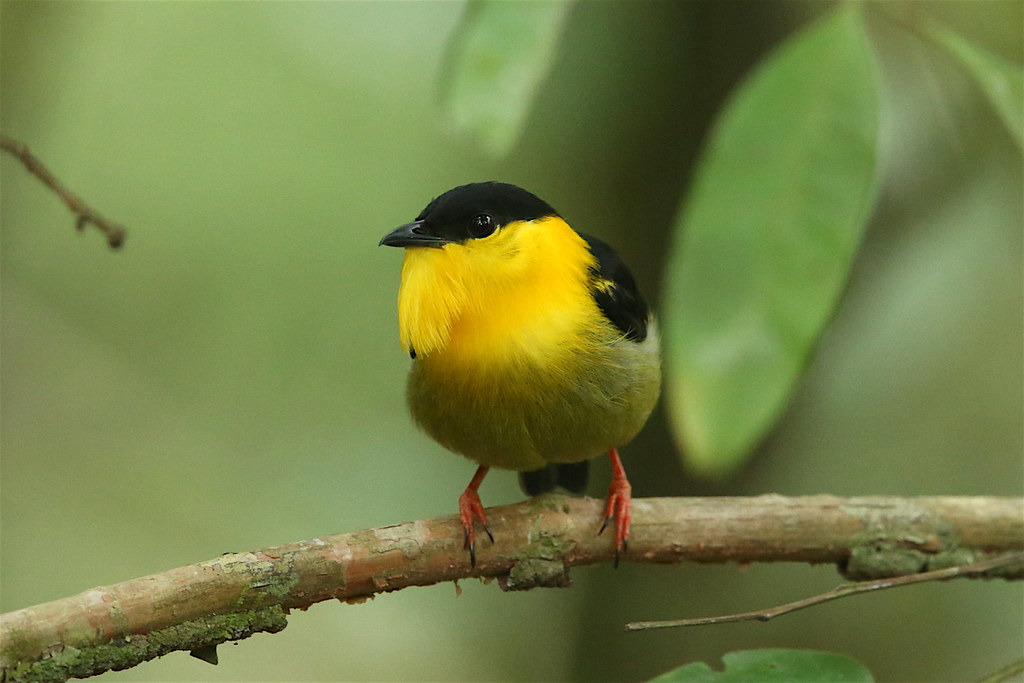
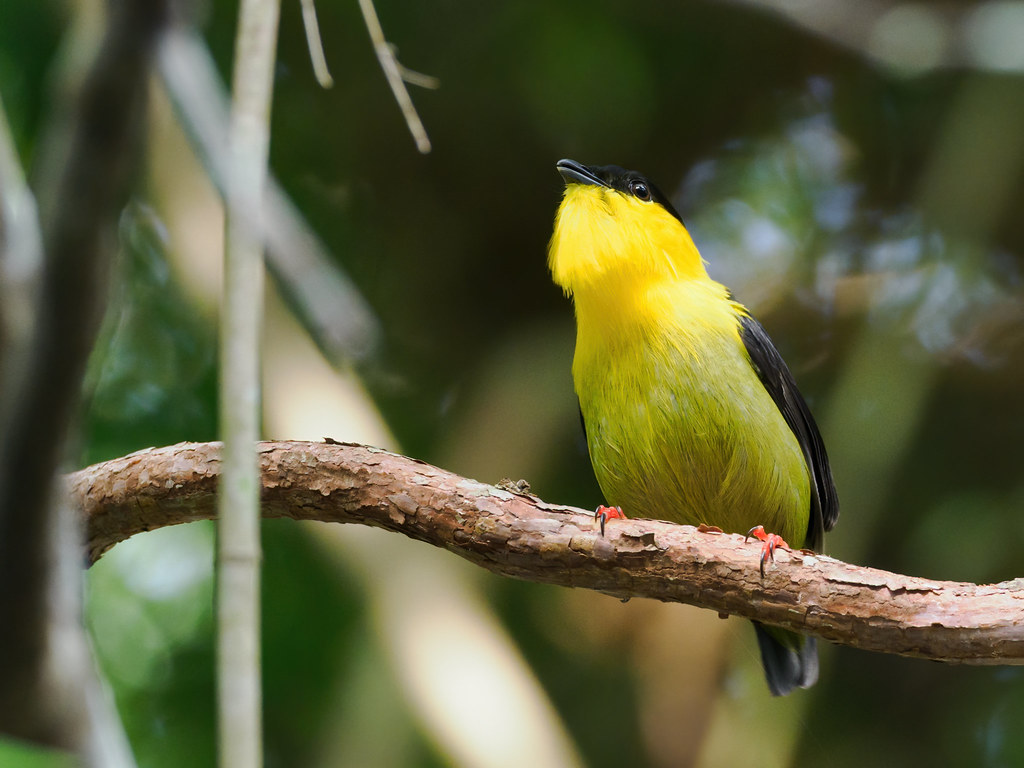
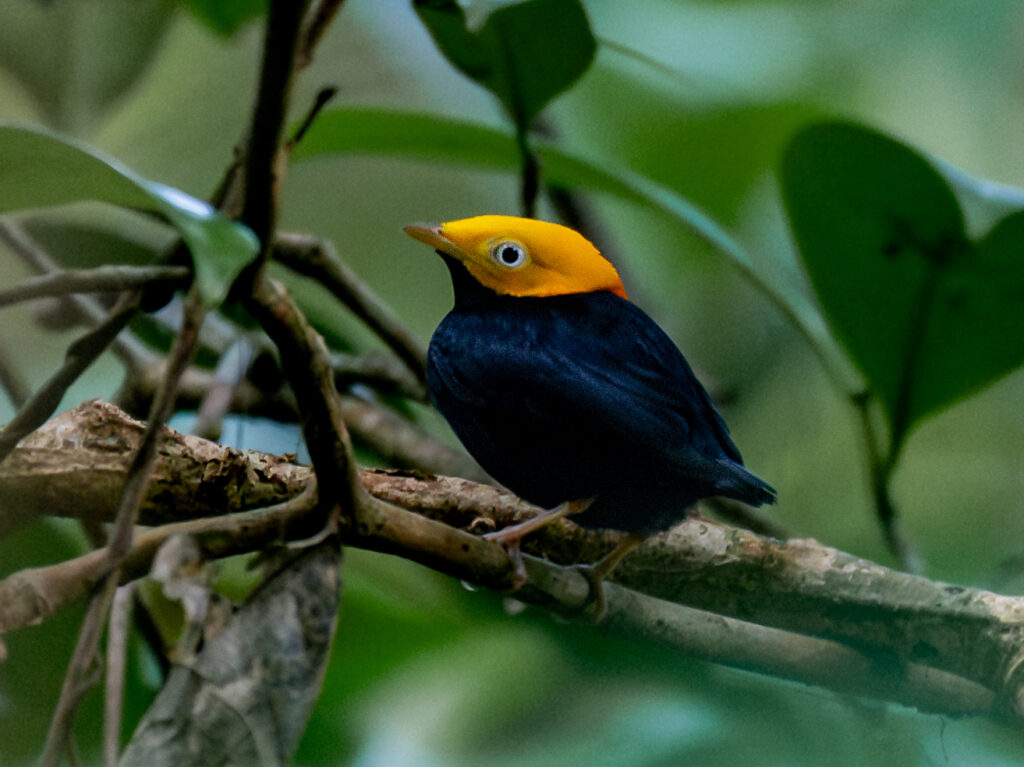
Among the many spectacular dancers in the manakin family, the Golden-collared Manakin (Manacus vitellinus) stands out for its remarkable moonwalk-like display. Males of this species clear small performance areas on the forest floor, creating a stage roughly the size of a dinner plate where they perform their courtship rituals. The highlight of their performance involves a rapid backward slide along a horizontal perch that bears an uncanny resemblance to Michael Jackson’s famous moonwalk. This backwards sliding motion is accompanied by loud wing snaps that sound like firecrackers popping in the forest. High-speed camera footage has revealed that these wing snaps occur when the manakin’s wings hit each other at speeds of more than 50 mph, making them one of the fastest documented vertebrate movements.
The Red-capped Manakin: Nature’s Breakdancer
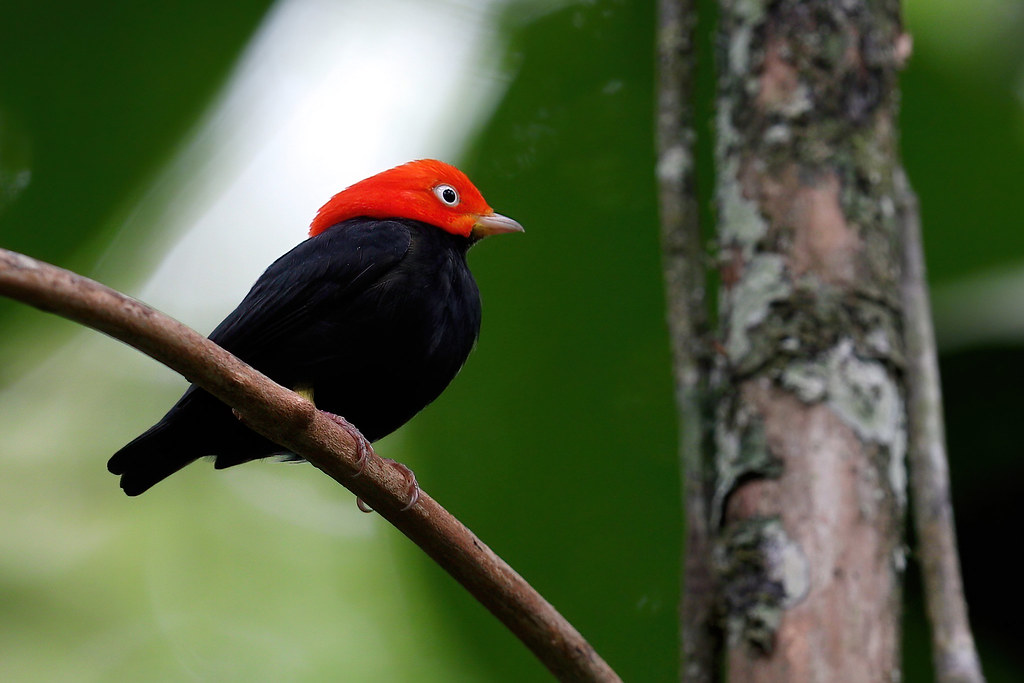
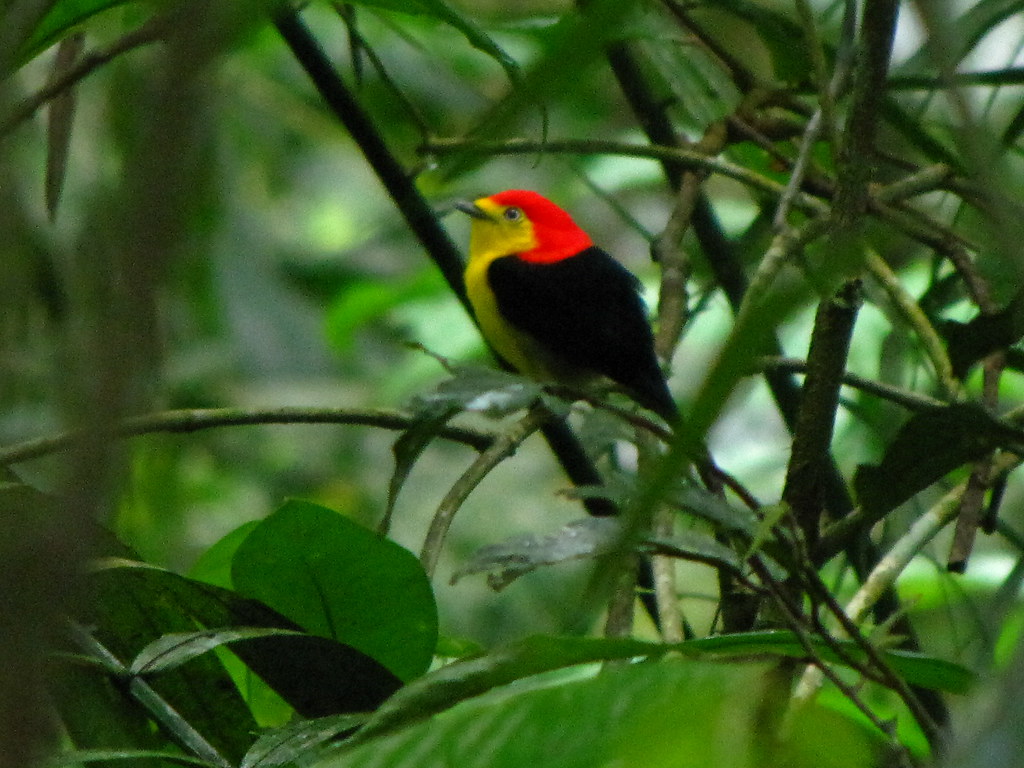
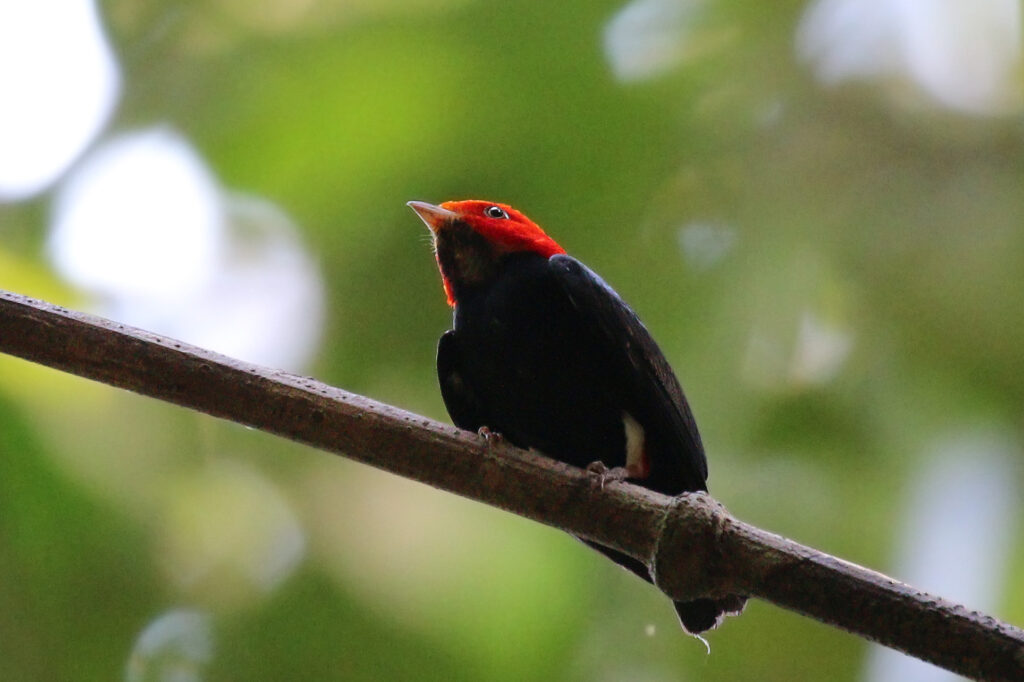
The Red-capped Manakin (Ceratopipra mentalis) performs one of the most visually striking dances in the avian world, often described as resembling a tiny feathered moonwalker. Males of this species sport a velvety black body contrasted by a brilliant scarlet cap and bright yellow thighs, making them visually striking even before they begin to move. Their signature move involves rapidly sliding backward along a branch while simultaneously fluttering their wings to produce a mechanical buzzing sound. What makes this performance particularly impressive is that they execute these movements at speeds nearly imperceptible to the human eye, requiring slow-motion video to fully appreciate the complexity of their technique. Scientists have determined that these birds can perform up to 130 wing movements per second during their most intense display sequences.
The White-throated Manakin: Aerial Acrobat
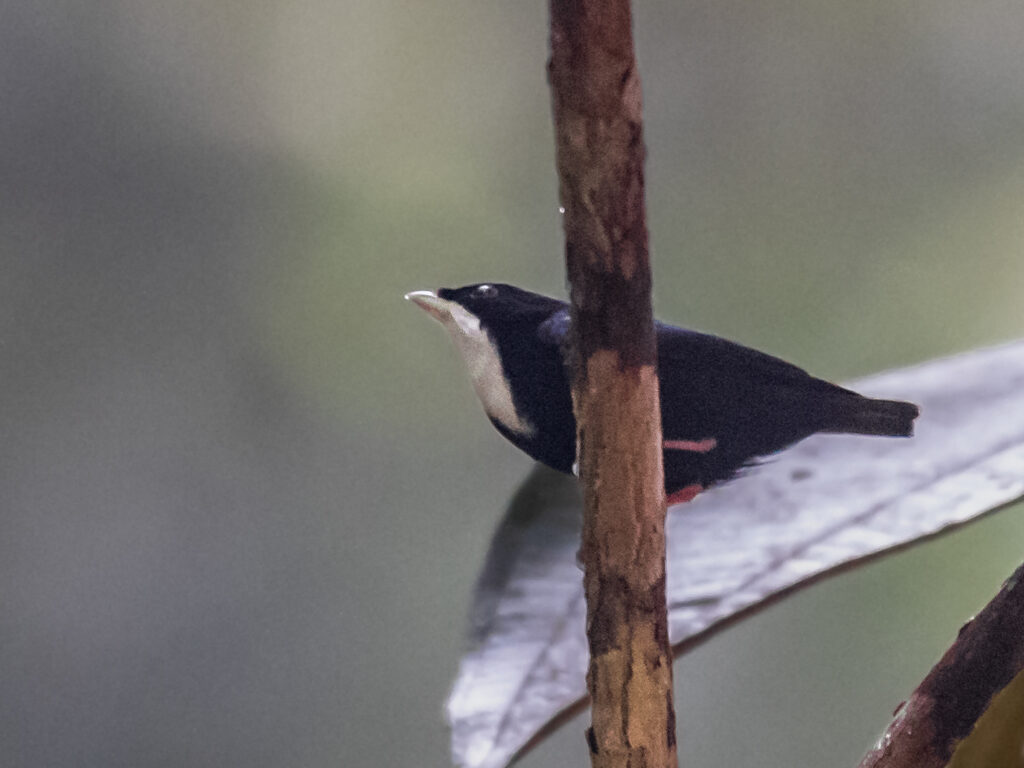
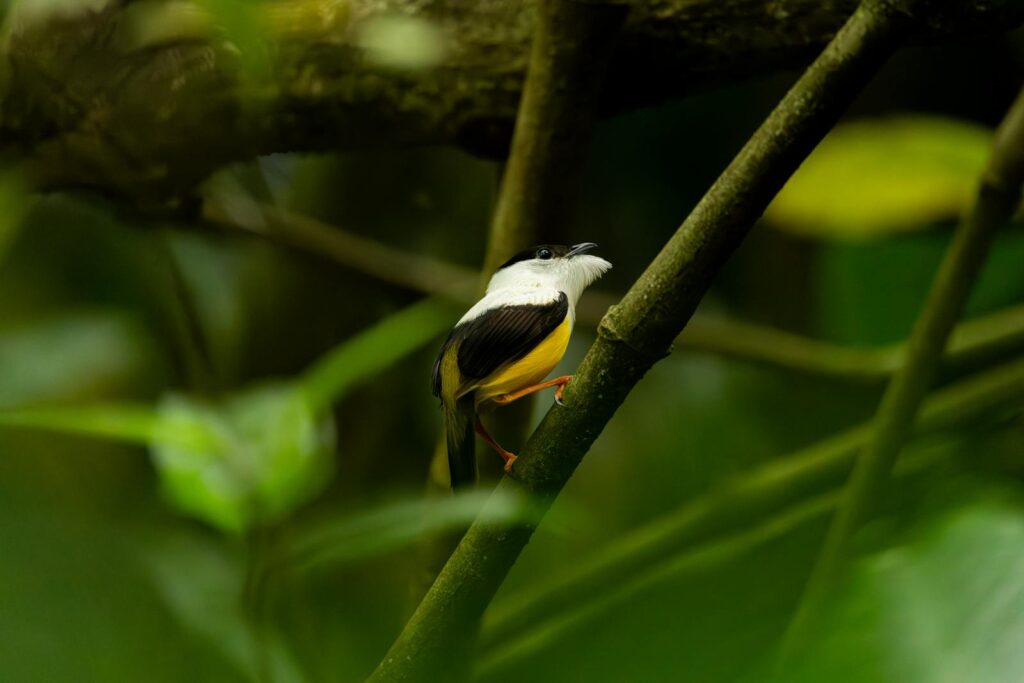
The White-throated Manakin (Corapipo gutturalis) takes manakin courtship to new heights – literally. Unlike some of their ground-dancing relatives, these manakins perform elaborate aerial displays that showcase their flying prowess. Males gather at communal display areas where they perform vertical ascents followed by spectacular dive-bombs, plummeting toward the ground before pulling up at the last second with pinpoint precision. During these dives, they can reach speeds that subject their bodies to forces up to 10 times that of gravity, demonstrating remarkable physical capabilities for such a small bird. What makes their display even more striking is the contrast between their mostly black plumage and the brilliant white throat patch that flashes visibly during their acrobatic performances, creating a strobe-like effect in the dim forest understory.
Lek Mating System: Dance Floors of the Forest

Most manakin species employ a breeding strategy known as lekking, where males gather in communal display areas to perform their courtship rituals. These leks function essentially as natural dance competitions, with multiple males performing simultaneously or in sequence while females observe and ultimately select their preferred partner. Individual territories within the lek may be as small as a few square meters, with males defending these spaces vigorously against competitors. The most dominant males typically secure the most centrally located territories within the lek, which often correlates with greater mating success. This system creates intense competition among males, with some studies showing that in certain manakin species, just 10-20% of males may account for up to 80% of all successful matings in a given season.
The Science Behind the Snap: Specialized Anatomy
The wing-snapping sounds produced by many manakin species during their dances aren’t created by vocal mechanisms but instead result from specialized anatomical adaptations. Male manakins possess modified wing feathers and unusually shaped wing bones that enable them to produce non-vocal mechanical sounds during their displays. In species like the Golden-collared Manakin, the wing bones have evolved to be unusually thick and strong to withstand the incredible forces generated during their rapid movements. High-speed video analysis has revealed that these sounds occur when the wings are forcefully brought together above the bird’s back, with the specialized feathers striking each other at precisely the right angle to create the characteristic snapping sound. These adaptations represent a remarkable example of how sexual selection can drive the evolution of specialized physical traits dedicated solely to courtship displays.
Coordinated Duets: The Club-winged Manakin
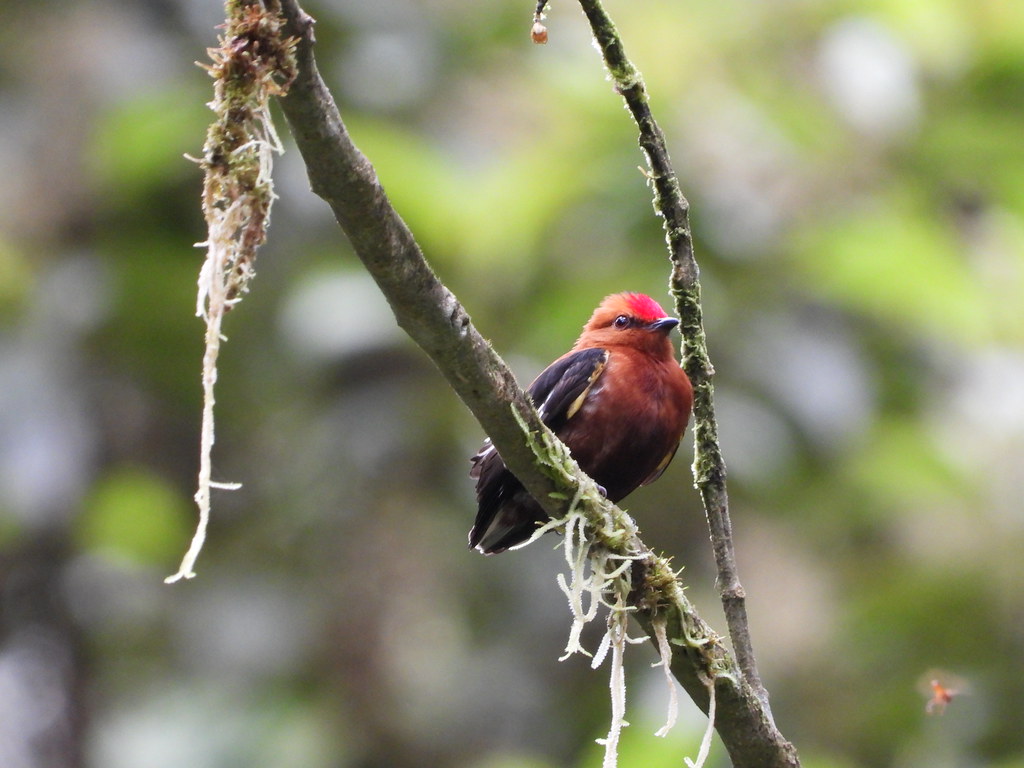
The Club-winged Manakin (Machaeropterus deliciosus) produces one of the most unusual sounds in the bird world through a mechanism more akin to a violin than traditional bird vocalizations. Males of this species have specially modified wing feathers with thickened, hollow shafts and ridged structures that they rub together at high speeds – over 100 times per second – to create a distinctive tone resembling an electronic beep. This stridulation mechanism is similar to how crickets produce their characteristic chirps, making the Club-winged Manakin the only known bird to use this technique. What makes this adaptation particularly remarkable is that these specialized wing structures actually compromise the bird’s flight efficiency, demonstrating how sexual selection can sometimes favor traits that impose survival costs.
Learning to Dance: The Role of Practice
Young male manakins don’t emerge from the nest as accomplished dancers; they must develop their skills through extensive practice and social learning. Juvenile males spend years observing adult performers at leks before attempting their own displays, gradually refining their techniques through repeated practice sessions. Researchers have observed young males performing solo practice dances away from the main lek areas, suggesting a form of private rehearsal before the main performance. Studies tracking individual birds over time have documented clear improvements in coordination, timing, and execution of specific dance elements as males mature. This learning process typically takes 2-3 years before a male achieves the skill level necessary to attract females, representing a significant investment in developing these complex behavioral patterns.
Female Choice: The Ultimate Dance Critics
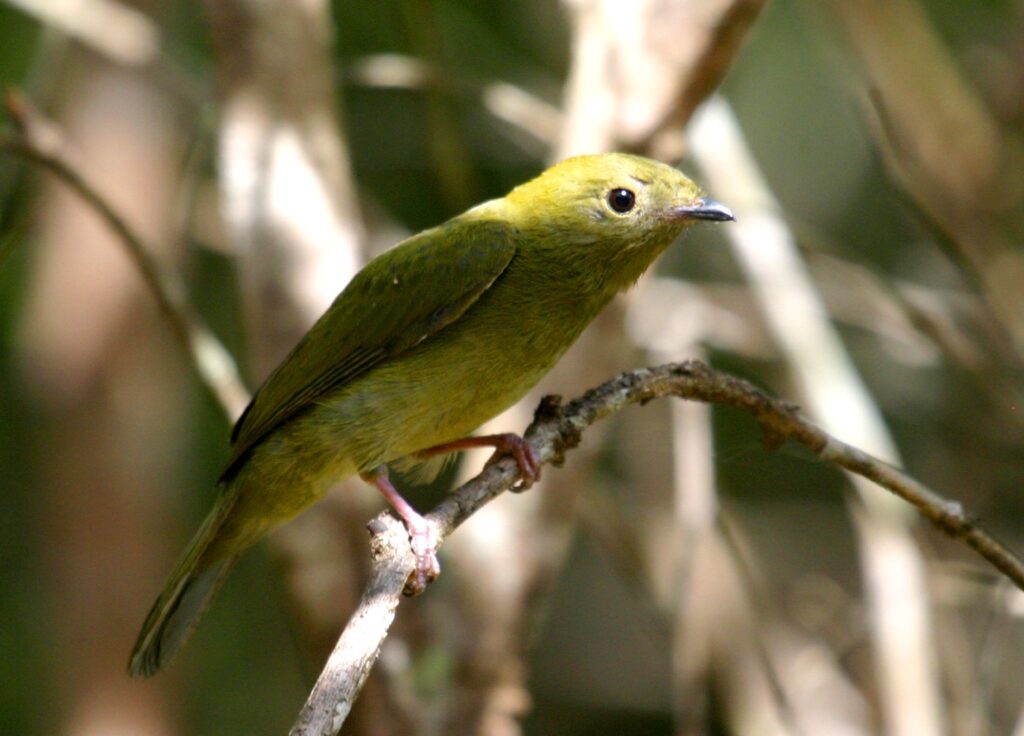
Female manakins serve as the discriminating audience and ultimate judges of male dance performances, applying remarkably exacting standards to their mate selection process. Studies have shown that females can detect subtle differences in male performances that may not be immediately obvious to human observers, including the precision of movements, rhythm consistency, and overall display vigor. A female may visit multiple leks and observe dozens of different males before making her selection, often returning to watch preferred performers multiple times before making her final choice. Research suggests that females are particularly attentive to the consistency of performances across multiple display bouts, potentially using this as an indicator of male quality and stamina. This intense selective pressure from females has been the driving force behind the evolution of increasingly complex and physically demanding dance routines.
Conservation Challenges: Protecting Nature’s Dancers
Despite their remarkable adaptations and behaviors, many manakin species face significant conservation challenges due to habitat loss and fragmentation throughout their range. Deforestation for agriculture, cattle ranching, and development has reduced and isolated many of the tropical forest habitats these birds depend on for survival. Manakins’ specialized ecological requirements and complex social mating systems make them particularly vulnerable to habitat disruption, as their leks typically form in specific forest locations that may be used for generations. Climate change poses an additional threat, potentially altering the seasonal timing of fruit availability that many manakin species rely on for nutrition. Conservation efforts focused on protecting intact forest corridors and establishing protected areas in regions with high manakin diversity are essential for ensuring these remarkable birds can continue their evolutionary dance into the future.
Cultural Significance: Inspiration Beyond Biology
The extraordinary displays of manakins have captured human imagination beyond scientific circles, inspiring artists, dancers, and cultural traditions throughout their native range. In several indigenous communities of the Amazon basin, ceremonial dances incorporate movements inspired by manakin displays, reflecting the long history of human observation and appreciation of these birds. Documentary filmmakers have been particularly drawn to manakins, with their performances featured in major natural history productions by the BBC, National Geographic, and other outlets, bringing these remarkable birds to global audiences. The moonwalk-like movements of certain manakin species have even been studied by human dancers and choreographers seeking to understand the biomechanics behind these unusual locomotive patterns. This cultural impact demonstrates how these tiny performers transcend their biological significance to become symbols of natural artistry and evolutionary innovation.
Ongoing Research: Unlocking More Manakin Mysteries
Scientific investigation into manakin behavior continues to yield fascinating new insights about these remarkable birds. Current research is employing sophisticated technologies like high-speed videography, sound analysis, and even motion-capture techniques similar to those used in animation to document the precise movements involved in manakin displays. Genetic studies are exploring the evolutionary relationships between different dance styles and species, helping scientists reconstruct how these complex behaviors evolved over time. Neurobiological research is investigating the specialized brain circuits that allow manakins to perform such precise and rapid movements, potentially offering insights relevant to understanding motor control more broadly. As technology advances, researchers hope to address remaining questions about how young males learn their species-specific dances and the exact criteria females use when selecting their mates.
The manakin represents one of nature’s most extraordinary examples of how sexual selection can shape behavior into complex artistic displays. From their specialized anatomy to their years of practice and performance, these small birds demonstrate that the drive to reproduce can transform even the most basic movements into elaborate cultural traditions that persist across generations. As we continue to study and protect these remarkable avian dancers, they remind us that nature’s diversity extends beyond mere survival adaptations to include behaviors that seem, from our human perspective, to approach art. In the intricate dances of the manakin, we witness evolution’s power not just to create efficient survival machines, but also to produce beauty and complexity that enriches our understanding of the natural world.