

The gentle flutter of wings and melodic chirping just outside your window can transform an ordinary day into a delightful nature experience. Creating a bird-friendly window viewing area combines the joy of birdwatching with the comfort of your home, offering a peaceful retreat and educational opportunity for the whole family. By thoughtfully designing your window space, you can attract a variety of feathered visitors while ensuring their safety and well-being. This guide will walk you through creating the perfect bird-friendly window that provides hours of observation pleasure while supporting local wildlife conservation efforts.
Understanding the Appeal of Window Birdwatching
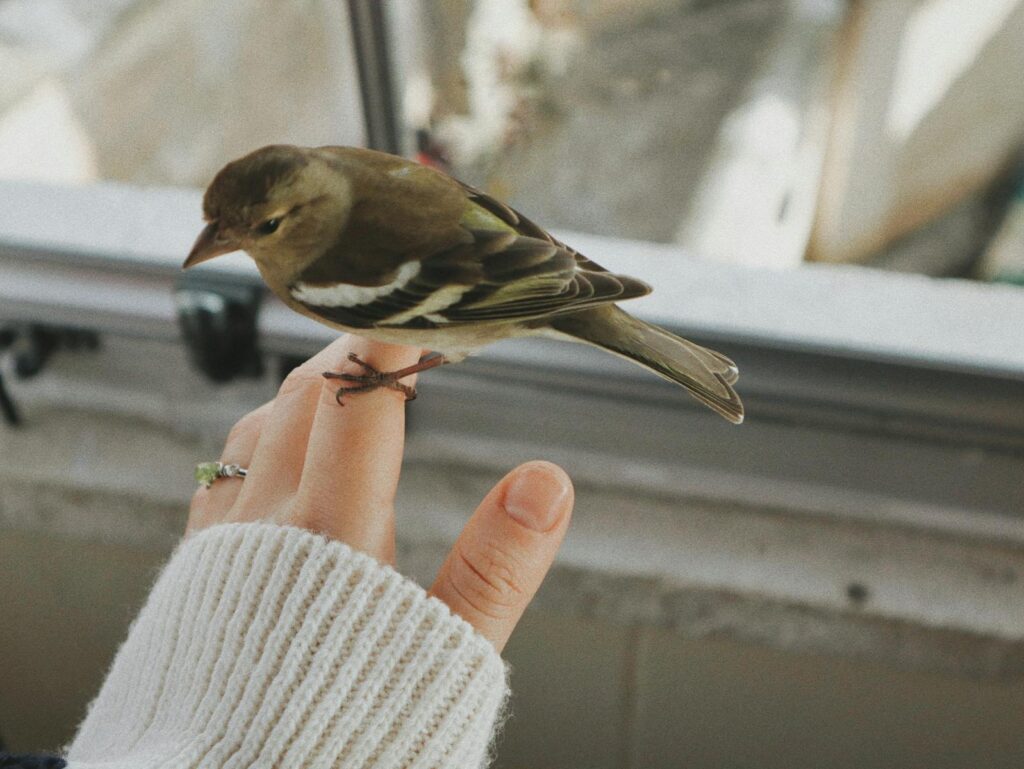
Window birdwatching offers a unique opportunity to observe birds in their natural behaviors without disturbing them or venturing outdoors in inclement weather. Unlike traditional birdwatching that might require special equipment and travel, window viewing is accessible to everyone, including those with mobility limitations, busy schedules, or young children. The psychological benefits are well-documented, with studies showing that observing nature reduces stress and improves mental well-being. Additionally, window birdwatching creates a connection to the natural world that many urban and suburban dwellers might otherwise miss in their daily lives.
Selecting the Ideal Window Location
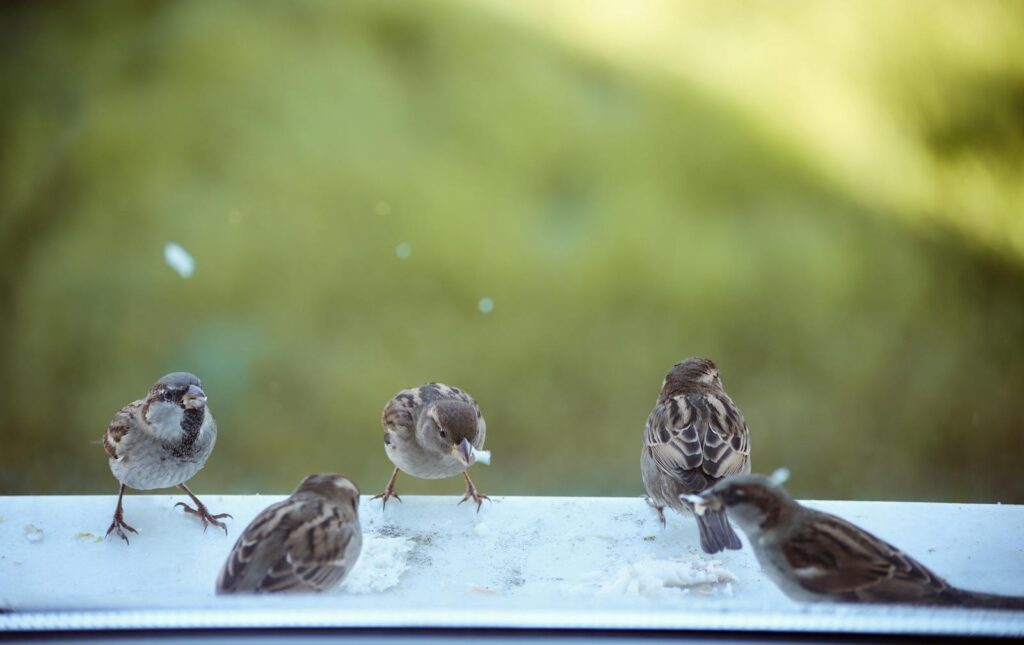
Not all windows in your home will be equally suitable for bird observation. Choose a window that faces a natural area if possible, such as a garden, trees, or open space, rather than busy streets or parking lots. Eastern-facing windows often provide excellent morning viewing when birds are most active, while offering some protection from afternoon heat. Consider the window’s height—ground-floor windows may attract different species than upper-story views. The ideal location should also be comfortable for you, with space for seating and good visibility, possibly near a living area where you spend significant time rather than a seldom-used room.
Making Windows Safe for Birds
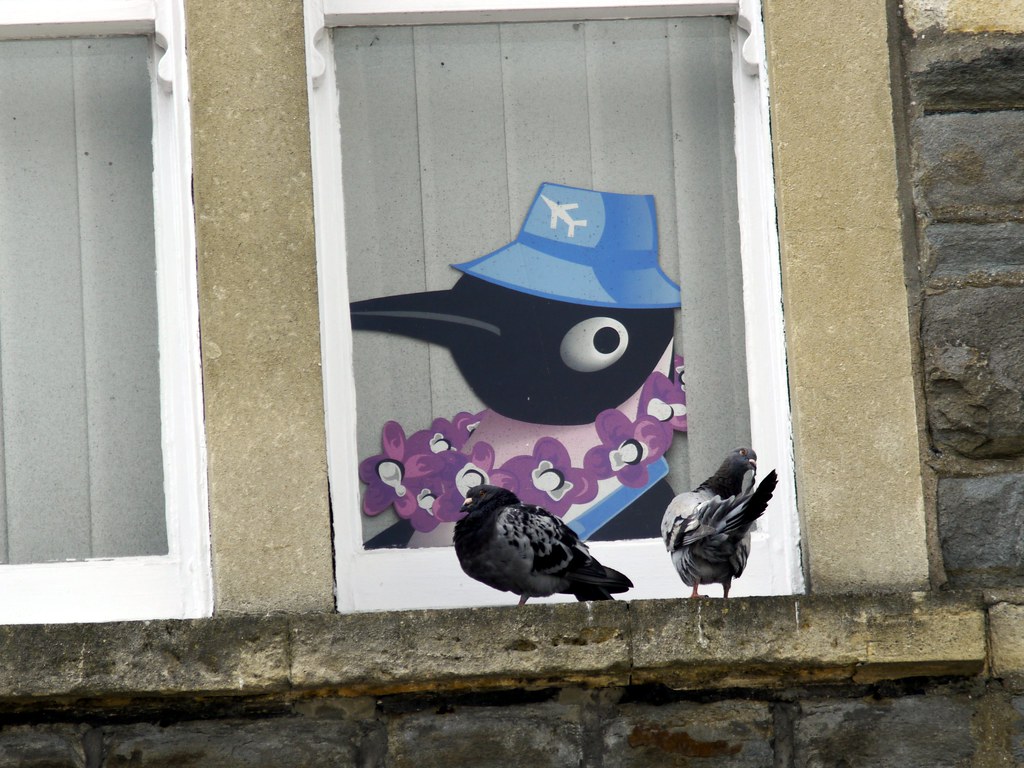
Window collisions kill millions of birds annually, making safety modifications essential for any bird-friendly setup. Apply bird-safe window treatments such as special decals, screens, or films that break up reflections while remaining transparent enough for your viewing pleasure. These treatments should be spaced no more than 2 inches apart vertically or 4 inches horizontally to be effective for even the smallest birds. External solutions like decorative window grilles or partially closed blinds can also help prevent collisions while maintaining visibility. For a natural approach, consider the strategic placement of hanging plants or window boxes that serve as visual barriers while enhancing the aesthetic appeal of your viewing area.
Installing Bird Feeders for Maximum Visibility
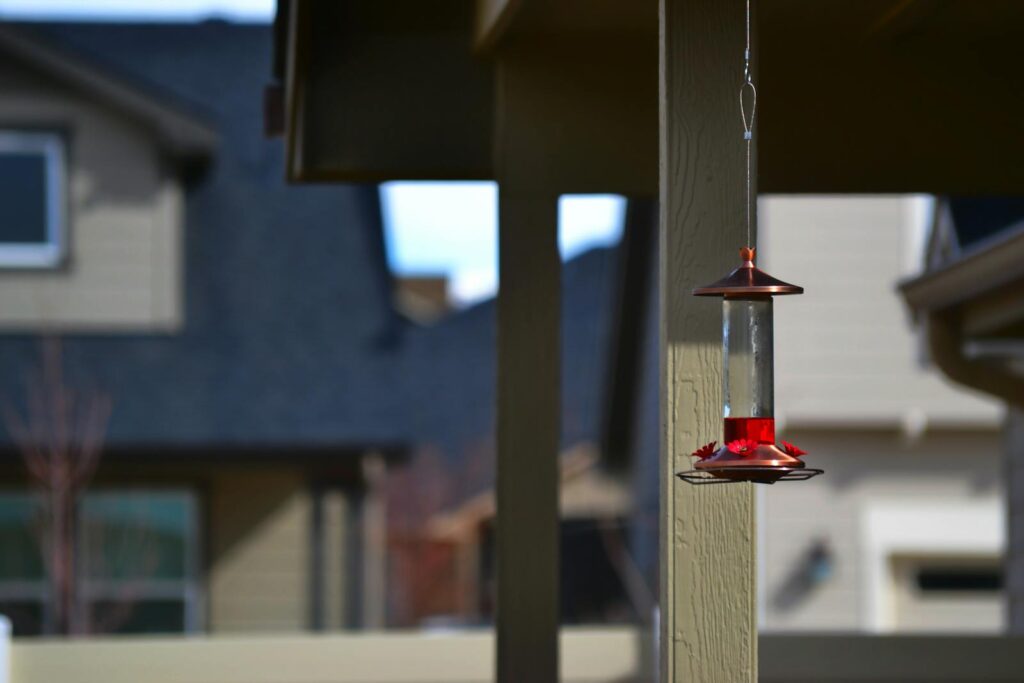
Strategically placed bird feeders transform an ordinary window into a bird observation hotspot. Window-mounted feeders with suction cups offer the closest views and are available in various designs for different seed types. Position feeders either within three feet of your window or more than ten feet away to minimize collision risks—at close range, birds can’t build up enough speed for harmful impacts, while greater distances allow them to recognize and avoid the glass. Consider installing multiple feeder types at varying distances to attract diverse species, from tube feeders for finches to platform feeders for larger birds like cardinals or jays. Remember to place feeders where they’re protected from precipitation and are easily accessible for refilling without disturbing visiting birds.
Choosing the Right Bird Food Varieties
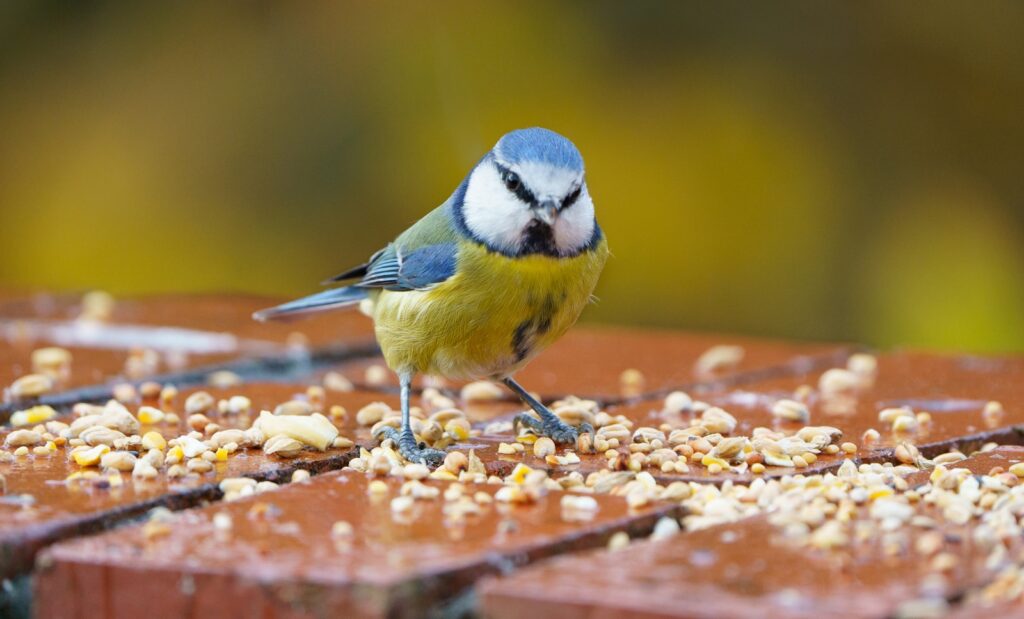
Different bird species are attracted to specific foods, so offering a variety maximizes the diversity of your feathered visitors. Black oil sunflower seeds attract the widest range of species, including chickadees, nuthatches, and many finches, making them an excellent staple. Nyjer (thistle) seeds will draw goldfinches and siskins, while safflower seeds appeal to cardinals while deterring squirrels and grackles. Don’t overlook the importance of suet cakes in colder months, which attract woodpeckers, nuthatches, and chickadees with their high-energy fat content. Fresh fruits like apple halves or orange quarters will entice mockingbirds, orioles, and tanagers during their seasonal migrations, adding splashes of color to your window viewing experience.
Adding Water Features to Attract More Species

Water features dramatically increase bird diversity at your viewing window, attracting species that might not visit feeders alone. Window-mounted bird baths provide essential drinking and bathing opportunities, particularly important during hot summer months and freezing winters when natural water sources may be scarce. Models with small solar-powered fountains or water wigglers create moving water that birds find irresistible and help prevent mosquito breeding. During winter, heated bird baths become vital resources that will draw numerous visitors when open water is hard to find elsewhere. Maintain cleanliness by changing water every 2-3 days and scrubbing occasionally with a mild vinegar solution to prevent algae growth and disease transmission.
Creating Natural Perches and Staging Areas
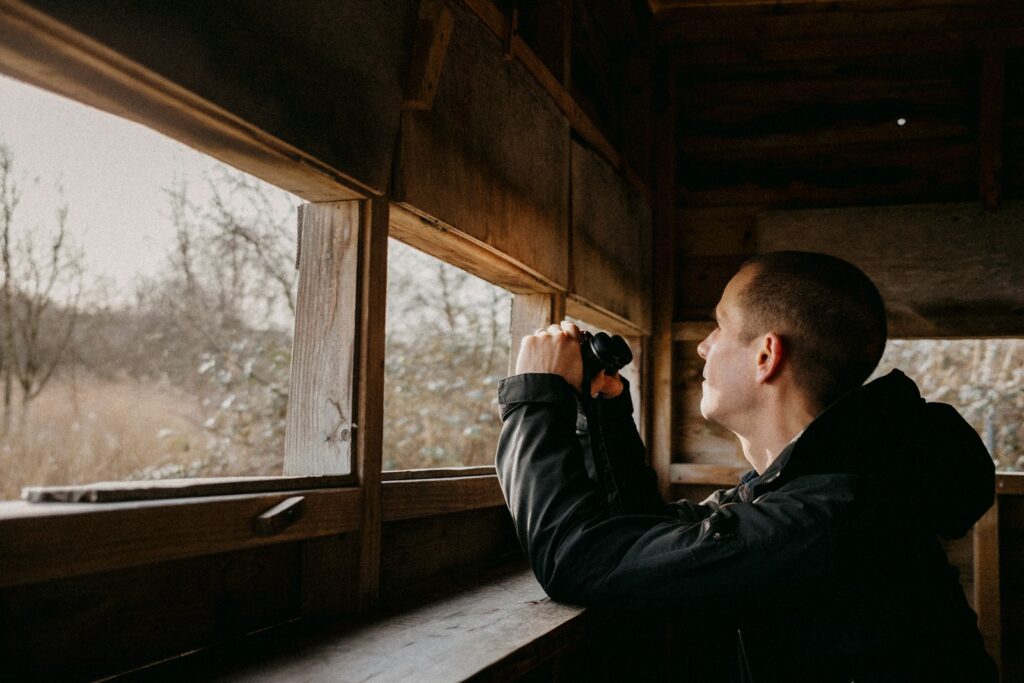
Birds prefer to approach feeders with caution, first landing on nearby perches to assess safety before feeding. Creating a staging area with branches or small shrubs within view of your window provides these essential landing zones while enhancing your viewing experience. Natural perches positioned at varying heights accommodate different species’ preferences—smaller birds often prefer higher perches while larger birds may choose lower, sturdier options. Dead branches or commercially available decorative perches can be artfully arranged to create both functionality for birds and visual interest for observers. These perching areas also provide perfect photographic opportunities as birds pause, creating natural portraits in flattering poses before they continue to your feeders.
Optimizing Indoor Viewing Comfort
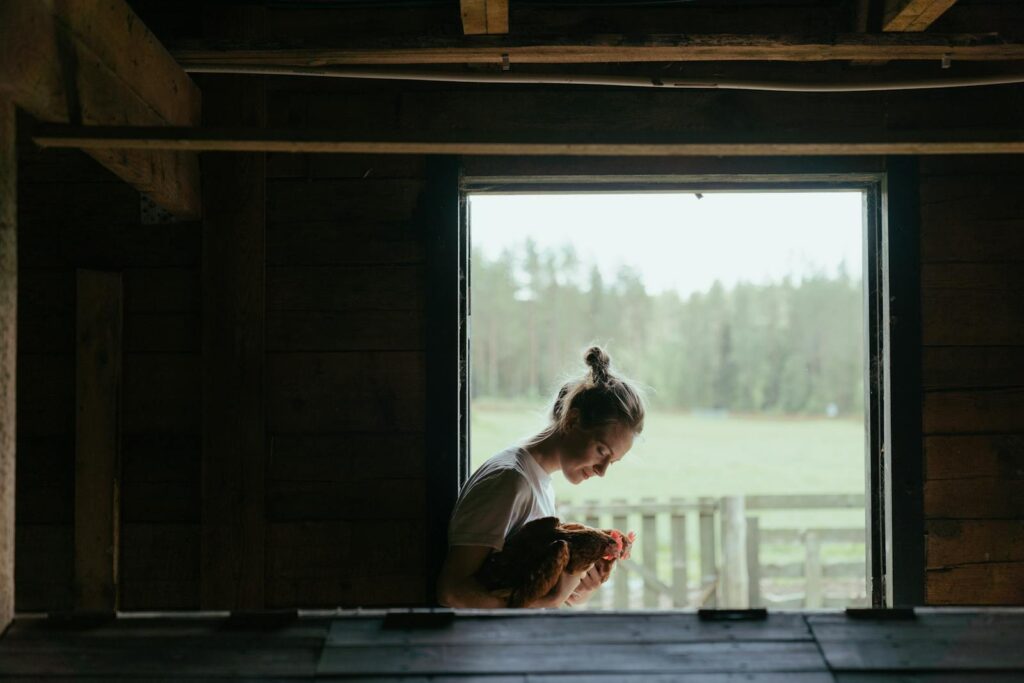
Creating a comfortable indoor observation space is essential for extended birdwatching sessions. Position a comfortable chair or small sofa at the optimal viewing distance, ideally at an angle that minimizes glare on the window. A small side table provides space for field guides, notebooks, or beverages during longer observation periods. Consider installing adjustable window treatments that allow you to control light while maintaining visibility—cellular shades that open from both top and bottom offer excellent flexibility. For serious birdwatchers, a dedicated shelf near the window can hold binoculars, species identification books, and a journal for recording observations, creating a functional and inspiring birdwatching nook within your home.
Reducing Indoor Reflection and Glare
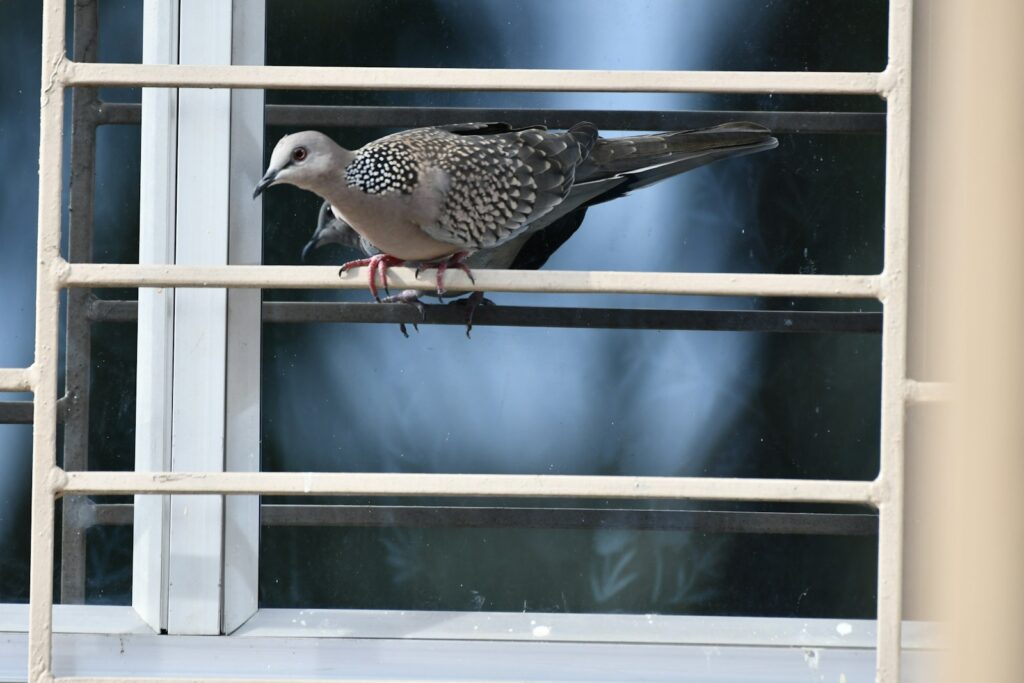
Indoor reflections can significantly diminish your birdwatching experience by creating glare and making it difficult to see outside clearly. Position lighting to minimize window reflections, particularly during early morning or evening viewing when birds are most active. Consider using lamps with directional shades rather than overhead lighting when watching birds. Window treatments with anti-glare properties can dramatically improve visibility while reducing heat gain during summer months. For photography enthusiasts, a polarizing filter on cameras or even wearing polarized sunglasses can cut through glare and enhance the clarity of birds viewed through window glass, especially during bright daylight hours.
Landscaping to Support Your Window Habitat
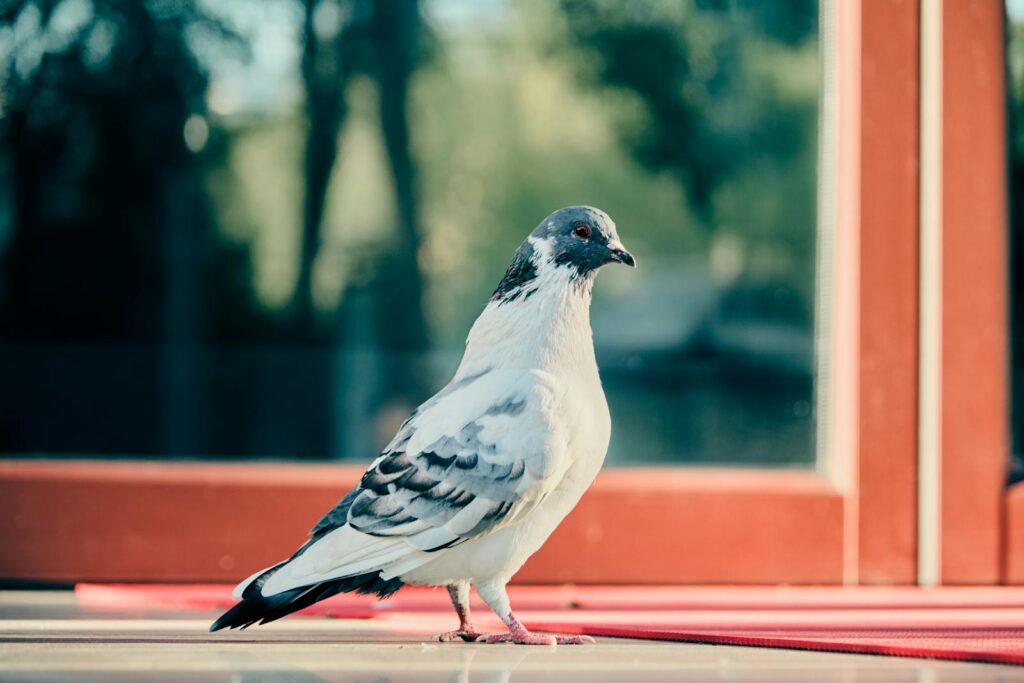
The plantings outside your viewing window dramatically influence which birds will visit and how frequently they’ll appear. Native plants provide the most ecological value, offering familiar food sources, nesting materials, and shelter for local bird species throughout the seasons. Berry-producing shrubs like serviceberry, dogwood, and elderberry attract fruit-eating birds such as waxwings and thrushes. Coneflowers, sunflowers, and other seed-producing plants provide natural feeding stations that complement your feeders. Evergreen shrubs planted within view of your window offer year-round shelter and protected perching spots, particularly valuable during harsh weather when birds need windbreaks and predator protection. Consider creating layers of vegetation at different heights to accommodate the preferences of various species, from ground-dwelling juncos to canopy-loving warblers.
Documenting Your Bird Visitors
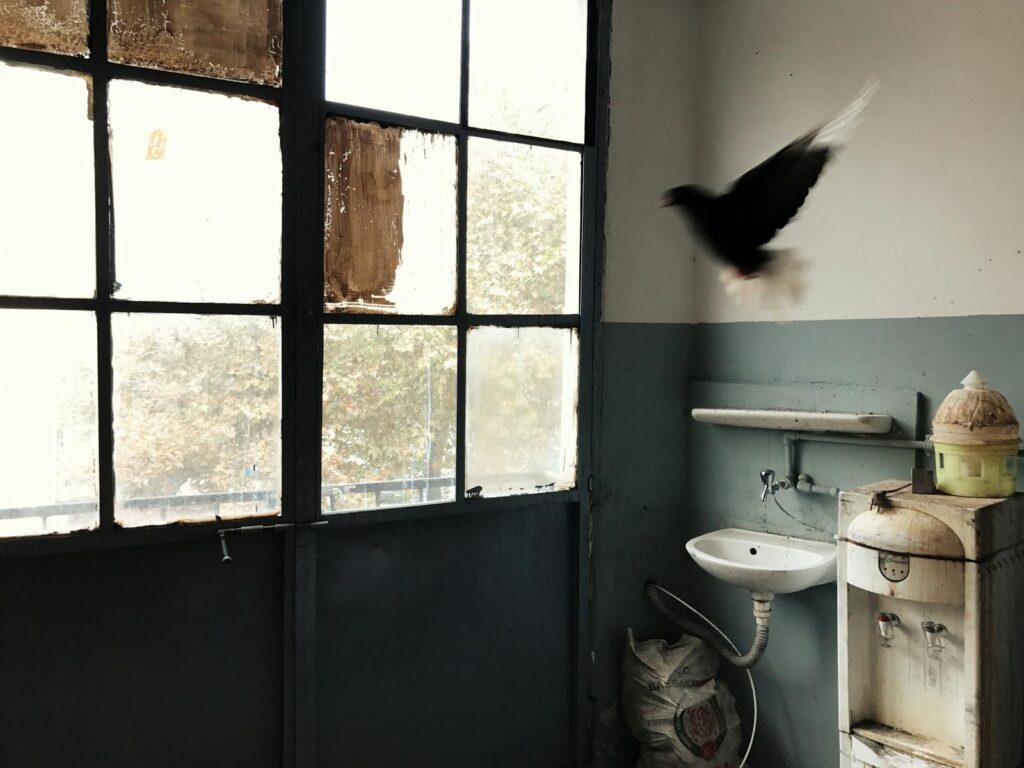
Keeping records of your window bird visitors enhances the educational value of your observation station and contributes to citizen science. Create a simple journal or spreadsheet to record species, dates, behaviors, and notable events like first seasonal appearances or breeding activities. Many birdwatchers enjoy photographing their visitors, with window setups allowing for unique close-range images without disturbing the subjects—even smartphone cameras can capture memorable shots through clean window glass. Consider participating in community science projects like Project FeederWatch or the Great Backyard Bird Count, submitting your observations to contribute to important research on bird populations and distribution. Over time, your documentation will reveal fascinating patterns in migration timing, species distribution, and how birds respond to your habitat improvements.
Maintaining Your Bird-Friendly Window Year-Round
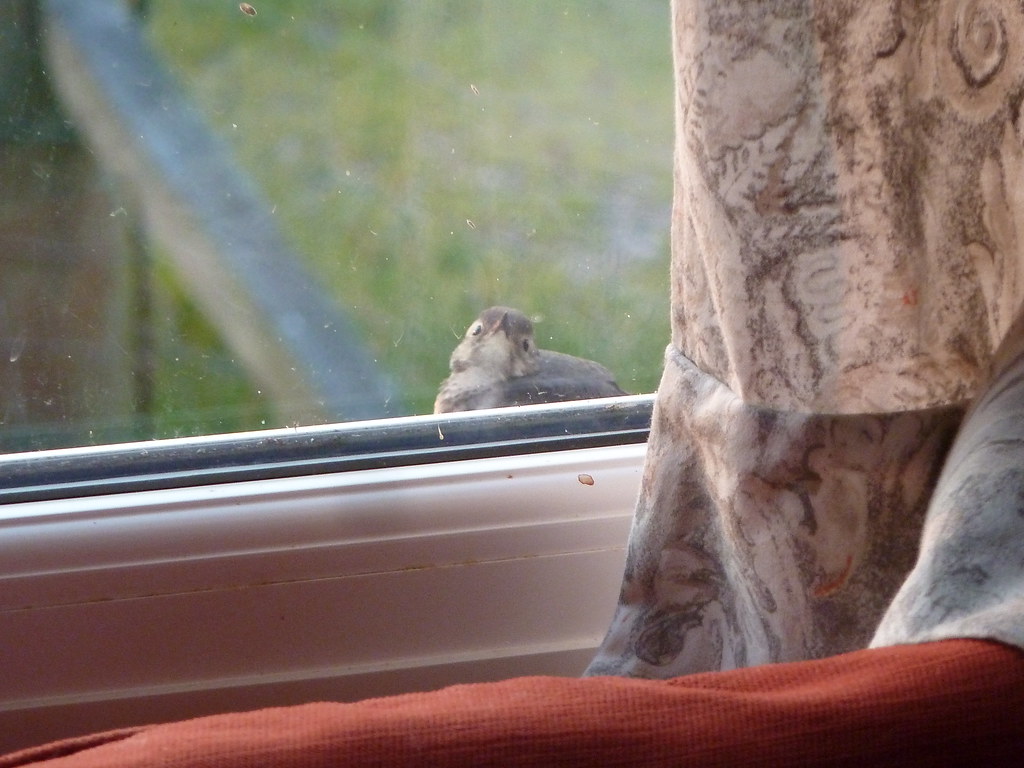
Consistent maintenance ensures your bird-friendly window remains safe, attractive, and healthy for its visitors throughout the seasons. Clean windows regularly using bird-safe products without harsh chemicals that might leave toxic residues. Establish a regular schedule for cleaning and refilling feeders—at least weekly in warm weather—to prevent mold and disease transmission among bird populations. Adjust your offerings seasonally, providing high-fat foods like suet during winter months and switching to primarily seed and fruit options during warmer seasons. Periodically reassess your window treatments for effectiveness and repair any damaged bird-safety features promptly. Remember that consistency in maintenance builds trust with your bird visitors, encouraging them to make your window a regular stop in their daily routines.
Sharing the Experience with Others
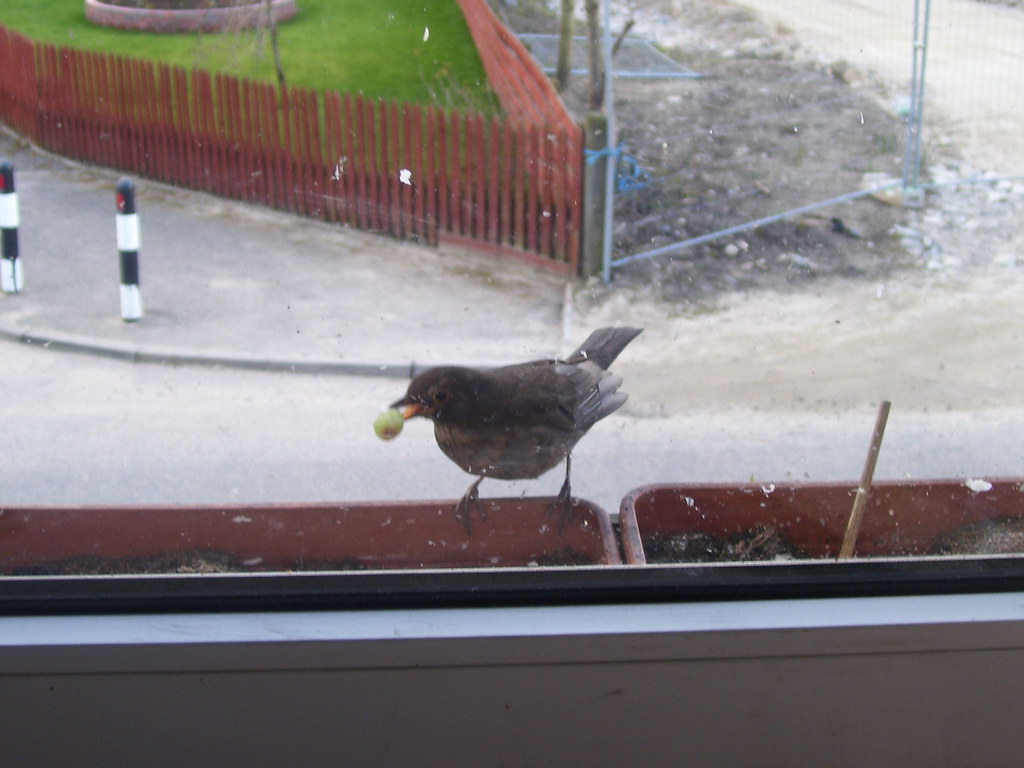
A bird-friendly window creates opportunities for sharing nature with family, friends, and community members. For families with children, establish a kid-friendly observation station with age-appropriate field guides, coloring sheets of common visitors, or a designated “bird journal” where young observers can record their sightings. Consider hosting occasional “window birdwatching” gatherings, particularly during migration seasons when diversity peaks. Elderly or homebound neighbors might especially appreciate an invitation to enjoy your bird window, offering them a therapeutic connection to nature they might otherwise miss. Social media platforms provide excellent venues for sharing unusual sightings or beautiful photos, connecting you with fellow enthusiasts and potentially inspiring others to create their own bird-friendly windows.
Troubleshooting Common Challenges

Even well-designed bird windows can encounter occasional challenges that require thoughtful solutions. If squirrels dominate your feeders, consider installing baffles or specialized squirrel-proof feeders that close when heavier animals attempt to access the seed. For persistent window collisions despite safety measures, try moving feeders even closer to the window or further away, as the dangerous zone is typically 3-10 feet from the glass. Aggressive species that monopolize resources can be discouraged by offering foods they dislike, such as safflower seed instead of sunflower, or by using feeders with smaller perches that exclude larger birds. Address unwanted messes from seed hulls or droppings by installing seed catchers beneath feeders or periodically relocating feeding stations to distribute impact across your outdoor space.
Conclusion
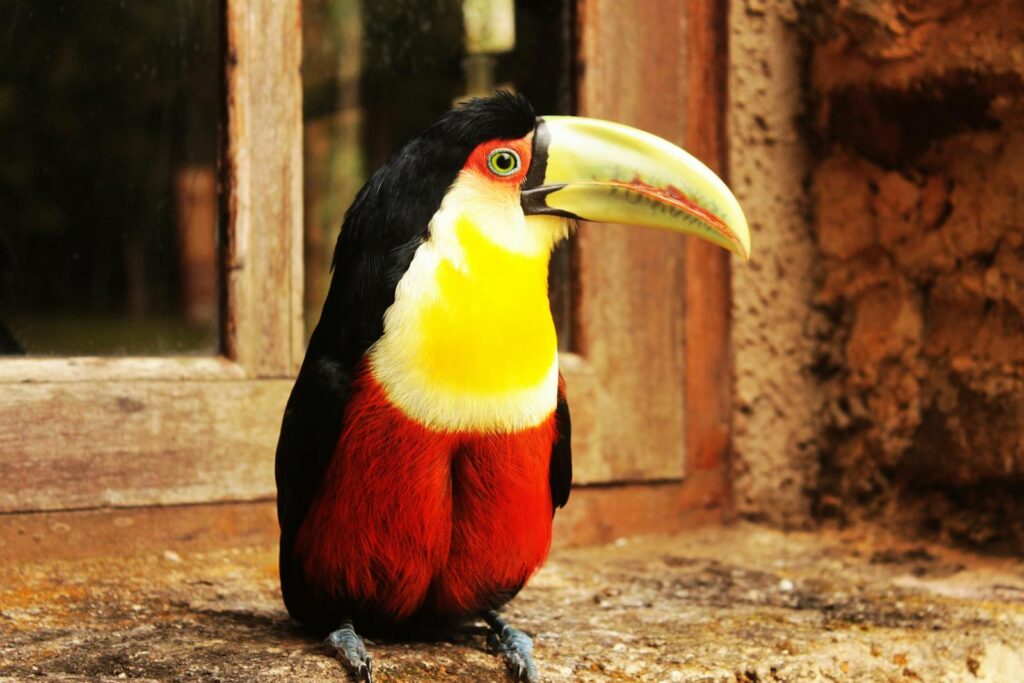
Creating a bird-friendly window transforms an ordinary part of your home into a dynamic portal to the natural world. With thoughtful design that considers both bird safety and your viewing pleasure, you’ll establish a mutually beneficial relationship with your local avian community. As seasons change, your window habitat will showcase the remarkable diversity of bird life, from colorful spring migrants to winter residents braving the cold. Beyond the simple joy of observation, your bird-friendly window contributes to conservation by providing crucial resources for birds facing habitat challenges. Whether you’re an experienced birder or simply seeking a closer connection to nature, a well-designed window viewing area offers endless opportunities for discovery, learning, and tranquil enjoyment right in the comfort of your home.