

In the diverse world of avian adaptations, one peculiar behavior stands out among the rest – a bird that literally smells with its feet. The Kiwi bird of New Zealand has developed this extraordinary sensory adaptation, turning the conventional understanding of avian perception on its head. Unlike most birds that rely primarily on vision and hearing, the kiwi has evolved to use its feet as an extension of its olfactory system, helping it navigate its environment and locate food in the dark forest floors of its native habitat. This remarkable adaptation demonstrates the incredible diversity of evolutionary solutions to survival challenges and highlights how unique ecological niches can drive the development of unusual sensory capabilities.
The Kiwi: New Zealand’s Unusual Ground-Dwelling Bird
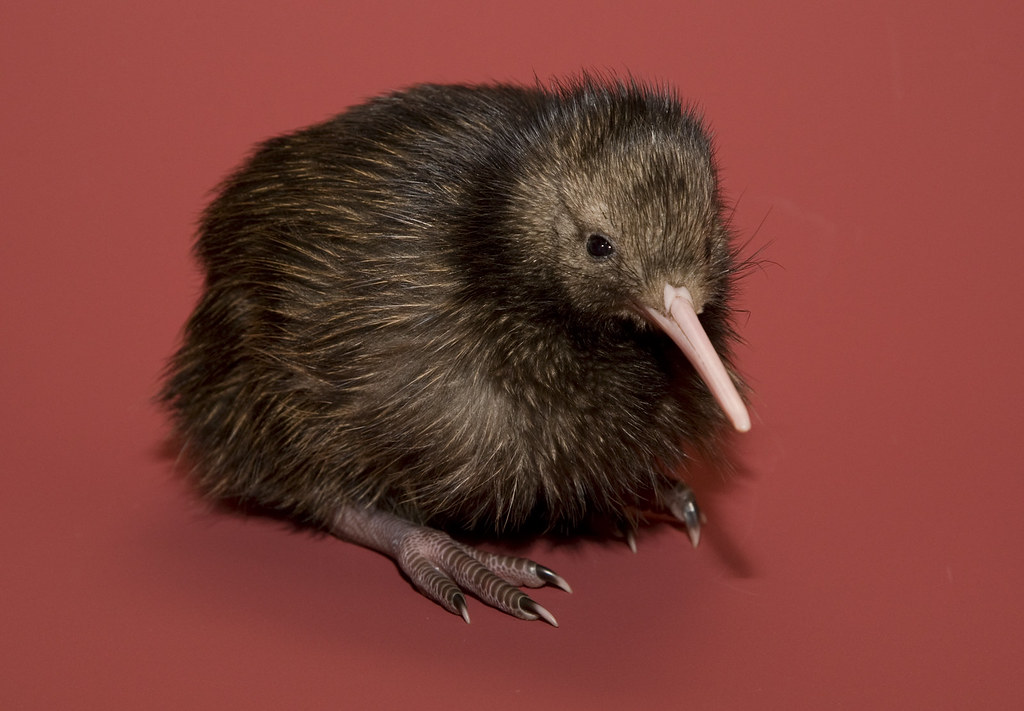
The kiwi (Apteryx) represents one of the most distinctive bird species found anywhere on Earth, with five recognized species all native to New Zealand. Unlike typical birds, kiwis are flightless, nocturnal, and possess hair-like feathers that give them a shaggy appearance more reminiscent of a mammal than a bird. They have evolved in isolation on the New Zealand archipelago, which lacked terrestrial mammals until human introduction, allowing these birds to adapt to a ground-dwelling lifestyle that would typically be occupied by mammals in other ecosystems. Their unusual appearance and behavior have made them not only New Zealand’s national symbol but also one of the most fascinating examples of avian evolution shaped by geographic isolation.
The Kiwi’s Enhanced Sense of Smell
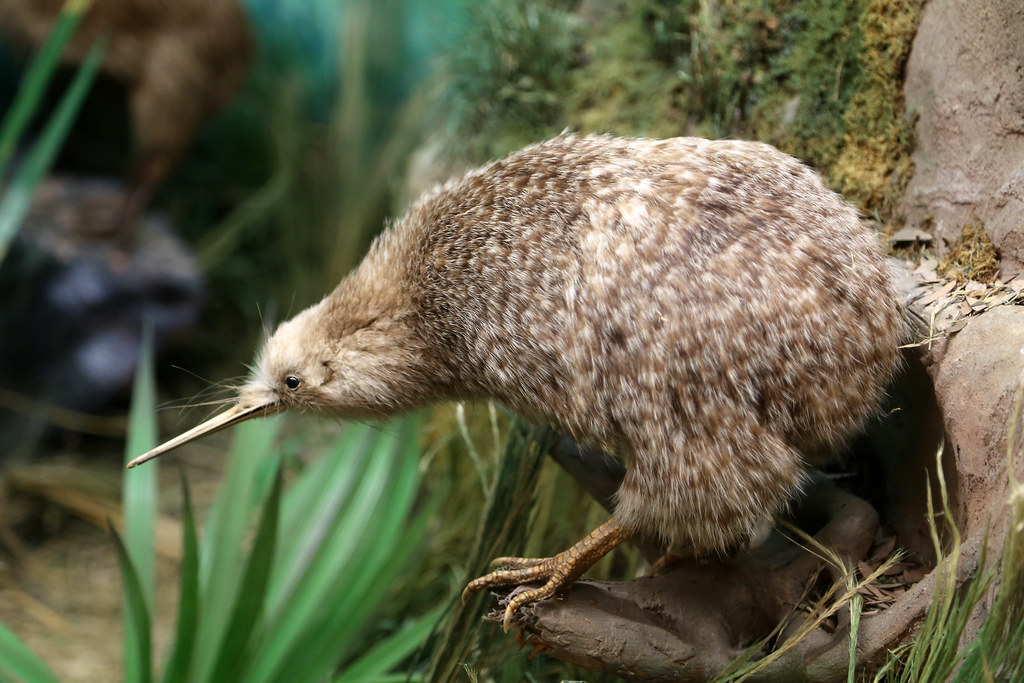
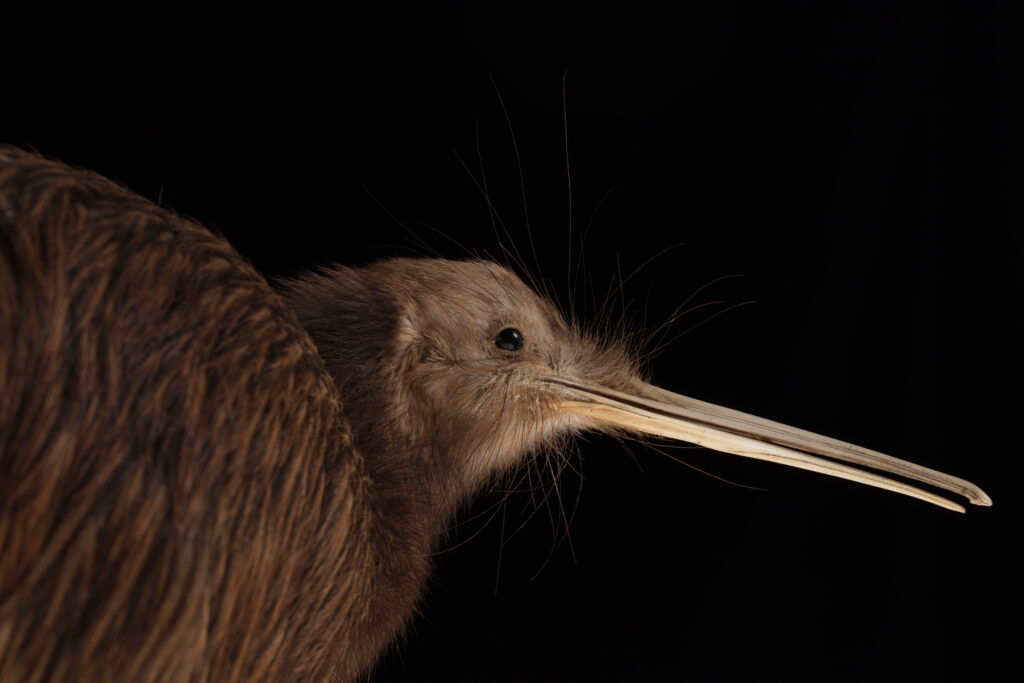
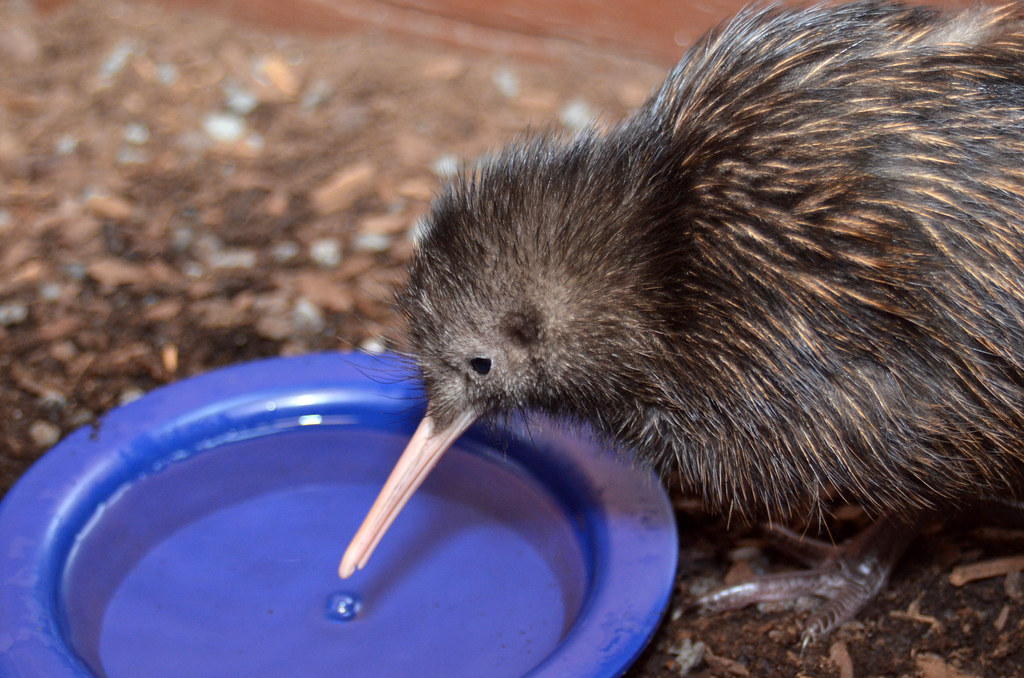
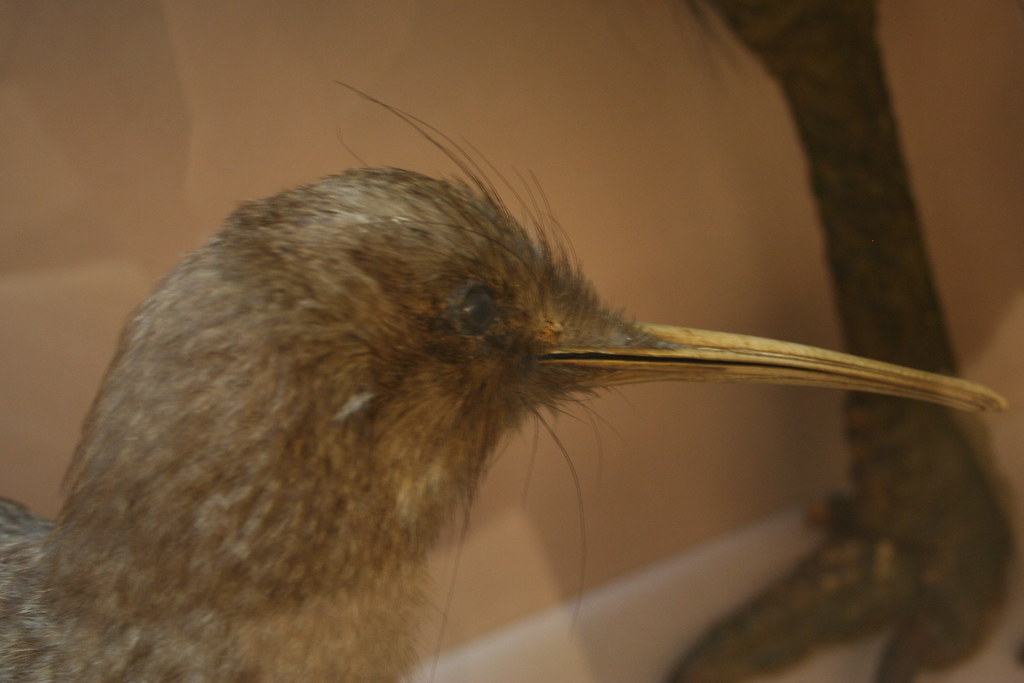
Among birds, the kiwi stands as an olfactory champion with one of the most developed senses of smell in the avian world. While most birds have minimal olfactory capabilities and rely primarily on vision, kiwis have bucked this evolutionary trend with large olfactory bulbs in their brains dedicated to processing scent information. Research has shown that kiwis have nostrils positioned uniquely at the tip of their long beaks, an adaptation not seen in other bird species. This specialized anatomy allows them to detect prey underneath the soil and leaf litter, using their sense of smell to locate earthworms, insects, and other invertebrates that make up their diet. Their extraordinary olfactory prowess is particularly valuable for a nocturnal forager navigating New Zealand’s dark forest floors.
How Kiwis “Smell” With Their Feet
The kiwi’s pedal olfaction—or foot-smelling capability—represents one of the most unusual sensory adaptations in the bird world. When foraging, kiwis engage in a behavior called “probing,” where they tap their feet gently on the ground while walking, using vibrations and tactile information to supplement their already keen sense of smell. Their feet contain sensitive nerve endings that can detect subtle changes in soil composition, temperature, and moisture—all indicators of potential prey locations. This combination of traditional olfaction through their nostrils and supplementary sensory information from their feet creates a comprehensive sensory system perfectly adapted for locating food in complete darkness. Scientists describe this as a multi-modal sensory approach, where different sensory inputs combine to create a more detailed picture of the environment than any single sense could provide alone.
The Anatomy Behind Foot-Based Sensing
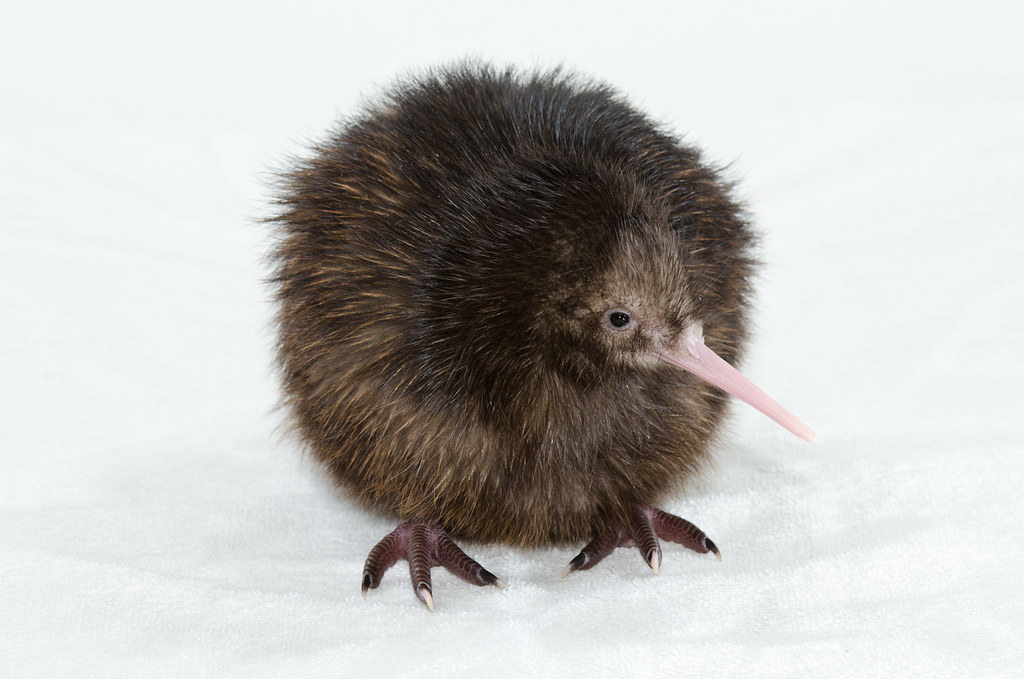
The kiwi’s foot structure has evolved specifically to support its unique sensory capabilities, featuring specialized mechanoreceptors and nerve endings concentrated in the skin of its toes and footpads. Unlike many other birds with thin, scaly feet, the kiwi has thicker, more sensitive foot pads that contain a higher density of Herbst and Pacinian corpuscles—specialized nerve endings that detect pressure and vibration. These sensory receptors send information to the bird’s brain about subtle ground movements, soil density changes, and even the electrical signals produced by moving invertebrates. The feet are connected to the central nervous system through robust neural pathways that allow rapid processing of this tactile information. When combined with information from their nostrils, this creates a comprehensive “smell-feel” system that enables them to effectively hunt in complete darkness.
Nocturnal Foraging Advantages
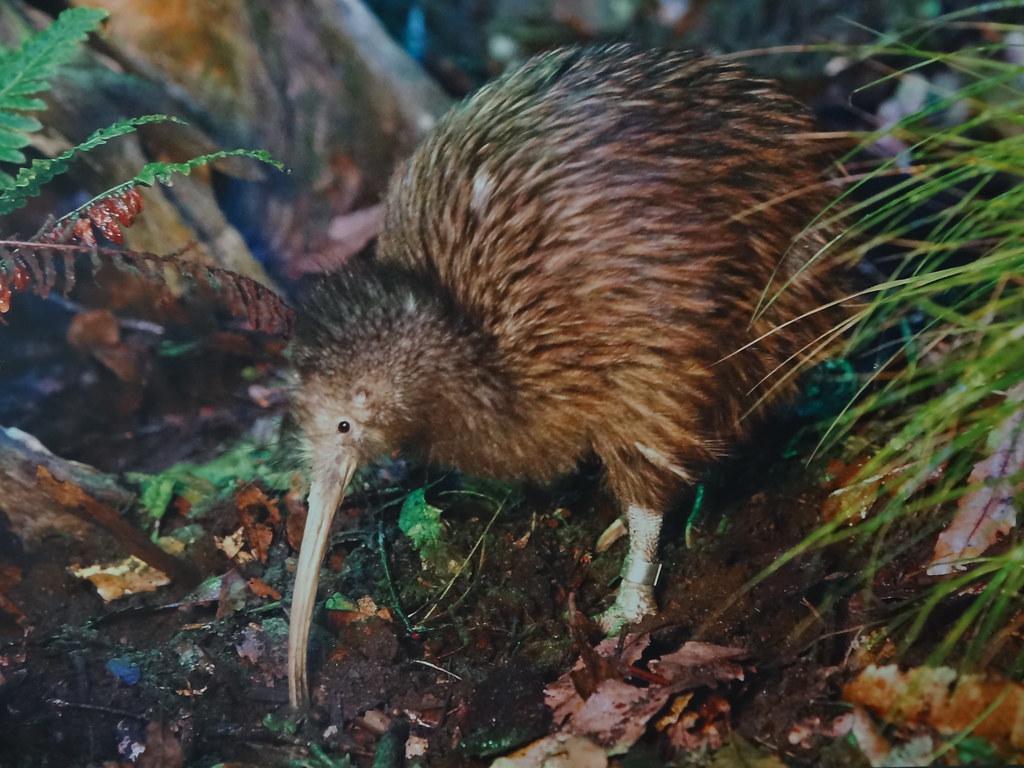
The kiwi’s foot-based sensory system provides crucial advantages for its nocturnal lifestyle, allowing it to thrive when visual hunting would be ineffective. Under the cover of darkness, these birds move methodically through the forest floor, tapping their feet and inserting their long beaks into the soil to detect prey movement and scent. This specialized adaptation enables kiwis to locate earthworms, larvae, and other invertebrates that would be invisible to birds relying solely on vision. Their ability to hunt successfully at night also reduces competition with diurnal species and helps them avoid predators that rely primarily on sight. Evolutionary biologists point to the kiwi’s nocturnal foraging abilities as a perfect example of how ecological pressures can drive the development of novel sensory systems when traditional ones (like vision) become less advantageous.
Comparing Kiwi Senses to Other Birds

The kiwi’s sensory adaptations stand in stark contrast to the capabilities of most other avian species, highlighting the diversity of evolutionary pathways in birds. While raptors like eagles and hawks have evolved extraordinary visual acuity that allows them to spot small prey from great heights, kiwis have invested their evolutionary capital in olfactory and tactile systems. Most birds have a poorly developed sense of smell, with olfactory bulbs composing less than 3% of their brain mass, but kiwis devote significantly more neural resources to smell processing. Only a few other birds, such as certain seabirds like albatrosses and petrels, have well-developed olfactory systems, though these are used primarily for locating food sources over vast oceanic areas rather than for the close-range foraging employed by kiwis. This divergence in sensory specialization reflects how different ecological niches drive the enhancement of different senses.
The Evolutionary History of This Adaptation
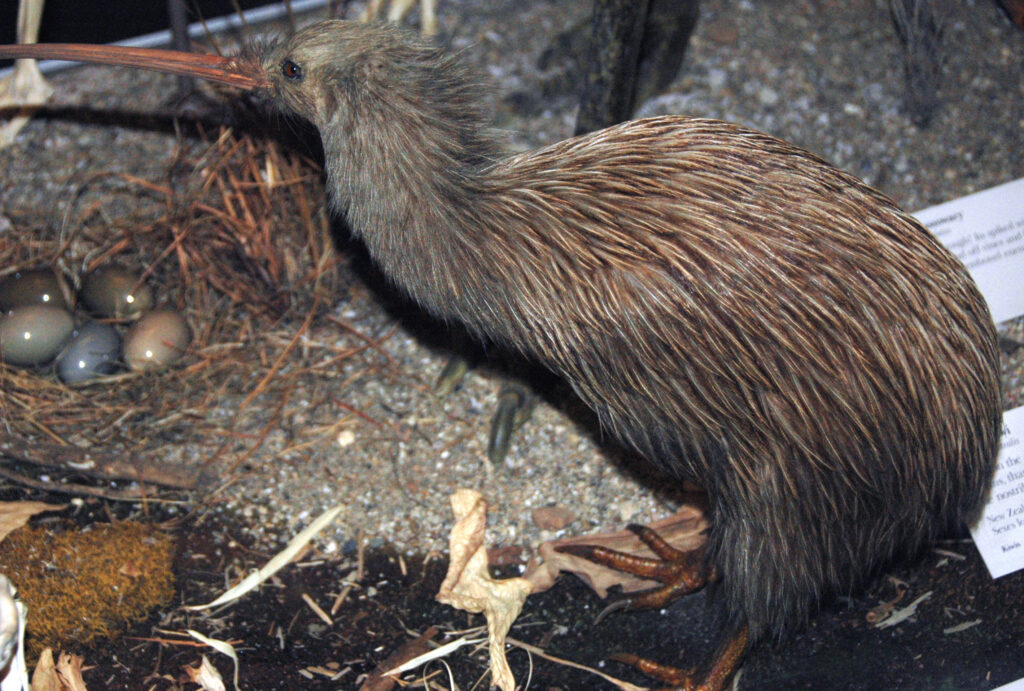
The kiwi’s unusual foot-sensing ability represents the culmination of millions of years of isolated evolution in New Zealand’s unique ecological setting. Genetic analysis suggests that kiwis diverged from their flying ancestors approximately 50-60 million years ago, shortly after New Zealand separated from the ancient supercontinent Gondwana. Without ground-dwelling mammalian competitors or predators, these birds gradually adapted to fill ecological niches that would typically be occupied by mammals in other parts of the world. Paleontological evidence indicates that the development of enhanced olfactory capabilities and specialized foot sensitivity evolved gradually as kiwis became increasingly nocturnal and ground-dwelling. This evolutionary journey transformed a once-typical bird into the highly specialized sensory specialist we see today, demonstrating how isolation on island ecosystems can drive extreme adaptations and specializations not seen in continental species.
Scientific Research on Kiwi Sensory Perception
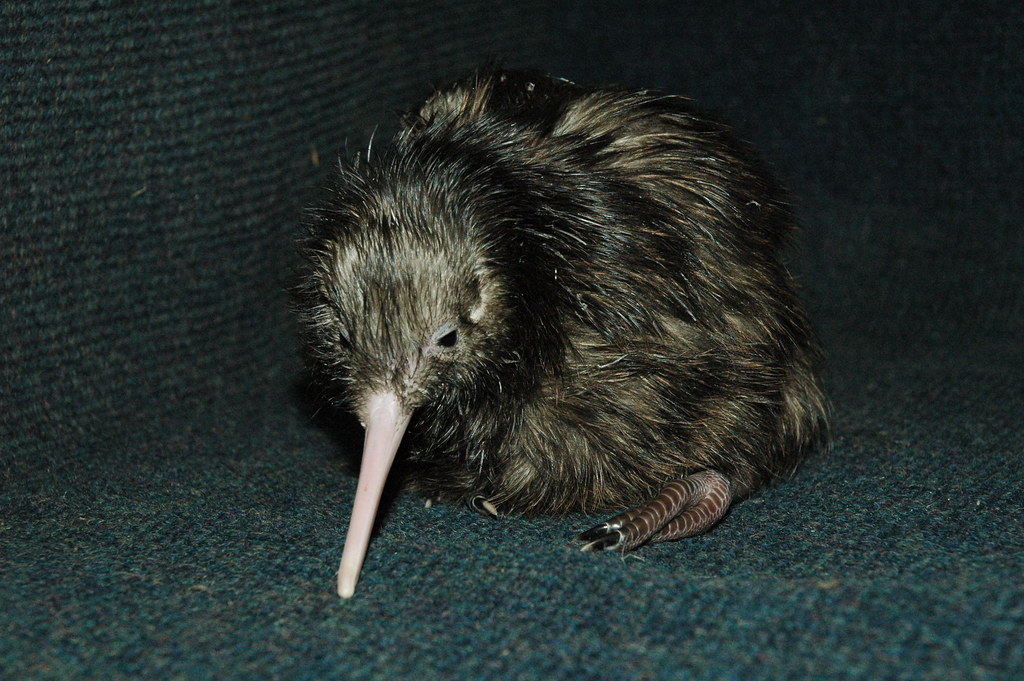
Research into the kiwi’s unique sensory systems has revealed fascinating insights about how these birds experience their environment. Studies using controlled experimental setups have demonstrated that kiwis can detect and differentiate between various soil-dwelling invertebrates based solely on scent and vibration cues, without any visual input. Neurological research has mapped the enlarged olfactory bulbs and specialized brain regions dedicated to processing tactile information from their feet, confirming the anatomical basis for their unusual sensory capabilities. Recent experiments using thermal imaging and infrared videography have allowed scientists to observe kiwi foraging behavior in complete darkness, revealing the precise way they use foot-tapping and beak probing in coordinated sequences to maximize hunting efficiency. These scientific investigations continue to expand our understanding of sensory evolution and demonstrate how animals can develop novel solutions to ecological challenges.
Challenges to Kiwi Survival
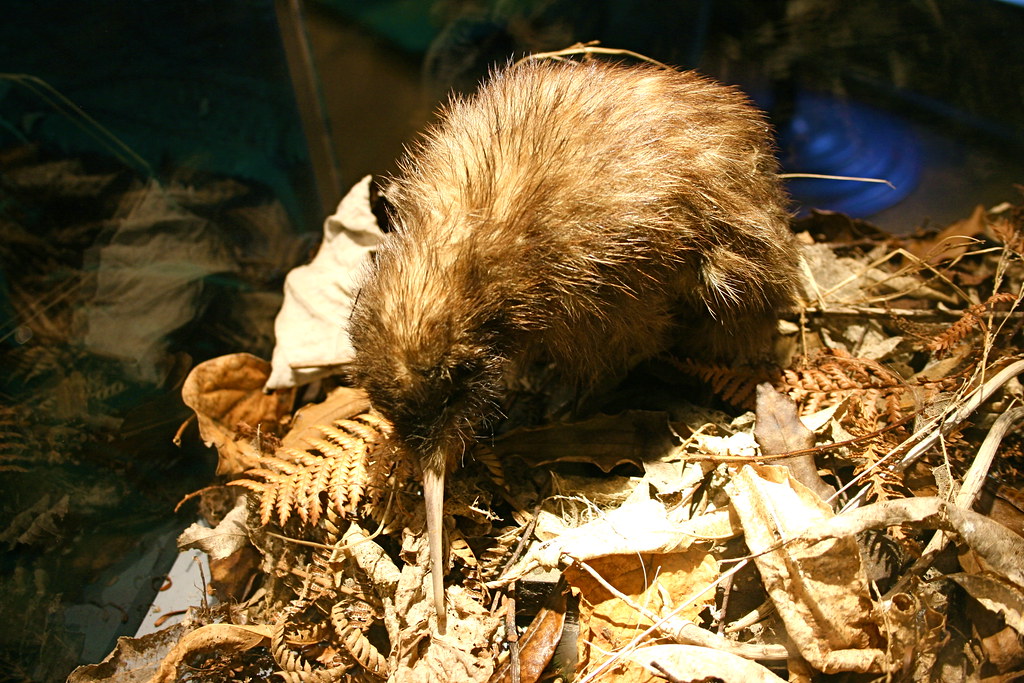
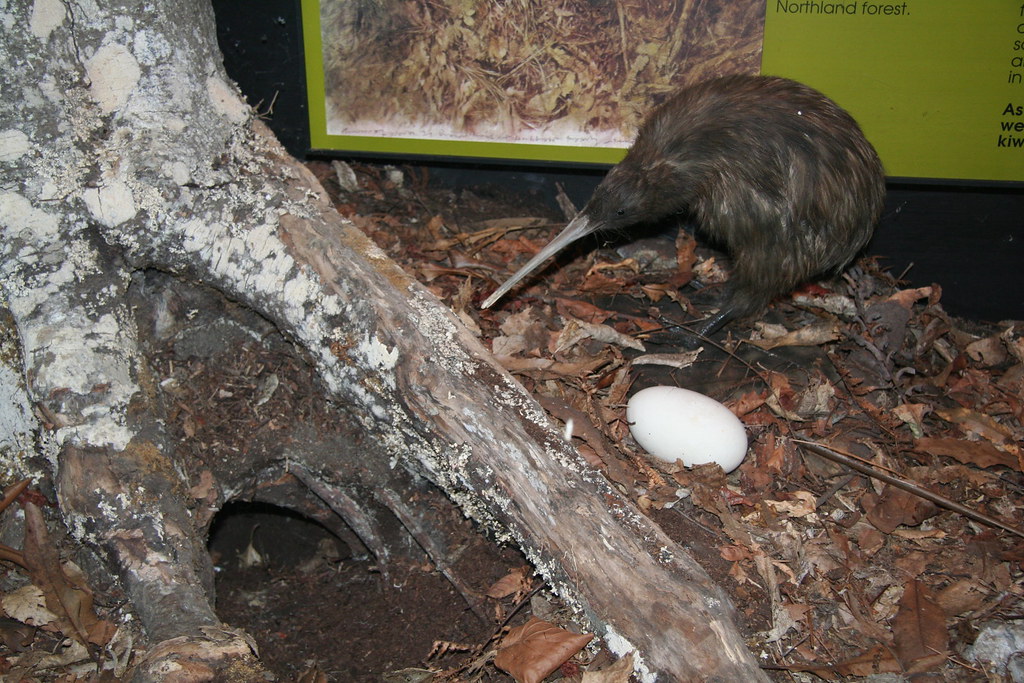
Despite their remarkable adaptations, all five kiwi species face significant conservation challenges that threaten their survival in the modern world. Introduced predators like stoats, cats, and dogs have devastated kiwi populations, as these birds evolved without mammalian predators and lack appropriate defensive behaviors. Habitat loss due to agriculture, forestry, and urban development has fragmented kiwi populations and reduced their available foraging grounds. Climate change presents additional challenges, potentially altering soil moisture levels and affecting the abundance and distribution of the invertebrates kiwis depend on for food. These pressures are particularly problematic because kiwis reproduce slowly, typically laying just one or two eggs per year, making population recovery difficult once numbers decline. Conservation efforts now focus on predator control, habitat protection, and captive breeding programs to preserve these evolutionary marvels for future generations.
Conservation Efforts to Protect These Unique Birds
New Zealand has implemented comprehensive conservation strategies to protect its iconic kiwi species and the unique sensory adaptations they represent. Predator-free sanctuaries, both on the mainland and offshore islands, provide safe havens where kiwis can thrive without the threat of introduced mammalian predators. Intensive predator control programs using trapping, baiting, and innovative technologies like self-resetting traps target stoats, ferrets, and other invasive species that prey on kiwis and their eggs. Community-based conservation initiatives engage local populations in habitat restoration, predator control, and monitoring efforts, creating a nationwide network of kiwi guardians. Advanced breeding programs like Operation Nest Egg, where eggs are collected from the wild, hatched in captivity, and chicks are raised until they reach a size that improves their chances against predators, have successfully boosted kiwi populations in several regions. These multi-faceted conservation approaches offer hope for the long-term survival of these remarkable birds.
Cultural Significance of the Kiwi in New Zealand
The kiwi bird holds immense cultural importance in New Zealand, transcending its biological significance to become a powerful national symbol. In Māori culture, kiwi feathers were traditionally used to create prestigious cloaks (kahu kiwi) worn by chiefs, and the bird features prominently in folklore and traditional stories. The term “Kiwi” has become synonymous with New Zealand identity, with citizens proudly calling themselves “Kiwis” and the bird appearing on currency, stamps, and as mascots for national sports teams. This deep cultural connection has helped fuel public support for conservation efforts, with many New Zealanders feeling a personal responsibility to protect these birds and their unique adaptations. Educational programs across the country highlight the kiwi’s unusual characteristics, including its foot-sensing abilities, building appreciation for this evolutionary marvel among new generations and international visitors alike.
What We Can Learn From This Unique Adaptation
The kiwi’s ability to “smell” with its feet offers valuable lessons about evolutionary innovation and sensory biology that extend beyond ornithology. This adaptation demonstrates how ecological pressures can drive the repurposing of existing structures for novel functions, a key principle in evolutionary biology that helps explain the diversity of life on Earth. The kiwi’s multi-modal sensory system provides inspiration for bioinspired technologies, particularly in the development of advanced tactile sensors and environmental monitoring devices that can detect subtle changes in soil composition and underground activity. For conservation biology, the kiwi represents an important case study in how specialized adaptations can create both advantages in specific environmental conditions and vulnerabilities when those conditions change rapidly. Perhaps most importantly, this unusual bird reminds us that nature’s solutions to environmental challenges often evolve in unexpected directions, highlighting the value of preserving biodiversity not just for ecological stability but as an irreplaceable source of biological innovation.
The kiwi’s remarkable ability to use its feet as an extension of its olfactory system represents one of nature’s most innovative sensory adaptations. Evolved over millions of years in New Zealand’s unique ecosystem, this specialized capability allows these nocturnal birds to thrive in environments where visual hunting would be ineffective. By combining traditional scent detection through their nostrils with tactile sensitivity in their feet, kiwis have developed a comprehensive sensory system perfectly suited to their ecological niche. As these birds face mounting conservation challenges, understanding and appreciating their unique adaptations becomes increasingly important. The story of the kiwi reminds us that evolution’s solutions to survival challenges can take unexpected forms, and that preserving biodiversity means protecting not just species, but the remarkable adaptations they represent—innovations that took millions of years to develop and could be lost in just a fraction of that time.