

Every spring, one of nature’s most spectacular phenomena unfolds along the western edge of North America. Millions of birds—from tiny warblers to majestic swans—journey thousands of miles along the Pacific Flyway, a critical migratory corridor stretching from Alaska to Patagonia. This aerial highway in the sky isn’t just a remarkable wildlife spectacle; it’s a living barometer of our planet’s ecological health. Understanding why birds choose this particular route and what factors influence their journey can reveal profound insights about climate change, habitat conservation, and the interconnectedness of ecosystems. This spring, paying attention to the Pacific Flyway migration offers both casual birdwatchers and serious conservationists a front-row seat to one of nature’s most compelling stories—one that carries important messages about our changing world.
The Geographic Marvel of the Pacific Flyway
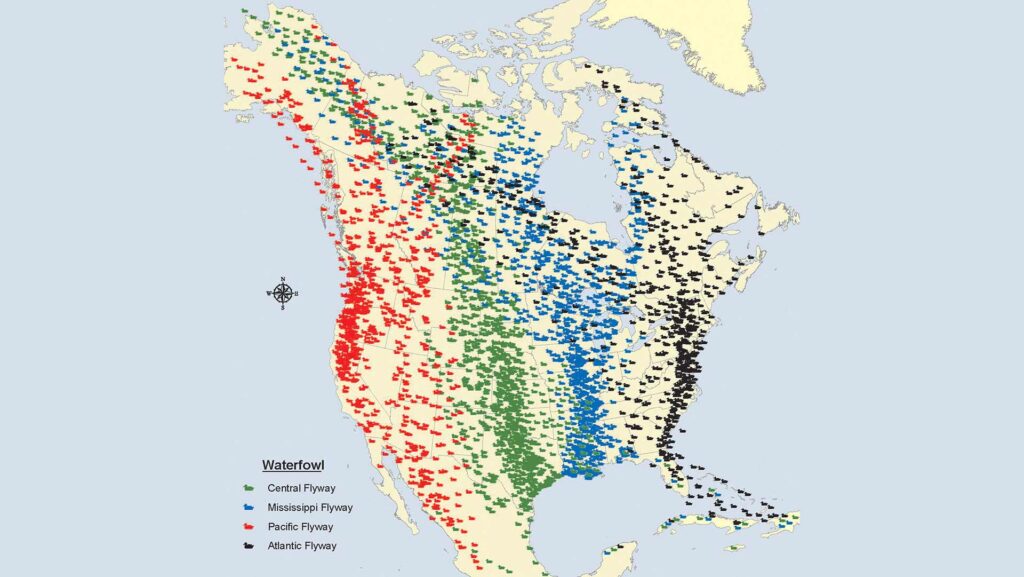
The Pacific Flyway is a marvel of natural geography, spanning nearly the entire north-south length of the Western Hemisphere. This migratory corridor follows the Pacific coastline from the Arctic tundra of Alaska and Canada through the United States, Mexico, and Central America, extending all the way to the southern tip of South America. What makes this flyway unique is its diverse topography—it encompasses coastlines, wetlands, mountain ranges, and deserts, creating a mosaic of habitats that birds have evolved to navigate and depend upon. The Sierra Nevada and Cascade mountain ranges serve as natural guideposts for many migrating species, while the chain of wetlands along the route provides crucial refueling stations. Unlike other North American flyways, the Pacific route offers relatively mild winter conditions in many segments, making it a preferred choice for certain species that are less cold-tolerant.
A Highway for Hundreds of Species
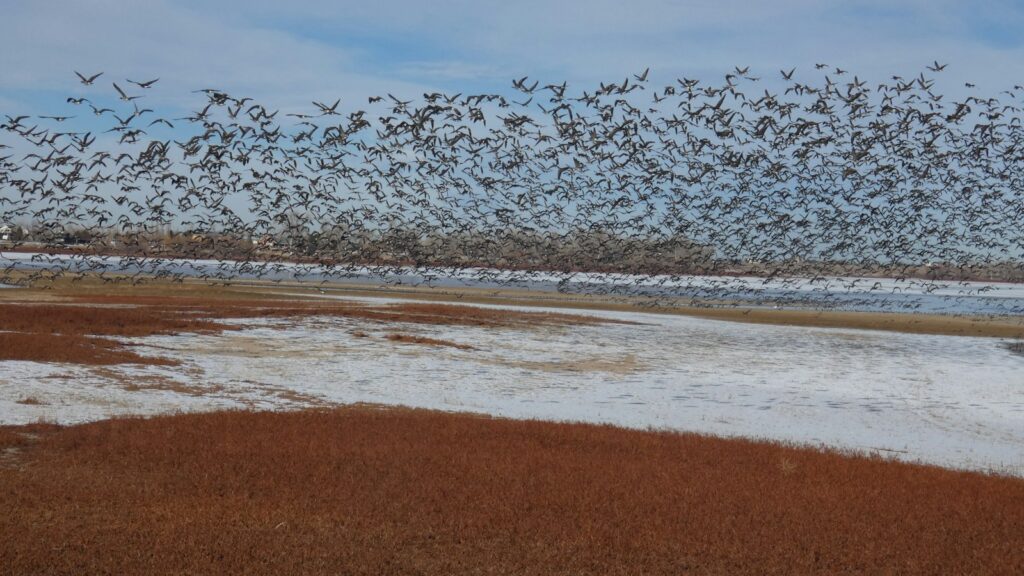
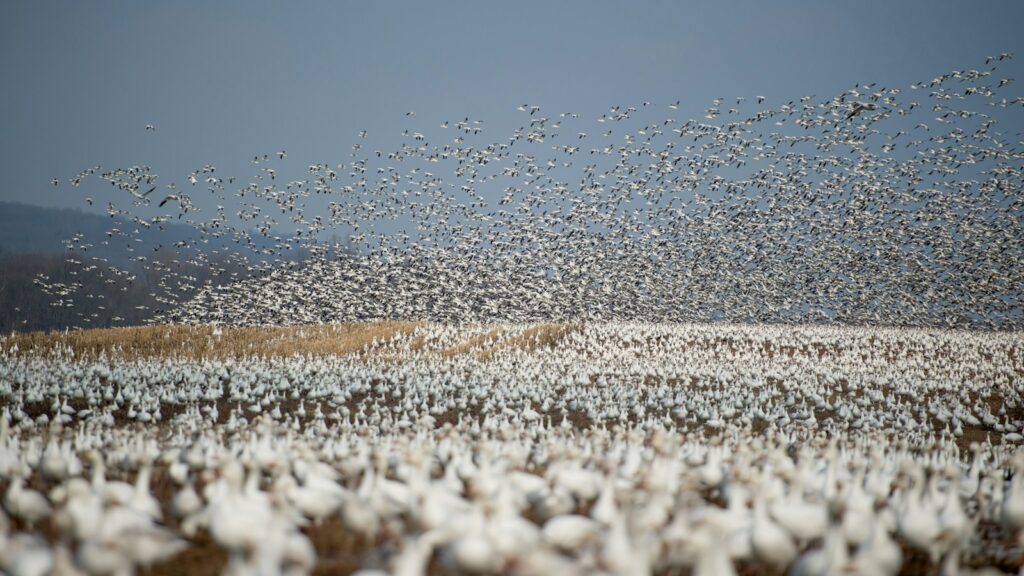
The Pacific Flyway serves as a critical migration corridor for more than 350 bird species, making it one of the most biologically diverse aerial highways on the planet. Shorebirds like sandpipers and plovers follow the coastline, feeding on rich invertebrate populations in tidal flats and estuaries along the way. Waterfowl—including pintails, mallards, and snow geese—rely on the chain of wetlands that dot the flyway, often traveling in spectacular V-formations that can contain thousands of individuals. Raptors such as Swainson’s hawks make one of the longest migrations, traveling from the Canadian prairies to Argentina’s pampas, a round trip of nearly 14,000 miles annually. Even tiny songbirds like warblers and flycatchers, weighing just a few ounces, navigate this massive flyway with remarkable precision, often flying at night to avoid predators and using the stars and Earth’s magnetic field as navigation tools.
Climate Change’s Impact on Flight Patterns

Climate change is significantly altering traditional migration patterns along the Pacific Flyway, making bird movements increasingly unpredictable and sometimes perilous. Rising temperatures have caused some species to migrate earlier in spring and later in fall, creating potential mismatches between birds’ arrivals and the availability of their food sources. Drought conditions in California and other western states have reduced wetland availability, forcing birds to concentrate in smaller areas or seek alternative routes. Some short-distance migrants are now wintering farther north than they historically did, while other species are shifting their breeding ranges northward or to higher elevations. Extreme weather events, which are increasing in frequency and intensity due to climate change, can also prove catastrophic for migrating birds, sometimes killing thousands in a single storm. Scientists studying these shifting patterns can use bird behavior as early warning indicators of broader ecosystem changes that may eventually affect human communities as well.
Critical Stopover Sites: Why Location Matters
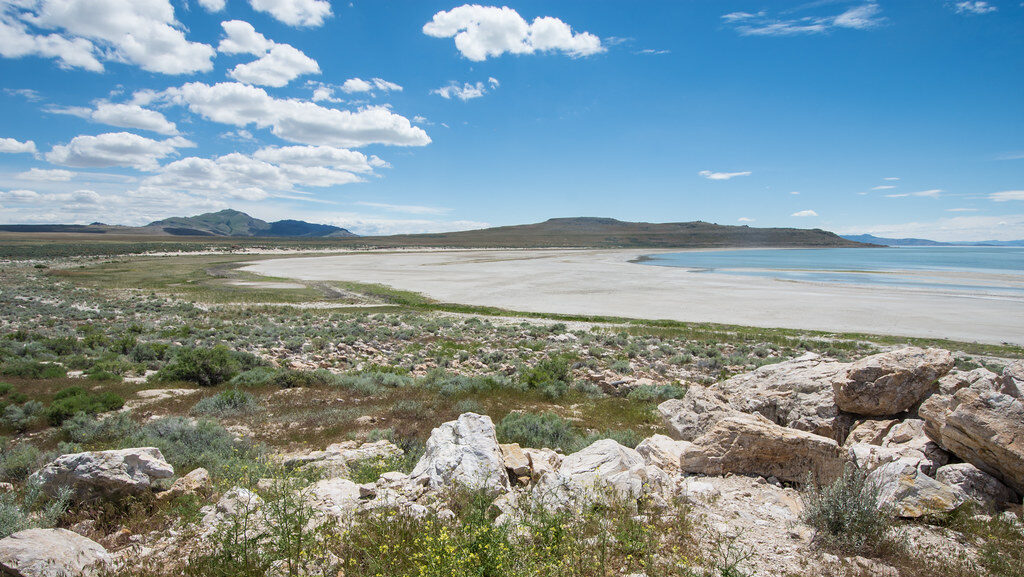
Stopover sites along the Pacific Flyway function as essential rest and refueling stations for migrating birds, making them perhaps the most critical component of successful migration. The Great Salt Lake in Utah, for example, hosts millions of birds each spring and fall, with some species doubling their body weight during brief stays before continuing their journeys. The Sacramento-San Joaquin Delta in California serves as another vital waypoint, providing essential habitat for waterfowl that have lost much of their historical wetland habitat elsewhere. These stopover sites must offer both abundant food resources and protection from predators, allowing birds to rapidly accumulate the fat reserves needed for the next leg of their journey. The spacing of these sites is equally important—they must be positioned at intervals that match the flight capabilities of different species, forming a chain of habitats that birds can hop between without exhausting their energy reserves. Unfortunately, many critical stopover sites face threats from development, water diversion, and climate change, putting entire migration patterns at risk.
Citizen Science: How Your Observations Matter

The massive geographic scale of the Pacific Flyway makes citizen science contributions invaluable to researchers tracking bird migrations. Programs like eBird, managed by the Cornell Lab of Ornithology, allow casual birdwatchers to submit sightings that collectively create a real-time map of bird movements along the entire flyway. These crowd-sourced observations help scientists identify changes in timing, routes, and population numbers that might otherwise go undetected. During spring migration, even observations from backyard bird feeders can provide valuable data points about arrival dates and species composition. For more dedicated citizen scientists, participating in organized bird counts at wildlife refuges helps managers make informed decisions about habitat management and water allocation. The democratization of bird monitoring through smartphone apps and online platforms has revolutionized migration research, allowing scientists to detect subtle changes across vast areas that would be impossible to monitor using traditional research methods alone.
The Western Drought Crisis and Bird Adaptation
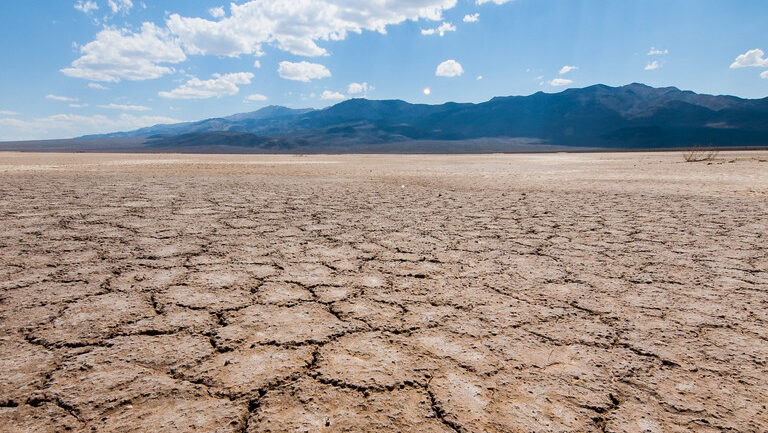
The ongoing megadrought in the Western United States represents one of the most severe challenges to Pacific Flyway migrants in recent memory. With many wetlands completely dry or significantly reduced in size, birds must make difficult adaptations to their traditional migration strategies. Rice fields in California’s Central Valley have become increasingly important as artificial wetlands, hosting millions of birds when natural habitats are unavailable. Some species have shown remarkable flexibility, changing their stopover locations or even their diets to accommodate changing conditions. Others, however, struggle to adapt quickly enough, resulting in failed breeding attempts or increased mortality during migration. Water management decisions have become increasingly consequential for bird populations, with competition between agricultural, urban, and ecological water needs creating complex tradeoffs. Wildlife refuges along the flyway now implement sophisticated water conservation techniques, carefully timing flooding to coincide with peak migration periods to maximize benefit from limited water resources.
Economic Impact of Bird Tourism
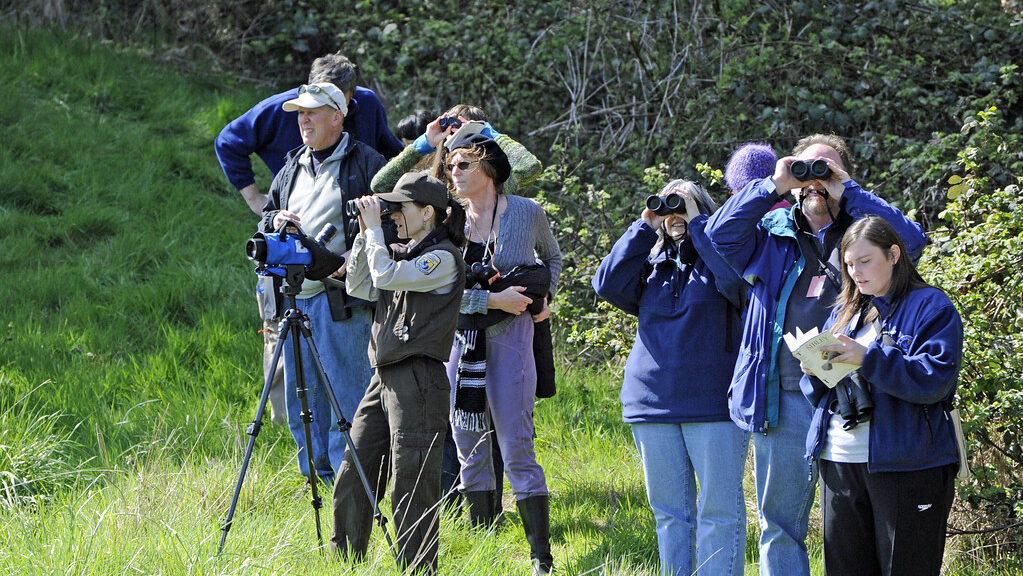
The annual bird migration along the Pacific Flyway generates substantial economic benefits for communities situated along this natural highway. Birding festivals timed to coincide with peak migration periods attract thousands of visitors to small towns that might otherwise see little tourism, creating a reliable seasonal income stream for local businesses. The Klamath Basin Bird Festival in Oregon, the Snow Goose Festival in Northern California, and the San Diego Bird Festival represent just a few examples of events that capitalize on the spectacular concentrations of birds during migration. Beyond organized festivals, wildlife refuges along the flyway report increased visitation during spring migration, with associated spending on lodging, restaurants, and other services. A 2016 U.S. Fish and Wildlife Service study estimated that wildlife watching generates over $75 billion in expenditures annually nationwide, with birding along major flyways representing a significant portion of this activity. This economic incentive helps strengthen community support for habitat conservation, creating a virtuous cycle where ecological and economic interests align.
Flyway Conservation Success Stories
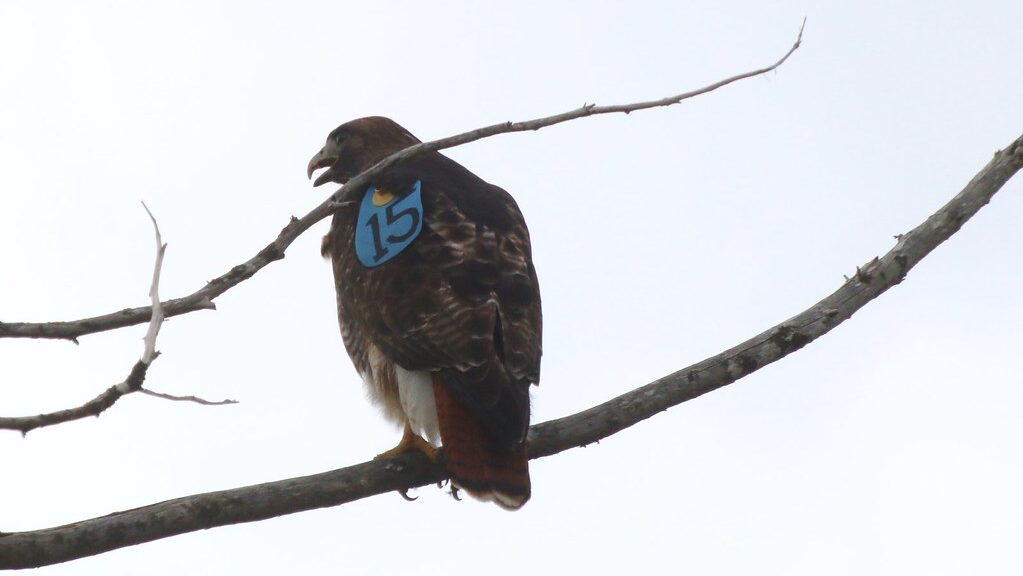
Despite the numerous challenges facing the Pacific Flyway, several notable conservation successes demonstrate the positive impact of coordinated protection efforts. The Central Valley Joint Venture, a partnership of government agencies and conservation organizations, has helped restore and enhance more than 520,000 acres of wetland habitat in California’s Central Valley, a critical area for wintering waterfowl. The North American Waterfowl Management Plan, implemented in 1986, has facilitated international cooperation between Canada, the United States, and Mexico, leading to the protection of millions of acres of wetland habitat throughout the flyway. Innovative water management practices in the Klamath Basin have helped balance agricultural needs with wildlife requirements, ensuring water availability during critical migration periods. The recent removal of several dams on the Klamath River promises to restore salmon populations that provide important food sources for birds and other wildlife. These success stories demonstrate that with proper coordination, funding, and political will, the Pacific Flyway can continue to support abundant bird populations despite ongoing environmental challenges.
Lesser-Known Bird Species of the Flyway
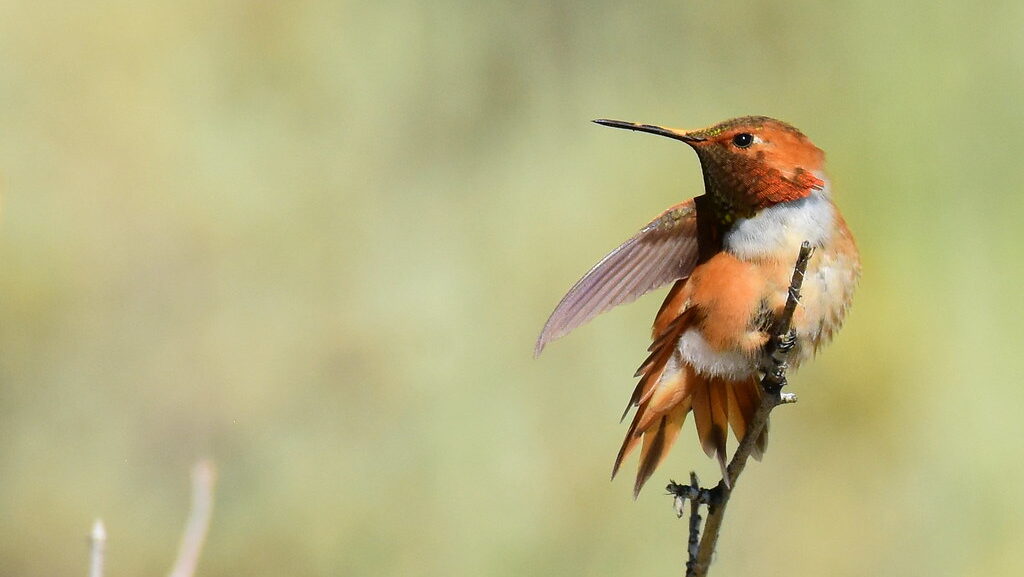
While iconic species like snow geese and sandhill cranes often capture public attention during migration, the Pacific Flyway hosts numerous lesser-known birds with fascinating migration stories. The rufous hummingbird, weighing less than a penny, makes one of the longest migrations relative to its body size, traveling from Mexico to Alaska each spring. The western sandpiper undertakes a remarkable non-stop flight from Alaska to the Fraser River Delta in British Columbia, with some individuals flying over 3,000 miles without rest. The diminutive eared grebe follows an unusual migration strategy, congregating by the millions at Mono Lake in California to molt all their flight feathers simultaneously, temporarily becoming flightless before continuing their journey. The black swift, one of North America’s most mysterious birds, nests behind mountain waterfalls along the flyway and may spend its winters as far south as the Amazon Basin. These less celebrated species often face unique conservation challenges and may serve as indicators of environmental health in specialized habitats that might otherwise receive little monitoring attention.
How Birds Navigate the Pacific Flyway
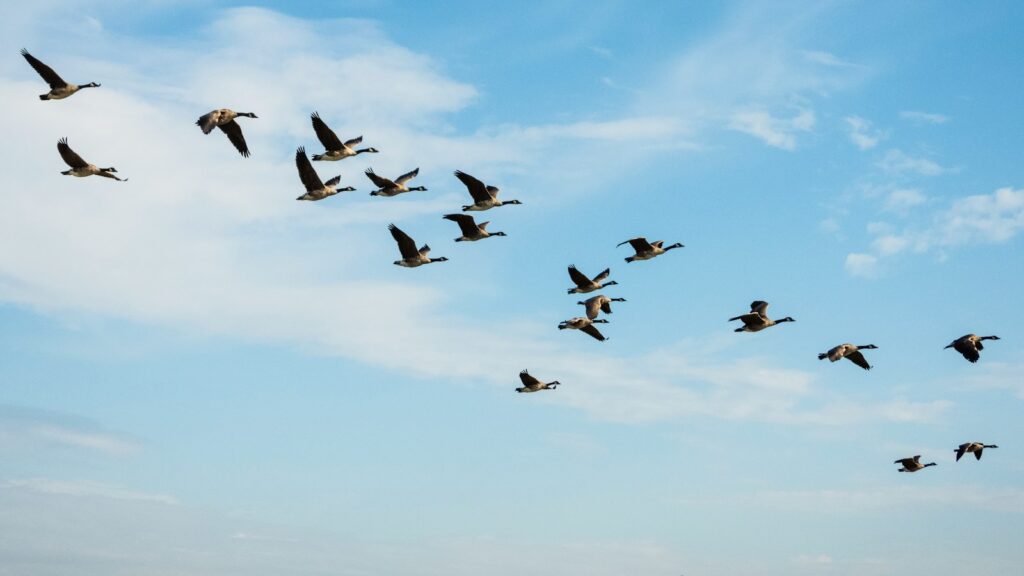
The navigational abilities of birds migrating along the Pacific Flyway represent one of the most remarkable feats in the animal kingdom. Many species integrate multiple navigation systems, creating redundancies that ensure successful migration even when certain cues are unavailable. Experienced adult birds often use visual landmarks like mountain ranges, coastlines, and river valleys to orient themselves, essentially following a memorized map of the landscape. Celestial navigation using star patterns helps nocturnal migrants maintain consistent heading during night flights, while the sun’s position provides directional information for daytime travelers. Perhaps most impressively, many birds possess a biological compass sensitive to Earth’s magnetic field, allowing orientation even during overcast conditions when visual cues are obscured. Some species may even detect polarized light patterns invisible to humans or use their sense of smell to identify familiar territories. First-year birds making their initial migration often rely more heavily on genetic programming, following innate directional preferences that guide them along appropriate routes until they can develop their own mental maps through experience.
Future Threats and Emerging Challenges
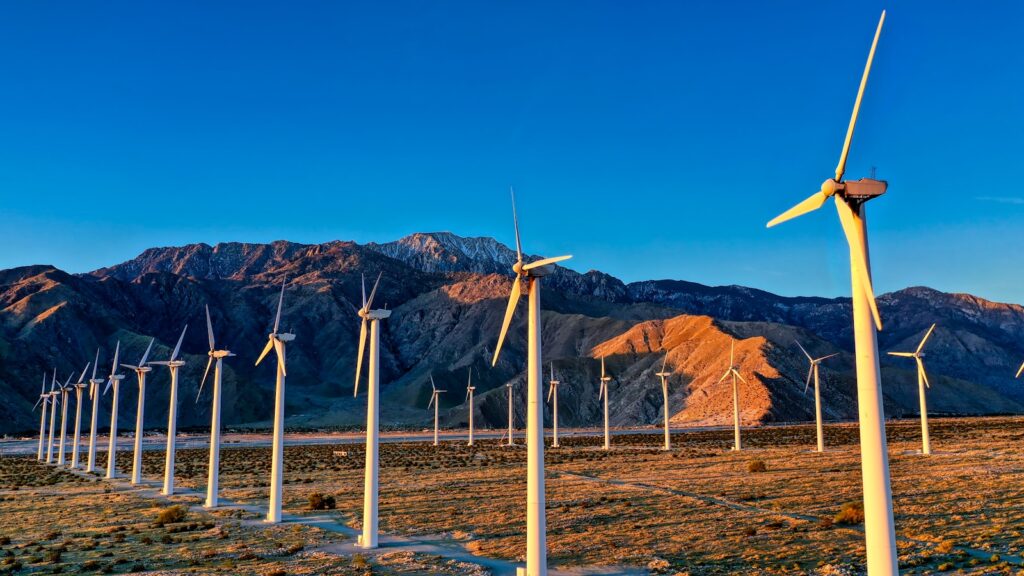
Looking ahead, several emerging threats pose new challenges for birds migrating along the Pacific Flyway. Renewable energy development, while essential for addressing climate change, can create hazards when wind farms or solar facilities are positioned in migration corridors without proper planning. Light pollution from expanding urban areas disorients nocturnal migrants, causing collisions with buildings and communication towers that kill millions of birds annually. Invasive species like cheatgrass in the Great Basin alter the composition of stopover habitats, potentially reducing their food value for migrating birds. Changing precipitation patterns due to climate change may further stress water-limited western ecosystems, with some models predicting that up to 30% of current wetlands along the flyway could disappear by 2050. Emerging wildlife diseases, potentially exacerbated by changing climatic conditions, represent another serious concern, as demonstrated by recent highly pathogenic avian influenza outbreaks that have affected both wild and domestic birds. Addressing these complex challenges will require coordinated conservation efforts across international boundaries and among diverse stakeholders.
How to Experience the Migration Firsthand

Experiencing the Pacific Flyway migration firsthand offers unforgettable wildlife encounters accessible to people of all ages and experience levels. National Wildlife Refuges provide some of the best viewing opportunities, with Sacramento National Wildlife Refuge in California, Malheur in Oregon, and Ridgefield in Washington offering particularly spectacular concentrations during peak migration. Many refuges feature auto tour routes that allow visitors to observe birds from the comfort of their vehicles, along with observation platforms specifically positioned for optimal viewing. The timing of visits matters tremendously—mid-March through April typically offers the greatest diversity along most of the flyway, though specific timing varies by location and species. Even modest optical equipment dramatically enhances the experience, with entry-level binoculars allowing visitors to appreciate details invisible to the naked eye. For those seeking more structured experiences, guided birdwatching tours and workshops offered by Audubon chapters and other conservation organizations provide expert interpretation that helps contextualize the spectacle. By witnessing this migration firsthand, visitors gain not just memorable wildlife sightings, but also a deeper appreciation for the interconnectedness of habitats across hemispheres.
Conclusion
As we watch the rhythmic pulse of bird life along the Pacific Flyway this spring, we’re witnessing more than just an ancient natural cycle. We’re observing a real-time indicator of our planet’s health and resilience. Every wing beat, every successful nesting season, every completed migration represents a small victory against mounting environmental challenges. By paying attention to why and how birds navigate this aerial highway, we gain invaluable insights into the impacts of climate change, the effectiveness of conservation efforts, and the delicate balance of ecosystems. Whether you’re an experienced birder with expensive optics or simply someone who notices the changing songs outside your window, your observations matter. In the movements of these feathered travelers, we can find both warning signs and reasons for hope—messages carried on wings across continents, if only we take the time to understand them.