
At first glance, the tawny frogmouth might fool you with its owl-like appearance—perched motionless on branches, sporting mottled plumage, and possessing large, forward-facing eyes. For decades, casual observers and even some wildlife enthusiasts have mistakenly identified these fascinating birds as owls. However, science tells a different story. Despite superficial similarities, tawny frogmouths belong to an entirely different taxonomic order and represent a spectacular example of convergent evolution. This remarkable case of mistaken identity reveals much about how unrelated species can develop similar traits when adapting to comparable ecological niches. Let’s explore why the tawny frogmouth, Australia’s master of camouflage, isn’t an owl at all, but something equally fascinating in its own right.
Taxonomic Classification: Different Evolutionary Branches
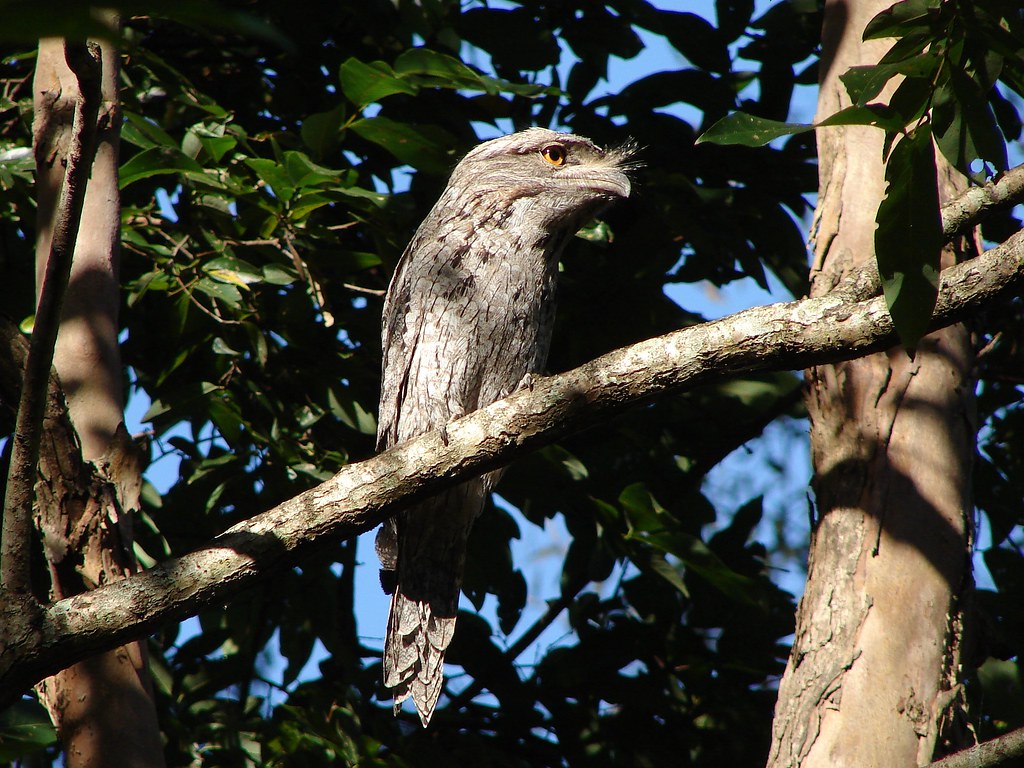
The most fundamental difference between tawny frogmouths and owls lies in their taxonomic classification, reflecting their distinct evolutionary paths. Tawny frogmouths belong to the order Caprimulgiformes and the family Podargidae, making them closer relatives to nightjars and other nocturnal insectivores than to any owl species. Owls, conversely, belong to the order Strigiformes, which is divided into two families: Tytonidae (barn owls) and Strigidae (typical owls). This taxonomic separation represents millions of years of separate evolution, with the most recent common ancestor between frogmouths and owls dating back approximately 60 million years. Genetic studies have consistently confirmed this substantial evolutionary distance, demonstrating that their similarities are a product of parallel adaptation rather than shared ancestry.
Physical Appearance: Masters of Disguise
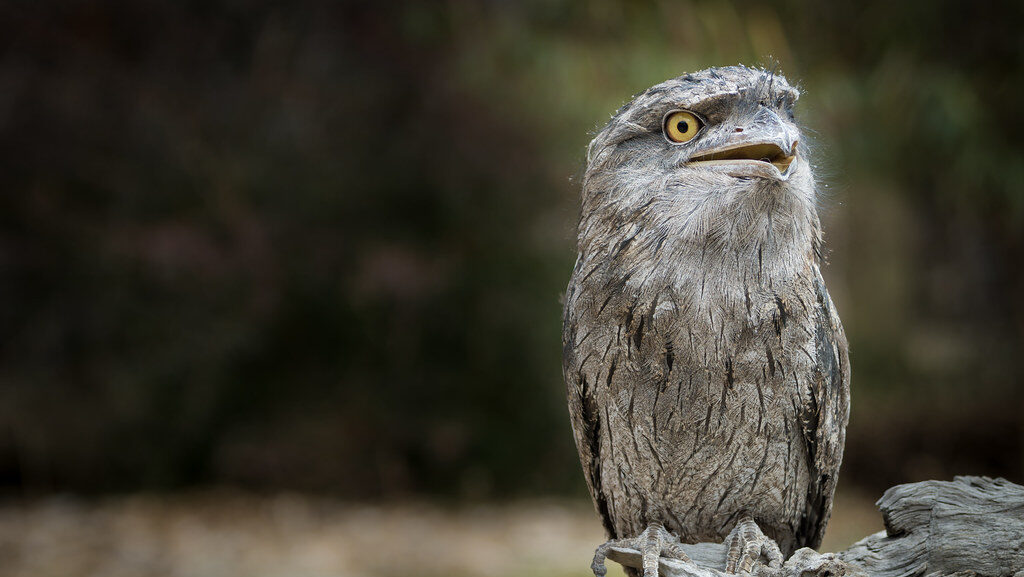
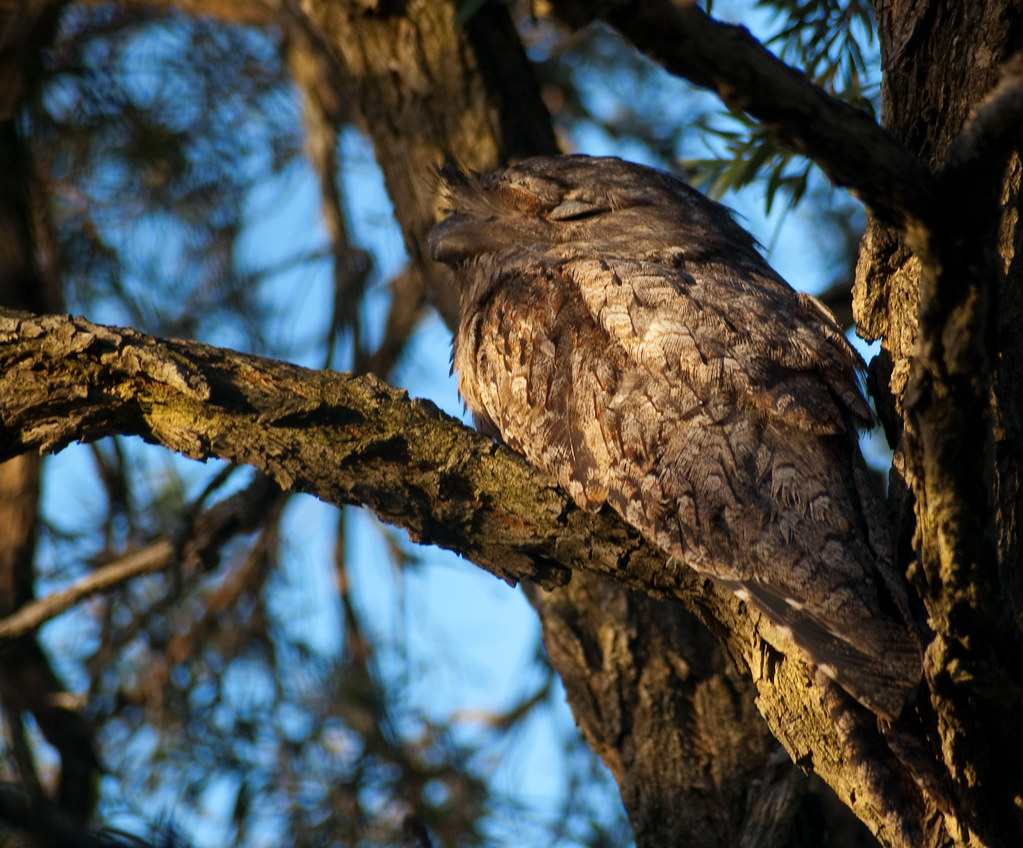
While both tawny frogmouths and owls have evolved camouflage adaptations, their physical appearances differ in several key aspects upon closer inspection. Tawny frogmouths possess a broader, more flattened beak designed for catching insects, with distinctive bristles around the mouth that help funnel prey—a feature that gave them their “frogmouth” name. Their plumage typically exhibits more extensive mottling in grays and browns that remarkably resembles tree bark, allowing them to disappear against branches during daylight hours. Owls, by contrast, have sharply hooked beaks adapted for tearing meat, more rounded heads, and their feather patterns, while also camouflaged, are typically designed for different hunting strategies. The facial structure of frogmouths lacks the distinctive facial disc that characterizes owls, which owls use to collect and focus sound toward their ears.
Hunting Techniques: Sit-and-Wait vs. Active Pursuit
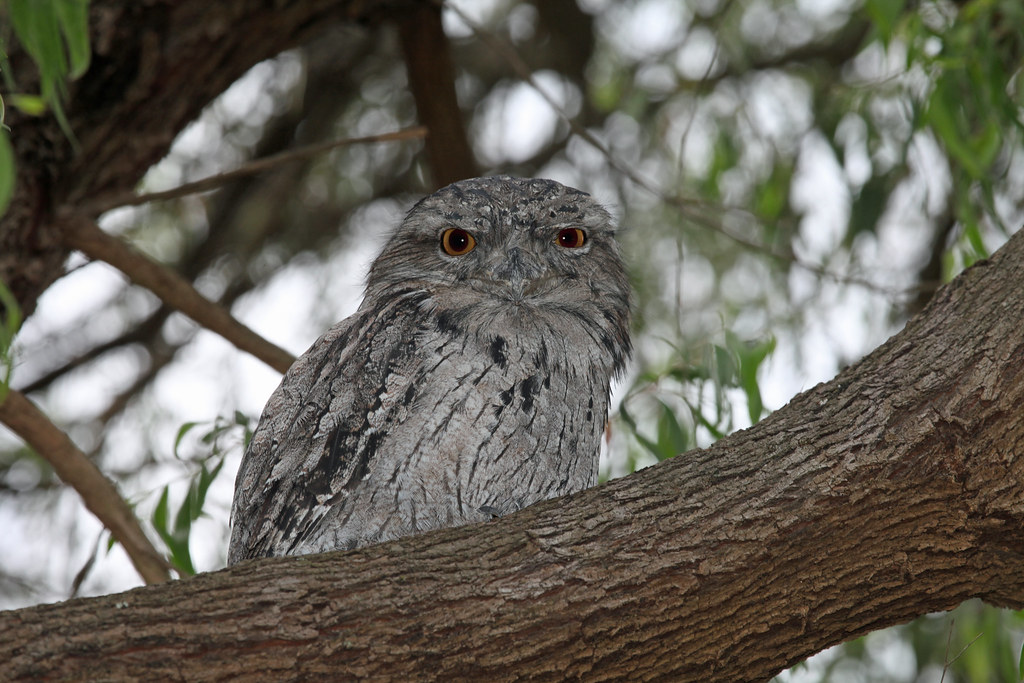
The hunting strategies employed by tawny frogmouths differ significantly from those of owls, reflecting their separate evolutionary adaptations. Tawny frogmouths primarily employ a sit-and-wait hunting technique, remaining motionless on branches until prey comes within striking distance, then swooping down to capture insects, small reptiles, or mammals. They rarely pursue prey over long distances and are not adapted for the silent, powerful flight that characterizes owl hunting. Owls, in contrast, are active hunters equipped with specialized wings featuring serrated edges that allow for nearly silent flight—a crucial adaptation for surprising prey. Additionally, owls possess powerful talons designed for capturing and killing prey, while frogmouths have relatively weak feet and rely more on their large gape and beak for capturing food.
Diet Preferences: Insectivores vs. Carnivores
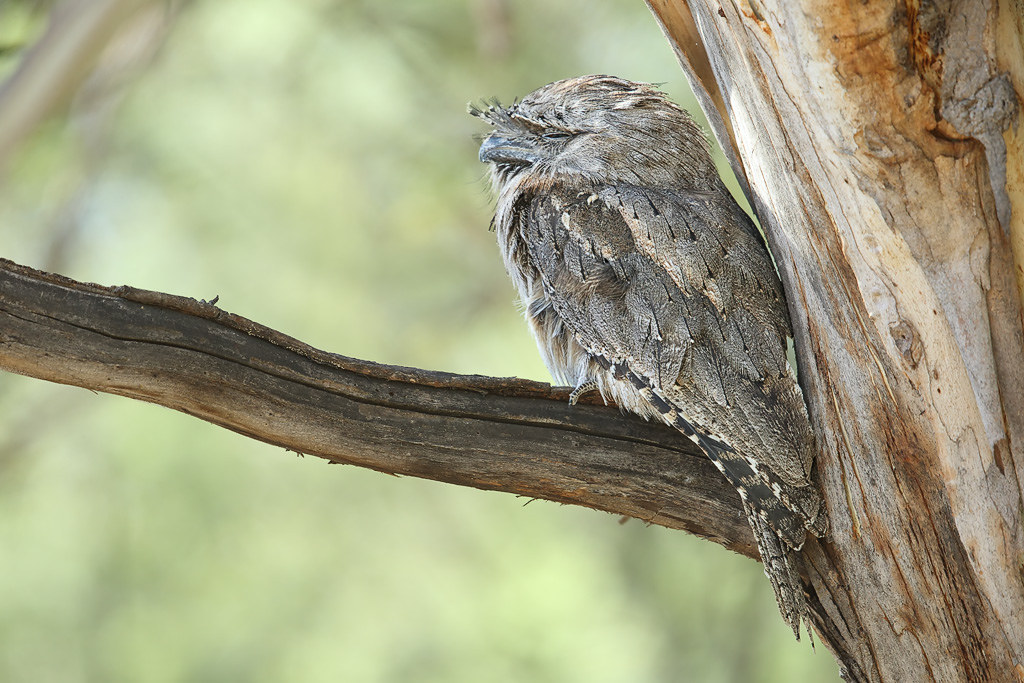
The dietary preferences of tawny frogmouths and owls highlight another significant difference between these avian species. Tawny frogmouths are primarily insectivorous, with the bulk of their diet consisting of nocturnal insects such as moths, beetles, and centipedes, though they occasionally consume small vertebrates like frogs, small mammals, and reptiles. They’re particularly fond of nocturnal insects and have been known to congregate near light sources that attract these prey items. Owls, by contrast, are primarily carnivorous, with diets heavily centered on vertebrate prey such as rodents, rabbits, birds, and in some cases, fish. This dietary distinction reflects fundamental differences in their ecological roles, with owls occupying a higher trophic level as secondary or tertiary consumers in most ecosystems.
Nest Construction: Branch Platforms vs. Cavities
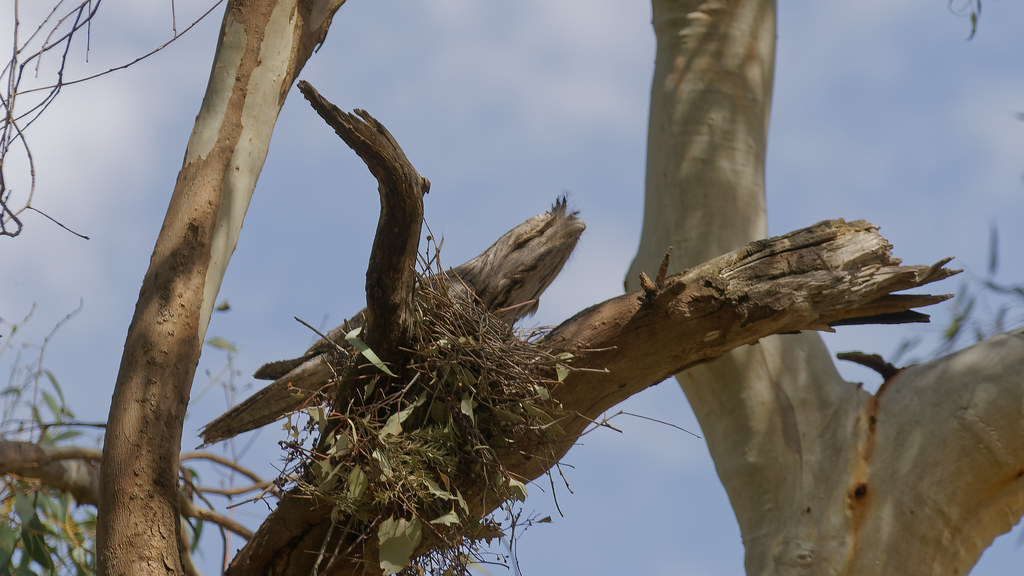
The reproductive habits and nest-building behaviors of tawny frogmouths differ markedly from those of owl species. Tawny frogmouths construct simple platform nests from sticks, typically placed on horizontal branches and often so flimsy that eggs can sometimes be seen from below. Both parents participate in building the nest, incubating the eggs, and caring for the young in a cooperative breeding arrangement that helps ensure offspring survival. Owls, conversely, do not build nests in the traditional sense but instead utilize tree cavities, abandoned nests from other bird species, or in the case of ground-dwelling owls, burrows. This fundamental difference in nest construction and placement reflects distinct evolutionary strategies and habitat utilizations between these unrelated avian groups.
Geographic Distribution: Australian Endemic vs. Global Presence
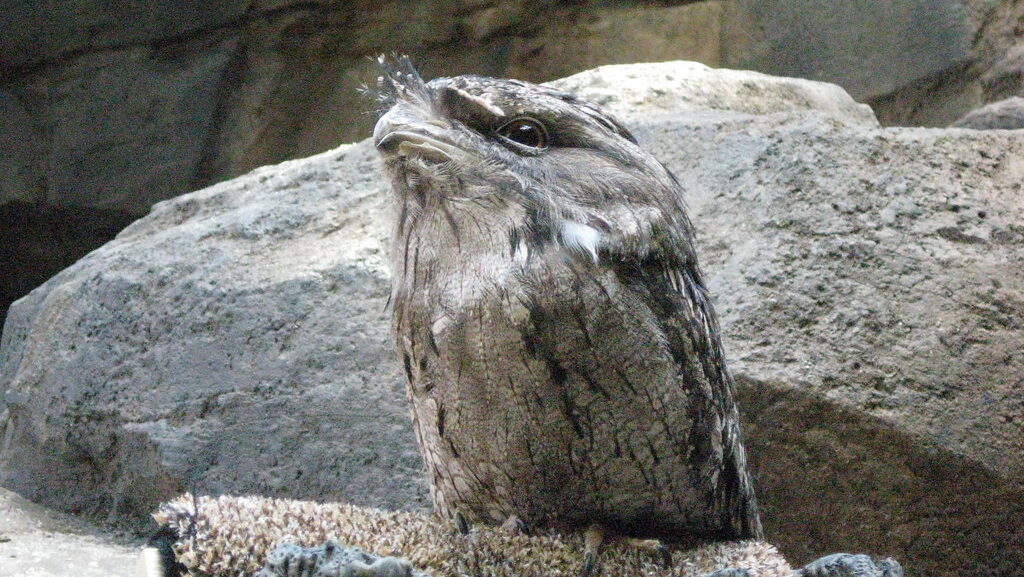
The geographic range of tawny frogmouths provides another clear distinction from owls, highlighting their separate evolutionary histories. Tawny frogmouths are endemic to Australia and parts of Tasmania, having evolved specifically within this isolated continent’s unique ecological conditions. Their distribution covers most of mainland Australia, with various subspecies adapted to different habitat types from tropical northern regions to the temperate forests of the south. Owls, by comparison, have achieved a nearly global distribution, with species found on every continent except Antarctica, demonstrating their remarkable evolutionary success and adaptability across diverse ecosystems and climates. This stark difference in geographic range underscores the separate evolutionary trajectories these birds have followed despite their superficial similarities.
Vocalization Patterns: Distinctive Calls
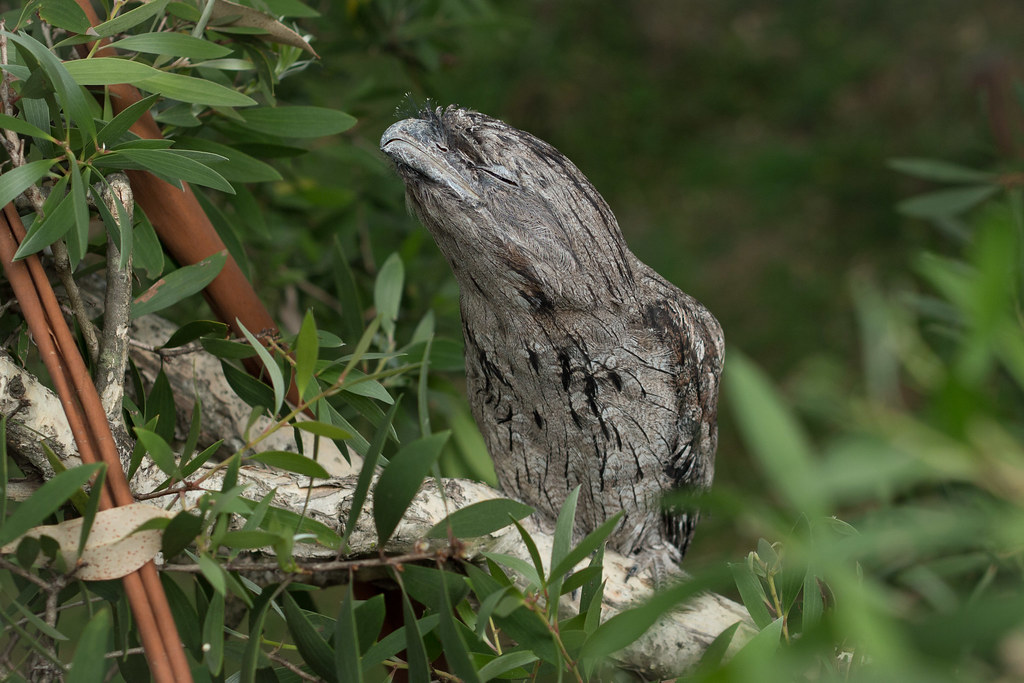
The vocal repertoires of tawny frogmouths and owls provide striking evidence of their unrelated status. Tawny frogmouths are known for their distinctive, repetitive “oom-oom-oom” call that resembles a soft, low-pitched hooting, often performed as duets between mated pairs to establish territory. They also produce a range of hissing and growling sounds when threatened, creating an intimidating display to potential predators. Owls, depending on the species, produce a wider variety of vocalizations ranging from the familiar “who-who” hoots to screeches, barks, and whistles, with each species having distinct vocal signatures used for territory defense, mate attraction, and communication between family members. Acoustic analysis reveals fundamental differences in the sound production mechanisms between these two groups of birds.
Sensory Adaptations: Different Nocturnal Strategies
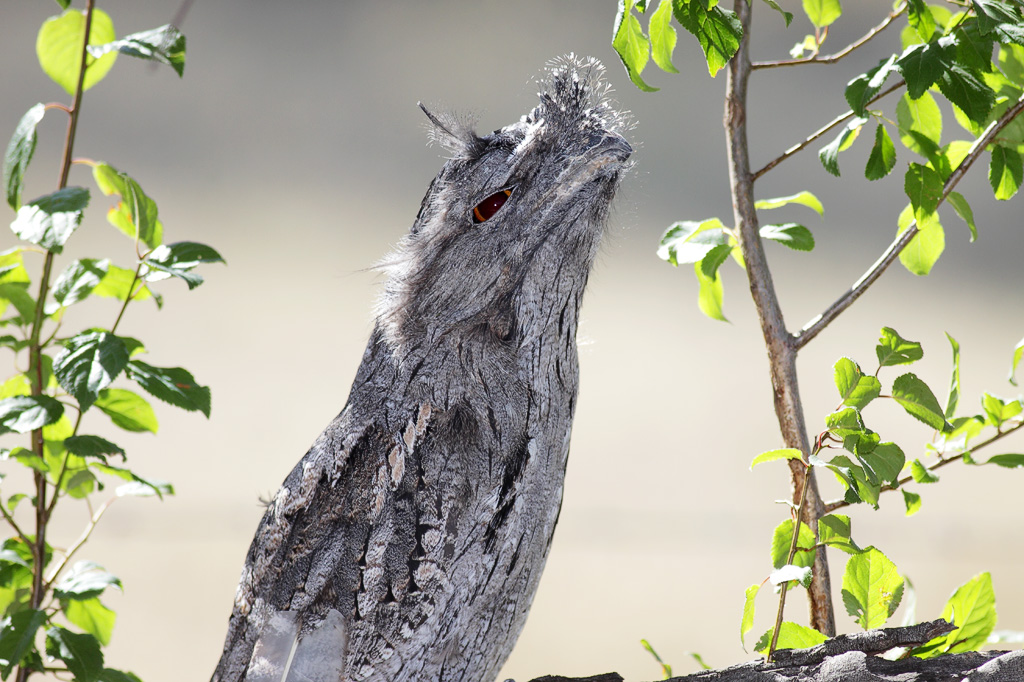
While both tawny frogmouths and owls have evolved adaptations for nocturnal activity, the specific sensory specializations differ substantially between these groups. Tawny frogmouths rely heavily on their excellent vision, with large eyes adapted for low-light conditions, but lack the extraordinary auditory adaptations that characterize owls. Their hearing, while acute, doesn’t feature the asymmetrical ear placement found in many owl species that allows for precise three-dimensional sound localization. Owls possess highly specialized auditory systems, with some species able to locate prey by sound alone in complete darkness, aided by facial disc feathers that collect and focus sound waves toward their ear openings. This fundamental difference in sensory specialization reflects different evolutionary solutions to the challenges of nocturnal hunting.
Defensive Behaviors: Camouflage vs. Aggression
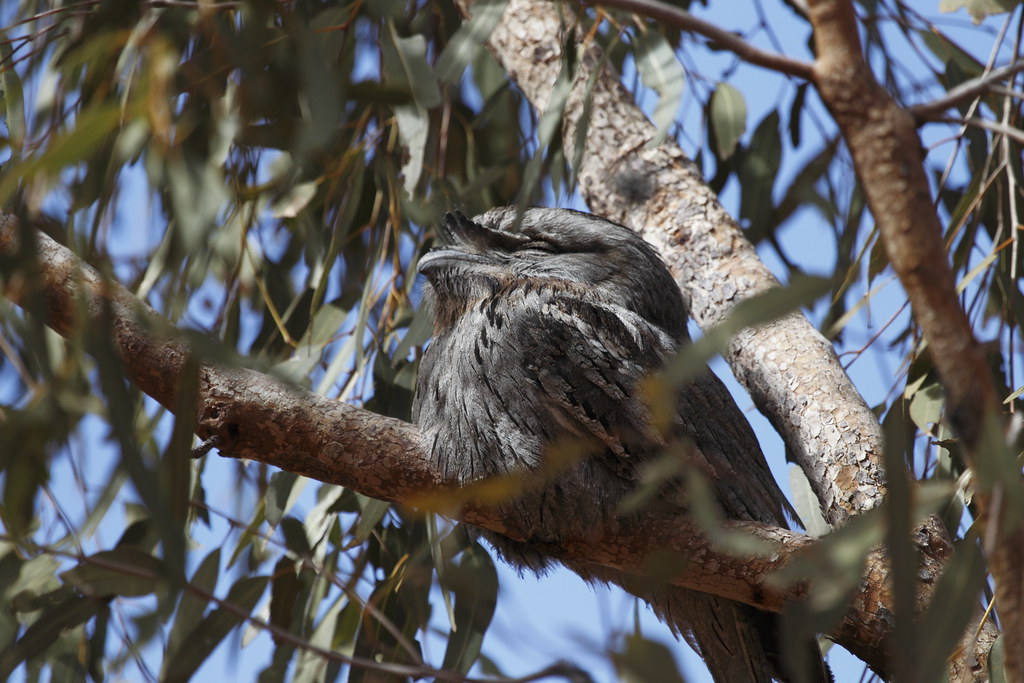
The defensive strategies employed by tawny frogmouths and owls highlight their distinct evolutionary approaches to survival. Tawny frogmouths rely almost exclusively on their extraordinary camouflage as their primary defense mechanism, freezing in place with eyes nearly closed and beaks pointed upward to mimic broken branches. When discovered by potential threats, they may sway gently as if moved by wind, enhancing their branch-like appearance, or perform a “freeze display” where they puff up their plumage and open their yellow-orange mouths to appear larger and more intimidating. Owls, while also utilizing camouflage, more frequently resort to active defense, employing their powerful talons and beaks as weapons against threats, accompanied by distinctive threat displays including wing-spreading, bill-clacking, and aggressive vocalizations that reflect their position as formidable predators rather than primarily camouflaged insectivores.
Flight Patterns: Different Aerial Adaptations
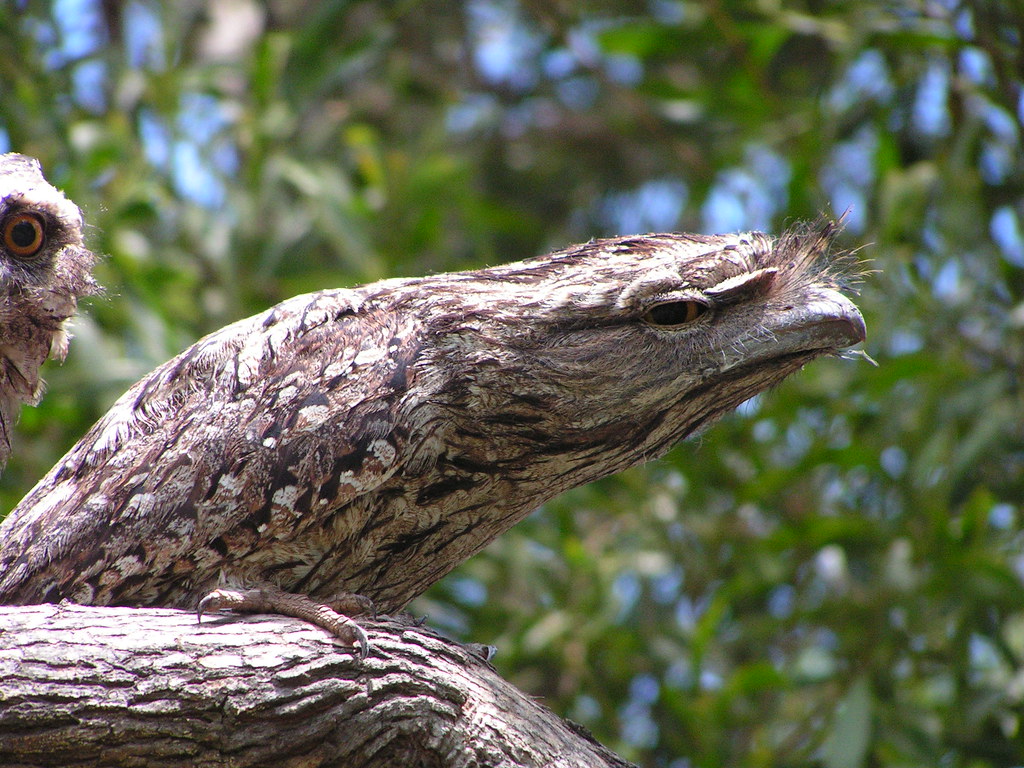
The flight characteristics of tawny frogmouths differ substantially from those of owls, reflecting their distinct ecological niches and hunting strategies. Tawny frogmouths exhibit relatively weak, fluttering flight patterns characterized by short distances and frequent stops, as they typically only fly when necessary to move between perching locations. Their wings lack the specialized adaptations for silent flight found in owls, making their movements more audible and less efficient for long-distance travel or extended hunting pursuits. Owls, conversely, possess wings with unique serrated edges and velvety surfaces that disrupt air turbulence, allowing for nearly silent flight crucial to their hunting success. This specialized flight capability enables owls to approach prey undetected and maneuver with precision through dense forest environments, representing a fundamental adaptation absent in frogmouths.
Social Behavior: Monogamous Partnerships
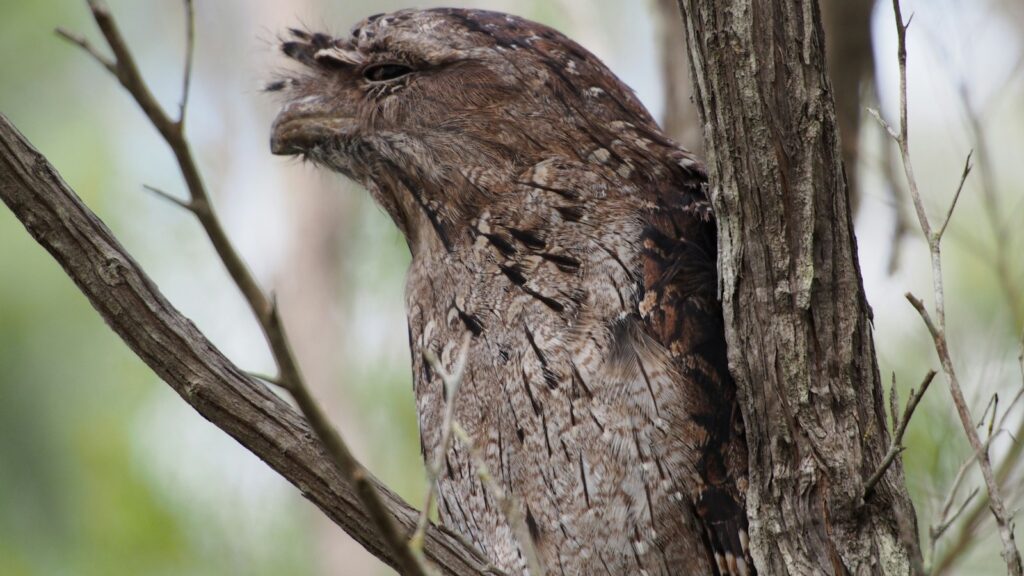
While both tawny frogmouths and many owl species practice monogamy, the expression of their social behaviors differs in notable ways. Tawny frogmouths form extraordinarily strong pair bonds that typically last for life, with couples maintaining consistent territories year after year and engaging in mutual preening and roosting in close contact during daylight hours. Males and females share incubation duties almost equally, switching approximately every hour during nighttime and demonstrating remarkable cooperation in child-rearing. Owls, while also commonly monogamous, typically display more territorial behavior and less physical contact outside breeding seasons, with most species maintaining separate roosting sites when not actively nesting. These behavioral differences, though subtle, reflect distinct evolutionary pathways and social adaptations between these avian groups.
Convergent Evolution: Nature’s Fascinating Parallel
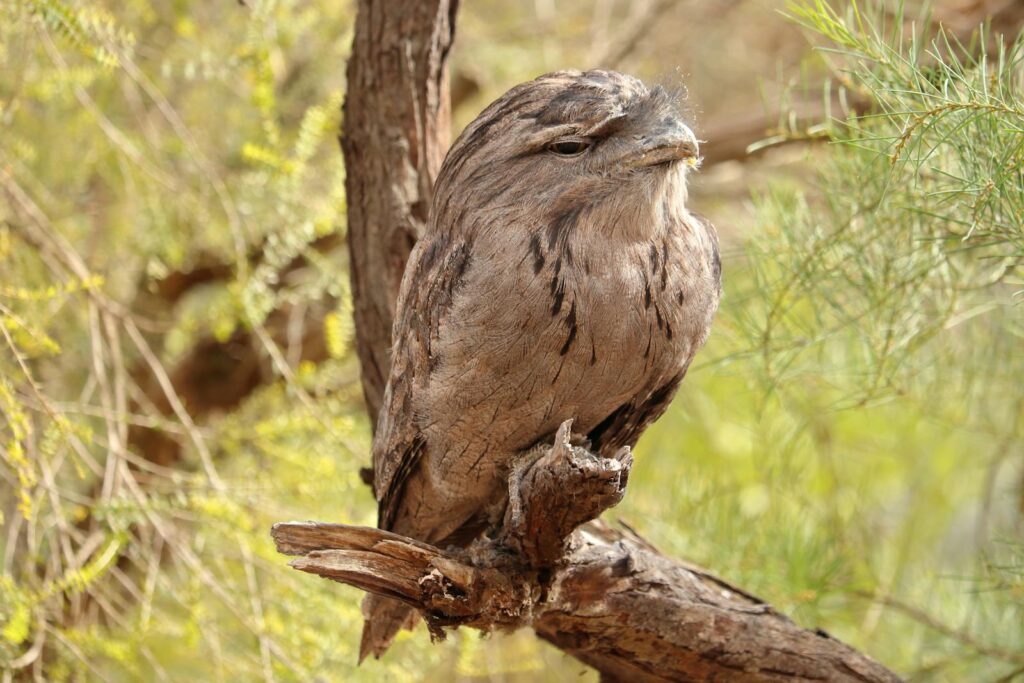
The striking similarities between tawny frogmouths and owls represent one of nature’s most fascinating examples of convergent evolution—the process by which unrelated organisms develop similar traits in response to comparable environmental pressures. Both groups evolved adaptations for nocturnal hunting, including enhanced night vision, camouflaged plumage, and forward-facing eyes that provide improved depth perception for capturing prey in low-light conditions. This remarkable parallel development occurred independently across different evolutionary lineages, with each group finding similar solutions to the challenges of nighttime predation despite their distant common ancestry. Convergent evolution serves as a powerful reminder of how environmental pressures can shape organisms in predictable ways, creating superficial similarities that mask fundamental genetic and anatomical differences—a phenomenon that makes the tawny frogmouth/owl distinction particularly instructive for understanding evolutionary processes.
Conservation Status: Different Threats
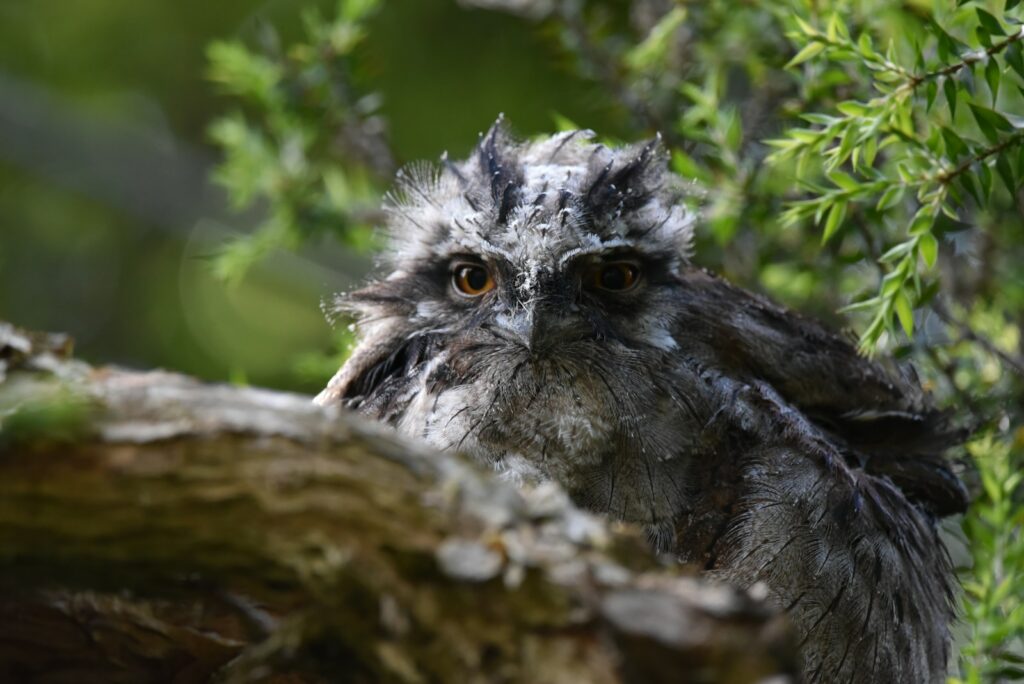
The conservation challenges facing tawny frogmouths differ from those affecting many owl species, reflecting their distinct habitats and adaptations. Tawny frogmouths are currently listed as species of Least Concern by the International Union for Conservation of Nature (IUCN), with relatively stable populations throughout most of their Australian range, though they face increasing threats from habitat loss, pesticide use that reduces insect prey, and vehicular collisions during nocturnal hunting near roadways. Owls, depending on the species, face a wider variety of conservation statuses, with many forest-dependent species experiencing significant population declines due to deforestation, agricultural expansion, and persecution based on cultural superstitions. This difference in conservation status and threats highlights how these birds, despite superficial similarities, occupy different ecological niches and face distinct challenges in the modern world.
Conclusion
The tawny frogmouth’s classification as a non-owl serves as a fascinating reminder that nature often creates similar solutions to ecological challenges through entirely different evolutionary pathways. While their owl-like appearance has fooled casual observers for generations, their taxonomic separation, unique physical characteristics, and distinct behavioral patterns clearly establish them as members of an entirely different avian order. This case of mistaken identity teaches us the importance of looking beyond superficial similarities in understanding biodiversity. The tawny frogmouth, with its remarkable camouflage, distinctive hunting methods, and specialized adaptations, doesn’t need to be an owl to be extraordinary—it stands as a testament to the amazing diversity and convergent adaptability of avian evolution, captivating scientists and bird enthusiasts alike with its unique place in the natural world.