
The dietary preferences of birds represent one of the most fascinating aspects of avian biology. While walking through a park, you might notice some birds pecking at feeders filled with seeds, while others dart through the air catching flying insects. This stark difference in feeding behavior isn’t random—it reflects millions of years of evolutionary adaptations that have shaped birds’ beaks, digestive systems, and nutritional needs. From the seed-cracking specialists like finches to the aerial insect hunters like swallows, birds’ food preferences tell a remarkable story about their place in the ecosystem and their evolutionary history. Understanding these dietary distinctions not only helps us appreciate bird diversity but also guides our conservation efforts and even influences how we design our backyard bird feeders.
Evolutionary Origins of Dietary Specialization
The split between seed-eaters and insect-eaters traces back millions of years in avian evolutionary history. As birds diversified from their dinosaur ancestors, they began to occupy different ecological niches, with some adapting to exploit abundant plant resources while others specialized in capturing protein-rich insects. This dietary divergence drove significant anatomical changes, particularly in beak structure, which Charles Darwin famously observed in Galapagos finches as evidence for natural selection. The emergence of flowering plants approximately 140 million years ago created new food opportunities, allowing some bird lineages to evolve seed-eating adaptations. Interestingly, many modern bird families contain both seed specialists and insect specialists, suggesting that dietary preferences can evolve relatively quickly in response to environmental changes or competitive pressures.
Beak Adaptations for Seed Consumption
Seed-eating birds possess remarkably specialized beaks that function essentially as natural nutcrackers. These beaks are typically short, thick, and powerful, allowing birds to generate the significant force needed to crack open tough seed coats and access the nutritious kernels inside. Cardinals and grosbeaks exemplify this adaptation with their large, conical beaks that can easily crack open even the hardest seeds. Finches display an impressive range of beak sizes and shapes, with each species optimized for particular seed types—from the thick-billed grosbeak specializing in large, hard seeds to the slender-billed finches that handle smaller seeds. The internal structure of seed-eaters’ beaks also differs, featuring reinforced bone and specialized attachment points for the powerful muscles that operate their seed-cracking equipment.
Beak Adaptations for Insect Capture
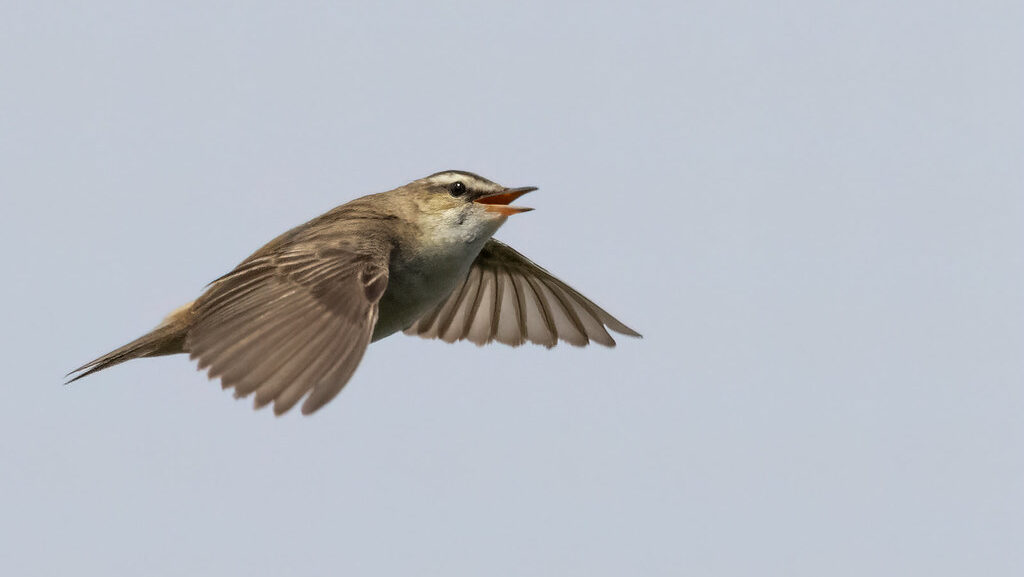
In contrast to their seed-eating counterparts, insectivorous birds typically have longer, more slender beaks designed for precision rather than power. Warblers and flycatchers possess narrow, pointed beaks perfect for plucking insects from leaves or capturing them in mid-air. Woodpeckers have evolved chisel-like beaks to excavate wood-boring insects, coupled with extraordinarily long tongues that can extend deep into crevices to extract hidden prey. Swifts and swallows showcase specialized wide-mouthed beaks that function like aerial nets, allowing them to scoop insects from the air during high-speed flight. Some insectivorous species like shrikes have developed hooked beaks that function similar to raptors, enabling them to tear apart larger insect prey and occasionally even small vertebrates.
Digestive System Differences
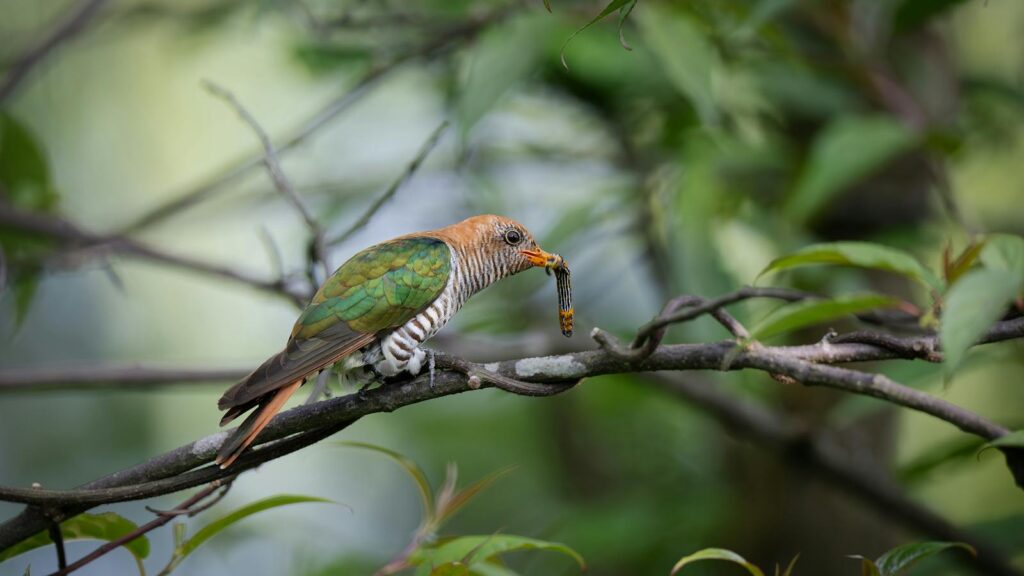
The internal digestive machinery of birds varies dramatically between seed-eaters and insect-eaters to process their vastly different diets. Seed-eating birds possess a muscular pouch called the gizzard that contains small stones or grit which the bird intentionally consumes to help grind tough seed coats—essentially functioning as internal millstones. Their digestive tracts tend to be longer to accommodate the extended processing time required to break down complex plant carbohydrates. Insectivorous birds, by contrast, have simpler digestive systems with less robust gizzards since insect exoskeletons are generally easier to break down than seed coats. Their digestive tracts are shorter and more efficient at extracting the readily available proteins from insect prey, allowing for quicker processing and energy extraction from their high-protein diet.
Nutritional Requirements and Benefits of Seeds
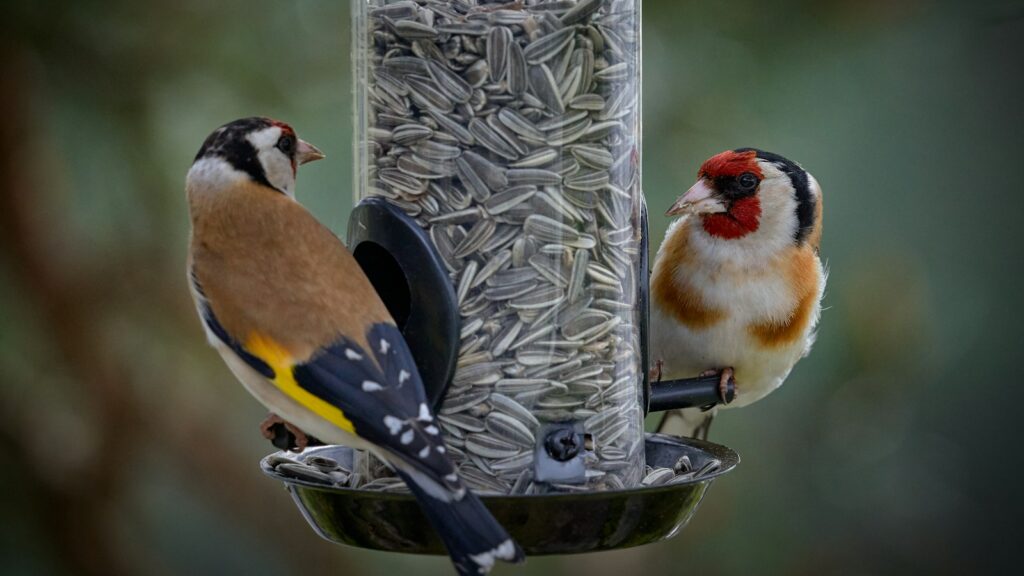
Seeds offer birds a dense package of calories, essential fats, and some proteins that make them particularly valuable food sources. The high fat content in many seeds provides exceptional energy reserves, especially crucial during winter months when birds need to maintain body heat in cold conditions. Seeds also contain remarkable longevity as food sources, remaining viable for months or even years, making them reliable nutrition sources when other foods might be scarce. For many seed-eating birds, the consistent availability of seeds throughout seasonal changes provides stability in their diet that insects cannot match. However, seeds generally contain lower protein levels compared to insects, which is why many predominantly seed-eating species still incorporate some insect protein in their diet, particularly during breeding seasons when protein demands increase.
Nutritional Requirements and Benefits of Insects
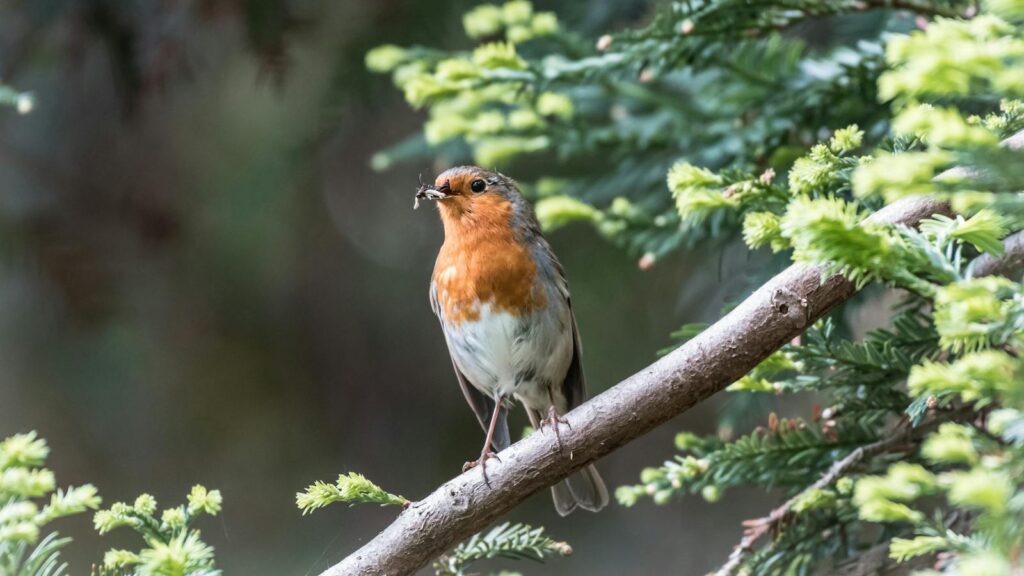
Insects represent nature’s protein powerhouses, providing birds with exceptionally high-quality nutrition that’s particularly critical during growth periods. These invertebrates contain not just protein but also essential amino acids, vitamins, and minerals in proportions that perfectly match birds’ nutritional needs. For growing nestlings, insect protein provides the building blocks necessary for rapid feather development and organ growth that simply cannot be matched by plant-based foods. Beyond protein, many insects contain valuable fatty acids that support neurological development in young birds. The water content in insects also provides significant hydration, making them complete nutritional packages—essentially offering birds “all-in-one” meals that require no additional foraging for supplementary nutrients.
Seasonal Dietary Shifts
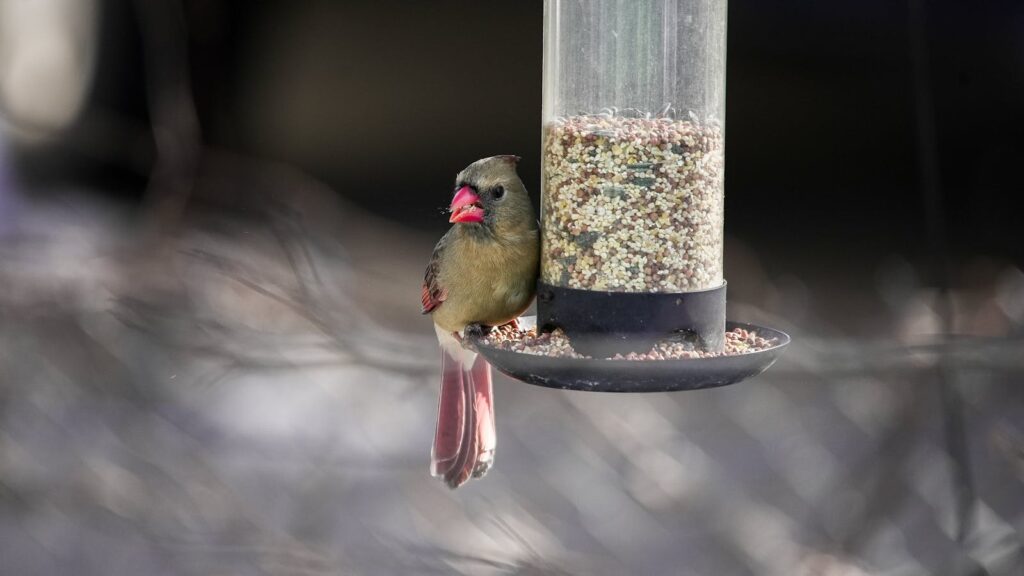
Many birds demonstrate remarkable flexibility in their diets, shifting between seeds and insects according to seasonal availability and physiological demands. Even dedicated seed-eaters like cardinals and chickadees dramatically increase their insect consumption during breeding season when high-protein foods become essential for egg production and nestling development. Conversely, primarily insectivorous species may incorporate more seeds and fruits during fall and winter when insects become scarce. Some migratory species undergo complete dietary transformations between seasons, developing different digestive enzymes to handle seasonal foods available along their migration routes. These adaptations highlight the incredible physiological flexibility of birds, allowing them to optimize their nutrition across dramatically changing conditions throughout the year.
Geographic Influences on Diet
Bird dietary preferences show fascinating geographic patterns that reflect the distribution of food resources across different environments. Tropical regions, with their year-round insect abundance, tend to support more insectivorous bird species with specialized adaptations for capturing specific insect types. Temperate and arctic regions, with their pronounced seasonal fluctuations in insect availability, favor birds with more flexible diets or seed-eating specializations that can sustain them through insect-scarce winters. Island ecosystems often drive extreme dietary specialization, as evidenced by Hawaii’s honeycreepers which evolved remarkably diverse beak shapes to exploit specific food niches available on the islands. Mountainous regions create vertical dietary zonation, where bird species at different elevations specialize in seeds or insects according to the resources available at their preferred altitude.
Dietary Adaptations in Urban Environments
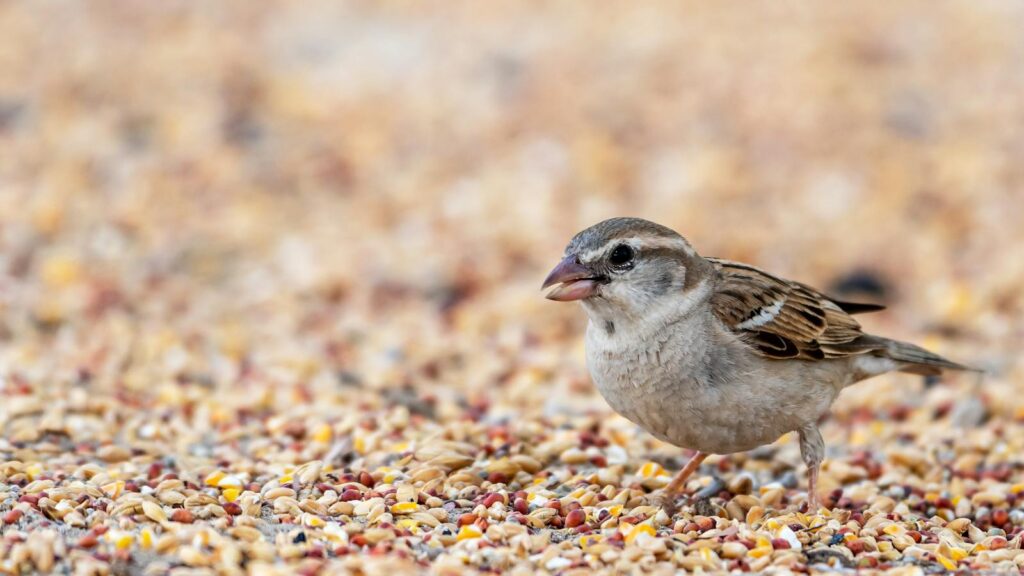
Urban environments have become unexpected testing grounds for birds’ dietary flexibility, with some species dramatically shifting their traditional preferences to exploit human-provided foods. Seed-eaters like house sparrows and pigeons have thrived in cities worldwide by capitalizing on abundant grain spillage and intentional feeding by humans. Once predominantly insectivorous species like European starlings have broadened their diets in urban areas to include a wide variety of human food waste, demonstrating remarkable adaptability. Bird feeding practices have significantly influenced urban bird communities, typically favoring seed-eaters through the widespread provision of seed-based bird foods. This human influence has measurably altered the composition of urban bird populations, often increasing the prevalence and success of seed-eating species compared to their insectivorous counterparts.
Hybrid Feeding Strategies
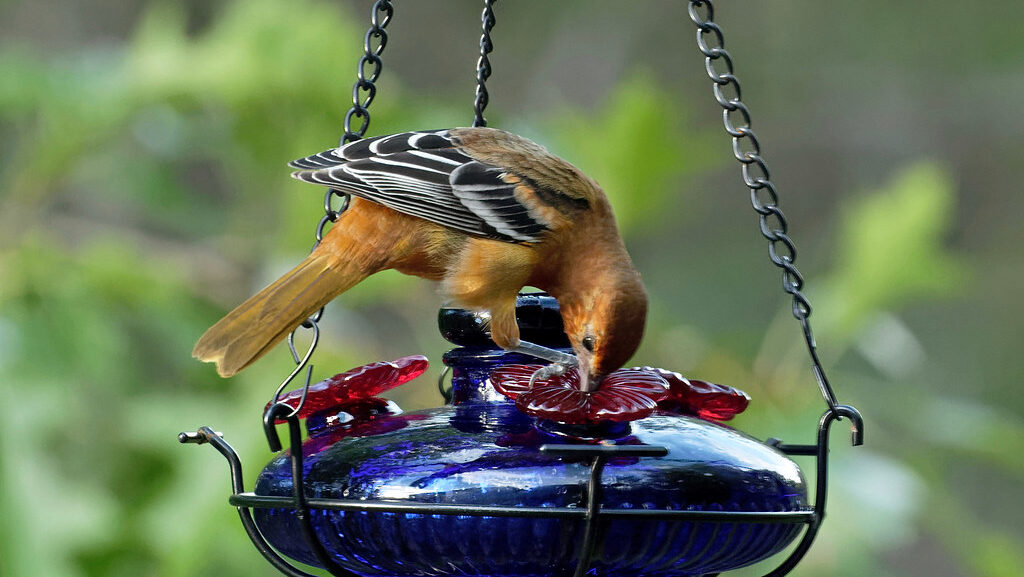
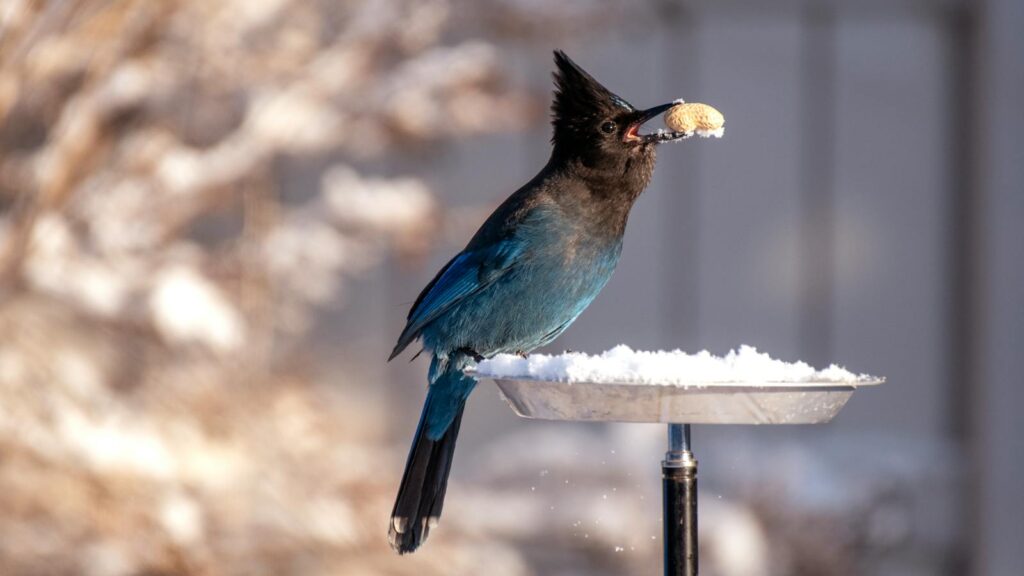
While we often categorize birds as seed-eaters or insect-eaters, many species employ hybrid strategies that incorporate both food sources along with fruits, nectar, and other resources. American robins exemplify dietary flexibility, consuming primarily insects during summer months but switching to fruits and berries during fall and winter. Blue jays demonstrate remarkable omnivory, readily consuming seeds, nuts, insects, small vertebrates, and even eggs or nestlings of other birds. Woodpeckers, despite their specialized adaptations for extracting insects from trees, frequently visit seed feeders and consume nuts, showcasing their dietary versatility. These hybrid feeding strategies provide competitive advantages by allowing birds to shift resources as availability changes, effectively providing nutritional insurance during unpredictable environmental conditions.
Impact on Migration Patterns
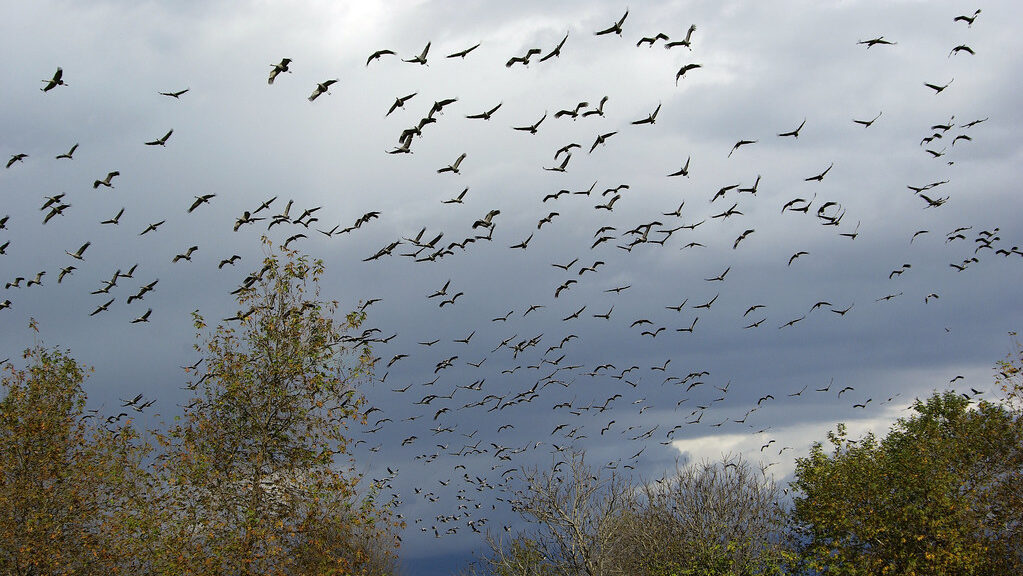
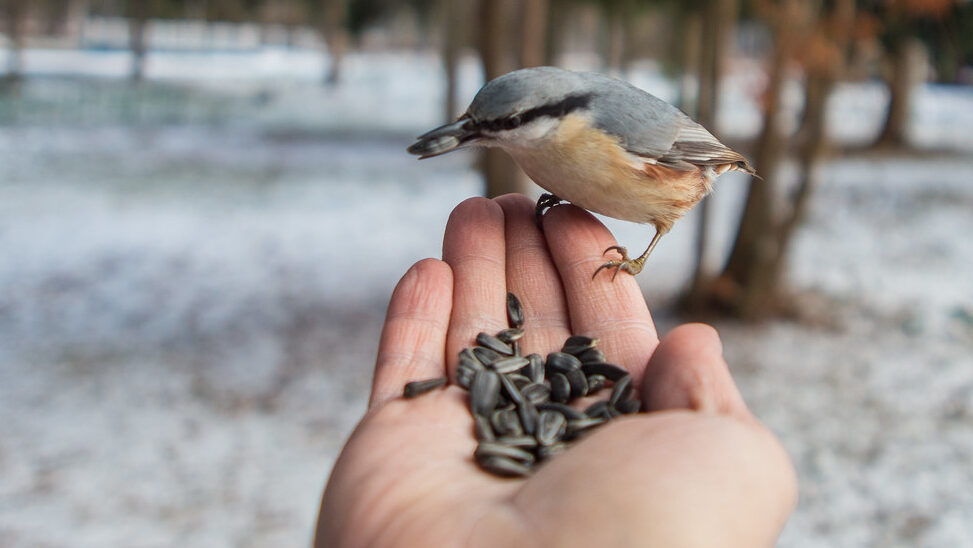
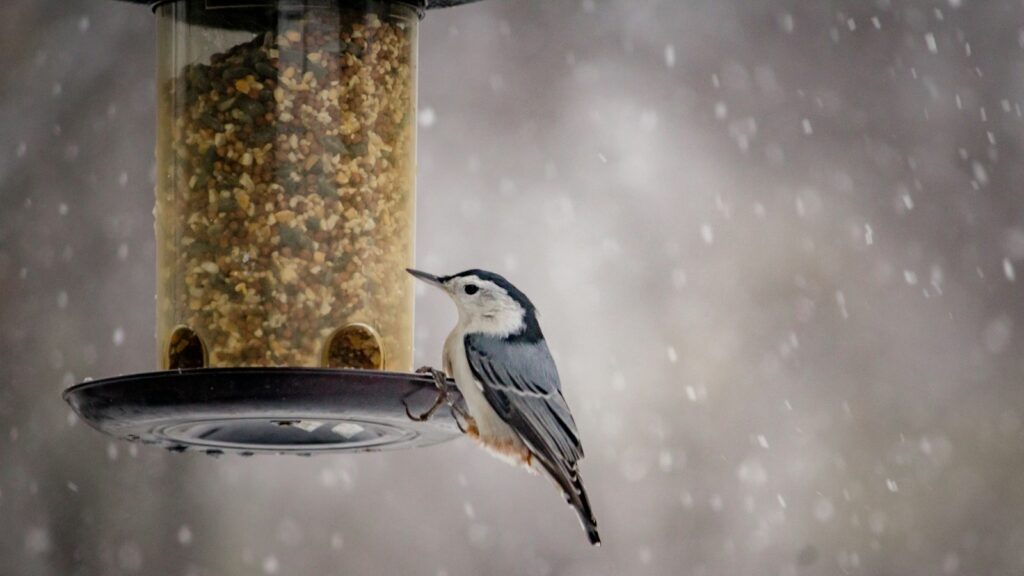
Dietary specialization significantly influences birds’ migration decisions, creating distinct patterns between seed-eaters and insectivores. Insect-dependent species like warblers, swallows, and flycatchers typically undertake long-distance migrations to track insect abundance, traveling thousands of miles between temperate breeding grounds and tropical wintering areas. Seed-eating birds like chickadees, nuthatches, and many finches often remain resident year-round in temperate regions, relying on their ability to locate and process seeds even during harsh winter conditions. Some partial migrants show fascinating population splits, where northern populations migrate while southern populations of the same species remain resident. These migration differences directly reflect the seasonal reliability of their preferred food sources and demonstrate how dietary adaptations fundamentally shape birds’ life histories and annual cycles.
Conservation Implications
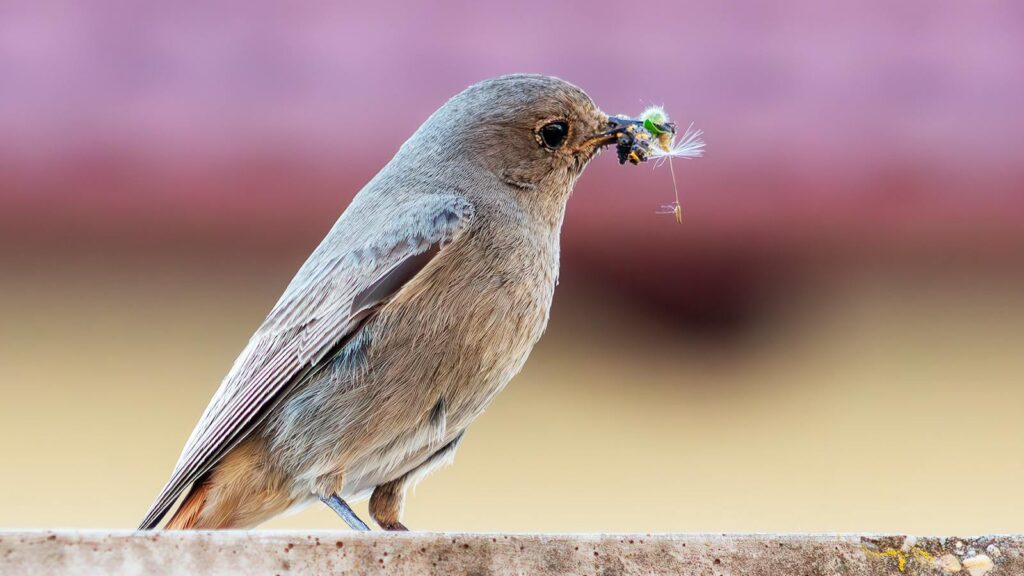
Understanding birds’ dietary preferences has profound implications for conservation efforts aimed at protecting vulnerable species. Insectivorous birds face particular challenges from pesticide use, which can both directly poison birds and dramatically reduce their food supplies in agricultural and suburban landscapes. Seed-eating species may suffer from agricultural intensification that eliminates weedy field margins and native seed-producing plants that historically provided food resources. Climate change threatens to disrupt the timing between bird breeding cycles and peak insect abundance, potentially creating “phenological mismatches” where insectivorous birds produce young when insufficient insects are available. Effective conservation strategies must therefore consider these dietary specializations, preserving both the birds and the specific food resources upon which they depend.
Supporting Birds Through Backyard Feeding
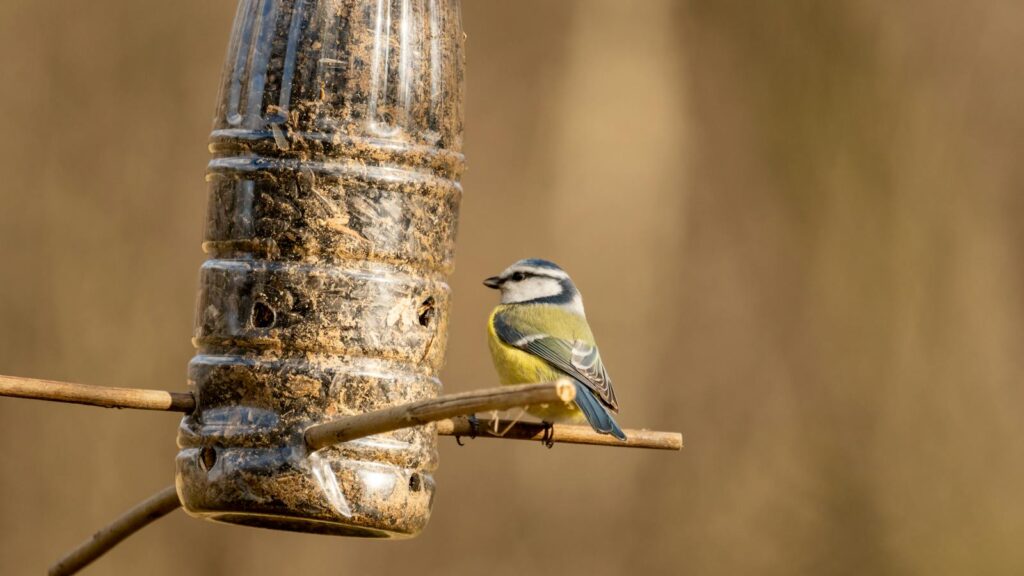
Backyard bird feeding offers a unique opportunity to support both seed-eating and insectivorous species through thoughtful provision of appropriate foods. Traditional seed feeders with black oil sunflower seeds, nyjer, and mixed seeds effectively attract cardinals, finches, chickadees, and other seed specialists. Supporting insectivorous birds requires different approaches, such as maintaining insect-friendly gardens with native plants that host caterpillars and other invertebrates. Water features like bird baths attract insectivorous species like warblers that may not visit seed feeders but will come to bathe or drink. Suet feeders containing insect-rich suet cakes provide excellent winter support for woodpeckers, nuthatches, and other birds that naturally seek insect protein from tree bark. By diversifying our feeding approaches, we can create backyard habitats that support the full spectrum of avian dietary specializations.
Conclusion
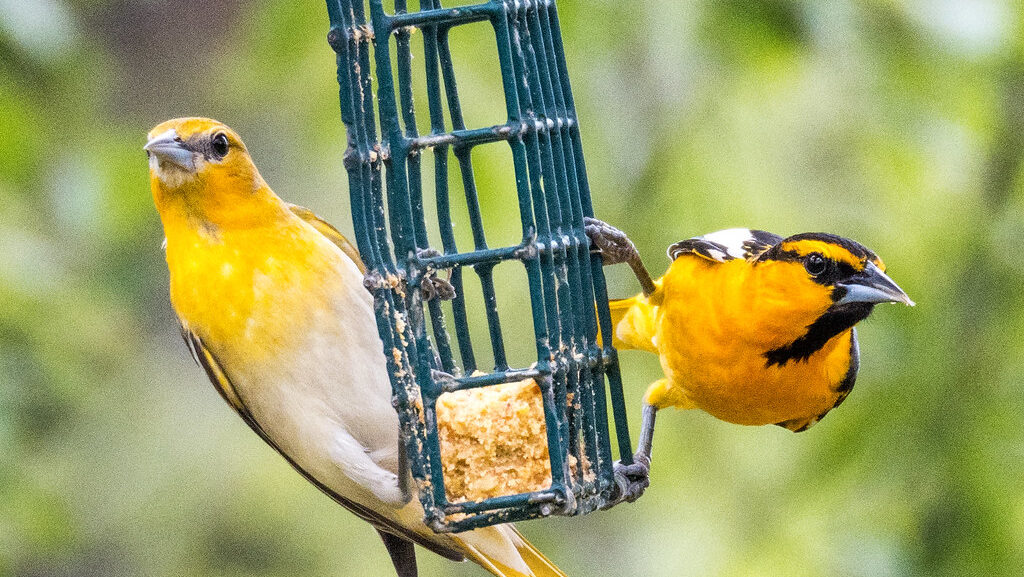
The divide between seed-eating and insect-eating birds represents one of nature’s most elegant examples of evolutionary specialization. These dietary preferences have shaped everything from birds’ physical structures to their migration patterns, reproductive timing, and habitat requirements. Rather than being a simple matter of food preference, these adaptations reflect millions of years of evolutionary refinement that has allowed birds to exploit virtually every terrestrial habitat on Earth. By understanding these specialized feeding strategies, we gain deeper insight into the ecological roles birds play and how we might better protect the diverse food webs that support them. Whether watching a cardinal crack open a sunflower seed or a swallow perform aerial acrobatics to catch flying insects, we’re witnessing the remarkable results of evolution’s continuous refinement of nature’s flying marvels.