
The avian world is a spectacular canvas of colors, from the iridescent blues of peacocks to the fiery reds of cardinals, yet many birds remain dressed in subtle browns and grays. This striking diversity in bird coloration has fascinated scientists and bird enthusiasts for centuries. Behind these vibrant displays and understated plumages lies a complex interplay of evolution, biology, and ecological adaptation. The colors adorning birds aren’t simply decorative choices but rather sophisticated survival strategies that have developed over millions of years. Understanding why some birds flash brilliant hues while others remain inconspicuous reveals fascinating insights into how birds navigate their environments, attract mates, and ultimately ensure their species’ survival.
The Biology Behind Bird Coloration
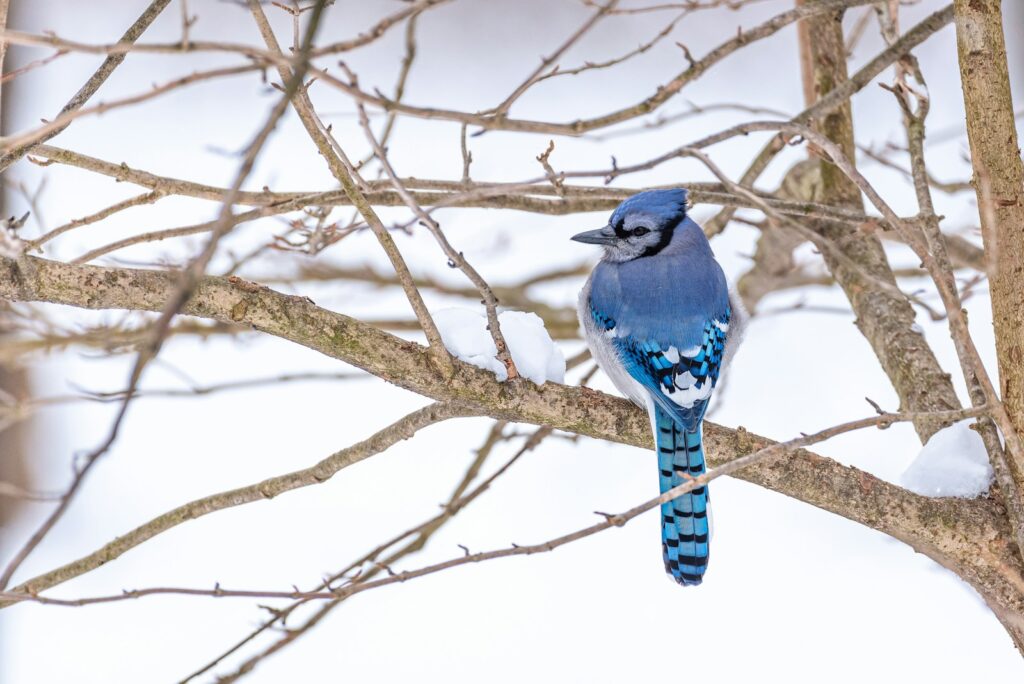
Bird coloration stems from two primary sources: pigments and structural colors. Pigments like melanin produce browns, blacks, and grays, while carotenoids create the vibrant yellows, oranges, and reds that many birds display. These carotenoids cannot be synthesized by birds and must be obtained through diet, particularly from consuming carotenoid-rich foods like berries and certain insects. Structural colors, on the other hand, result from the microscopic structure of feathers that scatter light in specific ways, producing blues, greens, and iridescent hues that seem to shift with viewing angle. The blue of a Blue Jay, for instance, isn’t from a blue pigment but from the way light interacts with the feather’s structure. Some birds employ both methods simultaneously, creating the extraordinary range of colors we observe throughout the avian world.
Sexual Selection: The Peacock’s Tale
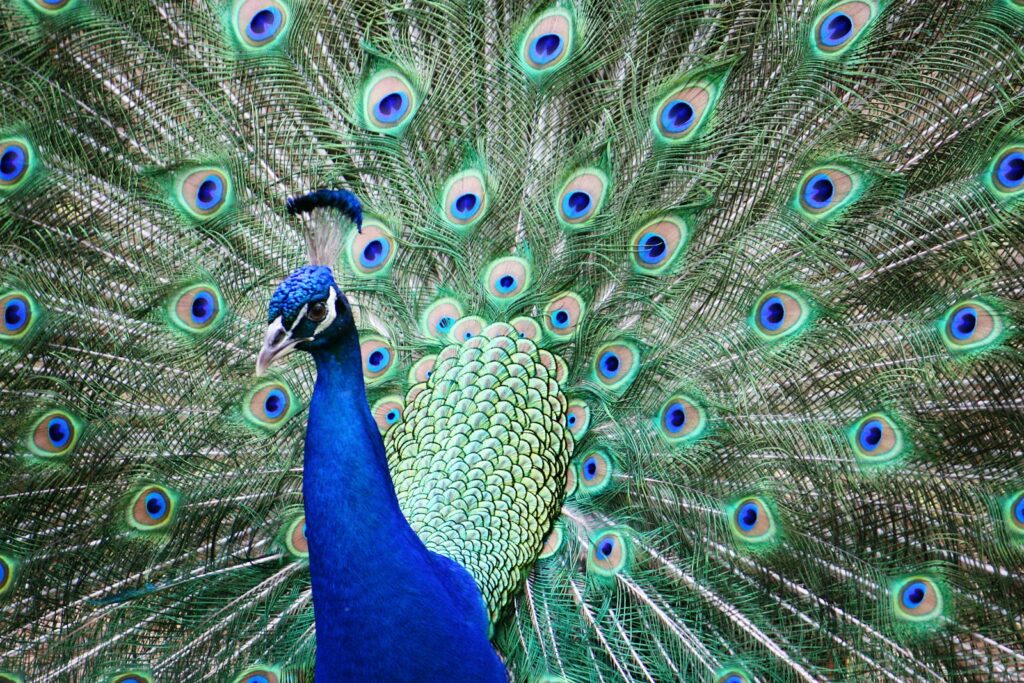
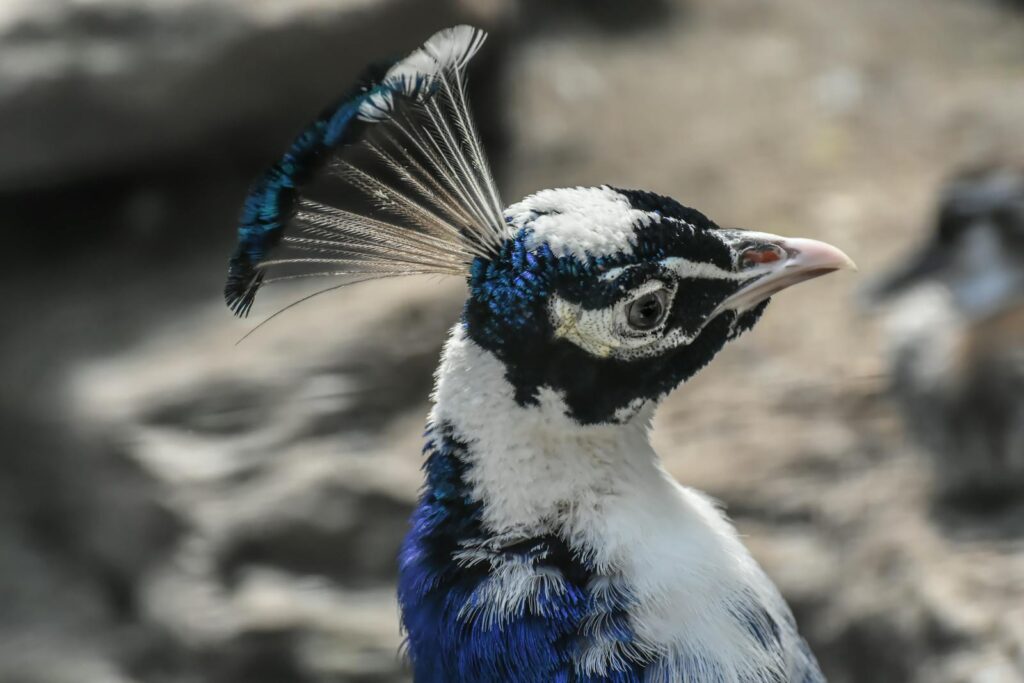
One of the most powerful drivers of bright coloration in birds is sexual selection, famously exemplified by the male peacock’s extravagant tail. Charles Darwin proposed that females often prefer males with the most impressive ornaments, driving the evolution of increasingly elaborate displays. This preference exists because colorful plumage can signal genetic quality, health, and vitality—a male capable of growing and maintaining brilliant colors likely possesses good genes worth passing to offspring. In many species, only males sport bright colors while females remain drab, creating sexual dimorphism that directly reflects this selective pressure. The stunning red plumage of male Northern Cardinals, the rainbow display of Birds of Paradise, and the metallic gorgets of hummingbirds all evolved primarily as advertisements to potential mates rather than for any practical survival function.
Camouflage: The Art of Disappearing
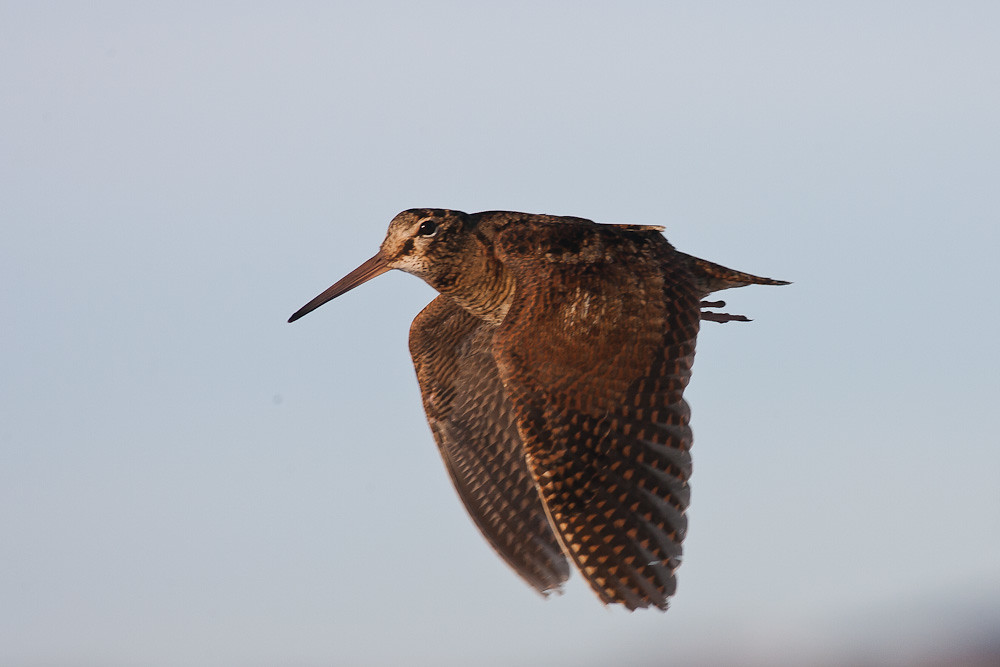
While some birds stand out, others have evolved to blend in, and this cryptic coloration serves as vital protection against predators. Female birds, particularly those responsible for nesting, often wear subdued colors that match their surroundings, allowing them to incubate eggs without detection. The mottled brown plumage of the American Woodcock makes it nearly invisible against forest leaf litter, while the streaked pattern of meadowlarks helps them vanish in grasslands. Even some brilliantly colored males transform seasonally; the male American Goldfinch trades his bright yellow summer breeding plumage for a more subdued olive-brown during winter when attracting mates becomes less important than avoiding predators. This balance between conspicuousness for breeding and camouflage for survival represents one of the fundamental tensions in avian evolution.
Warning Coloration: The Don’t Eat Me Signal
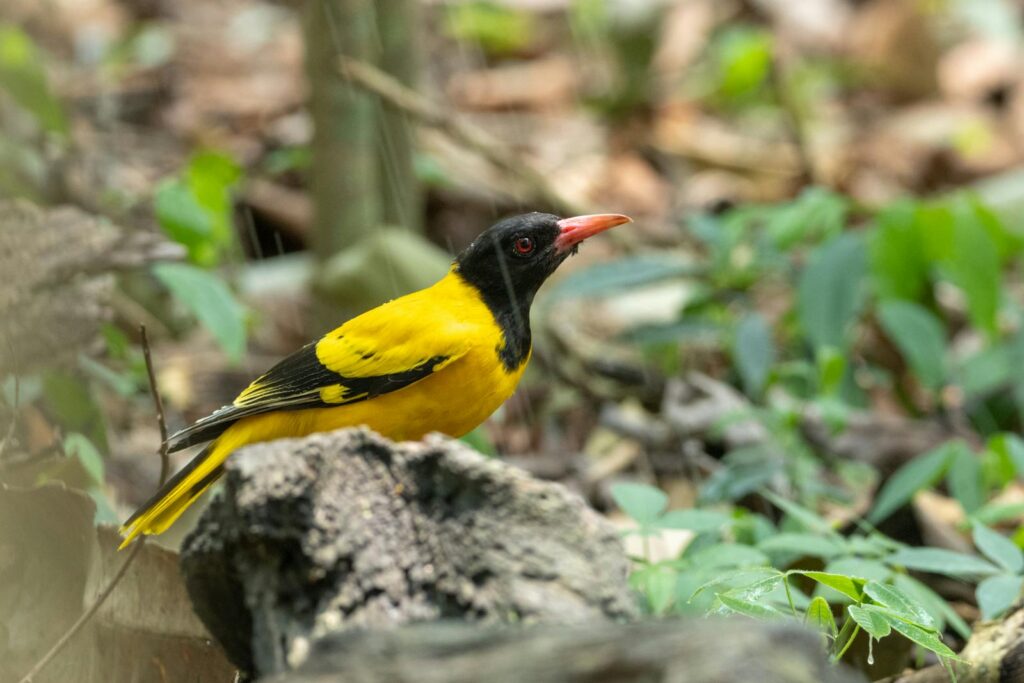
Some birds sport bright colors not to attract mates but to warn potential predators of their unpalatability or toxicity. This aposematic coloration serves as a universal “danger” sign throughout the animal kingdom. The striking black and orange of the North American Oriole may function partly as warning coloration, signaling to predators that they shouldn’t waste their energy on an unpleasant meal. Similarly, the hoatzin of South America, with its blue face and chestnut body, has flesh that tastes terrible to predators due to its unusual leaf-fermenting digestive system. The bright colors essentially advertise: “Remember me, I taste awful!” Once predators learn to associate certain color patterns with negative experiences, they avoid similarly colored prey in the future, providing a substantial survival advantage to the brightly colored species.
Species Recognition: Identifying Your Own Kind
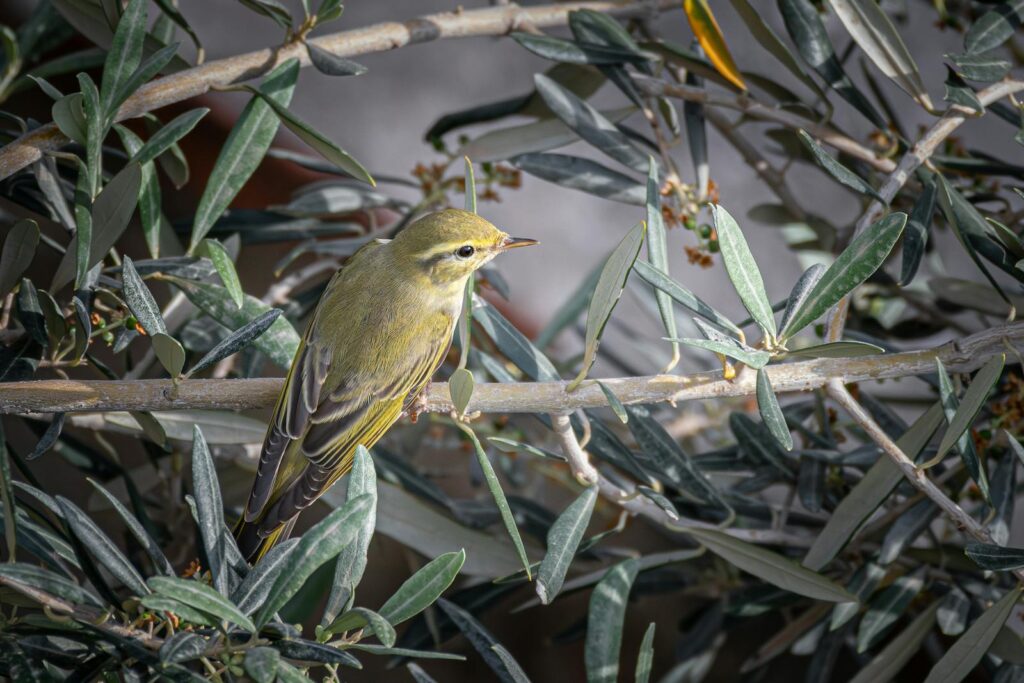
Distinctive coloration helps birds recognize members of their own species, a critical function in environments where multiple similar species coexist. This species-specific “uniform” prevents wasted energy on courting incompatible mates and helps maintain genetic boundaries between closely related species. Wood warblers in North America provide an excellent example of this phenomenon—these small songbirds often occupy similar habitats, but each species displays unique color patterns that serve as identification badges. The Yellow-rumped Warbler’s distinctive yellow patches and the Blackburnian Warbler’s flaming orange throat ensure that even in dense forest canopies, individuals can quickly identify appropriate mates. During migration and in mixed feeding flocks, these color patterns also help birds quickly locate members of their own species for safety and cooperative foraging.
Environmental Adaptation: Colors for Different Climates
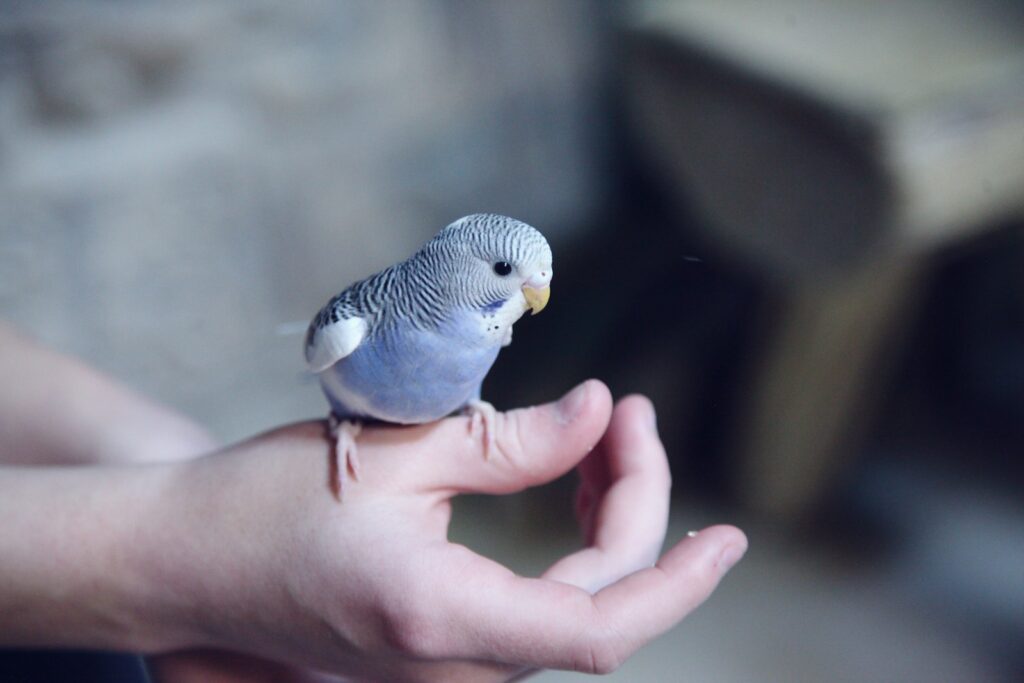
Bird coloration often reflects adaptation to specific environmental conditions, following patterns that span continents. Birds in humid, densely forested regions frequently display more vibrant colors than their counterparts in arid environments, a pattern known as Gloger’s rule. Additionally, many species in colder regions tend to be larger and darker than related species in warmer areas (Bergmann’s and Allen’s rules), with the darker pigmentation helping absorb heat in chilly climates. Desert birds typically wear pale, sandy colors that reflect heat and blend with their surroundings, while tropical forest species often sport bright greens to match lush foliage. These environmental adaptations explain why families of birds that have spread across diverse habitats often show predictable variations in color intensity and pattern that correlate with their specific ecological niches.
Dietary Influences on Bird Coloration
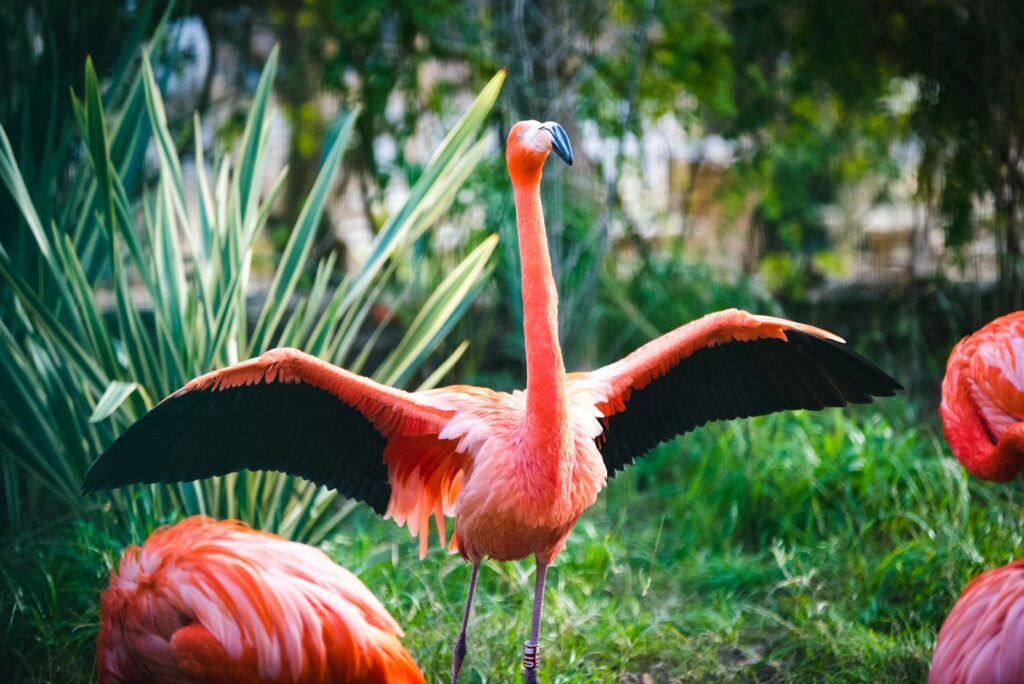
A bird’s diet plays a crucial role in determining its color, particularly for species displaying carotenoid-based pigmentation. Flamingos provide perhaps the most dramatic example—their iconic pink coloration comes from carotenoid compounds in the algae, shrimp, and other crustaceans they consume. When flamingos in captivity aren’t fed a carotenoid-rich diet, they gradually fade to white. Similarly, the vibrant reds of tanagers, the oranges of orioles, and the yellows of goldfinches all depend on dietary carotenoids. The House Finch demonstrates remarkable geographical variation in red intensity based on regional differences in available carotenoid-rich foods. This connection between diet and display creates an honest signal of foraging ability—only birds skilled at finding nutrient-rich foods can maintain the brightest colors.
The Energy Cost of Brightness

Maintaining bright coloration requires significant biological resources, creating what scientists call a “handicap” that only the fittest individuals can afford. Producing and maintaining vivid plumage demands energy that could otherwise be used for immune function, foraging, or territory defense. For many species, bright colors also increase predation risk, creating a survival penalty that must be offset by reproductive advantages. The American Redstart’s black and orange plumage, for instance, makes it more visible to predators but also more attractive to females. This biological trade-off explains why not all birds are brightly colored—the benefits must outweigh the costs for conspicuous coloration to evolve. In environments with high predation pressure or limited resources, the scales often tip toward drabness despite the reproductive advantages brightness might offer.
Seasonal Color Changes: Dressing for the Occasion
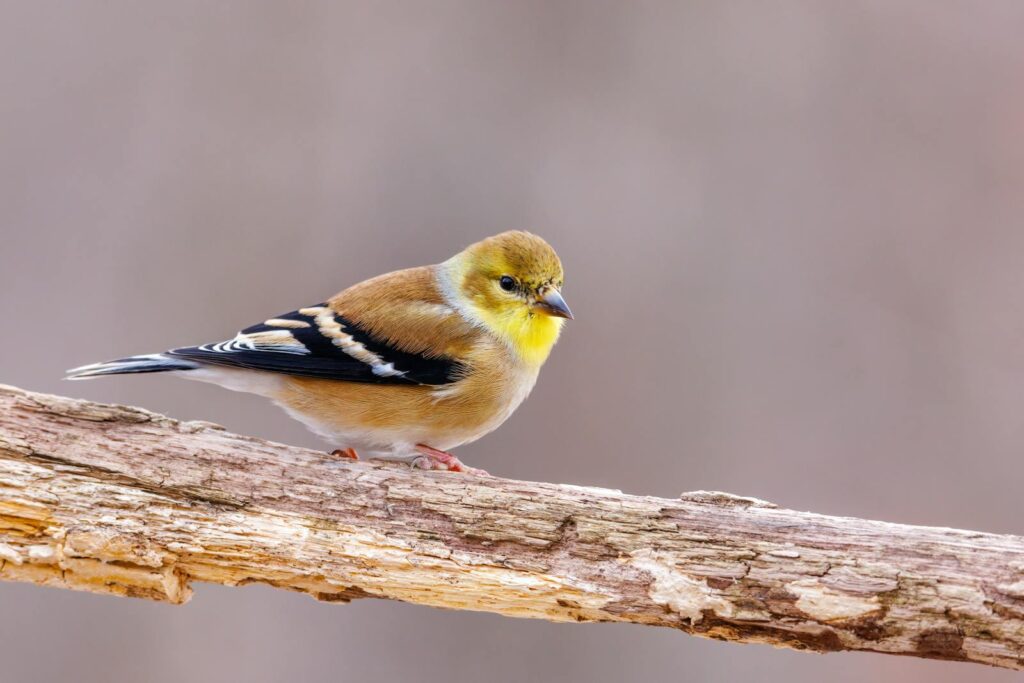
Many birds transform their appearance seasonally, donning bright breeding plumage during mating season and switching to more subdued colors for the remainder of the year. This phenomenon, called seasonal dimorphism, is particularly pronounced in species like the American Goldfinch, which transitions from brilliant yellow in summer to olive-drab in winter. The male Scarlet Tanager undergoes an even more dramatic transformation, exchanging his fiery red breeding plumage for yellowish-green feathers similar to the female’s year-round coloration. These seasonal changes typically occur through molt—the systematic replacement of feathers—rather than the feathers themselves changing color. The timing of these transformations is usually regulated by hormonal changes triggered by shifting day length, ensuring birds are properly attired for breeding precisely when reproductive opportunities peak.
Evolutionary History and Bird Coloration
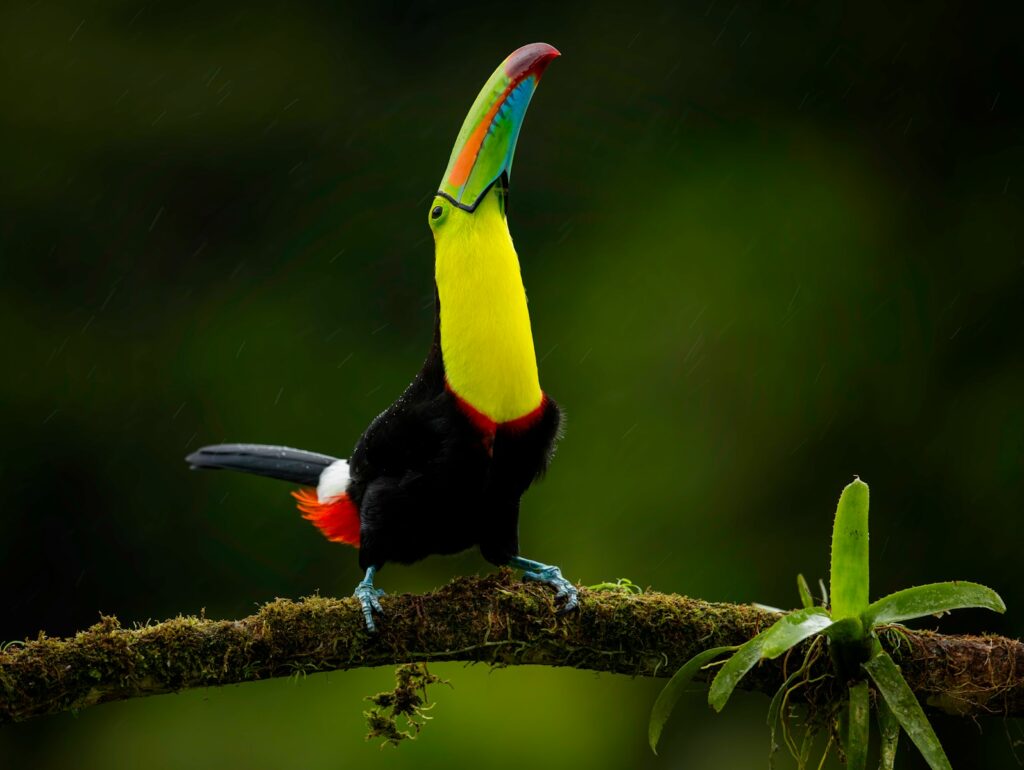
The palette available to different bird families reflects their evolutionary history and ancestral adaptations. Certain groups, like parrots and toucans, evolved in tropical environments where bright colors serve multiple purposes, from species recognition in dense forests to advertising fitness in competitive breeding scenarios. These families possess genetic tools for producing and displaying vibrant colors that have been refined over millions of years. Other families, like the sparrows and thrushes, evolved primarily in more temperate environments where camouflage often provided greater survival advantages than showiness. Flightless birds like kiwis and ostriches generally display more muted colors, reflecting ancestral conditions when predator avoidance was paramount. The remarkable rainbow of bird colors we see today represents millions of years of divergent evolutionary paths, with each family inheriting certain color predispositions while continuously adapting to current conditions.
Ultraviolet Vision: Colors Humans Can’t See
Birds perceive color differently than humans, with vision that extends into the ultraviolet spectrum invisible to our eyes. Many birds that appear drab to human observers display striking patterns when viewed with UV-sensitive equipment. The seemingly plain European Starling, for instance, has feathers that strongly reflect ultraviolet light, creating patterns visible only to other birds. Similarly, the “identical” male and female Blue Tits can easily distinguish each other through ultraviolet reflections in their crown feathers. This hidden dimension of bird coloration has forced scientists to reconsider many assumptions about avian visual signals. What humans perceive as subtle differences between individuals might appear as dramatic distinctions to birds themselves, and seemingly drab species may be quite colorful in wavelengths beyond human perception.
Human Influences on Bird Coloration
Human activities increasingly affect bird coloration through multiple mechanisms, from habitat alteration to climate change. Pollution can directly impact plumage—house finches in urban areas sometimes develop abnormal coloration due to consuming artificial food dyes, while soot and industrial pollutants can darken the feathers of urban birds. Climate change alters the timing of molt cycles and breeding seasons, potentially creating mismatches between a bird’s coloration and its environment. Additionally, supplemental feeding by humans can enhance carotenoid availability for some species, potentially increasing color intensity. Bird populations isolated in fragmented habitats may experience altered selection pressures for coloration as predator communities and mating opportunities change. As humans continue reshaping environments globally, we may inadvertently drive evolutionary changes in the very colors that make birds so captivating.
Conservation Implications of Bird Coloration
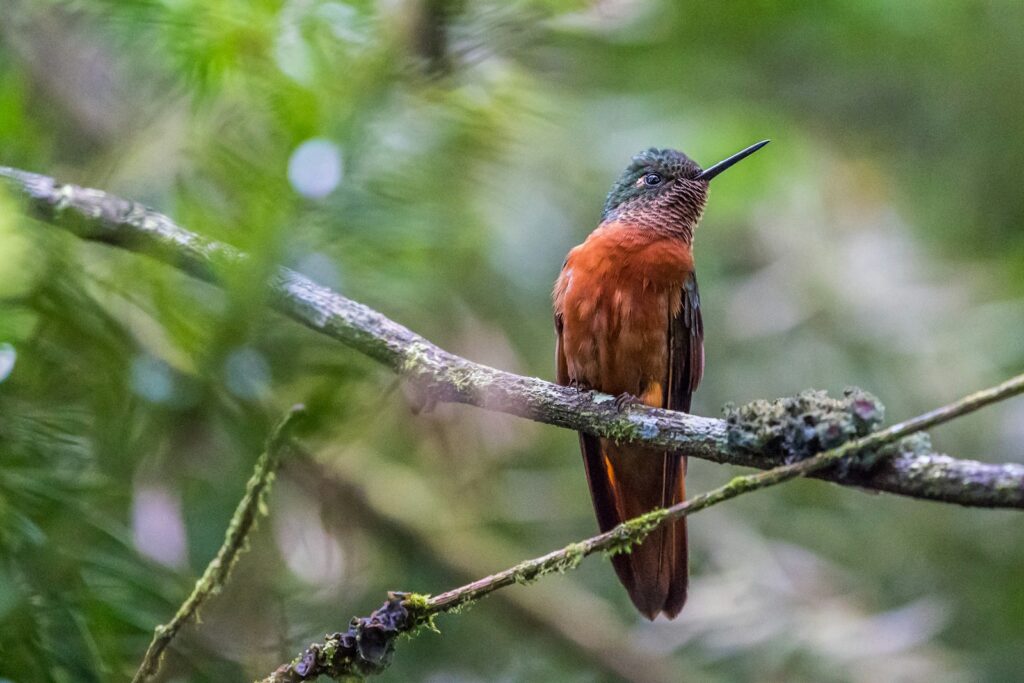
Understanding the significance of bird coloration has important implications for conservation efforts worldwide. Birds with specialized color adaptations may be particularly vulnerable to habitat changes that disrupt the ecological conditions supporting their distinctive plumage. Species dependent on specific food sources for their coloration, like flamingos, which require carotenoid-rich aquatic ecosystems, face challenges when these habitats degrade. Bright coloration that evolved under low predation pressure may become maladaptive when introduced predators enter isolated ecosystems, as occurred with many colorful island birds facing newly introduced rats and cats. Conservation strategies increasingly consider these complex relationships between coloration, behavior, and survival. By protecting the full spectrum of habitats and ecological relationships that support the world’s diversity of bird colors, we help preserve not just the species themselves but the evolutionary processes that created such remarkable visual diversity.
The dazzling array of bird coloration represents one of nature’s most remarkable evolutionary experiments. From the practical advantages of camouflage to the reproductive benefits of bright displays, bird colors tell stories of adaptation, survival, and the endless creativity of natural selection. What might appear as mere decoration represents sophisticated biological signaling systems shaped by millions of years of evolution. As we continue to unravel the complex factors determining why some birds shine brilliantly while others remain inconspicuous, we gain a deeper appreciation for the intricate relationships between birds and their environments. In the end, the full spectrum of avian colors—from the plainest sparrow to the most resplendent quetzal—showcases nature’s remarkable ability to develop diverse solutions to the universal challenges of survival and reproduction.