

Migration represents one of nature’s most extraordinary phenomena—a seasonal journey undertaken by countless bird species across vast distances in search of favorable conditions. While many birds migrate successfully year after year, this incredible feat poses distinctly greater challenges for smaller avian species. From energy constraints to navigational challenges, diminutive birds face a gauntlet of obstacles their larger counterparts can more easily overcome. The relationship between body size and migration difficulty reveals fascinating adaptations and survival strategies that have evolved over millennia. This exploration into why smaller birds face greater migratory hardships illuminates both the remarkable resilience of these tiny travelers and the precarious nature of their journeys.
The Physics of Flight: Size Matters

The laws of physics create fundamental challenges for smaller migratory birds. Smaller birds have higher metabolic rates relative to their body mass, meaning they burn energy at a proportionally faster rate than larger species. This metabolic reality translates directly to flight efficiency—smaller birds must beat their wings more rapidly to stay aloft, consuming energy at a significantly higher rate per gram of body weight. For instance, a Ruby-throated Hummingbird weighing merely 3-4 grams must beat its wings up to 80 times per second during flight, creating enormous energy demands. Unlike larger birds that can glide extensively to conserve energy, smaller species often rely on continuous flapping flight, making their migrations physiologically more demanding and energetically costly.
Weather Vulnerability: At Nature’s Mercy
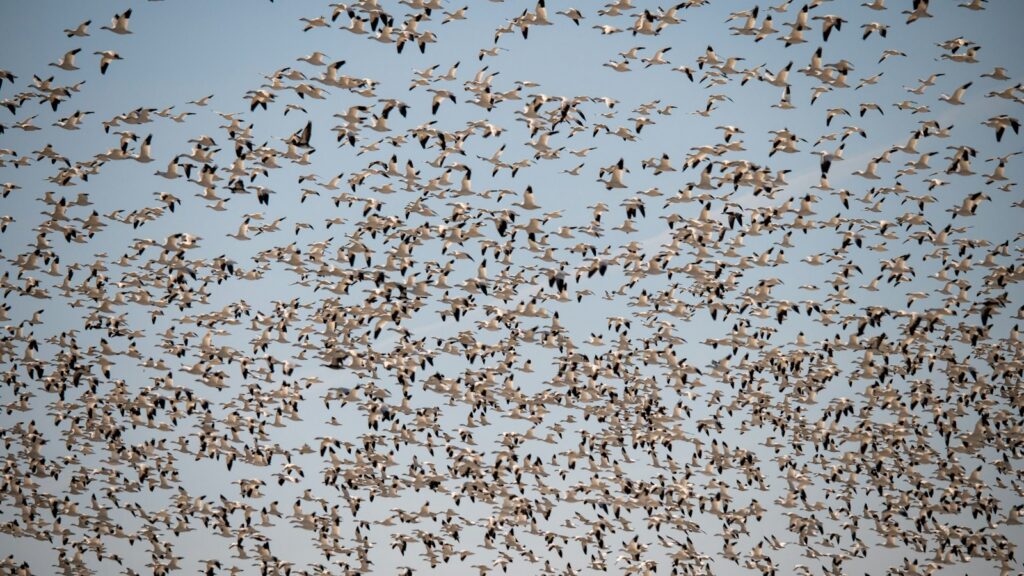
Adverse weather conditions pose disproportionate threats to smaller migratory birds. With less body mass and wing surface area, diminutive species are more susceptible to being blown off course by strong winds or becoming trapped in unfavorable weather systems. A storm that merely delays a larger bird might prove fatal for a smaller one unable to compensate for the additional energy expenditure required to battle headwinds or precipitation. Research has shown that mortality rates during migration can spike dramatically for small birds during weather events that larger species weather with relative ease. The lightweight frames of warblers, kinglets, and other small migrants offer less resistance to environmental forces, making their migratory paths more dependent on favorable weather windows and increasing their vulnerability to climate change effects.
Fuel Storage Limitations: The Fat Factor

Smaller birds face significant constraints in how much fuel they can store for their migratory journeys. Migration typically requires birds to accumulate fat reserves—their primary energy source during long flights—but smaller birds can only pack on a limited percentage of their body weight without compromising flight ability. While some larger birds can nearly double their weight with fat before migration, many smaller species can only safely increase their mass by 30-50% without severely hampering their aerodynamic efficiency and predator evasion capabilities. This limitation means smaller birds must often adopt a strategy of shorter flights with more frequent refueling stops, a tactic that introduces additional risks and dependencies on suitable habitat availability along their routes. The physiological ceiling on fat storage creates a fundamental energy budget restriction that larger birds simply don’t face to the same degree.
Predation Risk: The Dangerous Pitstops
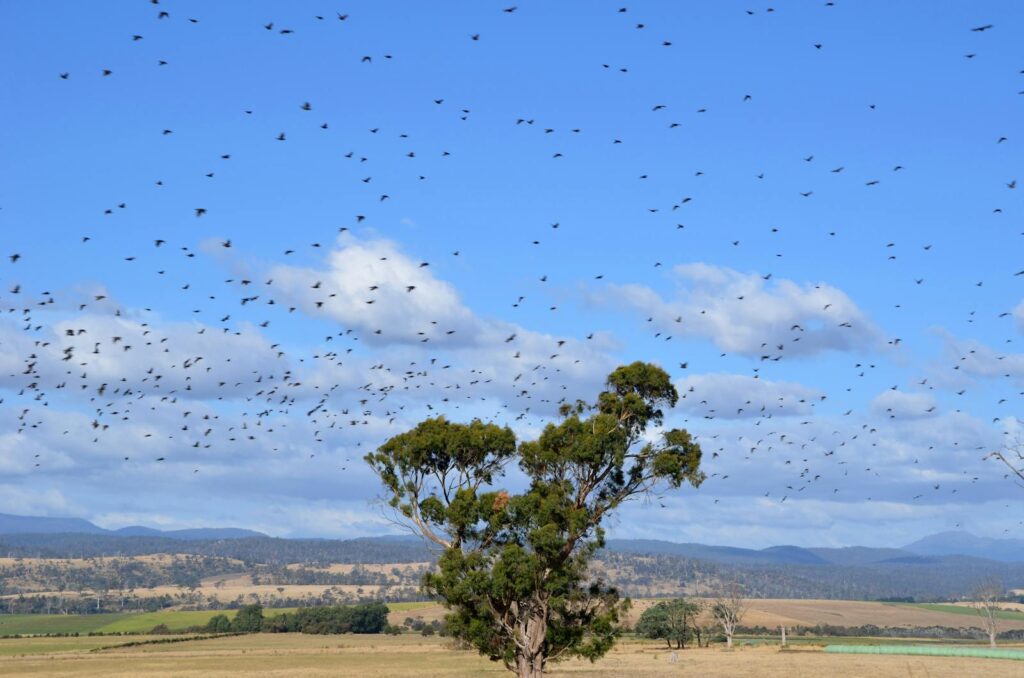
The need for more frequent refueling stops exposes smaller migratory birds to heightened predation risk. Unlike larger species that can complete longer flight segments without stopping, smaller birds must land more often to replenish their limited energy reserves, making them vulnerable to predators at each stopover site. This increased exposure occurs precisely when these birds are most vulnerable—typically exhausted, focused on feeding, and in unfamiliar territories without established escape routes or shelter knowledge. Studies have documented significantly higher predation rates at stopover sites for smaller migratory species compared to their larger counterparts. Moreover, the pressure to regain energy quickly may force smaller birds to forage more boldly, further increasing their visibility to predators and creating a dangerous trade-off between starvation risk and predation avoidance.
Thermoregulation Challenges: The Heat Balance Problem

Maintaining optimal body temperature presents a greater challenge for smaller migratory birds due to their higher surface-area-to-volume ratio. This physical property means they lose body heat more rapidly in cold conditions and must expend more energy to maintain their core temperature. During high-altitude migratory flights, where temperatures can drop substantially, smaller birds face a double energy burden—powering flight muscles while simultaneously generating enough heat to prevent hypothermia. Conversely, in hot conditions, smaller birds risk overheating more quickly when engaging in sustained flight activity. This thermoregulatory balancing act requires additional energy expenditure that larger birds, with their more favorable heat retention properties, don’t experience to the same degree. For tiny migrants like hummingbirds or kinglets, these thermoregulatory demands can consume a significant portion of their already limited energy budget.
Water Barrier Crossings: The Ultimate Test
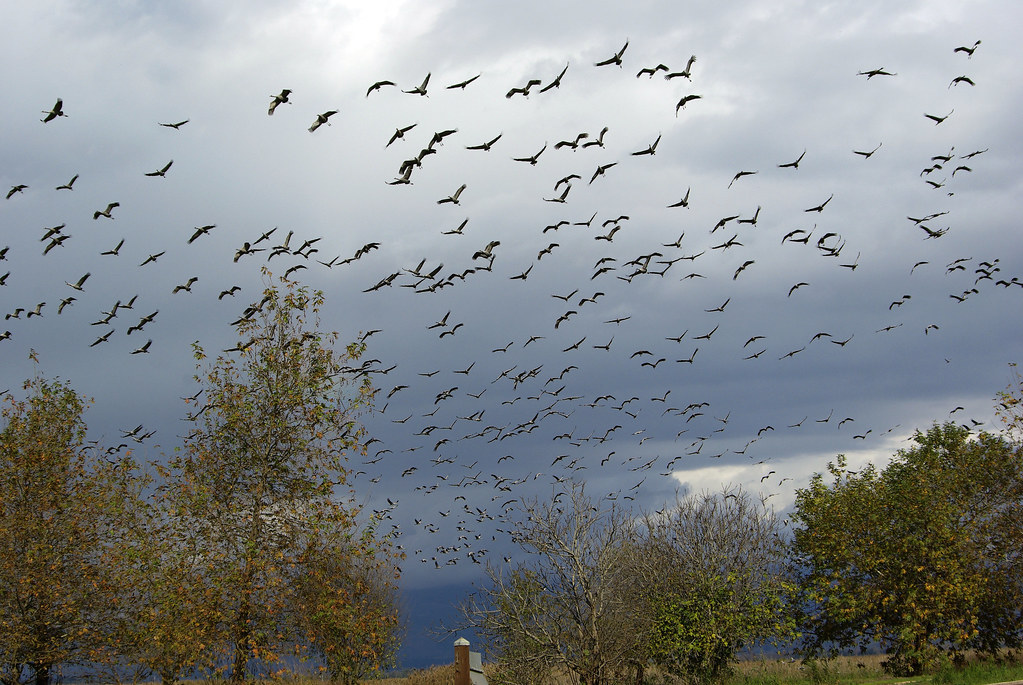
Water barrier crossings represent particularly formidable challenges for smaller migratory birds. Unlike landmasses that offer emergency landing opportunities and feeding possibilities, water crossings require non-stop flight over distances that push smaller birds to their physiological limits. The Gulf of Mexico crossing, spanning approximately 600 miles of open water, demands up to 20 hours of continuous flight for many small songbirds—a journey that leaves virtually no margin for error in energy calculations. Radar studies have documented significantly higher mortality rates for smaller birds during these water crossings compared to larger species. The inability to land safely on water, combined with limited energy reserves, creates a situation where even minor miscalculations or unexpected headwinds can prove fatal, explaining why water barriers often act as significant evolutionary forces shaping migration routes and strategies for smaller species.
Navigational Challenges: The Tiny Brain Conundrum

Despite their remarkable navigational abilities, smaller birds face cognitive limitations related to their reduced brain size. The complex task of navigation during migration requires processing and integrating multiple sensory inputs—magnetic fields, celestial cues, landmarks, and potentially even olfactory information. While smaller birds possess these same capabilities, the absolute size of brain regions dedicated to these functions is necessarily smaller, potentially limiting the precision and redundancy of their navigational systems. Research comparing navigation errors between differently sized birds suggests that smaller species may indeed experience higher rates of navigational drift under challenging conditions. Additionally, the energy cost of maintaining an active brain represents a proportionally higher metabolic burden for smaller birds, creating yet another energy allocation challenge during the already demanding migratory period.
Competition at Stopover Sites: The Resource Race

Smaller migratory birds often face intense competition at critical stopover sites where resources are limited. Their size disadvantage means they’re frequently outcompeted by larger species or individuals for the highest-quality food sources and safest resting locations. This competition becomes particularly acute at heavily used migration bottlenecks where birds concentrate in large numbers. For instance, a small warbler arriving at a stopover site after a depleting flight segment may find itself unable to access optimal feeding territories already claimed by larger or earlier-arriving birds. The resulting need to utilize suboptimal habitat can significantly slow refueling rates, potentially forcing premature departures with inadequate energy reserves. Studies tracking weight gain at stopover sites consistently show that smaller birds often accumulate fat at slower rates than larger species, directly impacting their subsequent flight performance and survival odds.
Habitat Specialization: Limited Refueling Options

Many smaller migratory birds exhibit greater habitat specialization than their larger counterparts, limiting their potential refueling locations. This specialization often evolves from niche partitioning that reduces competition in their breeding and wintering grounds, but it creates significant challenges during migration when specific habitat types may be scarce or patchily distributed. For example, a small warbler specialized in gleaning insects from a particular tree species may struggle to find sufficient food at stopover sites lacking those trees. Larger birds typically demonstrate more dietary and habitat flexibility, allowing them to successfully refuel in a wider range of environments. This limitation becomes increasingly problematic as habitat fragmentation and loss continue along major flyways, disproportionately affecting smaller species with narrower ecological requirements and creating “ecological traps” where traditional stopover cues lead birds to now-degraded habitats.
Physiological Recovery: The Rest Requirement
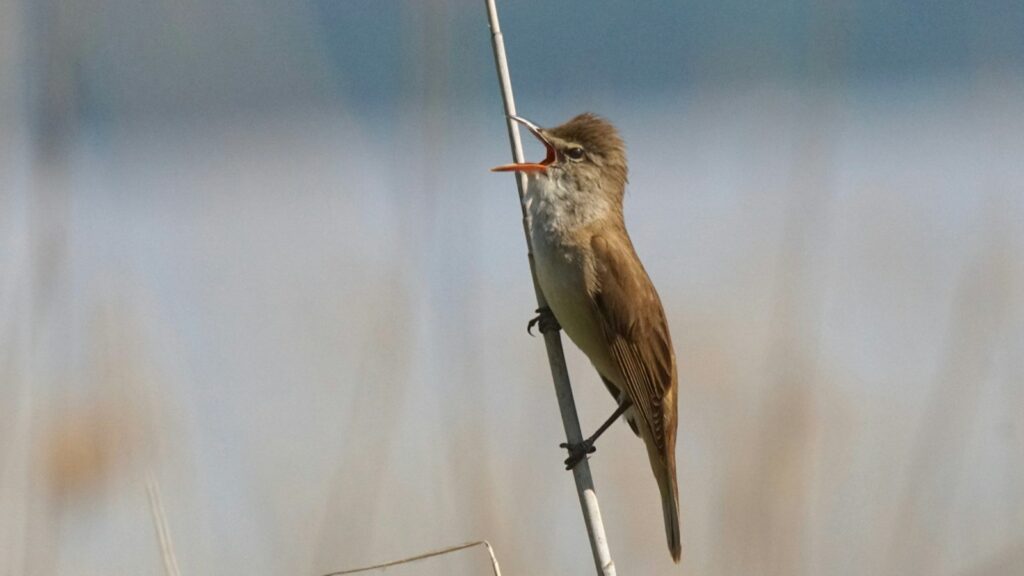
The physiological toll of migration creates greater recovery needs for smaller birds relative to their flight distances. Sustained migratory flight pushes small birds closer to their metabolic limits, potentially causing more significant tissue damage, muscle breakdown, and oxidative stress than experienced by larger species. Research examining physiological markers in birds captured at stopover sites reveals that smaller migrants often show more pronounced signs of physical stress and require proportionally longer recovery periods before continuing their journeys. This recovery necessity creates an additional time pressure during migration windows that are already constrained by weather and seasonality. For small birds like flycatchers or vireos, the cumulative effect of these required recovery periods can significantly extend total migration duration, potentially delaying arrival at breeding grounds and reducing reproductive success.
Climate Change Impacts: Amplified Vulnerability

Climate change disproportionately threatens smaller migratory birds through multiple interacting factors. Rising temperatures affect insect emergence timing and plant phenology, potentially creating mismatches between peak food availability and the arrival of smaller birds that have less flexibility in adjusting their migration schedules. Increased frequency and severity of storms along migration routes pose greater dangers to smaller species with less weather resistance. Studies tracking population trends among migratory birds have identified stronger declines among smaller species compared to larger ones across multiple flyways. The narrow margins of error in energy budgets for small migrants mean that even subtle climate-driven changes to habitat quality, food availability, or weather patterns can have outsized impacts on their migration success. This heightened vulnerability makes smaller migratory birds important indicator species for monitoring broader ecosystem impacts of climate change.
Evolutionary Adaptations: Nature’s Ingenious Solutions

Despite these formidable challenges, smaller migratory birds have evolved remarkable adaptations that help compensate for their size disadvantages. Many small migrants undergo more extreme physiological preparations, temporarily shrinking non-essential organs to reduce weight while dramatically enlarging flight muscles and heart size proportional to their body mass. Species like the Blackpoll Warbler can nearly double their pre-migration weight, achieving one of the highest fuel-to-body-mass ratios among all birds. Some smaller migrants employ strategic nocturnal migration to avoid predators and diurnal heat stress, while others form loose flocks that improve navigation accuracy through collective intelligence. Perhaps most impressively, many tiny migrants have evolved precisely timed migration schedules that coincide with optimal wind patterns, effectively using atmospheric assistance to partially overcome their size limitations. These evolutionary solutions highlight nature’s extraordinary capacity to develop compensatory mechanisms that enable even the smallest birds to accomplish one of animal kingdom’s most demanding feats.
Migration represents an extraordinary challenge for all birds, but the hurdles faced by smaller species reveal the remarkable evolutionary adaptations and precise balancing acts required for their survival. From physiological limitations to environmental vulnerabilities, the diminutive migrants of our world navigate a gauntlet of obstacles with astonishing resilience. Understanding these challenges not only deepens our appreciation for these tiny travelers but also highlights the critical importance of preserving migratory stopover habitats and addressing climate change impacts that threaten to disrupt the delicate equilibrium these birds have achieved. As we continue to study and protect migratory birds, the special consideration of size-specific challenges will remain essential to ensuring that even the smallest aerial voyagers can continue their ancient journeys across our shared skies.