
Birds bring joy, color, and music to our yards, and many wildlife enthusiasts set up birdbaths to attract these delightful visitors. However, what many well-intentioned bird lovers don’t realize is that a neglected, dirty birdbath can cause more harm than good. While the desire to provide water for our feathered friends is admirable, failing to maintain that water source properly creates serious health hazards for the very creatures we’re trying to help. This article explores why a filthy birdbath is worse than having no birdbath at all, and provides guidance on proper maintenance to ensure your water feature remains a blessing rather than a curse for your backyard birds.
Disease Transmission Hotspots
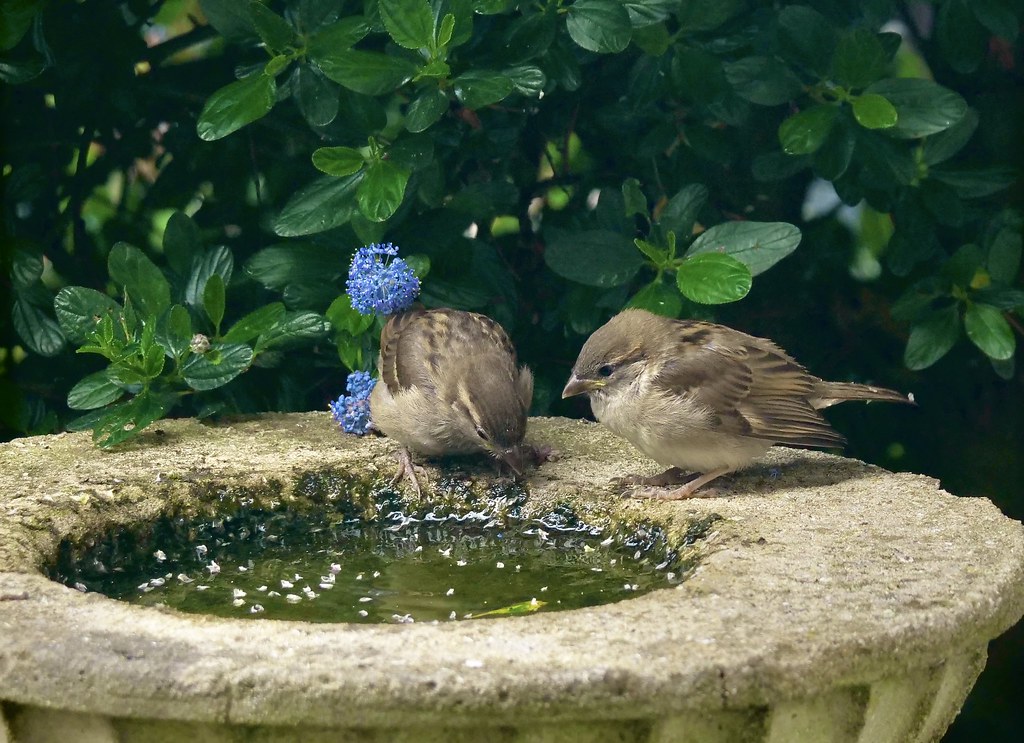
Stagnant water in dirty birdbaths becomes a perfect breeding ground for harmful bacteria, parasites, and disease-causing organisms. Birds visiting these contaminated water sources can contract serious illnesses including avian pox, salmonellosis, and trichomonosis, which can spread rapidly through bird populations. When multiple birds use the same dirty water, one sick individual can potentially infect dozens of others, creating a dangerous chain of transmission. Unlike having no birdbath at all—where birds would seek natural water sources that are typically flowing and self-cleaning—a dirty birdbath concentrates birds in one location with contaminated water. Research has shown that disease outbreaks in wild bird populations can often be traced back to communal feeding and bathing sites that aren’t properly maintained.
Mosquito Breeding Grounds
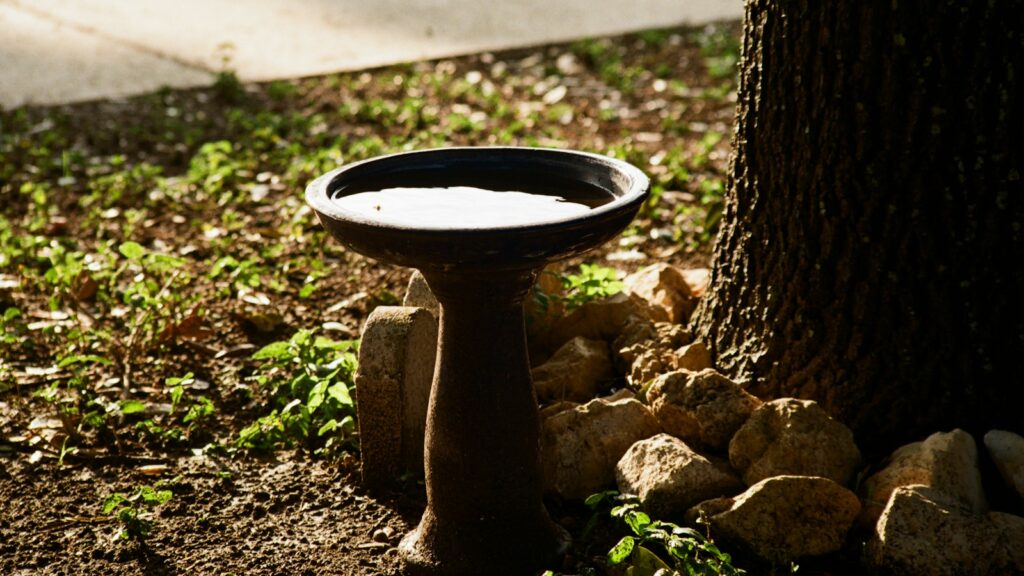
Standing water in neglected birdbaths provides the perfect nursery for mosquito larvae, potentially turning your bird-friendly feature into a mosquito production facility. Female mosquitoes can lay hundreds of eggs in just a small amount of stagnant water, and these can develop into adults in as little as a week during warm weather. Not only are mosquitoes annoying to humans, but they also transmit serious diseases to birds, such as West Nile virus and avian malaria. Ironically, a dirty birdbath intended to help wildlife can end up contributing to mosquito-borne diseases that harm both birds and people. Regular cleaning and water replacement prevent mosquito eggs from developing, breaking this dangerous cycle before it begins.
Harmful Algae Growth

Dirty birdbaths quickly develop algae blooms, especially when exposed to sunlight. While some algae are merely unsightly, certain types produce toxins that can be harmful or even fatal to birds that drink or bathe in the water. The slippery surface created by algae growth also poses a physical danger, making it easier for birds to slip and potentially injure themselves while bathing. Additionally, thick algae can clog birds’ feathers, reducing their insulating properties and waterproofing capabilities—a potentially deadly situation during cold weather. Without a birdbath at all, birds would avoid these artificial hazards and find natural water sources that typically have systems in place (flowing water, beneficial microorganisms) that prevent harmful algae accumulation.
Concentrated Fecal Contamination
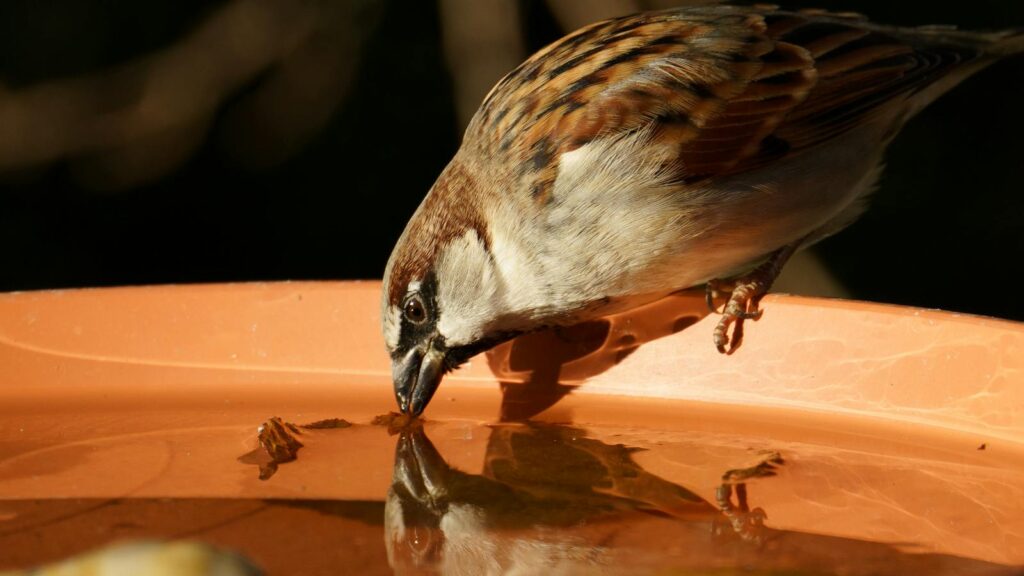
Birds naturally defecate in water while bathing and drinking, and without regular cleaning, this waste accumulates to dangerous levels. The concentration of droppings in a neglected birdbath creates extremely high levels of nitrogen, phosphorus, and harmful bacteria like E. coli and Salmonella. When birds drink this contaminated water, they directly ingest these pathogens, which can cause severe intestinal infections and other health problems. The pollution level in a dirty birdbath can quickly exceed that of natural water bodies, which typically have larger volumes of water to dilute waste and biological mechanisms to break it down. In natural environments, birds normally spread their waste across many different water sources rather than concentrating it in one small artificial pool.
Dangerous Biofilm Development
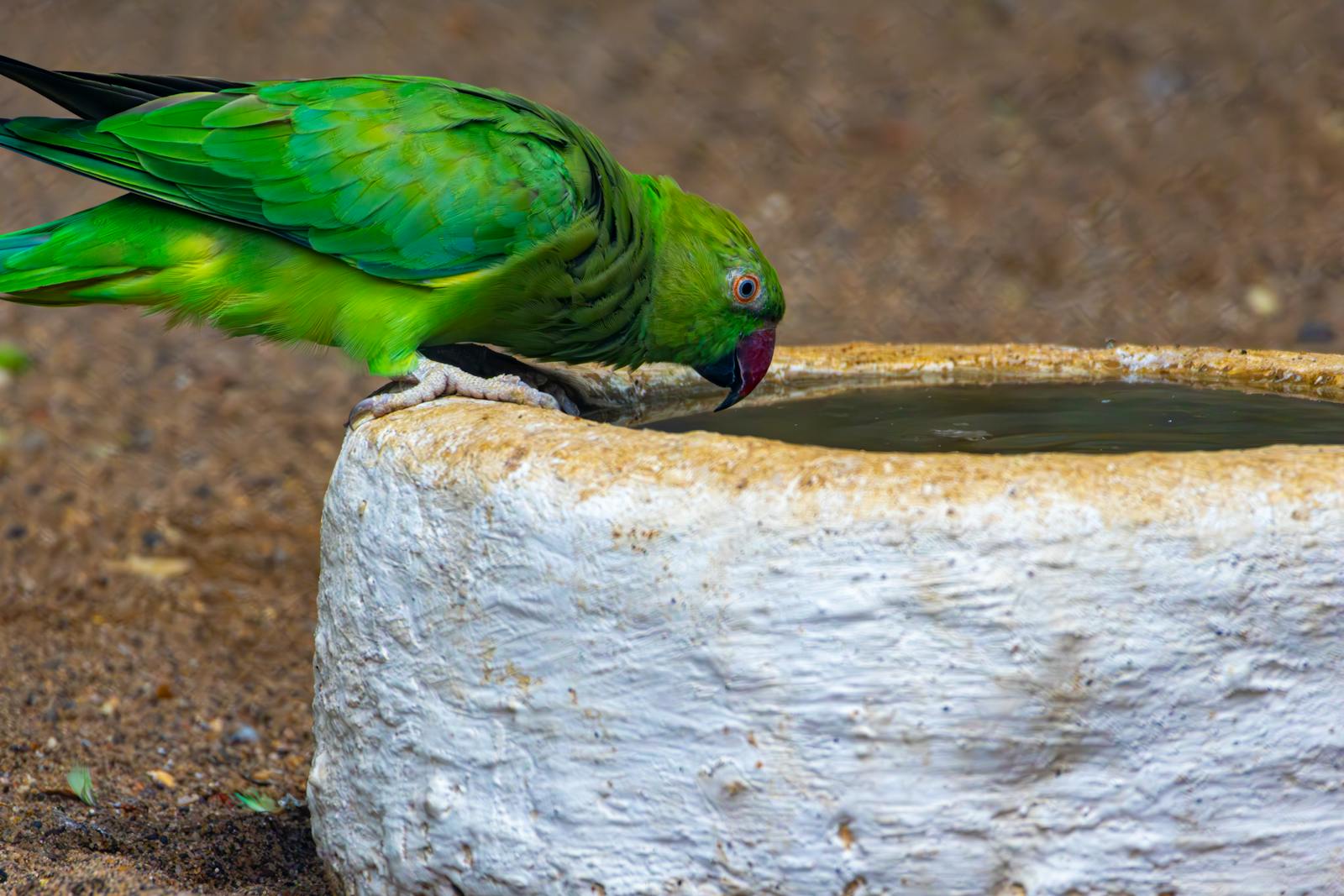
A slimy substance known as biofilm develops on the surfaces of neglected birdbaths, created by colonies of bacteria that adhere to the basin. This biofilm isn’t just unsightly—it harbors potentially dangerous pathogens that can survive for extended periods, even when the water appears relatively clean. Birds come into direct contact with this biofilm when bathing, potentially picking up bacteria on their feathers and skin. When birds preen after bathing in a contaminated birdbath, they may ingest these harmful microorganisms directly. Natural water sources like streams and rain puddles typically don’t develop thick biofilms due to their temporary nature or flowing water, making a dirty birdbath potentially more dangerous than no artificial water source at all.
Attracting Predators

Regular bird activity at a dirty birdbath can attract predators looking for an easy meal, creating what ecologists call a “predator trap.” Cats, hawks, and other predators quickly learn that a busy birdbath means concentrated prey, and they may begin to stake out these locations. Birds bathing in dirty water may be more vulnerable than usual, as contaminated water can affect their alertness and reaction times. Additionally, birds spending extra time trying to clean themselves in inadequate bathing conditions may be distracted and less vigilant about watching for danger. Having no birdbath at all would avoid creating these predictable gathering spots where birds become easy targets for waiting predators.
Water Quality Deterioration
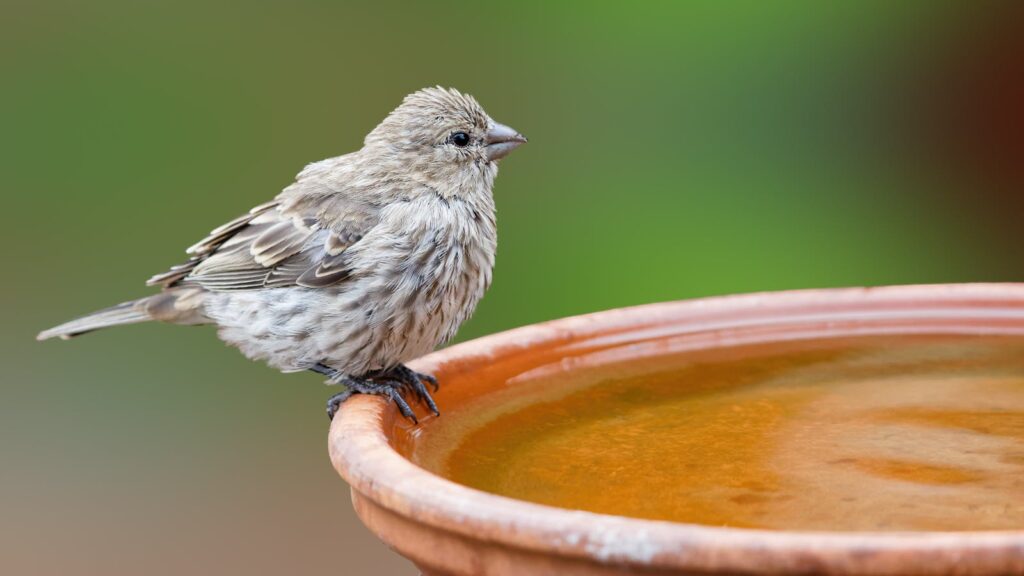
The quality of water in a neglected birdbath deteriorates rapidly due to multiple factors acting simultaneously. Leaf litter, dust, and other debris fall into the bath and decompose, using up oxygen and releasing harmful compounds. Bird droppings add nitrogen and phosphorus, creating nutrient imbalances that further degrade water quality. Evaporation concentrates any chemicals or contaminants already present in the water, potentially reaching toxic levels. Temperature fluctuations in shallow, stagnant water can stress birds’ systems when they drink or bathe in water that’s too hot or too cold. Without a birdbath, birds would typically find natural water sources that maintain better water quality through volume, flow, or regular replenishment.
Encouraging Bad Bathing Habits
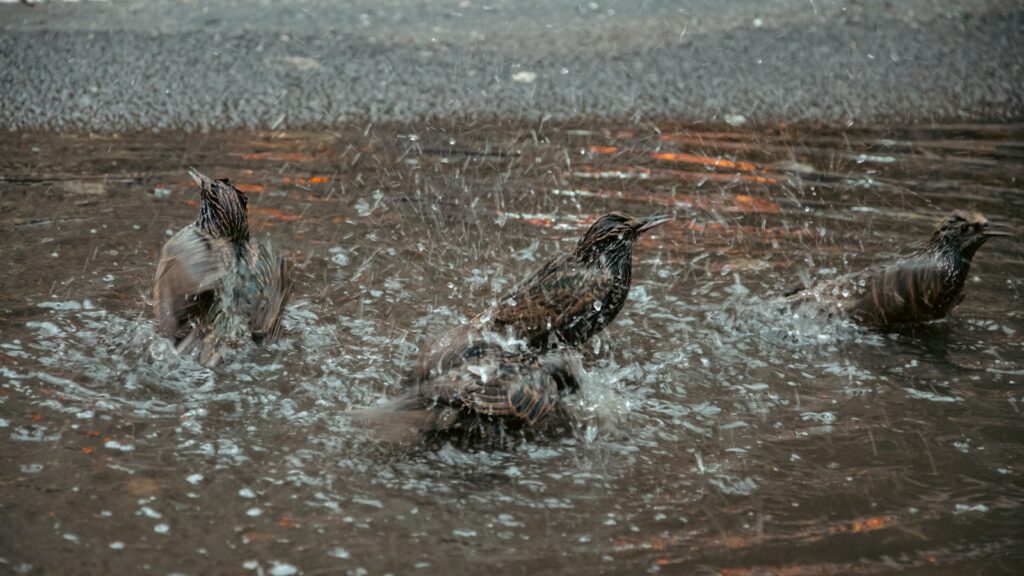
Birds rely on effective bathing to maintain healthy feathers, which are essential for flight, insulation, and protection. A dirty birdbath with contaminated water can compromise feather health rather than support it. When birds bathe in water filled with oils, debris, and microorganisms, these substances can coat their feathers instead of cleaning them. This can damage the microscopic structures of feathers that provide waterproofing and insulation. Birds may also spend excessive energy trying to clean themselves after bathing in dirty water, taking time away from foraging and other important activities. In many cases, birds would be better off using dew, rain, or natural water sources for bathing rather than a neglected artificial bath.
Creating Dependency on Unreliable Resources

A birdbath that isn’t consistently maintained teaches birds to rely on an unpredictable and potentially harmful water source. Birds may alter their normal foraging patterns and territories to include regular visits to your birdbath, only to find it dried up, filthy, or contaminated when they need it most. This can be particularly problematic during dry spells or heat waves when natural water sources are already limited. Birds that come to depend on your birdbath may not explore and memorize other reliable water sources in the area, leaving them vulnerable if your bath becomes unusable. Having no birdbath at all encourages birds to maintain knowledge of multiple natural water sources and prevents this artificial dependency.
Negative Impact on Biodiversity
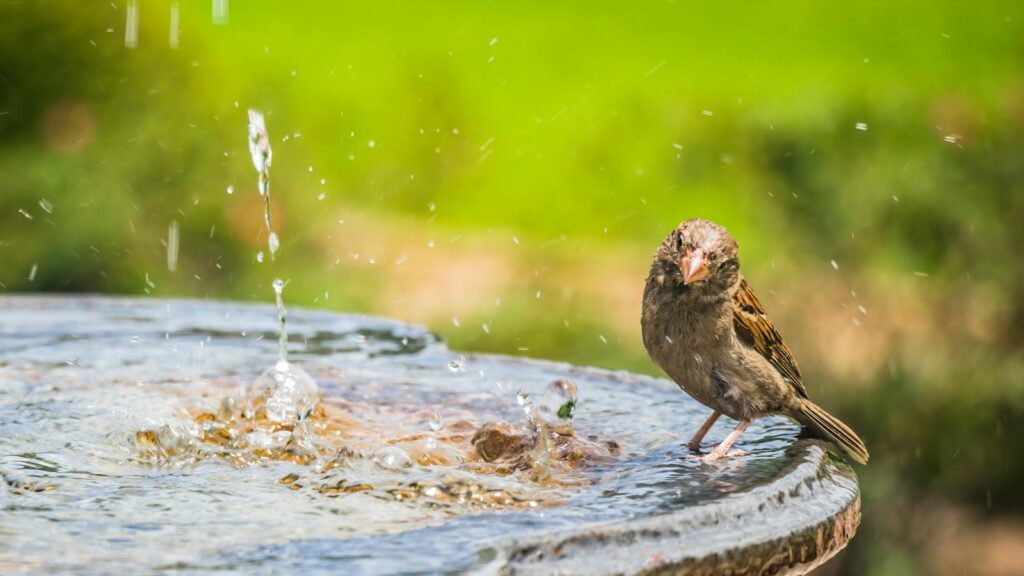
A dirty birdbath can reduce backyard biodiversity rather than enhance it, contrary to the intentions of most wildlife enthusiasts. Sensitive species that require clean water will avoid contaminated baths, while more tolerant (and often more common) species may continue to use them despite the risks. This selection pressure can result in your yard primarily attracting hardy, adaptable species rather than the diverse range of birds you hoped to support. Disease outbreaks stemming from dirty birdbaths can disproportionately affect rare or declining species that have smaller population buffers. Proper maintenance is essential if your goal is to support a wide variety of bird species rather than just the most robust common varieties.
Environmental Contamination Beyond Birds
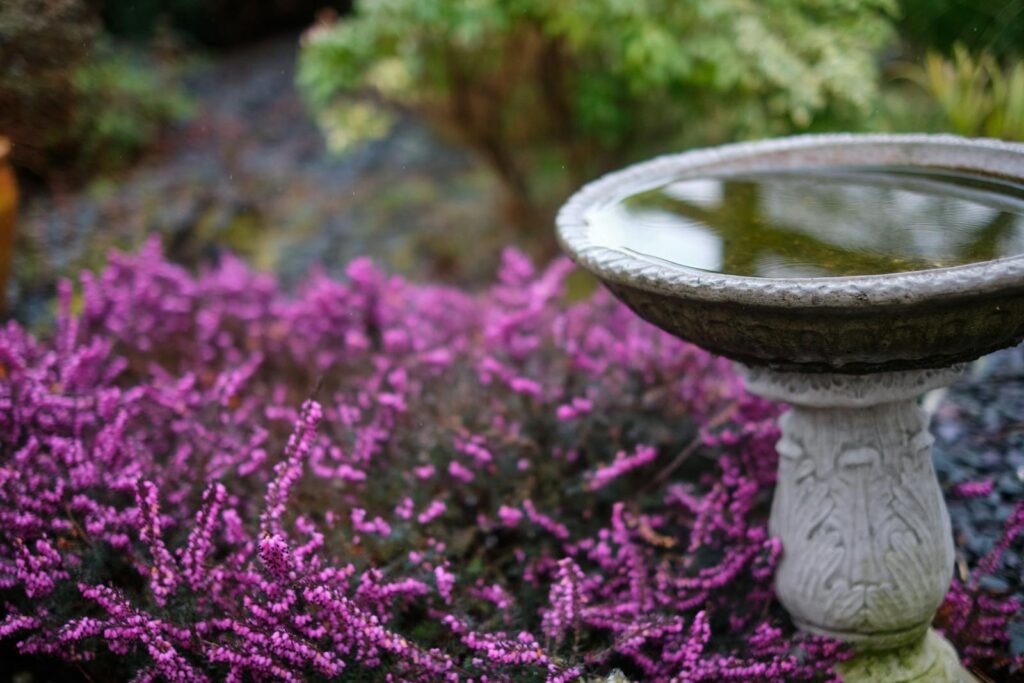
The environmental impact of a neglected birdbath extends beyond just the birds that use it directly. When water from a dirty bath overflows or is dumped during infrequent cleanings, it can carry pathogens, parasites, and accumulated toxins into the surrounding soil and nearby water bodies. This contaminated runoff can affect plants, beneficial insects, and other wildlife in your yard ecosystem. Nocturnal animals such as raccoons, opossums, and bats may also drink from your birdbath when birds aren’t present, potentially becoming vectors for diseases harbored in the dirty water. Simply not having a birdbath eliminates these risks of cross-species contamination and broader environmental impacts.
Proper Maintenance: The Solution
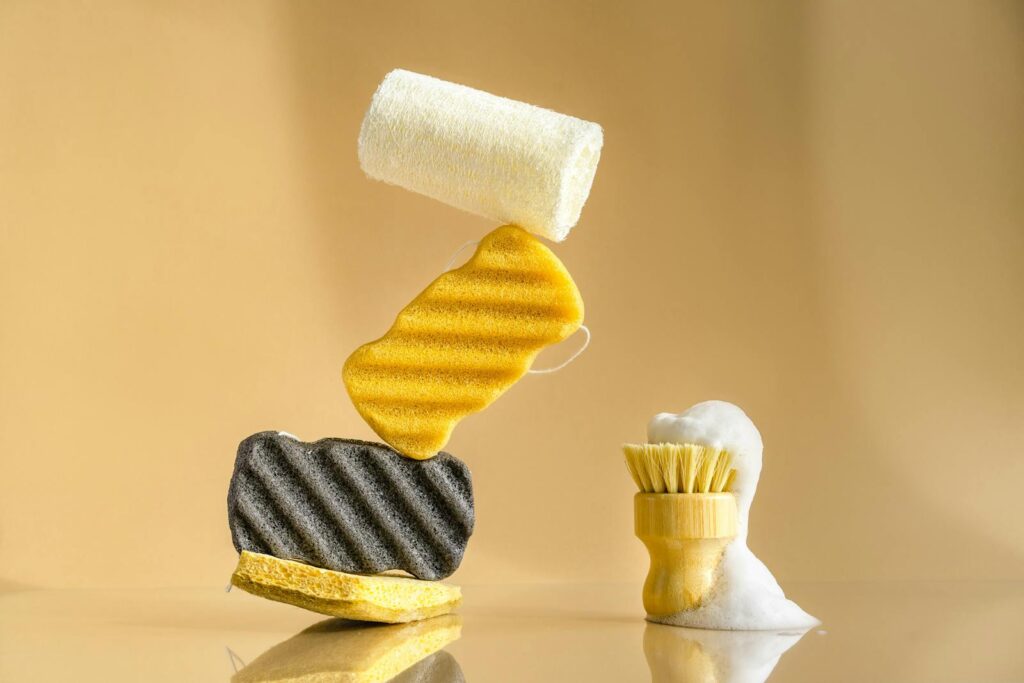
Maintaining a clean birdbath requires consistent effort but doesn’t need to be complicated or time-consuming. The bath should be emptied and scrubbed thoroughly at least twice a week during warm weather and once weekly during cooler months, using a stiff brush to remove biofilm and debris. A simple solution of nine parts water to one part white vinegar provides an effective, bird-safe cleaning option that helps dissolve mineral deposits and kill harmful microorganisms without introducing dangerous chemicals. Installing a small fountain or water wiggler creates moving water that discourages mosquito breeding and slows algae growth while also attracting more birds with the sound of splashing water. Positioning your birdbath in a location with partial shade helps maintain cooler water temperatures and reduces algae growth without placing it so close to shrubs that predators can use them for ambush.
When to Take Down Your Birdbath
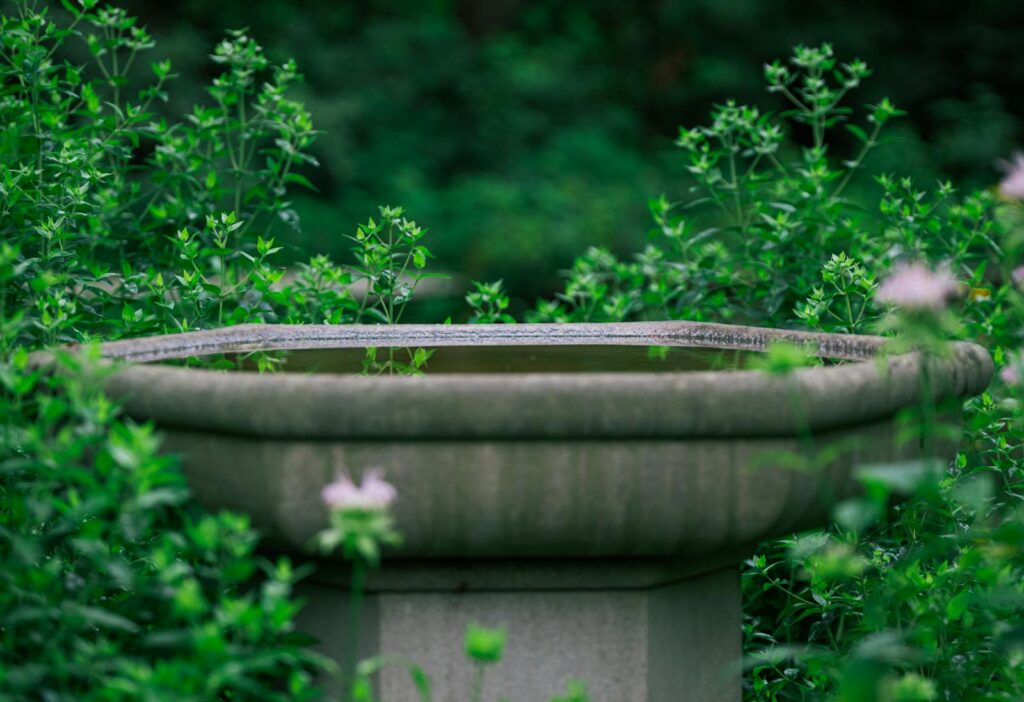
If you cannot commit to regular maintenance, the responsible choice is to remove your birdbath entirely rather than let it become a health hazard. During periods when you’ll be traveling or otherwise unable to clean the bath for more than a few days, empty and store it temporarily rather than leaving it to become contaminated. In regions experiencing disease outbreaks among wild birds, wildlife authorities sometimes recommend temporarily removing artificial water sources to prevent the congregation of birds and disease transmission. Winter maintenance presents special challenges in cold climates, and if you cannot commit to breaking ice and providing fresh water daily during freezing weather, it’s better to take the bath down during winter months. Remember that having no birdbath is always preferable to having one that poses health risks to the wildlife you’re trying to help.
Conclusion
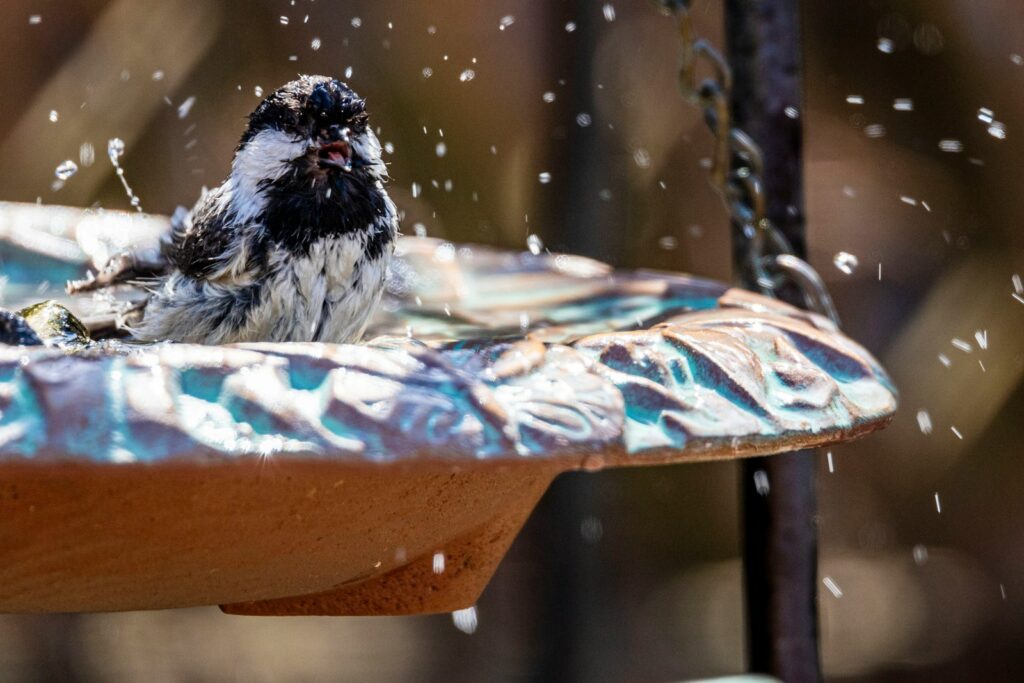
A birdbath can be a wonderful addition to your wildlife-friendly yard, providing essential water for drinking and bathing that helps birds thrive. However, this well-intentioned offering quickly transforms from helpful to harmful without proper maintenance. The concentrated diseases, parasites, and contaminants in a dirty birdbath create dangers that birds would never encounter if left to find natural water sources. By understanding that a neglected birdbath is worse than no birdbath at all, bird enthusiasts can make responsible choices—either committing to regular cleaning and maintenance or choosing not to provide artificial water sources. Our feathered friends deserve water that nourishes and cleanses rather than water that sickens and endangers. When it comes to backyard bird care, sometimes the kindest thing we can do is recognize our limitations and avoid creating hazards in the name of help.