

The melodious chirping of birds is a natural alarm clock for many of us, announcing the arrival of dawn with enthusiastic songs. This isn’t merely a coincidence – birds follow specific activity patterns dictated by evolutionary adaptations, environmental factors, and survival strategies. Understanding when birds are most active and why they follow these patterns offers fascinating insights into avian behavior and ecology. From the early morning chorus to evening feeding frenzies, birds’ daily schedules reveal much about their ecological roles and survival tactics. Let’s explore the fascinating world of avian daily rhythms and discover what drives birds’ activity throughout the day.
The Dawn Chorus: Why Birds Sing at Sunrise

The most noticeable period of bird activity occurs during the early morning hours, typically beginning about 30-45 minutes before sunrise in what ornithologists call the “dawn chorus.” This synchronized symphony of bird songs reaches its peak intensity just as the sun breaks the horizon. Male birds are primarily responsible for this concert, singing to defend territories and attract mates when sound carries farther in the cool, still air. The dawn chorus serves multiple purposes beyond courtship – it reestablishes territorial boundaries that may have shifted overnight and confirms the singer survived the dangerous night hours. Research suggests that singing at dawn may also be energetically efficient, as birds have depleted their fat reserves overnight and need to conserve energy until they can feed.
Morning Feeding Frenzy
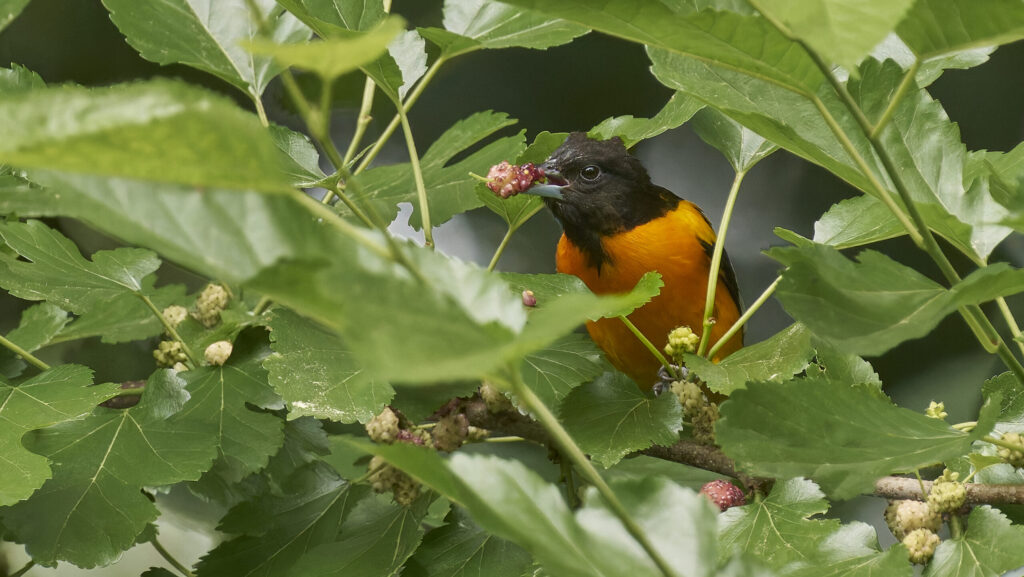
Following the dawn chorus, birds typically engage in their first major feeding session of the day, generally peaking in the hours just after sunrise. This morning feeding burst is crucial because birds have fasted throughout the night and need to quickly replenish their energy reserves. Many insect-eating birds take advantage of insects that are slower and more vulnerable in the cool morning temperatures. Seed-eating birds benefit from improved visibility in the morning light, helping them find food while remaining vigilant for predators. For many species, this morning feeding period represents their most intensive foraging time of the day, with some smaller birds consuming up to 35% of their daily food intake during these early hours. Weather conditions heavily influence this pattern, with birds feeding more intensively when they anticipate poor weather later in the day.
The Mid-Morning Activity Plateau

As the morning progresses into mid-morning hours (roughly 8-10 AM), bird activity typically plateaus or slightly decreases from the peak dawn levels. During this time, birds often shift to maintenance behaviors such as preening, bathing, and nest-building, particularly during breeding season. The reduced singing doesn’t necessarily indicate inactivity—rather, birds are allocating energy toward different essential tasks. Larger birds and predatory species like hawks and eagles may become more active during this period as thermal air currents develop, making soaring more energy-efficient. For many songbirds, this represents a strategic activity reduction as temperatures rise and the efficiency of foraging begins to decline.
The Midday Lull
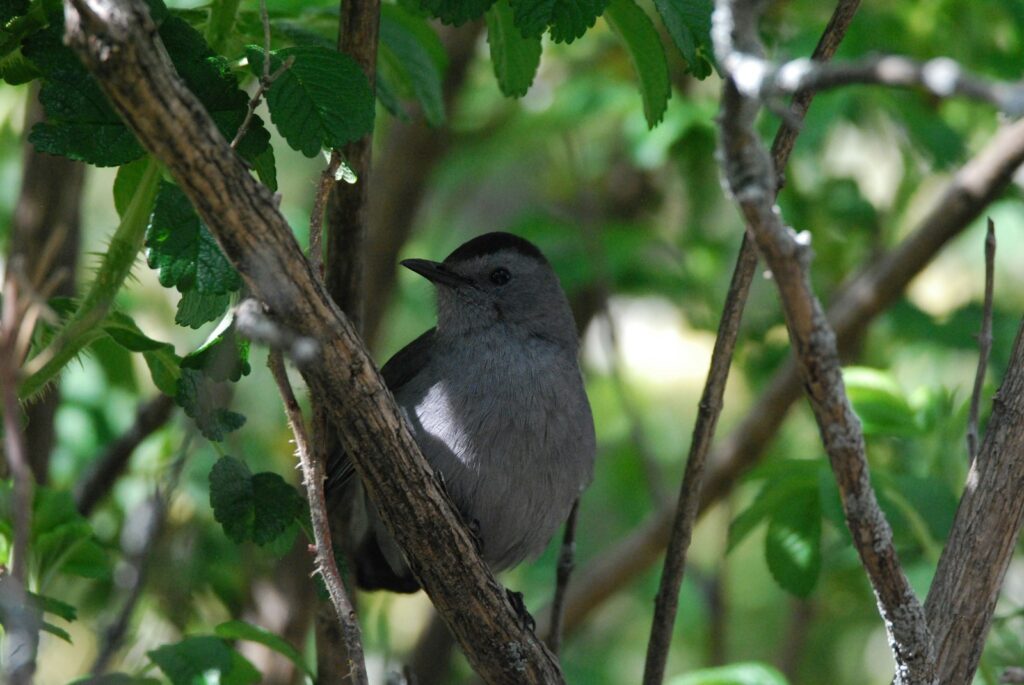
Bird activity noticeably decreases during midday hours, particularly in hot climates or during summer months. This reduction coincides with the day’s highest temperatures, when birds seek shade and reduce activity to conserve energy and water. For many species, the metabolic cost of foraging in high heat outweighs the nutritional benefits, making rest more advantageous. Cavity-nesting birds and those with access to cooler microhabitats may remain somewhat active during this period. Birds in temperate and cooler climates might show less pronounced midday reductions, especially during moderate weather. This midday lull is an excellent example of behavioral thermoregulation, where birds modify their activity patterns to maintain optimal body temperature.
Afternoon Resurgence
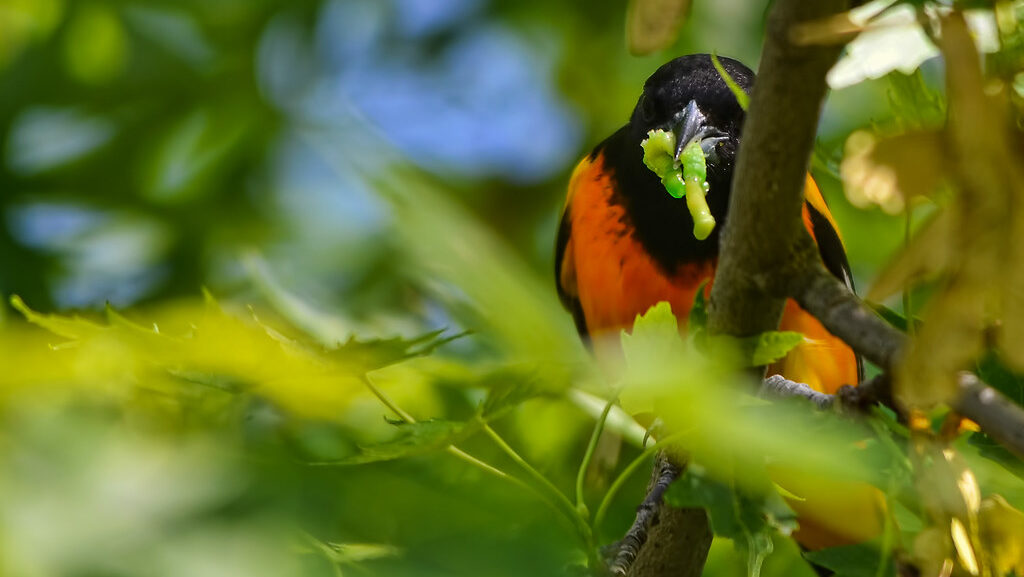
As temperatures begin to moderate in the late afternoon, many bird species experience a second wave of increased activity. This resurgence typically begins 2-3 hours before sunset and represents the birds’ second major feeding opportunity of the day. Afternoon feeding is particularly important during breeding season when parent birds need to gather enough food for growing nestlings before nightfall. Many species take advantage of the day’s accumulated insect activity, which often peaks in late afternoon. Unlike morning feeding, which is primarily focused on self-maintenance, afternoon foraging often prioritizes gathering food for offspring or building fat reserves for the upcoming night. Interestingly, some studies show that afternoon feeding may be more selective and efficient than morning feeding, as birds target high-energy food sources.
The Evening Chorus

As sunset approaches, many bird species engage in a second round of vocal activity known as the evening chorus. While generally less intense than the dawn chorus, this evening serenade serves similar territorial and social functions. The evening chorus often has a different acoustic character than morning songs, with some species using specific calls reserved for dusk. This vocalization period helps birds communicate their locations before reduced visibility makes visual communication difficult. For colonial nesting species, the evening chorus helps family groups reconnect after a day of dispersed feeding. Ornithologists have noted that the evening chorus often contains more contact calls and fewer elaborate songs compared to the dawn performance.
Roosting Rituals

The transition to night involves specific pre-roosting behaviors as birds prepare for the vulnerable hours of darkness. Many species perform communal flight displays before settling into nighttime roosts, with starlings’ murmuration being perhaps the most spectacular example. These pre-roosting gatherings serve multiple purposes: safety assessment, information exchange about feeding sites, and predator confusion. Timing of roosting is remarkably consistent within species, typically occurring within 15-30 minutes of sunset depending on cloud cover and ambient light. Communal roosting birds often engage in significant vocalization during this period, which scientists believe helps establish sleeping arrangements and reinforces social bonds within the group. For solitary roosting species, birds typically become secretive and quiet as they settle into their chosen sleeping sites.
Nocturnal Birdsong and Activity

While most birds rest during nighttime hours, certain species are primarily or partially nocturnal, maintaining high activity levels after dark. Owls represent the most well-known nocturnal birds, with specialized adaptations including exceptional night vision and sound-locating abilities that allow them to hunt efficiently in darkness. During spring and early summer, many songbird species that are typically diurnal may sing intermittently throughout the night, particularly when moonlight provides additional visibility. Nightjars, whip-poor-wills, and their relatives are crepuscular specialists, most active during dusk and dawn twilight periods when their insect prey is abundant. Shorebirds often feed according to tidal schedules rather than solar cycles, remaining active whenever low tides expose their feeding grounds—day or night.
Seasonal Variations in Activity Patterns

Birds’ daily activity patterns shift significantly with the changing seasons, adapting to variations in daylight, temperature, and resource availability. During breeding season (typically spring and early summer), activity peaks earlier and remains elevated throughout the day as birds invest energy in territory defense, nest-building, and feeding offspring. Migration periods create entirely different activity patterns, with many species engaging in extended nighttime flights while resting and refueling during daylight hours. Winter brings compressed activity periods focused primarily on efficient feeding during limited daylight, with reduced territorial and social behaviors. Birds in tropical regions with minimal seasonal variation may maintain more consistent year-round activity patterns compared to those in temperate zones where seasonal differences drive substantial behavioral adaptations.
Weather Effects on Bird Activity

Weather conditions dramatically influence when and how actively birds behave throughout the day, often overriding their typical daily rhythms. Rainfall generally suppresses activity for most small birds, though light showers might trigger feeding opportunities as insects become more exposed. Strong winds typically reduce bird activity, particularly for aerial insectivores like swallows and swifts that struggle to maneuver and locate prey in turbulent conditions. Approaching storm systems often trigger intense feeding activity as birds prepare for periods of reduced foraging opportunity. Temperature extremes—both hot and cold—generally decrease activity as birds prioritize thermoregulation over other behaviors. Interestingly, some birds show remarkable ability to predict weather changes, adjusting their activity patterns hours before visible weather shifts occur.
Habitat Influences on Daily Rhythms
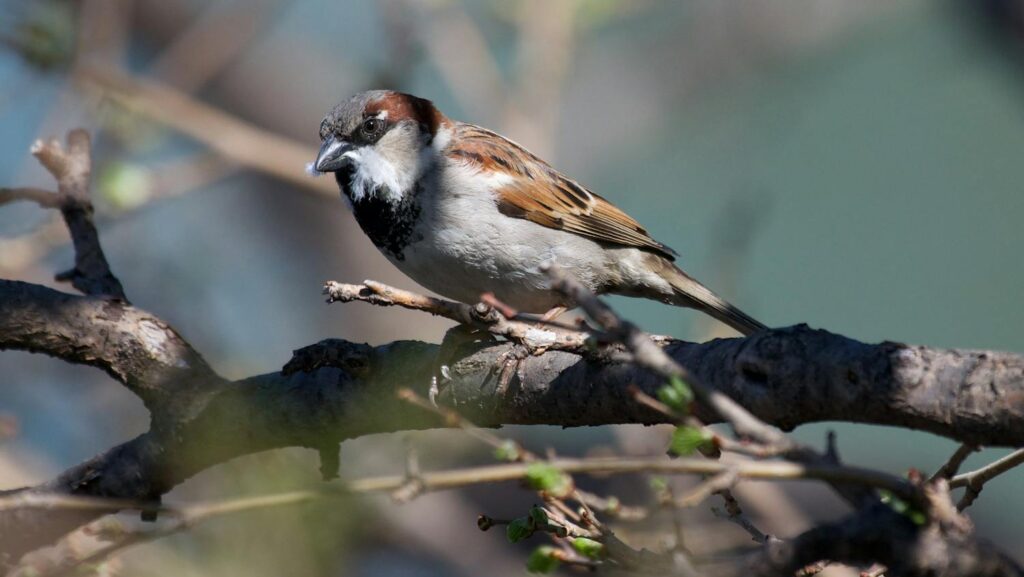
The habitat where birds live significantly shapes their daily activity patterns, creating notable variations even within the same species. Forest birds typically begin activity earlier than open-country species due to lower light levels under the canopy, essentially extending their active period by starting before sunrise. Wetland birds often follow tide and water level fluctuations rather than strict solar schedules, becoming active whenever feeding opportunities are optimal. Birds in urban environments frequently modify their timing in response to artificial lighting and human activity patterns, sometimes beginning dawn chorus significantly earlier than their rural counterparts. High-altitude species generally compress their activity into shorter periods centered around midday when temperatures are most favorable, unlike lowland relatives that might be active throughout daylight hours.
Evolutionary Explanations for Activity Timing

The specific timing of bird activity represents millions of years of evolutionary adaptations, finely tuned to maximize survival and reproductive success. Dawn and dusk activity peaks likely evolved as compromise periods offering sufficient light for effective foraging while minimizing exposure to diurnal predators like hawks and falcons. The intense dawn singing period may have developed as an honest signal of male quality, as only well-fed, healthy individuals can afford the energy expenditure of prolonged singing after a night without feeding. Staggered activity patterns between similar species in the same habitat often represent evolutionary adaptations that reduce competition by creating temporal separation in resource use. The remarkable consistency of these patterns across related species worldwide suggests strong selective pressure has shaped these daily rhythms over evolutionary time.
Observing Daily Bird Patterns

For birdwatchers and nature enthusiasts, understanding activity patterns can dramatically improve wildlife viewing experiences. Early morning (30 minutes before through 2 hours after sunrise) consistently offers the highest probability of observing the greatest diversity of bird species and behaviors in most habitats. Late afternoon viewing provides excellent opportunities to observe feeding behaviors and family group interactions, particularly during nesting season. Specialized equipment like night vision devices or thermal imaging can reveal fascinating nocturnal bird behaviors normally hidden from human observation. Citizen science projects collecting data on bird activity timing are increasingly valuable for tracking how climate change and habitat modifications affect avian behavioral patterns. Many experienced birders maintain location-specific “timing guides” for optimal viewing of target species based on their particular daily activity patterns.
Conclusion: The Rhythm of Avian Lives

The daily activity patterns of birds represent a complex interplay between internal biological clocks, environmental conditions, and ecological pressures. From the jubilant dawn chorus to the quiet settling of roosting flocks at dusk, these predictable rhythms provide a fascinating window into birds’ evolutionary adaptations and ecological requirements. Understanding when birds are most active not only enhances our bird-watching experiences but also deepens our appreciation for the intricate ways these remarkable creatures have adapted to thrive in their environments. As climate change and habitat modifications increasingly disrupt traditional patterns, monitoring shifts in bird activity timing may provide important early indicators of broader ecological changes. The next time you hear the morning birdsong, remember you’re witnessing not just a beautiful natural phenomenon, but a sophisticated survival strategy perfected over countless generations.