
Migration collision events represent some of nature’s most dramatic and consequential phenomena, occurring when migratory species encounter obstacles—both natural and human-made—during their seasonal journeys. These events can range from birds striking buildings to entire herds encountering geographical barriers, often with significant impacts on wildlife populations and ecosystems. Understanding these collisions reveals not only the challenges faced by migratory species but also illuminates the delicate balance between human development and wildlife conservation in our increasingly crowded world.
The Nature of Migration and Why Collisions Occur
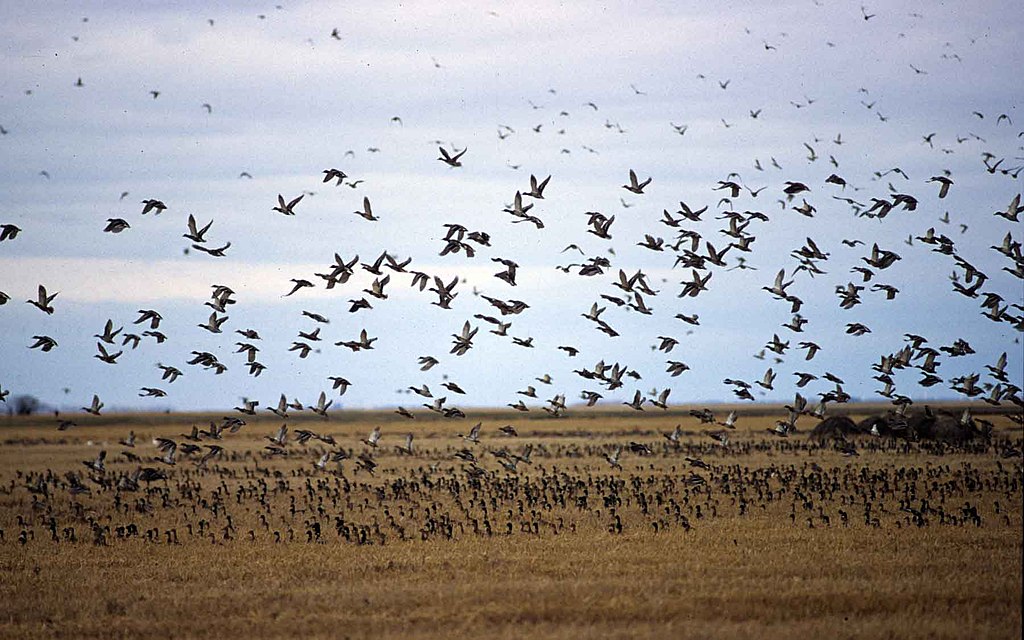
Migration represents one of the most remarkable adaptations in the animal kingdom, involving the seasonal movement of species across sometimes vast distances in search of food, breeding grounds, or more favorable climate conditions. These journeys, however, are fraught with challenges as animals must navigate diverse landscapes that increasingly include human infrastructure and altered habitats. Collision events typically occur when migratory pathways intersect with obstacles that animals cannot detect, perceive properly, or avoid due to their biological constraints. For birds, nocturnal migrants may become disoriented by artificial lighting, while diurnal species might fail to recognize reflective glass as solid barriers. Terrestrial migrants like caribou or wildebeest may encounter fences, highways, or other infrastructure that blocks traditional routes that their species has used for thousands of years.
Avian Window Strikes: The Silent Crisis
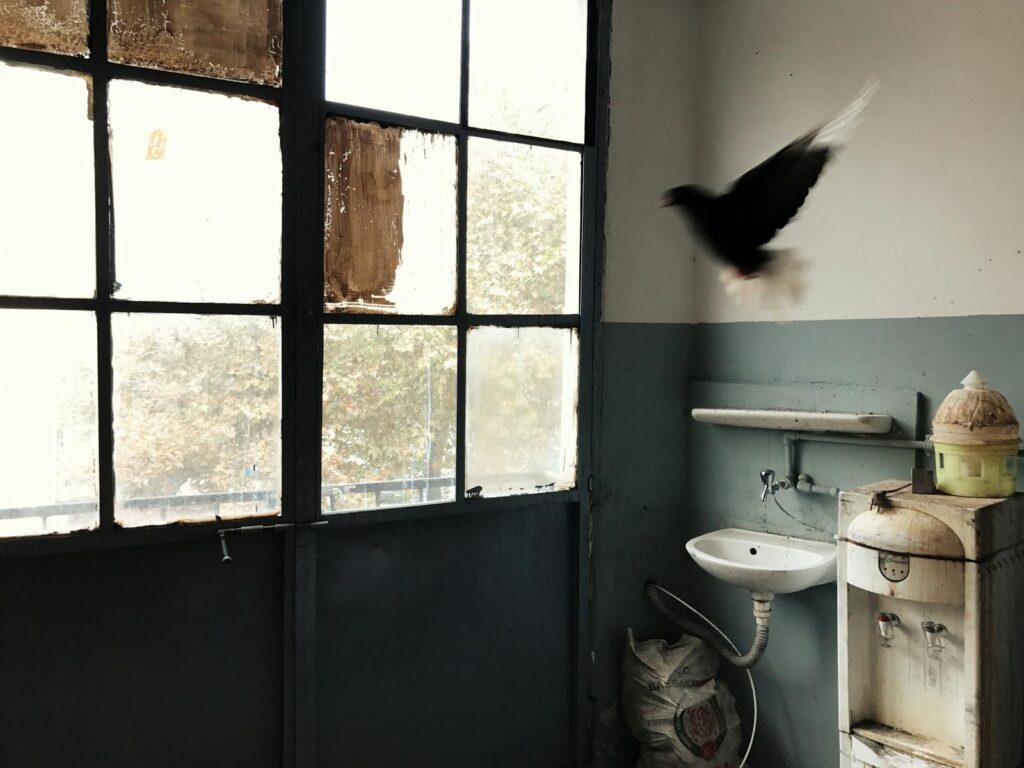
Bird collisions with windows represent one of the most common and deadly migration collision events, claiming hundreds of millions of avian lives annually in North America alone. The tragedy stems from birds’ inability to perceive glass as a solid barrier, instead seeing either the reflection of sky and vegetation or transparent passage to habitat visible on the other side. These collisions peak during migration seasons when unfamiliar with local surroundings, birds navigate through urban areas that may appear as suitable habitat from above. The impact is typically fatal, with birds suffering from severe trauma, broken necks, or internal injuries even when the collision doesn’t appear forceful to human observers. Species particularly vulnerable include night-migrating songbirds like warblers, thrushes, and sparrows that may become disoriented by urban lighting and subsequently collide with illuminated buildings.
Light Pollution and Nocturnal Migration Disaster
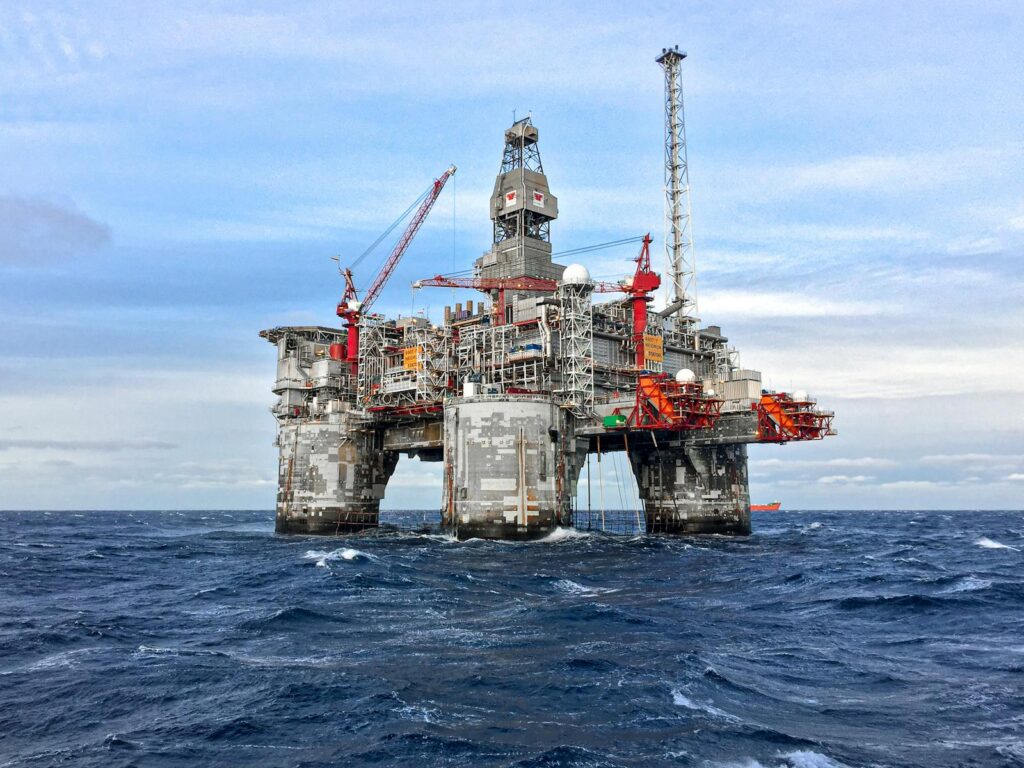
Artificial light at night creates one of the most pervasive and disruptive collision risks for nocturnal migrants, particularly birds that navigate using celestial cues. When migrating through regions with significant light pollution, birds can become disoriented as artificial lighting overwhelms their natural navigational systems, causing them to circle illuminated structures repeatedly until exhausted. This phenomenon, known as light entrapment, can affect thousands of birds during a single night at particularly bright locations like skyscrapers, communication towers, or offshore oil platforms. The consequences extend beyond immediate collisions, as disoriented birds expend critical energy reserves and face delayed migration, missed feeding opportunities, and increased vulnerability to predation. Studies have documented mass mortality events during foggy or cloudy migration nights when low cloud ceilings amplify light pollution effects, trapping birds in illuminated urban areas.
Communication Towers and Weather Radar Impacts
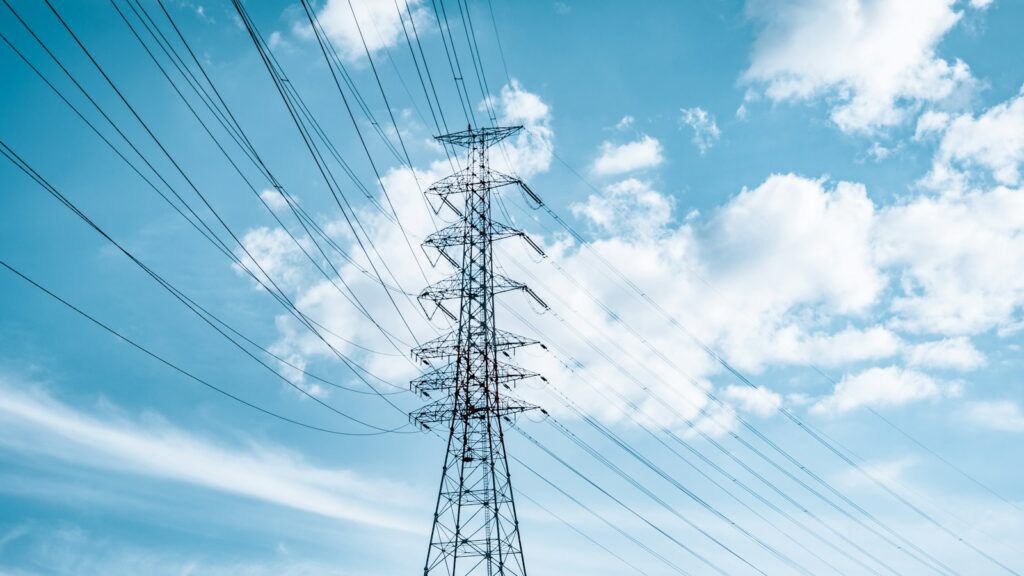
Communication towers represent particularly lethal obstacles for migrating birds, with studies estimating that approximately 6.8 million birds die annually in the United States alone from collisions with these structures. The danger comes from a combination of factors including tower height, guy wires that are virtually invisible at night, and steady or pulsing lights that attract and disorient birds in low visibility conditions. Weather radar facilities, while critical for storm tracking and weather prediction, can also present collision hazards due to their height and often remote locations along migratory routes. The collision risk increases dramatically during periods of poor visibility when birds fly at lower altitudes and rely more heavily on visual cues. Species particularly affected include neotropical migrants like thrushes, warblers, and vireos that undertake long-distance nocturnal migrations and may encounter dozens of tower arrays along their journey.
Wind Turbine Collisions: Renewable Energy’s Wildlife Challenge
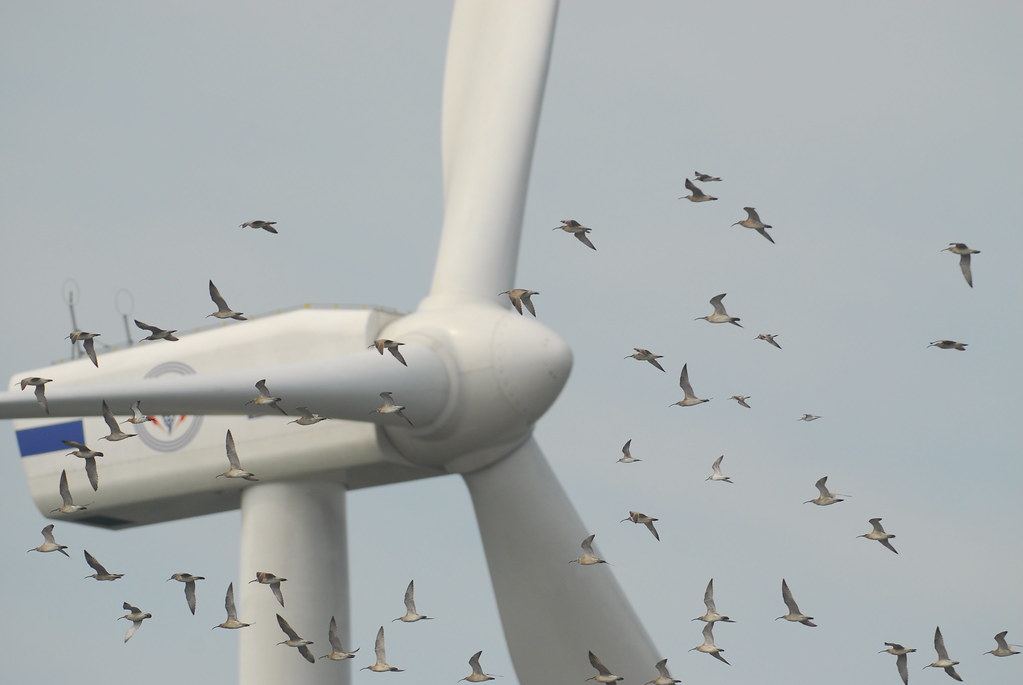
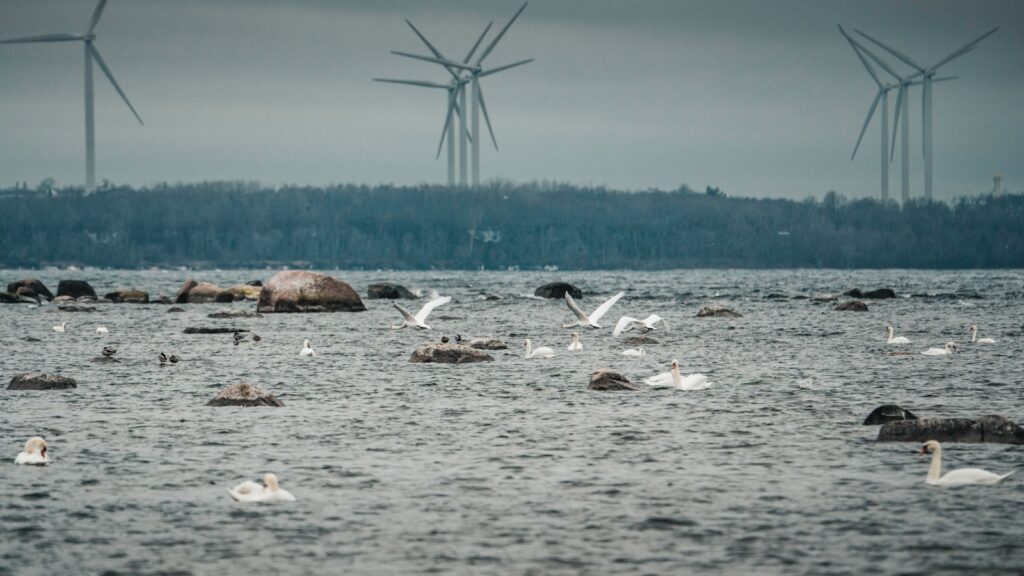
Wind energy, while offering critical climate benefits, presents a complex collision challenge for migrating species, particularly birds and bats. Unlike static structures, wind turbines present both collision hazards from rotating blades and potential displacement effects that can alter migration pathways or access to critical habitat. Research indicates that turbine-related mortality affects a wide range of species, from large soaring birds like eagles and vultures that may fail to perceive moving blades, to migratory bats that appear attracted to turbines for reasons still not fully understood. The collision risk varies significantly based on factors including turbine placement relative to migration corridors, local topography that may funnel migrants toward installations, and weather conditions that affect flight height and visibility. Modern wind facilities increasingly implement mitigation measures like radar detection systems that can slow or stop turbines during peak migration periods, thoughtful siting away from major flyways, and blade painting techniques that may increase visibility to wildlife.
Roadkill: When Terrestrial Migration Meets Transportation Infrastructure

Roadways create linear barriers that intersect countless migration routes for terrestrial species, resulting in millions of wildlife casualties annually when animals attempt to cross. These collision events affect species ranging from large mammals like deer and moose that present significant human safety risks to smaller, less visible creatures like amphibians, whose spring breeding migrations often coincide with rainy conditions and reduced visibility for drivers. The impacts extend beyond direct mortality, as roads can fragment populations, disrupt gene flow, and alter migration timing when animals learn to avoid high-traffic areas during daylight hours. Seasonal migration patterns often intensify collision risk, with documented spikes during spring amphibian movements to breeding ponds, fall deer rut when males move widely in search of mates, and winter migrations of species seeking lower elevations or food sources. Climate change further complicates these patterns as shifting seasons alter traditional migration timing, potentially creating mismatches between wildlife movement and human expectations or mitigation efforts.
Marine Migration Collisions: Ships and Underwater Infrastructure
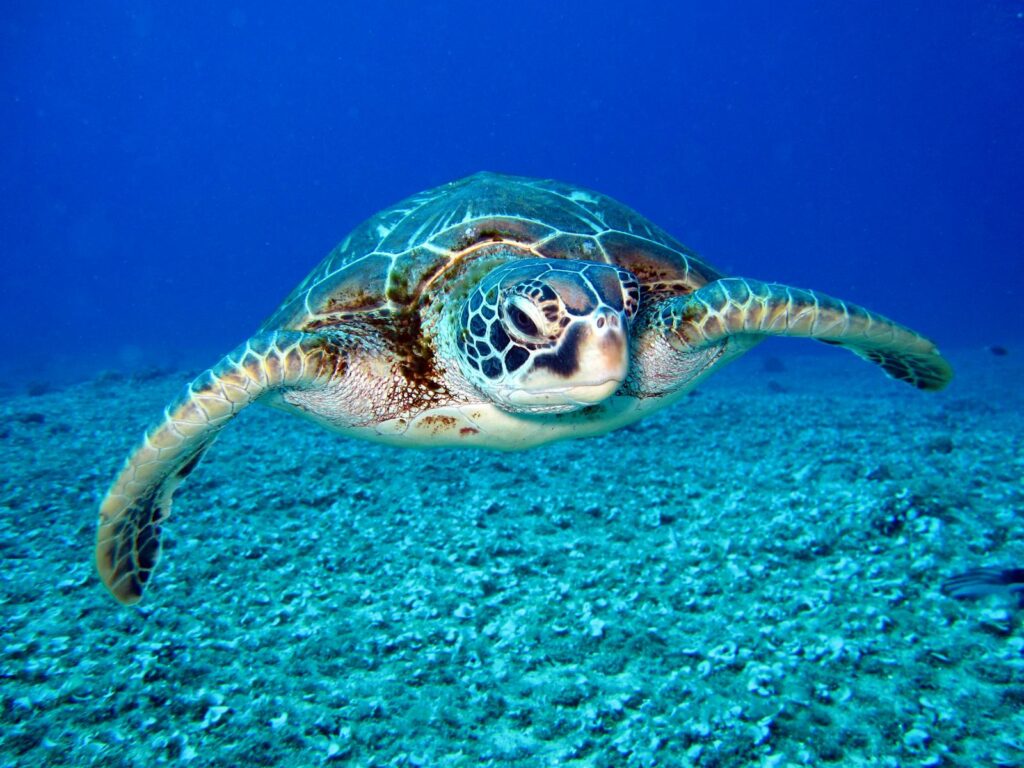
Marine environments host their own version of migration collisions, primarily involving large vessels striking migrating marine mammals, sea turtles, and even larger fish species like whale sharks. These vessel strikes represent a leading cause of mortality for endangered whale species like the North Atlantic right whale, whose migration routes overlap with busy shipping lanes along the eastern seaboard of North America. The physics of these collisions can be catastrophic due to the mass and speed of modern cargo vessels, with impacts causing blunt force trauma, severe lacerations from propellers, or internal injuries that may not be immediately fatal but compromise the animal’s ability to feed or surface for air. Underwater infrastructure like tidal energy installations, oil platforms, and seafloor pipelines can also create collision or entanglement hazards for species that migrate through depth ranges or follow underwater topographical features. Climate change exacerbates these risks as shifting ocean temperatures alter traditional migration routes, potentially bringing marine species into greater contact with shipping lanes or industrial activities they previously avoided.
Ecological Consequences of Migration Collisions
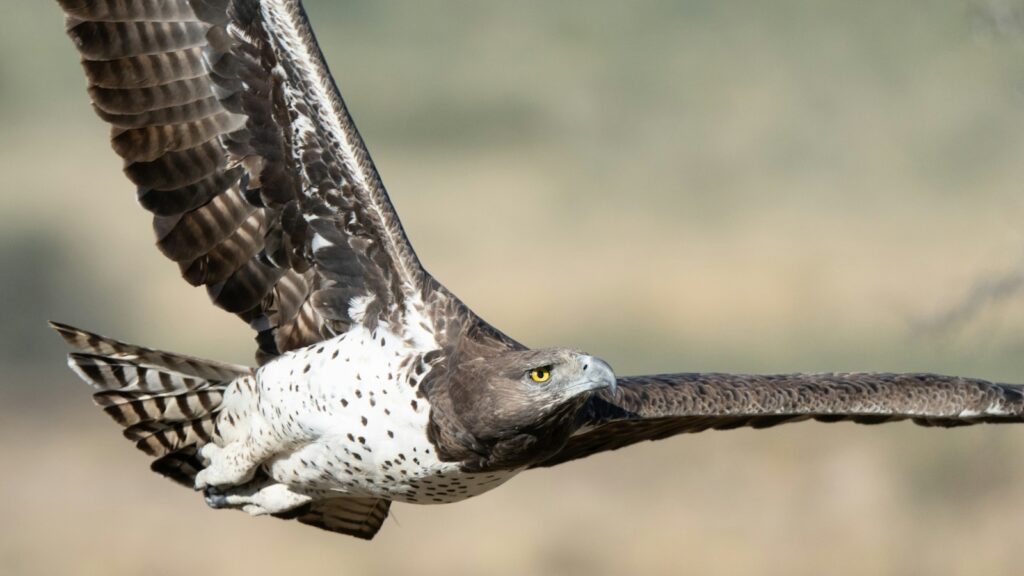
The ecological ripple effects of migration collisions extend far beyond individual mortality, potentially altering entire ecosystems and evolutionary trajectories of affected species. When collisions disproportionately affect certain species or demographic groups, they can disrupt predator-prey relationships, pollination services, or seed dispersal networks that maintain ecosystem health. Population-level impacts become particularly concerning for long-lived species with low reproductive rates, like whales or eagles, where adult mortality from collisions can significantly impair recovery potential for endangered populations. Migration collisions can also drive evolutionary responses, potentially selecting for individuals that avoid particular routes or structures, though this adaptation occurs at a pace far slower than human infrastructure development. Perhaps most concerning are threshold effects, where seemingly sustainable collision rates suddenly trigger population collapse when combined with other stressors like habitat loss, climate change, or disease outbreaks that collectively exceed a species’ resilience capacity.
Detecting and Monitoring Collision Events
Accurately quantifying migration collisions presents significant methodological challenges that have evolved from simple carcass surveys to sophisticated tracking technologies. Traditional monitoring approaches include standardized searches around structures like buildings or wind turbines, though these methods often underestimate mortality due to scavenger removal, detection difficulties in complex vegetation, and limited search areas that miss injured animals that travel before succumbing to injuries. Modern approaches increasingly incorporate automation through technologies like acoustic monitoring for bat collisions, camera systems that document bird strikes in real-time, and radar monitoring that can detect potential collision events at larger scales. Citizen science has emerged as a powerful tool for collision monitoring, with programs like Fatal Light Awareness Program (FLAP) mobilizing volunteers to document bird strikes in urban areas across multiple continents. Emerging techniques like environmental DNA sampling hold promise for detecting marine collision events that might otherwise go unnoticed, potentially identifying species presence from cellular material released during traumatic impacts with vessels or structures.
Mitigation Strategies: Making Infrastructure Wildlife-Friendly
As understanding of migration collisions has improved, so too have the strategies to reduce their occurrence through thoughtful design and operational adjustments. For buildings, bird-friendly design elements include visual markers on glass that break up reflections, exterior screens or patterns that make glass visible to birds, and angled glass that reflects the ground rather than sky or vegetation. Lighting modifications represent one of the most effective and implementable solutions across multiple infrastructure types, including motion-activated systems that remain dark when not needed, downward-directed fixtures that reduce light scatter, and spectral adjustments that minimize attraction for particular species. Physical adjustments to infrastructure can create safer passage, such as wildlife crossing structures over highways, bird flight diverters on power lines, or operational curtailment of wind turbines during peak migration periods. Technological solutions continue to advance, including automated systems that can detect approaching wildlife and trigger warning systems, temporary road closures, or infrastructure shutdowns during critical migration events.
Policy and Legal Frameworks for Protection
Legal protection for migratory species varies widely globally, though several foundational laws and treaties create frameworks for addressing collision impacts. In North America, the Migratory Bird Treaty Act provides broad protection for most native bird species, theoretically prohibiting “take” through activities like building collisions, though enforcement regarding incidental take from infrastructure has been inconsistently applied across different administrations. International agreements like the Convention on Migratory Species provide mechanisms for coordinated protection across national boundaries, particularly important for species that may cross dozens of jurisdictions during their annual migrations. Environmental impact assessment requirements in many countries now specifically address collision risks for new infrastructure projects, particularly for wind energy development or transportation corridors that intersect known migration routes. Voluntary certification programs have emerged as market-based incentives, such as LEED credits for bird-friendly building design or wildlife-friendly certification for wind energy facilities that implement best practices for collision reduction.
Climate Change: Complicating Migration and Collision Patterns

Climate change introduces unprecedented complications to migration patterns that evolved over millennia, potentially creating novel collision scenarios as species alter their timing, routes, or destinations. Phenological shifts—changes in the timing of seasonal events—can create mismatches between migration and resource availability, potentially forcing animals to travel longer distances or through unfamiliar territory where collision risks may be higher. Range expansions or contractions in response to changing temperatures may bring migratory species into greater contact with human infrastructure in regions where wildlife-friendly design has not been implemented. More frequent and severe weather events can disrupt normal migration patterns, forcing birds to fly at lower altitudes during storms or causing mass groundings in areas with high collision risk when faced with adverse conditions. These climate-driven changes challenge traditional conservation approaches based on protecting historic migration corridors, requiring more flexible, anticipatory planning that considers how species movements might shift in coming decades.
Future Directions: Technology and Research Frontiers
Emerging technologies and research approaches offer promising pathways for better understanding and mitigating migration collisions in an increasingly developed world. Machine learning algorithms combined with weather radar data now allow researchers to predict bird migration intensity and route selection with unprecedented accuracy, potentially enabling temporary lighting reductions or infrastructure adjustments precisely when and where they’ll have maximum impact. Tracking technology continues to miniaturize and improve in battery life, allowing researchers to follow previously unstudied smaller species throughout their migrations and precisely identify collision hotspots or risky behaviors. Genetic tools like genomic analysis of vulnerable populations can reveal how collision mortality affects evolutionary trajectories and whether species show signs of adaptation to human infrastructure presence. Perhaps most promising is the integration of collision data with broader conservation planning, creating comprehensive approaches that address the full spectrum of threats facing migratory species rather than treating collisions as isolated events disconnected from habitat loss, climate change, and other anthropogenic pressures.
Migration collision events represent one of the most direct and visible interfaces between human development and wildlife conservation. As we’ve explored, these events span diverse environments, affect countless species, and result from complex interactions between animal behavior, infrastructure design, and larger environmental factors. While the challenges are significant, the growing awareness of collision impacts has spurred innovative solutions that demonstrate how human infrastructure and wildlife movement can coexist with thoughtful planning. Moving forward, addressing migration collisions will require continued scientific research, policy advancement, and public engagement to ensure that the ancient phenomenon of migration can persist even as human development continues to transform the landscape.