

Flamingos, with their distinctive pink plumage and one-legged stance, are among the most recognizable birds in the animal kingdom. Beyond their striking appearance, these birds have developed sophisticated parenting strategies that have evolved over millennia to ensure the survival of their species. These strategies include meticulous nest building, shared incubation duties, and the production of specialized “crop milk” to feed their young. But what might happen if these finely-tuned parenting behaviors suddenly disappeared? This article explores the potential ecological, biological, and conservation implications of such a scenario, examining how the loss of flamingo parenting could impact not only the species itself but the broader ecosystems they inhabit.
The Foundation of Flamingo Parenting
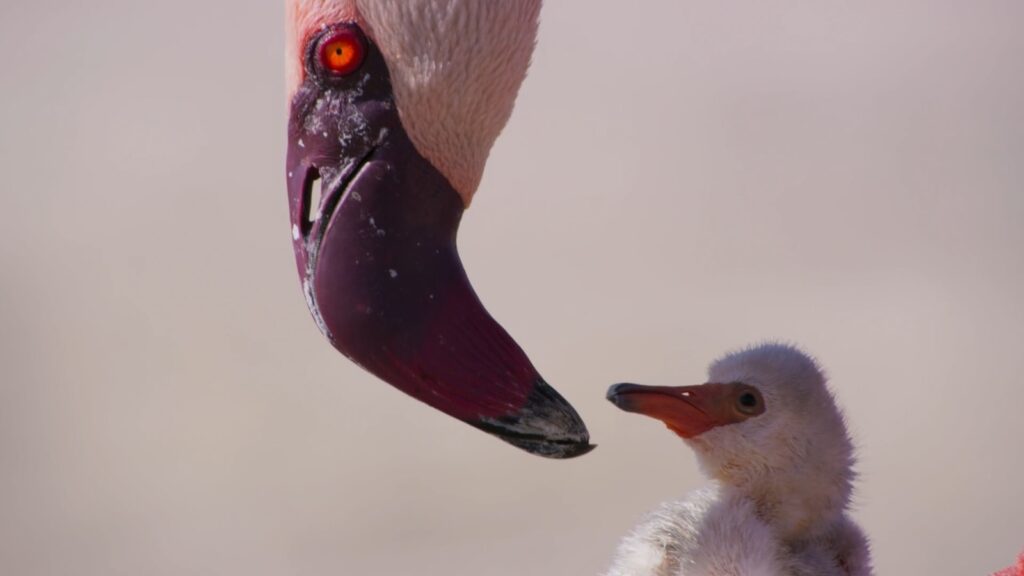
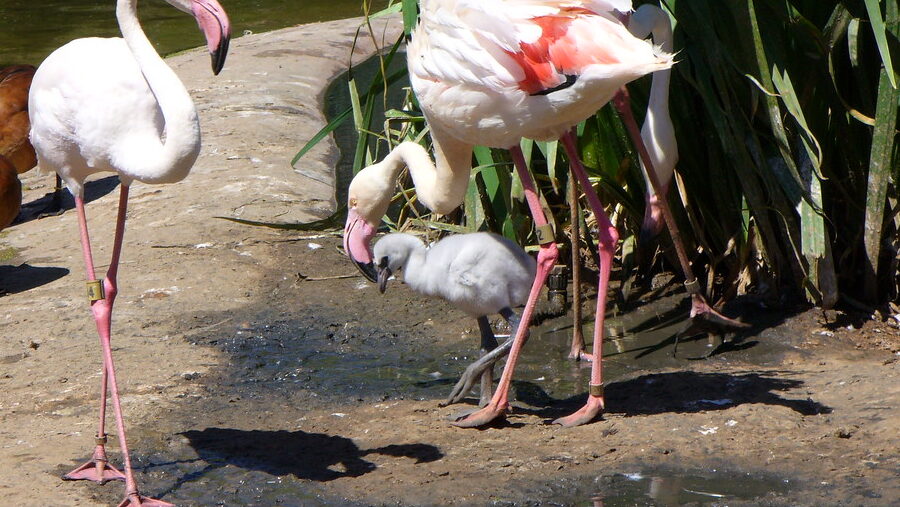
Flamingo parenting represents a complex set of behaviors developed through evolutionary processes to maximize offspring survival in challenging environments. Both male and female flamingos participate equally in child-rearing, from building cone-shaped mud nests to alternating incubation shifts that protect their single egg from predators and harsh elements. After hatching, both parents produce a nutritious secretion called crop milk, which contains fat, protein, and blood cells that provide essential nutrients to the developing chick. These collaborative parenting strategies have been crucial to flamingo survival in their often inhospitable habitats, including alkaline lakes and salt flats where few other species can thrive.
Immediate Impact on Reproduction Rates
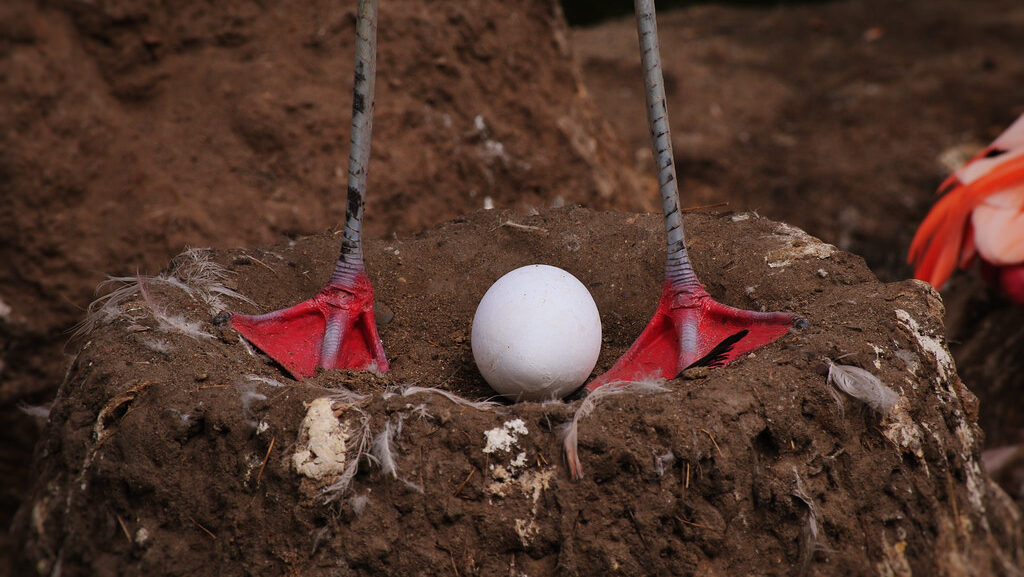
If flamingo parenting strategies suddenly disappeared, the most immediate and devastating effect would be a catastrophic decline in reproduction success. Without nest building behaviors, eggs would be laid directly on often harsh substrates, exposing them to environmental extremes like flooding, predation, and temperature fluctuations. The loss of incubation behaviors would mean eggs would not maintain the consistent temperatures required for embryonic development, resulting in mass egg failure. Even if some eggs managed to hatch through environmental luck, the absence of crop milk production would leave chicks without their specialized early nutrition, resulting in starvation during their most vulnerable period of development. Population numbers would plummet within a single breeding season.
Colonial Disruption and Social Structure Collapse
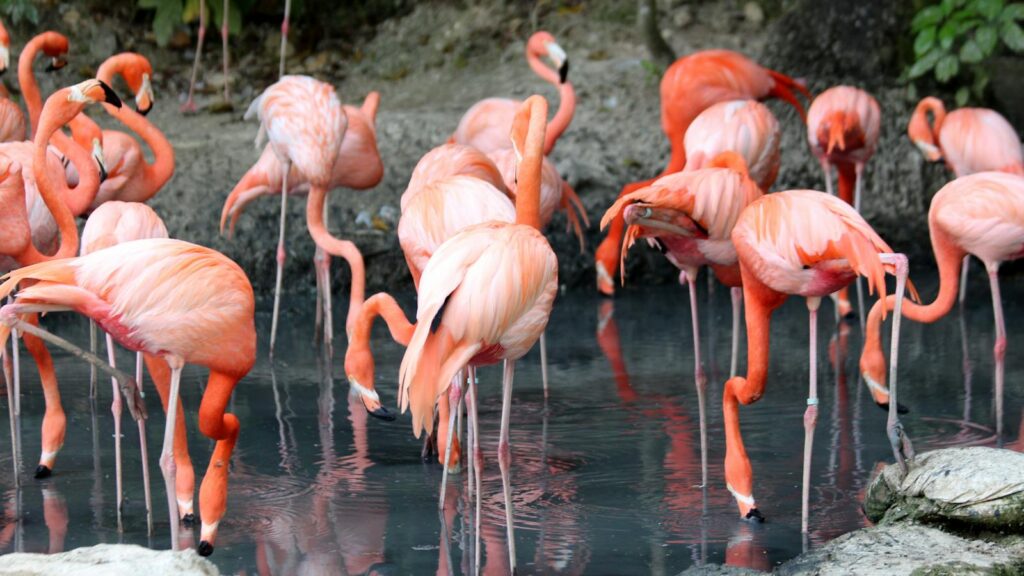
Flamingos are highly social birds that breed in colonies ranging from dozens to hundreds of thousands of individuals. Their parenting behaviors are synchronized and reinforced through social learning and colony dynamics. The disappearance of these behaviors would fundamentally disrupt their colonial structure, potentially leading to colony abandonment and breakdown of their synchronized breeding cycles. The loss of collective vigilance against predators, normally a benefit of colonial nesting, would further reduce survival chances for any offspring that managed to hatch. Without the social reinforcement of parenting behaviors, even flamingos that might retain some instinctual parenting tendencies would likely be influenced by the chaotic colony environment, creating a negative feedback loop of reproductive failure.
Physiological Implications for Adult Flamingos
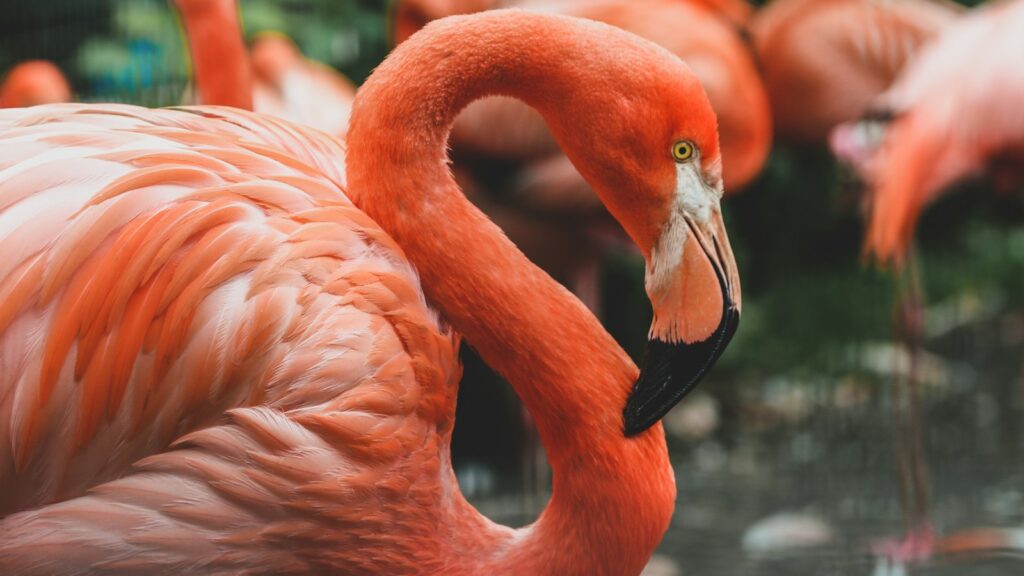
The sudden disappearance of parenting behaviors would create significant physiological disruptions in adult flamingos. The hormonal systems that trigger and regulate breeding, nest-building, incubation, and crop milk production are intricately connected. If these behaviors vanished, flamingos would experience hormonal imbalances that could affect their overall health and well-being. Female flamingos might continue producing eggs without having the behavioral programming to care for them, leading to nutritional depletion. The specialized digestive system adaptations that allow for crop milk production would become vestigial, potentially causing metabolic disturbances. These physiological disruptions would likely reduce adult survival rates even beyond the reproductive collapse.
Impact on Wetland Ecosystems
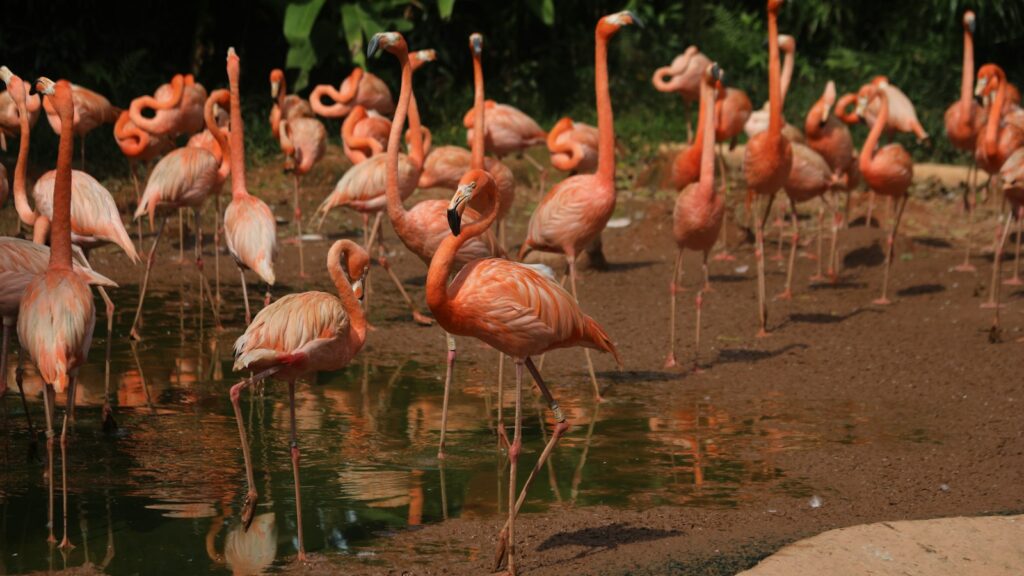
Flamingos serve as important ecosystem engineers in the wetland habitats they occupy. Their feeding behaviors—stirring up sediment while filtering for food—help maintain water quality and nutrient cycling in these environments. Their nesting activities create microhabitat modifications that can benefit other species. If flamingo populations collapsed due to parenting behavior loss, these ecosystem services would disappear. Algal populations normally controlled by flamingo feeding might experience unchecked growth, potentially leading to harmful algal blooms in some habitats. The absence of flamingos would also represent the loss of a major consumer of brine shrimp and other invertebrates, potentially triggering population explosions of these organisms that could disrupt food web dynamics throughout these sensitive wetland ecosystems.
Genetic Implications and Evolutionary Response
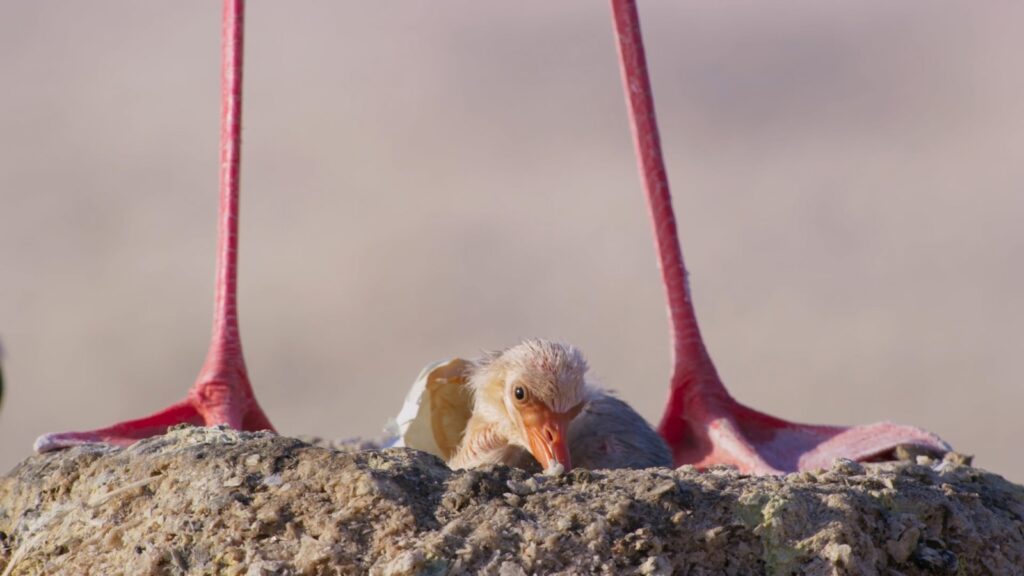
From an evolutionary perspective, the sudden disappearance of parenting behaviors would create intense selection pressure for the re-emergence of these traits. Any flamingos with even minimal parenting instincts would have a tremendous reproductive advantage over those without such behaviors. This could lead to a genetic bottleneck where only a small subset of the original population—those with some retained parenting instincts—would contribute to future generations. Over many generations, natural selection might rebuild parenting behaviors, but likely with less sophistication than the original behavioral suite. The genetic diversity of flamingo populations would be severely reduced through this process, making them more vulnerable to disease and environmental changes in the future.
Potential for Behavioral Adaptation
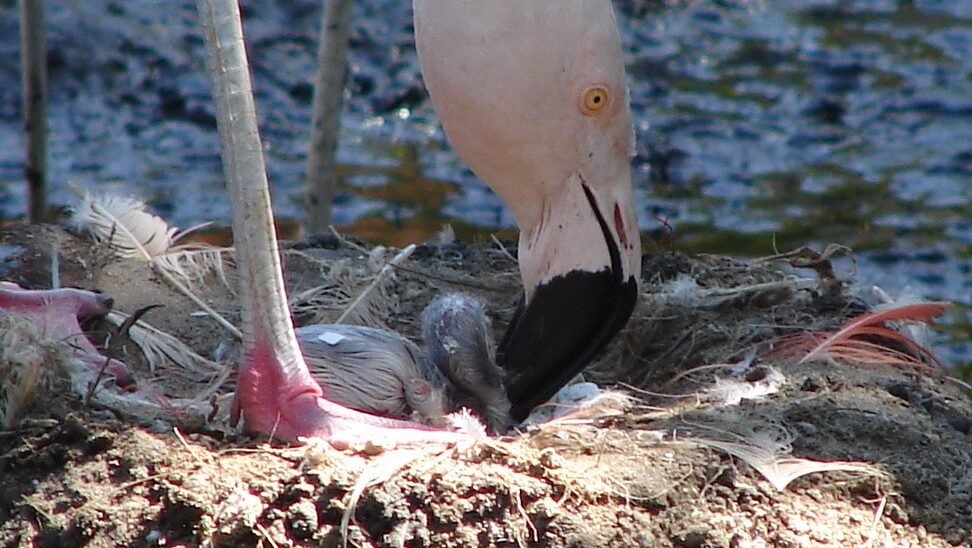
While the immediate outcomes would be dire, flamingos might demonstrate some capacity for behavioral adaptation that could partially mitigate the loss of innate parenting strategies. Individual behavioral variation exists in all species, and some flamingos might exhibit novel approaches to protecting their eggs or feeding their young. Observational learning from other species nesting in the same habitat could potentially influence some flamingos to adopt modified parenting strategies. The highly social nature of flamingos means that even one successful parenting innovation could potentially spread through a colony through social learning mechanisms. However, these adaptive processes would take many generations and would likely not prevent an initial population collapse.
Conservation Implications and Human Intervention
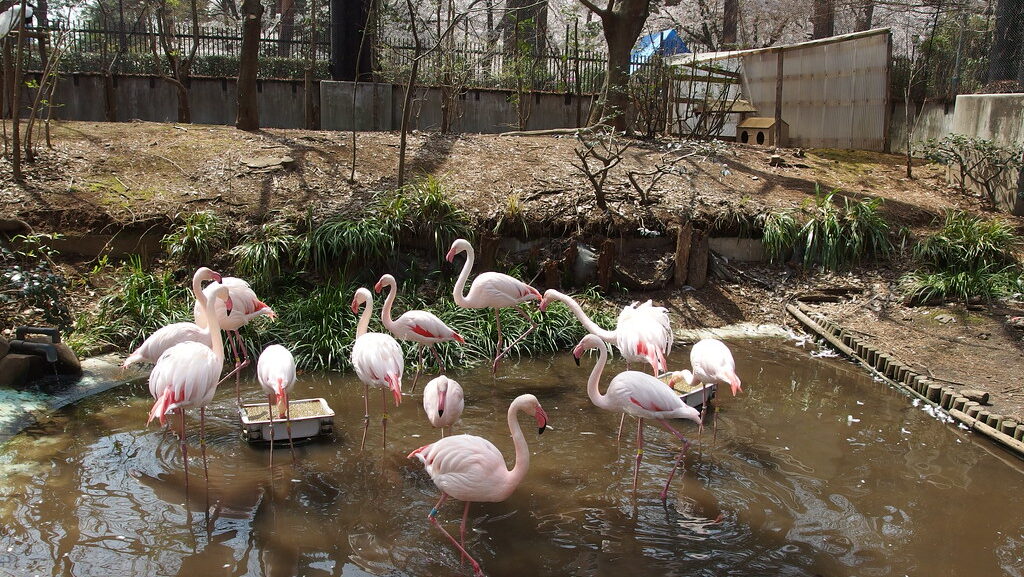
The scenario of vanishing flamingo parenting behaviors would necessitate unprecedented conservation interventions to prevent extinction. Captive breeding programs would need to rapidly expand, with human caretakers assuming the parenting roles that flamingos no longer performed. Artificial incubation of eggs and hand-rearing techniques would become essential for maintaining populations. Conservation organizations might need to develop artificial feeding formulas that mimic the nutritional profile of flamingo crop milk. In the wild, conservation efforts might include creating protected nesting platforms that compensate for the lost nest-building behaviors and implementing predator control measures around breeding colonies to give any hatched chicks a chance at survival despite the lack of parental protection.
Ripple Effects on Predator Populations
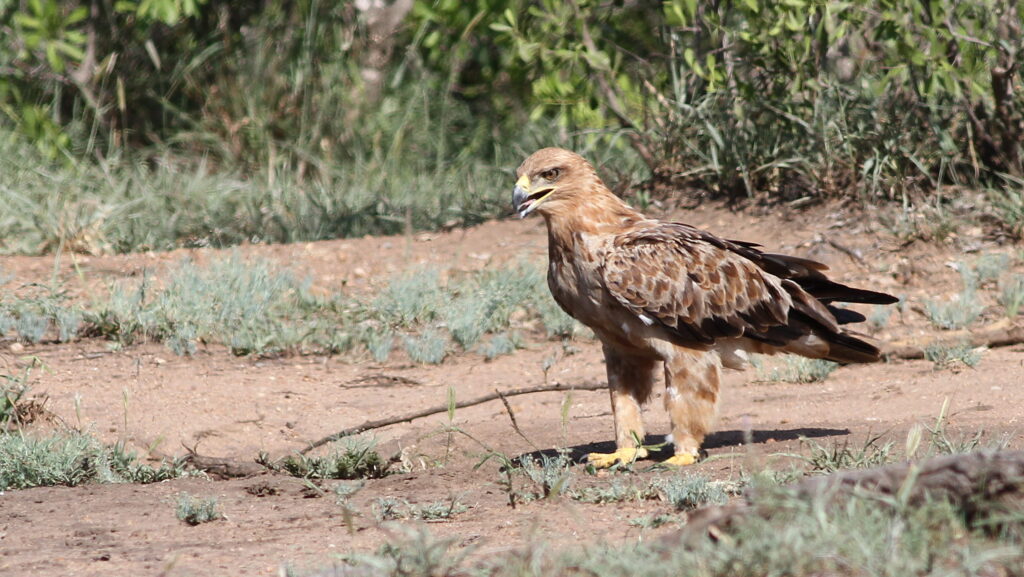
Flamingo eggs and chicks are food sources for various predators in their ecosystems, including birds of prey, jackals, foxes, and large wading birds. The sudden availability of unprotected eggs followed by a crash in flamingo reproduction would create a boom-bust cycle for these predator populations. Initially, predators would experience a temporary abundance as they easily accessed undefended eggs and chicks. However, as flamingo numbers plummeted in subsequent breeding seasons, these predators would face food shortages that could affect their own reproduction and survival. Predators that specialized in raiding flamingo colonies would be forced to shift their hunting strategies or face population declines themselves, creating cascading effects throughout the food web.
Cultural and Economic Impacts
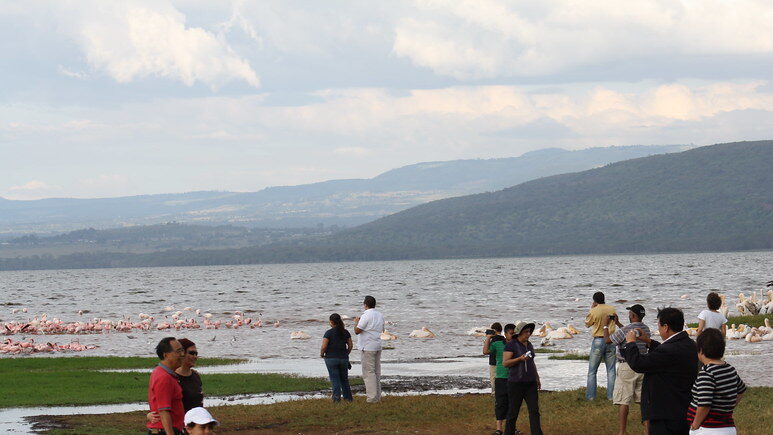
Beyond ecological consequences, the loss of flamingo populations would have significant cultural and economic impacts. Flamingos are flagship species that attract ecotourism to regions like the Rift Valley lakes of East Africa, the Camargue in France, and the wetlands of the Caribbean. Local economies that depend on flamingo-based tourism would suffer, potentially leading to reduced support for wetland conservation. The cultural significance of flamingos—from their prominence in art and literature to their role as national birds in countries like the Bahamas—would transform from celebrating a living species to memorializing a vanished one. The loss of flamingos would also diminish the educational value these distinctive birds provide in teaching people about adaptation, specialized feeding, and complex social behaviors in avian species.
Comparative Analysis with Other Bird Species
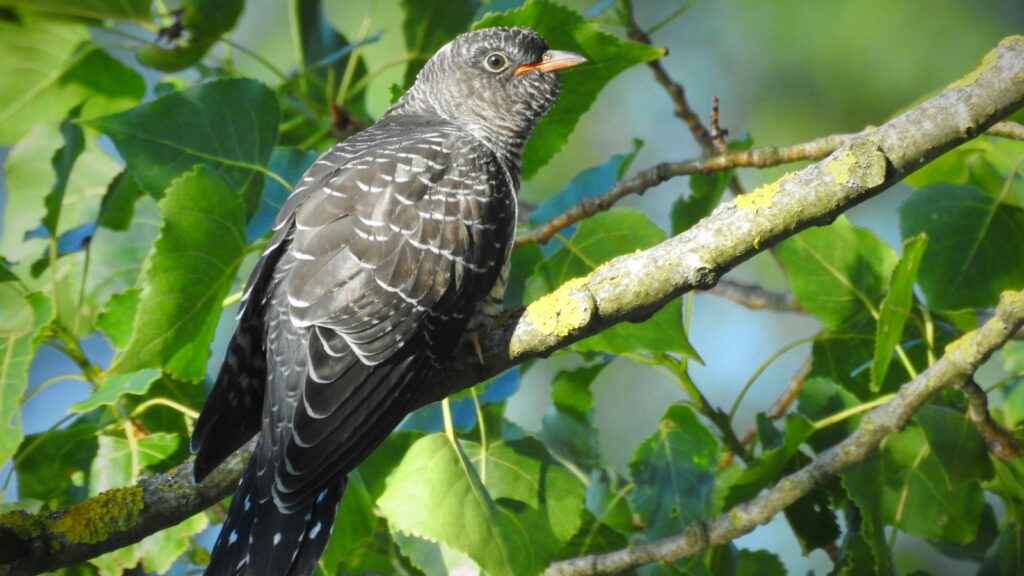
The hypothetical loss of flamingo parenting provides an interesting comparative case when viewed alongside other bird species with different reproductive strategies. Birds like megapodes (incubator birds) that rely on environmental heat rather than body incubation might offer a model for how some reproduction could continue without active parenting. Brood parasites like cuckoos, which lay eggs in other birds’ nests, demonstrate an evolutionary pathway that eliminates parental care altogether. However, flamingos have no evolutionary history of such strategies and their specialized needs—particularly the crop milk feeding—have no ready substitute in nature. The comparison highlights how species with highly specialized parenting adaptations are particularly vulnerable to behavioral disruptions compared to species with more generalized reproductive strategies.
Potential Causes of Parenting Behavior Loss

While this article explores a hypothetical scenario, it’s worth considering what might actually cause such a dramatic loss of innate behaviors in a species. Environmental contaminants that disrupt hormone systems could potentially interfere with the endocrine triggers for parenting behaviors. Certain neurological pathogens might specifically target brain regions responsible for parenting instincts. Extreme habitat disruption could create conditions where normal parenting behaviors become maladaptive, leading to rapid selection against these traits. Climate change could alter the timing of environmental cues that trigger breeding behaviors, potentially causing a mismatch between physiological readiness for parenting and the behaviors themselves. Understanding these potential mechanisms could help conservation biologists monitor for early warning signs of parenting behavior disruptions in flamingos and other species.
The Road to Recovery: A Long-Term Perspective
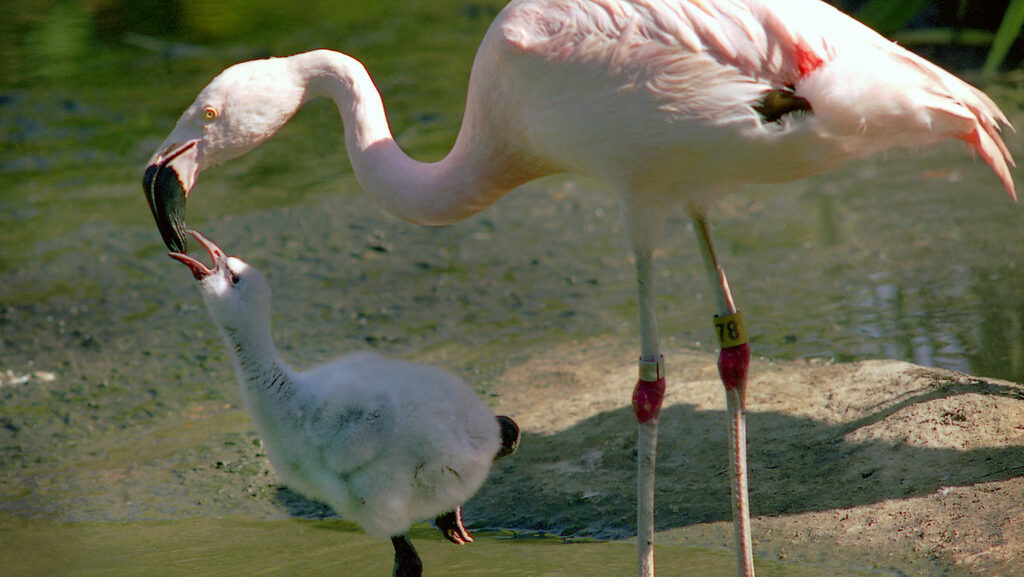
If flamingo parenting behaviors disappeared, could they ever fully recover? The path to recovery would depend on whether the behavioral loss was caused by environmental factors that could be remediated or represented a true genetic loss of these traits. If some genetic basis for parenting remained in the population, intensive conservation breeding of individuals showing any parenting tendencies could gradually rebuild these behaviors over many generations. The social nature of flamingos might accelerate behavioral recovery once a critical mass of individuals displaying parenting behaviors was established in colonies. However, full recovery would likely take decades or centuries, and the reconstructed behaviors might never match the complexity and effectiveness of those resulting from millions of years of natural selection. The flamingo’s tale serves as a sobering reminder of how quickly specialized adaptations can be lost and how difficult their reconstruction might prove.
Conclusion
The disappearance of flamingo parenting strategies would trigger a catastrophic chain of events affecting not just the birds themselves but entire ecosystems. From immediate reproductive failure to long-term ecological disruption, the consequences would extend far beyond the striking pink birds we recognize. This scenario, while hypothetical, highlights the extraordinary sophistication of behaviors we often take for granted in wildlife and serves as a reminder of the fragility of evolutionary adaptations. It also underscores the importance of conservation efforts that protect not just animals themselves, but the complex behaviors and social structures that have evolved over millennia. Understanding these intricate connections between behavior, reproduction, and ecosystem health provides valuable insights for wildlife management and conservation biology across all species.