

America’s national bird, the majestic bald eagle, has captured our collective imagination for generations. While we often see these impressive raptors soaring high above or perched regally in trees, few of us understand what their daily lives entail. Far from the romanticized images in patriotic artwork, bald eagles lead complex, structured lives governed by instinct, environmental conditions, and seasonal changes. This article takes you through a typical day in the life of a bald eagle, from dawn’s first light to nightfall, revealing the fascinating routines and behaviors that define their existence in the wild.
Dawn Patrol: How Eagles Start Their Day

As the first rays of sunlight break over the horizon, bald eagles begin to stir in their massive nests or overnight roosts. These early morning hours are crucial for eagles, as they spend time preening and preparing their feathers for the day ahead. An eagle typically dedicates 15-30 minutes to this essential grooming, meticulously realigning feathers and applying protective oils from their preen gland. This dawn ritual not only maintains their flight capability but also preserves their waterproofing—a critical feature for a bird that hunts fish. After preening, eagles often remain perched for a period, allowing their bodies to warm in the morning sun before venturing out for the day’s first hunting expedition.
The Morning Hunt: Prime Fishing Hours

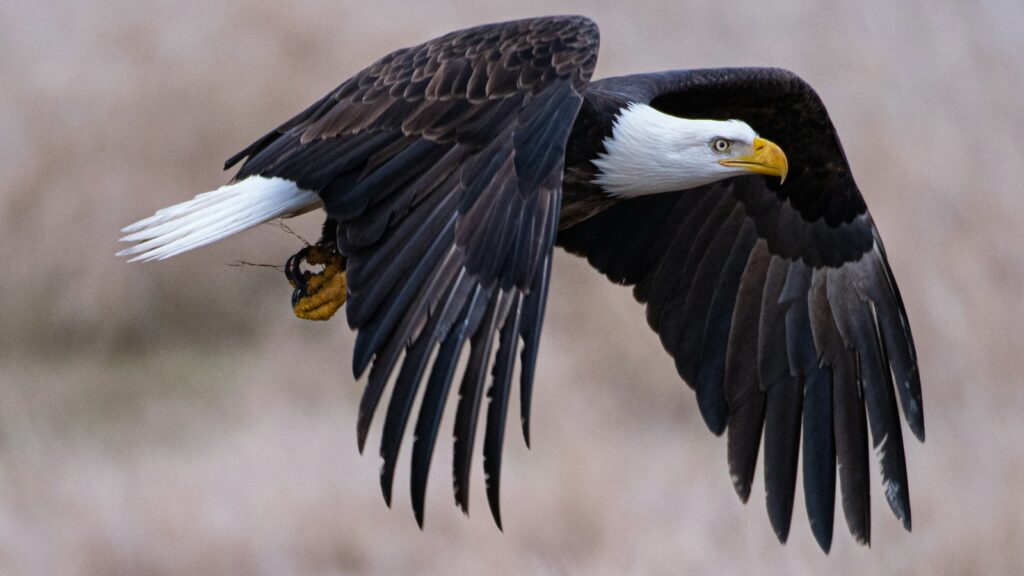
Mid-morning represents peak hunting time for bald eagles, with most actively seeking prey between 7 AM and 11 AM. During this period, eagles strategically position themselves near bodies of water, utilizing their remarkable vision to spot fish swimming near the surface. An eagle’s eyesight is estimated to be four to eight times stronger than a human’s, allowing them to spot a fish from nearly a mile away. The hunting process follows a distinctive pattern: soaring, spotting, hovering briefly, then executing a precise dive with talons extended forward. Success rates vary considerably based on experience, with mature eagles successfully capturing prey in roughly one out of every three to four attempts. After securing a fish, eagles typically retreat to a familiar feeding perch away from competitors and potential threats.
Midday Rest and Digestion Period

Following a successful morning hunt, bald eagles typically enter a period of rest and digestion during the midday hours. This period of reduced activity coincides with the hottest part of the day, when thermal air currents become more turbulent and fishing becomes less productive. Eagles find a comfortable perch, often in tall trees with good visibility of their surroundings, where they can safely digest their morning meal. Digestion for these raptors is remarkably efficient, with a specialized two-chambered stomach that processes fish and other prey quickly. Indigestible components like bones, fur, and scales are compressed into pellets that the eagle will regurgitate approximately 12-24 hours after feeding. This midday lull also serves as an energy conservation strategy, allowing eagles to reserve strength for afternoon hunting or territorial defense.
Afternoon Activities: Territorial Patrols

As midday transitions to afternoon, bald eagles often engage in territorial surveillance and boundary enforcement. Mated pairs maintain territories ranging from 1 to 2 square miles, which they must regularly patrol to deter intruders. These afternoon flights serve multiple purposes beyond mere territory defense, including scouting for alternative food sources and monitoring environmental changes within their domain. Eagles fly in distinctive patterns during these patrols, often following waterways or ridgelines that define their territorial boundaries. When encountering neighboring eagles or potential competitors, they communicate through various vocalizations and aerial displays, including their characteristic high-pitched, chirping calls that contrast sharply with their fierce appearance. These territorial behaviors intensify during breeding season, when the stakes of maintaining exclusive access to prime hunting grounds become even higher.
The Social Life: Interactions With Other Eagles
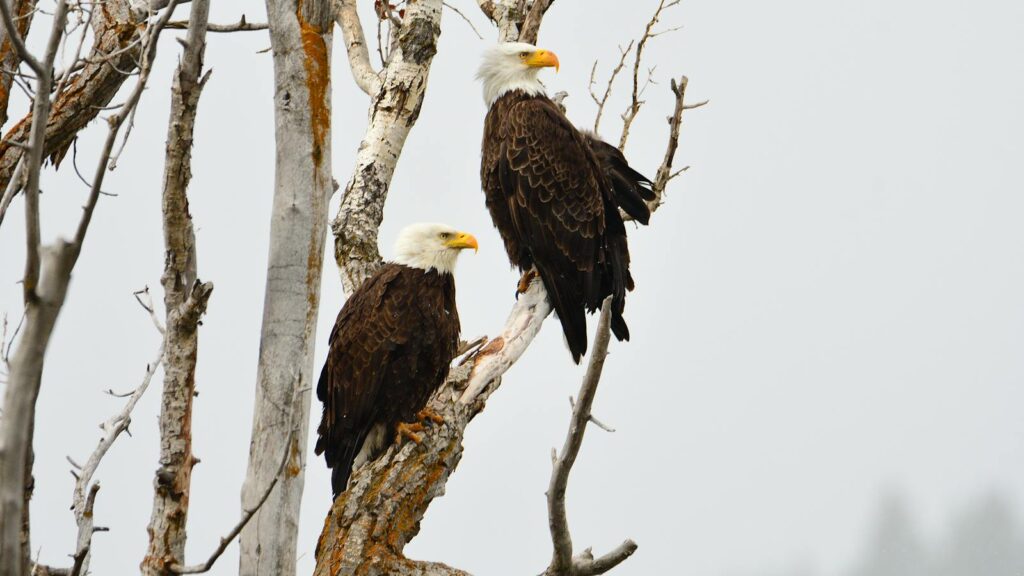
Contrary to their portrayal as solitary hunters, bald eagles maintain complex social dynamics throughout their day. While they do hunt individually, eagles frequently gather in groups at abundant food sources such as salmon runs or areas with concentrated prey. These gatherings follow a sophisticated social hierarchy primarily based on age and size, with mature adults dominating feeding opportunities over juveniles and sub-adults. Communication between eagles involves a diverse repertoire of at least 15 distinct calls and numerous visual displays, from subtle postural changes to dramatic aerial maneuvers. Mated pairs, which typically bond for life, maintain constant communication throughout the day through specific vocalizations recognizable only to their partner. During non-breeding seasons, some eagles even form loose communal roosts at night, where dozens of birds may gather in a single stand of trees, creating a temporary eagle community before dispersing for individual hunting at dawn.
Afternoon Fishing: The Second Hunt

As the day progresses toward late afternoon, eagles often engage in a second major hunting period to secure additional sustenance. This late-day hunting window typically occurs between 3 PM and sunset, coinciding with changing fish behavior as water temperatures fluctuate. Eagles employ different hunting techniques during this period compared to morning hunts, often flying lower over water and focusing on fish disoriented by changing light conditions. An adult bald eagle requires approximately one pound of food daily, though they can consume up to 3-4 pounds in a single feeding if food is abundant. This allows them to go several days between successful hunts if necessary. The afternoon hunt is particularly critical during winter months or breeding season, when energy demands increase substantially due to cold weather or the need to feed growing eaglets.
Weather Adaptations: How Eagles Adjust Their Daily Schedule

Bald eagles demonstrate remarkable adaptability in their daily routines based on prevailing weather conditions. During periods of heavy rain, they often remain perched under dense foliage, conserving energy rather than attempting to fly with waterlogged feathers that can add up to 30% to their body weight. Conversely, eagles capitalize on windy days by using updrafts and thermals to soar effortlessly, expanding their hunting territory while minimizing energy expenditure. Winter presents unique challenges, with eagles shifting their daily patterns to focus on conserving heat during frigid mornings and limiting activity to the warmest midday hours. During extreme weather events such as blizzards or severe storms, eagles may hunker down for multiple days, relying on fat reserves and reducing their metabolic rate to survive the challenging conditions. This weather-responsive flexibility is key to their successful adaptation across diverse habitats from Alaska to Florida.
Seasonal Variations: How Days Change Throughout the Year
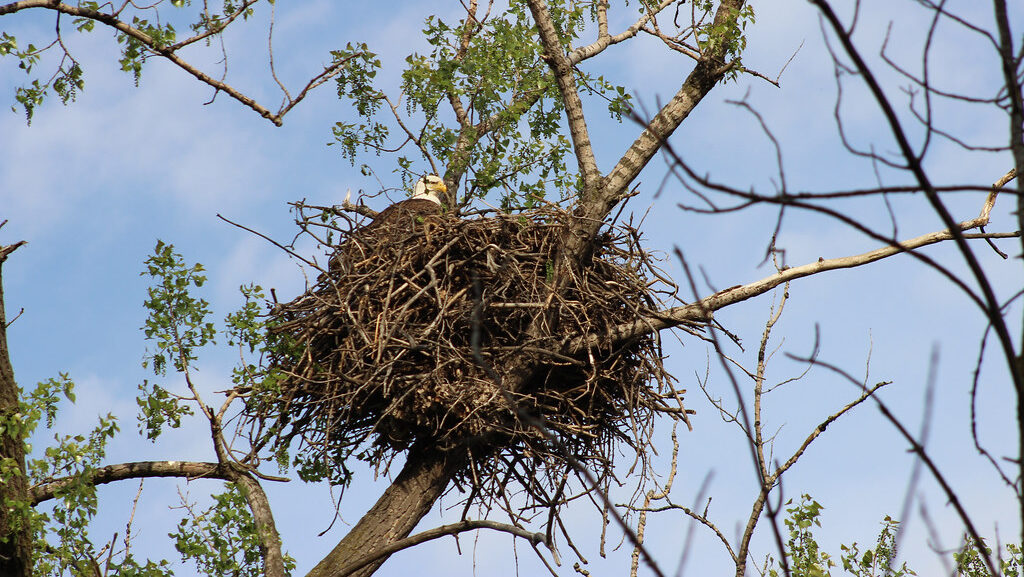
The daily routine of a bald eagle undergoes significant transformation with changing seasons. Spring centers around nesting activities, with pairs spending up to 80% of daylight hours either incubating eggs or directly attending to newly hatched eaglets. Summer days feature intensive hunting schedules, with parent eagles making up to 15 daily hunting trips to satisfy the voracious appetites of growing juveniles. Fall initiates migration for northern populations, with eagles from Alaska and Canada traveling up to 125 miles daily on their journey southward to ice-free waters. Winter brings unique opportunities and challenges, as eagles congregate in larger numbers around open water and food sources, sometimes forming spectacular gatherings of hundreds of birds at locations like the Upper Mississippi River or Chesapeake Bay. These seasonal adaptations demonstrate the remarkable behavioral plasticity that has allowed bald eagles to thrive across North America’s diverse ecosystems.
Evening Wind-Down: Preparing for Night

As daylight begins to fade, bald eagles initiate their evening routine of settling into secure overnight positions. Approximately 30-45 minutes before sunset, eagles typically make their final flights of the day, traveling from hunting grounds to established roosting locations that offer both safety and shelter. These preferred roosting sites are often stands of mature trees located near water but sheltered from prevailing winds. Before fully settling in for the night, eagles engage in a final round of intensive preening, ensuring feathers are properly aligned for insulation against overnight temperatures. Unlike some birds, bald eagles remain relatively alert while sleeping, with periods of true deep sleep lasting only a few seconds to minutes at a time. They employ unihemispheric sleep—keeping one half of their brain awake while the other half rests—allowing them to maintain vigilance against potential threats throughout the night.
Nighttime Security: How Eagles Stay Safe After Dark

Darkness presents unique vulnerability for bald eagles, as their superior daytime vision becomes less effective and potential predators like great horned owls become active. To mitigate these risks, eagles select roosting sites with specific security features, preferring the upper canopy of trees that are difficult for ground predators to access. Adult eagles position themselves strategically on branches, typically with their backs to tree trunks and facing outward to monitor their surroundings even during rest periods. Their powerful talons maintain a locked position while perched, allowing eagles to remain securely anchored without muscular effort throughout the night. During particularly cold nights, eagles will fluff their feathers to create insulating air pockets and tuck their unfeathered feet into their belly feathers, reducing heat loss while maintaining their vigilant posture. This combination of location selection and physiological adaptations enables eagles to survive night hours when they are at their most vulnerable.
Parenting Duties: How Eaglets Change the Daily Routine
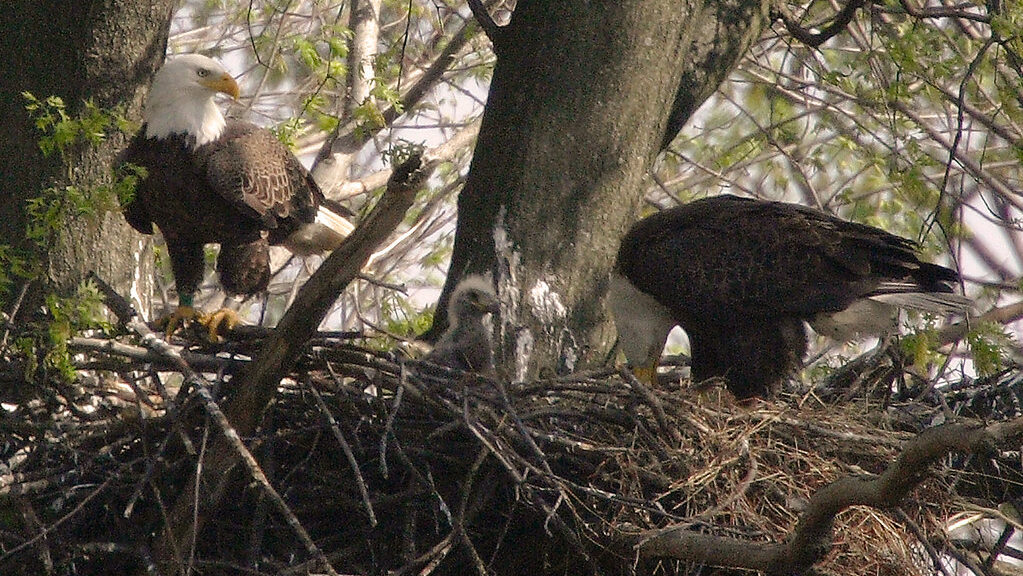
The presence of eaglets dramatically transforms the daily schedule of adult bald eagles, creating a rigorous parenting regimen that dominates their activities for nearly six months. During the early nestling phase, one parent remains at the nest almost constantly, maintaining precise temperature regulation for the vulnerable young through behaviors like wing-spreading for shade or belly-brooding for warmth. Feeding schedules become precisely timed, with parents delivering partially pre-digested food to newly hatched eaglets as frequently as hourly during daylight. As eaglets grow, parents shift from direct feeding to dropping whole fish into the nest, teaching crucial food handling skills while maintaining a delivery schedule of 4-5 meals daily. Perhaps most remarkably, parent eagles maintain a complex division of labor that evolves throughout the nesting season, with males typically providing more food during early weeks while females handle direct feeding and nest defense, gradually equalizing responsibilities as eaglets approach fledging age.
Human Impact: How Eagles Navigate a Changed Landscape
Modern bald eagles have adapted their daily routines to accommodate increasing human presence in their habitats, demonstrating both resilience and behavioral flexibility. Eagles living near human settlements often shift their hunting activities to early morning hours when human disturbance is minimal, compensating for reduced daytime hunting opportunities. Many pairs have adjusted their territory boundaries to incorporate artificial food sources, such as fish hatcheries or dams where fish become concentrated and easier to catch. Noise pollution from boats, traffic, and industrial activity has prompted eagles to develop greater tolerance thresholds, though studies show this adaptation comes with physiological stress costs that can affect long-term health. Perhaps most notably, eagles have modified their nest site selection criteria, with some urban pairs now successfully raising young in locations that would have been considered unsuitable just decades ago, including cell towers, electrical pylons, and trees adjacent to highways or housing developments.
Conservation Success: The Recovering Eagle Population

The daily life of today’s bald eagles reflects the remarkable conservation success story that has unfolded since their population reached a critical low of just 417 nesting pairs in the contiguous United States by 1963. Following the ban of DDT in 1972 and decades of protection under the Endangered Species Act, eagles now exhibit daily behaviors that would have been impossible during their population decline. Contemporary eagles occupy territories that have been vacant for generations, recolonizing watersheds and establishing new nesting sites in areas where they had been extirpated. Their dietary diversity has expanded as recovering populations explore new food sources beyond traditional fisheries, with modern eagles regularly consuming mammals, birds, and even carrion as part of their daily intake. Interactions between eagles have become more frequent as population density increases, leading to more complex territorial dynamics and social behaviors than were observable when the species was sparse. This conservation rebound has not only saved an iconic species but has enriched our understanding of their natural behaviors now that healthy eagle populations once again fulfill their ecological role.
Conclusion

The daily life of a bald eagle represents a masterclass in adaptation, precision, and natural elegance. From their methodical morning preening to their strategic hunting techniques and sophisticated social interactions, these birds navigate their world with remarkable intelligence and efficiency. While we often glimpse only moments of their existence—a spectacular dive for fish or a regal perch atop a towering pine—understanding their complete daily cycle reveals a creature perfectly attuned to its environment and role within the ecosystem. As bald eagle populations continue to recover across North America, these daily routines will evolve further, adapting to new challenges and opportunities in a changing world. By appreciating the complexity of an eagle’s day, we gain not just scientific knowledge but a deeper connection to one of nature’s most magnificent birds and a renewed appreciation for the conservation efforts that have allowed these daily routines to continue for future generations.