

Introduction to Extraordinary Avian Travelers
While many birdwatchers are familiar with famous migrants like the Arctic Tern or the Bar-tailed Godwit, the avian world holds many more remarkable long-distance travelers that often go unnoticed. These feathered marathoners undertake journeys that would seem impossible given their size and weight, navigating across continents and oceans with pinpoint precision. The birds on this list aren’t just notable for the distances they cover, but also for their fascinating adaptations, unusual routes, and the scientific mysteries they continue to present. For dedicated birdwatchers looking to expand their knowledge beyond the common species highlighted in field guides, these ten extraordinary migrants offer a glimpse into the extreme capabilities of bird migration. From tiny warblers to unexpected seabirds, these are the long-distance champions that deserve more recognition from the birdwatching community.
1. The Blackpoll Warbler: Tiny Transatlantic Voyager
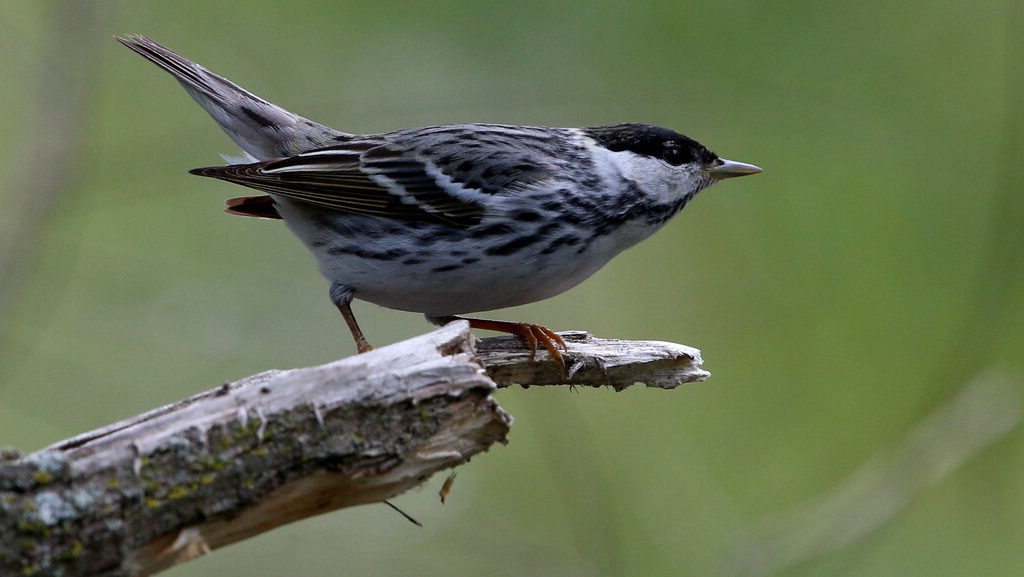
Weighing less than half an ounce, the unassuming Blackpoll Warbler (Setophaga striata) undertakes one of the most ambitious migrations relative to its size. Each fall, these tiny songbirds leave their breeding grounds in the boreal forests of Canada and Alaska and fly nonstop over the Atlantic Ocean to South America—a journey spanning up to 1,800 miles without any opportunity to rest or refuel. What makes this feat even more impressive is their preparation strategy: Blackpolls double their body weight before departure, converting their bodies into highly efficient flying machines where even their digestive organs shrink to reduce weight. Their return journey in spring follows a completely different route through Central America and up the eastern United States, making them one of the few songbirds with distinctly different seasonal migration paths. Despite their incredible journeys, these warblers often go unnoticed due to their small size and the fact that much of their migration occurs at night.
2. Pectoral Sandpiper: The Arctic-to-Antarctic Commuter
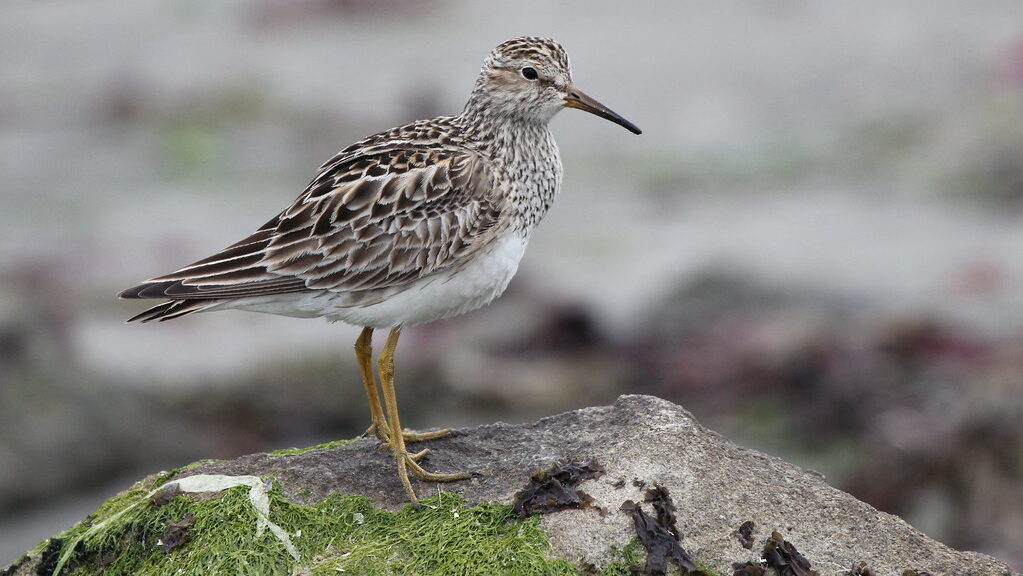
The Pectoral Sandpiper (Calidris melanotos) performs one of the most extensive latitudinal migrations of any bird, traveling from the high Arctic to southern South America—a round trip of approximately 18,000 miles annually. Unlike many well-known shorebirds, the Pectoral Sandpiper receives relatively little attention despite its extreme migration pattern. What makes this medium-sized sandpiper particularly unusual is its breeding strategy: males will sometimes fly thousands of miles between different Arctic breeding grounds within a single season, attempting to mate with multiple females across vast geographical areas. Recent tracking studies have revealed that individual birds may visit breeding sites in Alaska, Canada, and Siberia in the same summer before heading south to Argentina or Chile for the winter. This “breeding nomadism” combined with one of the longest migratory routes of any bird makes the Pectoral Sandpiper a true marathon flyer that has largely remained under the radar for most birdwatchers.
3. Northern Wheatear: The Intercontinental Desert Specialist

The Northern Wheatear (Oenanthe oenanthe) may appear to be a modest, thrush-like bird, but it holds the distinction of having one of the largest breeding ranges of any songbird while also undertaking an extraordinary migration. Birds that breed in Alaska and the Canadian Arctic cross all of Asia and the Middle East to winter in sub-Saharan Africa—a journey of more than 9,000 miles each way. Even more remarkably, wheatears breeding in eastern Canada and Greenland cross the Atlantic Ocean, navigate through Europe, and continue to the same African wintering grounds. These small birds, weighing just 0.8 ounces, manage this feat by making numerous stopovers and maintaining an incredible navigational accuracy that scientists are still working to fully understand. What makes the wheatear especially intriguing for birdwatchers is how this primarily desert and steppe-adapted species has managed to colonize Arctic habitats while maintaining its ancestral migration routes, creating one of the most dramatic migration patterns in the bird world.
4. Red-necked Phalarope: The Circuitous Ocean Wanderer

The Red-necked Phalarope (Phalaropus lobatus) breaks numerous avian conventions, both in its biology and its remarkable migration. These small shorebirds exhibit reversed sexual dimorphism where females are brighter and more aggressive than males, who take on the incubation and chick-rearing duties. Their migration is equally unusual—birds breeding in Scotland and Scandinavia don’t follow the expected route to the Mediterranean or Africa but instead undertake a 6,200-mile journey across the Atlantic to the Pacific Ocean, wintering in the nutrient-rich waters off Peru and Ecuador. This extraordinary transoceanic loop migration was only recently discovered through geolocator studies, revealing how populations of these tiny birds from different regions follow dramatically different migration strategies. Unlike many shorebirds that migrate along coastlines, phalaropes spend their migration and winter periods entirely at sea, where they can be observed spinning in circles to create upwellings that bring food to the surface—a feeding strategy as unusual as their migration pattern.
5. South Polar Skua: The Pole-to-Pole Predator
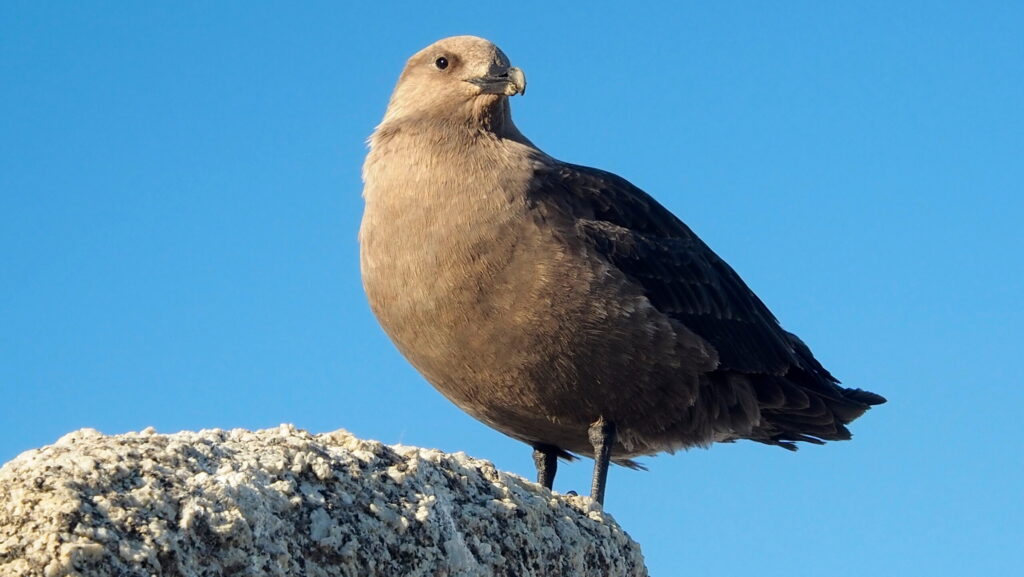
The South Polar Skua (Stercorarius maccormicki) undertakes one of the most extreme migrations known in the avian world, traveling from Antarctica to the high Arctic—essentially from pole to pole. These powerful, gull-like predators breed on the Antarctic continent during the Southern Hemisphere summer, then fly north to spend the northern summer in Arctic waters, giving them exposure to more daylight hours than almost any other creature on Earth. Tracking studies have revealed these birds regularly travel over 20,000 miles annually, with some individuals following figure-eight patterns across the Atlantic or Pacific Oceans. What makes South Polar Skuas particularly fascinating is their feeding versatility; during breeding, they prey on penguin colonies and even hunt petrels in flight, while during migration they transform into accomplished oceanic hunters, stealing food from other seabirds and snatching fish from the surface. Despite their incredible journeys and remarkable adaptability, these birds remain relatively unknown to most birdwatchers who rarely venture to the remote oceanic regions where these birds spend most of their lives.
6. Great Frigatebird: The Soaring Insomniac
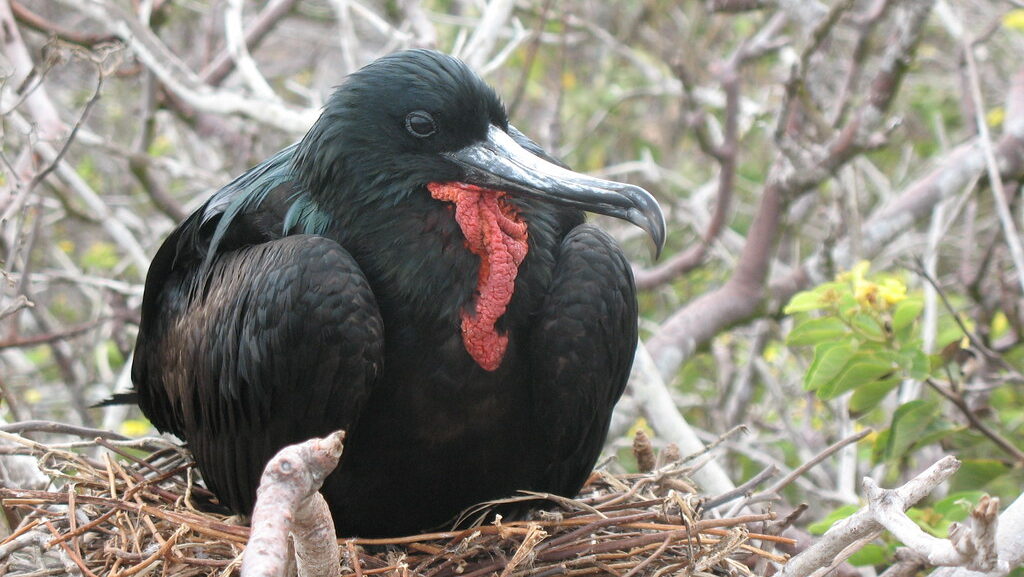
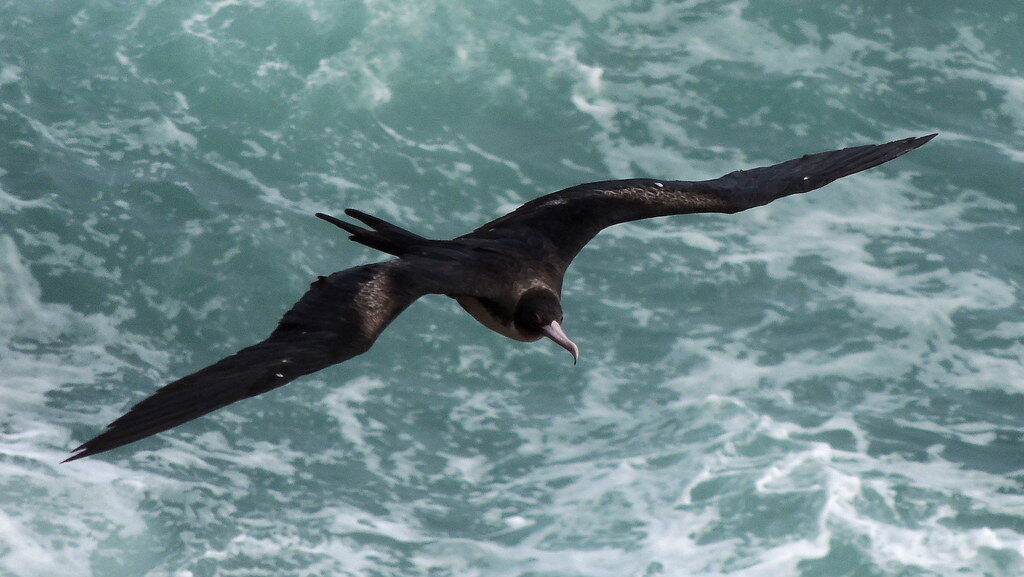
The Great Frigatebird (Fregata minor) may not undertake the same pole-to-pole migrations as some birds on this list, but what makes these seabirds extraordinary is their ability to stay aloft for incredibly long periods. Recent research using GPS trackers has shown that Great Frigatebirds can fly continuously for up to two months without landing, covering distances of over 5,000 miles across the Indian Ocean. Even more remarkable is the discovery that these birds can sleep during flight, with one hemisphere of their brain remaining alert while the other sleeps, sometimes for as little as a few minutes at a time. With their massive wingspan (up to 7.5 feet) but relatively light body weight (3-4 pounds), frigatebirds are perfectly adapted for a life spent riding thermal currents and air columns over tropical oceans. Unlike many seabirds, frigatebirds cannot land on water as their feathers aren’t waterproof, forcing them to develop these extreme adaptations for continuous flight—making them true marathon flyers that most birdwatchers never get to appreciate unless visiting tropical islands where they breed.
7. Hudsonian Godwit: The Hemispheric Hopscotch Player

While its cousin the Bar-tailed Godwit gets most of the attention for long-distance flight, the Hudsonian Godwit (Limosa haemastica) performs an equally impressive migration that often goes unrecognized. These elegant shorebirds breed in the subarctic regions of Alaska and Canada before embarking on an epic journey to southern South America, with many birds traveling to Tierra del Fuego—a one-way trip of up to 9,000 miles. What makes the Hudsonian Godwit particularly remarkable is how their migration combines both nonstop oceanic flights with strategic stopover locations that researchers call “staging areas.” Birds departing from breeding grounds in Alaska will first fly to James Bay in Canada, then make a nonstop flight across the western Atlantic Ocean to South America, sometimes flying continuously for 5-7 days. Their small global population (estimated at only 70,000 birds) and the fact that the entire species depends on just a handful of critical stopover sites makes their successful migration all the more precarious. For birdwatchers, spotting a Hudsonian Godwit is not only a chance to see one of the world’s great migrants but also a genuinely rare opportunity, as these birds concentrate in very specific locations during their hemispheric journeys.
8. Eleonora’s Falcon: The Migration-Synchronized Hunter
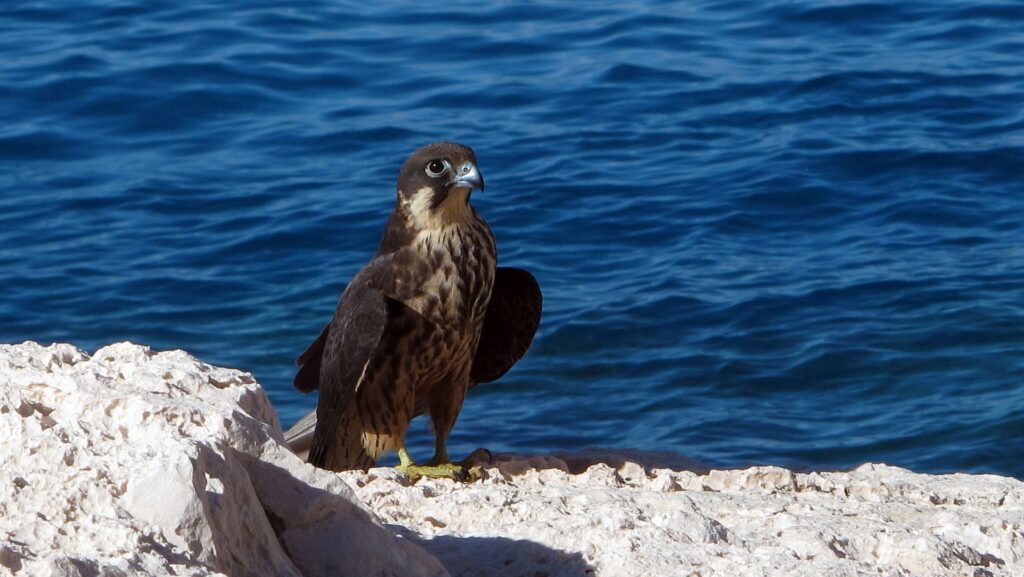
Eleonora’s Falcon (Falco eleonorae) has evolved one of the most specialized and perfectly timed migration strategies in the bird world. These elegant raptors breed on Mediterranean islands much later than other birds—timing their nesting to coincide perfectly with the autumn bird migration. This strategy allows them to feed their young with the countless small songbirds passing through on their way to Africa. Once their own breeding cycle is complete in October, Eleonora’s Falcons embark on their own remarkable migration, crossing the entire breadth of Africa to reach exclusive wintering grounds in Madagascar—a journey of over 5,000 miles. Recent tracking studies have shown that these falcons make this crossing in as little as two weeks, flying primarily at night and navigating with astonishing precision across the African continent. Unlike many migrants that follow coastlines or mountain ranges, Eleonora’s Falcons cross directly over the Sahara, tropical forests, and the Mozambique Channel, demonstrating exceptional navigational abilities that scientists are still working to understand fully.
9. Wilson’s Storm-Petrel: The Transequatorial Wave Dancer
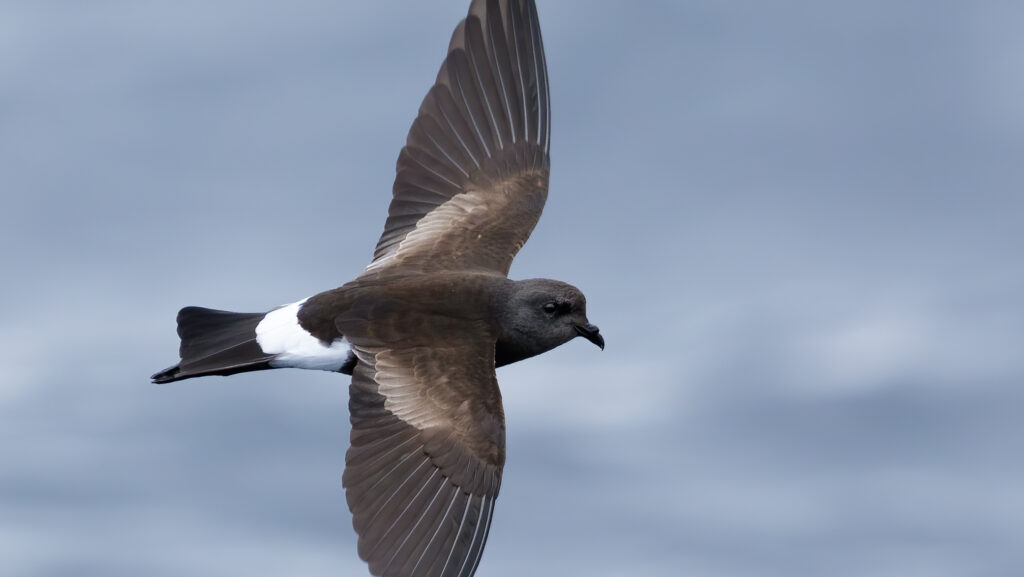
The Wilson’s Storm-Petrel (Oceanites oceanicus) might be small—about the size of a sparrow—but this seabird performs one of the most extensive migrations of any bird, traveling from Antarctic breeding colonies to spend the non-breeding season in the northern hemispheric oceans. This transequatorial migration means some individuals travel over 20,000 miles annually, an astounding feat for a bird weighing just 1.2 ounces. Wilson’s Storm-Petrels have adapted a unique feeding style where they appear to “walk” on water, pattering their feet on the surface while picking up small marine organisms—earning them the nickname “Jesus birds” among sailors. What makes these birds particularly fascinating for serious birdwatchers is how they connect the ocean ecosystems of both hemispheres, spending their entire lives at sea except when nesting in crevices on remote Antarctic islands. Despite being one of the most abundant seabirds globally, with an estimated population of 20 million, most birdwatchers never encounter them unless taking pelagic birdwatching trips far offshore, where these tiny ocean wanderers can be seen skimming the waves during their intercontinental journeys.
10. Lesser Yellowlegs: The Wetland Connector

The Lesser Yellowlegs (Tringa flavipes) performs one of the most extensive yet least celebrated migrations of North American shorebirds, connecting Arctic breeding grounds with wintering areas as far south as Tierra del Fuego—a round trip that can exceed 16,000 miles annually. Unlike many well-known migrants that travel in large, spectacular flocks, Lesser Yellowlegs often migrate singly or in small, scattered groups, making their journey less obvious to casual observers despite its magnitude. What makes these elegant shorebirds remarkable migrants is their dependence on an intricate network of freshwater habitats spanning the Americas—from prairie potholes and boreal bogs to tropical marshes and Patagonian wetlands. Recent tracking studies have revealed that individual birds show remarkable site fidelity, returning to the same small wetlands year after year across their vast migratory range. This specialized habitat requirement makes them particularly vulnerable to wetland loss and climate change, with their population having declined by over 70% since the 1970s. For dedicated birdwatchers, appreciating the Lesser Yellowlegs means recognizing an intercontinental traveler that links wetland ecosystems across the Western Hemisphere through its annual migrations.
The Science Behind Extraordinary Bird Migration

The remarkable journeys of these ten long-distance flyers represent some of the most impressive feats of navigation, endurance, and adaptation in the natural world. Scientists studying bird migration have discovered that these avian travelers use a complex set of navigational tools that might include the position of the sun and stars, Earth’s magnetic field, visual landmarks, olfactory cues, and even infrasound (low-frequency sounds) to find their way across vast distances. Many of these birds also undergo dramatic physiological changes before migration, including increasing fat reserves, shrinking digestive organs to reduce weight, and even enlarging flight muscles and heart proportionally. Advanced tracking technologies like light-level geolocators, satellite transmitters, and miniaturized GPS tags have revolutionized our understanding of these migrations, revealing routes and behaviors that were previously impossible to document. For serious birdwatchers, understanding the science behind these migrations adds another dimension to the appreciation of these extraordinary travelers, whose journeys connect ecosystems across the globe and demonstrate the remarkable evolutionary adaptations that enable these feats of aerial endurance.
Conservation Challenges for Long-Distance Migrants

The incredible journeys undertaken by the birds on this list face mounting challenges in our rapidly changing world. Long-distance migrants are particularly vulnerable to habitat loss because they depend on multiple, widely separated ecosystems being intact and healthy. Many of these species, like the Hudsonian Godwit and Lesser Yellowlegs, rely on specific stopover sites where they can refuel—the loss of even one critical habitat link can jeopardize their entire migration. Climate change adds another layer of complexity, as it can create mismatches between when birds arrive at breeding grounds and when their food sources are available. For seabirds like the Wilson’s Storm-Petrel and South Polar Skua, plastic pollution and changing ocean conditions threaten their marine food sources. Conservation efforts for these extraordinary migrants increasingly focus on international cooperation, as no single country can protect species that regularly cross dozens of international borders. For birdwatchers, awareness of these conservation challenges transforms the hobby from simple appreciation to potential advocacy for these remarkable long-distance travelers whose migrations represent some of the most spectacular natural phenomena on our planet.
Conclusion: Why These Overlooked Migrants Matter
The ten remarkable long-distance flyers highlighted in this article represent just a fraction of the extraordinary migrations occurring in the bird world, yet they remain largely unknown to many birdwatchers. These birds matter not just for their impressive physical feats, but because they connect ecosystems across the globe, transferring nutrients, seeds, and even parasites between continents and hemispheres. Their migrations tell us something profound about the interconnectedness of our planet’s environments and serve as barometers for environmental health on a global scale. For birdwatchers seeking to deepen their appreciation of avian life, learning about these overlooked marathon migrants offers a more complete understanding of bird ecology and evolution. More importantly, it transforms the way we see familiar landscapes, knowing they might be critical stepping stones in journeys spanning thousands of miles. The next time you spot a Lesser Yellowlegs in a local wetland or glimpse a Wilson’s Storm-Petrel from a pelagic trip, remember you’re witnessing not just a bird, but a global traveler whose life history encompasses some of the most remarkable adaptations in the natural world.