

The shoebill stork, with its prehistoric appearance and remarkable hunting abilities, captivates wildlife enthusiasts worldwide. Standing up to five feet tall with an imposing bill that resembles a wooden clog, this enigmatic bird has developed hunting strategies that are as efficient as they are fascinating. Despite their somewhat menacing appearance, shoebills represent one of nature’s most specialized predators, having evolved precise techniques for surviving in their challenging wetland habitats. For bird lovers, understanding the truth behind these tactics offers not just knowledge about an extraordinary species, but also raises important questions about conservation and the delicate balance of wetland ecosystems where these magnificent birds make their home.
The Prehistoric Appearance of the Shoebill
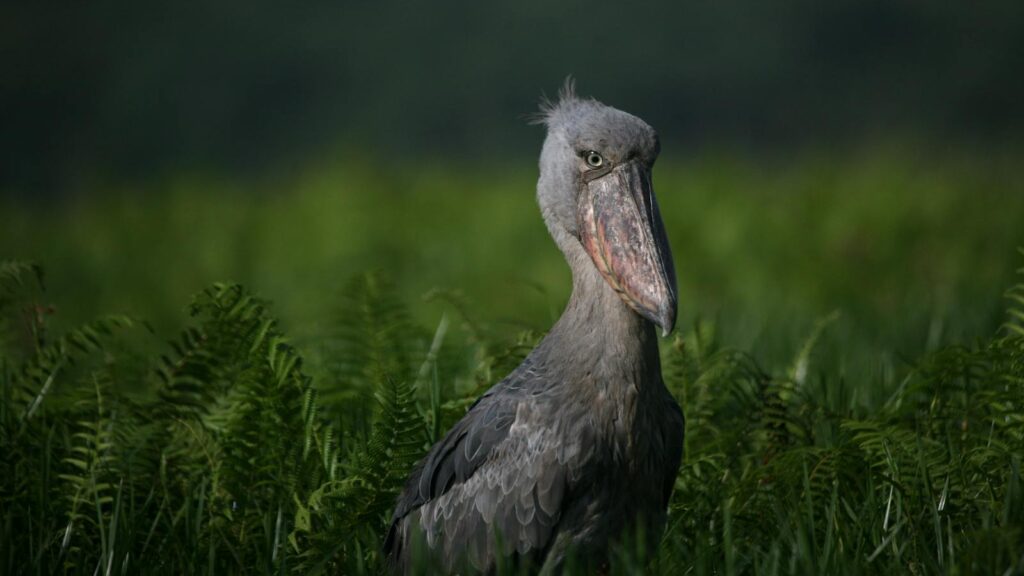
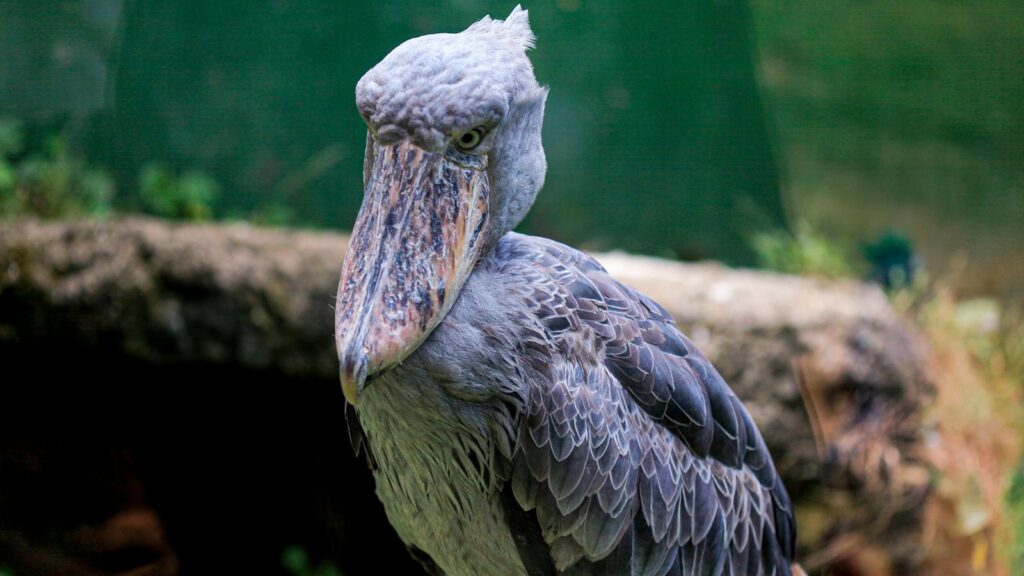
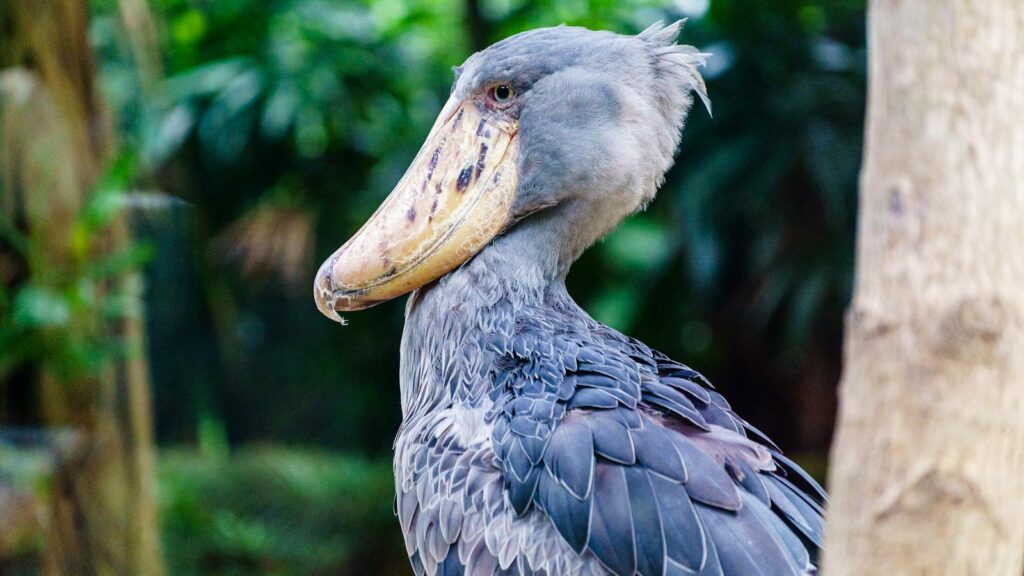
The shoebill (Balaeniceps rex) stands as a living connection to prehistoric times, with many observers noting its dinosaur-like appearance. Its most distinctive feature—the massive shoe-shaped bill from which it derives its name—measures up to 24 centimeters (9.5 inches) long and 13 centimeters (5.1 inches) wide, making it one of the most specialized bills in the avian world. This seemingly unwieldy appendage is actually a precision hunting tool that has evolved over millennia specifically for the bird’s unique hunting style. The shoebill’s pale blue-gray plumage, piercing eyes, and slow, deliberate movements further contribute to its primordial appearance, often leading first-time observers to feel they’ve stepped back in time when encountering these remarkable birds.
Habitat and Distribution: Where Shoebills Hunt
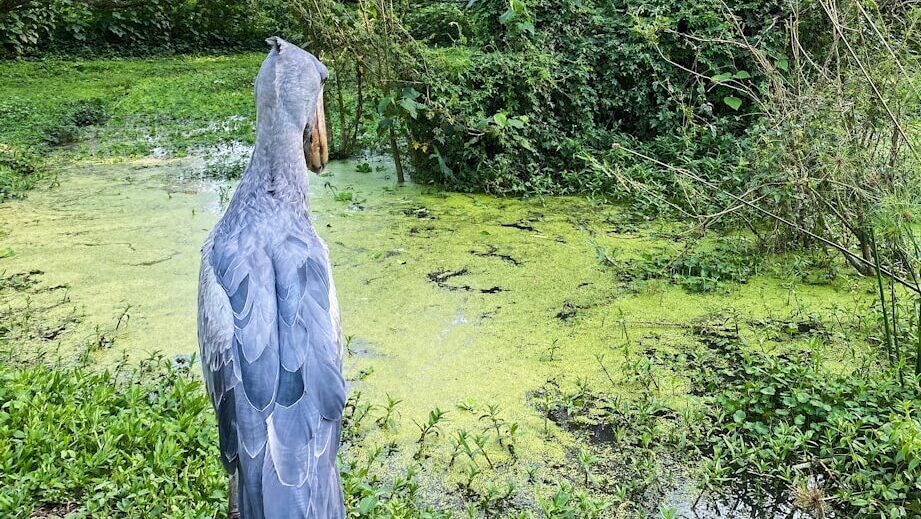
Shoebills inhabit the vast, marshy wetlands of East Africa, with significant populations found in Uganda, South Sudan, eastern Democratic Republic of Congo, and parts of Tanzania and Zambia. These birds require specific habitat conditions to thrive—extensive swamps with areas of shallow, open water interspersed with dense papyrus and reed beds that provide both hunting grounds and nesting sites. The Sudd swamp in South Sudan represents one of the most important strongholds for shoebills, though political instability in the region has complicated conservation efforts. These specialized habitat requirements make shoebills particularly vulnerable to wetland degradation and drainage for agriculture, limiting their range and contributing to their “Vulnerable” conservation status according to the IUCN Red List.
The Statue-Like Hunting Stance
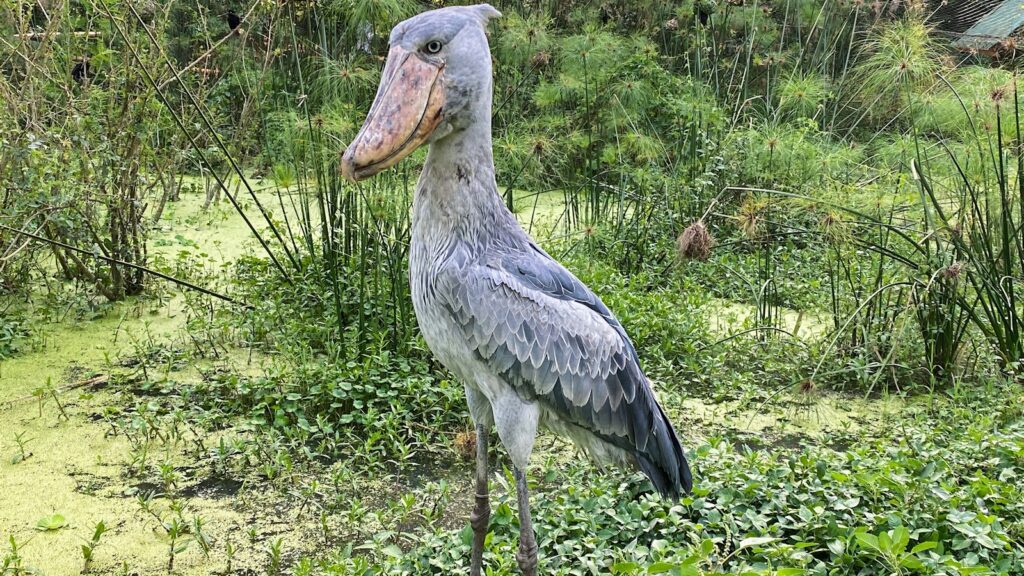
Perhaps the most remarkable aspect of the shoebill’s hunting technique is its extraordinary patience, manifested in a hunting stance that has earned these birds the nickname “death storks” in some regions. When hunting, a shoebill will stand completely motionless, often for hours at a time, resembling a statue more than a living creature as it waits for prey to appear within striking distance. This motionless posture serves dual purposes: it prevents potential prey from detecting the predator’s presence and conserves energy during what can be lengthy hunting sessions. The bird’s ability to remain perfectly still for extended periods represents a masterclass in energy conservation, particularly important in the sometimes resource-scarce wetland environments where they live. Even their breathing appears to slow during these stationary periods, demonstrating the remarkable physiological control these birds possess.
The Lightning-Fast Strike Mechanism
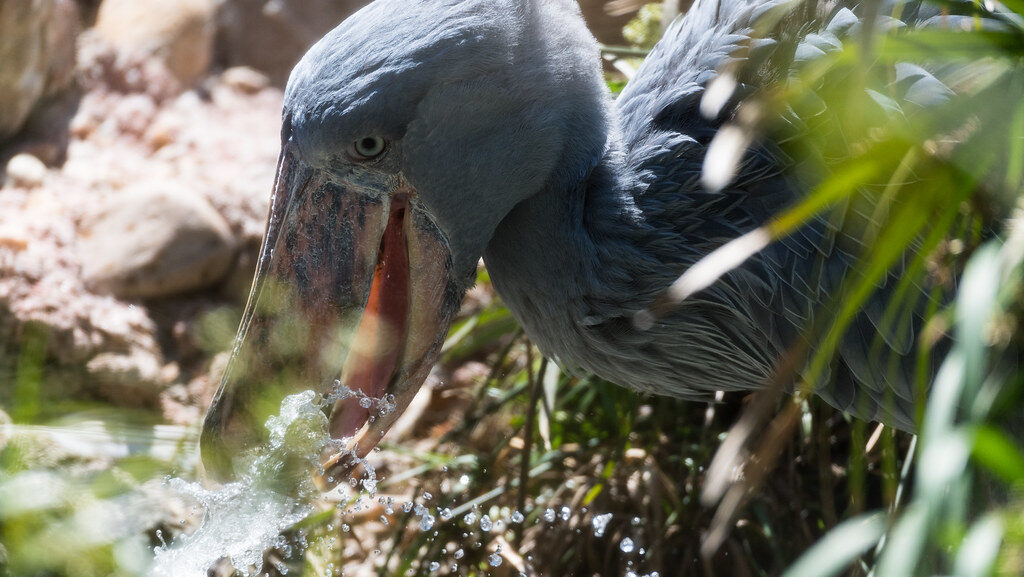
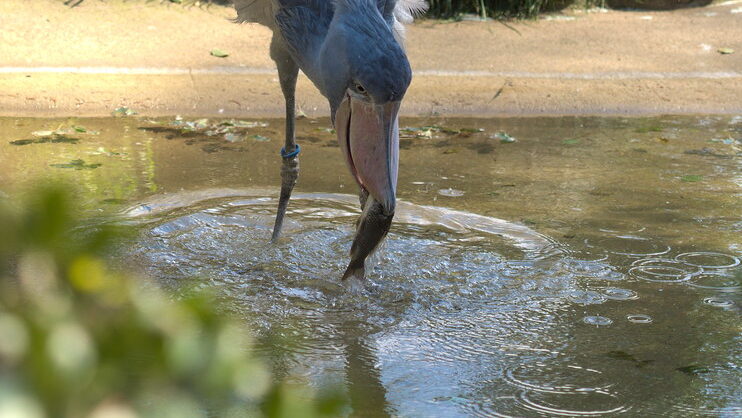
The contrast between the shoebill’s statue-like patience and its explosive strike could not be more dramatic. When prey moves within range, the previously motionless bird transforms instantly, collapsing forward with astonishing speed to drive its powerful bill into the water. This strike happens with such velocity that it creates an audible “clap” as the massive bill slices through the water, a sound that has become synonymous with successful shoebill hunting expeditions. The entire motion—from absolute stillness to completed strike—takes less than a tenth of a second, making it nearly impossible for prey to evade once the attack has been initiated. The bird’s neck muscles, specially adapted for this hunting technique, provide the power necessary to drive the heavy bill forward with sufficient force to stun or kill prey on impact.
Preferred Prey: What Shoebills Actually Hunt
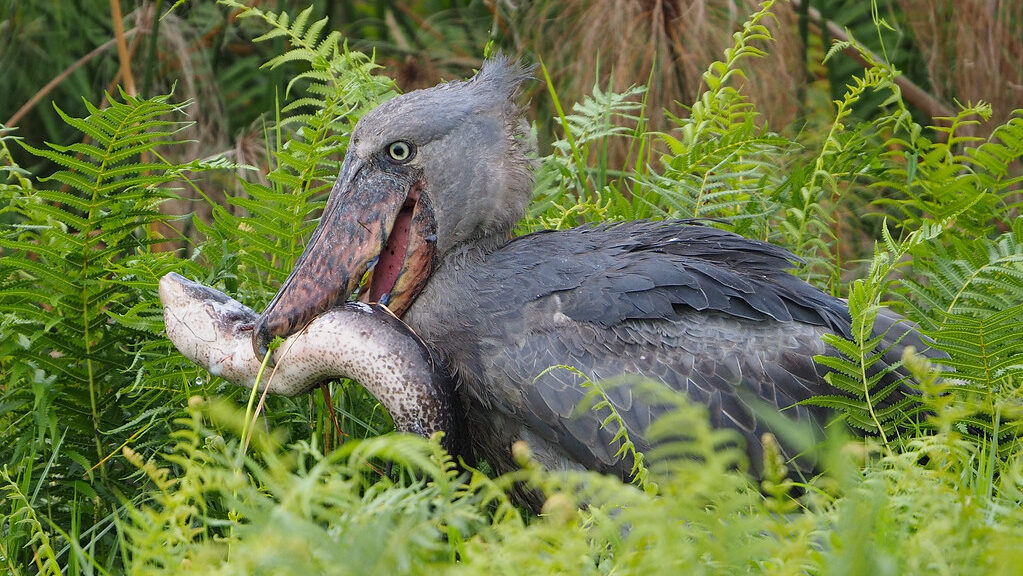
Despite their fearsome reputation, shoebills have a surprisingly varied diet centered primarily on aquatic prey. Lungfish represent their preferred food source, particularly in regions where these ancient fish are abundant, though they regularly capture and consume catfish, tilapia, eels, monitor lizards, and even baby crocodiles when the opportunity presents itself. While popular media sometimes exaggerates the shoebill’s capacity to take large prey, these birds typically target animals they can swallow whole, usually weighing less than 3.3 pounds (1.5 kg). Small mammals like rodents and occasionally juvenile wetland antelope also feature in their diet, though with less frequency than aquatic prey. Researchers have observed that shoebills demonstrate remarkable selectivity, sometimes passing up easier catches while waiting for preferred prey species to appear.
The Deadly Bill: Anatomy of a Perfect Hunting Tool
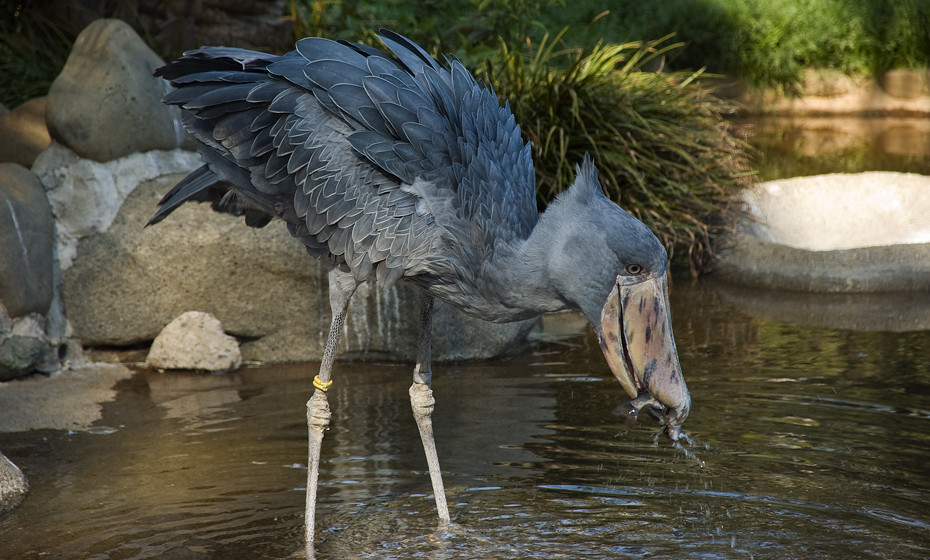
The shoebill’s distinctive bill represents one of nature’s most specialized feeding adaptations, perfectly designed for its hunting strategy. The broad, boat-shaped bill features razor-sharp edges and a powerful hooked tip that creates a lethal gripping surface for securing slippery prey. Inside the bill, a pronounced ridge runs along the upper mandible, creating a formidable killing tool that can decapitate or crush prey with remarkable efficiency. The bill’s structure includes pneumatic cavities that reduce its weight while maintaining structural integrity, allowing the bird to wield this formidable weapon without excessive energy expenditure. Perhaps most important is the bill’s capacity to drain water rapidly after a strike, achieved through specialized channels that allow the bird to quickly separate prey from water and mud that might be captured during the explosive hunting strike.
The Truth About Shoebill Aggression
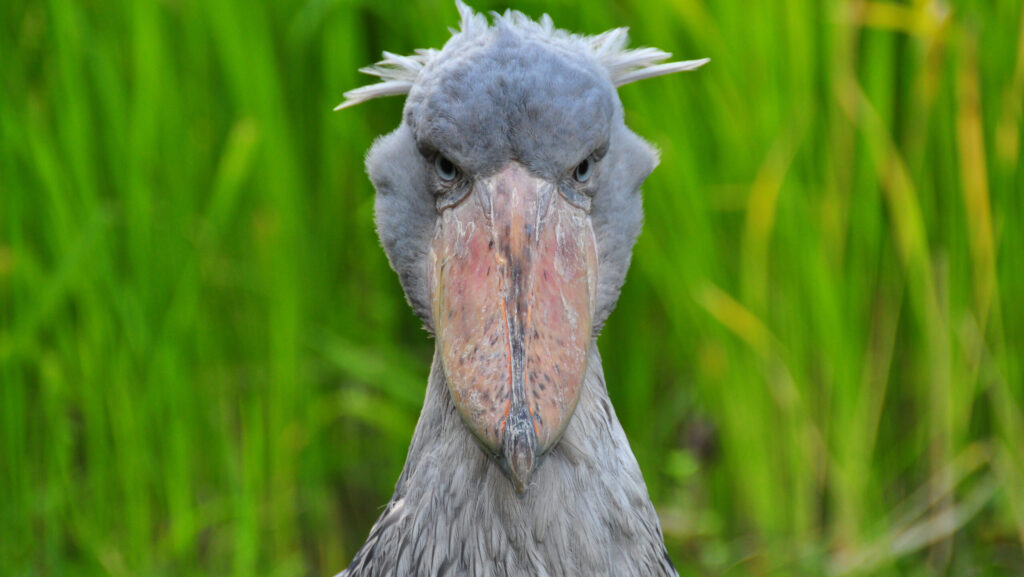
Despite their sometimes menacing appearance and the “death stork” moniker, shoebills exhibit aggression almost exclusively in relation to hunting or protecting their young. These birds generally display a remarkably calm demeanor around humans, sometimes allowing researchers and wildlife photographers to approach much closer than other wary wetland birds would permit. When nesting, however, shoebills become considerably more territorial, actively defending their nest sites against potential threats including other shoebills and predators. Misconceptions about shoebill aggression toward humans stem largely from their prehistoric appearance rather than actual behavioral patterns, as documented attacks on humans are virtually non-existent in scientific literature. What appears as aggression in many cases is simply the bird’s normal hunting behavior directed at appropriate prey species, not an indication of general hostility.
The Hunting Success Rate
Observational studies of shoebill hunting behavior reveal a surprisingly high success rate compared to many predatory species. Research conducted in Uganda’s Murchison Falls National Park documented success rates between 60-70% for adult birds, significantly higher than many raptors and other fishing birds that typically achieve rates of 30-40%. This efficiency can be attributed directly to the shoebill’s specialized hunting technique—the combination of extreme patience and explosive striking power proves remarkably effective. However, this success rate varies seasonally, with rates dropping during rainy seasons when increased water depth and turbidity make prey detection more challenging. Young shoebills demonstrate considerably lower success rates, suggesting that mastering the precise timing required for effective hunting represents a learned skill that improves with experience rather than a purely instinctual behavior.
Parental Behavior and Teaching Hunting Skills
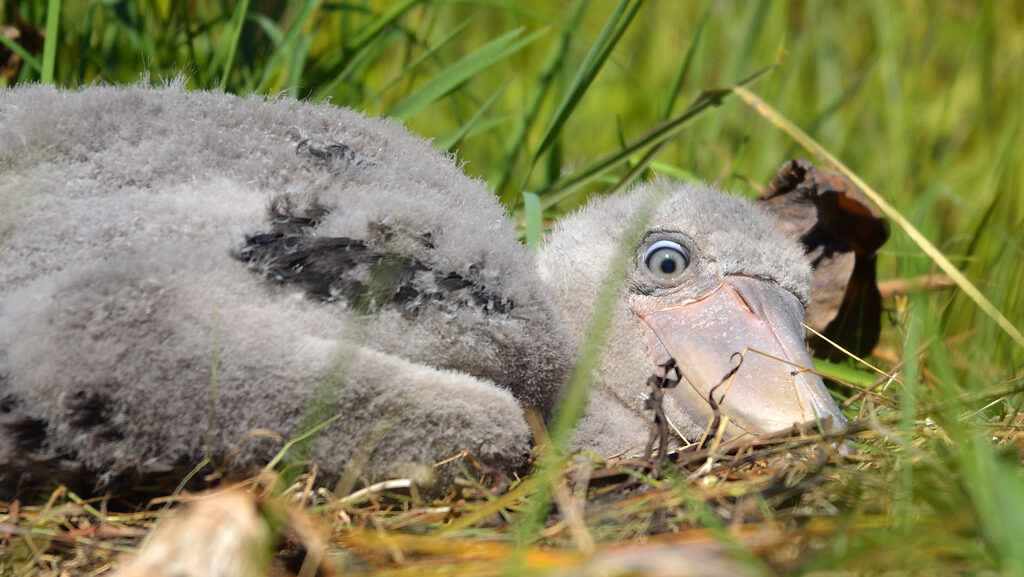
Shoebill parents invest significant time in teaching their offspring the specialized hunting techniques necessary for survival. Unlike some bird species where hunting is purely instinctual, juvenile shoebills undergo what amounts to an apprenticeship period lasting several months. During this time, young birds observe their parents’ hunting behaviors and gradually begin practicing the statue-like stance and striking motion under adult supervision. Researchers have documented parent birds demonstrating hunting techniques repeatedly for their offspring, sometimes even presenting partially subdued prey for juveniles to practice handling. This extended learning period explains why shoebills typically raise only one chick successfully, as the energy investment required for this intensive teaching process would be prohibitive with multiple offspring. The extended parental care period—lasting up to 150 days after hatching—represents one of the longest among non-raptor bird species.
The Challenge of Studying Shoebill Hunting
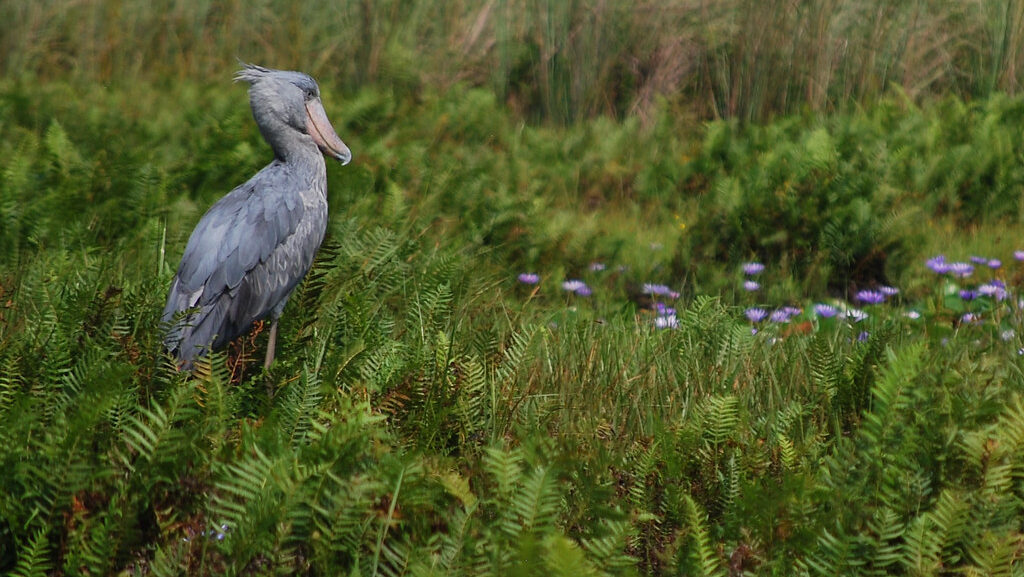
The remote, often inaccessible wetland habitats preferred by shoebills present significant challenges for researchers attempting to study these birds’ hunting behaviors in detail. Much of what we know about shoebill hunting comes from a relatively small number of dedicated field studies conducted under difficult conditions in countries like Uganda, Zambia, and South Sudan. Political instability in several range countries has further complicated research efforts, creating significant gaps in our understanding of regional variations in hunting techniques. Modern research technologies, including camera traps and satellite tracking, are beginning to provide new insights, though the dense vegetation and vast wetland expanses still limit comprehensive study. The birds’ naturally low population density—with breeding pairs often maintaining territories of several square kilometers—further complicates systematic observation of hunting behaviors across their range.
Conservation Implications of Specialized Hunting
The shoebill’s highly specialized hunting technique, while remarkably effective in pristine wetlands, creates significant vulnerability in the face of habitat modification. As wetlands across East Africa face increasing pressure from agricultural expansion, oil exploration, and climate change, the specific water depth and vegetation conditions required for successful shoebill hunting are becoming increasingly scarce. Their dependence on particular prey species, especially lungfish and other large wetland fish, means that overfishing in some regions directly impacts shoebill survival by removing their primary food source. Conservation strategies must account for these specialized hunting requirements, protecting not just wetland acreage but the specific ecological conditions that enable successful shoebill predation. Some conservation initiatives now focus on working with fishing communities to establish no-fishing zones in key shoebill hunting territories, recognizing the direct connection between prey availability and shoebill survival.
What Shoebills Mean to Bird Watchers and Enthusiasts

For dedicated bird watchers and wildlife enthusiasts, witnessing a shoebill’s hunting behavior in the wild represents one of Africa’s most coveted wildlife experiences. The combination of the bird’s prehistoric appearance and its remarkable hunting patience creates an almost mystical quality that many describe as unlike any other wildlife encounter. Specialized birding tours focusing specifically on shoebill observation have developed in countries like Uganda and Zambia, providing important economic incentives for wetland conservation in regions where these birds are found. This growing interest in shoebill tourism has prompted some local communities to transition from hunting and fishing in key shoebill habitats to guiding and conservation work, creating a direct economic link between shoebill preservation and community welfare. Many wildlife photographers consider capturing images of a successful shoebill hunt among their most challenging and rewarding achievements, further elevating the bird’s status among wildlife enthusiasts worldwide.
The Future of Shoebill Hunting in a Changing World
As climate change alters rainfall patterns across East Africa and human development continues to encroach on wetland habitats, the future of the shoebill’s specialized hunting strategy faces unprecedented challenges. Rising temperatures and changing precipitation patterns are already affecting water levels in key shoebill territories, potentially altering the delicate balance between predator and prey that has evolved over millennia. Conservation models suggest that without significant protection efforts, shoebill populations could decline by up to 50% in the next three decades, primarily due to habitat degradation that directly impacts hunting success. Innovative conservation approaches, including community-managed protected areas and payment for ecosystem services programs, offer some hope for preserving the conditions necessary for shoebill hunting success. For bird lovers worldwide, the continued existence of this remarkable hunting specialist represents an important indicator of wetland ecosystem health across the species’ range.
Conclusion
For bird enthusiasts and conservationists alike, the shoebill represents far more than just another species—it embodies the remarkable specialization that evolution can produce when a predator adapts perfectly to its ecological niche. The truth about shoebill hunting tactics reveals not just the mechanical process of how these birds capture prey, but a deeper story about adaptation, patience, and the delicate balance of wetland ecosystems. As we face a future where such specialized species face mounting threats, understanding and appreciating the shoebill’s unique hunting approach becomes not just a matter of ornithological interest, but a compelling reason to protect the vanishing wetlands these magnificent birds call home. By ensuring these prehistoric-looking hunters can continue their patient stalking for generations to come, we preserve not just a species, but a living window into evolutionary processes that have shaped our planet’s biodiversity.