
Many of us have childhood memories of tossing bread crumbs to eager ducks at a local pond or pigeons in the park. This seemingly innocent activity has been a tradition for generations, providing joy and a sense of connection with wildlife. However, in recent years, wildlife experts and conservationists have raised concerns about this practice. Is bread actually harmful to birds? Are we unknowingly damaging the health of the very creatures we’re trying to enjoy? This article explores the complex relationship between bread, birds, and our environment, separating fact from fiction and providing guidance on how we can responsibly interact with our feathered friends.
The Traditional Practice of Feeding Birds Bread
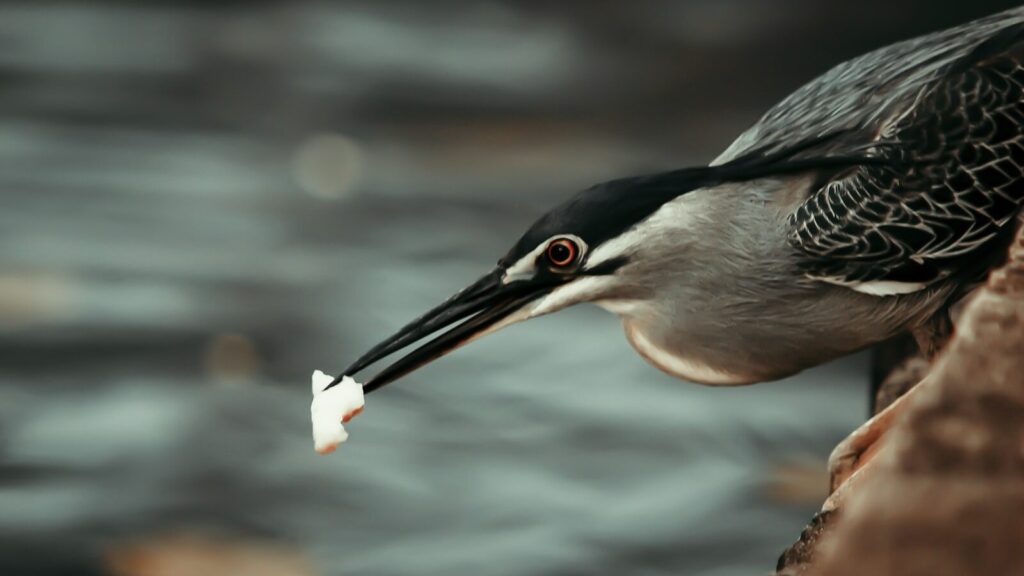
Feeding bread to birds has been a cherished pastime for generations, with families often saving stale bread specifically for weekend outings to parks and ponds. The practice dates back centuries, with historical records showing people feeding birds in public spaces as far back as the 17th century. For many children, tossing bread to ducks or pigeons represents their first meaningful interaction with wildlife, creating lasting memories and potentially sparking a lifelong interest in nature. The accessibility of bread has made this activity universally available, crossing cultural and economic boundaries as an affordable way for people to connect with the natural world.
Nutritional Content of Bread for Birds
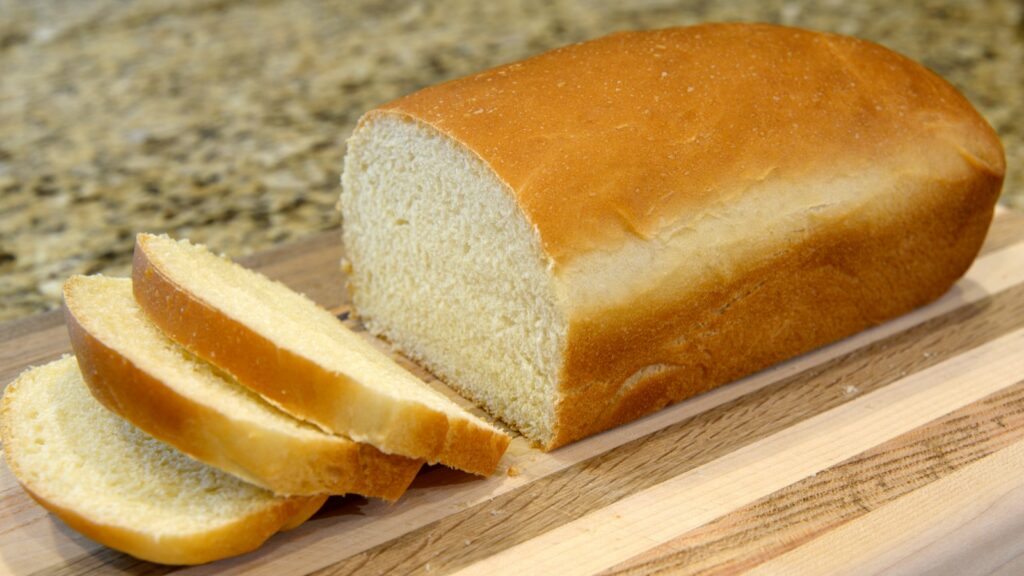
From a nutritional perspective, bread falls dramatically short of meeting birds’ dietary needs. Typical white bread is high in carbohydrates and salt while offering very little in terms of protein, vitamins, or minerals that birds require for healthy development and function. While whole grain varieties contain more nutrients than white bread, they still lack the balanced nutrition that birds would naturally obtain from seeds, insects, aquatic plants, and other natural food sources. Birds that fill up on bread often experience a false sense of fullness, leading them to forego more nutritious natural foods. This nutritional imbalance is particularly problematic for growing birds and during breeding season when nutritional requirements are heightened.
Physical Health Impacts on Birds
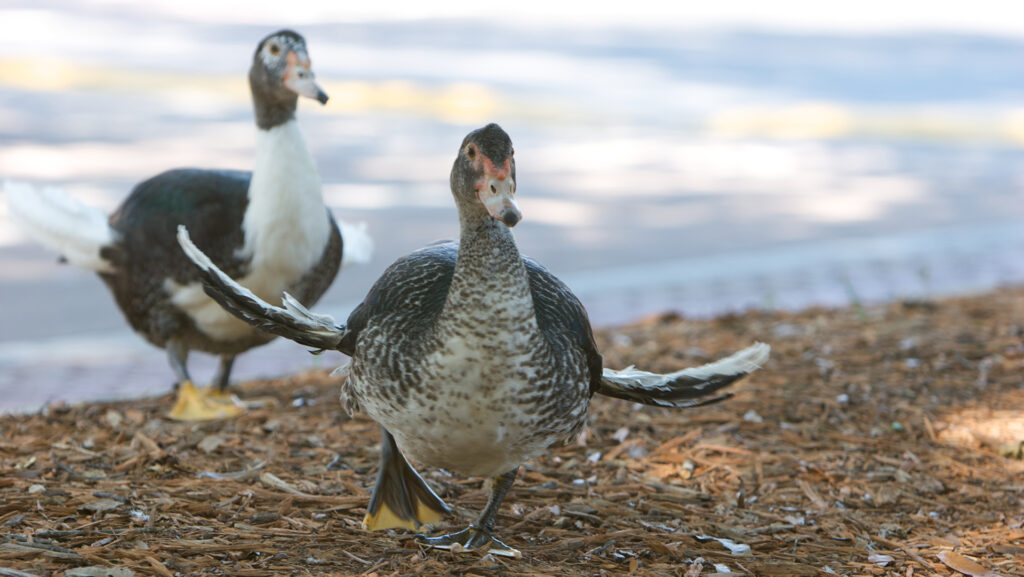
Birds that regularly consume bread can develop a condition called “angel wing,” a deformity that causes wing feathers to point outward instead of lying flat against the body. This painful and debilitating condition prevents birds from flying properly, making them vulnerable to predators and unable to migrate. Bread-heavy diets can also lead to malnutrition, obesity, and metabolic disorders in birds as they consume empty calories without essential nutrients. Waterfowl are particularly susceptible to these health problems, with excessive bread consumption potentially leading to impaired immune systems that make birds more vulnerable to disease. Research has shown that in areas where bread feeding is common, birds often exhibit poorer overall health metrics compared to populations with natural diets.
Environmental Consequences of Bread Feeding

The impact of bread feeding extends far beyond individual birds, affecting entire ecosystems. Uneaten bread decomposes in water, promoting harmful algal blooms that deplete oxygen levels and potentially kill fish and other aquatic life. These decomposition processes can also release nutrients that encourage the growth of harmful bacteria and contribute to the spread of diseases among bird populations. Regular bread feeding can artificially inflate bird populations beyond what the natural environment can sustain, creating resource competition and stress. In urban environments, bread feeding has been linked to increased bird congregation, leading to higher concentrations of droppings that can damage infrastructure and potentially spread disease to humans.
Behavior Modification in Wild Birds
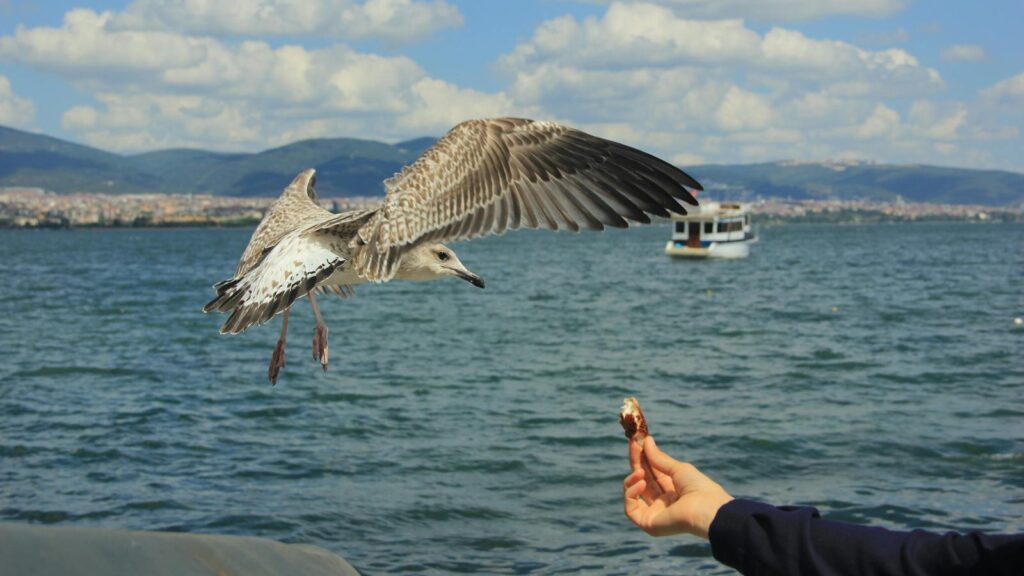
Regular bread feeding can fundamentally alter natural bird behaviors in concerning ways. Birds that become accustomed to human handouts often lose their natural foraging skills and become dependent on artificial food sources. This dependency can disrupt migration patterns, as some birds may delay or skip seasonal migrations when reliable human-provided food is available year-round. Habituated birds often display increased aggression toward humans and other birds as they compete for easy food resources. Research has documented cases where bread-dependent bird populations have developed altered breeding seasons and territorial behaviors that put them out of sync with their natural ecosystems, potentially affecting their long-term survival.
Types of Bread and Their Varying Impacts
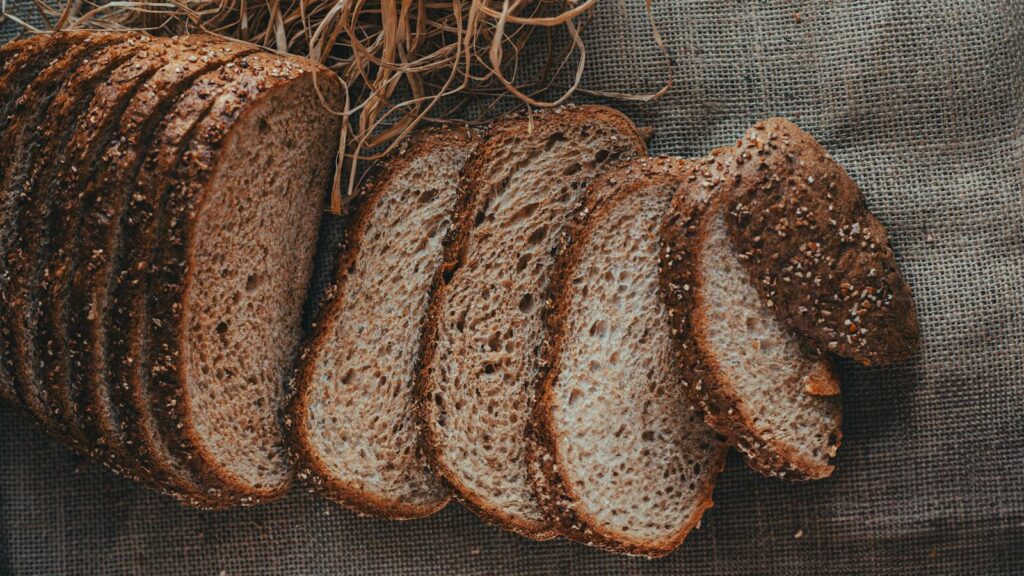
Not all bread products affect birds in exactly the same way, though none are ideal for avian consumption. White bread is perhaps the worst offender, offering virtually no nutritional value while filling birds’ stomachs with empty calories and potentially causing digestive issues. Whole grain breads, while marginally better nutritionally, still lack the balanced nutrition birds require and contain salt levels that can be harmful. Moldy bread presents an additional danger, as some bread molds produce mycotoxins that can cause respiratory infections and other serious health problems in birds. Even bread products marketed as “healthier” for humans, such as multigrain varieties, still lack the specific nutrient profiles that align with birds’ dietary needs.
Healthy Alternatives to Bread
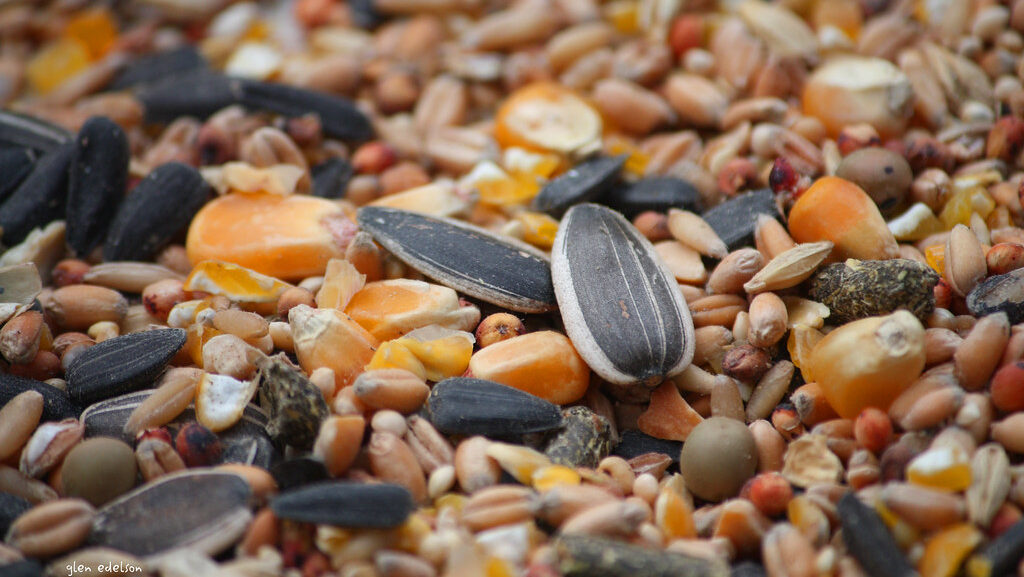
Fortunately, there are many bird-friendly alternatives that allow people to continue enjoying wildlife feeding interactions more responsibly. Seed mixes specifically formulated for wild birds provide balanced nutrition tailored to avian dietary needs and can be purchased inexpensively at many stores. For waterfowl, chopped leafy greens, thawed frozen peas, or small amounts of cracked corn make excellent alternatives that float temporarily, allowing birds to feed naturally. Oats (uncooked rolled or quick oats) offer a nutritious option that’s easy for many birds to digest and more closely resembles some of their natural food sources. Even halved grapes, sliced apple pieces, or melon chunks can provide birds with healthy, natural sugars and hydration without the problems associated with bread.
Educational Initiatives and Public Awareness
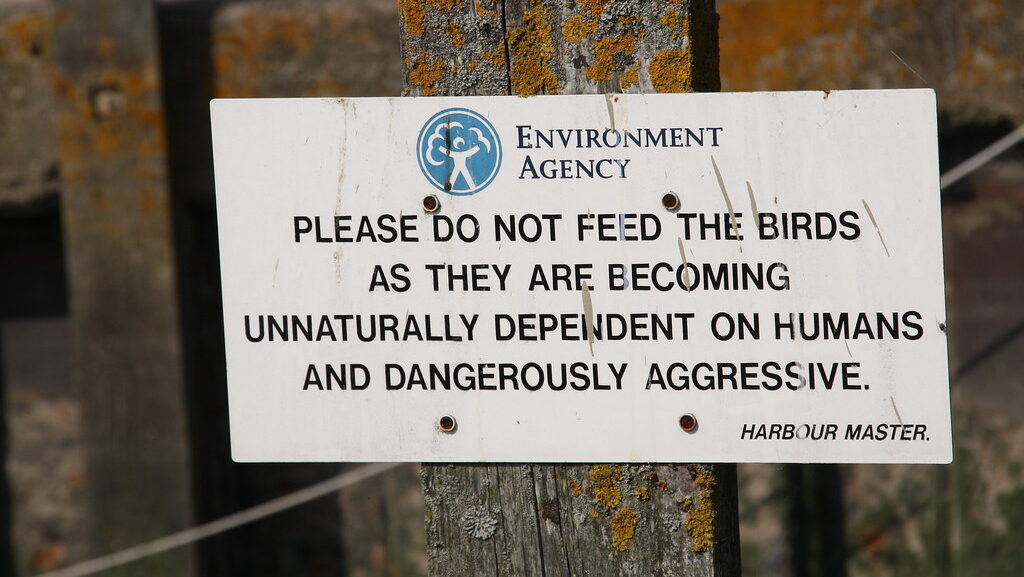
Conservation organizations worldwide have launched campaigns to educate the public about the hazards of feeding bread to birds. Signs posted at parks and ponds have become increasingly common, explaining the environmental and health consequences while suggesting appropriate alternatives. Social media campaigns using hashtags like #BreadIsBadForDucks have helped spread awareness to younger generations who might otherwise continue traditional feeding practices. Some municipalities have gone further by enacting regulations that prohibit bread feeding in public parks, enforcing these rules with fines to protect local wildlife. Educational programs in schools now often include information about proper wildlife feeding as part of environmental education curricula, helping to reshape societal norms around this activity.
Cultural Significance and Changing Traditions

The tradition of feeding bread to birds holds deep cultural significance in many communities, often representing an intergenerational activity that connects people with nature and each other. Changing this longstanding practice requires cultural sensitivity and an understanding that people may resist abandoning traditions that hold emotional value. Community-based approaches that acknowledge the importance of human-wildlife interactions while guiding people toward more responsible feeding habits have proven most effective. Organizations have found success by framing the shift away from bread as an evolution of tradition rather than an abandonment of it, emphasizing that the core value of connecting with nature remains intact. Cultural events like “healthy duck day” celebrations have helped communities embrace new feeding practices while maintaining the social and recreational aspects of wildlife interaction.
Special Considerations for Different Bird Species
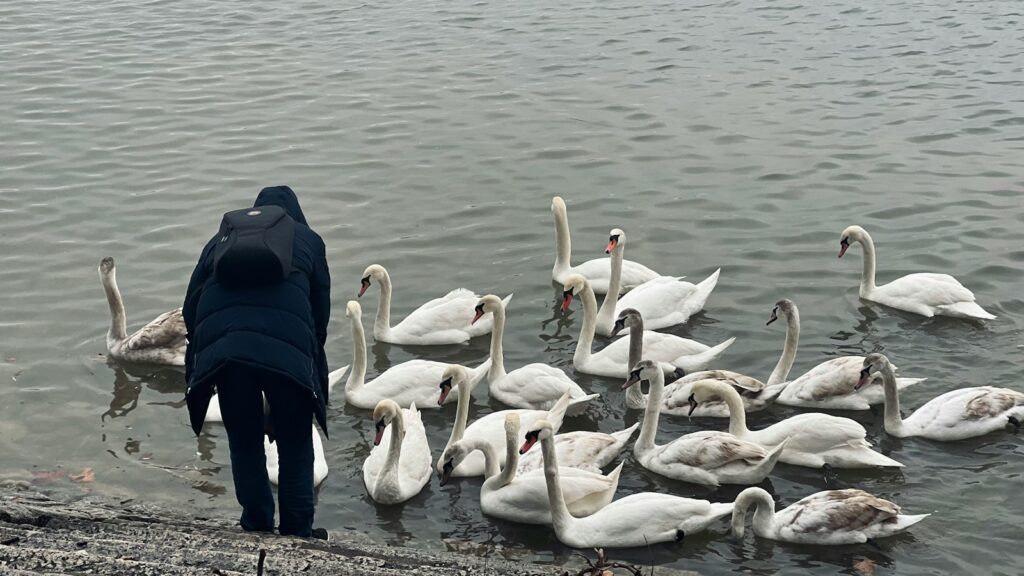
Different bird species have varying dietary needs and potential vulnerabilities when it comes to artificial feeding. Waterfowl like ducks, geese, and swans are particularly susceptible to nutritional diseases from bread-heavy diets, with ducklings and goslings at highest risk of developing growth deformities. Songbirds typically consume bread less frequently but can still suffer nutritional imbalances if they regularly visit sites where bread is available. Migratory birds face unique challenges, as bread feeding can disrupt their natural seasonal patterns and potentially affect their ability to build necessary fat reserves for long journeys. Urban pigeons and doves, already adapted to human food sources, may be less immediately harmed by occasional bread consumption but still benefit significantly from more nutritious alternatives.
Legal Regulations and Park Policies
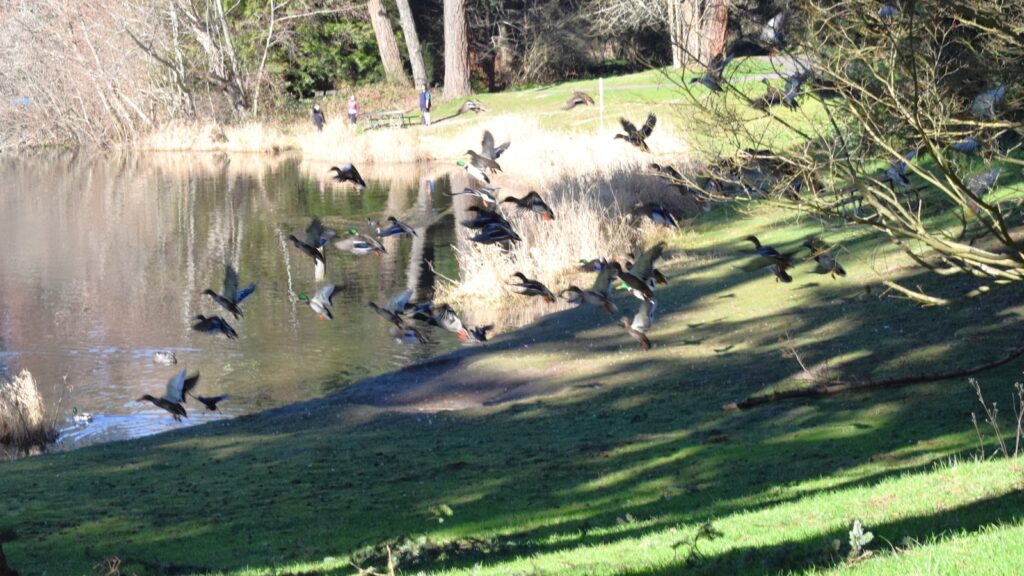
An increasing number of municipalities and wildlife management agencies have implemented regulations regarding bird feeding in public spaces. These range from educational recommendations to outright bans with associated fines for feeding bread to wildlife in protected areas. Many city parks now feature designated feeding zones with appropriate food dispensers that provide suitable alternatives to bread, allowing the public to interact with birds responsibly. Wildlife refuges and protected wetlands typically have the strictest regulations, often prohibiting all artificial feeding to maintain natural ecosystems. Conservation officers in many regions have shifted focus toward education rather than punishment, approaching bread-feeders with information cards and free samples of appropriate bird food to encourage compliance through understanding rather than fear of penalties.
Seasonal Considerations for Bird Feeding
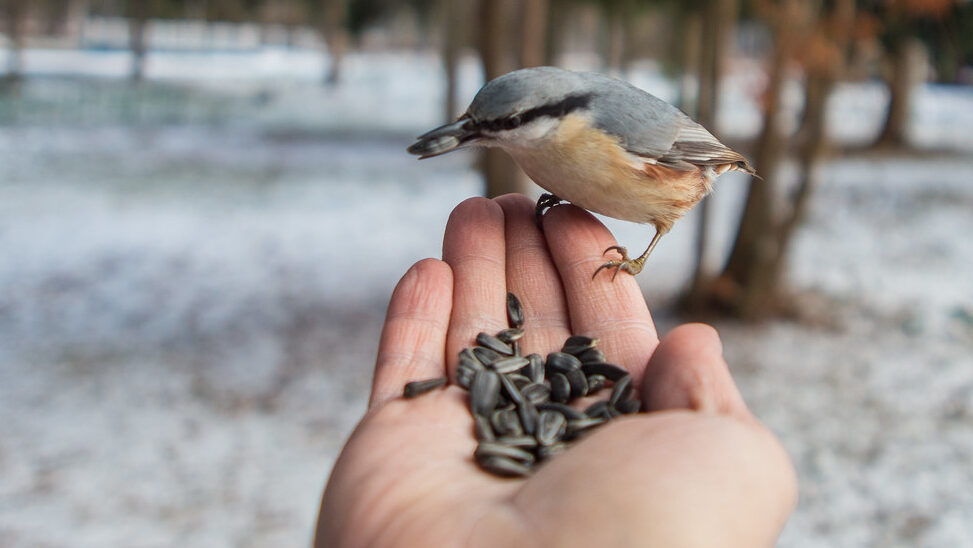
The impact of bread feeding varies significantly with seasonal changes and the corresponding life cycles of bird populations. During nesting and breeding seasons, the nutritional deficiencies of bread can have particularly severe consequences as parent birds may feed nutrient-poor bread to developing offspring, potentially causing growth abnormalities. Winter feeding presents different challenges, as birds face increased energy demands for maintaining body temperature, making proper nutrition even more critical. Migration periods represent another vulnerable time when birds need specific nutrients to build fat reserves for long journeys, which bread fails to provide. Even the summer months present concerns, as bread left in warm conditions can spoil quickly and harbor bacteria that cause avian botulism and other serious diseases that can spread through bird populations.
Responsible Bird Feeding Practices
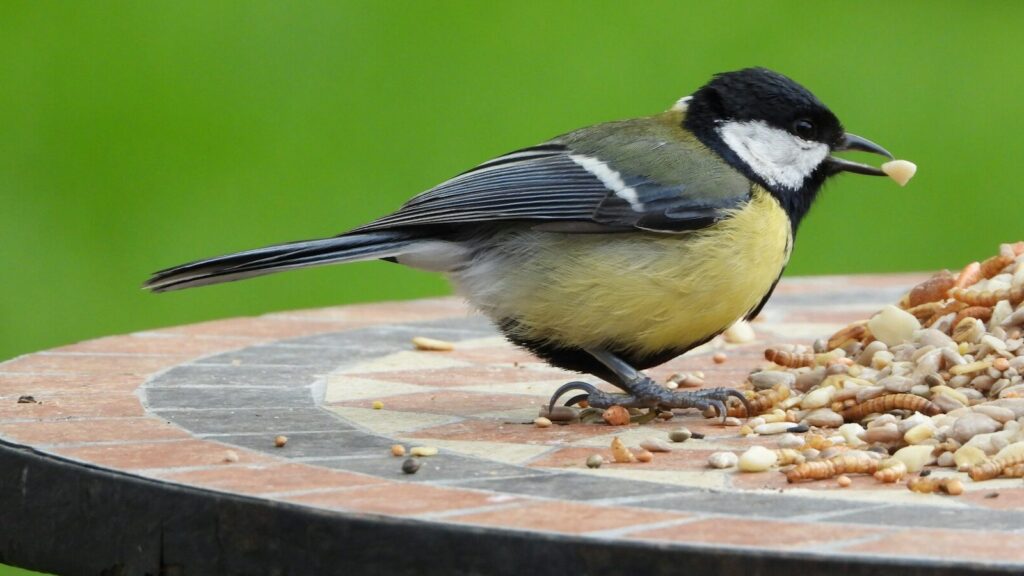
Beyond simply avoiding bread, there are several principles that contribute to truly responsible bird feeding. Offering appropriate foods in moderation helps prevent dependency while still allowing for meaningful human-wildlife interactions. Distributing food across wider areas rather than creating concentrated feeding spots reduces competition and aggressive behaviors among birds. Maintaining clean feeding areas by removing uneaten food prevents mold growth and disease transmission. Varying feeding locations helps prevent soil compaction and vegetation damage that can occur at heavily used feeding sites. The most responsible approach involves seasonal adjustments to feeding practices, aligning human activities with natural cycles and recognizing when birds benefit most from supplemental feeding versus when they should rely on natural food sources.
Conclusion: Finding Balance in Our Interactions with Birds
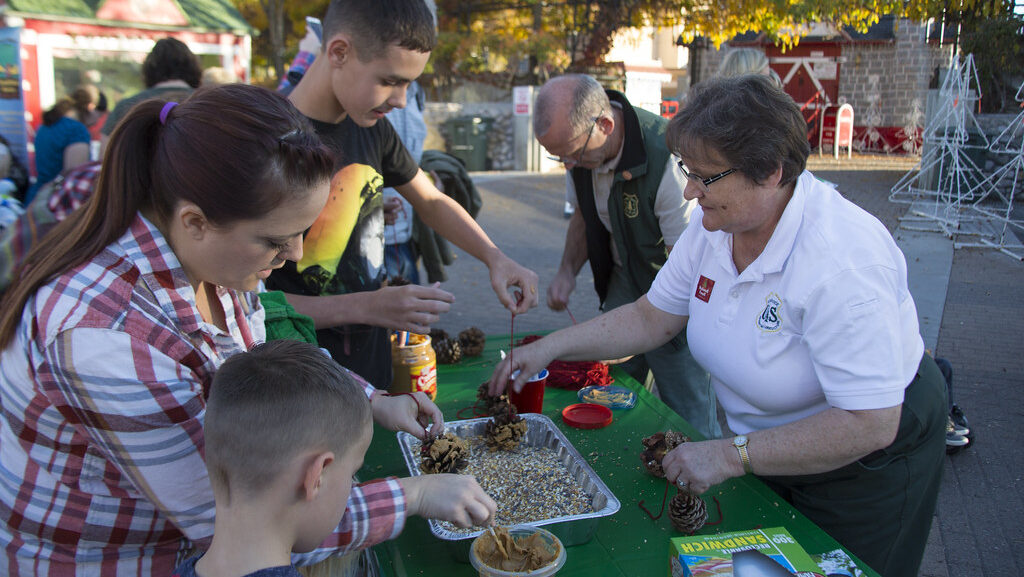
The tradition of feeding birds represents one of our most accessible connections to wildlife, yet our good intentions can have unintended consequences. By understanding the truth about bread and its effects on birds, we can transform this popular activity from potentially harmful to genuinely beneficial. The solution isn’t necessarily to stop feeding birds altogether, but rather to evolve our practices with knowledge and compassion. By offering appropriate foods, respecting natural behaviors, and teaching younger generations about responsible wildlife interaction, we can preserve the joy of connecting with birds while better supporting their health and environmental needs. This balanced approach allows us to maintain meaningful relationships with our feathered neighbors while becoming better stewards of the natural world we share with them.