

In the vast Arctic tundra, where the landscape lies blanketed in snow for much of the year, one magnificent predator has evolved remarkable adaptations that allow it to hunt with deadly efficiency. The snowy owl (Bubo scandiacus), with its striking white plumage and piercing yellow eyes, is not only a symbol of Arctic wilderness but also one of nature’s most perfectly designed silent hunters. Unlike many other owl species that rely on cover of darkness, snowy owls often hunt during daylight hours in the open Arctic, making their ability to approach prey undetected even more crucial. This article explores the fascinating adaptations and hunting techniques that allow these majestic birds to strike their prey with ghostly silence, examining how evolution has crafted one of the most efficient predators of the northern wilderness.
The Evolutionary Origins of Silent Flight
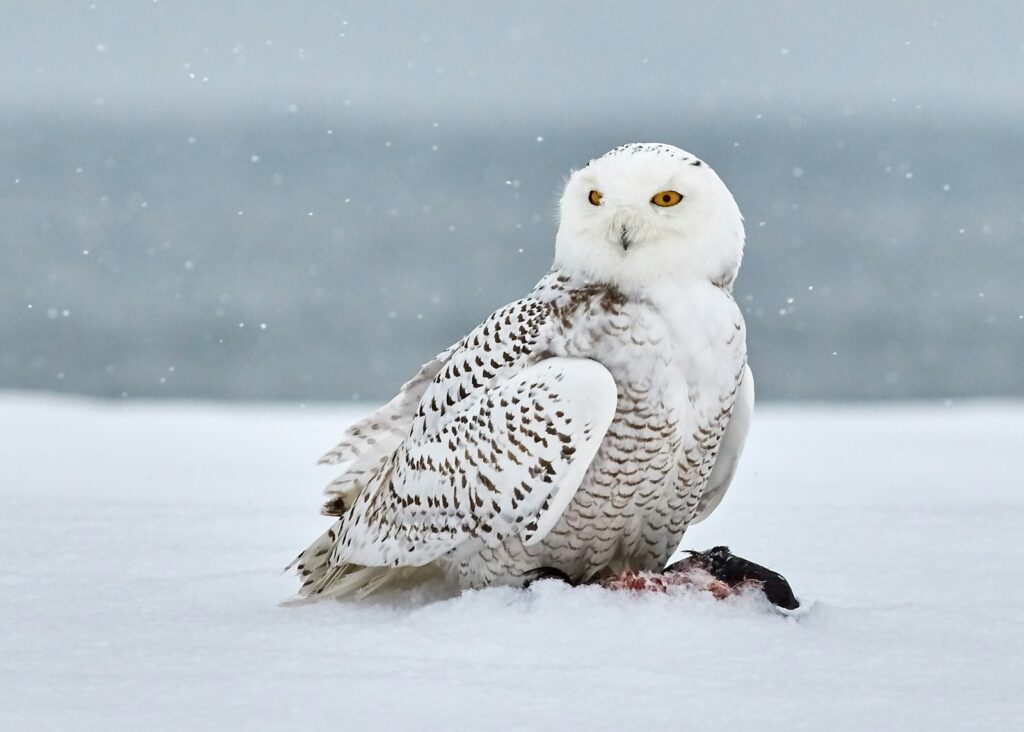
The snowy owl’s silent hunting abilities didn’t develop overnight but rather evolved over millions of years as a response to their unique environment and prey. Unlike forest-dwelling owls that evolved to navigate through dense vegetation, snowy owls adapted to the open expanses of the Arctic tundra where sound travels more easily. The selective pressure to capture prey that could potentially hear them coming from greater distances pushed these birds to develop specialized feather structures not seen in many other bird species. This evolutionary journey began when early owl ancestors gained advantages through mutations that reduced flight noise, allowing them to capture more prey and subsequently pass these beneficial traits to their offspring. Today’s snowy owl represents the pinnacle of this evolutionary process, with multiple adaptations working in concert to create near-perfect acoustic stealth.
The Remarkable Wing Structure
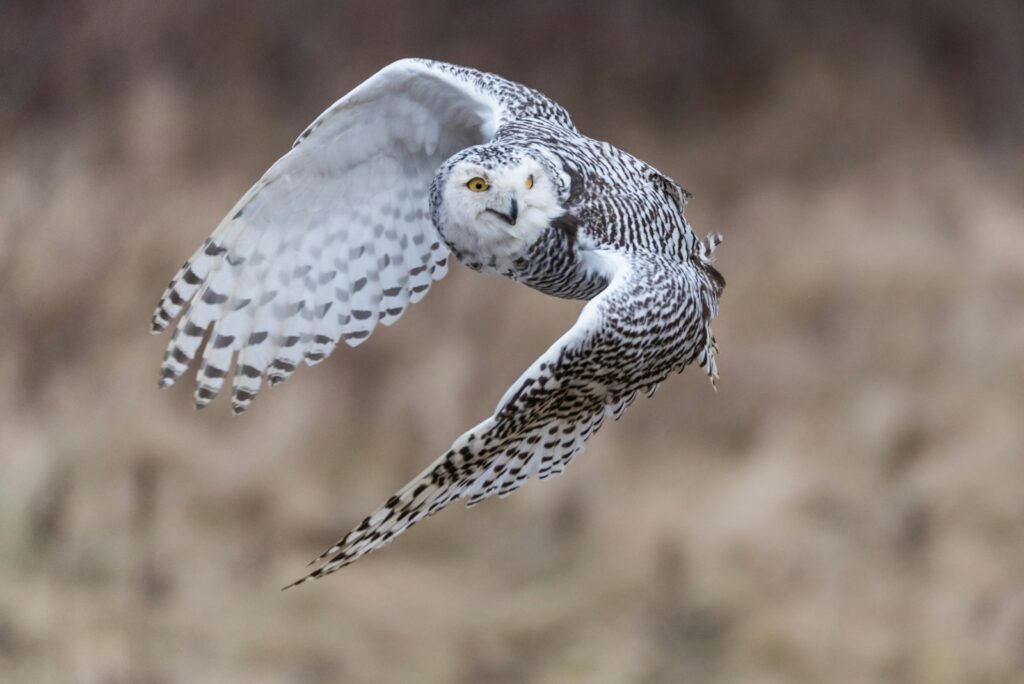
At the heart of the snowy owl’s silent flight lies a specialized wing structure unlike that found in most other birds. The leading edge of their wings features small, comb-like serrations that effectively break up the airflow over the wing surface, significantly reducing the sound of rushing air. These serrations, known as flutings, function similarly to the technology used in modern aircraft designed to reduce noise. Additionally, the trailing edges of their wings have a soft, fringed border that further dampens sound by eliminating the vortices that typically create noise as air passes over a wing. These adaptations, combined with the owl’s relatively large wing surface area compared to its body weight, allow for slower flight speeds without stalling – enabling the bird to glide silently toward unsuspecting prey without the telltale whoosh that alerts potential meals to the presence of other predators.
Specialized Feather Adaptations
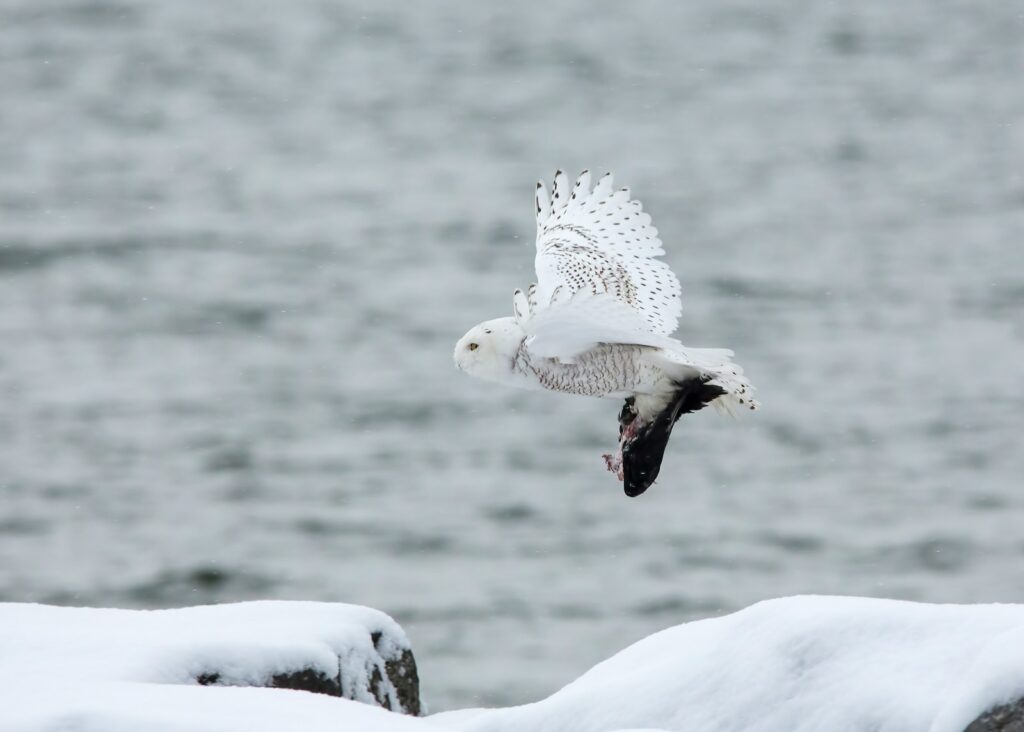
The snowy owl’s feathers represent perhaps the most remarkable adaptation for silent flight, with modifications not found in non-predatory birds. Their primary flight feathers possess a velvety texture on the upper surface that absorbs sound waves rather than reflecting them, much like acoustic panels in a recording studio. Microscopic examination reveals that these feathers contain tiny barbs and hooks that create a soft, brushlike fringe at the edges, eliminating the turbulence that would normally create noise. The owl’s wing coverts – the smaller feathers overlapping the flight feathers – also feature specialized structures that further dampen sound. Even more impressive is that despite these modifications for silence, the feathers maintain their insulating properties, protecting the owl from the harsh Arctic temperatures while it patiently awaits prey.
The Role of Facial Disc Structure
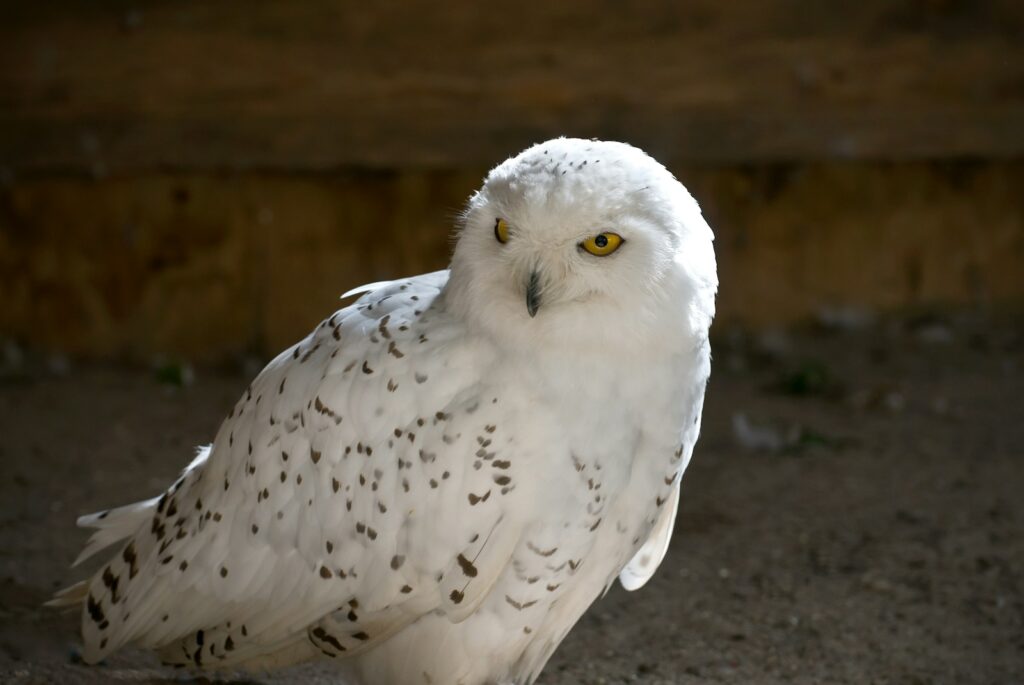
While many focus on the wings when discussing silent flight, the snowy owl’s facial structure plays a crucial role in both hunting success and sound dampening. Their distinctive facial disc – the flat, circular arrangement of feathers surrounding the eyes – functions as a highly effective sound-gathering apparatus, directing even the faintest sounds to their asymmetrically positioned ears. This disc is composed of stiff, densely packed feathers that can be adjusted to focus on sounds with remarkable precision, allowing the owl to pinpoint prey moving beneath snow. Interestingly, the structure of these facial feathers also absorbs the sound of the owl’s own breathing, preventing any noise that might alert prey. The entire facial structure essentially forms a silent radar system that gathers acoustic information while simultaneously minimizing the owl’s own sound signature.
The Physics of Silent Predation
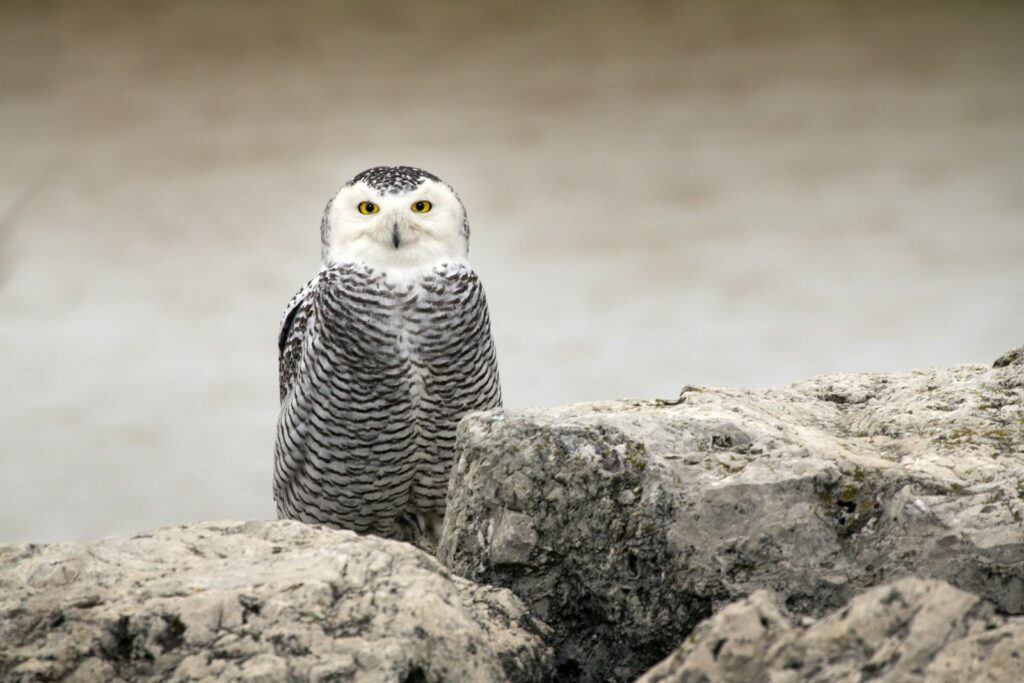
The snowy owl’s silent flight represents a masterclass in applied physics that has fascinated both biologists and aeronautical engineers. The fundamental challenge of creating silent flight involves eliminating three types of noise: the “whoosh” of air over wings, the sound of feathers rubbing against each other, and the turbulence created at wing edges. Snowy owls overcome these challenges through a combination of soft, flexible feather edges that eliminate turbulence, sound-absorbing feather surfaces that dampen noise, and a flight pattern that minimizes wing movement. The physics of this adaptation is so effective that when measured in acoustic chambers, snowy owl flight registers below the threshold of human hearing and, more importantly, below the hearing threshold of their primary prey species. These adaptations demonstrate how evolution can produce solutions to complex physical problems that human engineers still strive to replicate in aircraft design.
Hunting Techniques on the Tundra
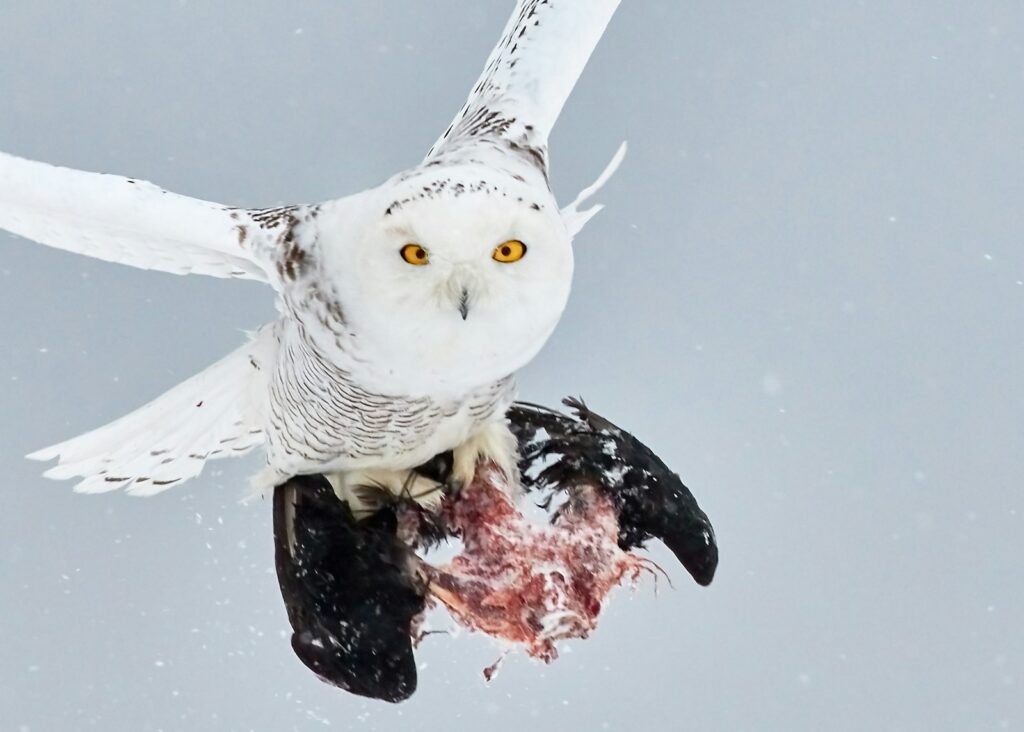
The snowy owl employs a variety of hunting strategies that maximize the advantages provided by its silent flight capabilities. Unlike some predatory birds that rely on high-speed dives, snowy owls often hunt using a patient “sit-and-wait” approach, perching on elevated positions that provide views across the tundra landscape. When prey is spotted, they engage in low, silent gliding flights that keep them just above the ground, using their silent approach to get within striking distance before the prey realizes the danger. Another technique involves quartering flights, where they systematically patrol an area with slow, deliberate wing beats, using both their exceptional vision and hearing to detect prey. During winter months, they’ve developed the remarkable ability to detect lemmings and voles moving beneath up to 10 inches of snow, using their acute hearing to pinpoint the exact location before plunging feet-first through the snow surface in a silent, deadly strike.
The Acoustic Landscape of the Arctic
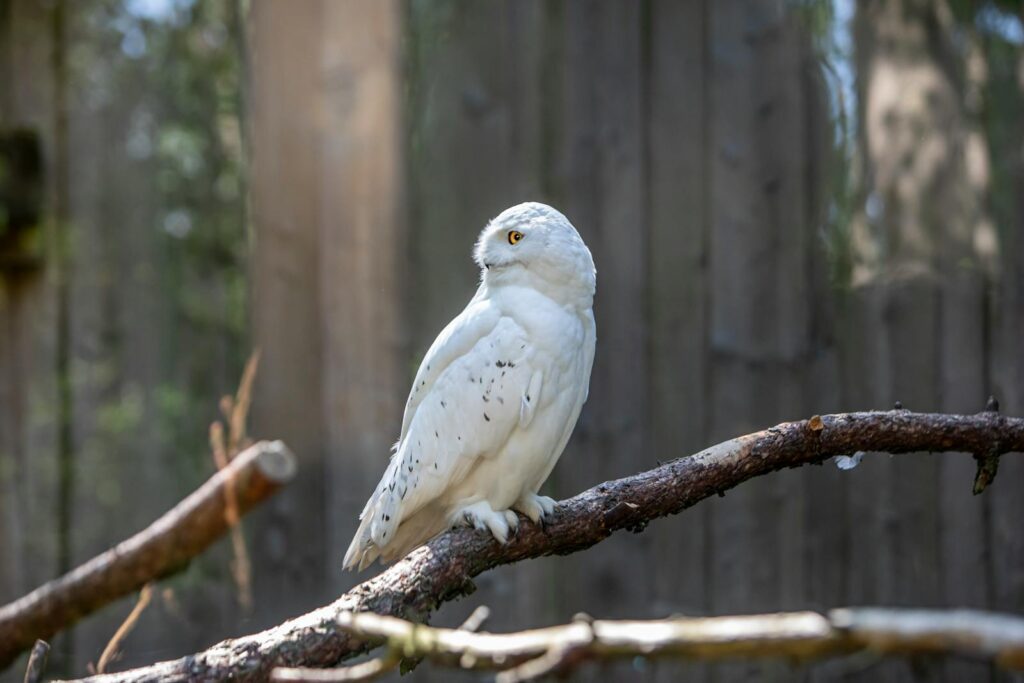
Understanding the snowy owl’s silent hunting requires appreciation of the unique acoustic environment of their Arctic habitat. The tundra represents one of Earth’s most sonically challenging hunting environments due to its openness and lack of sound-absorbing features like forests or dense vegetation. Sound waves travel more efficiently across snow and ice, meaning prey animals can potentially hear predators from much greater distances than in other habitats. Additionally, the relative lack of background noise in this environment makes any sound a potential danger signal for prey species, which have evolved highly sensitive hearing as a defense mechanism. The seasonal variations in the Arctic also present changing acoustic challenges – from the noise-dampening effects of fresh powder snow to the sound-reflecting properties of hard-packed ice surfaces – requiring the snowy owl to maintain its acoustic stealth advantage across dramatically different conditions.
Comparison with Other Owl Species
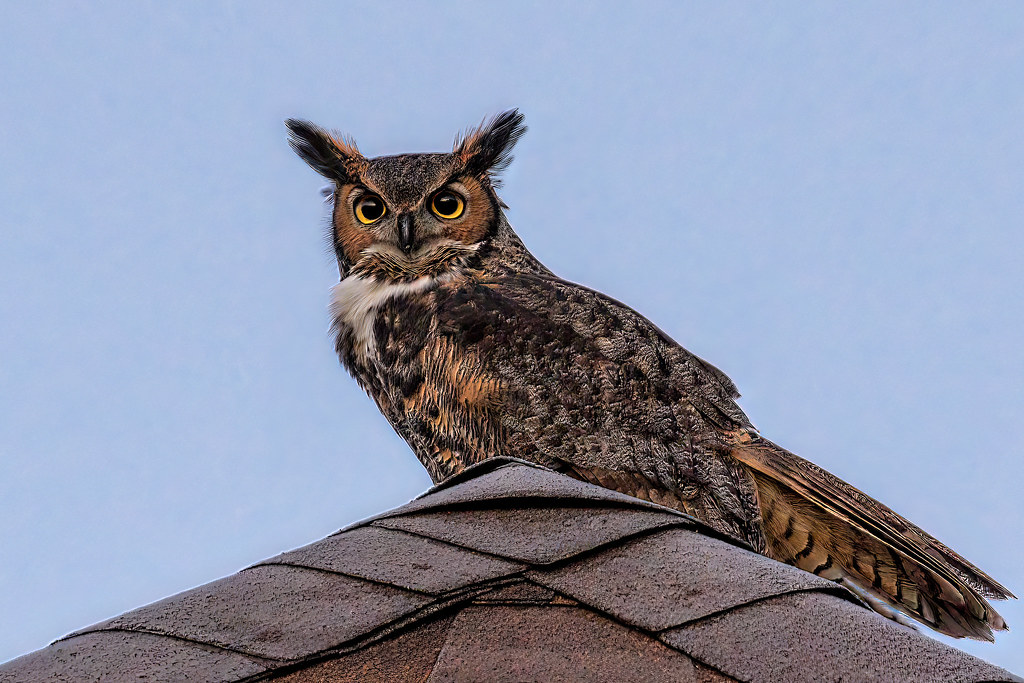
While all owls possess some adaptations for quiet flight, the snowy owl has developed these features to an extraordinary degree compared to its woodland relatives. Forest-dwelling species like the great horned owl (Bubo virginianus) benefit from environmental factors that help mask their approach, such as wind rustling through leaves or the ambient sounds of the forest. The snowy owl, conversely, hunts in an environment with minimal natural sound cover, necessitating near-perfect silence. Tropical owl species typically have shorter, more rounded wings adapted for maneuvering through dense vegetation, while the snowy owl’s longer, broader wings are specialized for silent gliding across open terrain. Even among other Arctic predators, the snowy owl stands out – gyrfalcons, while superbly adapted aerial hunters, produce significantly more noise during flight due to their high-speed hunting strategy rather than the stealth approach used by snowy owls.
The Impact of Climate Change on Hunting Success
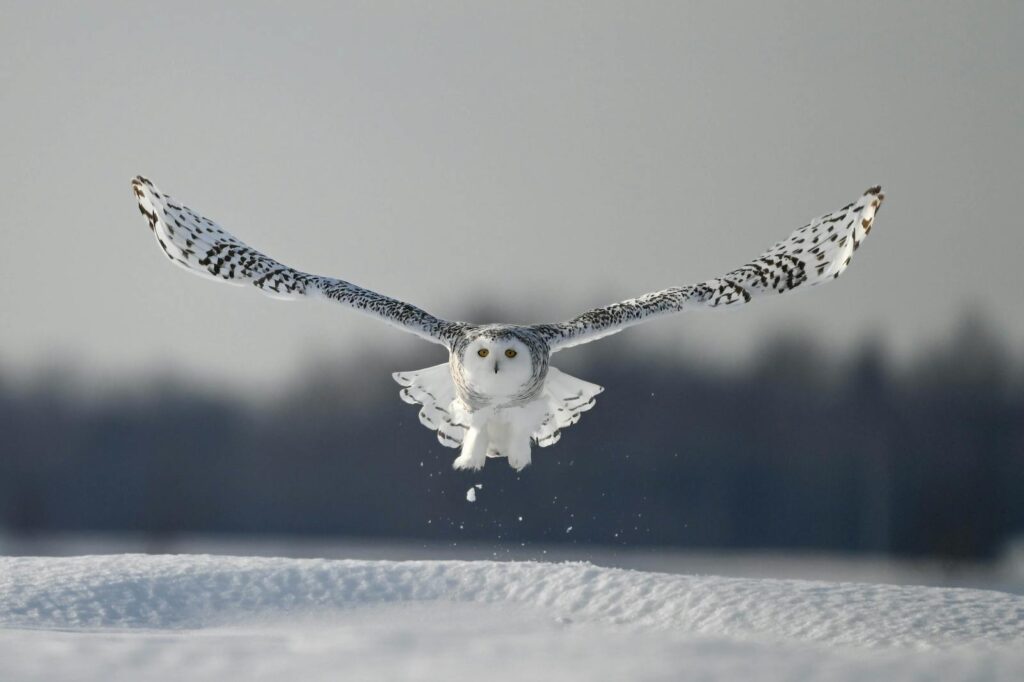
The specialized hunting adaptations of the snowy owl face new challenges as climate change alters their Arctic habitat. Rising temperatures are changing snow conditions across the tundra, potentially affecting how sound travels in this environment and how effectively owls can detect prey beneath snow layers. The changing dynamics of freeze-thaw cycles create varying snow crusts that can produce more noise when owls attempt to break through to capture prey moving underneath. Additionally, changing climate patterns are affecting lemming population cycles – the owl’s primary prey – potentially forcing them to adapt their hunting techniques for different prey species that may be more acoustically aware or faster-moving. These environmental changes present a significant test of the snowy owl’s adaptability, as hunting strategies refined over millennia may need to evolve rapidly in response to unprecedented habitat transformations occurring within decades rather than evolutionary timescales.
Technological Inspiration from Owl Acoustics
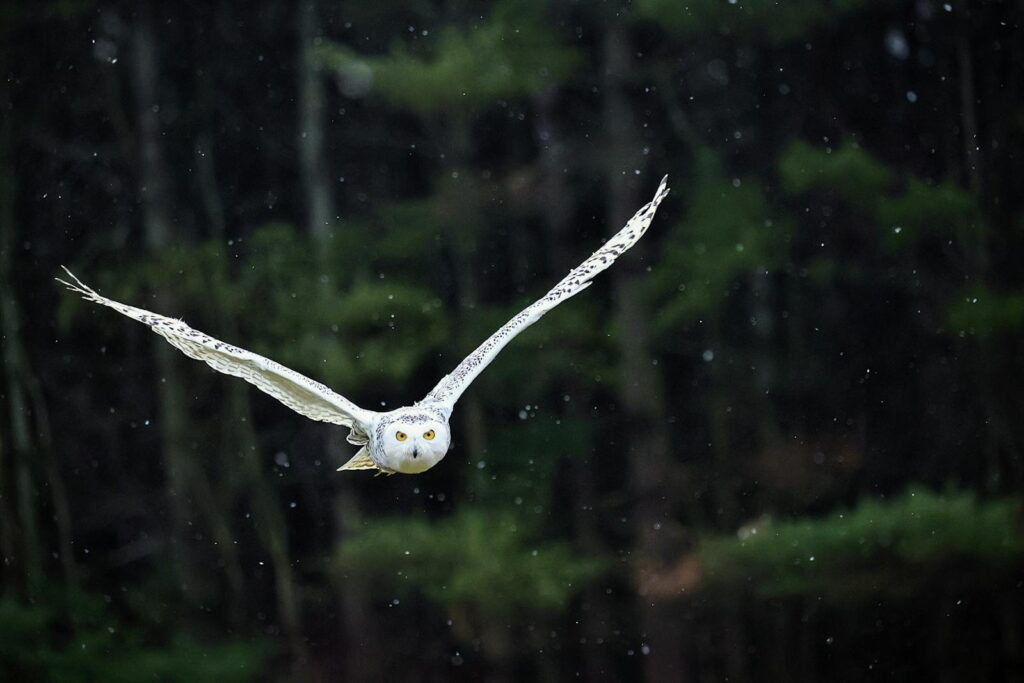
The snowy owl’s remarkable silent flight has not gone unnoticed by human engineers seeking to develop quieter technologies. Aerospace designers have studied owl wing structures to develop noise-reduction technologies for aircraft, particularly focusing on the leading-edge serrations and trailing-edge fringes that could be adapted for airplane wings and wind turbine blades. Biomimetic research has led to the development of prototype “owl-inspired” fan blades that reduce noise in cooling systems by incorporating serrated edges similar to those found on owl wings. Acoustic engineers have also examined the sound-absorbing properties of owl feathers to create more effective noise-cancellation materials for various applications, from architectural acoustics to household appliances. This growing field of biologically-inspired design demonstrates how the snowy owl’s evolutionary adaptations may help solve human technological challenges while highlighting the sophisticated engineering already present in nature.
Training and Development of Hunting Skills
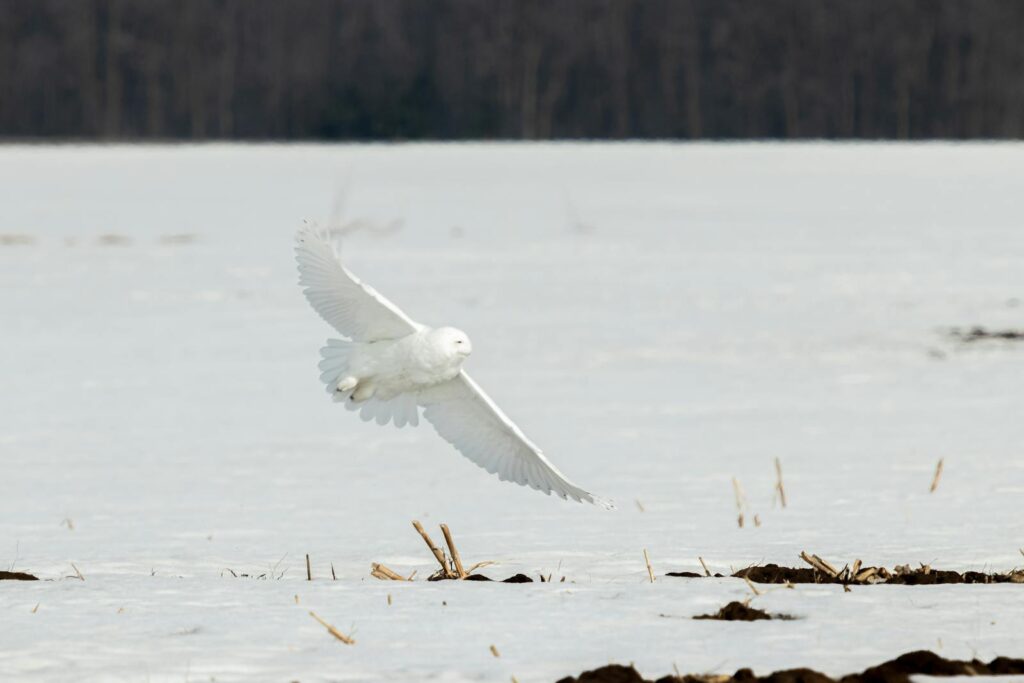
Young snowy owls must develop their silent hunting prowess through a combination of instinct and practice, with juvenile birds gradually refining their techniques. The development begins while still in the nest, where owlets engage in play behavior that helps develop the muscle coordination needed for silent flight. After fledging, young owls spend several months honing their skills through practice flights and hunting attempts, often achieving only partial success until their techniques are perfected. Researchers have observed that juvenile owls produce more noise during flight than adults, gradually achieving the characteristic silence as their feathers mature and they master the precise wing movements required. This learning period is critical, as young owls that fail to master silent hunting techniques face significantly reduced hunting success rates, particularly during their first winter when food resources may be scarce and competition intense.
The Role of Hearing in the Predator-Prey Relationship

The evolutionary arms race between the snowy owl’s silent flight and its prey’s auditory defenses represents one of nature’s most fascinating examples of predator-prey coevolution. Small Arctic mammals, particularly lemmings and voles, have developed extraordinarily sensitive hearing that can detect predators from considerable distances, creating selective pressure for owls to become increasingly silent. These small mammals can detect sounds at frequencies beyond human hearing range and can perceive minute changes in their acoustic environment. To counter this, snowy owls have evolved flight feathers that produce sounds at frequencies below what their prey can detect, essentially becoming “acoustically invisible” to their targets. This evolutionary balance demonstrates how sensory adaptations on both sides have been refined over thousands of generations, with slight advantages in either direction potentially meaning the difference between successful hunting and starvation for the owl, or between survival and predation for its prey.
Conservation Implications and Future Research
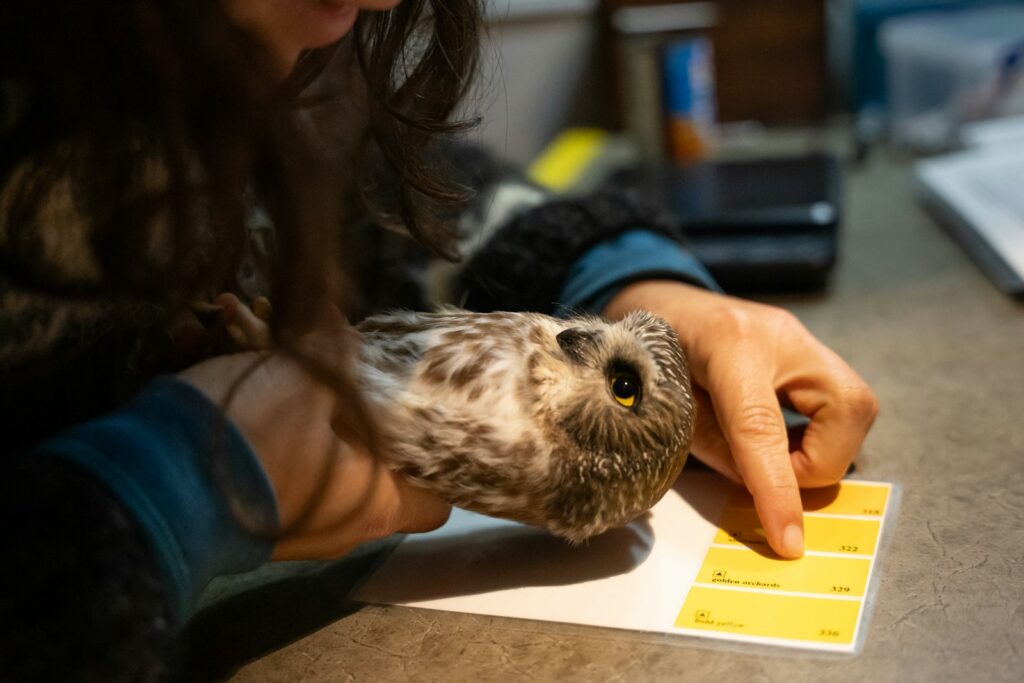
Preserving the snowy owl’s specialized hunting adaptations requires concerted conservation efforts focused on maintaining the integrity of Arctic ecosystems. Climate change represents perhaps the greatest threat to these specialized hunters, as warming temperatures alter prey availability, snow conditions, and potentially the acoustic properties of their hunting grounds. Researchers are now employing advanced recording technologies and acoustic analysis to better understand exactly how silent these birds truly are and how their hunting success correlates with environmental conditions. Conservation strategies must consider not just the owl itself but the entire acoustic ecosystem upon which its hunting strategy depends. Future research directions include investigating how artificial light and noise pollution from increasing human activity in the Arctic might affect hunting success, as well as how the snowy owl’s specialized adaptations might help it adapt to or be hindered by rapidly changing environmental conditions in one of Earth’s most rapidly transforming biomes.
Conclusion
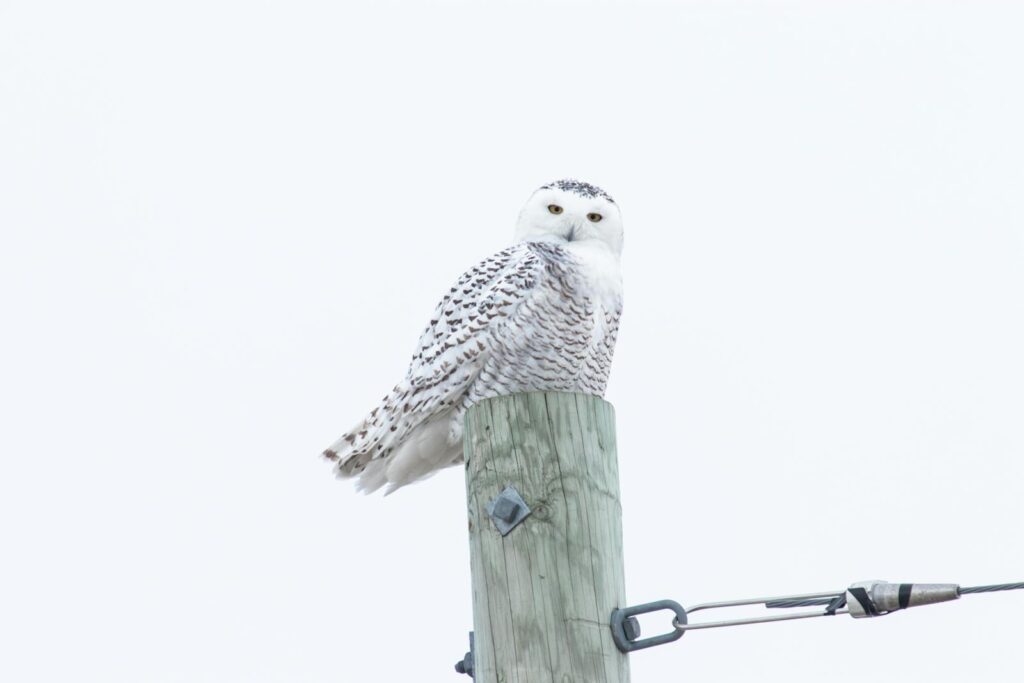
The snowy owl’s mastery of silent flight represents one of nature’s most elegant solutions to the challenge of hunting in an open, sound-transmitting environment. Through millions of years of evolution, these magnificent birds have developed a suite of specialized adaptations – from unique feather structures to precision hunting techniques – that allow them to approach prey virtually undetected. As climate change and human development increasingly impact Arctic ecosystems, the fate of these specialized hunters hangs in the balance. By understanding and appreciating the remarkable acoustic engineering that allows snowy owls to hunt in silence, we gain not only insight into one of nature’s most effective predators but also perspective on the delicate evolutionary balance that shapes survival strategies in challenging environments. The snowy owl’s secret to silent hunting reminds us that in nature, sometimes the most powerful adaptations are those we cannot hear.