
In the vast tapestry of avian diversity, few sights captivate birdwatchers and ornithologists more than an albino bird. These ghostly apparitions—feathered beings lacking the pigment melanin—represent some of nature’s most extraordinary genetic anomalies. While albinism occurs across various animal species, its manifestation in birds creates particularly striking specimens that stand out dramatically against their normally-colored counterparts. This article explores the most exceptional documented cases of albino birds throughout history, examining both the biological phenomena behind these rare mutations and the specific documented sightings that have left observers in awe. From remote wilderness areas to suburban backyards, these pale phantoms of the bird world provide fascinating glimpses into genetic variation and the precarious lives these uniquely vulnerable creatures lead.
Understanding Avian Albinism: A Genetic Anomaly
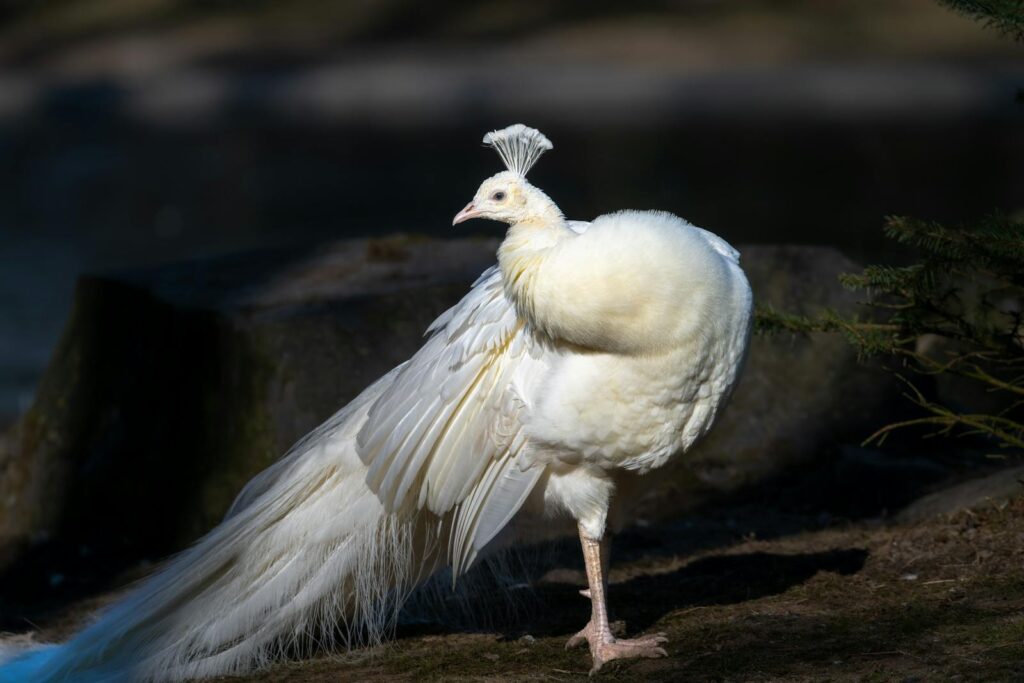
Avian albinism results from a genetic mutation that prevents birds from producing melanin, the pigment responsible for normal coloration in feathers, eyes, and skin. True albinism is characterized by a complete absence of melanin, resulting in white feathers and pink or red eyes, though partial albinism (leucism) is more common and allows for some pigmentation. This condition occurs in approximately 1 in 1,800 birds across various species, making a true albino bird exceptionally rare in wild populations. Beyond their striking appearance, albino birds face numerous survival challenges—their conspicuous coloration makes them vulnerable to predators, while lacking melanin in their eyes often results in poor vision and potential blindness. Additionally, their feathers, without the strengthening properties of melanin, tend to wear more quickly and provide less effective insulation against environmental elements.
The Ghostly White Raven of Vancouver Island
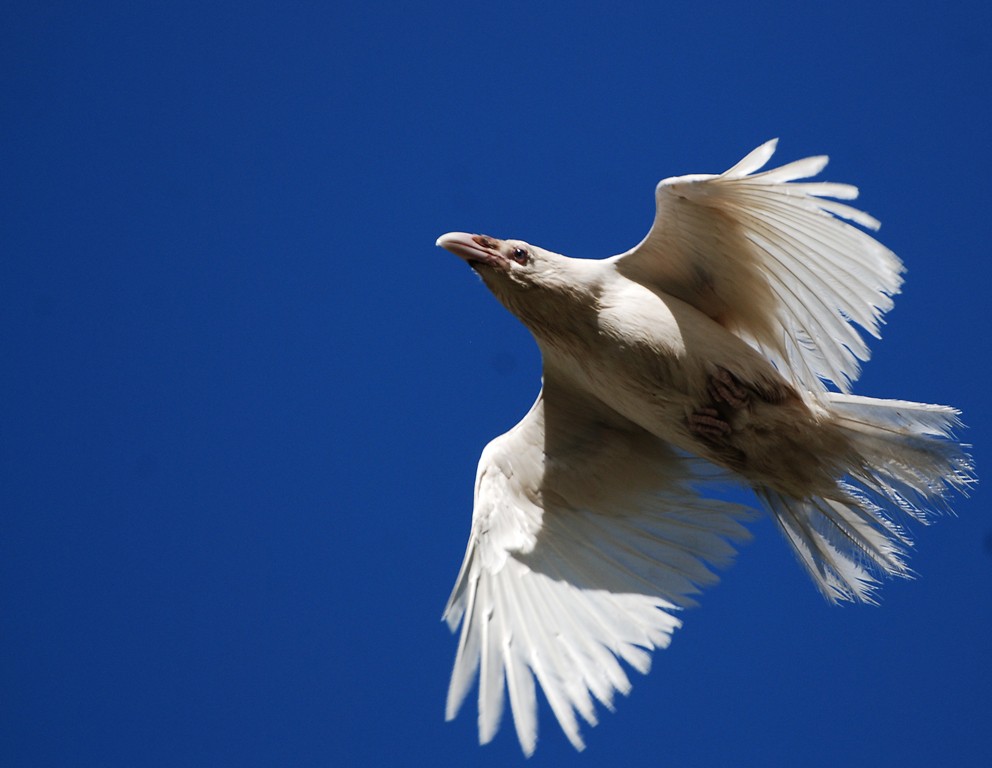
Perhaps one of the most mythical albino bird sightings involves the white ravens of Vancouver Island, British Columbia. Unlike most isolated albino sightings, these white ravens have appeared repeatedly in the Qualicum Beach area since the early 1990s, suggesting a recessive gene in the local raven population. The most famous documentation occurred in 2007, when wildlife photographer Mike Yip captured stunning images of a pure white raven with striking pink eyes displaying classic corvid intelligence and behavior. Local Salish tribes consider these white ravens sacred messengers, adding cultural significance to their biological rarity. What makes these sightings particularly remarkable is that multiple white ravens have been documented in the same region over decades, defying the typically low survival rates of albino birds in the wild.
The Alabaster Peacock of Rajasthan’s Royal Gardens
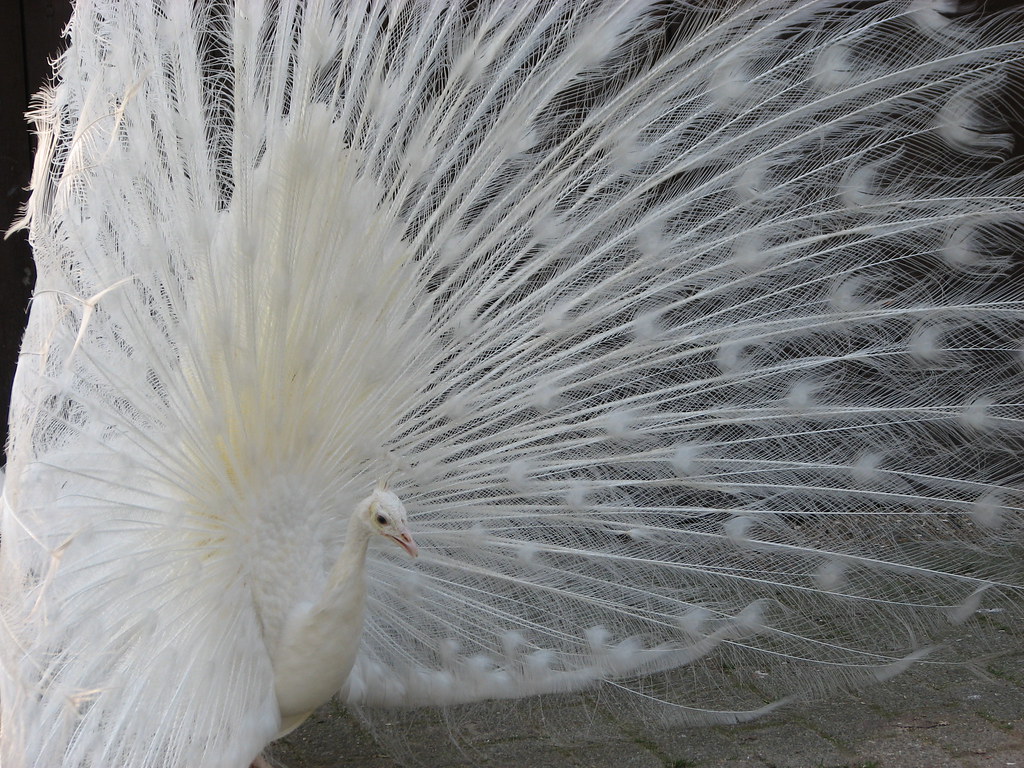
In 2010, caretakers at the Jaipur Palace in Rajasthan, India, were astonished to discover an entirely white peacock hatched among a normal clutch. Unlike leucistic peacocks (which have white feathers but normal eye coloration), this specimen displayed the characteristic red eyes of true albinism, making it one of the rarest documented cases in this species. Palace records indicate this was only the third such albino peacock in over 300 years of the royal peacock breeding program, highlighting the extreme rarity of the condition. The bird became known as “Śveta Mayūra” (White Peacock) and lived for seven years under protected conditions within the palace grounds. Its tail displays were particularly breathtaking, as the intricate eye-spot patterns normally seen in peacock feathers appeared as ghost-like transparent structures that caught the light in spectacular ways.
The Pale Penguin: Antarctica’s White Emperor

In 2012, wildlife photographer David Stephens documented what many experts consider the most remarkable albino bird sighting of the decade—a fully albino Emperor penguin amid a colony in Antarctica’s Ross Sea region. The adult penguin, standing approximately 4 feet tall, displayed completely white plumage without the characteristic black back and head markings typical of its species. Scientists from the British Antarctic Survey confirmed this as one of only three documented cases of complete albinism in Emperor penguins since expedition records began. What makes this case particularly fascinating is that the penguin had survived to adulthood despite the harsh Antarctic conditions and the social nature of penguin colonies, which typically rely on consistent markings for recognition. Researchers theorized that the bird’s large size and the less predator-rich environment of Antarctica may have contributed to its unusual longevity despite its conspicuous appearance.
The Spectral Hummingbird of Ecuador
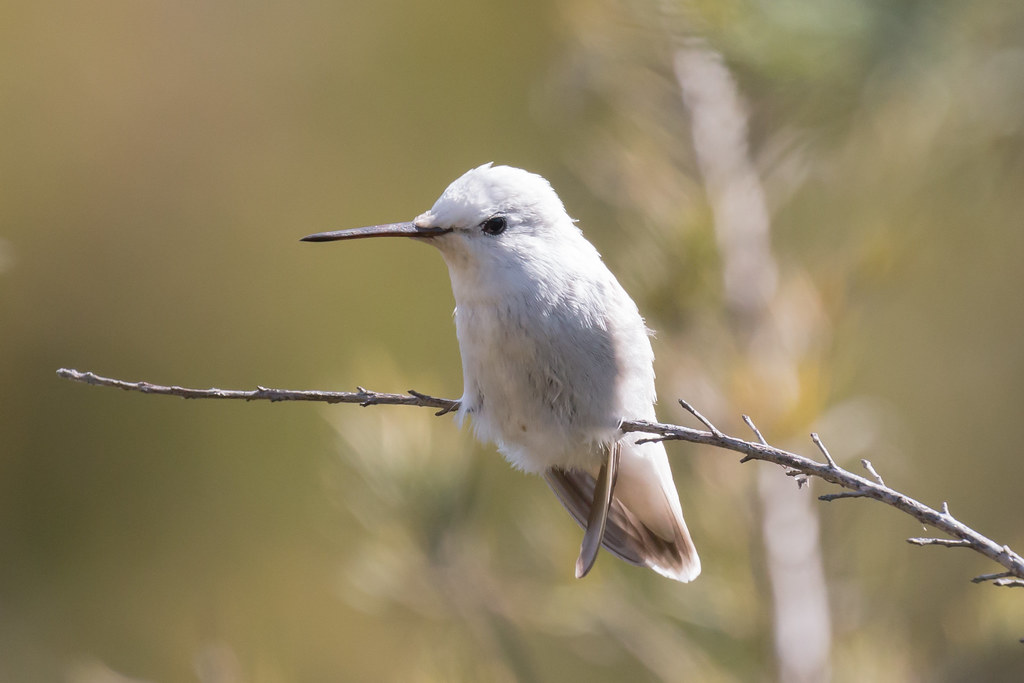
In the cloud forests of Ecuador’s Mindo Valley, ornithologist Carlos Moreno documented what remains the only confirmed case of a true albino hummingbird in 2015. The specimen, believed to be an albino Violet-tailed Sylph (Aglaiocercus coelestis), appeared as a tiny white sprite hovering among flowering plants, its wings moving too fast for human eyes to track as with all hummingbirds. The bird’s red eyes and white plumage were particularly striking against the green backdrop of the forest, making it appear almost supernatural to observers. Remarkably, Moreno was able to document the bird for three consecutive days, observing that it maintained normal feeding patterns despite its condition. The sighting is considered especially rare because hummingbirds, with their high metabolism and need for precise flight capabilities, would typically be severely disadvantaged by the visual impairments associated with albinism.
The Pale Hunter: An Albino Peregrine Falcon
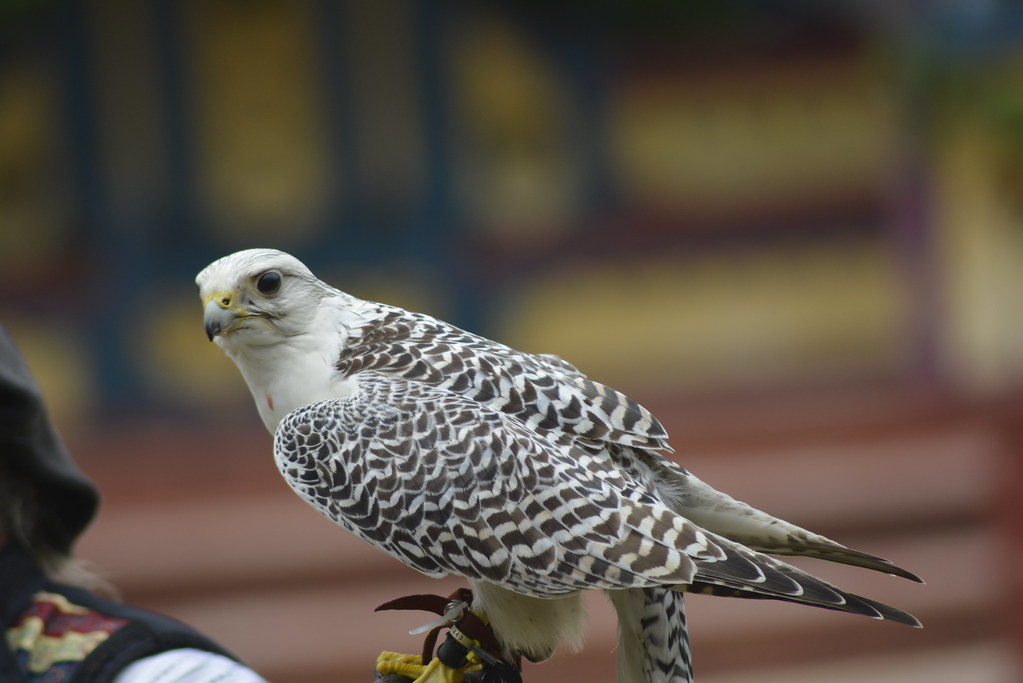
In 2008, wildlife officials in Northern Scotland documented what many consider the most improbable albino bird survival story—a fully mature albino Peregrine falcon. Peregrines, renowned as the fastest animals on Earth when diving at speeds exceeding 200 mph, rely heavily on precise vision and camouflage for hunting and survival. The bird was first spotted by ranger Keith Brockie, who managed to photograph the white falcon perched on coastal cliffs near Aberdeen. Analysis of the images confirmed true albinism with characteristic red eyes, making experts question how the bird had survived to maturity given the visual limitations albinism would impose on a hunting species. Local monitoring suggested the falcon had adapted its hunting style to rely more on surprise from below rather than the typical high-speed dives from above, demonstrating remarkable behavioral adaptation to compensate for its genetic condition.
The White Kiwi: New Zealand’s National Treasure
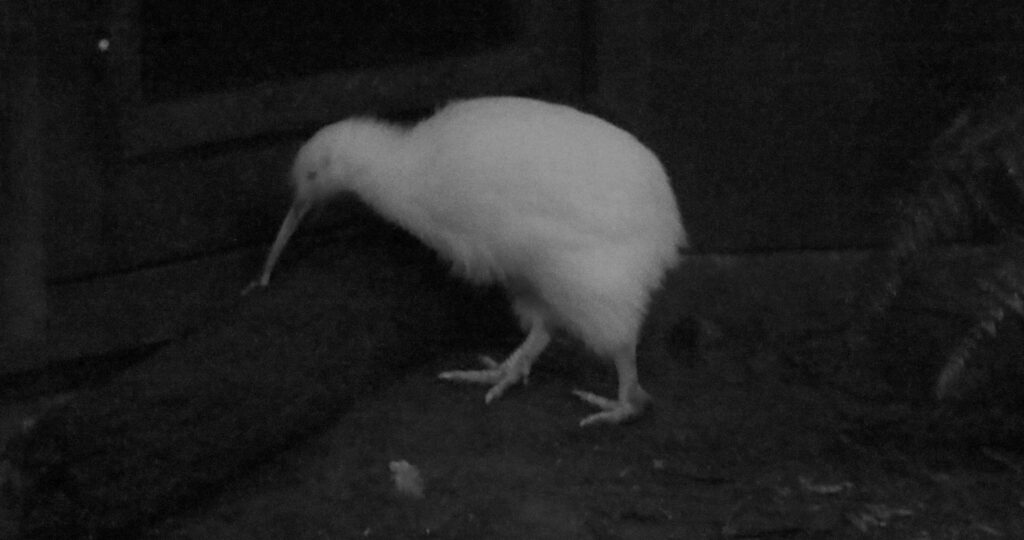
New Zealand witnessed a wildlife sensation in 2011 with the hatching of Manukura, a pure white kiwi at the Pūkaha National Wildlife Centre. Unlike many albino birds, Manukura’s condition was technically leucism rather than true albinism, as she retained dark eyes instead of the pink eyes characteristic of complete albinism. Nevertheless, her pure white plumage made her the first white kiwi ever hatched in captivity and only the third documented in New Zealand’s history. For the indigenous Māori people, her appearance held significant cultural meaning, with her name translating to “of chiefly status,” reflecting the belief that she was a messenger bringing a new era of environmental harmony. Manukura lived for ten years, significantly longer than most albino birds in the wild would survive, allowing thousands of visitors to witness this rare genetic variation in New Zealand’s iconic flightless bird.
The Alabaster Cardinal of Central Park
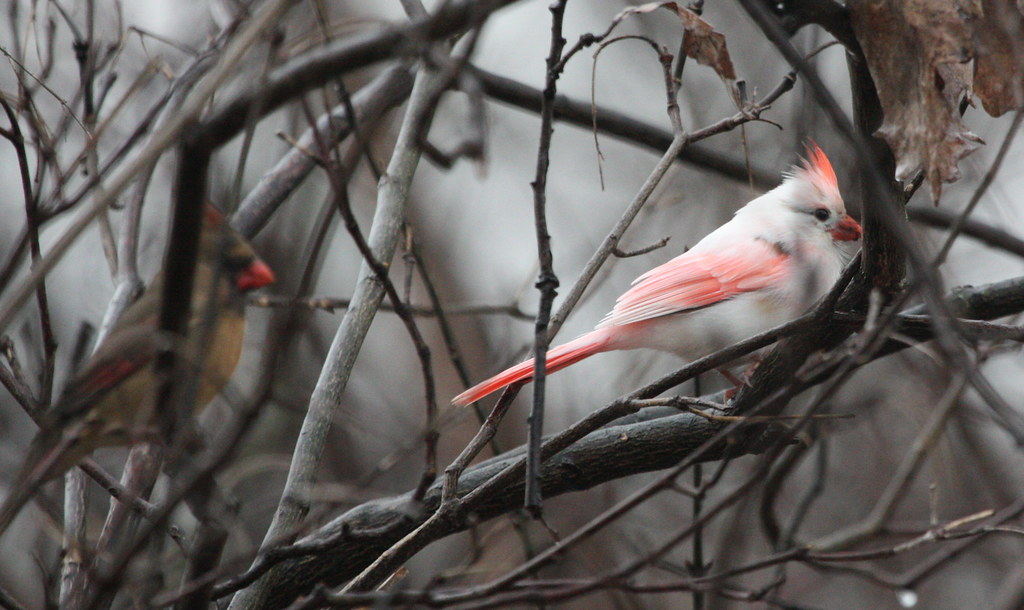
One of the most well-documented urban albino bird sightings occurred in New York City’s Central Park in 2014, when an albino Northern Cardinal became a sensation among the city’s birdwatching community. The stark white bird with red eyes stood in dramatic contrast to the typical brilliant red plumage of male cardinals, creating an almost surreal appearance against the park’s greenery. For nearly six months, the bird maintained a regular territory near the Ramble area of the park, allowing hundreds of photographers and birders to document its existence. Urban ornithologists noted that the bird’s survival in a city environment might have been aided by reduced natural predator pressure and the supplemental feeding it received from park visitors. The Central Park Albino Cardinal, as it became known, demonstrated how even in highly urbanized environments, these rare genetic anomalies can occasionally find sufficient protection to survive longer than they might in wilderness settings.
The Ghost Owl: Albino Barn Owl in England
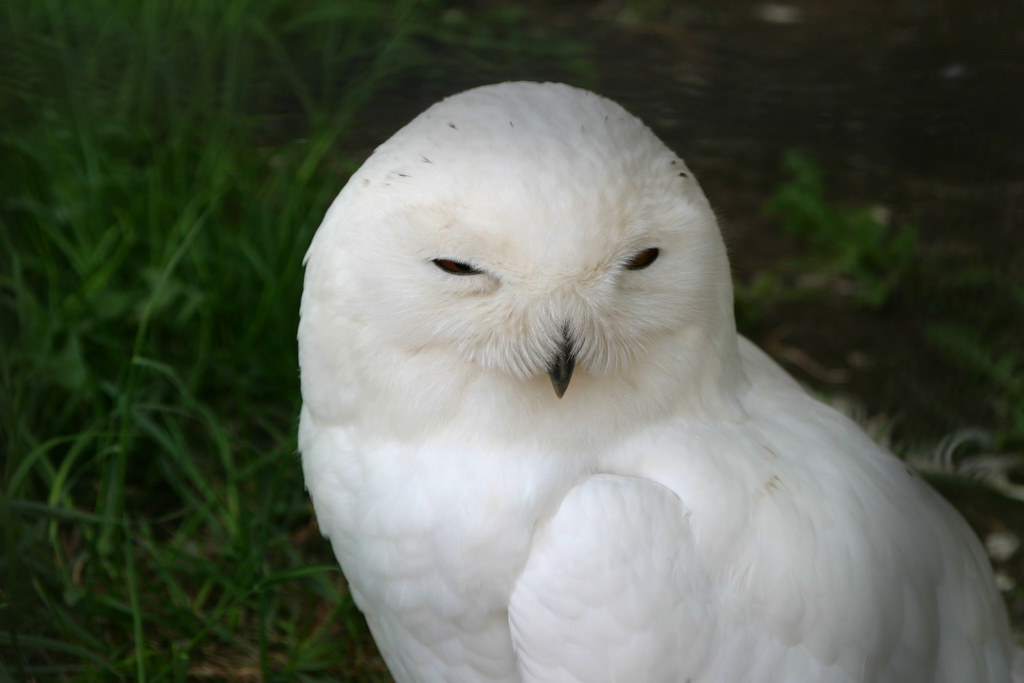
In rural Suffolk, England, wildlife photographer Mark Bridger captured extraordinary images of what appeared to be a floating white ghost in 2017—an albino Barn Owl hunting over meadowlands at dusk. While Barn Owls are naturally pale in coloration, this specimen lacked any of the characteristic buff or gray markings, displaying pure white plumage and pink-red eyes that glowed eerily in Bridger’s camera flash. Ornithologists from the British Trust for Ornithology confirmed this as only the second documented case of complete albinism in European Barn Owls in the last century. What made this sighting particularly significant was that the owl appeared to be successfully hunting despite the vision impairments typically associated with avian albinism. Researchers theorized that the owl’s highly developed hearing, which barn owls rely on heavily for hunting, may have compensated for any visual deficiencies caused by its albinism.
The White Ibis of the Everglades: A Case of Increasing Albinism
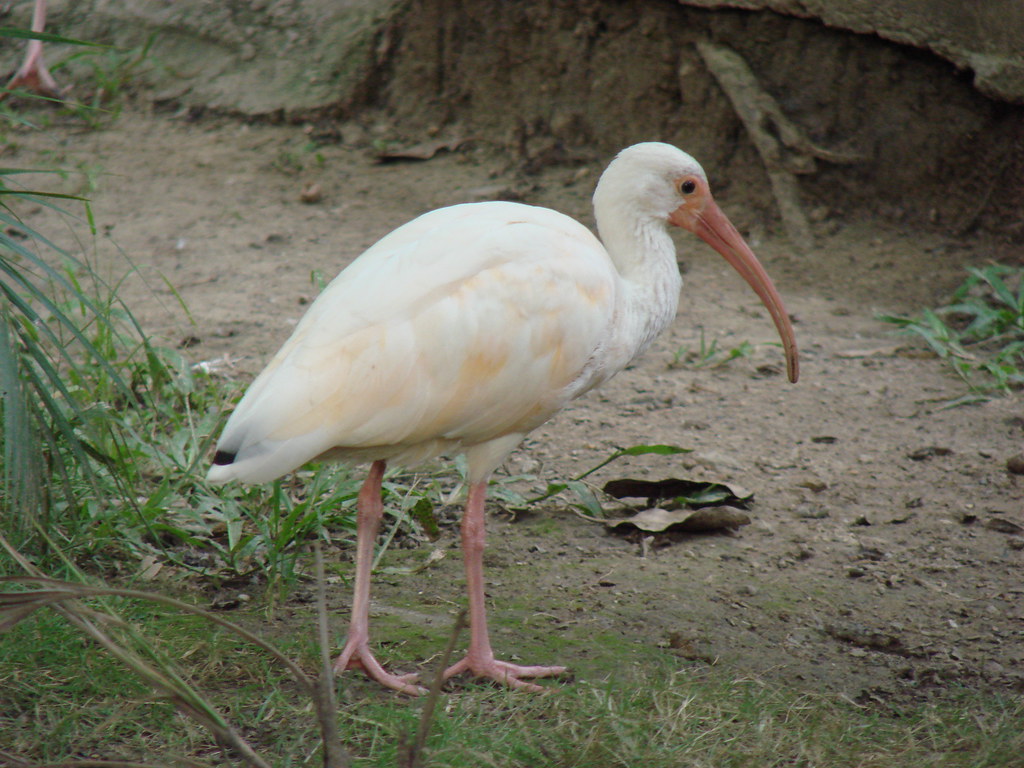
While individual albino birds are exceedingly rare, researchers at the University of Florida documented a troubling trend in the Everglades ecosystem between 2015 and 2018—an unusually high incidence of albinism and partial albinism in White Ibis populations. Though White Ibises are normally white-bodied with black wingtips and faces, researchers documented over two dozen birds showing signs of complete albinism, lacking all pigmentation including in their normally black wing feathers and facial skin. This cluster of cases prompted environmental toxicologists to investigate potential environmental contaminants that might be disrupting melanin production on a population level. Their research ultimately linked the increased albinism rates to mercury contamination in the wetlands, which interfered with the birds’ ability to produce normal pigmentation. This case represents one of the few documented instances where albinism in birds served as a biological indicator of environmental degradation, demonstrating how these rare genetic expressions can sometimes signal broader ecological issues.
The Snow-White Crow of Tokyo
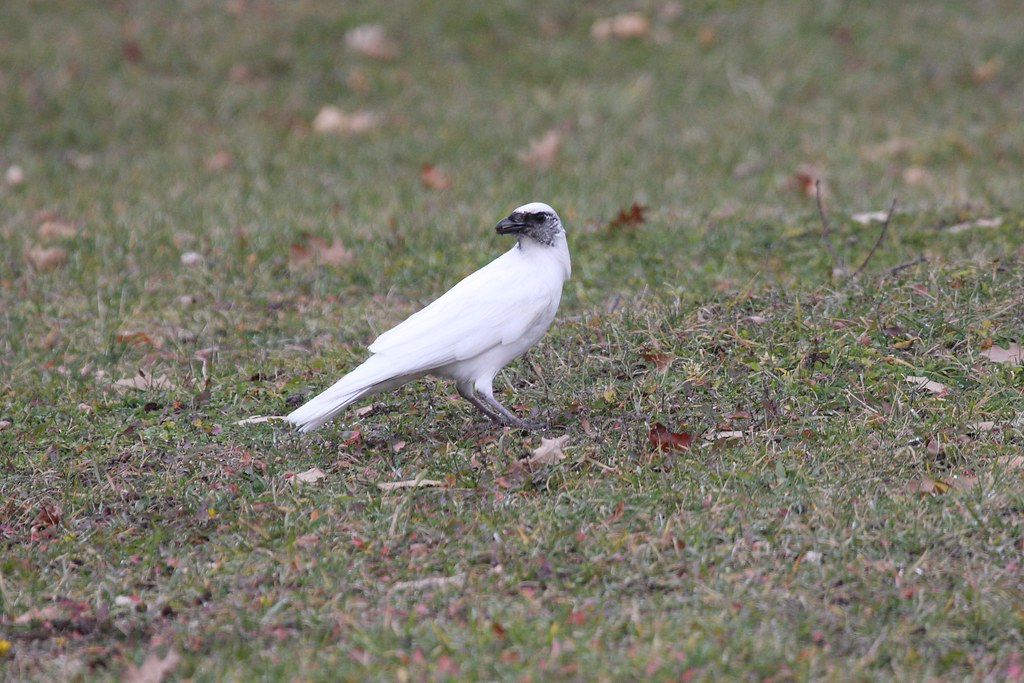
In the bustling Yoyogi Park of Tokyo, Japan, an albino crow became something of an urban legend between 2016 and 2019. Crows, with their deep black plumage, make particularly striking albinos, and this specimen became known locally as “Shiroi Karasu” (White Crow), attracting regular crowds of photographers and nature enthusiasts. Japanese culture traditionally views white crows as mystical creatures, sometimes associated with the Shinto deity Yatagarasu, giving this bird particular cultural significance beyond its biological rarity. Urban wildlife researchers from Tokyo University monitored the crow for three years, noting that it had integrated successfully into a normal crow murder and displayed typical crow intelligence despite its condition. The researchers documented how the bird had adapted to urban living by becoming primarily nocturnal, likely reducing its visibility to potential predators and demonstrating the remarkable behavioral plasticity that may help some albino birds survive despite their conspicuous appearance.
The Spectral Pelican of Lake Nakuru

Kenya’s Lake Nakuru National Park, famous for its flamingo populations, witnessed an extraordinary sight in 2013 when wildlife guides documented a fully albino Great White Pelican among the thousands of normal birds at the lake. Despite the species name suggesting white coloration, Great White Pelicans normally have black primary feathers and colored facial skin, making this completely white specimen with pink eyes immediately noticeable even among its pale counterparts. Kenyan Wildlife Service researchers estimated the bird to be approximately four years old based on its size and behavior, making it an unusually successful example of an albino bird surviving to maturity. The lake’s abundant food resources and the pelican’s social feeding strategy within large groups may have contributed to its survival despite the disadvantages of its condition. The “Ghost Pelican,” as it became known among local guides, was documented periodically for nearly two years before disappearing from sightings.
Challenges and Conservation Implications of Albino Birds
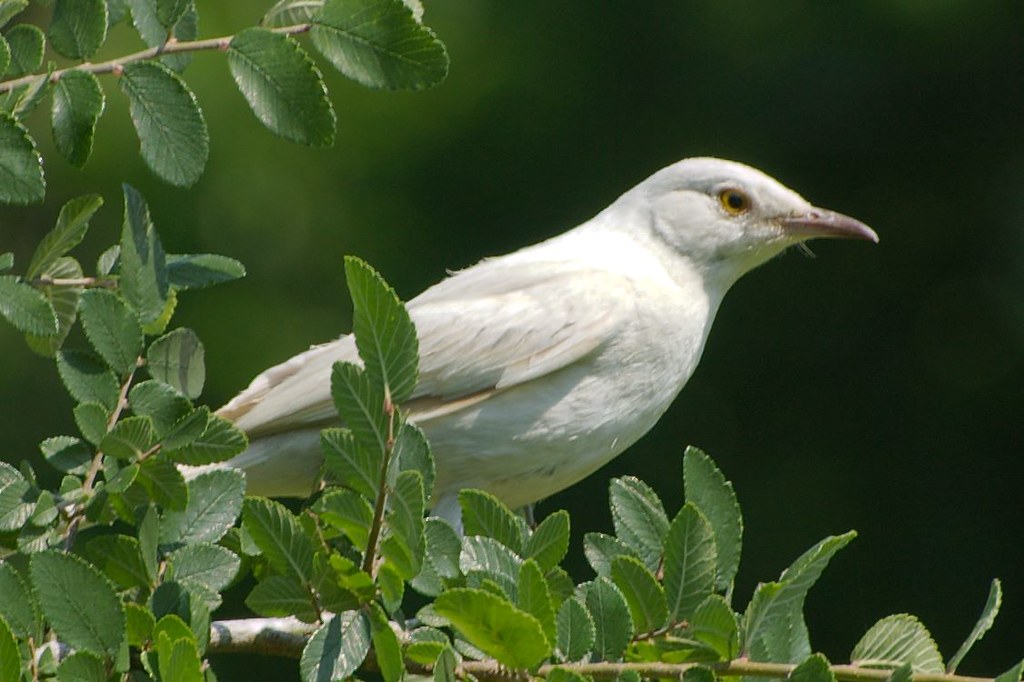
The documentation of albino birds carries significant conservation implications beyond their status as biological curiosities. Researchers have identified that increasing frequencies of albinism in bird populations can serve as early warning signs of environmental stress, including exposure to agricultural chemicals, heavy metals, or radiation that may disrupt normal gene expression or pigment production. Additionally, studying the rare cases where albino birds survive to adulthood provides valuable insights into behavioral adaptations that overcome seemingly insurmountable disadvantages. Conservation programs focused on endangered species now routinely monitor for abnormal coloration as potential indicators of genetic bottlenecks or environmental contamination affecting breeding populations. While albino individuals themselves rarely contribute to breeding populations due to their typically shortened lifespans and vision impairments, their documentation offers a unique window into both environmental health and the extraordinary adaptability of birds facing significant biological challenges.
Conclusion
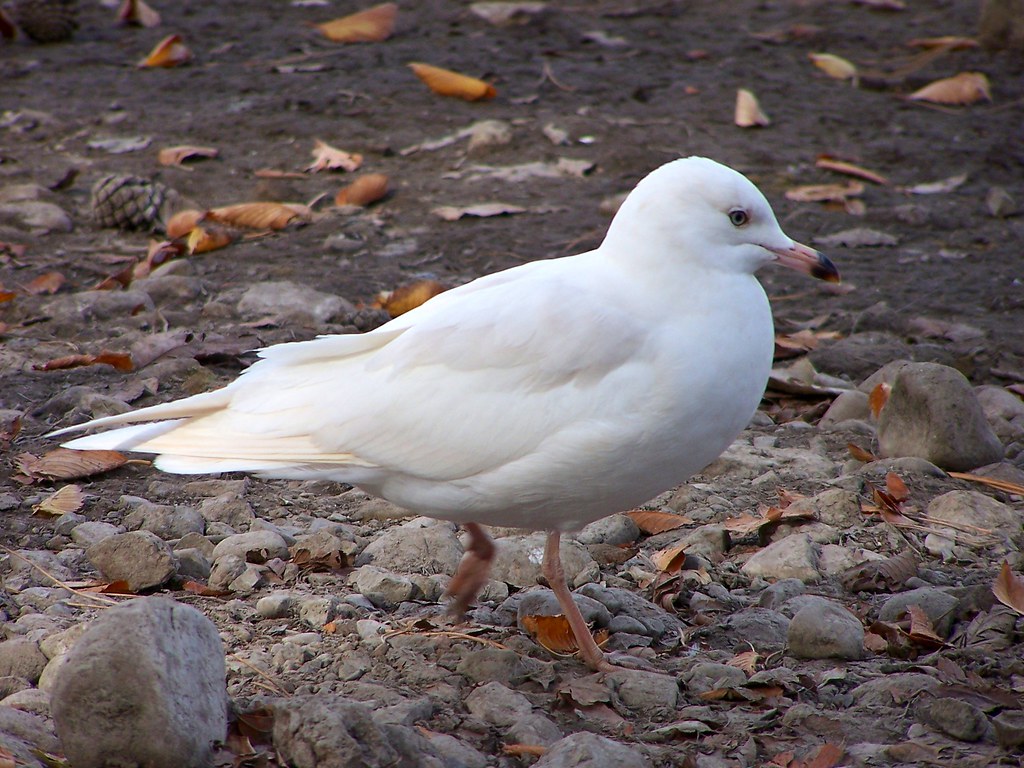
In conclusion, albino birds represent some of nature’s most captivating genetic anomalies—living ghosts that defy the odds of survival while capturing human imagination. From the white ravens of Vancouver Island to the alabaster peacock of Rajasthan, these rare specimens illuminate the complex interplay between genetics, environment, and adaptation. While most albino birds face shortened lifespans due to their compromised vision, increased predation risk, and structural feather weaknesses, the documented cases of those that survive to adulthood demonstrate nature’s remarkable resilience and adaptability. As climate change and habitat degradation continue to put pressure on bird populations worldwide, monitoring and documenting these rare genetic expressions becomes increasingly valuable, not just as biological curiosities but as potential indicators of ecosystem health. These pale phantoms of the avian world, beyond their striking beauty, serve as living reminders of the delicate genetic balance that underpins all of nature’s diversity.