
With their distinctive appearance and remarkable abilities, puffins have captured human imagination for centuries. These charismatic seabirds seem to embody two contradictory personas: awkward, clownish figures waddling on land, and sleek, powerful hunters beneath the waves. Their black and white plumage, coupled with bright, triangular beaks during breeding season, creates an appearance both endearing and slightly comical. Yet these same birds transform into masterful swimmers, capable of diving to impressive depths with torpedo-like efficiency. This duality makes puffins one of nature’s most fascinating paradoxes – creatures that seem to exist between worlds, masters of both air and sea while appearing somewhat out of place in both.
The Puffin Family: Four Species, One Distinctive Look
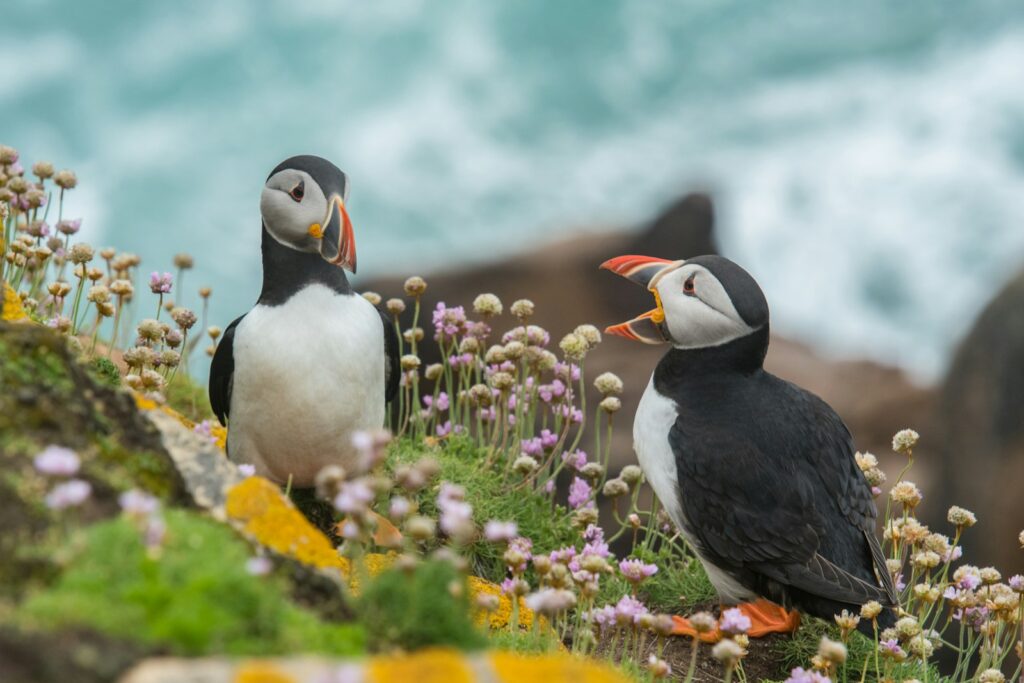
The puffin family consists of four distinct species: the Atlantic puffin (Fratercula arctica), the Horned puffin (Fratercula corniculata), the Tufted puffin (Fratercula cirrhata), and the Rhinoceros Auklet (Cerorhinca monocerata), which despite its name shares the same subfamily as puffins. All four species belong to the auk family (Alcidae), a group of seabirds adapted for swimming and diving. While sharing similar body plans and behaviors, each species has evolved unique characteristics to suit their specific environments across the Northern Hemisphere. The Atlantic puffin, arguably the most well-known, inhabits coastal areas across the North Atlantic, while its Pacific cousins have developed slightly different adaptations for their respective habitats. Despite their differences, all puffins share that unmistakable “sea parrot” appearance that makes them instantly recognizable.
Masters of Two Worlds: Adapting to Life Above and Below
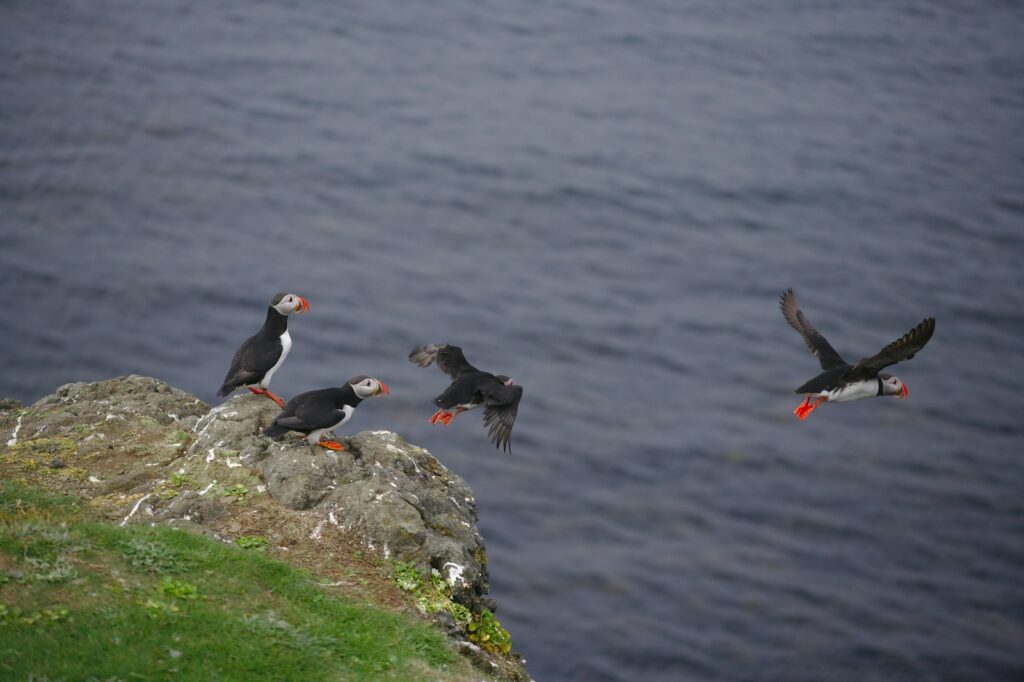
Puffins represent a remarkable evolutionary compromise between aerial and aquatic lifestyles. Their wings, while small for their body size compared to most birds, serve dual purposes – functioning as wings in air and flippers underwater. This adaptation allows puffins to “fly” underwater with impressive agility, using the same wing movements that propel them through air. Their bodies are compact and dense, enabling efficient diving, but this comes at a cost to their aerial agility where they must beat their wings rapidly at 300-400 beats per minute to maintain flight. Puffins’ legs are positioned far back on their bodies – an arrangement perfect for powerful underwater propulsion but resulting in their characteristic awkward, waddling gait on land. This physical dichotomy perfectly illustrates the evolutionary trade-offs that have shaped these birds into creatures truly adapted for life in multiple elements.
The Colorful Breeding Bill: Nature’s Seasonal Disguise
Perhaps the most striking feature of puffins is their large, colorful bill – but what many don’t realize is that this vibrant appearance is seasonal. During breeding season, puffins develop brightly colored bill plates and facial features, transforming their appearance dramatically from their more subdued winter look. The Atlantic puffin’s bill becomes a vivid orange with blue and yellow markings, while Horned and Tufted puffins develop their own distinctive colorations. After breeding season ends, these birds shed the outer layers of their bills in a process called “bill molting,” reverting to a smaller, duller bill for the winter months. Researchers believe this seasonal transformation serves multiple purposes – attracting mates, signaling breeding readiness, and potentially demonstrating individual health and genetic quality to potential partners.
Fishing Champions: The Remarkable Bill Adaptation
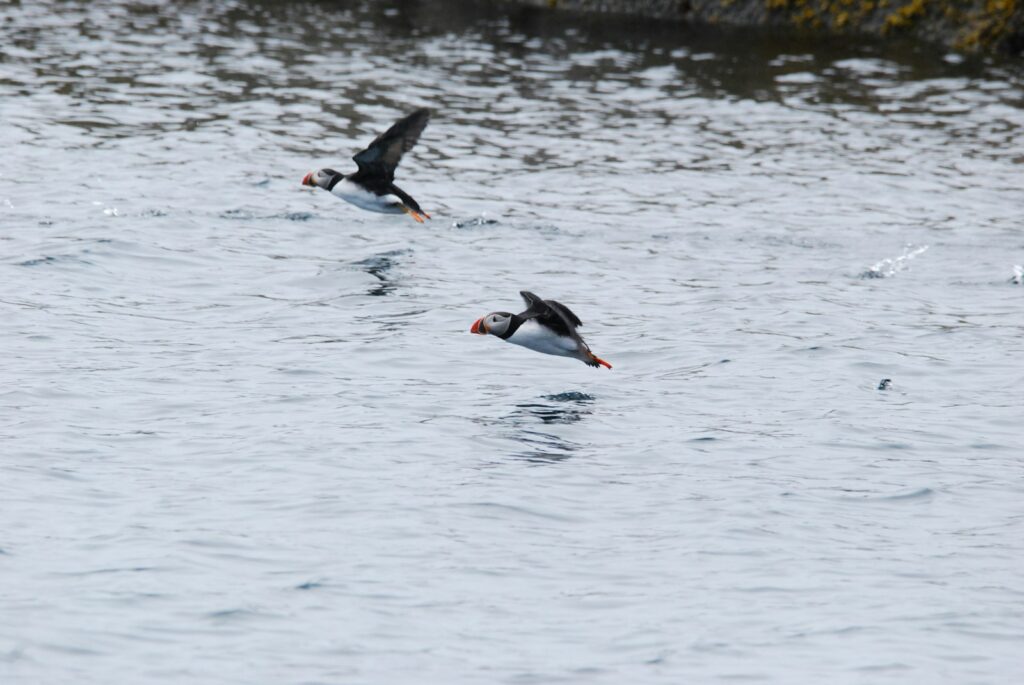
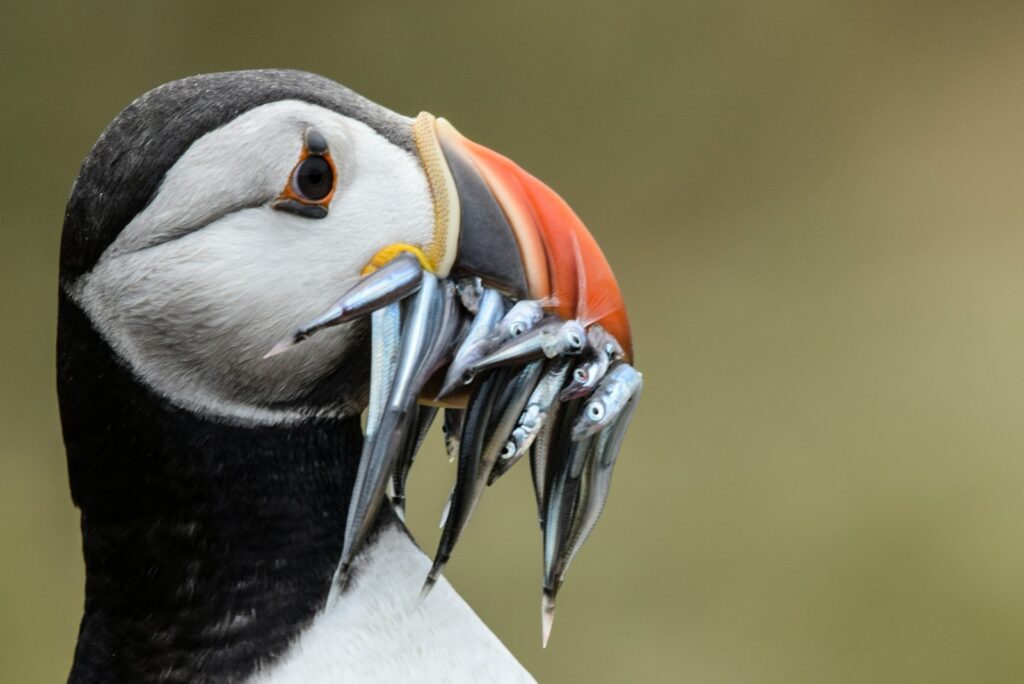
The puffin’s bill represents one of nature’s most specialized feeding adaptations, particularly during breeding season. Unlike most birds that can carry only one fish at a time, puffins can hold multiple fish crosswise in their bills – with Atlantic puffins capable of carrying up to 60 small fish simultaneously! This extraordinary ability comes from specialized spines on their palate and tongue that hold fish in place while they continue hunting. The record for most fish carried belongs to an Atlantic puffin observed with 62 sand eels in its bill. This adaptation is crucial during breeding season when parent puffins must make fewer trips between fishing grounds and nesting colonies, maximizing efficiency while feeding hungry chicks who require up to 40 fish per day.
Underwater Torpedoes: The Physics of Puffin Diving

When puffins dive, they transform from somewhat awkward fliers into streamlined underwater predators. Using their wings as flippers, they can reach depths of up to 60 meters (200 feet) and remain submerged for more than a minute. Their diving technique involves a rapid entry into water, followed by powerful wing strokes that propel them at speeds up to 5 miles per hour through the water column. Puffins’ bodies contain air sacs that they can compress before diving, reducing buoyancy and allowing deeper descents without expending excessive energy. Their excellent underwater vision and ability to adjust their eyes to different light conditions make them effective hunters even in murky waters. This combination of adaptations creates an underwater predator far removed from the comical appearance puffins present on land.
Colony Life: The Social Network of Puffin Cities
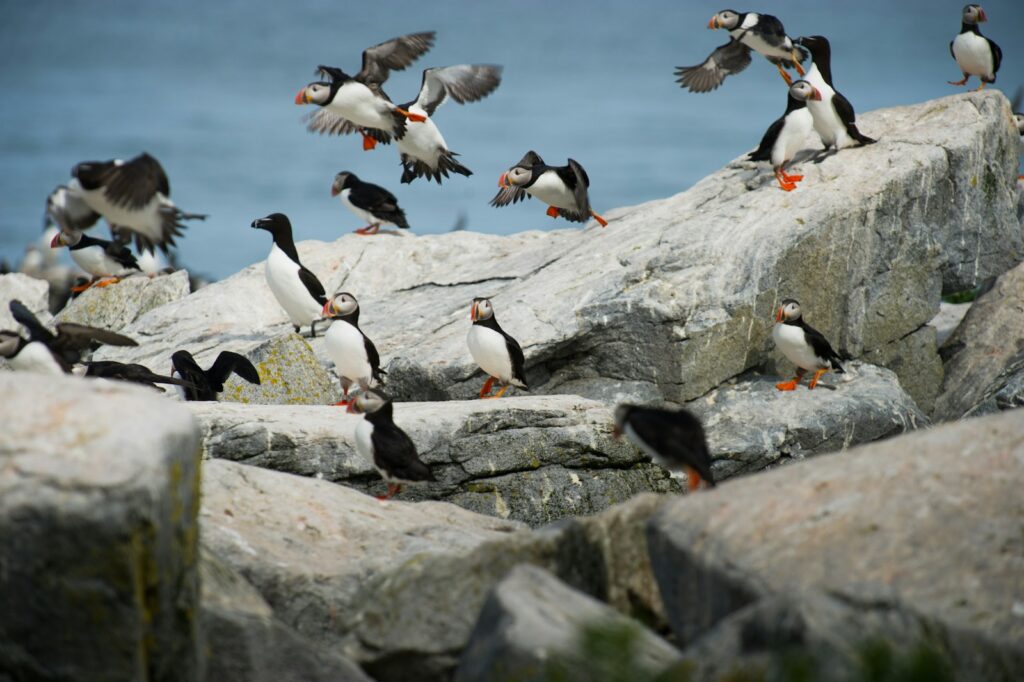
Puffins are highly social birds that gather in large breeding colonies, sometimes containing thousands of individuals nesting in close proximity. These colonies, often located on remote cliff faces or offshore islands, provide safety in numbers against predators and create hubs for social interaction. Within these colonies, puffins engage in complex social behaviors including courtship displays, territorial defense, and communal fishing expeditions. Individual pairs typically return to the same burrow year after year, with some partnerships lasting for decades in a species known for monogamy and long-term pair bonding. The cacophony of sounds in a puffin colony reveals their social nature, with various calls serving different functions from mate recognition to warning signals about potential threats.
Burrow Engineers: Creating Safe Homes in Harsh Environments
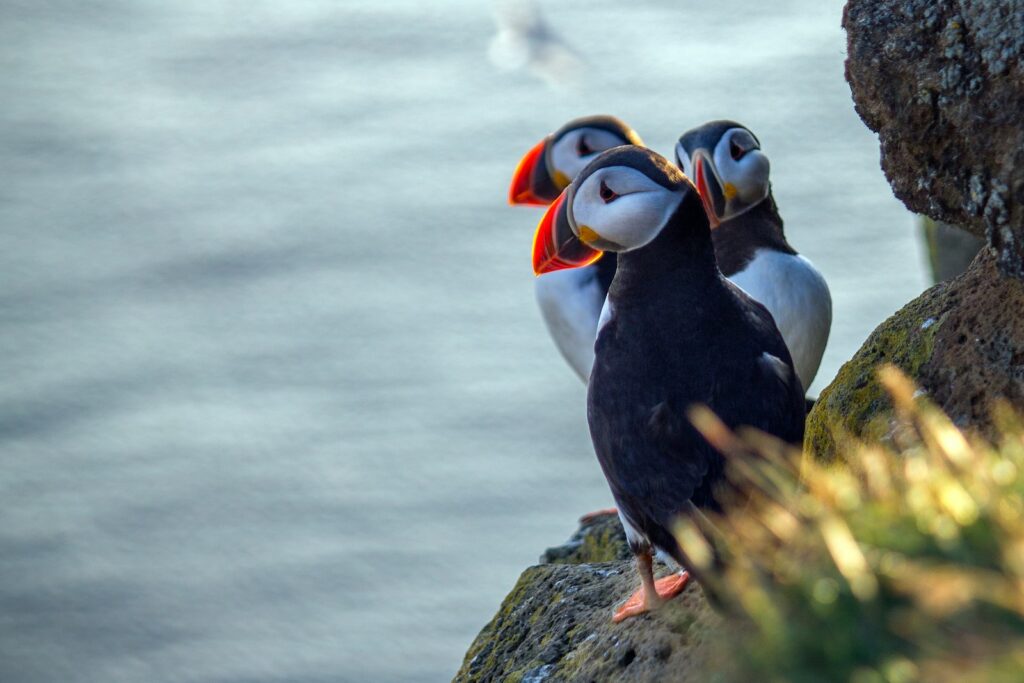
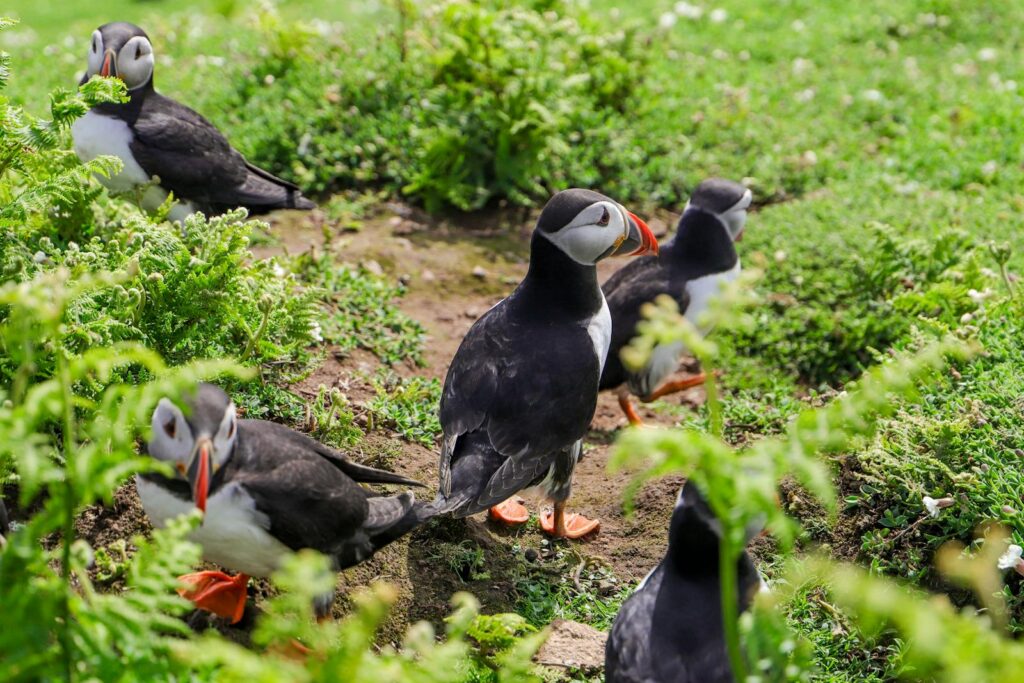
Unlike many seabirds that nest in the open, most puffins create elaborate burrows for raising their young. Using their sharp bills and strong feet, they excavate tunnels up to 3 feet deep in soil or between rocks, creating a protected chamber at the end where a single egg will be laid. These burrows provide crucial protection from predators and harsh weather conditions that characterize their North Atlantic and North Pacific habitats. The burrow-nesting habit also creates a stable microclimate for developing chicks, maintaining more consistent temperatures than exposed surface nests would allow. In areas where soil is too thin or rocky for digging, puffins may nest in rock crevices or abandoned rabbit burrows, demonstrating their adaptability to local conditions while maintaining their preference for concealed nesting sites.
The Puffling’s Journey: From Burrow to Open Ocean

The life cycle of a puffin begins with a single egg, incubated by both parents for approximately 39-43 days before hatching into a downy puffling. Unlike many seabirds whose chicks quickly take to water, puffin chicks remain in their protected burrows for 38-44 days, fed by parents who make numerous daily trips to deliver small fish. When ready to fledge, pufflings typically leave their burrows at night, reducing predation risk as they make their way to the sea, often never returning to land for 2-3 years. In places like Iceland, these nighttime fledging events have become community celebrations, with children helping rescue pufflings that become disoriented by town lights. The survival rate of first-year puffins is relatively low, with only 30-40% surviving to adulthood, a testament to the challenges these birds face as they transition from burrow to open ocean life.
Longevity Champions: The Remarkable Puffin Lifespan
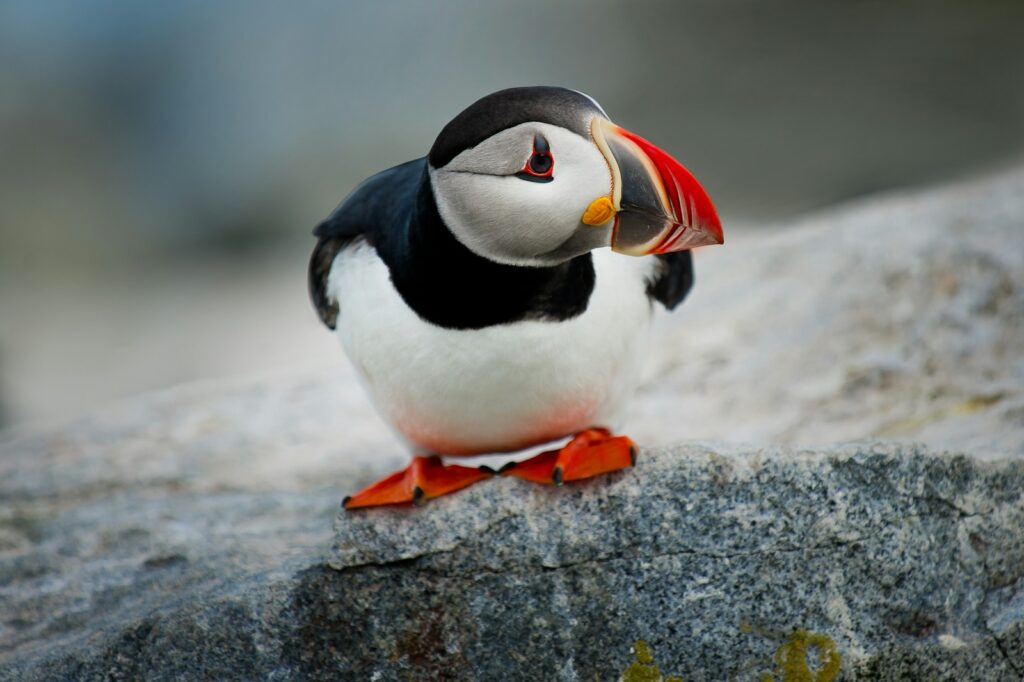
Despite their small size and numerous challenges, puffins are surprisingly long-lived birds. The oldest known wild Atlantic puffin reached at least 34 years of age, though researchers believe some individuals may live even longer in the wild. This longevity is remarkable for a bird weighing only about 500 grams (1.1 pounds) and facing numerous threats from predators, harsh weather conditions, and increasingly, human impacts. Puffins’ long lifespan correlates with their slow reproductive rate, producing just one chick per year, and sometimes skipping breeding seasons entirely if conditions are poor. Their extended lifetime allows multiple breeding opportunities, offsetting their low annual reproductive output and representing an evolutionary strategy favoring quality over quantity in offspring production.
Puffin Populations: A Barometer for Ocean Health
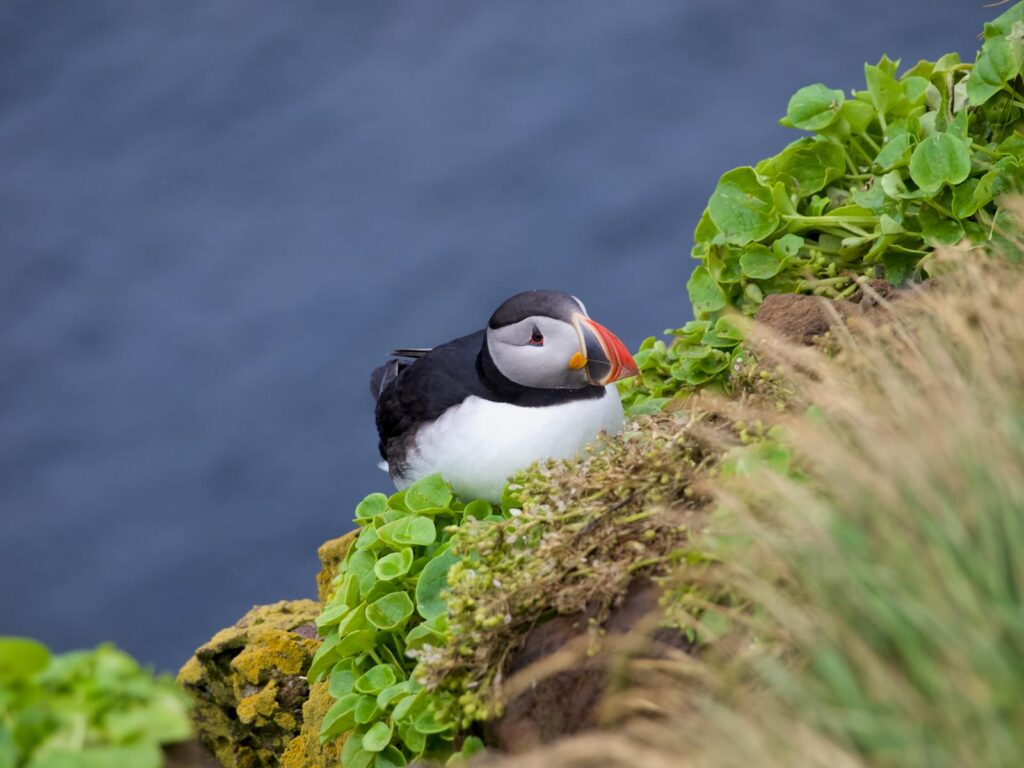
As specialized marine predators dependent on specific fish species, puffins serve as excellent indicator species for the health of marine ecosystems. Changes in puffin breeding success, diet composition, or population numbers often signal broader shifts in oceanic conditions and food web dynamics. In recent decades, several puffin populations have experienced concerning declines, particularly in parts of the North Atlantic where warming ocean temperatures have disrupted traditional food sources. The Atlantic puffin is currently listed as Vulnerable on the IUCN Red List, with an estimated global population of 12-14 million individuals showing decreasing trends in many regions. Conservation efforts focus on habitat protection, reducing fishing pressure on key prey species, and mitigating impacts of climate change that threaten these charismatic indicators of marine ecosystem health.
Cultural Icons: Puffins in Human History and Imagination
Puffins have occupied a special place in human culture for centuries, particularly among coastal communities where these birds have been both food source and folkloric figures. Indigenous peoples across the North Atlantic, including the Sami, Inuit, and various North American tribes, incorporated puffins into their diets and cultural practices while developing sustainable harvesting methods. In modern times, puffins have transformed into cultural icons and tourist attractions, with places like Iceland, Norway, and parts of the UK developing significant ecotourism industries centered around puffin viewing. Their distinctive appearance has made them popular symbols in advertising, children’s books, and as mascots for everything from publishers to conservation organizations. This cultural significance has helped raise awareness of marine conservation issues, with puffins often serving as charismatic ambassadors for broader ocean protection initiatives.
Conservation Challenges: Protecting the Sea Clowns
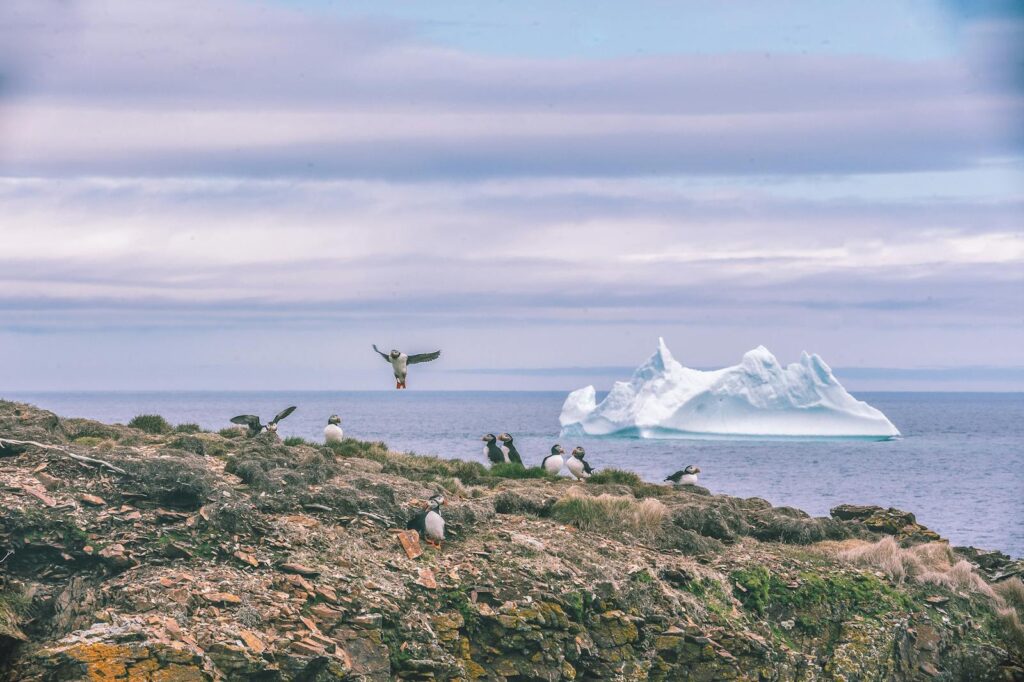
Despite their iconic status and adaptability, puffins face mounting conservation challenges in the Anthropocene. Climate change represents perhaps the greatest threat, as warming oceans disrupt the distribution and abundance of key prey species like sand eels, capelin, and herring. Ocean acidification further threatens marine food webs upon which puffins depend, while extreme weather events increasingly damage breeding colonies. Human activities including oil spills, plastic pollution, and industrial fishing practices create additional pressures, with bycatch in fishing gear claiming thousands of puffins annually. Introduced predators on breeding islands, particularly rats and mink, have devastated some colonies by preying on eggs, chicks, and sometimes adults. Conservation strategies including island predator removal programs, marine protected areas around key feeding grounds, and climate action represent the most promising approaches to securing a future for these beloved seabirds.
Whether viewed as comical characters waddling across rocky shores or sleek hunters slicing through ocean depths, puffins demonstrate nature’s remarkable capacity for specialized adaptation. Their dual existence – awkward on land yet masterful in water – reminds us that appearances can be deceiving, and that evolutionary success often means excelling in specific niches rather than being generally proficient. As climate change and other human-driven forces reshape marine ecosystems, the fate of these charismatic birds hangs in the balance. Perhaps the puffin’s greatest value lies in its power to connect people to ocean conservation, serving as an ambassador between the human world and the increasingly threatened marine realm. In this capacity, the puffin may yet play its most important role – not as nature’s clown or underwater torpedo, but as messenger between worlds.