
In the realm of nature photography, few subjects offer the vibrant colors, remarkable behaviors, and breathtaking compositions that birds provide. From the lush rainforests of South America to the rugged landscapes of New Zealand, our planet boasts extraordinary locations where avian diversity creates unparalleled photographic opportunities. These destinations combine spectacular bird species with stunning natural backdrops, creating perfect conditions for both casual enthusiasts and professional wildlife photographers. Whether you’re pursuing the elusive resplendent quetzal through misty cloud forests or capturing flamingos painting salt flats pink at dawn, the following destinations represent the pinnacle of bird photography experiences worldwide.
The Cloud Forests of Costa Rica
Costa Rica’s mystical cloud forests, particularly those in Monteverde and San Gerardo de Dota, offer photographers an ethereal backdrop of mist-shrouded trees draped in epiphytes and moss. These locations are famous for the resplendent quetzal, whose iridescent emerald feathers and dramatic tail streamers create striking images against the soft, diffused light filtering through the canopy. Beyond quetzals, photographers can capture over 50 hummingbird species, including the fiery-throated hummingbird whose throat displays an almost impossible spectrum of colors when caught in the right light. The forests’ natural light conditions – soft, filtered illumination that penetrates the mist – create ideal conditions for bird photography without harsh shadows or blown-out highlights.
The Pantanal Wetlands of Brazil
As the world’s largest tropical wetland ecosystem, Brazil’s Pantanal offers unmatched access to typically elusive birds due to its open landscapes and concentrated wildlife around shrinking water sources during the dry season. Here, photographers can capture the spectacular hyacinth macaw – the world’s largest parrot with its stunning cobalt blue plumage – often perched against dramatic skies at dawn and dusk. The region’s abundance of water birds creates extraordinary opportunities, with roseate spoonbills, jabiru storks, and various herons feeding in shallow waters, creating perfect reflections that double the visual impact of images. Unlike dense rainforests, where birds hide in thick vegetation, the Pantanal’s open habitat allows for clear sight lines and exceptional opportunities to photograph birds in flight, fishing, or displaying courtship behaviors.
Papua New Guinea’s Highlands
The remote highlands of Papua New Guinea represent perhaps the most extraordinary destination for photographers seeking to capture the planet’s most elaborate avian displays – the birds of paradise. With 38 of the 42 known bird of paradise species, these mountains and forests offer unparalleled opportunities to photograph behaviors and plumage that defy imagination. Species like the Raggiana bird of paradise perform elaborate courtship displays from designated display trees, with males transforming themselves through erected plumes, shape-shifting, and choreographed movements that can be captured as breathtaking still images or video sequences. Local guides have intimate knowledge of display sites, often building photography blinds in precise locations to capture these birds performing against the soft light of dawn. The cultural connection adds another fascinating dimension, as many local tribes identify with specific birds of paradise, incorporating their feathers into traditional ceremonial dress.
The Galápagos Islands, Ecuador
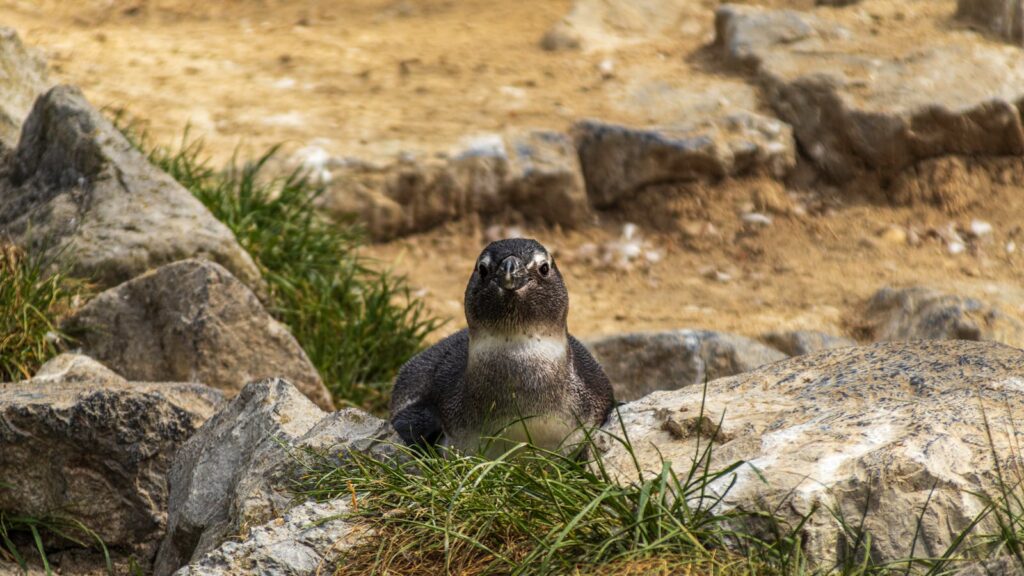
The isolated Galápagos archipelago offers a uniquely intimate bird photography experience due to the famous fearlessness of its wildlife toward humans. This remarkable lack of fear allows photographers to capture frame-filling images of blue-footed boobies performing their comical mating dances just feet away, with no telephoto lens required. The islands provide dramatic volcanic backdrops against which photographers can compose images of magnificent frigatebirds with their inflated scarlet throat pouches during breeding season. Marine species like the Galápagos penguin – the only penguin found north of the equator – create exceptional opportunities for split-level photography that captures both underwater and above-water worlds simultaneously. The stark landscapes, ranging from black lava fields to white sand beaches, offer diverse backgrounds for creative compositions throughout different times of day.
Kenya’s Great Rift Valley
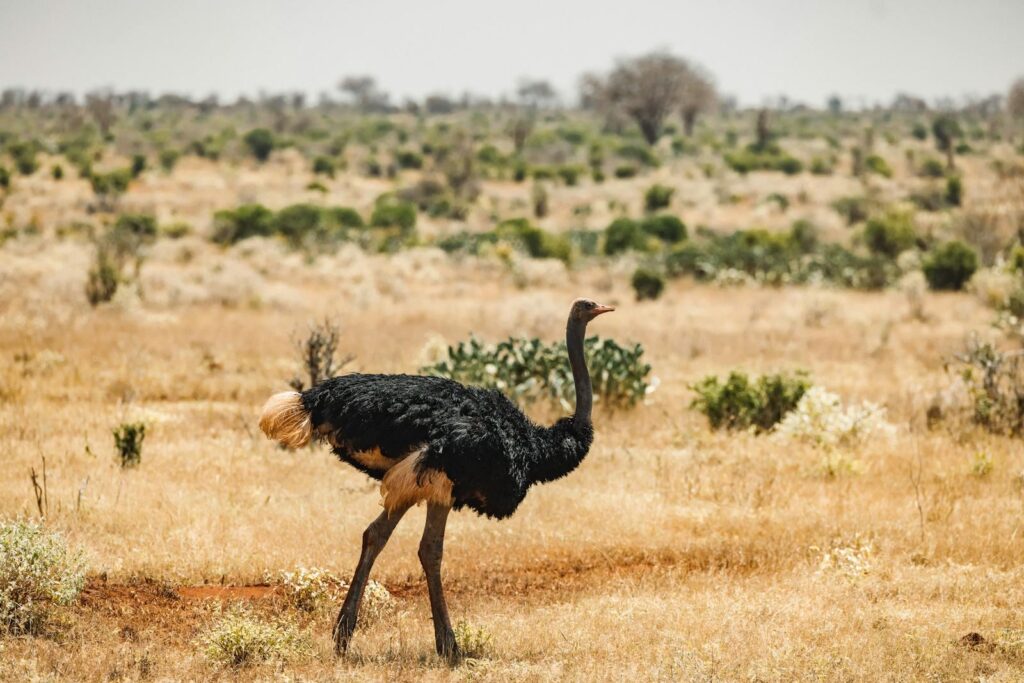
Kenya’s Great Rift Valley lakes – particularly Lake Nakuru, Lake Bogoria, and Lake Elementaita – create one of the world’s most spectacular bird photography opportunities through their massive flamingo congregations that can number in the millions. These pink masses create abstract patterns that can be photographed from hills surrounding the lakes, especially at sunrise when the birds become silhouettes against golden reflections on the water. The region’s diversity extends far beyond flamingos, with over 450 bird species including the spectacular lilac-breasted roller and carmine bee-eaters whose vibrant colors stand out dramatically against the savanna’s neutral palette. The valley’s varying elevations and habitats allow photographers to capture distinctly different bird communities within short distances, from waterbirds at the lakes to raptors circling thermal currents over escarpments. The region’s generally clear weather patterns provide dependable lighting conditions, with the dramatic storms of the rainy season offering powerful atmospheric elements for more dramatic photography.
Bharatpur Bird Sanctuary, India
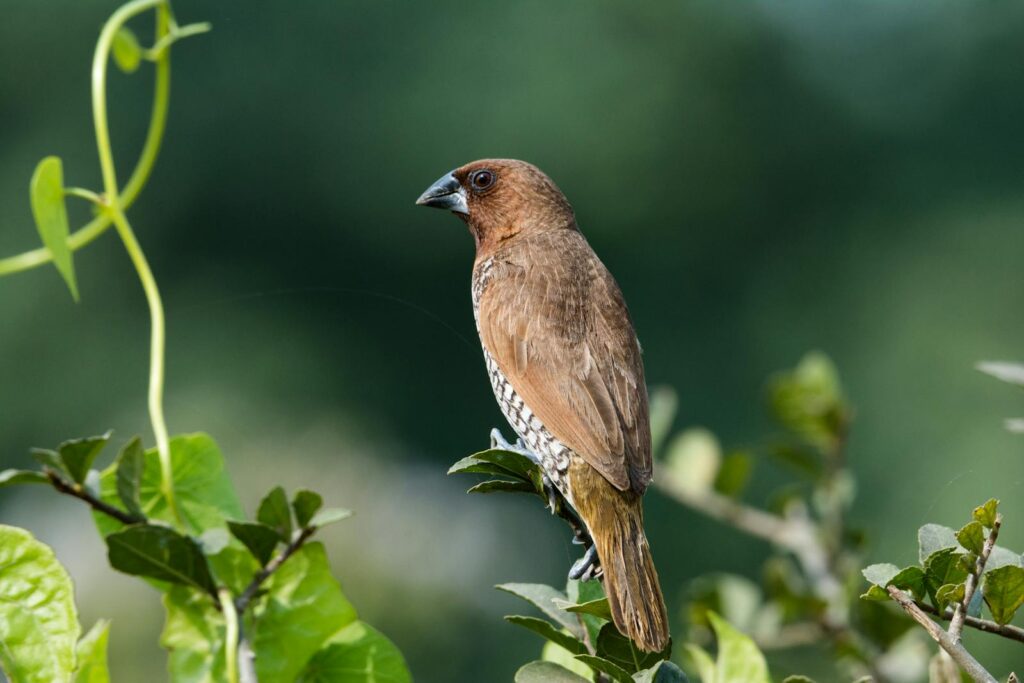
India’s Keoladeo Ghana National Park, commonly known as Bharatpur, represents one of Asia’s richest bird photography destinations with its concentrated diversity of resident and migratory species in a relatively compact area. This former duck hunting reserve of the maharajas now protects critical wetland habitat where photographers can capture painted storks nesting in colony trees, creating a tapestry of color against the sky as they return with food for nestlings. During winter migrations, the sanctuary hosts endangered Siberian cranes alongside thousands of other waterfowl, creating dynamic compositions as flocks take flight at dawn or settle at dusk against the sanctuary’s iconic acacia trees. The sanctuary’s network of paths and observation towers provides exceptional access to birds, while the option to hire cycle rickshaws allows photographers to transport heavy lenses and tripods between locations easily. The diversity of habitats within short distances – from open water to woodland – means photographers can capture dramatically different bird images without extensive travel.
The Falkland Islands
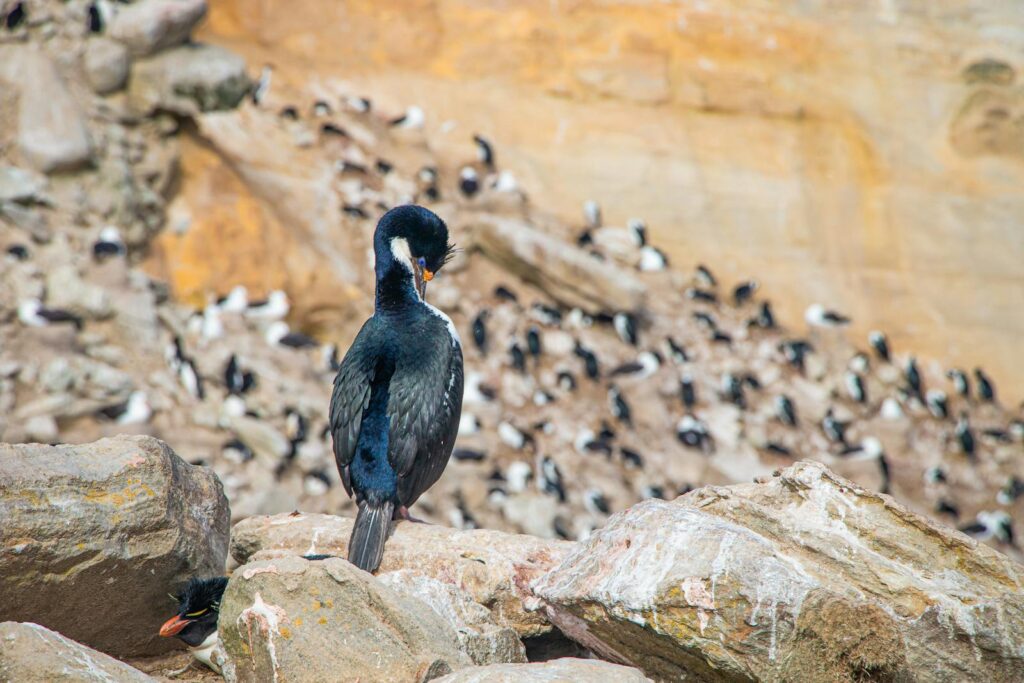
The windswept Falkland Islands offer unparalleled access to colonies of penguins and albatrosses in settings that combine dramatic coastal landscapes with extraordinarily approachable birds. Photographers can capture frame-filling images of rockhopper penguins navigating rocky cliffs, gentoo penguins surfing onto beaches, and king penguins tending to chicks in colonies without barriers or restrictions. The islands host the world’s most accessible black-browed albatross colonies, where photographers can frame these massive seabirds with their 8-foot wingspans against dramatic cliff backgrounds or catch air currents in flight. The quality of light in this southern latitude creates exceptional conditions for photography, with extended “golden hours” during summer months and dramatic cloud formations that add atmosphere to wildlife images. The remote nature of the islands means bird populations face minimal disturbance, resulting in natural behaviors that create authentic wildlife photography opportunities rare in more visited destinations.
Japan’s Hokkaido Island in Winter
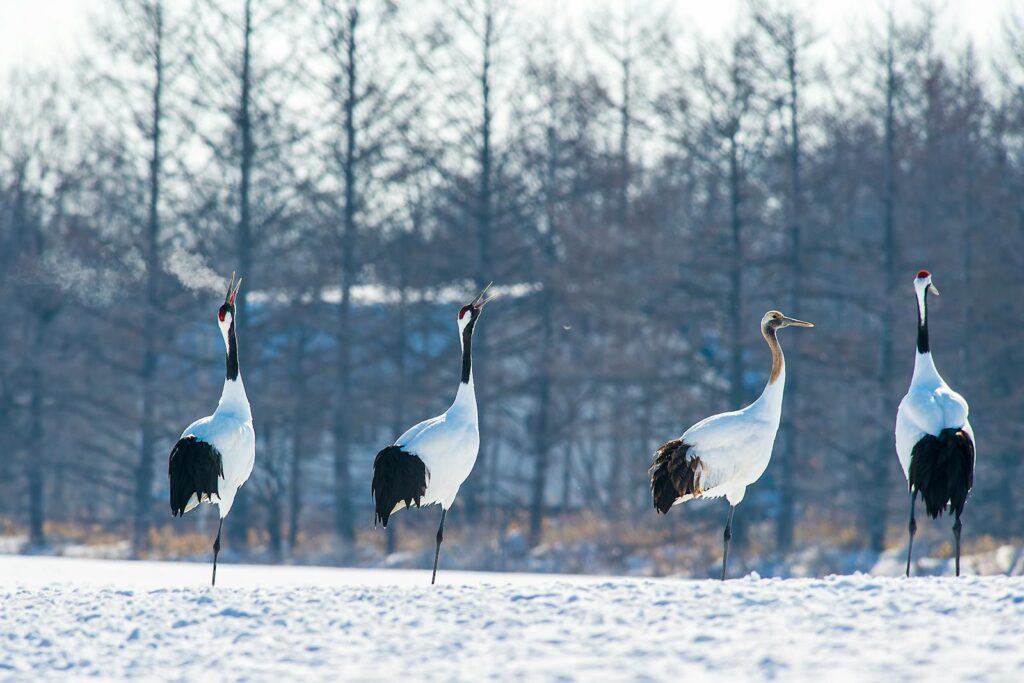
Hokkaido’s winter landscape transforms into a minimalist photographer’s dream, where pure white snow and ice create perfect high-key backgrounds for red-crowned cranes, Steller’s sea eagles, and whooper swans. The island’s red-crowned cranes perform elaborate dancing displays against the snow, creating high-contrast black, white, and red compositions that have become iconic in wildlife photography. At ice floes along the northeastern coast, photographers can capture Steller’s sea eagles – among the world’s largest eagles – fighting over fish with dramatic wing positions and intense expressions that convey the harsh reality of winter survival. The geothermal areas around Kussharo Lake offer unique opportunities to photograph whooper swans floating in mist-covered waters rimmed with snow, creating ethereal images enhanced by the rising steam. The predictable locations and behaviors of these species make Hokkaido one of the most reliable destinations for planning specific bird images, especially for photographers seeking to capture action sequences of hunting or social behaviors.
Ecuador’s Mindo Cloud Forest
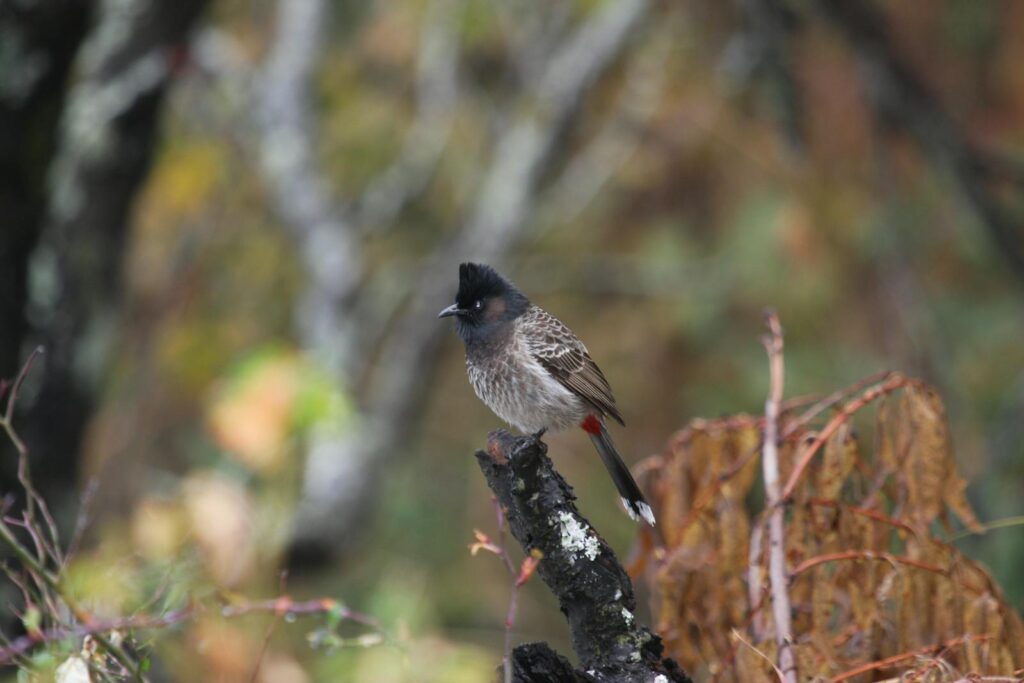
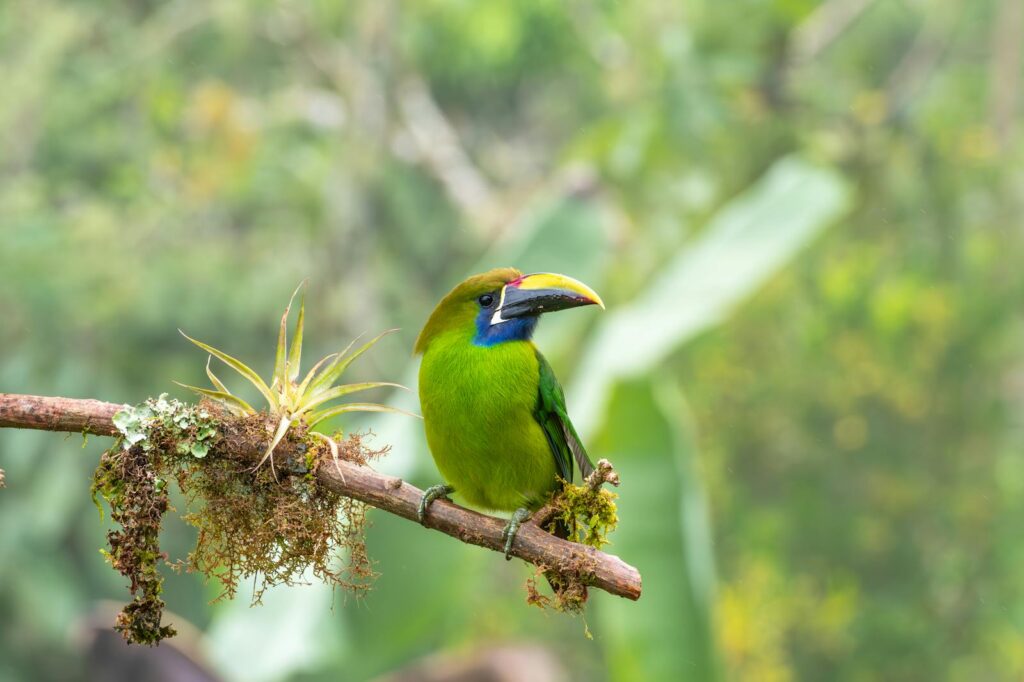
The Mindo region northwest of Quito presents exceptional opportunities for hummingbird photography through its network of lodges with specialized feeder setups designed specifically for photographers. These setups feature multiple flash systems that freeze the impossibly fast wing movements of dozens of hummingbird species visiting flowers and feeders throughout the day. The region’s biodiversity extends far beyond hummingbirds, with spectacular species like the plate-billed mountain toucan, cock-of-the-rock, and toucans presenting opportunities for classic portrait and behavior photography in lush, verdant settings. Photographers can capture the remarkable diversity of bill adaptations among different bird families, from the massive beaks of toucans to the specialized feeding apparatus of hummingbirds, all within a relatively small geographic area. The elevation gradient from Andean highlands to subtropical forests means photographers can document distinctly different bird communities by traveling just short distances, maximizing the diversity of images during a single visit.
South Georgia Island
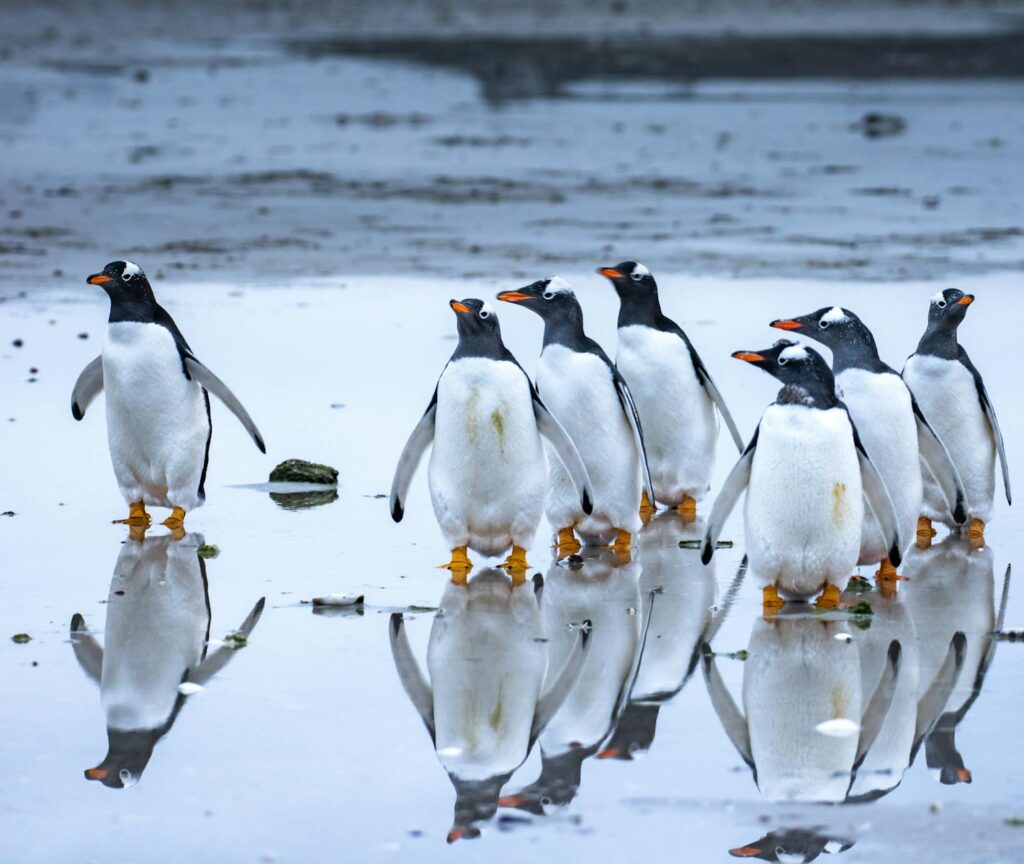
This remote sub-Antarctic island presents photographers with what may be the most spectacular wildlife densities on the planet, where king penguin colonies stretch to the horizon with hundreds of thousands of individuals. The dramatic mountains rising directly from the sea create breathtaking backdrops for bird photography, with opportunities to compose images of penguins or albatrosses against snow-covered peaks and glaciers. Beyond the king penguins, photographers can capture macaroni penguins with their dramatic yellow crest feathers as they navigate the island’s steep tussock slopes, often in golden evening light that illuminates their features. The island’s tragic whaling history provides unusual photographic opportunities to juxtapose wildlife against abandoned whaling stations, creating images that tell stories of conservation and recovery. The challenging weather conditions – rapidly changing from sunshine to snowstorms – create dramatic lighting opportunities that add mood and atmosphere to wildlife images.
Tanzania’s Lake Manyara
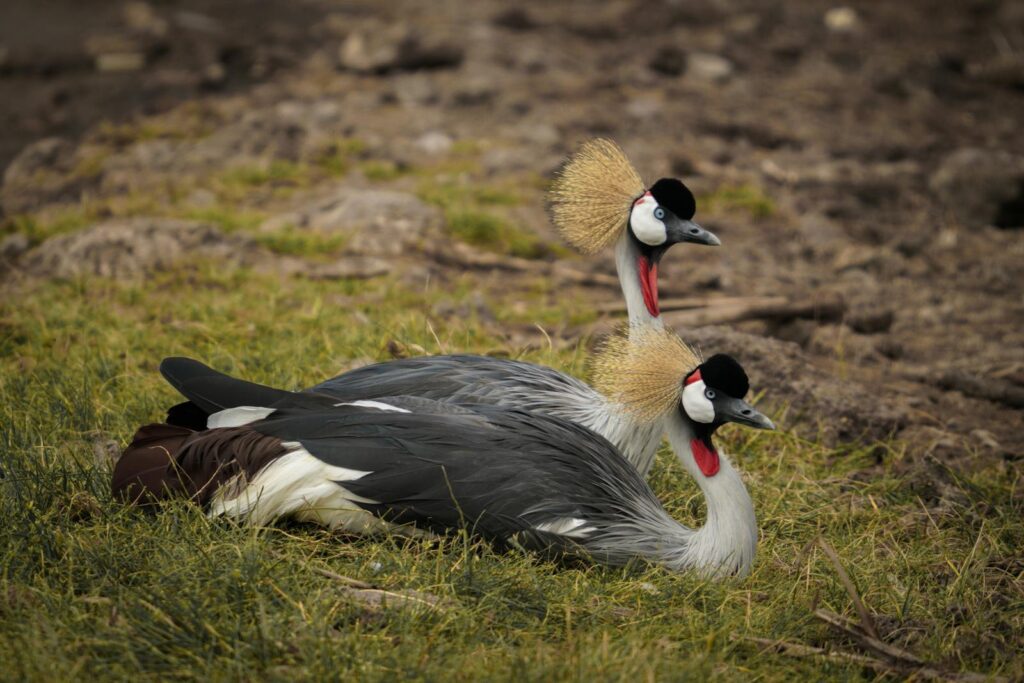
This alkaline lake in Tanzania’s Great Rift Valley offers photographers extraordinary opportunities to capture dense concentrations of waterbirds in dramatic settings beneath the lake’s western escarpment. The lake is famous for its tree-climbing lions, but bird photographers focus on the extraordinary concentrations of flamingos, pelicans, and storks that create patterns across the lake’s surface, especially beautiful when photographed from elevated viewpoints along the escarpment. The groundwater forests surrounding parts of the lake support diverse forest birds, allowing photographers to capture woodland species and waterbirds during the same visit, maximizing photographic variety. When water levels are optimal, photographers can capture extraordinary images of yellow-billed storks feeding in coordinated groups, creating dynamic compositions as they rush through shallow waters in pursuit of fish. The lake’s changing water levels throughout seasons dramatically alter its appearance and the distribution of birds, meaning photographers can capture entirely different scenes and species compositions depending on when they visit.
Florida’s Everglades National Park
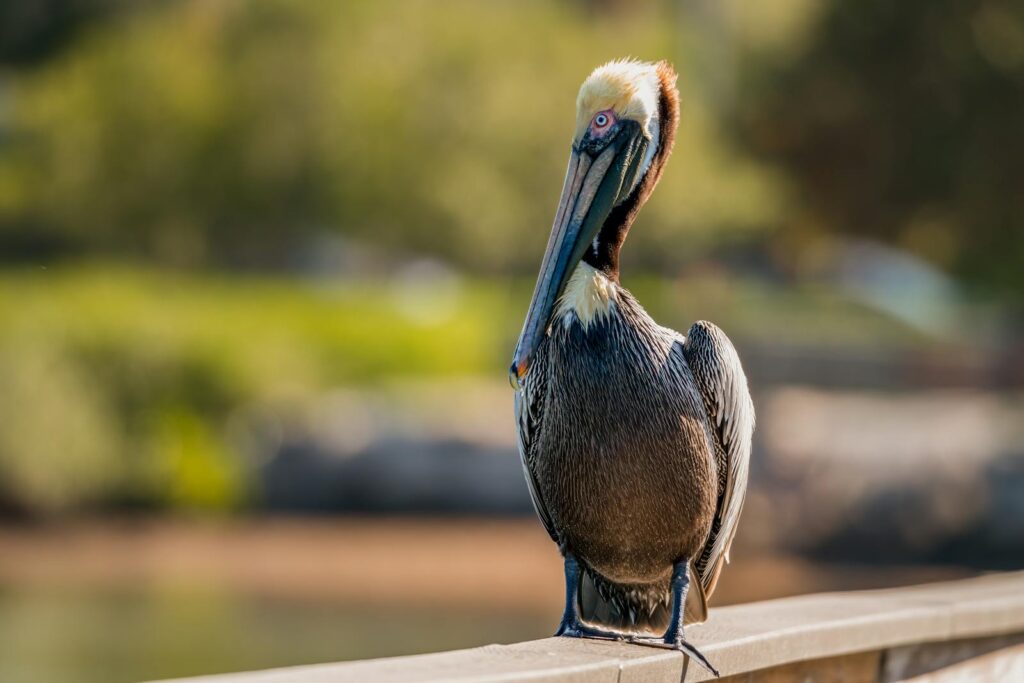
The Everglades offers North America’s most accessible and reliable location for photographing large wading birds in natural settings, with species diversity peaking during the dry season when birds concentrate around shrinking water sources. The park’s Anhinga Trail provides extraordinary access to birds within feet of the boardwalk, allowing even photographers with modest equipment to capture frame-filling images of anhingas drying their wings, herons striking at fish, and alligators patrolling the waters. During breeding season, locations like Rookery Bay offer opportunities to photograph elaborate courtship displays and nesting behaviors of roseate spoonbills, great egrets, and wood storks, whose colorful breeding plumage and displays create dramatic images. The park’s vast open spaces with unobstructed horizons create perfect conditions for silhouette photography at sunrise and sunset, when birds in flight can be composed against colorful skies. The consistent Florida sunshine provides reliable lighting conditions, while afternoon thunderstorms in summer months create dramatic skies and rainbows that add atmosphere to wildlife images.
New Zealand’s Coastal Habitats
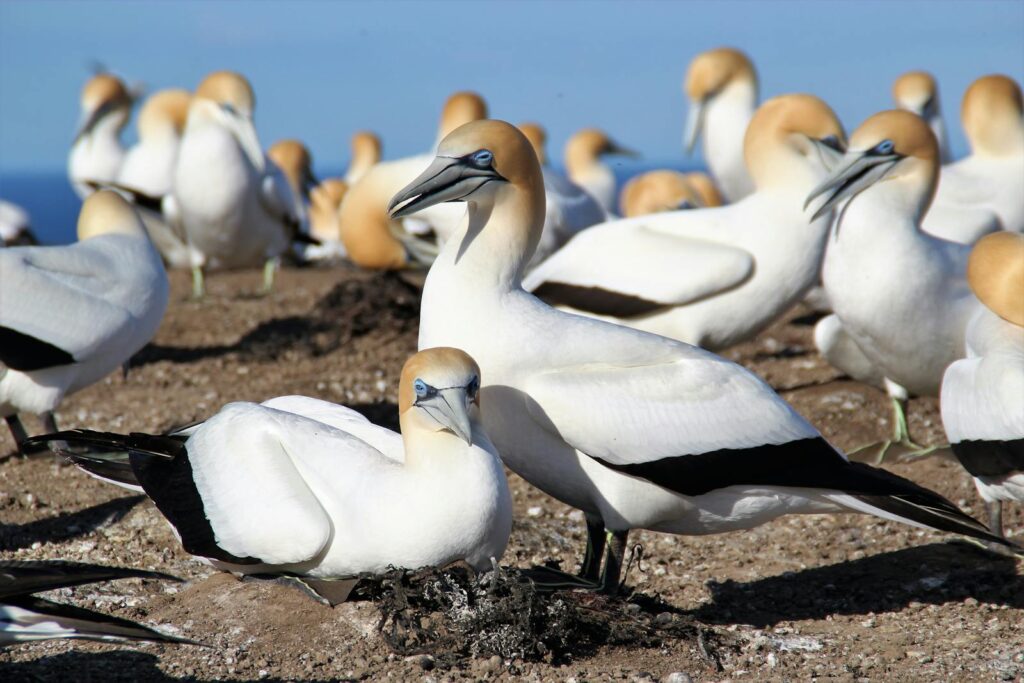
New Zealand’s isolation has produced unique endemic bird species that exist nowhere else, creating opportunities for photographers to capture truly one-of-a-kind images in dramatic coastal settings. The country’s extensive coastline provides opportunities to photograph unusual seabirds like the royal albatross – the only mainland albatross colony in the world – at Taiaroa Head, where these massive birds with 10-foot wingspans can be photographed soaring along coastal cliffs. At dawn and dusk, photographers can capture little blue penguins – the world’s smallest penguin species – as they commute between ocean feeding grounds and nest sites, creating charming images of these miniature penguins navigating rocky shores. The country’s coastal gannet colonies, particularly at Cape Kidnappers and Muriwai, offer dramatic opportunities to photograph these striking birds with their golden heads diving at high speeds into the ocean, a challenging action sequence that produces spectacular results when successfully captured. New Zealand’s generally accessible conservation areas allow photographers to approach sensitive species under carefully managed conditions, creating opportunities for intimate wildlife portraits while maintaining ethical wildlife photography practices.
Conclusion
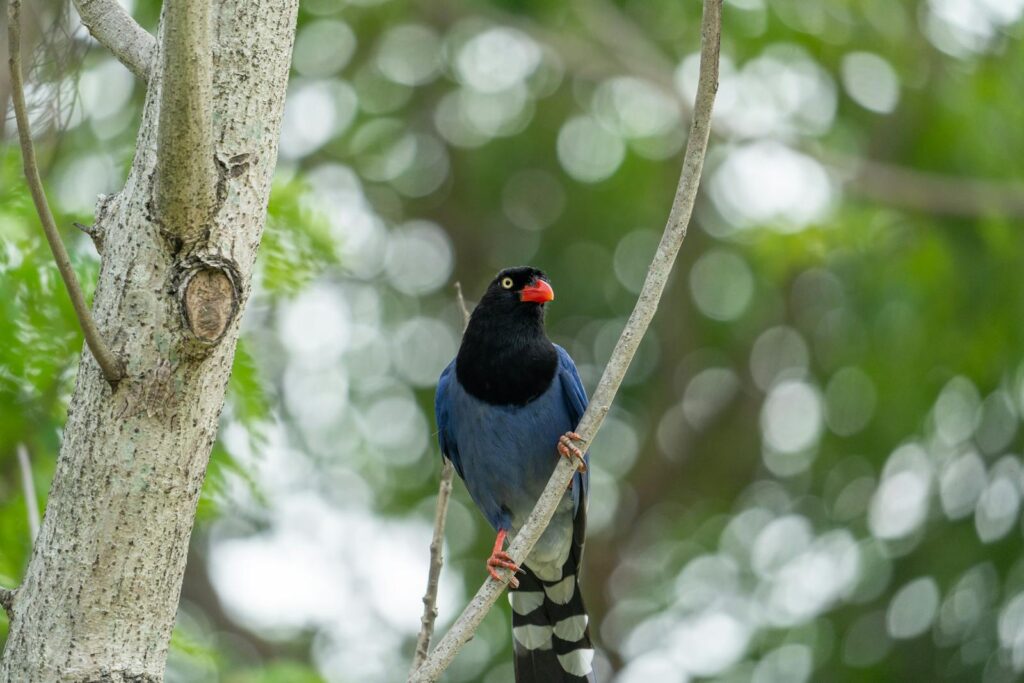
Bird photography represents one of the most challenging yet rewarding forms of wildlife photography, requiring technical skill, patience, and often travel to remote locations. These destinations offer not just extraordinary species diversity but also access, light conditions, and settings that transform good bird photography into unforgettable images. While specialized equipment certainly helps, even photographers with modest gear can capture remarkable images at many of these locations due to the approachability of the birds or the specialized photography setups available. Beyond the photographs themselves, these destinations offer profound connections with nature and often provide economic incentives for conservation, ensuring these remarkable birds will continue to inspire photographers for generations to come.