

While urban environments might seem like concrete jungles dominated by pigeons and sparrows, many cities worldwide host surprisingly vibrant avian residents that bring splashes of color to our everyday surroundings. These feathered urbanites have adapted to human-modified landscapes, finding food, shelter, and nesting opportunities among our buildings, parks, and gardens. From striking blues and vivid reds to iridescent greens and yellows, colorful birds have found ways to thrive alongside humans, often going unnoticed by busy city dwellers. This article explores the most colorful bird species that have successfully colonized urban environments, highlighting how these beautiful creatures enhance our cities with their presence and reminding us that nature’s palette can brighten even the most developed metropolitan areas.
Northern Cardinals: Urban Red Beacons
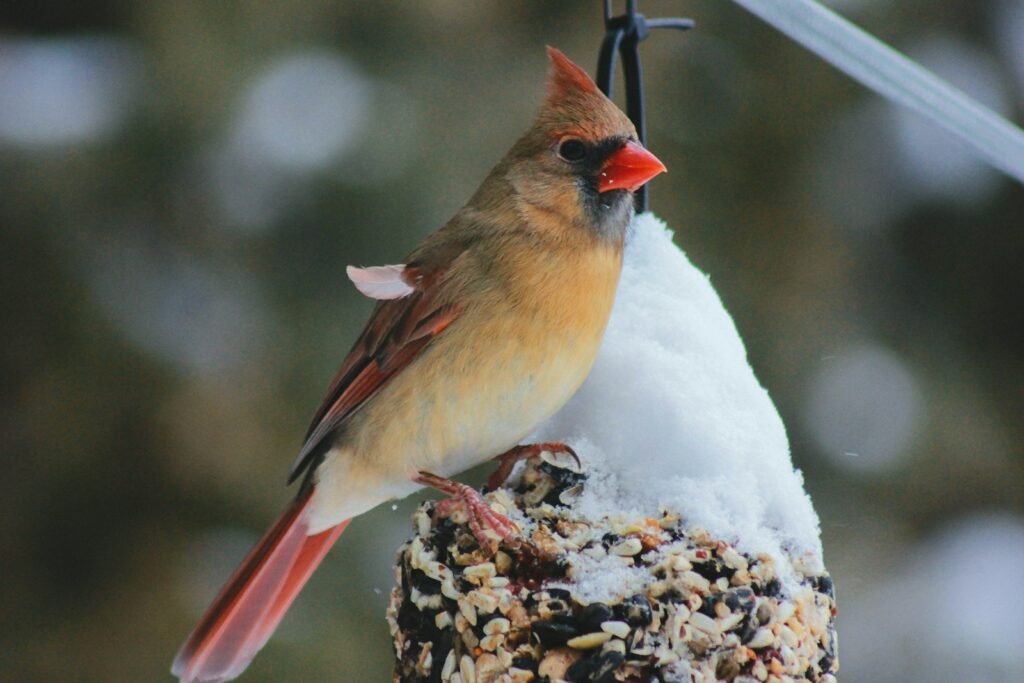
The Northern Cardinal (Cardinalis cardinalis) stands as perhaps the most recognizable splash of color in many North American cities. Males display brilliant crimson plumage that remains vibrant year-round, contrasting dramatically against winter snow or summer greenery. These adaptable birds have thrived in suburban neighborhoods, city parks, and garden edges, readily visiting bird feeders with their distinctive crest raised in curiosity. Cardinals have expanded their range northward in recent decades, bringing their cheerful songs and striking appearance to increasingly urbanized areas. Their preference for dense shrubbery makes landscaped yards and city parks perfect habitats, allowing urban residents to enjoy these red beacons even in heavily developed areas.
American Goldfinches: Urban Canaries
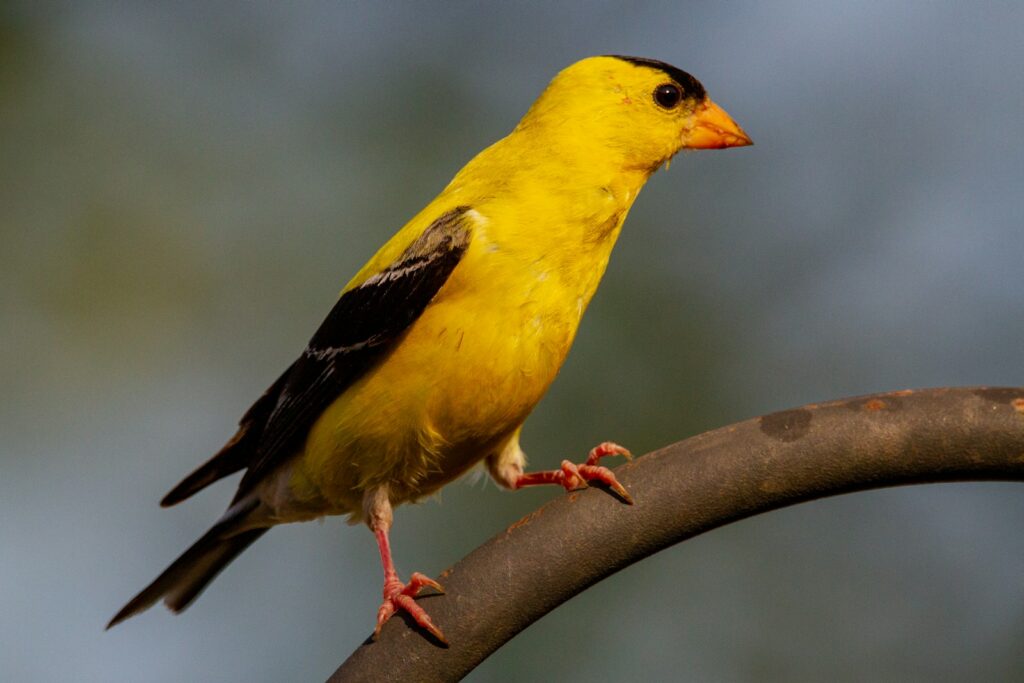
The American Goldfinch (Spinus tristis) transforms during breeding season into a brilliant lemon-yellow visitor to urban gardens and parks. Males sport a vibrant yellow body with contrasting black wings and cap, creating a striking appearance that has earned them the nickname “wild canary” among city dwellers. These small finches adapt exceptionally well to human-modified landscapes, particularly appreciating gardens with coneflowers, sunflowers, and other seed-producing plants. Their undulating flight pattern and cheerful “po-ta-to-chip” call announce their presence as they flit between garden feeders and ornamental trees in residential neighborhoods. American Goldfinches represent a perfect example of wildlife that benefits from urban gardening practices, especially when native plants are incorporated into city landscapes.
European Goldfinches: Old World Color
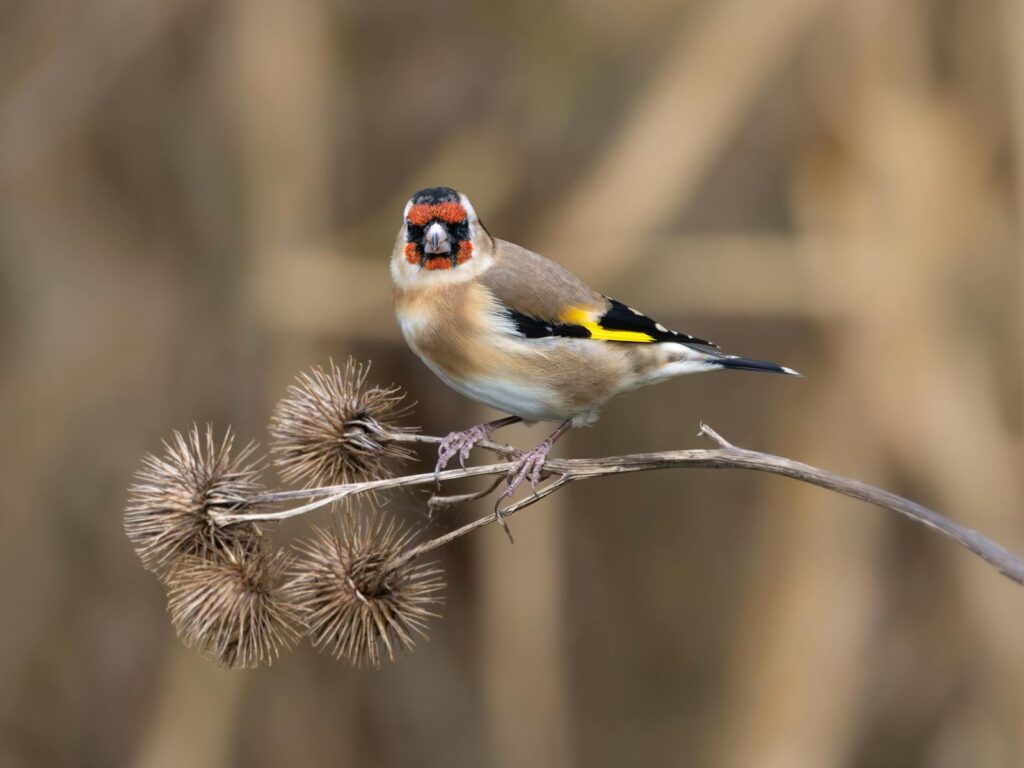
The European Goldfinch (Carduelis carduelis) brings its distinctive red face and gold wing bars to urban environments across Europe and in cities where it has been introduced, including parts of Australia and New Zealand. These elegant finches have adapted remarkably well to urban parks, gardens, and weedy lots where they can find their preferred thistle and other seed-bearing plants. Their melodious twittering and distinctive appearance made them popular cage birds historically, but today they thrive freely in many urban environments where suitable food sources exist. European Goldfinches demonstrate how birds with specific feeding requirements can adapt to city life when their ecological needs are met, even incidentally through ornamental plantings or untended areas where weeds flourish.
Blue Jays: Noisy Blue Urbanites
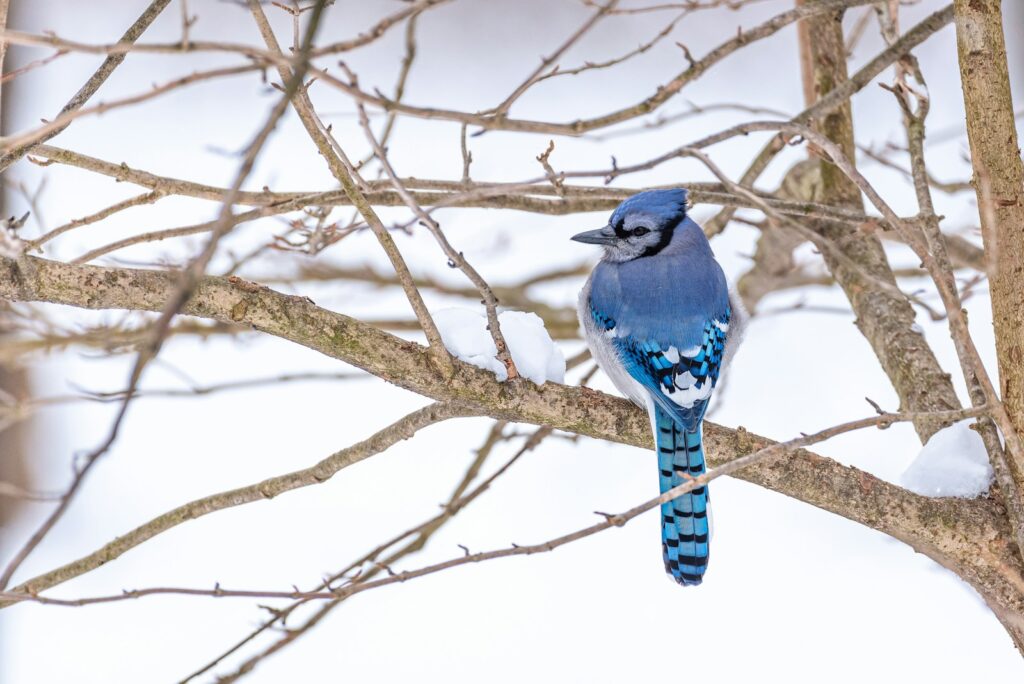
The Blue Jay (Cyanocitta cristata) brings its raucous personality and striking blue, white, and black plumage to cities across eastern North America. These intelligent members of the crow family have successfully adapted to urban environments, making use of oak trees in parks and neighborhoods for their acorn-caching behavior. Blue Jays are notorious for their bold behavior at feeders and their remarkable vocal repertoire, which includes perfect imitations of hawk calls. Their presence in cities has increased as suburban development has created a mosaic of wooded areas and open spaces that mimics their preferred edge habitat. Despite their sometimes aggressive reputation, Blue Jays provide valuable ecological services in urban environments, including oak forest regeneration through their habit of burying acorns that often germinate.
Cedar Waxwings: Urban Berry Specialists
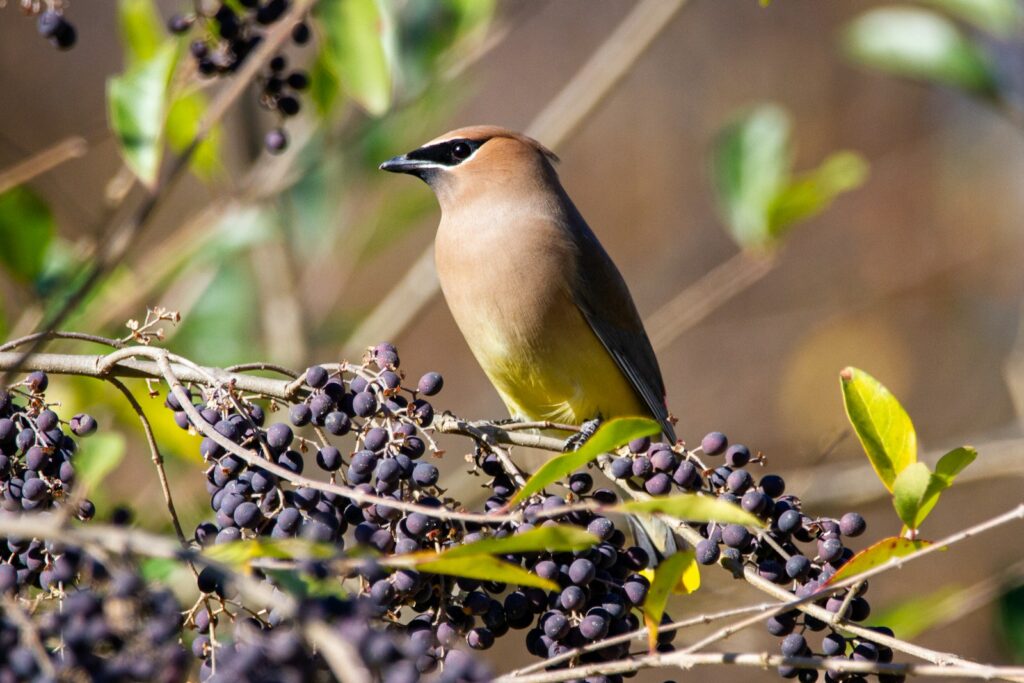
The Cedar Waxwing (Bombycilla cedrorum) brings its sleek, silky appearance and subtle color palette to urban environments where fruiting trees and shrubs are present. Their pale brown plumage transitions to yellow on the belly, with a distinctive black mask, crest, and waxy red tips on wing feathers that give them their name. These social birds appear in urban areas in flocks, often descending on ornamental fruit trees and berries planted in city parks and gardens. Their gentle trilling calls and coordinated movements as they pass berries down a line of birds make them a fascinating species to observe in urban settings. Cedar Waxwings benefit from urban landscaping trends that incorporate fruit-bearing native plants, demonstrating how thoughtful city planning can support biodiversity.
Monk Parakeets: Green Invaders
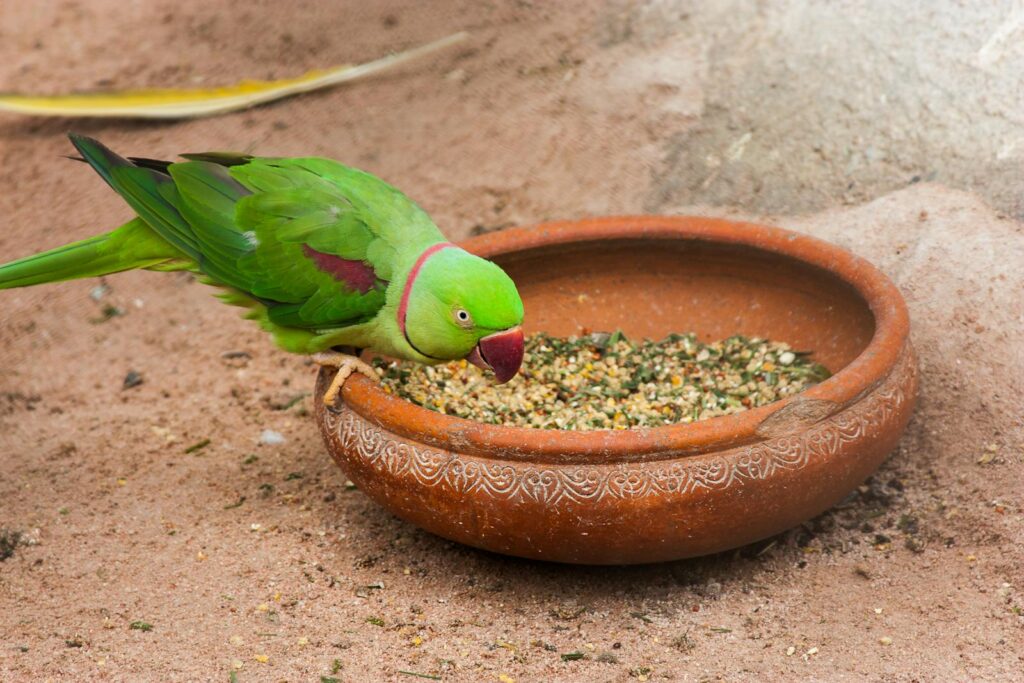
The Monk Parakeet (Myiopsitta monachus), also known as the Quaker Parrot, has established feral populations in numerous cities worldwide after escaping or being released from captivity. These bright green parakeets with gray breasts and foreheads create large, communal stick nests on utility poles, cell towers, and tall structures throughout urban areas from Chicago to Barcelona. Unlike most parrots, Monk Parakeets can survive in temperate climates, allowing them to establish permanent colonies in cities far from their South American origins. Their noisy social behavior and brilliant green plumage make them unmistakable urban residents, though their status as invasive species has led to control efforts in some regions where they damage infrastructure or compete with native birds.
Painted Buntings: Southern Urban Jewels
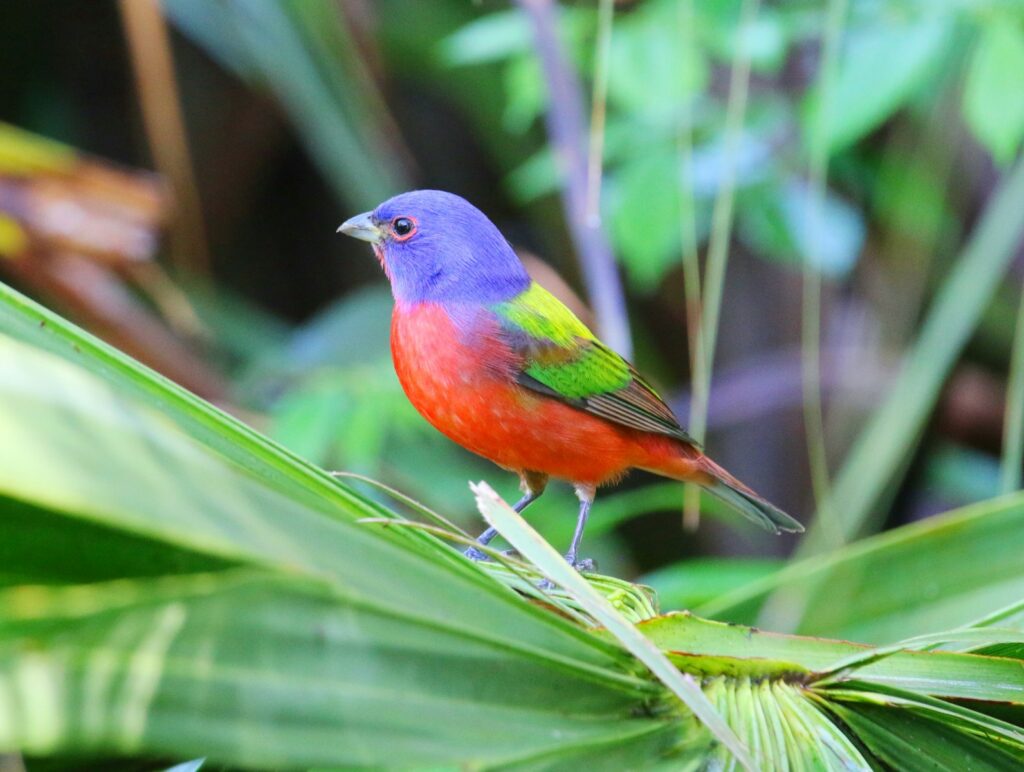
The Painted Bunting (Passerina ciris) represents one of North America’s most colorful songbirds, bringing its spectacular plumage to gardens and parks in southern cities. Males display an extraordinary combination of bright blue heads, red underparts, and green backs that seems almost too vibrant to be real. Despite their striking appearance, these birds often remain hidden in dense vegetation and can be surprisingly common in suburban areas with appropriate habitat along the Gulf Coast and southeastern United States. Painted Buntings have adapted to visit backyard bird feeders, particularly those offering white millet, bringing their kaleidoscopic appearance to urban bird watchers. Their presence in cities demonstrates how even species with seemingly specialized habitat requirements can adapt to human-modified landscapes when key resources remain available.
Rainbow Lorikeets: Australasian Urban Rainbows
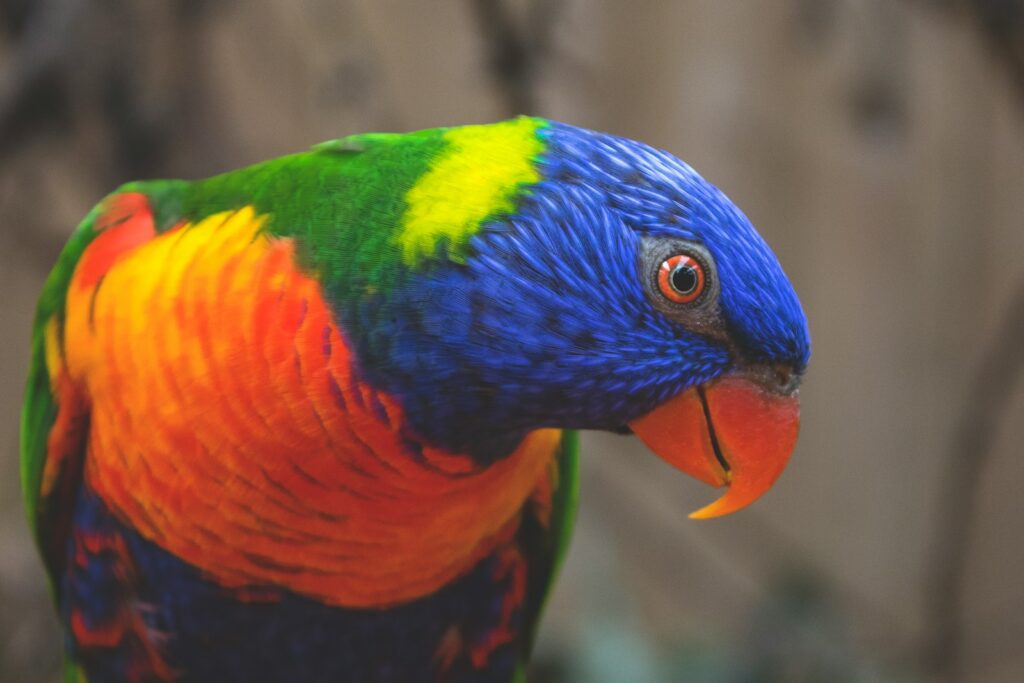
The Rainbow Lorikeet (Trichoglossus moluccanus) floods Australian cities with its spectacular multicolored plumage, having adapted remarkably well to urban environments across Australia and in cities where it has been introduced. These medium-sized parrots display a veritable rainbow of colors—blue heads, green wings, orange-yellow breasts, and red bills—making them among the most vividly colored urban birds anywhere. Their successful urban adaptation stems from their ability to exploit flowering trees and shrubs in parks and gardens, using their specialized brush-tipped tongues to feed on nectar and pollen. Rainbow Lorikeets have become so successful in Australian cities that they form spectacular roosting flocks at dusk, with hundreds of birds creating a colorful spectacle against city skylines at sunset.
Anna’s Hummingbirds: Urban Iridescence
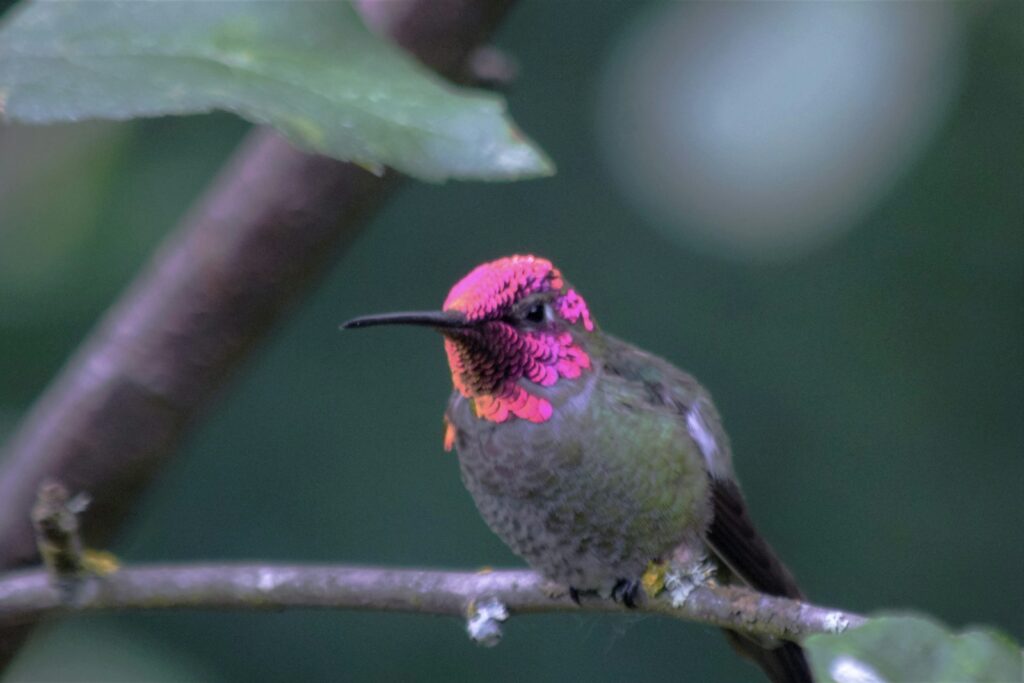
Anna’s Hummingbird (Calypte anna) brings iridescent green backs and rose-pink throats to urban environments along the Pacific Coast of North America, where it has expanded its range with the help of human landscaping and feeding practices. These jewel-like birds have adapted extraordinarily well to city life, becoming year-round residents in many urban areas where flowering plants and hummingbird feeders provide reliable food sources. Male Anna’s Hummingbirds perform spectacular dive displays from high perches, creating a distinctive explosive chirp with their tail feathers to impress females and establish territory even in busy urban settings. Their adaptation to city environments represents one of the most successful urban wildlife stories, as these birds now thrive in regions where they were historically absent before human development created suitable habitat.
Bullfinches: European Urban Gems
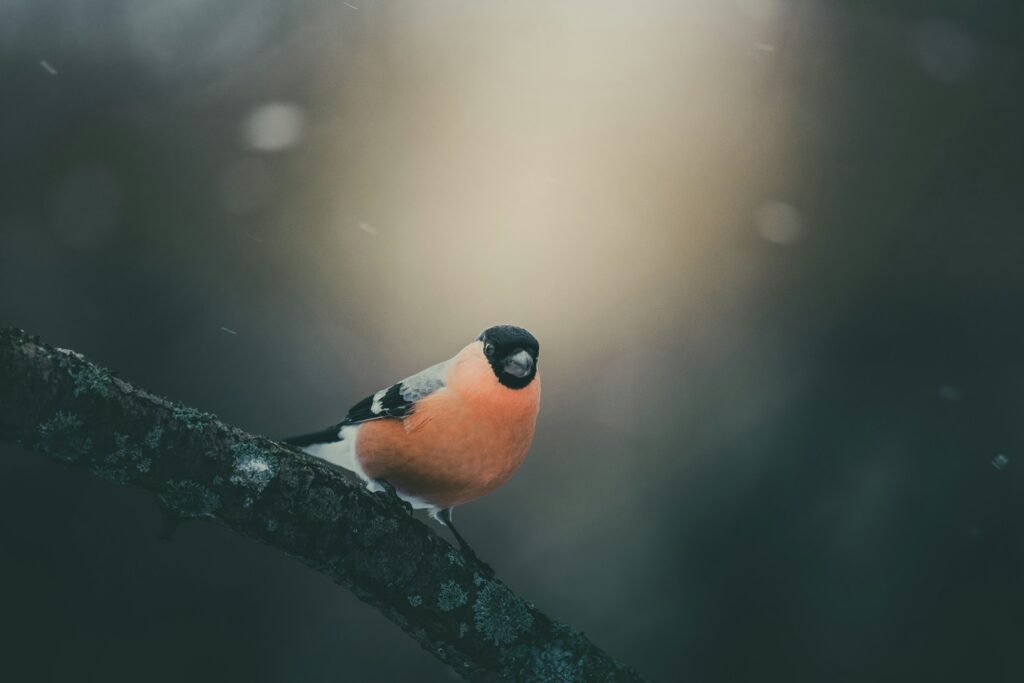
The Eurasian Bullfinch (Pyrrhula pyrrhula) brings its distinctive rose-red breast and black cap to parks and gardens across European cities. These stocky finches add a splash of color to urban environments, particularly in winter when they become more visible against leafless trees. Despite their bright coloration, bullfinches tend to be shy birds, often detected first by their soft, melancholy whistling call before being spotted among the branches. In urban environments, they frequently visit gardens with seed sources and fruit trees, particularly appreciating ornamental plantings that produce small fruits and buds. Their presence in European cities fluctuates with seasonal movements, bringing periodic bursts of color to urban green spaces throughout the year.
Indian Peafowl: Exotic Urban Wanderers
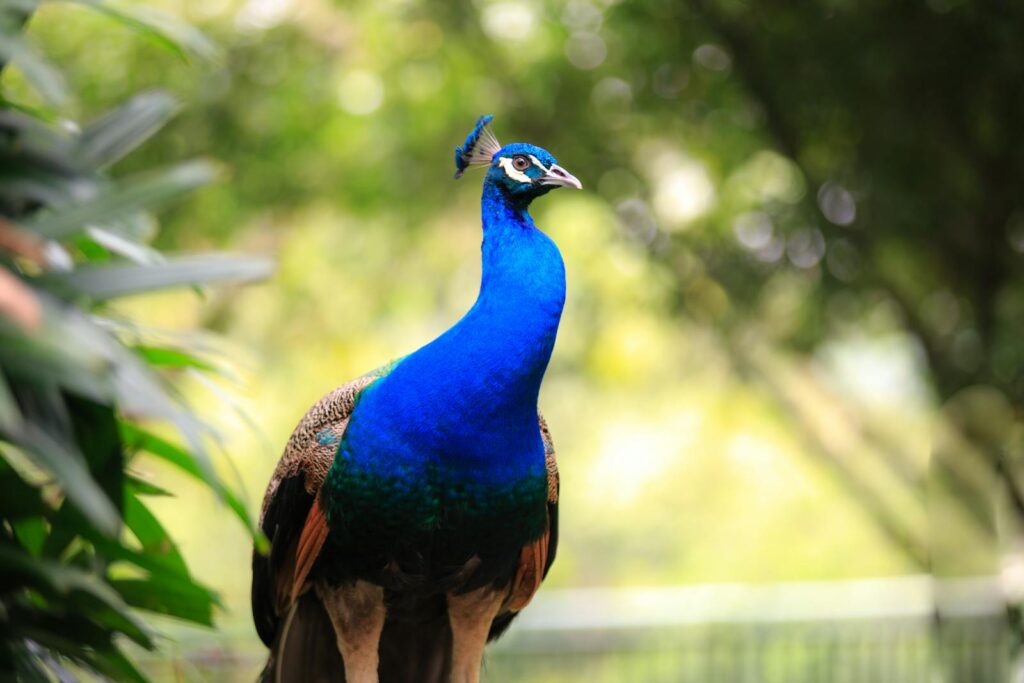
The Indian Peafowl (Pavo cristatus) has established feral populations in urban and suburban areas worldwide, bringing spectacular iridescent plumage to unexpected settings. Males display their enormous fan of eye-spotted train feathers in brilliant blue-green hues, creating one of the most dramatic sights in any urban environment where they occur. These large, introduced birds have adapted to life in residential neighborhoods in parts of California, Florida, Hawaii, and various cities globally where they were originally released as ornamental species. Despite their beauty, urban peafowl can be controversial residents due to their loud calls and territorial behavior during breeding season. Their successful adaptation to urban environments demonstrates how even species with specialized display behaviors can find suitable habitat in human-dominated landscapes.
Mandarin Ducks: Urban Water Jewels
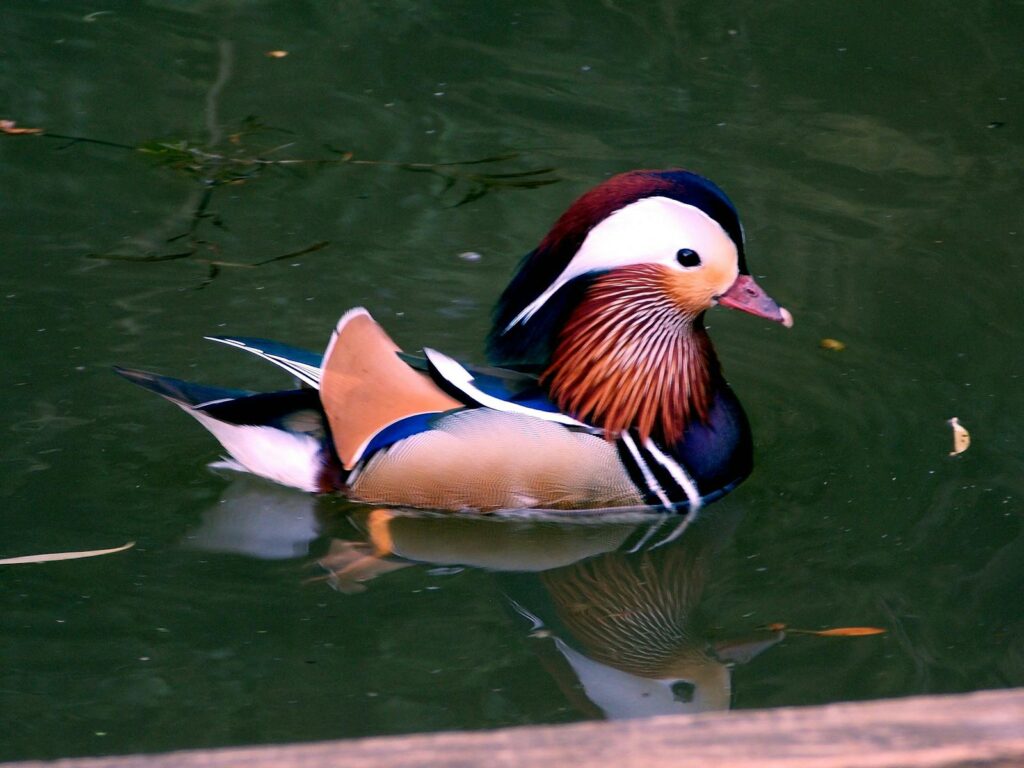
The Mandarin Duck (Aix galericulata) brings its extraordinarily ornate plumage to urban ponds and waterways, creating a sensation wherever these living works of art appear. Males in breeding plumage display a complex pattern of purple, green, white, and orange, with distinctive “sail” feathers standing vertically on their backs. Native to East Asia, these ducks have established feral populations in cities across Europe and North America after escaping from private collections. Their preference for wooded ponds makes urban parks with water features ideal habitat, where they often become celebrities among local birdwatchers and photographers. Mandarin Ducks demonstrate how even species with no evolutionary history of urban adaptation can thrive in city environments when their habitat requirements are incidentally met by human landscape design.
Creating Urban Habitat for Colorful Birds
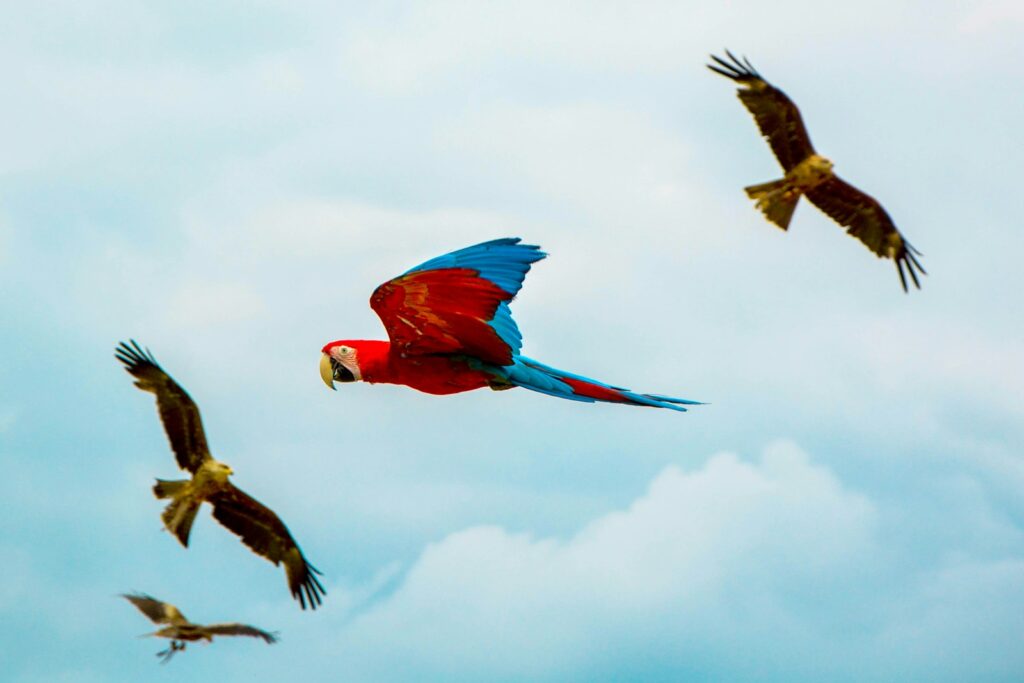
Urban environments can support increasingly diverse populations of colorful birds through thoughtful planning and community involvement. Native plant gardens, even small ones on balconies or in community spaces, provide essential food resources through seeds, fruits, and by supporting insect populations that many colorful birds depend upon. Maintaining varied vegetation structures—from ground cover to trees of different heights—creates microhabitats that accommodate birds with different nesting and feeding requirements. Reducing window collisions through bird-friendly design and keeping cats indoors represent critical steps in making cities safer for colorful avian residents. Community science programs that monitor urban bird populations help track successes and challenges, allowing adaptive management approaches that can make cities increasingly hospitable to a spectrum of colorful bird species.
As urban areas continue to expand globally, the presence of colorful birds reminds us that cities needn’t be biological deserts. These vibrant species not only bring aesthetic beauty to our daily lives but also provide opportunities for urban residents to connect with nature without leaving their neighborhoods. By recognizing and supporting the ecological needs of these colorful urban adapters, we can ensure that future generations of city dwellers will continue to experience the joy of encountering unexpected flashes of natural brilliance amid the concrete and glass of our built environment. Whether it’s a cardinal at a snowy feeder or a rainbow lorikeet in a flowering street tree, these colorful urban birds enrich our cities in ways that transcend their ecological importance.