

Creating a bird-friendly landscape starts with understanding the profound connection between native plants and local bird populations. Native plants have evolved alongside local wildlife for thousands of years, establishing intricate ecological relationships that introduced species simply cannot replicate. When you incorporate native plants into your yard, you’re not just adding greenery – you’re creating a vibrant ecosystem that provides food, shelter, and nesting sites for birds throughout the year. Beyond their ecological benefits, these plants require less maintenance, use less water, and eliminate the need for harmful pesticides. The following guide will help you transform your outdoor space into a bird sanctuary using regionally appropriate native plants that support diverse avian life.
Understanding Why Native Plants Matter for Birds
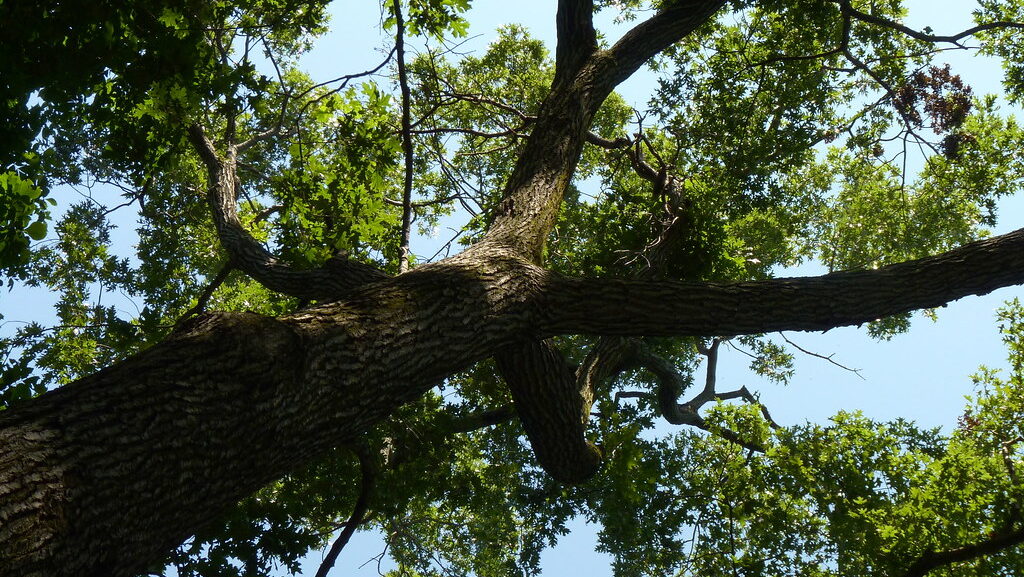
Native plants form the foundation of the ecological food web that birds depend on for survival. Research by entomologist Doug Tallamy has shown that native oak trees support over 500 species of caterpillars, while non-native alternatives like Bradford pears might host only a handful. This difference is crucial because most songbirds rely on caterpillars and insects as primary food sources when raising their young. Native plants have co-evolved with local insects, developing the precise chemical compounds that these insects need to survive, which in turn supports bird populations. Additionally, native plants produce seeds, nuts, and berries that align with birds’ seasonal migration and breeding cycles, providing nutrition exactly when birds need it most. By choosing natives, homeowners can increase bird biodiversity by up to 800% compared to properties dominated by non-native plants.
Berry-Producing Shrubs That Birds Love
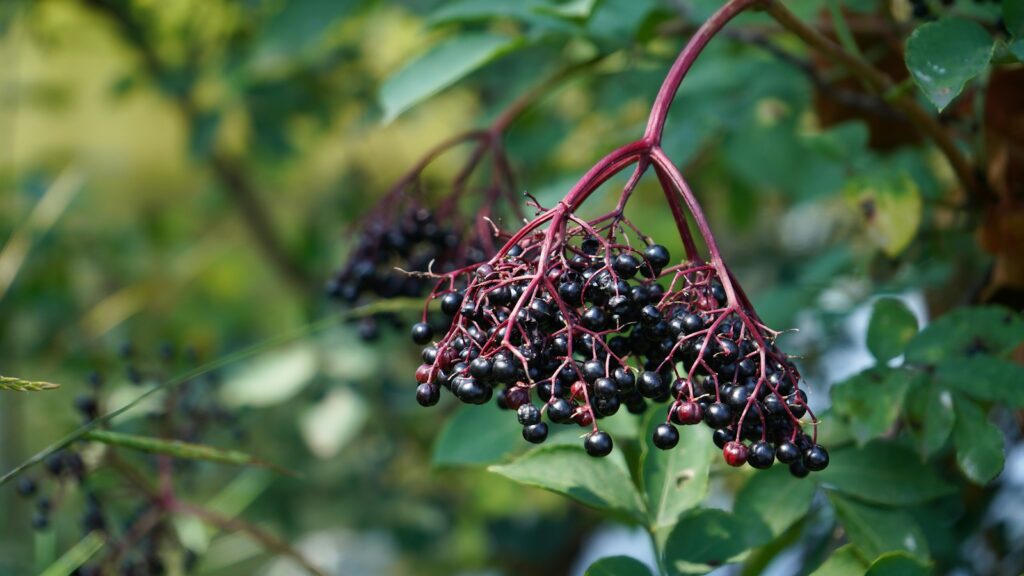
Berry-producing native shrubs offer birds essential nutrition while adding visual interest to your landscape. American elderberry (Sambucus canadensis) produces clusters of dark purple berries in late summer that attract over 120 bird species, including waxwings, cardinals, and thrushes. Viburnums, particularly native species like arrowwood (Viburnum dentatum) and nannyberry (Viburnum lentago), provide high-fat berries that help birds prepare for migration or survive harsh winters. Winterberry holly (Ilex verticillata) holds its bright red berries well into winter when food sources are scarce, becoming a crucial resource for overwintering birds like robins and bluebirds. Native serviceberry (Amelanchier species) offers some of the earliest berries of the season, attracting cedar waxwings, tanagers, and orioles when they return from migration in early summer.
Seed-Producing Perennials for Year-Round Feeding
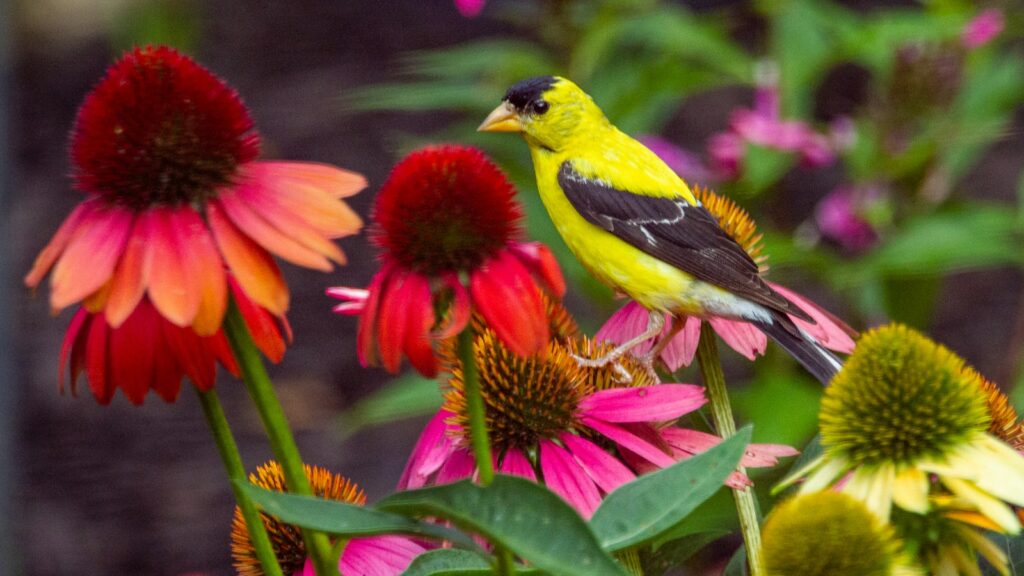
Native perennials with seed heads provide a sustainable food source that attracts a variety of seed-eating birds. Purple coneflower (Echinacea purpurea) not only offers stunning summer blooms but produces seed heads that goldfinches, chickadees, and cardinals visit throughout fall and winter. Black-eyed Susan (Rudbeckia species) serves a similar purpose with its distinctive center cone that provides seeds for many of the same species. Native sunflowers (Helianthus species) produce large quantities of nutritious seeds that attract larger birds like blue jays and grosbeaks while also supporting beneficial insects during their flowering period. Asters and goldenrods bloom late in the season, offering important food for migrating birds and providing seeds that persist into winter when planted in masses rather than single specimens.
Native Trees That Create Bird Habitats
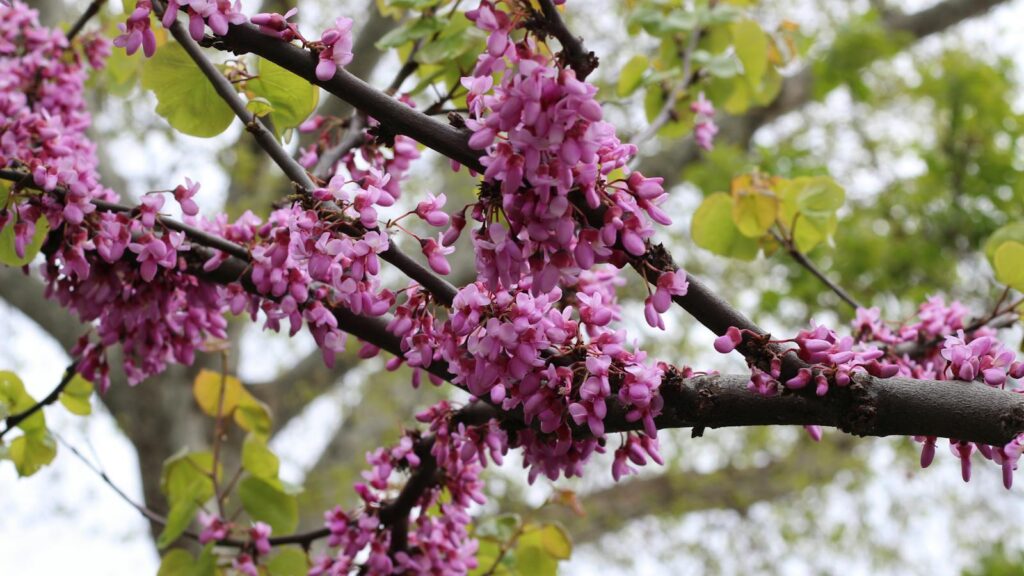
Native trees form the backbone of bird habitat, offering nesting sites, shelter, food, and perching locations. Oak trees (Quercus species) stand as the single most valuable genus for wildlife, supporting hundreds of insect species that feed birds while also producing nutritious acorns consumed by woodpeckers, jays, and turkeys. Eastern redbud (Cercis canadensis) blooms early in spring, attracting pollinators that become food for birds, while its seed pods persist into winter, providing additional food sources. River birch (Betula nigra) has exfoliating bark that harbors insects year-round and produces seeds particularly favored by goldfinches, chickadees, and pine siskins. Dogwoods (Cornus species) offer a multiple-season buffet with spring flowers for pollinators, summer berries for songbirds, and fall foliage that shelters lingering insects.
Nectar Plants for Hummingbirds
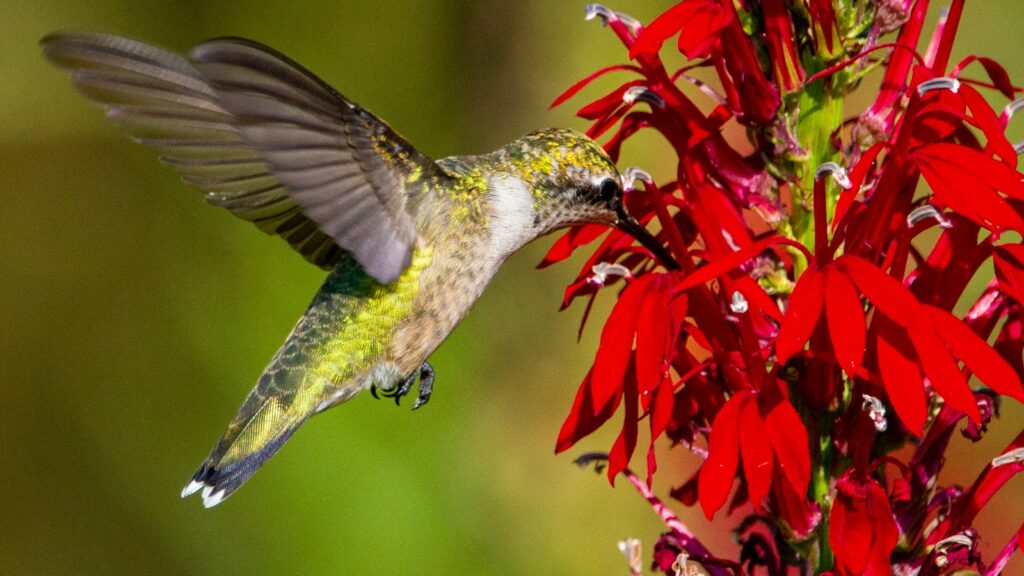
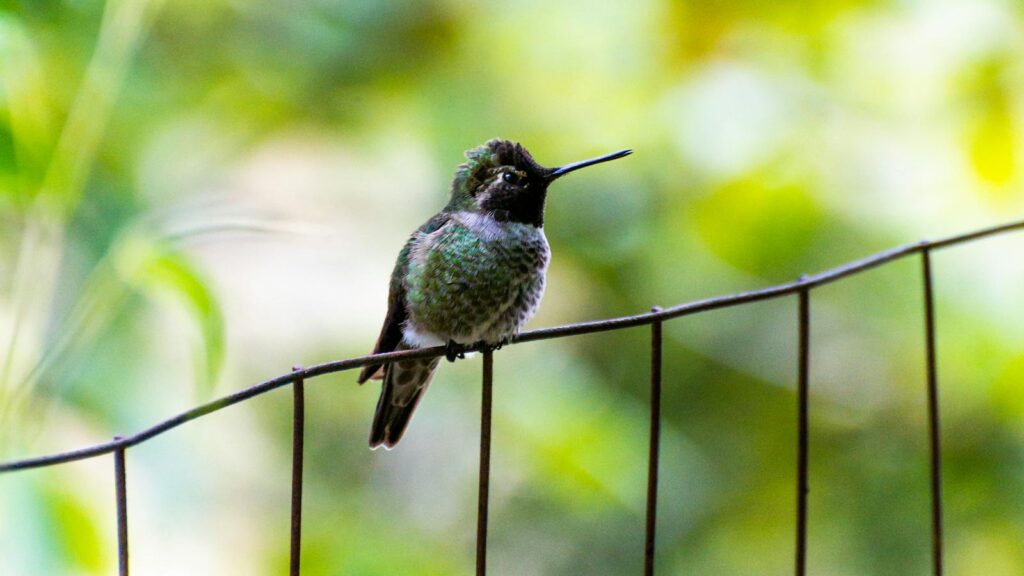
Hummingbirds require specialized plants with tubular flowers that match their long bills and high-energy needs. Cardinal flower (Lobelia cardinalis) produces vibrant red blooms perfectly adapted to hummingbird feeding, with each plant generating nectar that can support multiple birds during its long blooming period. Native columbine (Aquilegia canadensis) blooms earlier in spring, providing crucial nutrition for hummingbirds just returning from migration when few other nectar sources are available. Bee balm (Monarda species) attracts hummingbirds with its distinctive whorled flowers in shades of red, pink, or purple, while also supporting native bees and butterflies that contribute to the overall ecological health of your garden. Native trumpet honeysuckle (Lonicera sempervirens) offers an extended blooming season from spring through fall, creating a reliable nectar source that hummingbirds will visit repeatedly and may even defend as territory.
Grasses and Meadow Plants for Ground-Feeding Birds
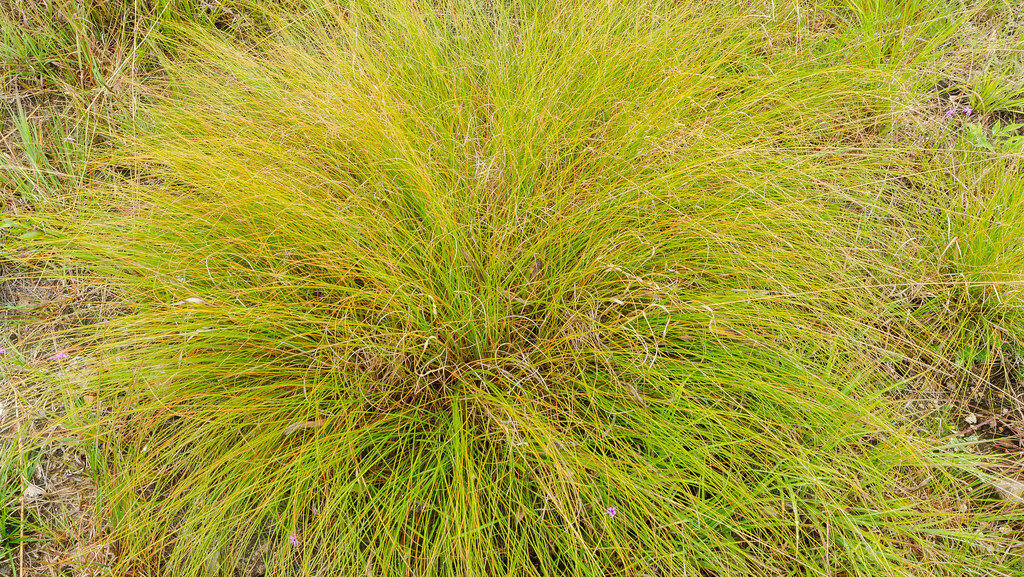
Native grasses and meadow plants provide essential habitat structure and food for ground-feeding and grassland birds. Little bluestem (Schizachyrium scoparium) produces seeds eaten by sparrows, juncos, and towhees while creating protective cover that these birds use to escape predators. Prairie dropseed (Sporobolus heterolepis) forms attractive fountain-like clumps that produce seeds particularly favored by native sparrows and finches. Switchgrass (Panicum virgatum) grows tall enough to provide winter shelter while its seeds feed numerous species from late summer through winter. These grasses, when left standing through winter, create microhabitats where birds can forage for seeds that have fallen to the ground, protected from harsh weather and predators by the sheltering stems.
Plants That Support Insect-Eating Birds
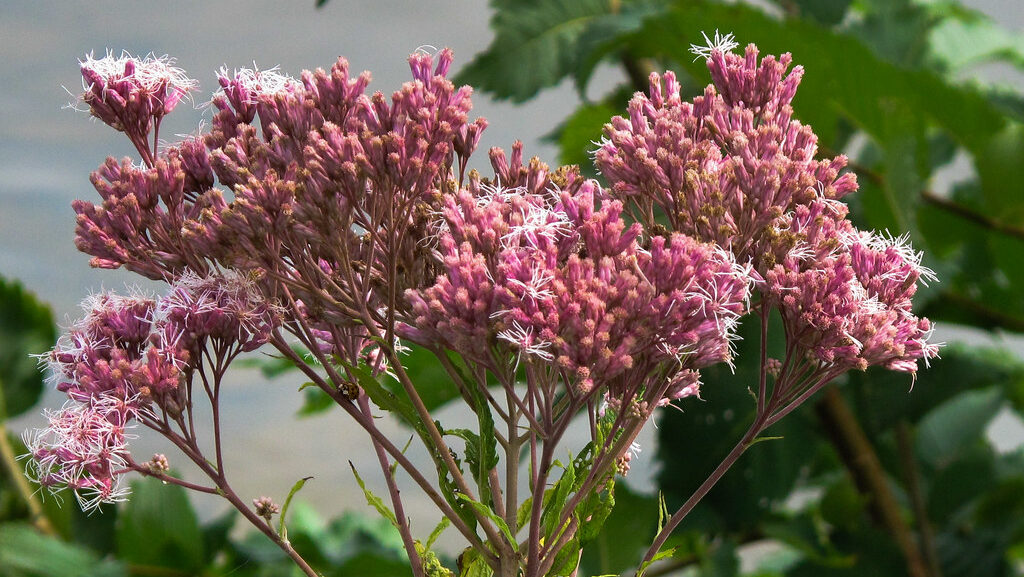
Certain native plants excel at attracting the insects that form the dietary foundation for many bird species, especially during nesting season. Joe-pye weed (Eutrochium species) grows impressive flower clusters that attract butterflies and beneficial insects, creating hunting grounds for flycatchers, warblers, and other insectivorous birds. Native asters (Symphyotrichum species) support over 100 butterfly and moth species whose caterpillars become critical protein sources for nesting birds. Milkweed (Asclepias species), beyond its famous relationship with monarch butterflies, hosts numerous specialist insects that become food for birds like orioles and tanagers. Wild senna (Senna marilandica) attracts sulfur butterflies that lay eggs on its foliage, creating a predictable supply of caterpillars that parent birds collect to feed their nestlings.
Creating Multi-Season Bird Support
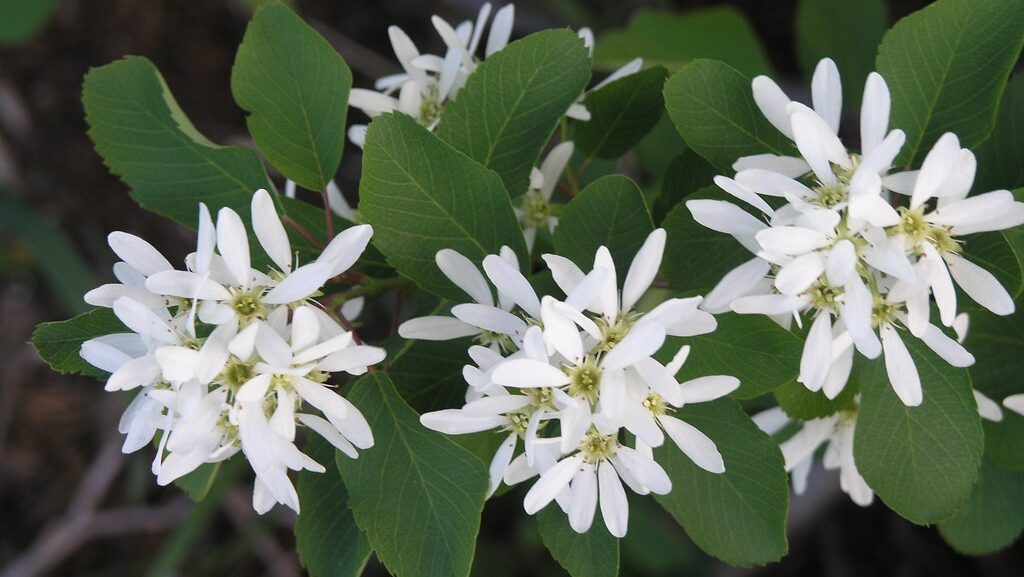
Designing a truly bird-friendly yard requires thinking beyond single-season appeal to create year-round resources. Spring-flowering serviceberry (Amelanchier) transitions to summer berries, followed by fall color and structural interest in winter, providing continuous bird support throughout the year. Incorporating evergreens like eastern red cedar (Juniperus virginiana) offers winter shelter and blue, berry-like cones that cedar waxwings and bluebirds consume. Native viburnums offer spring flowers for pollinators, summer berries for breeding birds, and fall foliage that attracts late-season insects. Creating this four-season support system often means allowing some garden “messiness” by leaving seed heads standing through winter and delaying spring cleanup until temperatures consistently reach 50°F to protect overwintering beneficial insects that birds will feed on.
Regional Native Plant Considerations
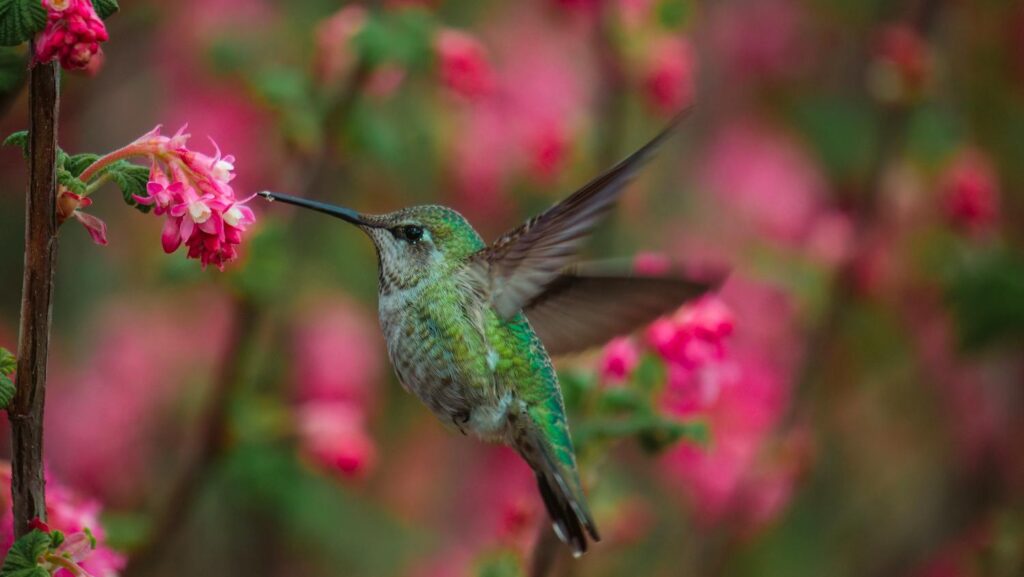
The most effective bird-friendly plants vary significantly by region, reflecting local ecosystems and bird populations. In the Pacific Northwest, red-flowering currant (Ribes sanguineum) attracts returning hummingbirds and provides berries for thrushes and tanagers later in the season. Southeastern gardens benefit from native wax myrtle (Morella cerifera), whose waxy berries provide essential fat for yellow-rumped warblers and tree swallows during winter months. In the arid Southwest, desert willow (Chilopsis linearis) offers nectar for hummingbirds while creating shade that concentrates insect activity for other birds. Midwestern prairie gardens thrive with compass plant (Silphium laciniatum), whose deep roots build soil health while its seeds feed goldfinches and indigenous sparrows. Consulting with local native plant societies or cooperative extension offices can help identify the most beneficial species for your specific location.
Creating Natural Layering for Bird Habitat
Birds utilize different vegetation layers for various activities, making a multi-layered landscape essential for supporting diverse species. The canopy layer, formed by native trees like oaks and maples, provides nesting sites for species like orioles and tanagers while offering lookout perches for flycatchers. The understory layer, comprising smaller trees and large shrubs like dogwoods and viburnums, creates protected feeding zones and nesting locations for cardinals, catbirds, and thrashers. Shrub layers featuring plants like native hydrangeas and blueberries offer dense cover where wrens, sparrows, and towhees can hide from predators. The ground layer of perennials, grasses, and ground covers supports ground-feeding birds like juncos and sparrows while providing the soil-dwelling insects that woodcocks and other probing birds seek. Creating a yard with all four layers maximizes bird habitat potential and creates the vertical diversity that supports the most bird species.
Planting Techniques That Maximize Bird Benefits
How you arrange and maintain native plants significantly impacts their value to birds. Planting in masses rather than as individual specimens creates recognizable feeding stations that birds can locate from the air and return to consistently. Clustering similar plants in groups of at least three to five specimens ensures sufficient resources to make birds’ foraging efforts worthwhile while increasing pollination for better seed and fruit production. Avoiding chemical pesticides is crucial, as these eliminate the insect populations that birds depend on and can cause direct harm through bioaccumulation in the food chain. Extending planting seasons by including early spring bloomers like wild columbine alongside late-season plants like asters creates continuous food sources that support birds through their annual cycles of migration, breeding, and overwintering.
Maintaining Your Bird-Friendly Native Plant Garden
Bird-friendly maintenance practices differ significantly from conventional landscaping approaches. Leaving seed heads and berries intact through winter provides critical food during the leanest season, rather than cutting plants back in fall for “neatness.” Delaying spring cleanup until consistently warm weather arrives protects overwintering beneficial insects that birds will feed on when they emerge. Reducing or eliminating lawn areas in favor of native plantings dramatically increases insect populations that support birds, while decreasing resource-intensive maintenance. Creating brush piles with pruned branches provides additional shelter during harsh weather and offers protected foraging opportunities for birds like wrens and sparrows. This ecological approach to maintenance not only benefits birds but typically reduces overall garden work by working with natural processes rather than constantly fighting against them.
Supplementing Native Plants with Water Features
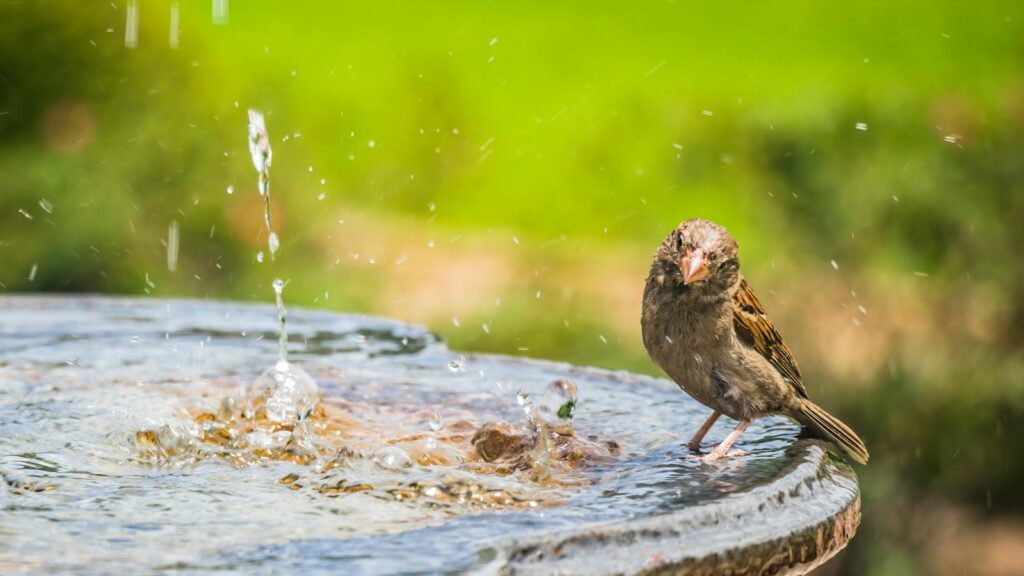
While native plants provide food and shelter, adding water features dramatically increases your yard’s attraction for birds by completing the habitat trifecta. Shallow bird baths with gradually sloping sides accommodate birds of different sizes, from tiny warblers to larger jays and doves. Moving water, even in the form of a simple solar fountain or dripper, creates sound and visual cues that attract birds from surprising distances, bringing in species that might not otherwise visit your plantings. Positioning water features near shrubs or trees provides quick escape routes that make birds feel secure while drinking or bathing. During winter in colder regions, heated bird baths become vital resources when natural water sources freeze, attracting unusual visitors and supporting year-round residents during the most challenging season.
Conclusion: Building Your Bird Sanctuary
Creating a bird-friendly yard with native plants represents one of the most impactful conservation actions an individual can take. By replacing even a portion of conventional landscaping with regional native plants, homeowners can create stepping-stone habitats that help birds navigate increasingly fragmented landscapes. The transformation need not happen all at once – starting with a small native plant bed and gradually expanding creates meaningful habitat while making the project manageable. As your native plant collection grows, you’ll likely notice not just more birds but greater diversity, including species that may have been absent from your neighborhood for years. Beyond the ecological benefits, this approach creates a deeply personal connection to local wildlife, turning everyday bird watching into a rewarding conservation effort that unfolds just outside your window.