

The race across oceans and skies, whether by sailboat, aircraft, or even migrating birds, is profoundly influenced by an invisible force that shapes our world: wind. From ancient mariners navigating trade routes to modern pilots planning fuel-efficient flights, understanding wind patterns has been crucial for determining not just if you’ll arrive at your destination, but when you’ll get there and who might beat you to it. Wind patterns act as nature’s great equalizer – sometimes providing advantageous shortcuts, other times creating frustrating barriers that can turn a simple journey into an epic struggle. This fascinating interplay between wind systems and movement across our planet influences everything from international shipping schedules to Olympic sailing competitions, and even the timing of natural phenomena like bird migrations.
The Historical Significance of Wind Navigation

Long before modern technology, ancient civilizations recognized the crucial role wind patterns played in determining travel times and trade routes. Portuguese explorers of the 15th century discovered they could return from Africa more quickly by sailing westward first to catch the favorable trade winds rather than fighting against headwinds on a direct route. The discovery of these wind patterns revolutionized global trade and exploration, allowing some nations to establish maritime dominance based largely on their mastery of wind navigation. Spanish galleons developed specific routes that exploited the seasonal wind shifts across the Atlantic, creating a transportation system that allowed them to reliably move goods between continents. These early lessons in working with prevailing winds rather than against them established principles that remain fundamental to efficient travel today, proving that sometimes the fastest route between two points is not a straight line but the path that best utilizes natural forces.
Understanding Global Wind Patterns

The Earth’s major wind systems are created by a combination of the planet’s rotation and uneven heating from the sun, resulting in predictable patterns that mariners and aviators must understand. Near the equator, we find the trade winds, which blow reliably from east to west, while in the mid-latitudes, the prevailing westerlies move in the opposite direction, flowing from west to east. Polar regions experience easterly winds, creating a complex global system that varies by latitude and creates both opportunities and challenges for travelers. These patterns aren’t static but shift seasonally as the Earth tilts on its axis, causing the Intertropical Convergence Zone (ITCZ) to migrate north and south throughout the year. Monsoon winds in regions like Southeast Asia reverse direction completely between summer and winter, dramatically affecting travel times depending on when a journey is undertaken. Understanding these global patterns allows travelers to potentially shave days or even weeks off journey times simply by timing departures to coincide with favorable wind conditions.
The Jet Stream’s Critical Influence on Aviation

High above the Earth’s surface, narrow bands of powerful winds known as jet streams dramatically impact flight times, sometimes creating differences of hours on the same route depending on direction. Aircraft flying eastward across North America or the Atlantic can ride these natural conveyor belts of air moving at 100-200 mph, significantly reducing flight time and fuel consumption. A flight from New York to London might take just over 5 hours with a favorable jet stream, while the return journey against these same winds often requires well over 6 hours, despite covering the same distance. Airlines carefully plan routes to either exploit or minimize the jet stream’s effects, sometimes flying seemingly indirect paths that actually result in faster overall travel times. During winter months when the jet stream is typically strongest, these time differences become even more pronounced, creating seasonal variations in flight durations that passengers often don’t recognize as wind-related.
Competitive Sailing: Where Wind Reading Becomes Art

In few arenas is the impact of wind patterns on arrival times more evident than in competitive sailing, where reading and responding to wind conditions can make the difference between victory and defeat. America’s Cup teams invest millions in meteorological technology and wind prediction expertise, recognizing that strategic routing based on forecasted wind patterns often determines the winner before boats even leave the harbor. Olympic sailors develop intimate knowledge of local wind patterns at competition venues, studying how coastal features, temperature differences, and time of day affect wind direction and strength. Racing tactics often involve positioning vessels to catch favorable wind shifts before competitors, or to block rivals from accessing clean air, essentially using wind as both a propulsion source and strategic weapon. The most successful competitive sailors combine technical skill with an almost intuitive understanding of wind behavior, allowing them to anticipate changes that less experienced sailors might only react to after valuable time has been lost.
Commercial Shipping and Wind Optimization

The modern shipping industry, despite utilizing powerful engines, still depends heavily on understanding wind patterns to optimize delivery schedules and fuel efficiency. Container ships traversing oceans follow carefully calculated routes that balance distance against prevailing winds and currents, sometimes taking longer paths that paradoxically result in faster transit times. Sophisticated weather routing software continuously analyzes wind forecasts and recommends course adjustments that can save shipping companies millions in fuel costs while ensuring more predictable arrival times. Even massive vessels can be significantly slowed by headwinds, with studies showing that strong contrary winds can reduce a large container ship’s speed by 1-2 knots while increasing fuel consumption by up to 30%. The economic impact of these wind-influenced scheduling variations affects global supply chains and can determine which products reach markets first, providing competitive advantages to companies with more wind-efficient shipping strategies.
Migratory Birds: Nature’s Wind Navigation Experts

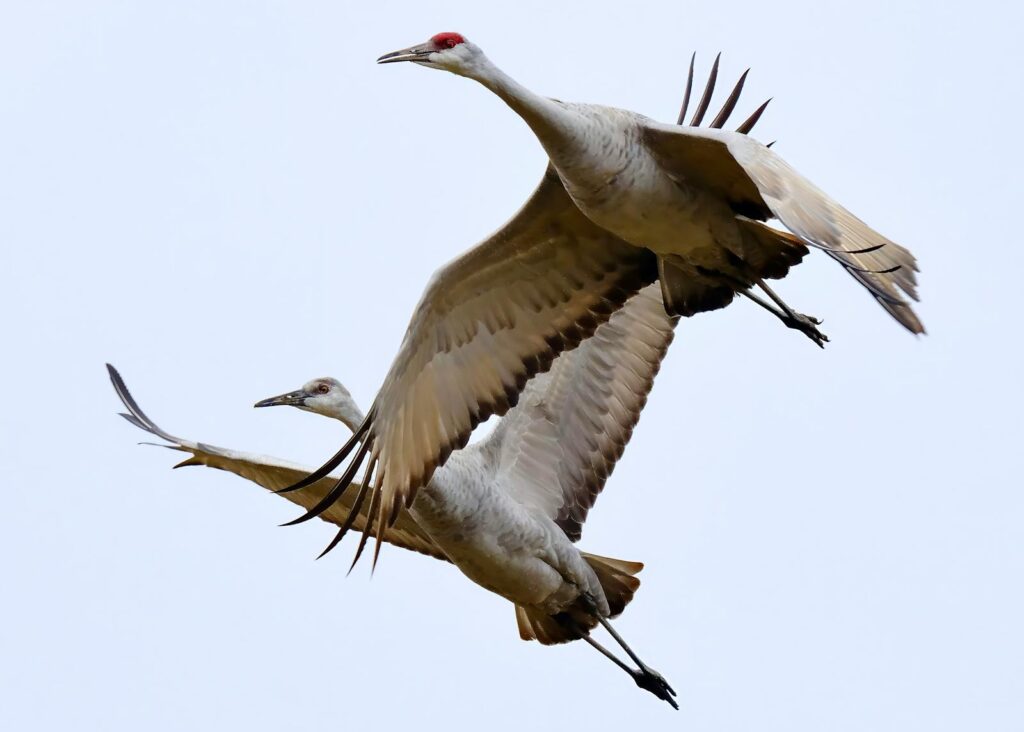
Migratory birds have evolved sophisticated abilities to exploit seasonal wind patterns, allowing some species to travel thousands of miles with remarkable efficiency and precision. Arctic terns make their annual journey between polar regions, timing their migration to coincide with favorable wind patterns, helping them complete the longest migration of any animal on Earth. Research using GPS tracking has revealed that many bird species wait for specific wind conditions before beginning migration legs, sometimes delaying departure for days until optimal tailwinds develop. Some birds, like the bar-tailed godwit, can select altitude layers with the most favorable winds, sometimes flying at over 20,000 feet to catch fast-moving air currents that help them cover vast distances without stopping. These evolutionary adaptations to wind patterns determine not just which birds arrive first at breeding or wintering grounds, but can affect survival rates and reproductive success by conserving critical energy reserves for the challenges that follow migration.
Climate Change and Shifting Wind Patterns

Climate change is altering long-established wind patterns across the globe, creating new challenges for travel planning and potentially reshaping competitive advantages in transportation. The jet stream has shown increasing instability in recent decades, with some research indicating it now follows more extreme north-south meanders rather than the relatively straight east-west flow that aviation has historically relied upon. Trade winds in some ocean basins have strengthened while weakening in others, forcing shipping companies to recalculate traditional routes that have been used for decades or even centuries. These changes introduce unpredictability into travel times, sometimes causing flights that once reliably arrived first to now face unexpected headwinds and delays. Scientists predict that as polar regions warm faster than equatorial areas, the temperature gradient that drives many wind systems will continue to change, potentially creating entirely new wind patterns that will require adaptation across all forms of transportation.
Wind Routing Technology and Competitive Advantage
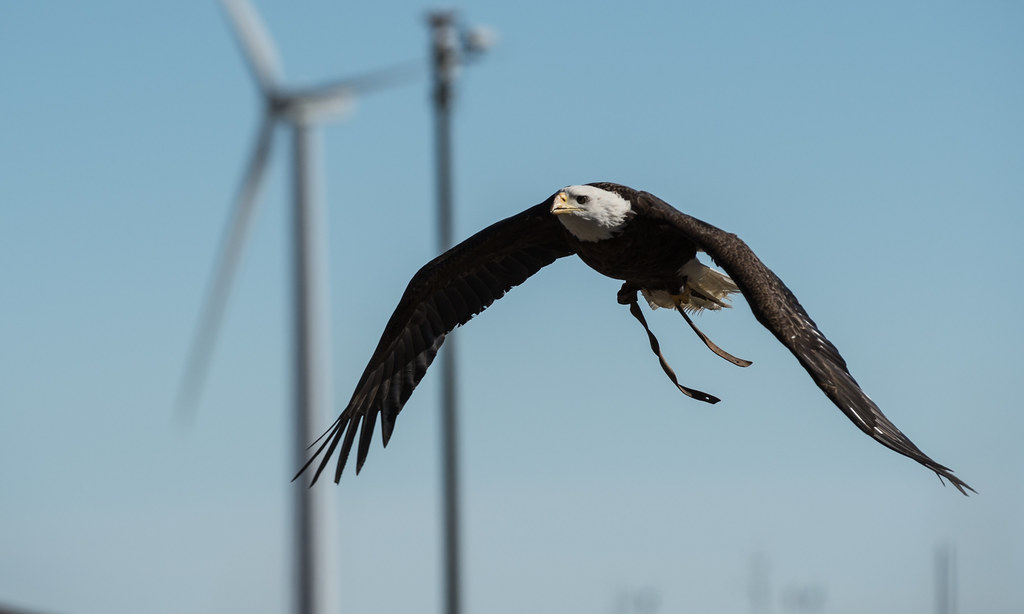
Advanced wind routing technology has transformed from a specialized tool to an essential competitive advantage across multiple industries where arrival timing matters. America’s Cup sailing teams employ dedicated meteorologists using supercomputer models to predict microscale wind shifts hours in advance, information worth millions in competitive advantage. Commercial airlines utilize sophisticated Flight Management Systems that continuously calculate the most efficient route based on real-time wind data, sometimes making mid-flight adjustments to exploit newly developing tailwinds. The development of high-resolution global weather models has particularly benefited transoceanic travel, where even small wind prediction improvements can translate to significant time and fuel savings. Companies investing in proprietary wind prediction technology often gain market advantages through more reliable scheduling and reduced operational costs, allowing them to consistently outperform competitors who rely on more general weather forecasting services.
Local Wind Phenomena That Create Surprising Outcomes

While global wind patterns affect long-distance travel, localized wind phenomena can create surprising advantages or disadvantages in shorter journeys. Mountain wind systems like the Santa Ana winds in California or the Mistral in France can dramatically accelerate or impede travel depending on direction, sometimes creating situations where seemingly disadvantaged travelers unexpectedly arrive first. Coastal sea breezes develop daily patterns that experienced local travelers learn to exploit, timing departures to coincide with the most favorable wind cycle. Urban areas create their own micro-wind systems as buildings channel and accelerate airflow, something bicycle couriers and urban drone delivery services must increasingly account for in their routing. These local wind effects often produce counter-intuitive results where indirect routes that avoid unfavorable wind zones actually prove faster than direct paths, demonstrating how wind knowledge can overturn the conventional wisdom about shortest distances.
Wind Strategy in Recreational Activities

Even recreational activities incorporate wind strategy to determine who finishes first, often adding an intellectual dimension to physical competitions. Experienced cyclists understand that drafting behind others in headwinds conserves up to 30% of energy, allowing strategic riders to conserve strength before making decisive moves with tailwind assistance. Marathon runners increasingly consider wind forecasts when setting pace strategies, knowing that maintaining consistent effort rather than consistent speed across changing wind conditions often produces the best results. Recreational pilots of small aircraft learn to request specific flight paths from air traffic control that might seem indirect but actually provide wind advantages that result in shorter overall flight times. These strategic approaches to wind management demonstrate how understanding this invisible force creates advantages at all levels of competition, not just in professional or commercial contexts.
Wind Forecasting Limitations and Arrival Uncertainties

Despite technological advances, wind forecasting still contains significant uncertainties that can transform expected winners into surprised losers. Small-scale atmospheric features like microbursts or localized wind shears often develop too quickly or in too limited an area to be captured by even the most sophisticated prediction models. Wind patterns near coastlines or in mountainous regions remain particularly difficult to forecast accurately due to complex interactions between air masses and terrain features. These forecasting limitations explain why experienced pilots and sailors still speak of the “art” of wind reading rather than treating it as a purely scientific process. The unpredictable nature of wind adds an element of chance and excitement to competitions, ensuring that even with identical equipment and skill levels, nature itself often becomes the final arbiter of who crosses the finish line first.
Future Developments in Wind-Based Navigation
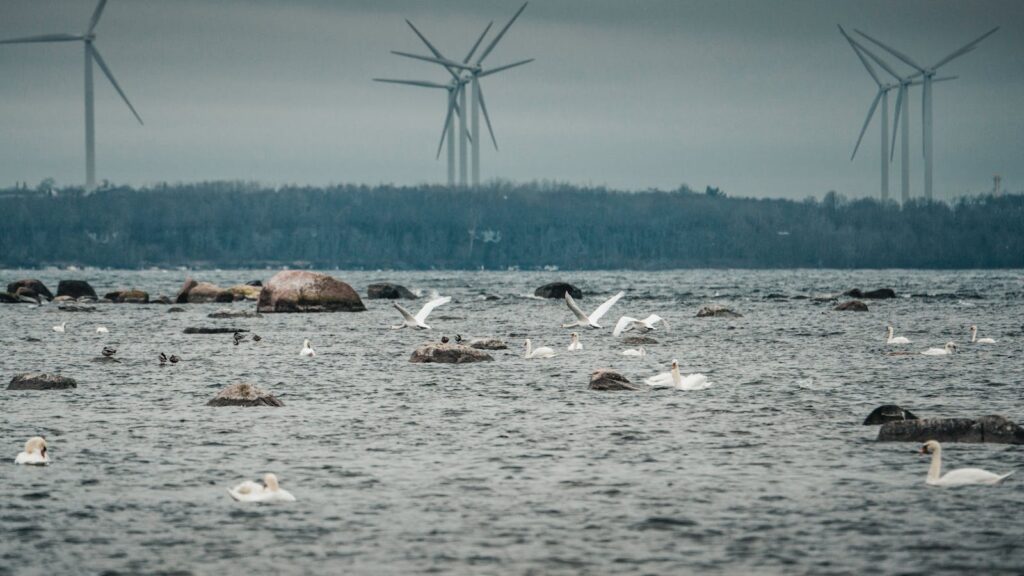
Emerging technologies promise to further revolutionize how we understand and utilize wind patterns to determine arrival times. Machine learning algorithms are increasingly capable of identifying subtle wind pattern precursors that human forecasters might miss, potentially providing competitive advantages measured in minutes rather than hours. Autonomous vehicles, from self-sailing boats to delivery drones, are being programmed to continuously optimize their paths based on real-time wind measurements and predictions, removing human error from wind-based navigation decisions. Some researchers are developing ultra-lightweight atmospheric sensors that can be deployed in massive networks to provide unprecedented detail about wind patterns, potentially closing the gap between forecast and reality. These advances suggest that in the future, success in wind-influenced competitions may increasingly depend on technological sophistication rather than traditional knowledge, though the fundamental importance of understanding how wind patterns determine who arrives first will remain unchanged.
Conclusion
The complex interplay between wind patterns and movement across our planet represents one of nature’s most fascinating influences on human activity. From ancient sailing vessels to modern jetliners, understanding and adapting to these invisible currents has consistently separated winners from runners-up. As climate change alters long-established wind systems and technology improves our ability to predict these changes, the relationship between wind knowledge and competitive advantage continues to evolve. Yet the fundamental principle remains unchanged: those who best understand and adapt to the wind’s capricious nature will continue to arrive first, whether in international commerce, athletic competition, or the eternal cycles of natural migration. In a world increasingly dominated by technology, wind patterns remind us that nature still holds significant influence over who arrives first, and when.