
Every year, billions of birds undertake remarkable migratory journeys spanning thousands of miles, navigating by starlight, landmarks, and Earth’s magnetic field. Yet these ancient pathways face a modern threat: the artificial glow of our cities. Urban light pollution has emerged as a significant but often overlooked hazard for migratory birds, causing disorientation, altered flight paths, and even deadly collisions. As our cities grow brighter and expand further, the consequences for these airborne travelers become increasingly severe. This illuminating intersection of urban development and wildlife behavior represents one of the most pressing yet solvable conservation challenges of our time.
The Ancient Marvel of Bird Migration
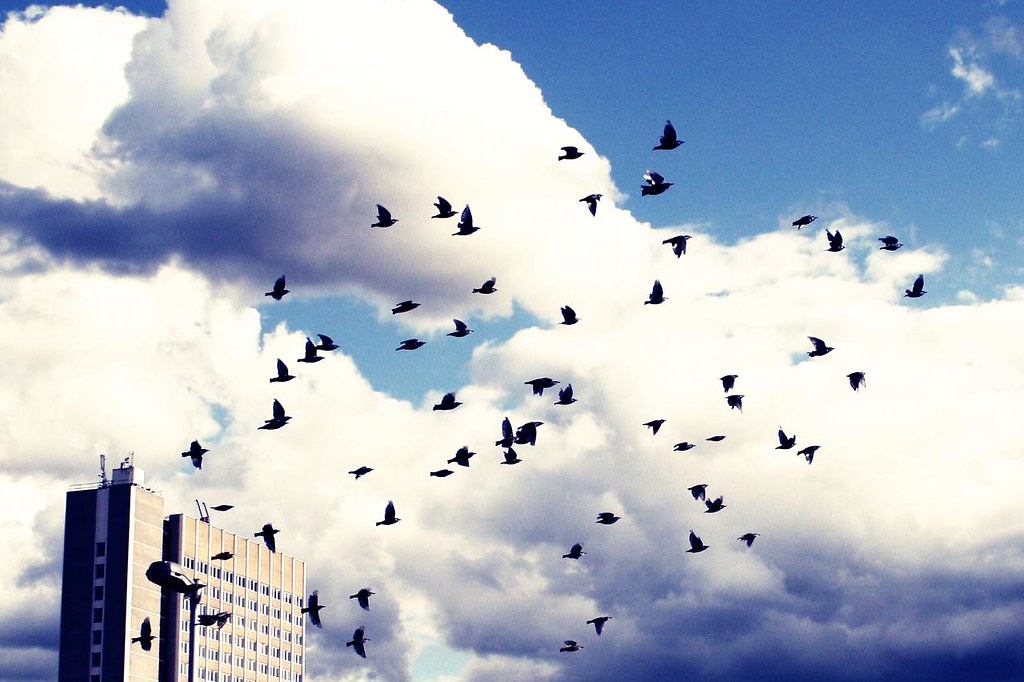
Bird migration stands as one of nature’s most extraordinary phenomena, with species traveling vast distances between breeding and wintering grounds in a cycle that has continued for millennia. These journeys often cover thousands of miles, with some birds like the Arctic Tern traveling over 44,000 miles annually in their pole-to-pole migration. Birds have evolved sophisticated navigation systems that rely on celestial cues, landmarks, Earth’s magnetic field, and even olfactory signals. These natural navigation methods have developed over millions of years, perfectly attuned to the natural world and its rhythms. The precision of these migratory paths is remarkable, with many birds returning to the exact same locations year after year, demonstrating the reliability of their innate navigational systems under natural conditions.
The Rise of Light Pollution
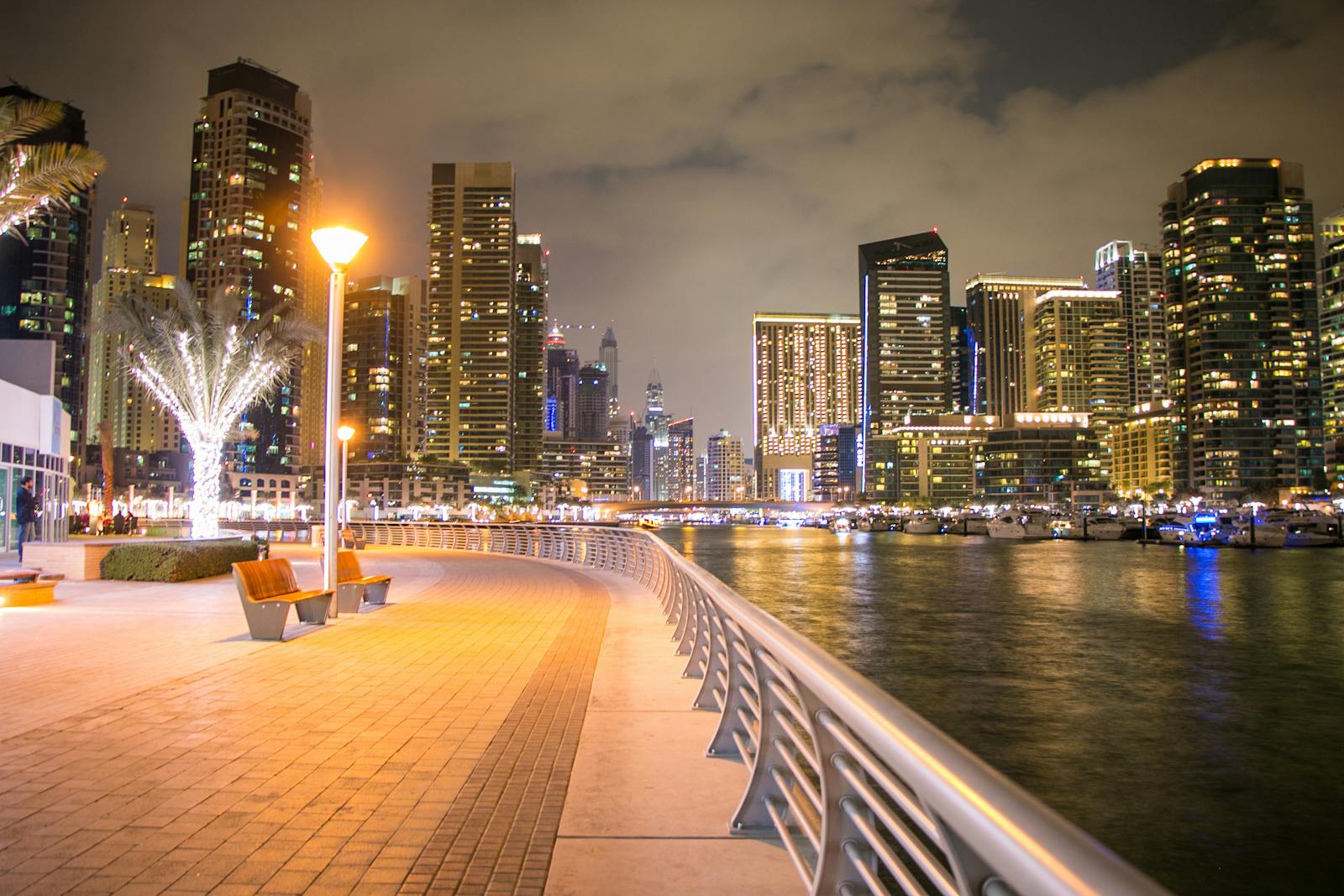
Light pollution has increased dramatically over the past century, with satellite data showing that artificially lit outdoor areas grow by approximately 2.2% annually worldwide. Today, more than 80% of the world’s population lives under light-polluted skies, with that figure approaching 99% in Europe and North America. This proliferation of artificial light extends far beyond urban centers into suburban and even rural areas, creating a widespread glow that can be visible from hundreds of miles away. The intensity and spectrum of modern lighting have also changed significantly, with LED technology emitting wavelengths particularly disruptive to wildlife. Unlike natural darkness punctuated by moonlight and stars, artificial illumination creates a perpetual twilight that obscures the night sky and disrupts the natural light-dark cycles that have governed animal behavior for millions of years.
How Birds Navigate at Night
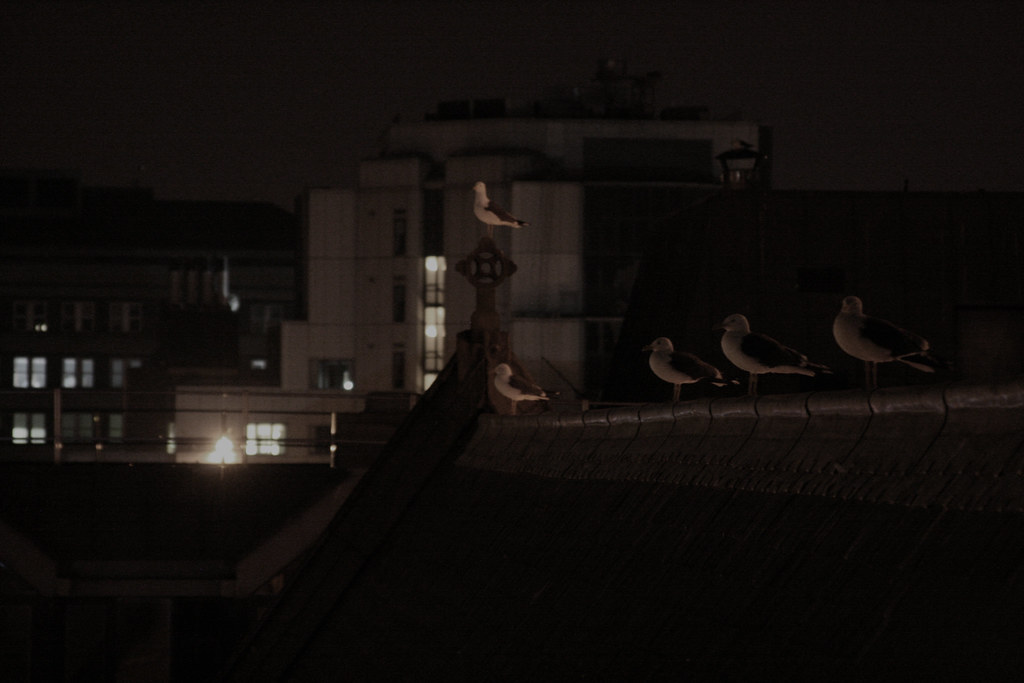
Nocturnal migration is a common strategy for many bird species, offering advantages like cooler temperatures, fewer predators, and calmer air conditions. During these nighttime journeys, birds rely heavily on celestial navigation, using the position of stars and the moon to maintain their course. Many species possess specialized cells in their eyes that can detect polarized light from the sun, even after sunset, providing directional information. Additionally, birds utilize Earth’s magnetic field through specialized magnetoreceptors, believed to be located in their eyes and beaks, allowing them to sense magnetic north as a constant reference point. These natural navigation systems work in concert, creating redundancy that ensures birds can stay on course even when some cues are temporarily unavailable due to weather conditions.
The Beacon Effect: How Lights Attract Birds
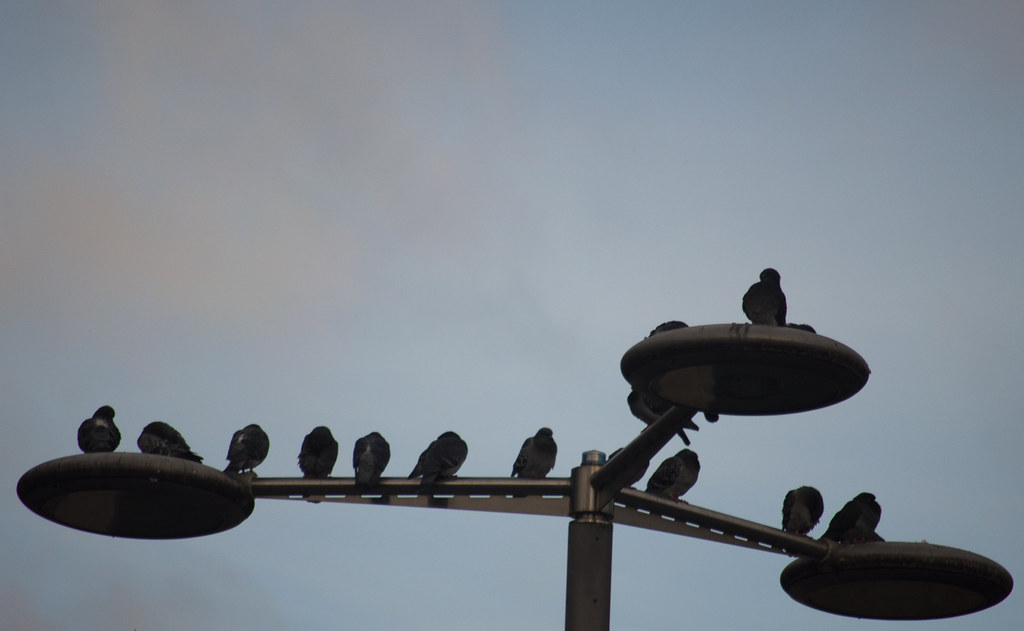
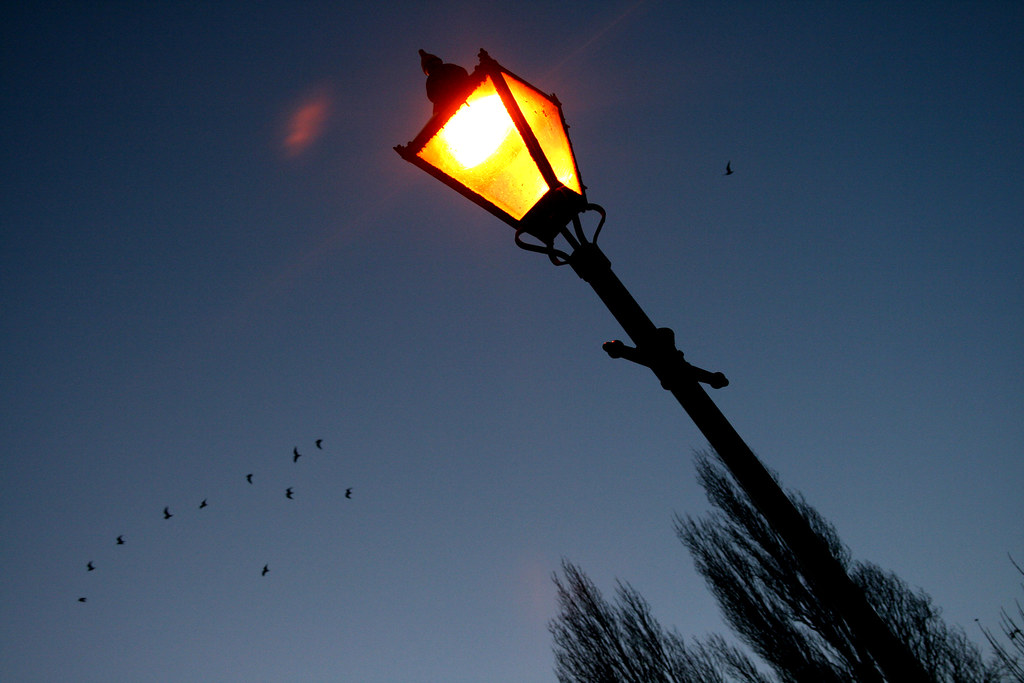
Urban lighting creates a powerful attractant effect for night-migrating birds, drawing them toward bright buildings and infrastructure in a phenomenon ornithologists call the “beacon effect.” This attraction occurs because artificial lights can override birds’ natural navigation systems, particularly during low visibility conditions like fog or rain when other navigational cues are obscured. Birds appear especially vulnerable to certain light wavelengths, with red and white lights proving particularly disruptive to their natural behaviors. Once caught in these illuminated areas, birds often become trapped in orbits around bright sources, circling continuously until exhaustion sets in, a behavior documented as early as the 19th century around lighthouses. This attraction to light sources represents an evolutionary trap, where a behavior that developed under natural conditions becomes maladaptive in human-altered environments.
Collision Casualties: The Deadly Impact
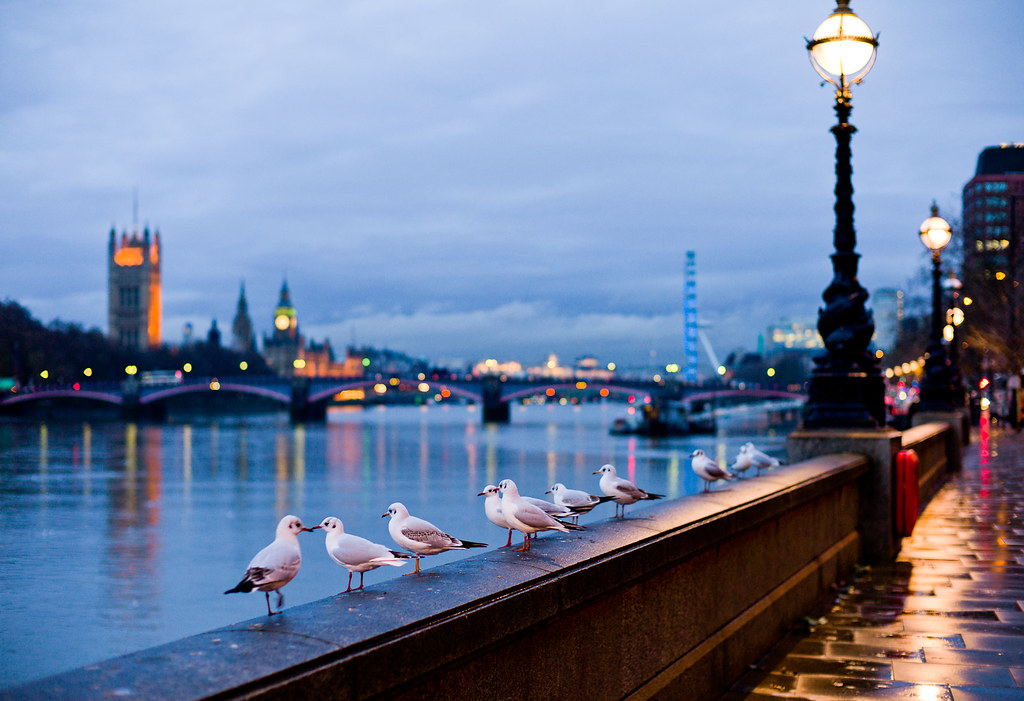
Building collisions kill an estimated 600 million to 1 billion birds annually in the United States alone, making it one of the leading human-caused threats to bird populations. Bright lights combined with transparent or reflective glass create a deadly combination, as birds either fly directly toward illuminated windows or become confused by reflections of vegetation or sky. These collisions are rarely survivable, with birds typically dying from traumatic brain injuries even when they appear externally uninjured. Monitoring programs in major cities have documented hundreds of different species affected by building collisions, including many already threatened by habitat loss and climate change. The toll is highest during spring and fall migrations when billions of birds pass through urban areas, creating mass casualty events where hundreds or even thousands of birds can die at a single building in one night.
Altered Flight Paths and Behavioral Changes
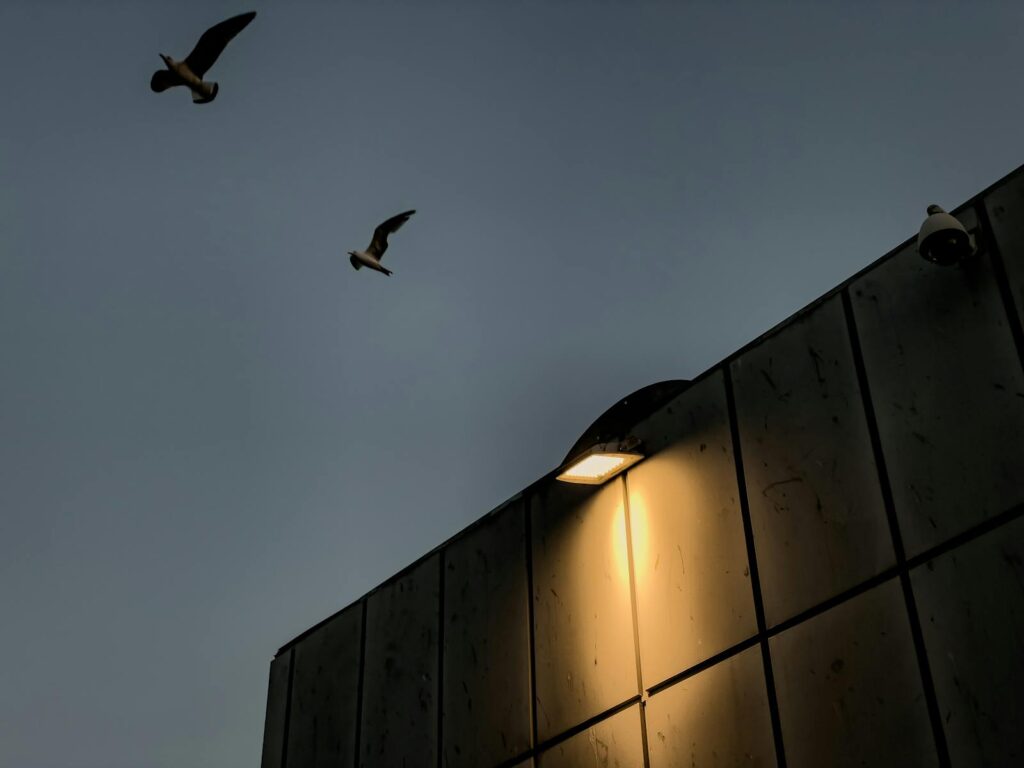
Even when birds avoid direct collisions, light pollution forces them to deviate from optimal migration routes, creating significant energetic costs during their arduous journeys. Radar studies have shown migratory birds altering their flight paths by several kilometers to avoid or investigate brightly lit areas, potentially adding substantial distance to already taxing migrations. These detours can deplete crucial energy reserves needed for successful migration, ultimately affecting survival rates and breeding success upon arrival at destination sites. Artificial light also disrupts the timing of migratory departures, with birds in light-polluted areas often beginning their journeys at suboptimal times. Additionally, researchers have observed changes in flight altitude near illuminated areas, with birds flying lower over cities, putting them at greater risk of collisions with buildings and other structures.
Ecological Ripple Effects
The disruption of bird migration extends far beyond individual bird deaths, creating ecological consequences that ripple throughout ecosystems. Many migratory birds serve as important seed dispersers, pollinators, and insect controllers in multiple habitats throughout their range. Their absence or reduced numbers can alter plant communities, insect populations, and even disease dynamics in both their breeding and wintering grounds. The timing of bird migrations is also intricately linked with food availability, as birds often arrive at destinations precisely when resources peak. Light pollution that alters migration timing can create mismatches between birds and their food sources, a phenomenon exacerbated by climate change. Furthermore, species with already declining populations due to habitat loss and other threats face compounded challenges when light pollution further reduces their survival rates during migration.
Urban Hotspots: Cities on Migration Highways

Many major urban centers unfortunately, sit directly on traditional bird migration corridors, creating hazardous bottlenecks where birds must navigate through concentrated light pollution. Coastal cities present particular challenges as birds often follow coastlines during migration, concentrating their numbers where human development is also densest. Chicago, Toronto, Houston, and New York City all sit astride major flyways used by hundreds of species, with their skyscrapers creating literal walls of light and glass that birds must navigate. Mountain ranges and river valleys that birds have used as navigation aids for millennia now feature strings of cities and towns that illuminate these once-reliable pathways. During peak migration periods, weather radar frequently detects dense concentrations of birds circling above major cities throughout the night, visibly affected by the urban glow below.
The Role of Weather and Seasonal Factors
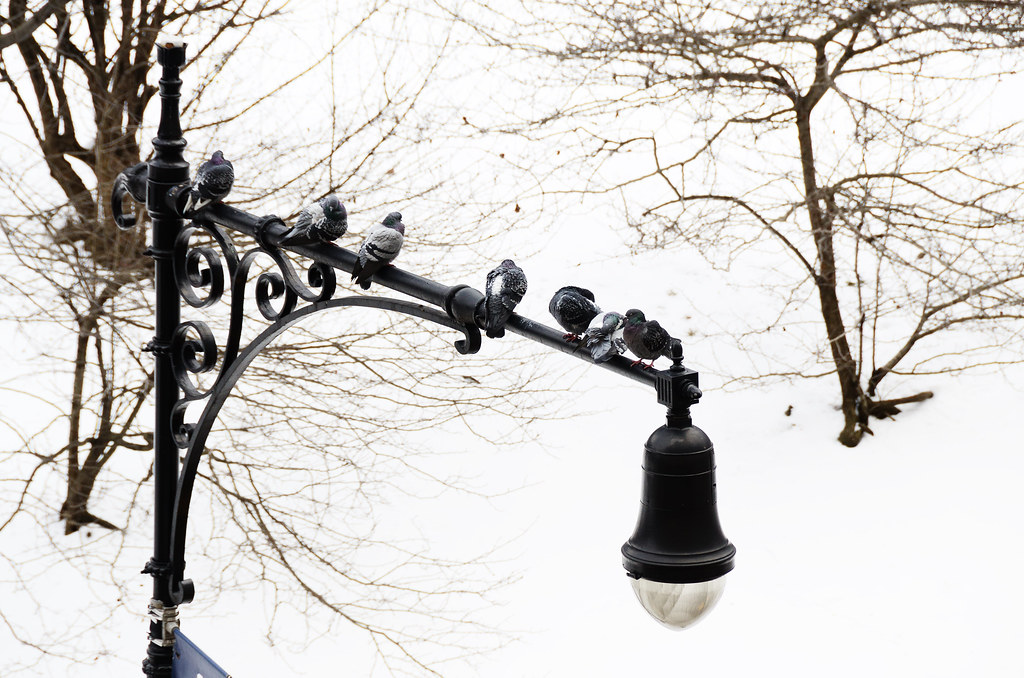
Weather conditions significantly influence how severely light pollution affects migrating birds, with overcast or foggy nights creating particularly dangerous scenarios. Under cloud cover, birds fly lower and lose celestial navigation cues, becoming more reliant on other systems that artificial light can disrupt. Precipitation further compounds these challenges by reducing visibility and forcing birds to descend to lower altitudes where urban lights and structures become more hazardous. Seasonal timing also plays a crucial role, with spring migrations often occurring more rapidly as birds race to reach breeding grounds, potentially making them take greater risks and fly through unfavorable conditions. Light pollution’s effects are particularly pronounced during migration peaks, when massive numbers of birds move simultaneously through urban areas, sometimes creating “fallout” events where thousands of disoriented birds descend into cities during a single night.
Light Management Solutions
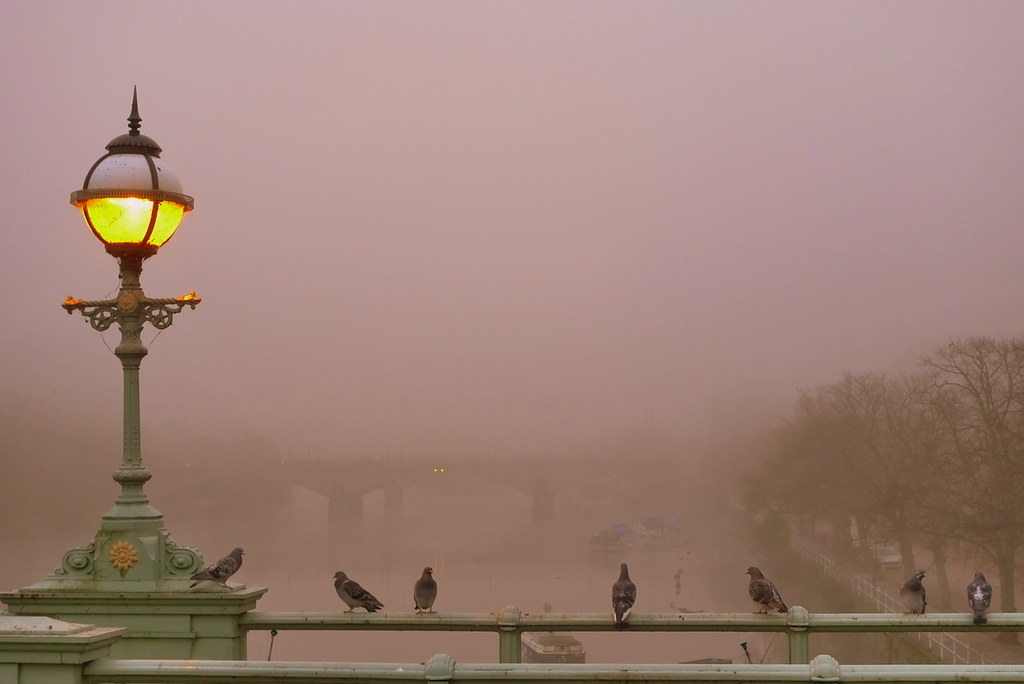
Simple modifications to urban lighting can dramatically reduce bird fatalities while maintaining human functionality and safety. Turning off unnecessary lights during peak migration seasons, particularly between midnight and dawn when migration activity reaches its height, can significantly reduce bird attraction and disorientation. Directing lighting downward rather than allowing it to project into the sky prevents the atmospheric glow that disrupts birds flying at higher altitudes. Installing motion sensors and timers ensures lights operate only when needed, reducing overall light pollution throughout the night. Replacing broad-spectrum white and blue lights with warmer amber tones less disruptive to birds’ navigation systems, provides another effective intervention that maintains visibility for humans while reducing impacts on wildlife. These solutions often save energy and reduce costs while simultaneously protecting migratory birds, creating a rare win-win scenario for urban planning.
Successful Case Studies and Initiatives

The “Lights Out” programs implemented in cities across North America have demonstrated remarkable success in reducing bird deaths, with some buildings reporting 80% fewer casualties after participating. Toronto’s Fatal Light Awareness Program (FLAP), one of the earliest initiatives addressing this issue, has documented a significant reduction in collisions at buildings that adopted bird-friendly lighting practices. In Chicago, the “Lights Out Chicago” program enlisted over 100 buildings to dim or turn off decorative lighting during migration seasons, creating safer passage through this major migration corridor. New York City’s “Lights Out New York” initiative has similarly engaged iconic skyscrapers like the Empire State Building and Chrysler Building to modify lighting during critical migration periods. These successful interventions prove that relatively simple changes can yield significant conservation benefits without compromising urban functionality or aesthetics.
Policy and Regulatory Approaches
Municipalities increasingly recognize light pollution as an environmental issue requiring regulatory attention alongside traditional concerns like air and water quality. Cities including San Francisco, Toronto, and New York have adopted bird-friendly building guidelines that address both lighting and glass design to reduce avian mortality. Some jurisdictions have implemented dark-sky ordinances that restrict upward-directed lighting and require shielding for outdoor fixtures, benefiting both wildlife and astronomical observation. The LEED (Leadership in Energy and Environmental Design) certification system now includes credits for buildings that implement bird-friendly design features, including appropriate lighting strategies. At national levels, countries including France have enacted legislation restricting certain types of nighttime lighting, acknowledging the ecological impacts of excessive artificial illumination. These regulatory approaches complement voluntary programs and education efforts, creating comprehensive solutions to light pollution challenges.
The Future of Bird-Safe Urban Design
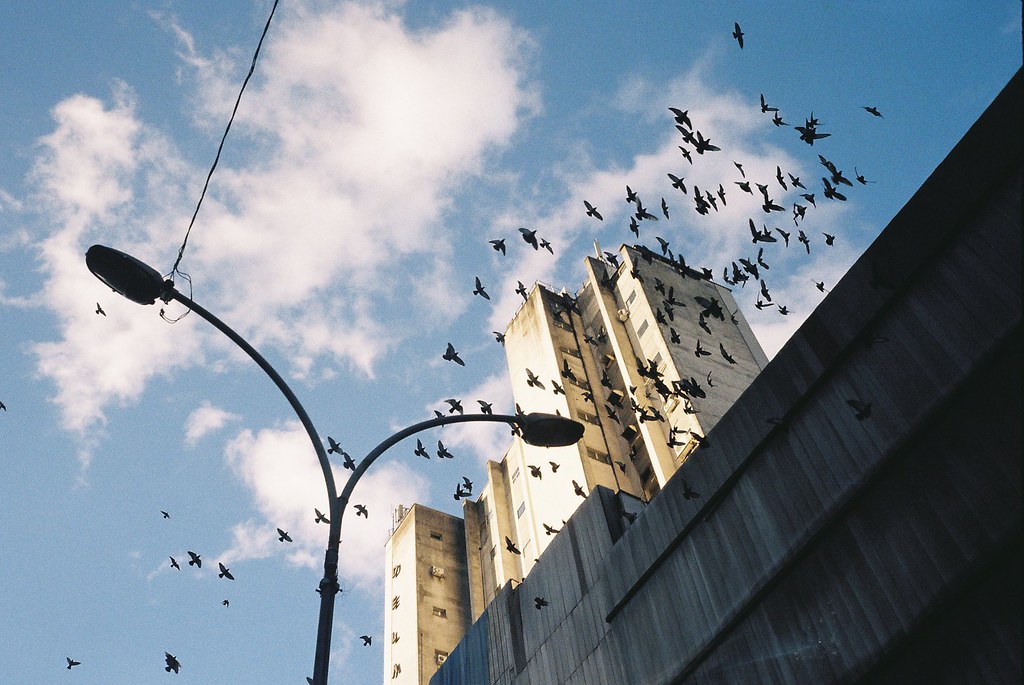
Emerging technologies offer promising solutions for creating cities that remain vibrant while respecting the needs of migratory birds. Smart lighting systems that can automatically adjust based on weather conditions and bird migration forecasts represent the cutting edge of adaptive management. Specialized glass with patterns visible to birds but nearly imperceptible to humans is increasingly available and can reduce collisions even in illuminated buildings. Urban planners are beginning to incorporate “dark corridors” into city designs, creating safe passage routes where lighting is minimized to allow birds to navigate through urban areas. Citizen science initiatives using mobile apps allow the public to document bird collisions, creating valuable data that informs targeted conservation efforts. These innovations, combined with greater awareness of light pollution impacts, suggest a future where urban development and bird conservation can coexist through thoughtful design and technology.
Conclusion
As our understanding of light pollution’s impacts on migratory birds deepens, so too does our responsibility to implement solutions. The challenge of urban lights disrupting bird migration represents a rare environmental problem where the solutions are relatively straightforward, cost-effective, and beneficial to multiple stakeholders. By dimming our urban glow during critical migration periods, directing light where it’s needed rather than into the sky, and designing bird-friendly buildings, we can maintain vibrant cities while allowing birds to safely navigate their ancient aerial highways. These nocturnal travelers have undertaken their remarkable journeys for millennia, long before our cities illuminated the night sky. With thoughtful management and increased awareness, we can ensure they continue these ecological marvels for generations to come, maintaining the spectacular phenomenon of bird migration in our increasingly urbanized world.