
Birds are among nature’s most alert and sensitive creatures. With exceptional vision, acute hearing, and an innate wariness of potential predators, observing birds in their natural habitats without disturbing them requires patience, knowledge, and specific techniques. Whether you’re a budding ornithologist, a wildlife photographer, or simply a nature enthusiast, mastering the art of inconspicuous bird watching can lead to witnessing extraordinary natural behaviors rarely seen by casual observers. This guide will walk you through comprehensive strategies to become virtually invisible to your feathered subjects, allowing for authentic and rewarding bird watching experiences.
Understanding Bird Perception and Awareness
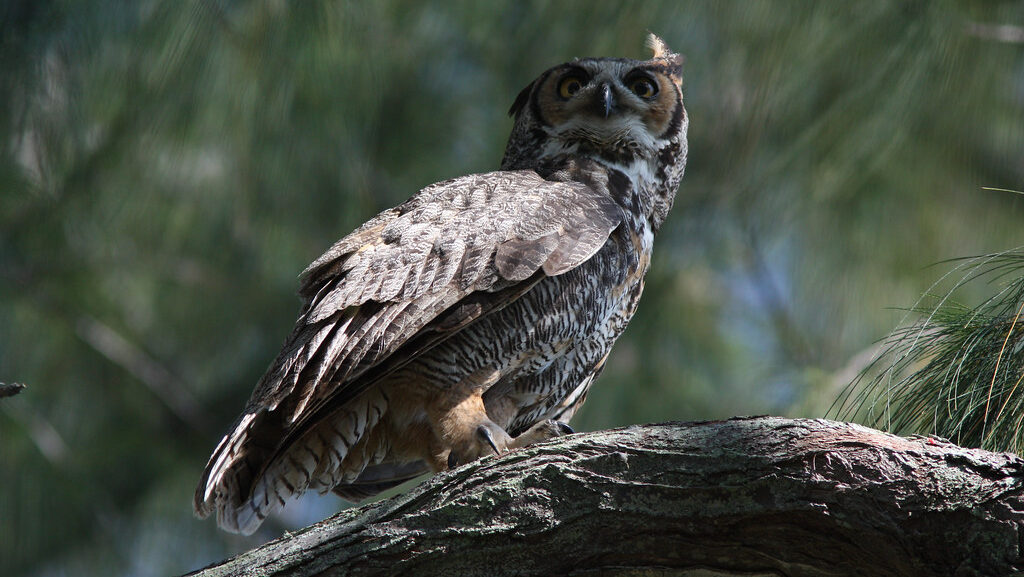
Birds possess remarkable sensory capabilities that have evolved over millions of years as survival mechanisms. Most bird species can detect movement from incredible distances, with some raptors able to spot small prey from over a mile away. Their visual acuity extends beyond human perception into the ultraviolet spectrum, allowing them to see colors and patterns invisible to us. Additionally, many birds have nearly 360-degree vision due to the lateral positioning of their eyes, making it extremely difficult to approach them unnoticed. Understanding these heightened senses is the foundation of successful clandestine bird watching, as it informs every technique and approach discussed in this guide. By respecting these remarkable adaptations rather than trying to outsmart them, we can develop more effective and ethical observation strategies.
The Importance of Proper Camouflage
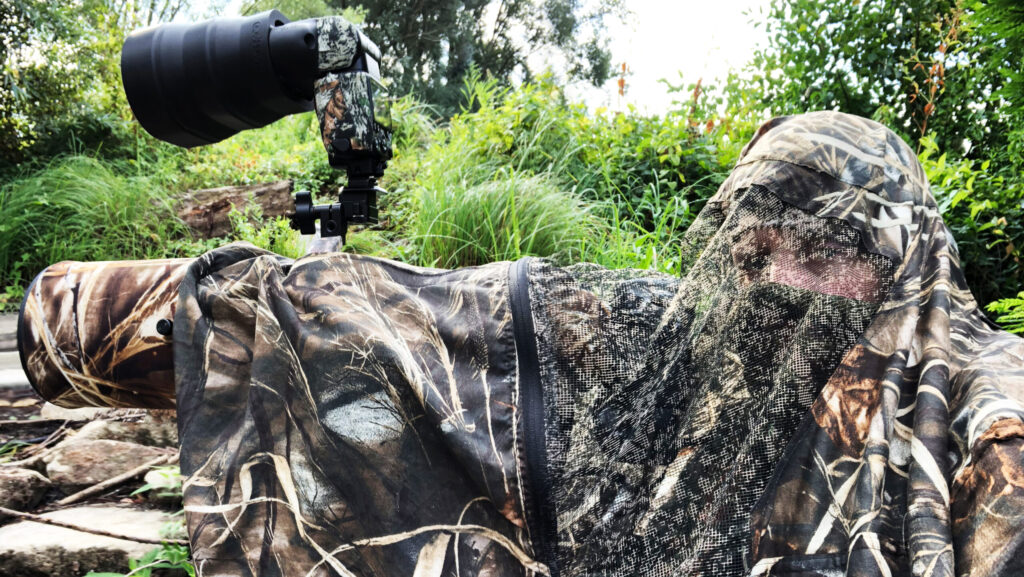
Effective camouflage is perhaps the most critical element of inconspicuous bird watching. Unlike hunting camouflage which often features realistic leaf and branch patterns, bird watching camouflage should focus on breaking up your human silhouette while blending with the general colors of your environment. Earth tones like olive green, brown, gray, and dull blue work exceptionally well in most natural settings. Avoid bright colors, reflective materials, and stark white or black clothing that create unnatural contrasts against natural backgrounds. Face coverings or natural-toned face paint can be particularly important as birds are especially sensitive to the distinctive features of human faces. Remember that proper camouflage extends beyond clothing to equipment as well—camera lenses, binoculars, and even notebooks should be covered with camouflage tape or fabric to minimize reflections and unnatural shapes.
Mastering the Art of Slow Movement

Birds are exceptionally attuned to detecting movement, particularly rapid or erratic motion that might signal predatory intent. Developing the discipline to move with extraordinary slowness is a fundamental skill for undetected bird observation. Practice moving at a pace where you advance only a few inches per minute when in close proximity to birds, always pausing if your subject appears alert or suspicious. The technique known as “glacial stalking” involves maintaining complete stillness for extended periods, followed by almost imperceptible forward progress. When you must change position, do so while the bird is distracted by feeding, preening, or social interactions. Even small movements like raising binoculars or adjusting a camera should be executed with deliberate slowness, often taking several minutes to complete what would normally be a one-second action. This patience may seem excessive initially, but it becomes second nature with practice and dramatically increases successful observation opportunities.
Strategic Timing for Optimal Observation
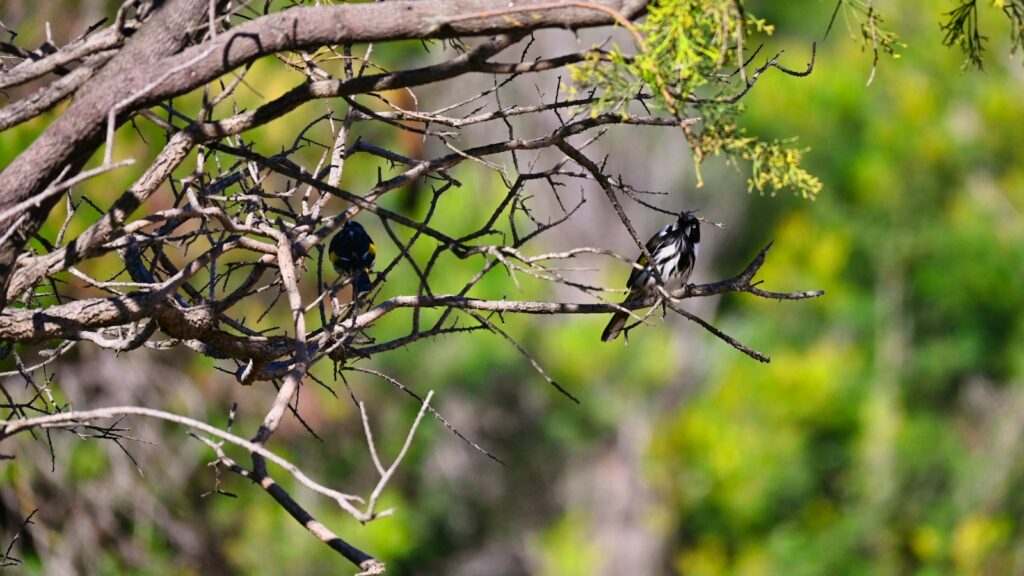
The timing of your bird watching excursions significantly impacts your invisibility to birds. Early morning hours just after dawn offer prime opportunities as birds are typically more focused on feeding than security, making them less vigilant about potential observers. Likewise, late afternoon before sunset presents another window when birds prioritize last feeding opportunities before roosting. Weather conditions also create strategic advantages—light rain or misty conditions dampen sound and reduce visibility, making your presence less detectable. Many birds become less alert during light precipitation as they concentrate on staying dry and maintaining body temperature. Seasonal timing matters too; during breeding season, birds are often more territorially focused and less concerned with distant threats, while during migration periods, unfamiliar birds may be less aware of unusual elements in new environments. Planning your observation sessions around these natural windows can dramatically improve your chances of remaining undetected.
The Blind Advantage: Using Natural and Artificial Blinds
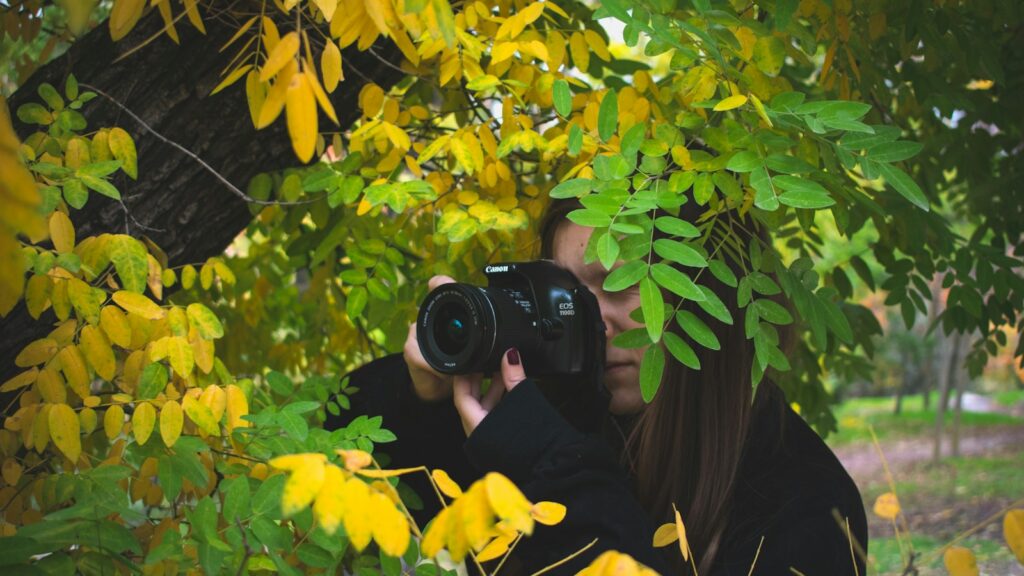
Blinds represent one of the most effective methods for undetected bird observation, essentially removing the need for personal camouflage and movement discipline. Natural blinds like dense vegetation, fallen logs, large rocks, or tree trunks provide excellent concealment while maintaining an authentic environment that doesn’t alarm birds. When using natural blinds, position yourself so the blind breaks up your silhouette completely while still allowing observation angles. Portable commercial blinds offer tremendous advantages for serious bird watchers, with specialized designs featuring one-way viewing panels, scent-controlling fabrics, and camouflage specific to different environments. Perhaps most effective is the permanent blind strategy—constructing or using established observation structures that birds become habituated to over time. Birds eventually accept these structures as non-threatening parts of their environment, allowing for remarkably close and natural observation opportunities. When using any blind, enter well before prime observation times to allow birds to forget or accept your arrival disturbance.
Sound Discipline: The Overlooked Element of Stealth

While visual camouflage receives significant attention, sound discipline is equally crucial for undetected bird watching. Many bird species have hearing capabilities that far exceed human perception, detecting subtle sounds from remarkable distances. Implement a comprehensive approach to sound reduction by wearing natural fiber clothing that doesn’t create synthetic rustling noises when moving. Remove loose change, keys, or anything that might create unexpected sounds from your pockets, and ensure all equipment is secured against accidental noise. Practice walking techniques that minimize impact sounds—placing your foot down toe-first and gradually transferring weight to avoid sudden pressure that creates breaking twig sounds. Electronic devices should be silenced completely, not just set to vibrate, as many birds can detect even these subtle electronic frequencies. Perhaps most importantly, train yourself to breathe slowly and speak only in essential whispers when verbal communication is absolutely necessary.
Scent Control Techniques for Closer Observation
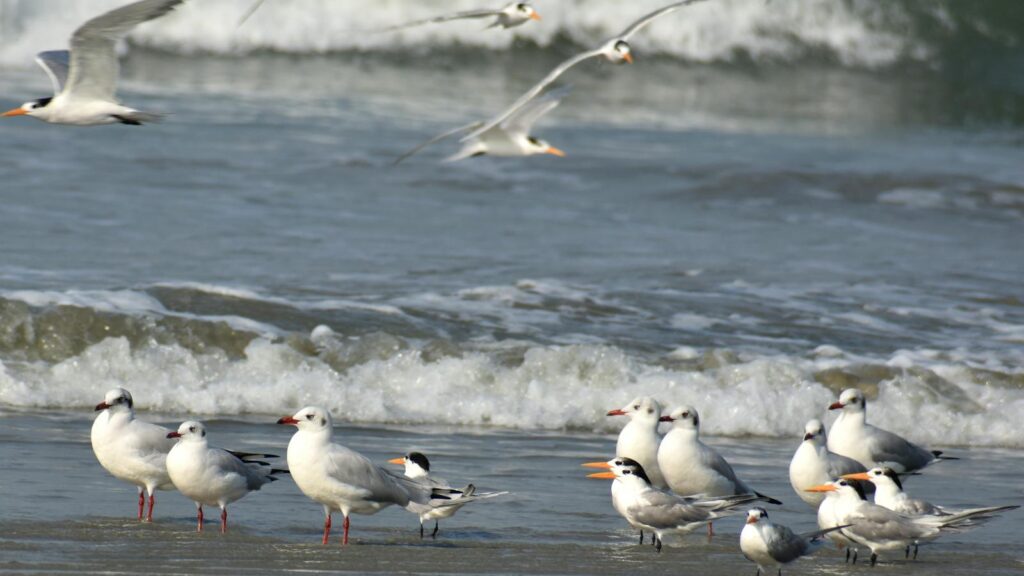
While birds generally have limited olfactory capabilities compared to mammals, some species do possess surprisingly good senses of smell that can alert them to human presence. Waterfowl, seabirds, and certain predatory species like vultures have particularly well-developed scent detection. Implementing basic scent control measures can further reduce your detectability to these birds. Avoid scented soaps, deodorants, laundry detergents, and especially perfumes or colognes before bird watching excursions. Consider washing observation clothes in unscented baking soda solutions that neutralize human odors rather than masking them with artificial scents. Position yourself downwind from intended observation areas whenever possible, as even birds with limited smell capacity may detect human scent on direct winds. Some dedicated bird photographers even store their field clothes in sealed bags with local vegetation to absorb environmental scents that help mask human odors.
Leveraging Bird Behavior Knowledge
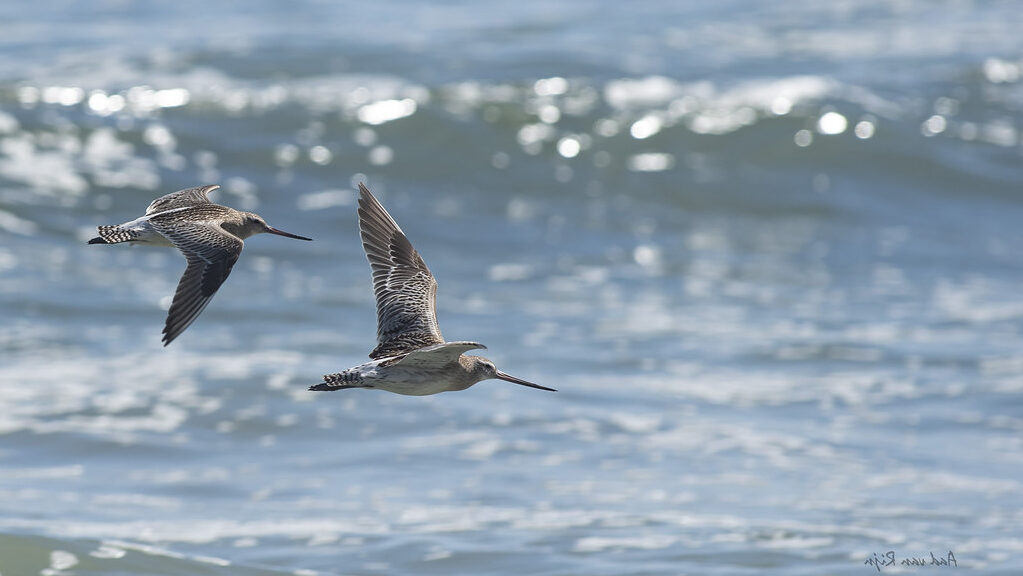
Understanding specific behavioral patterns of your target species provides tremendous advantages for undetected observation. Each bird species maintains unique habits, preferences, and security protocols that can be leveraged for closer study. Research feeding patterns to determine when birds are most distracted and least vigilant about potential threats in their environment. Learn territorial boundaries and how birds respond to perceived intrusions, allowing you to position yourself in neutral zones that trigger fewer defensive responses. Study flight patterns and daily movement routines to predict where birds will appear rather than pursuing them directly. Perhaps most valuable is understanding alarm behaviors—recognizing the specific calls, postures, and actions that indicate a bird has detected something unusual, allowing you to freeze or retreat before fully spooking your subject. This species-specific knowledge transforms general stealth techniques into precision approaches tailored to your observation targets.
The Path of Least Resistance Approach
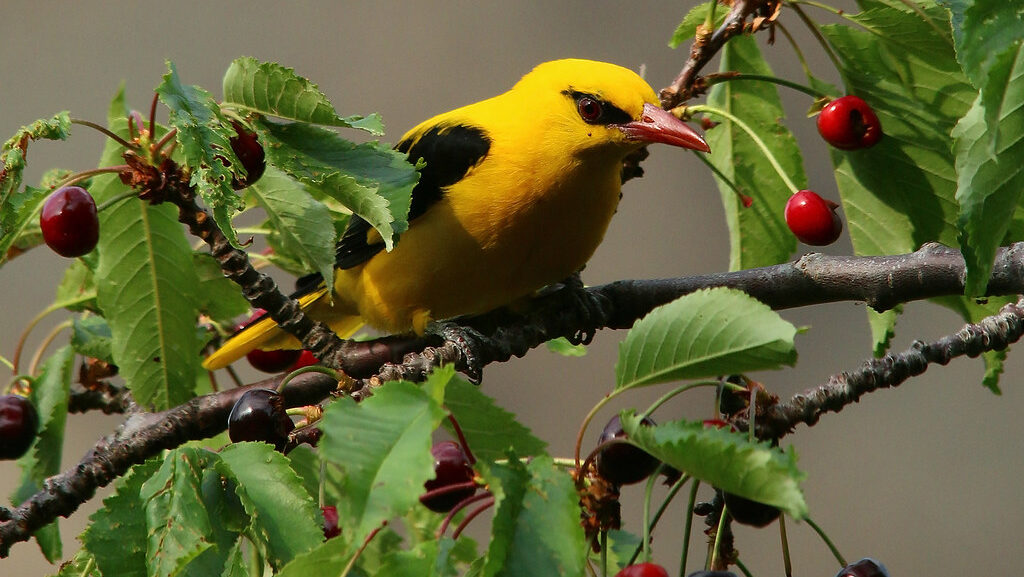
Strategic positioning often proves more effective than active pursuit when observing birds without detection. Rather than stalking birds directly, identify natural gathering points like water sources, fruiting trees, or regular feeding stations where birds naturally congregate. Position yourself inconspicuously near these locations before birds arrive, allowing them to come to you rather than creating disturbance by approaching them. When movement is necessary, always follow existing trails, natural corridors, or landscape features that provide concealment rather than creating new paths that might alert birds to unusual activity. Consider the surrounding habitat when planning your approach—dense vegetation areas generally allow closer positioning than open environments where your presence is more obvious. This passive observation strategy requires greater patience but yields more natural behaviors and longer viewing opportunities than direct pursuit techniques.
Advanced Technology for Remote Observation

Modern technology offers remarkable tools for observing birds without physical presence disturbance. Remote camera systems with weatherproof housing and wireless transmission capabilities can be positioned in prime observation areas and monitored from a distance, completely eliminating human presence near birds. High-magnification spotting scopes and telephoto lenses allow detailed observation from distances exceeding 100 yards, well beyond most birds’ alert zones. For truly dedicated observers, professional-grade thermal imaging equipment enables night observation of nocturnal species without disruptive lighting. Autonomous recording units that capture bird calls can be placed in the field for days or weeks, providing insights into communication and behavioral patterns without requiring human presence. While these technological solutions require significant investment, they represent the ultimate approach to non-disturbing bird observation, especially for sensitive species or in critical habitat areas where minimal human impact is essential.
Ethical Considerations and Responsible Observation
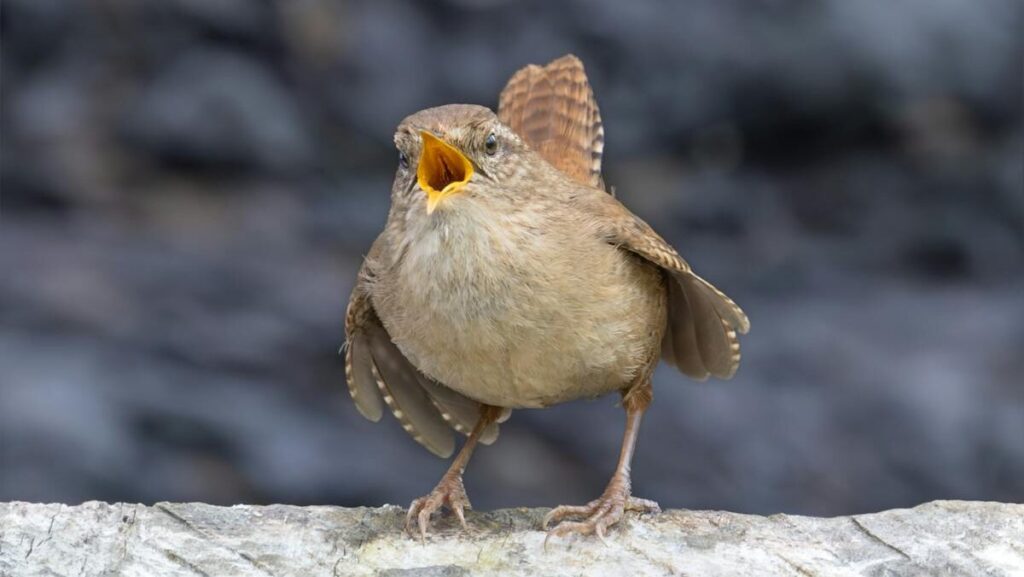
Effective undetected bird watching must always be balanced with ethical wildlife observation principles. Prioritize bird welfare above observation goals, immediately backing away if birds show signs of stress, altered behavior, or interrupt crucial activities like feeding young or courtship displays due to your presence. Absolutely avoid approaching nesting sites during breeding season, as even well-camouflaged observers can cause nest abandonment or create opportunities for predators to locate vulnerable eggs or chicks. Special care should be taken with endangered or threatened species, which may require maintaining even greater distances or limiting observation frequency to prevent cumulative stress impacts. Respect private property and protected area regulations which often exist specifically to protect sensitive bird populations. True bird watching mastery comes not just from technical observation skills, but from developing the judgment to know when observation itself might harm the very creatures we admire, and choosing conservation over personal experience when necessary.
Building Patience: The Ultimate Bird Watching Skill
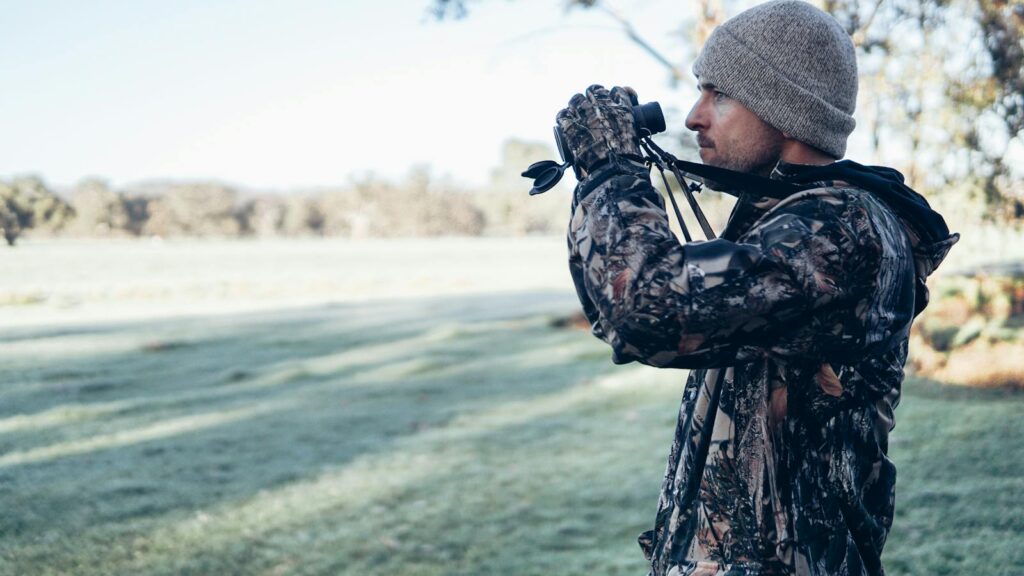
Beyond all technical approaches and equipment considerations, developing extraordinary patience remains the most powerful tool for undetected bird observation. The capacity to remain motionless for hours, to move with deliberate slowness, and to accept failed observation attempts without frustration distinguishes exceptional bird watchers from casual hobbyists. Cultivate this patience through gradual practice, starting with 15-minute stillness sessions and progressively extending your capacity for motionless observation. Recognize that meaningful wildlife encounters rarely occur on convenient schedules—the most extraordinary observations often come after hours of seemingly uneventful waiting. Develop mindfulness techniques that allow you to remain present and engaged during long observation periods without physical or mental restlessness that might betray your position. This patience transforms bird watching from a casual activity into a meditative practice that connects you deeply with natural rhythms and rewards you with authentic wildlife encounters that more hurried observers never experience.
Conclusion
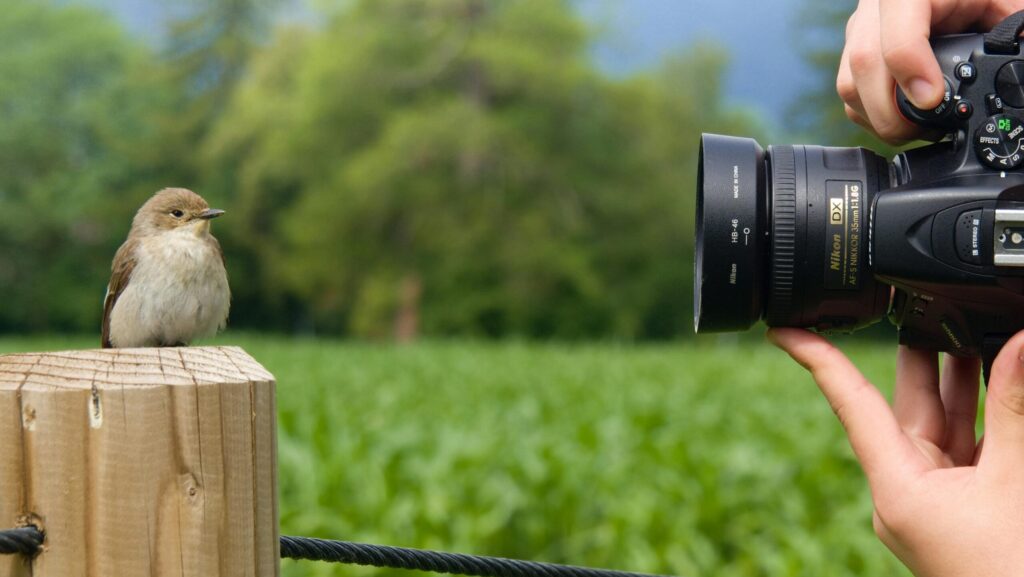
As you develop these stealth observation skills, you’ll discover a profound transformation in your bird watching experiences. Birds behaving naturally—free from human influence—reveal fascinating behaviors rarely witnessed by casual observers. You might see complex courtship displays, territorial disputes, cooperative hunting, or tender interactions between parents and offspring. These authentic moments of avian life represent the true reward for mastering undetected observation techniques.
Remember that becoming invisible to birds is less about tricking them and more about respecting their incredible sensory abilities through thoughtful preparation and genuine patience. With practice, these techniques will become second nature, opening a window into the authentic world of birds that few people ever truly experience. The most accomplished bird watchers understand that sometimes the greatest achievement isn’t capturing the perfect photograph or adding a rare species to your life list—it’s being present with wild birds who never knew you were there at all.