
Transforming your balcony into a bird sanctuary creates a magical connection with nature, even in the midst of urban living. Birds bring color, song, and life to our surroundings while providing natural pest control and endless entertainment. Creating a welcoming space for these feathered visitors doesn’t require extensive space or expertise—just thoughtful planning and genuine care for wildlife. Whether you have a spacious terrace or a modest apartment balcony, you can design a haven that attracts diverse bird species while enhancing your own living environment. This guide will walk you through practical steps to create a bird-friendly oasis that benefits both your avian visitors and your well-being.
Understanding Your Balcony’s Potential

Before diving into your bird sanctuary project, take time to assess what you’re working with. Consider your balcony’s size, sunlight exposure, and existing features that might attract or deter birds. Note which direction your balcony faces, as this affects temperature fluctuations and determines which bird species might visit throughout different seasons. Observe your balcony at various times of day to identify natural patterns of sun, shade, and wind that will influence plant choices and feeder placement. Additionally, check your building’s regulations regarding balcony modifications to ensure your bird-friendly changes comply with community guidelines.
Selecting Bird-Friendly Plants

Plants form the foundation of your balcony bird sanctuary, providing food, shelter, and nesting materials. Choose native species whenever possible, as these plants naturally attract local birds and require less maintenance. Consider a mix of flowering plants that produce nectar (like salvias or fuchsias), berry-producing shrubs (such as elderberry or serviceberry in containers), and seed-bearing plants (like coneflowers or sunflowers). Evergreen plants provide year-round shelter and can serve as windbreaks during harsh weather. For smaller balconies, vertical gardening with climbing plants on trellises maximizes space while creating natural perches and potential nesting sites.
Creating a Water Source
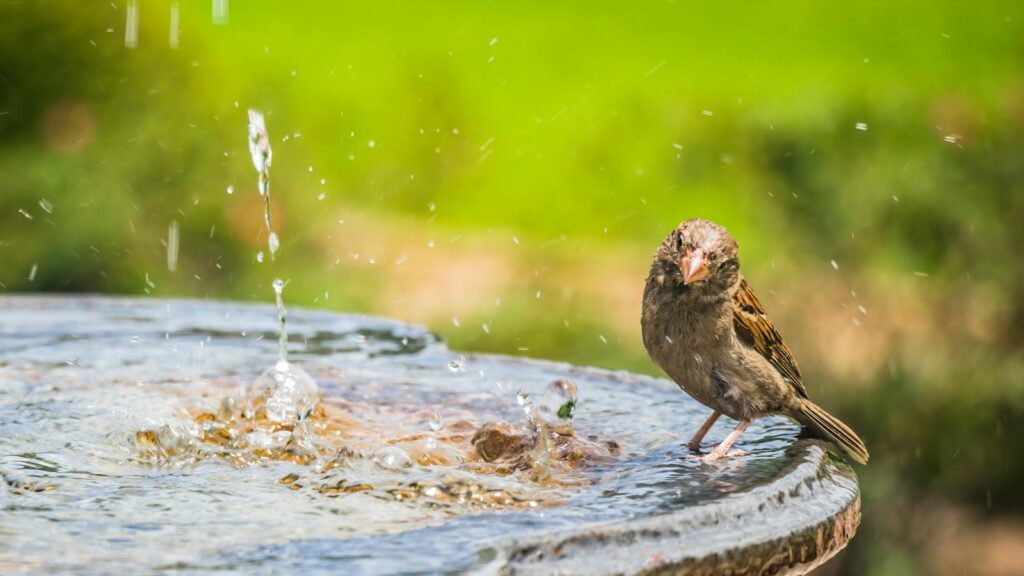
Water is a powerful bird attractant, drawing in species that might not visit feeders. A shallow bird bath with gradually sloping sides provides birds with a place to drink and bathe, activities essential for their health and comfort. Place the bath where you can easily refill and clean it, ideally near plants that offer protective cover for wet birds vulnerable to predators. In colder climates, consider a heated bird bath for winter months when natural water sources freeze. For space-challenged balconies, even a hanging water dish or a small tabletop fountain creates the moving water that birds find particularly attractive, with the bonus of adding a soothing soundtrack to your outdoor space.
Installing Appropriate Feeders
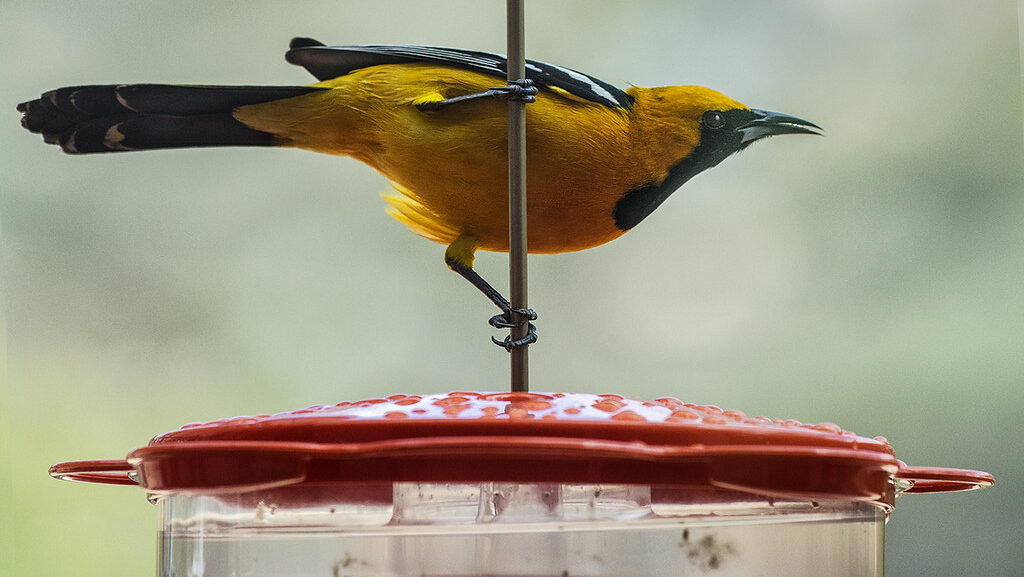
Strategically placed feeders dramatically increase bird visits while allowing close-up observation. Select feeders based on the birds common to your region—tube feeders for finches, platform feeders for cardinals and jays, nectar feeders for hummingbirds, and suet cages for woodpeckers and nuthatches. Position feeders at varying heights and distances from seating areas, balancing your viewing opportunities with the birds’ comfort levels. Secure feeders properly to prevent them from falling during winds or becoming hazards. Consider using weather guards or baffles to protect seed from rain and discourage squirrels if they’re present in your area.
Providing Nesting Opportunities
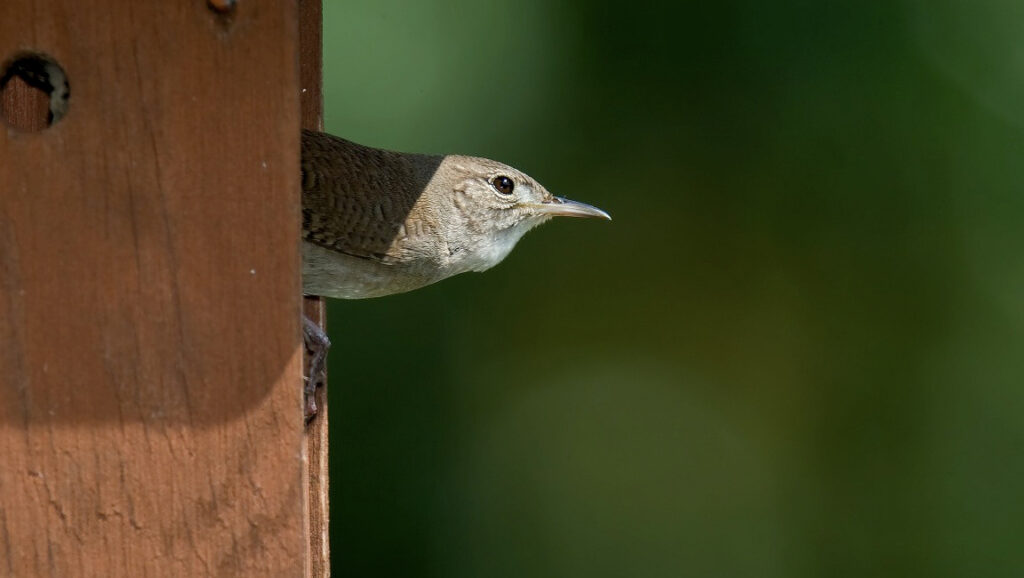
Encouraging birds to nest on your balcony creates a remarkable opportunity to witness the full cycle of bird life. Install appropriate birdhouses specific to species in your area, paying careful attention to entrance hole sizes and mounting heights based on species preferences. Offer natural nesting materials like small twigs, dried grass, pet fur, or special nesting material dispensers filled with cotton, wool, or plant fibers. Position nesting boxes in quieter corners of your balcony with some protective covering and away from heavy foot traffic. Remember that some birds nest in shrubs rather than cavities, so dense potted bushes might attract these species.
Managing Seasonal Changes
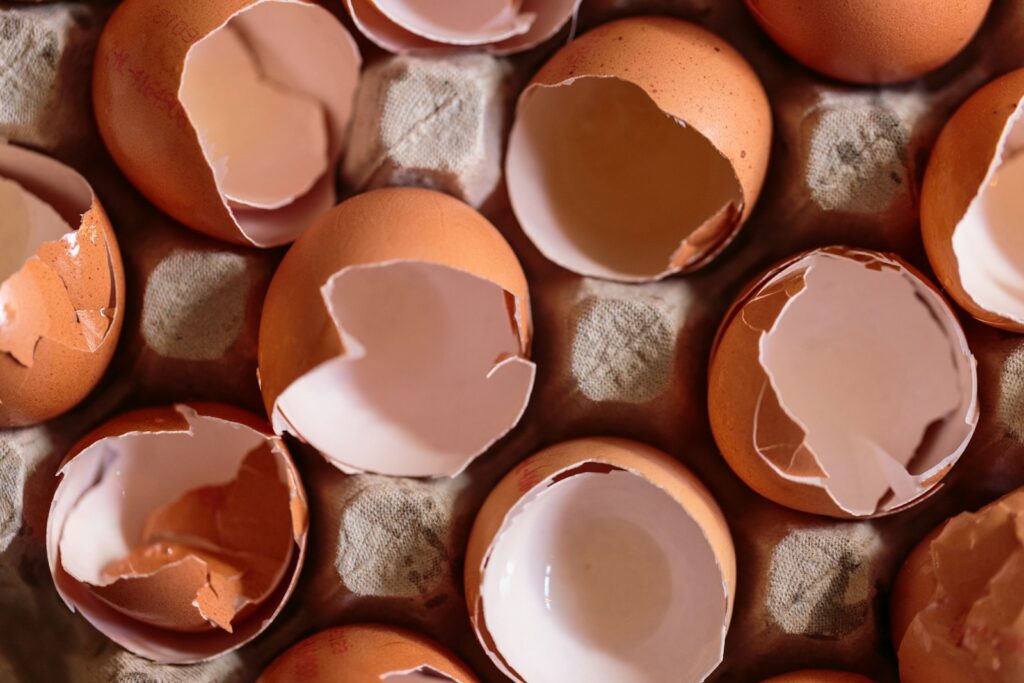
A successful balcony bird sanctuary adapts to changing seasons to support birds year-round. In spring, provide calcium-rich foods like eggshells to help breeding birds and increase protein-rich offerings to support nesting parents and growing chicks. Summer calls for regular water refreshment and food variety, while fall is the time to increase seed offerings as birds prepare for migration or winter survival. During winter months, high-fat foods like suet, peanuts, and black oil sunflower seeds provide crucial energy for cold-weather survival. Adjust your balcony setup seasonally—adding winter windbreaks or summer shade—to create a sanctuary that remains hospitable throughout the year.
Minimizing Hazards

Creating a safe environment requires eliminating common balcony hazards that threaten birds. Use bird-friendly gardening practices by avoiding chemical pesticides and fertilizers that can harm birds directly or poison their food sources. Install decals or other visual markers on glass doors and windows to prevent painful or fatal collisions. Secure or remove thin strings, fishing line, or loose netting that could entangle birds. If you have cats, establish a system that keeps them away from the balcony when unsupervised, as even well-fed domestic cats instinctively hunt birds. Regularly inspect your sanctuary for developing hazards like loose wires, damaged feeders, or mold growth in damp areas.
Keeping a Bird Journal

Maintaining a bird journal enriches your sanctuary experience while contributing valuable citizen science. Record first sightings of species, noting dates, times, behaviors, and any identifying features to help track seasonal patterns and migrations. Document which features of your sanctuary attract different species and how birds interact with various elements you’ve provided. Photograph visitors when possible, creating a visual record that helps with identification and allows you to share your success with others. Many birding apps and websites welcome user observations, making your balcony data part of larger research efforts tracking bird populations and behavior.
Balancing Aesthetics and Functionality
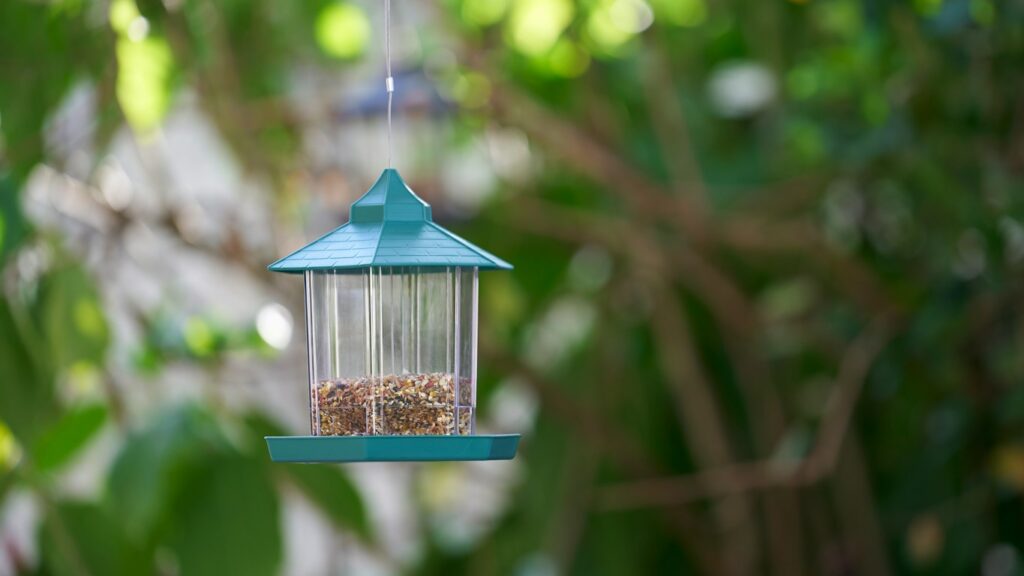
A bird sanctuary can enhance rather than detract from your balcony’s appearance and usability. Choose feeder styles, plants, and accessories that complement your existing décor while serving bird-friendly functions. Create visual harmony by selecting containers in complementary colors or materials that match your balcony furniture or building exterior. Design your layout to maintain human pathways and seating areas while providing birds their own territory, using vertical space efficiently with hanging elements and tiered plantings. Consider multipurpose items like decorative trellises that support climbing plants while creating bird perches, or artistic plant stands that elevate containers to ideal heights for both viewing and bird access.
Creating Privacy Screens That Benefit Birds

Strategic privacy elements serve both human residents and bird visitors by creating a sense of separation and security. Install natural screens using potted bamboo, ornamental grasses, or columnar shrubs that provide hiding places and perches for birds while blocking views from neighboring balconies. Lattice panels covered with climbing plants create instant green walls that birds can use for protection from predators and weather extremes. Fabric screens or roll-up bamboo blinds offer flexible privacy solutions that can be adjusted based on weather and season while providing filtered light that many birds prefer. Position these screens to block prevailing winds, creating microclimate pockets where birds can gather comfortably even on breezy days.
Managing Unwanted Guests
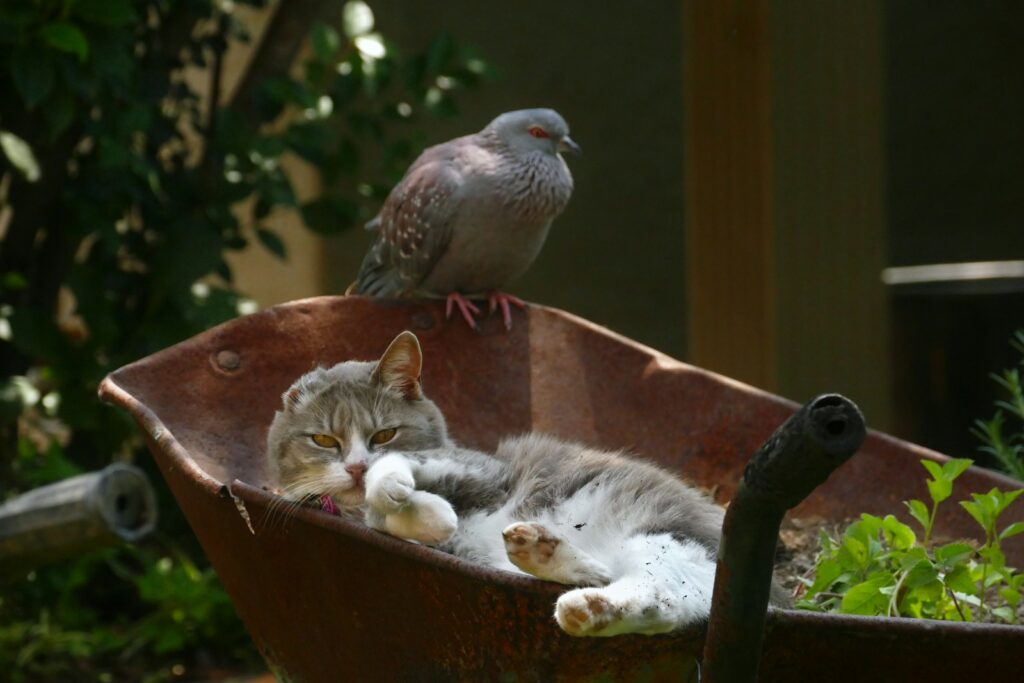
Even the most welcoming sanctuary needs boundaries for certain visitors. Deter problematic bird species like pigeons by avoiding platform feeders and large perching areas that accommodate their size. Install physical barriers like thin, nearly invisible fishing line strung across common landing spots to discourage larger birds while allowing smaller species access. For squirrel problems, invest in specialized feeders with weight-activated closures or barriers that prevent access to food sources. Use natural deterrents like mint plants or diluted peppermint oil in areas where you don’t want certain creatures to gather, as these scents discourage some pests while remaining pleasant for humans and harmless to birds.
Connecting with the Birding Community
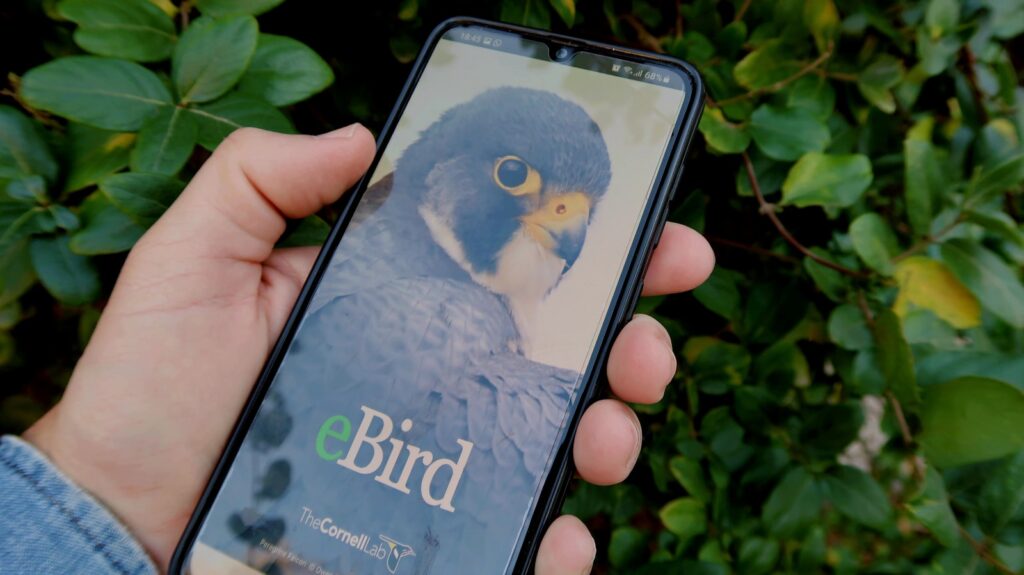
Building relationships with fellow bird enthusiasts enhances your sanctuary experience through shared knowledge and support. Join local birding groups or online forums focused on urban wildlife to exchange tips specific to your region and building style. Participate in citizen science projects like the Great Backyard Bird Count or eBird to contribute your observations to scientific research. Share your balcony transformation on social media or neighborhood apps to inspire others in your building or community to create bird-friendly spaces. Consider organizing a balcony birding event for neighbors or friends to build awareness of urban wildlife opportunities and perhaps create a building-wide initiative for bird conservation.
Enjoying the Benefits of Your Bird Sanctuary
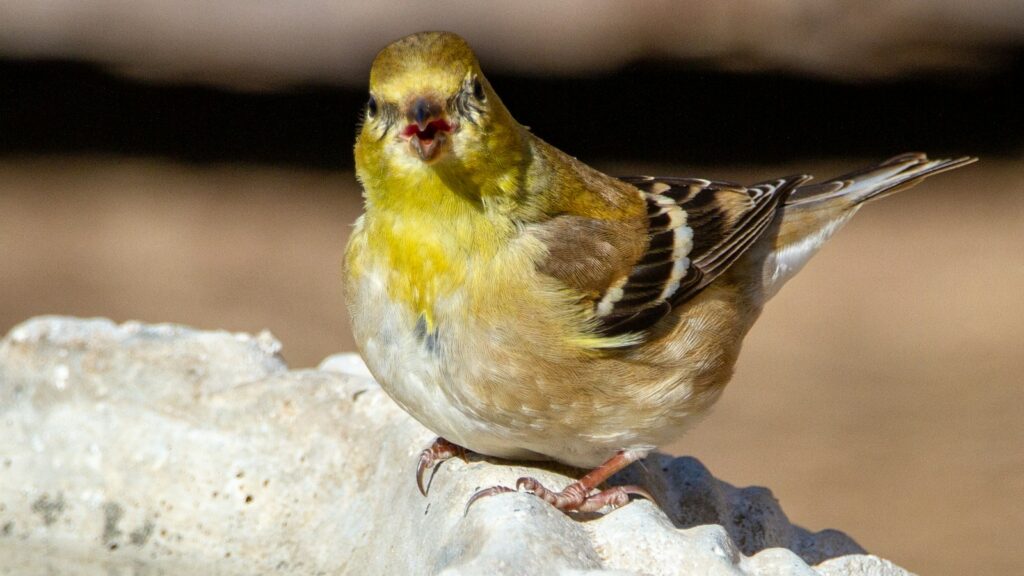
The rewards of your bird sanctuary extend far beyond the pleasure of wildlife observation. Studies show that connecting with nature reduces stress and improves mental well-being, making your balcony sanctuary a therapeutic space that benefits your health. Birds provide natural pest control, consuming insects that might otherwise invade your home or damage your plants. The routine of maintaining your sanctuary—refilling feeders, refreshing water, and tending plants—creates meaningful daily rituals that foster mindfulness and connection to seasonal rhythms. Perhaps most significantly, your sanctuary becomes a personal contribution to conservation, providing essential habitat in urban environments where natural spaces continue to diminish.
Conclusion
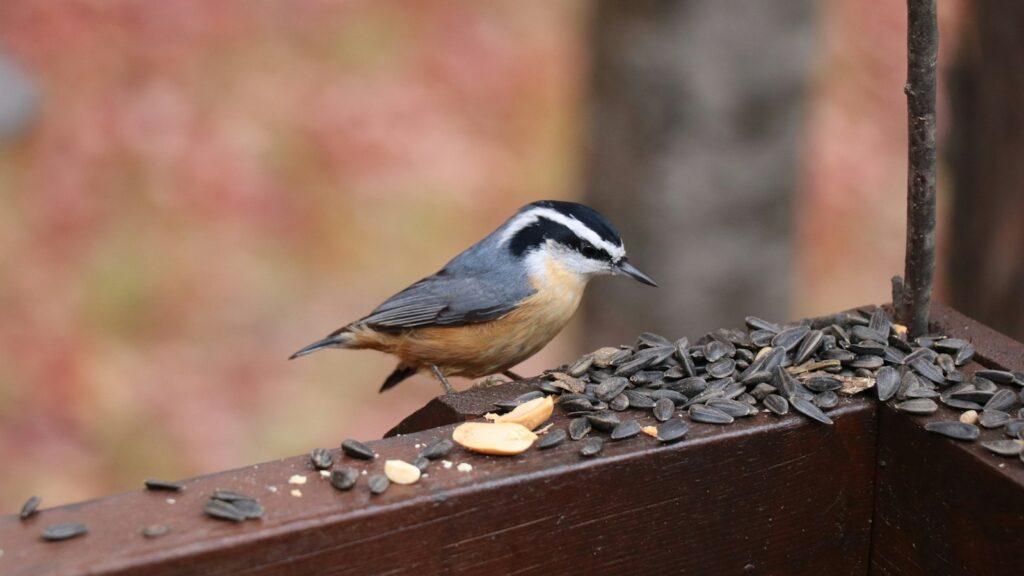
Creating a bird sanctuary on your balcony represents a beautiful intersection of personal enjoyment and environmental stewardship. By thoughtfully designing a space that meets birds’ needs for food, water, shelter, and safety, you’re creating a small but significant wildlife corridor in an urban landscape. As your sanctuary matures, you’ll likely discover that the birds bring not just their physical presence but a deeper awareness of natural cycles, behaviors, and interconnections. Whether you implement every suggestion or start with just a few elements, your efforts make a difference for local bird populations while transforming your balcony into a living space filled with color, song, and wings.