

Birds face numerous challenges when creating and maintaining a safe nest for their eggs and young. From raccoons and snakes to cats and larger birds of prey, various predators can pose a significant threat to nesting birds. Whether you’re a backyard birdwatcher or a conservation enthusiast, protecting these vulnerable feathered families is both rewarding and important for maintaining local biodiversity. This comprehensive guide will walk you through effective strategies to help protect nesting birds from predators while respecting natural ecosystems.
Understanding the Vulnerability of Nesting Birds
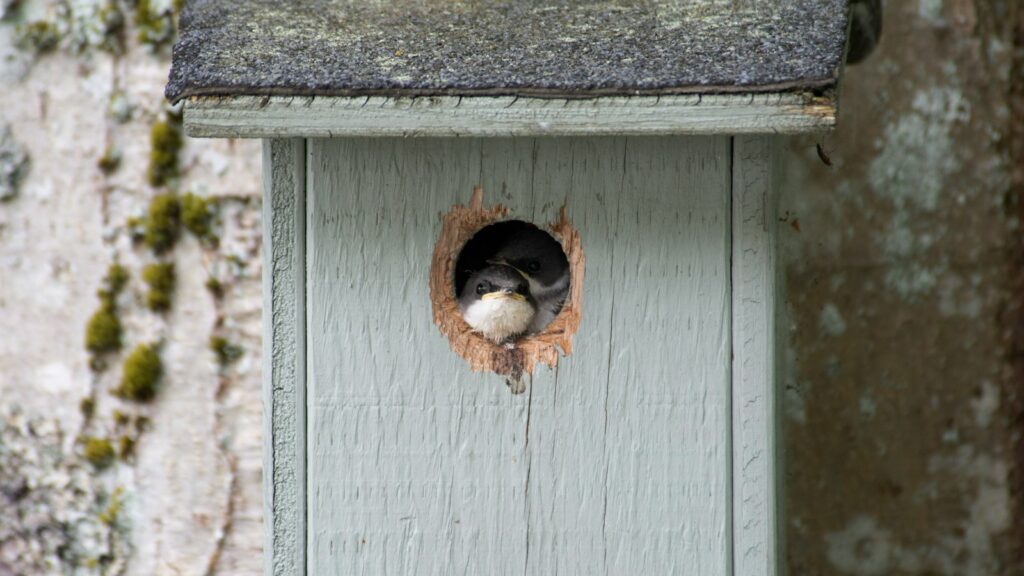
Nesting birds are at their most vulnerable during breeding season when they’re committed to a fixed location for extended periods. Unlike other times of the year when birds can quickly fly away from danger, nesting birds are tied to their eggs and helpless hatchlings, making them predictable targets for predators. This vulnerability extends from the nest-building phase through the fledging of young birds, a period that can last anywhere from two weeks to several months depending on the species. Understanding this critical period in a bird’s lifecycle helps us recognize why protective measures are so important and why even well-intentioned human interference can sometimes cause more harm than good.
Common Predators of Bird Nests

Identifying the predators in your area is the first step toward effective protection strategies. Mammals like raccoons, squirrels, and opossums are skilled nest raiders that can climb trees and structures to reach eggs and nestlings. Snakes are particularly adept at accessing even well-hidden nests and can squeeze into surprisingly small spaces. Domestic and feral cats represent one of the most significant threats to nesting birds, with studies suggesting they kill billions of birds annually in the United States alone. Other birds, including crows, jays, and larger birds of prey, will opportunistically raid nests when they find them. Even some insects, particularly fire ants in southern regions, can pose a serious threat to newly hatched birds that cannot yet escape the nest.
Strategic Nest Box Placement
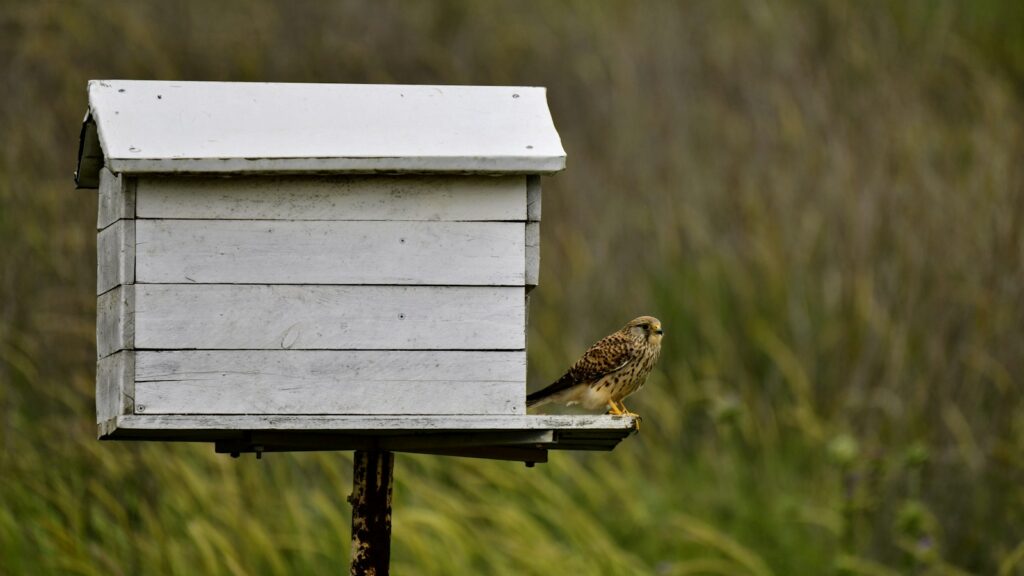
If you’re providing nest boxes for birds, placement is critical for predator defense. Mount boxes on metal poles rather than wooden posts or trees, as metal is more difficult for climbing predators to navigate. The ideal pole should be at least 8 feet tall and positioned away from overhanging branches, fences, or structures that could provide access routes for predators. Installing a baffle—a dome or cylinder-shaped barrier—below the nest box creates an effective obstacle that prevents climbing animals from reaching the nest. Face the entrance hole away from prevailing winds and position the box in a location that provides some morning sun but afternoon shade to prevent overheating. Remember that different bird species prefer different heights and habitats for nesting, so research the specific requirements of birds in your region.
Predator-Resistant Nest Box Design

The design of your nest box can significantly impact predator success rates. Choose or build boxes with entrance holes sized specifically for your target bird species—large enough for them to enter but too small for larger predatory birds or mammals. Adding a predator guard—an extended entrance tube or metal plate around the hole—prevents predators from reaching inside or enlarging the opening. Avoid perches beneath entrance holes, as these provide convenient attack platforms for predators rather than helping the nesting birds. Ensure the box has adequate ventilation and drainage while remaining weather-tight to protect from rain and extreme temperatures. Finally, construct nest boxes from durable materials like cedar or treated pine that will withstand the elements for multiple nesting seasons without requiring frequent replacement or maintenance.
Installing Effective Predator Guards
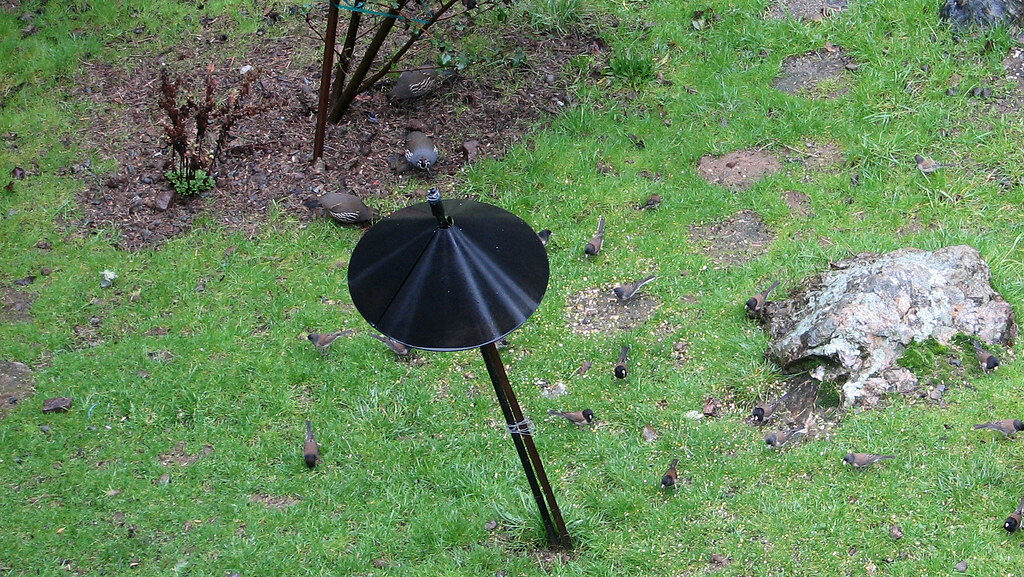
Predator guards are specialized barriers designed to prevent climbing animals from accessing nest boxes or natural nests. Stovepipe baffles—wide metal cylinders installed below the nest box—create insurmountable obstacles for climbing predators like raccoons and snakes. Cone-shaped baffles work on a similar principle but with a different shape that makes climbing around them virtually impossible. For pole-mounted nest boxes, greasing the pole with a non-toxic, petroleum-free product can provide an additional deterrent, though this requires regular reapplication to remain effective. Wire mesh guards can protect ground nests from predators while still allowing the parent birds to access their young. When installing any predator guard, ensure it’s properly sized—typically at least 15-18 inches in diameter for baffles—and secured firmly so it cannot be dislodged by determined predators.
Managing Domestic Predators
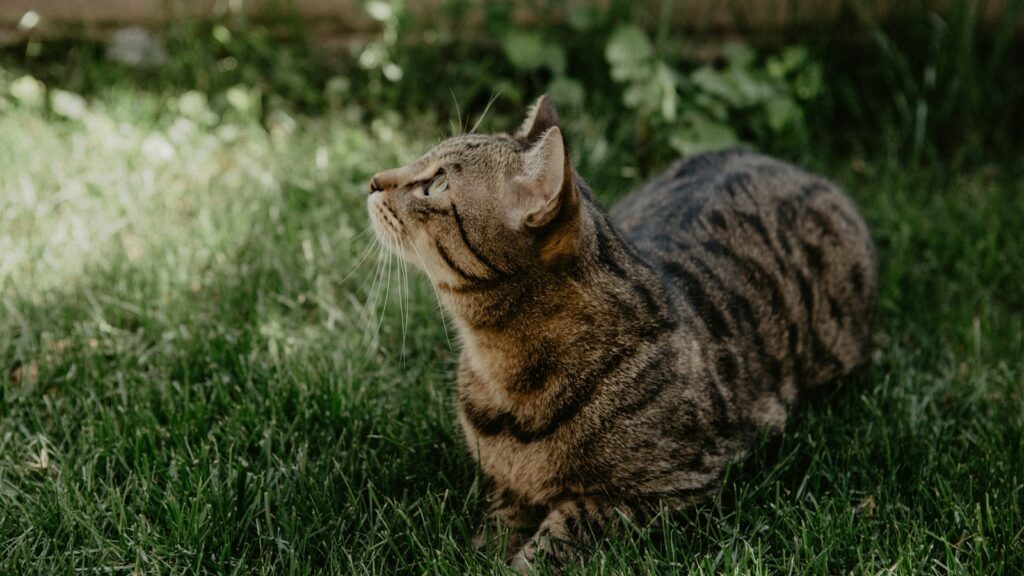
Household pets, particularly cats, represent one of the most controllable predator threats to nesting birds. Keeping cats indoors, especially during spring and early summer when most birds are nesting, dramatically reduces predation risk. For those who allow outdoor access, attaching a bell to your cat’s collar provides birds with an early warning system, though some cats learn to hunt stealthily despite this. Consider creating a “catio” or enclosed outdoor space that allows cats to enjoy fresh air without accessing wildlife. Dogs should be kept leashed in natural areas during nesting season and trained not to chase or disturb ground-nesting birds. Responsible pet ownership extends to discouraging neighborhood strays and feral cats by not leaving food outdoors that might attract them to bird-rich environments.
Creating Predator-Deterrent Landscaping
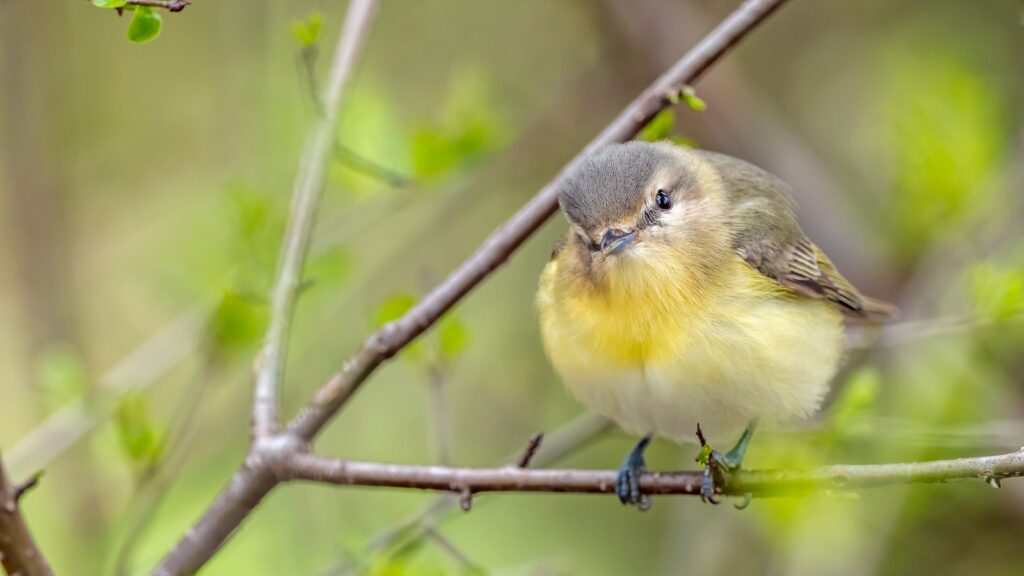
The layout and composition of your garden or property can either facilitate or discourage predator access to nesting birds. Plant dense, thorny shrubs like hawthorn or blackberry that provide natural nesting sites with built-in protection against larger predators. Maintain sufficient distance between bird feeders and nesting areas to avoid attracting predators directly to nest sites. Consider removing potential predator perches and observation posts near nesting areas, such as dead tree limbs that give hawks an advantage. Plant native vegetation in clusters rather than isolated specimens, creating interconnected safe zones where birds can quickly find cover when threatened. Strategic landscaping not only protects birds but also enhances habitat quality, providing better food sources and nesting materials.
Protective Timing for Garden Maintenance
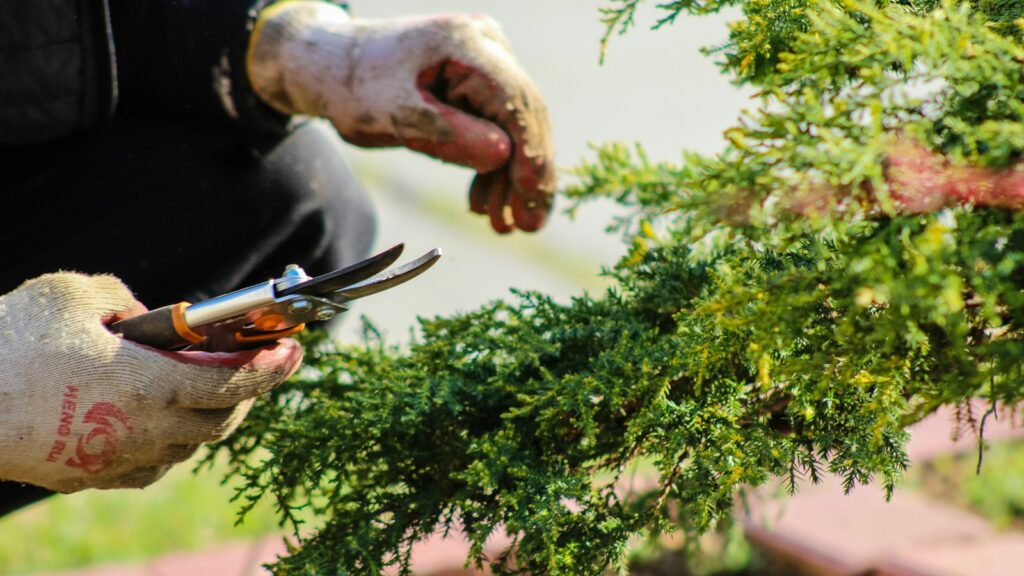
Timing your garden maintenance activities with bird nesting cycles in mind can prevent unintentional harm. Delay major pruning and tree work until late summer or fall when most nesting activity has concluded, typically after August in North America. If emergency tree work is necessary during nesting season, have an arborist or wildlife specialist inspect for active nests before proceeding. Mow less frequently in areas where ground-nesting birds might be present, and consider designating unmown “wildlife patches” during breeding season. When you do need to mow, start from the center of the area and work outward, giving any ground-nesting birds a chance to escape rather than being trapped in a shrinking habitat island.
Natural Predator Deterrents

Several natural methods can discourage predators without harming them or disrupting the ecological balance. Predator urine (commercially available) sprinkled around nesting areas can create the impression that a territorial predator already occupies the space, deterring other predators from investigating. Certain plants with strong scents, like mint or rue, naturally repel some mammalian predators when planted near nesting sites. Decoy predators, such as owl or hawk figurines, can temporarily discourage smaller predatory birds, though these should be moved regularly to maintain effectiveness. Sound deterrents that activate with motion can startle approaching predators, though birds may also become habituated to these over time. Remember that deterrents work best when rotated and used as part of a comprehensive protection strategy rather than relied upon exclusively.
Monitoring Systems for Early Detection

Regular monitoring helps detect predator problems before they result in nest failure. Wildlife cameras with motion sensors can document which predators are active in your area and when they typically appear, allowing you to adapt your protection strategies accordingly. Daily observation patterns (at a respectful distance) help establish a baseline of normal nesting activity so you can quickly notice if parent birds show signs of distress or abnormal behavior suggesting predator presence. Online community science platforms like NestWatch provide protocols for safe nest monitoring and allow you to contribute your observations to larger scientific datasets tracking bird breeding success. If you notice signs of predator activity or attempts to access nests, you can respond by adding or enhancing protection measures before a nest is compromised.
When and How to Intervene
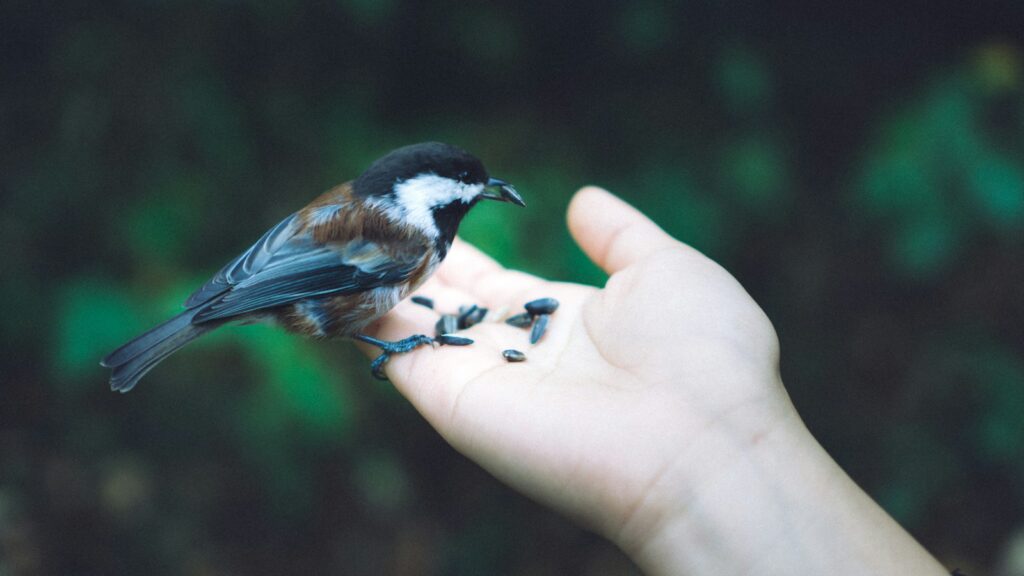
Knowing when to take action if you witness predation attempts requires understanding the balance between natural processes and conservation ethics. Direct intervention is generally warranted only when predation involves non-native species or when nesting birds are of conservation concern. If intervention is necessary, making loud noises or creating a disturbance from a distance can sometimes interrupt a predation event without causing additional stress to the nesting birds. Never handle eggs, nestlings, or adult birds unless you are licensed and trained in wildlife rehabilitation. If you find injured birds or abandoned nestlings, contact local wildlife authorities or rehabilitation centers rather than attempting care yourself. Remember that while losing a nest can be emotionally difficult to witness, predation is part of natural ecosystem dynamics, and most bird species have evolved strategies to cope with some level of nest loss.
Community-Based Protection Strategies

Collective action can significantly improve nesting success rates across neighborhoods and communities. Organize or join local bird conservation groups that monitor nesting sites and implement protection measures on a larger scale than individuals can achieve alone. Work with municipal governments to establish bird-friendly policies like limiting tree removal during nesting season or creating protected areas in public parks. Educate neighbors about the importance of keeping cats indoors and the value of native landscaping through community workshops or informal conversations. Participate in “citizen science” initiatives that track bird nesting success, providing valuable data to researchers while building community investment in bird conservation. By working together, communities can create interconnected safe zones for nesting birds that span beyond individual property boundaries.
Long-Term Conservation Approaches
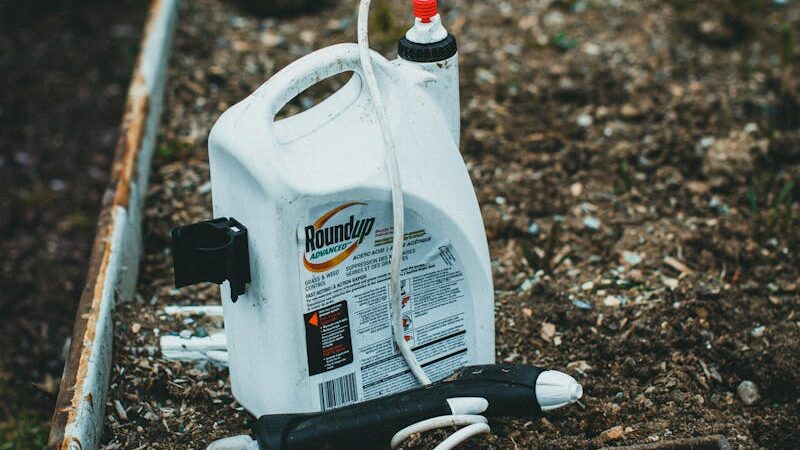
Beyond immediate protective measures, long-term conservation strategies help create more favorable conditions for nesting birds. Support conservation organizations working to preserve and restore critical habitat areas that provide natural protection and resources for breeding birds. Advocate for responsible land use policies that maintain forest integrity, wetland protection, and development restrictions in ecologically sensitive areas. Reduce pesticide use in your garden and community, as these chemicals can reduce insect populations that nesting birds depend on to feed their young. Climate change adaptation strategies, such as planting heat-tolerant native species and creating water sources, help birds adjust to changing environmental conditions that might otherwise increase their vulnerability to predators. Remember that healthy, diverse ecosystems typically maintain balanced predator-prey relationships that allow for sustainable bird populations despite natural predation.
Conclusion
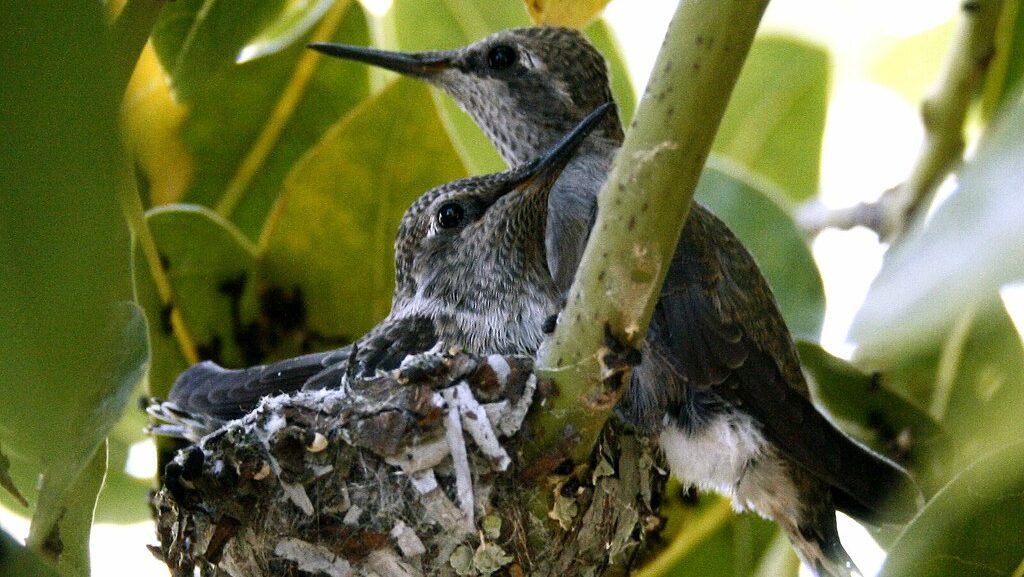
Protecting nesting birds requires a thoughtful combination of preventative measures, careful monitoring, and respect for natural ecological processes. By understanding the specific challenges birds face in your area and implementing appropriate protection strategies, you can significantly improve nesting success rates while maintaining the integrity of local food webs. Whether you’re installing a single nest box in your backyard or participating in community-wide conservation efforts, every action contributes to a more hospitable environment for these vulnerable winged families. As we work to protect nesting birds from predators, we not only support biodiversity but also enrich our own connection to the natural world unfolding around us.