
Transforming your backyard into a wildlife photography studio offers an accessible and rewarding way to connect with nature without venturing far from home. Backyard bird photography combines the tranquility of bird watching with the technical and artistic challenges of wildlife photography, creating a perfect hobby for nature enthusiasts. Whether you’re capturing a cardinal’s vibrant plumage against winter snow or documenting the precise moment a hummingbird’s wings pause in flight, photographing birds in your own outdoor space can yield stunning images that rival professional wildlife portfolios. This guide will walk you through everything from creating an inviting habitat to mastering the technical aspects of bird photography, helping you develop your skills and build a collection of captivating avian portraits.
Creating a Bird-Friendly Environment
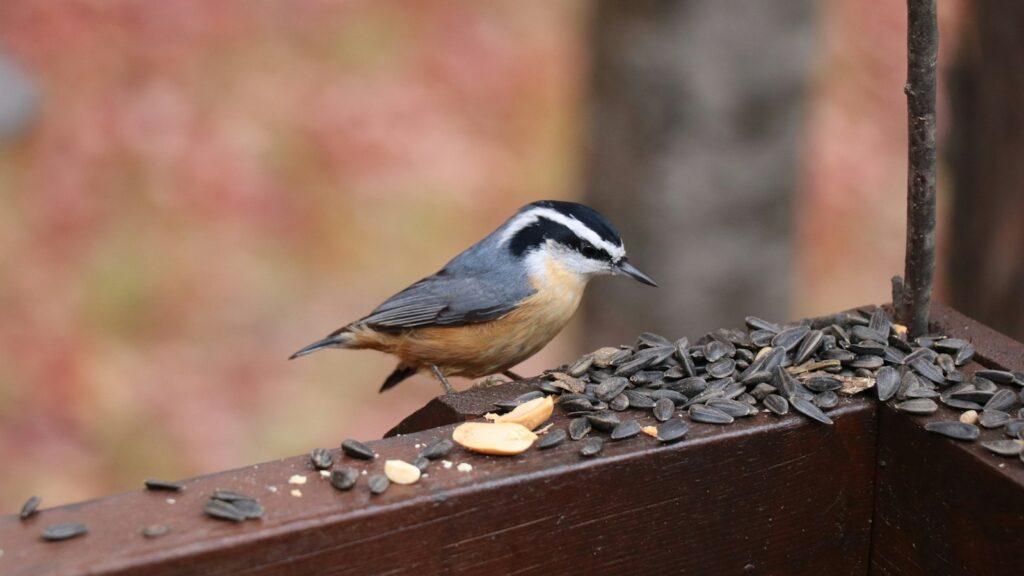
Transforming your backyard into a bird haven is the essential first step toward successful bird photography. Start by installing a variety of feeding stations at different heights, offering diverse foods like black oil sunflower seeds, nyjer, suet, and mealworms to attract different species. Incorporate multiple water features, from simple bird baths to small bubbling fountains, as birds are irresistibly drawn to the sound and sight of moving water. Plant native trees, shrubs, and flowers that provide natural food sources, nesting materials, and protective cover for birds throughout the seasons. Remember that patience is key—establishing a truly bird-friendly environment takes time, but the diverse avian visitors will make your photographic opportunities increasingly rewarding as word spreads through the bird community about your hospitable habitat.
Essential Photography Equipment
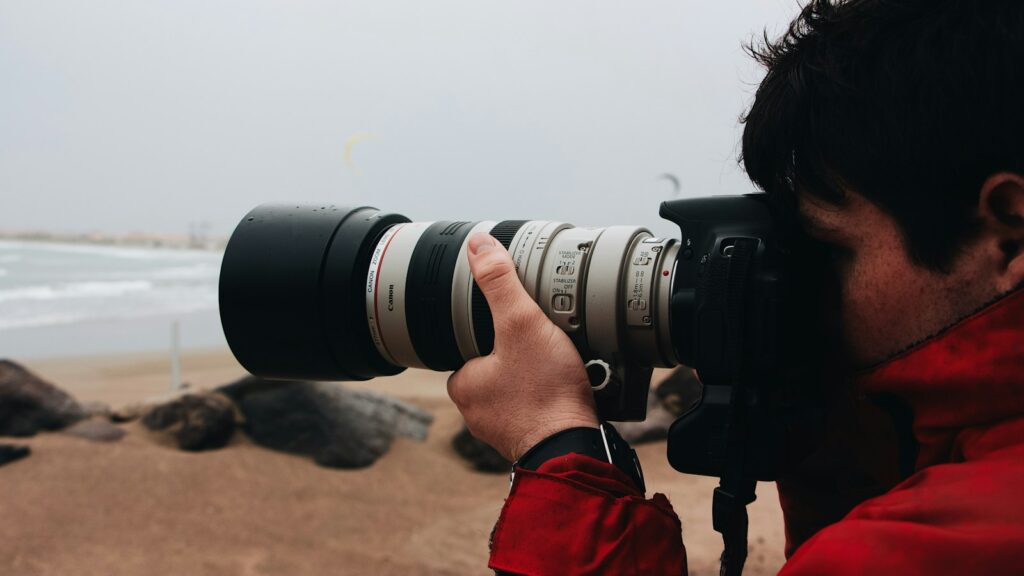
While professional wildlife photographers often invest in expensive gear, you can begin capturing impressive backyard bird images with relatively modest equipment. A DSLR or mirrorless camera with interchangeable lenses provides the flexibility needed for different shooting situations, though even advanced bridge cameras can yield excellent results. The most important investment is a telephoto lens with a focal length of at least 200mm, with 300-600mm being ideal for capturing detailed bird portraits without disturbing your subjects. A sturdy tripod is essential for stabilizing longer lenses and preventing camera shake, particularly in low light conditions or when using slower shutter speeds. Consider adding accessories like a remote shutter release to minimize camera movement, and a blind or camouflage covering if you plan to photograph more skittish species that might be wary of human presence.
Understanding Bird Behavior for Better Photos
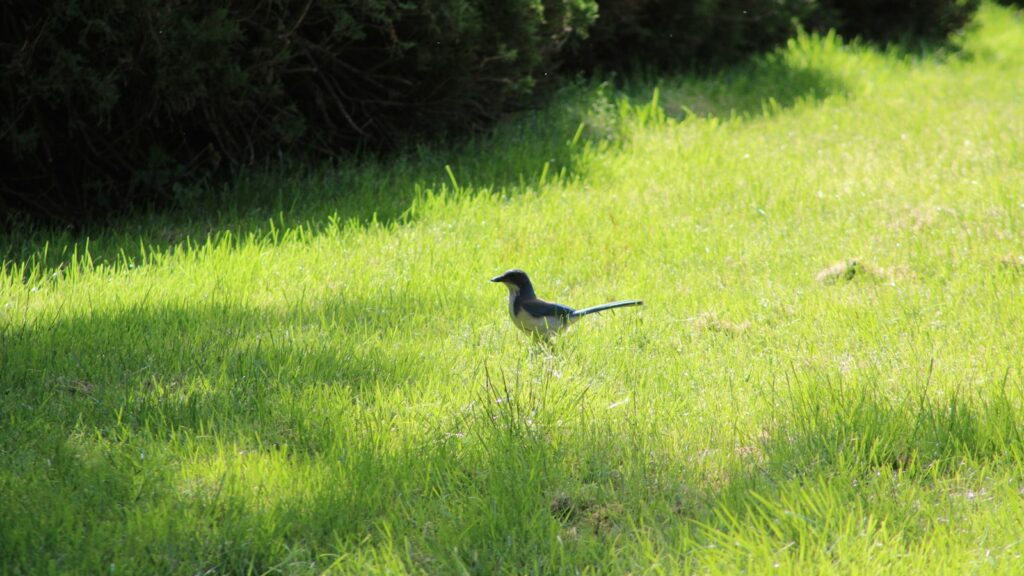
Developing knowledge of avian behavior patterns significantly improves your photography by helping you anticipate action and position yourself appropriately. Learn to recognize pre-flight signals like increased alertness, specific body positions, and subtle weight shifts that indicate a bird is preparing to take off. Study feeding patterns of different species to predict when they’ll visit your feeders—many birds are most active in early morning and late afternoon, creating ideal photography windows with beautiful light. Pay attention to seasonal variations in behavior, from spring courtship displays to summer nesting activities and fall migration preparations. Most importantly, spend time quietly observing without your camera first, learning the rhythms and preferences of your backyard visitors to better predict photographic opportunities when you’re ready to shoot.
Mastering Camera Settings for Bird Photography
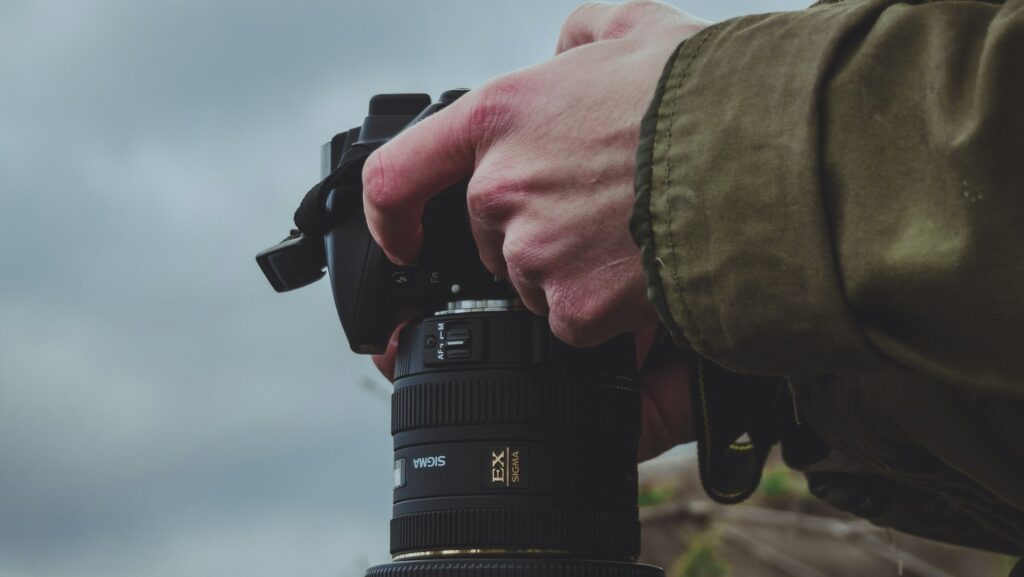
Bird photography demands specific technical approaches to capture fast-moving subjects with clarity and precision. Start with shutter priority mode (Tv or S), using speeds of at least 1/1000 second for perched birds and 1/2000 second or faster for birds in flight to freeze wing motion. Set your camera to continuous autofocus (AI Servo for Canon or AF-C for Nikon) to track moving subjects, and select burst mode to capture rapid sequences during action moments. For exposure, slightly overexpose (by +1/3 to +2/3 stop) when photographing birds with dark feathers against bright backgrounds to avoid silhouetting, and consider auto ISO with minimum shutter speed settings to maintain appropriate exposure as lighting conditions change. Focus settings are particularly crucial—use a single focus point or small focus area for precision, placing it on the bird’s eye whenever possible to ensure the most impactful part of your image remains tack-sharp.
Choosing the Right Time of Day
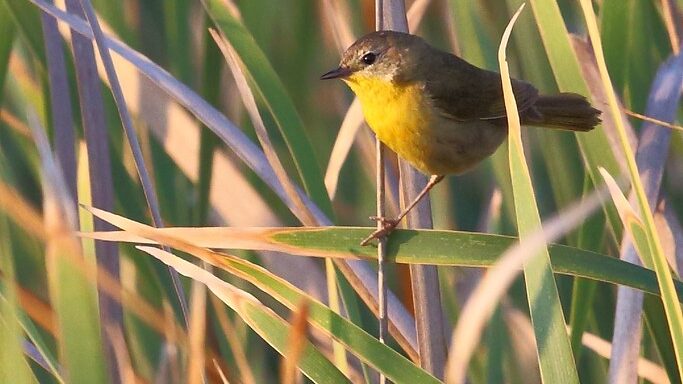
The quality of natural light dramatically affects the outcome of bird photographs, making timing a critical factor in your shooting strategy. The golden hours—the first hour after sunrise and the last hour before sunset—provide warm, directional lighting that enhances feather details and creates a natural glow on your subjects. Mid-morning and late afternoon offer good secondary windows when light remains relatively soft but provides more illumination for faster shutter speeds. Avoid shooting during harsh midday sunlight when possible, as it creates unflattering shadows, diminishes color saturation, and produces excessive contrast that makes exposure challenging. Overcast days can be surprisingly effective for photographing colorful birds, as the soft, diffused light acts like a giant softbox, reducing contrast and allowing vivid plumage colors to shine without harsh shadows or blown highlights.
Setting Up Attractive Perches
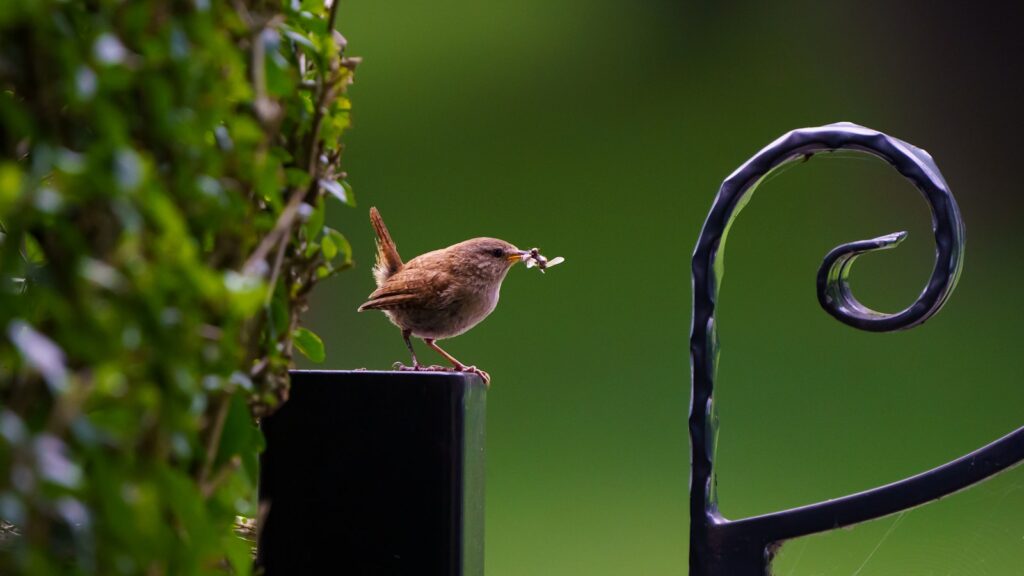
Strategic perch placement transforms ordinary bird photos into artistic compositions by providing natural-looking staging areas near your feeding stations. Select branches, driftwood, or decorative elements that complement your backyard aesthetic while offering practical landing spots approximately 5-10 feet from actual feeders. Position perches to create clean, uncluttered backgrounds—ideally with distance behind them to achieve pleasant bokeh with reduced distractions. Consider the direction of light when placing perches, arranging them so birds will be illuminated from the side or slightly front-lit rather than backlit, which helps reveal feather detail and prevents silhouetting. Rotate perch materials seasonally to create varied looks in your images: flowering branches in spring, lush green foliage in summer, colorful autumn leaves in fall, and lichen-covered or snow-dusted branches in winter provide contextual elements that enhance your photographic storytelling.
Composition Techniques for Impact
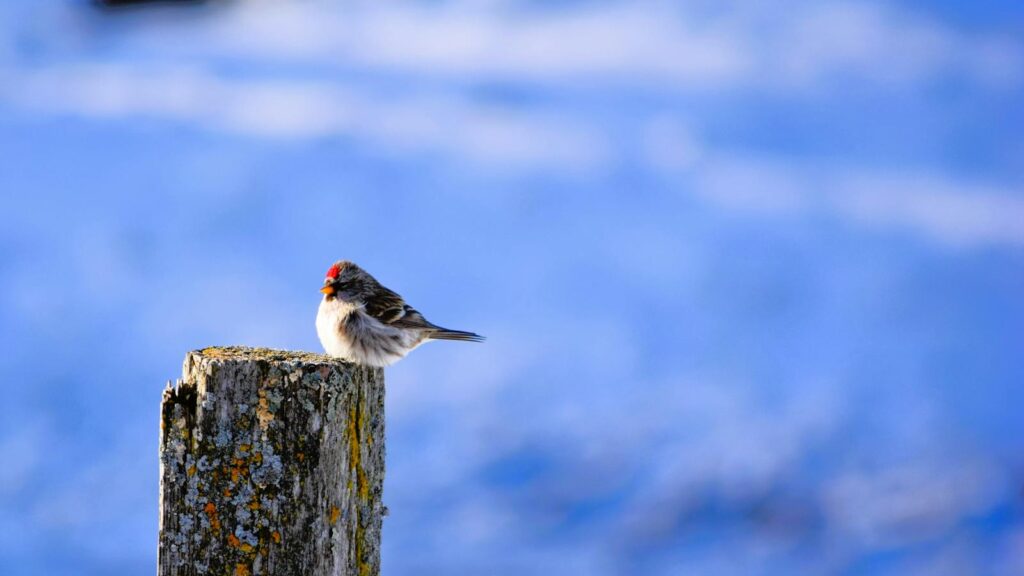
Thoughtful composition elevates backyard bird photography from simple documentation to compelling visual art. Apply the rule of thirds by placing your subject at intersection points rather than centered in the frame, creating a more dynamic image that draws the viewer’s eye naturally through the composition. Incorporate negative space strategically to emphasize the bird’s form and create a sense of environment—particularly effective when photographing birds in flight against clear skies. Pay attention to eye contact and head position, as images where birds appear to engage with the viewer create a stronger emotional connection than profile shots. Consider the background as carefully as your subject, positioning yourself to capture clean, uncluttered settings that complement rather than compete with your avian subject, using shallow depth of field to create pleasing out-of-focus areas that enhance rather than distract from your primary subject.
Capturing Birds in Flight
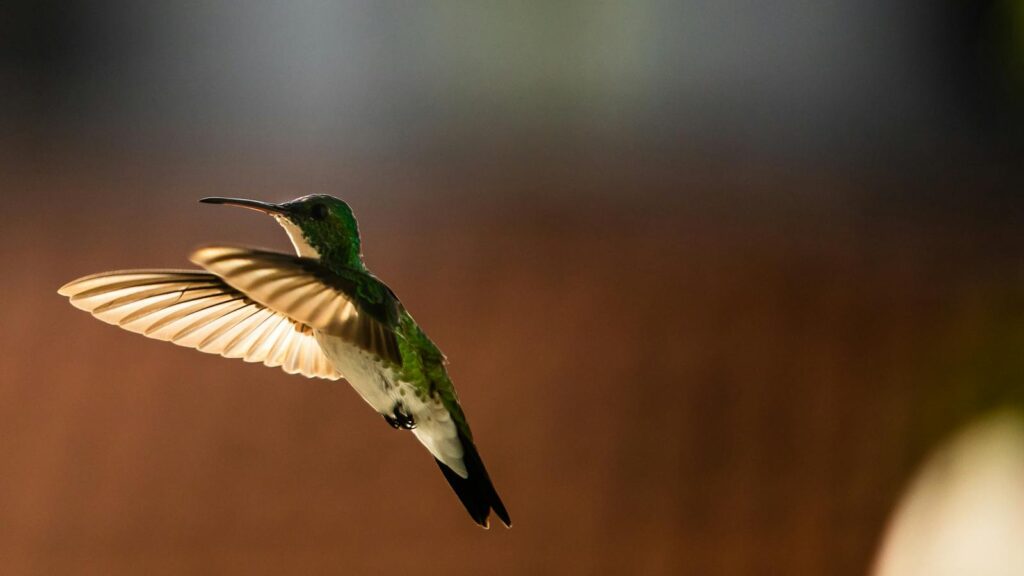
Photographing birds in motion represents one of the most challenging yet rewarding aspects of backyard bird photography. Develop your technique by practicing on larger, slower birds like mourning doves before attempting to capture faster flyers like swallows or hummingbirds. Position yourself where birds predictably approach feeders, studying their flight paths to anticipate their trajectory and pre-focus on areas where they typically pause or hover. Use continuous autofocus with back-button focusing to maintain sharp focus while tracking moving subjects, and select a focus mode that utilizes multiple focus points to follow erratic movements. Camera settings require adjustment for flight photography—increase your shutter speed to at least 1/2000 second, open your aperture wider for faster shutter speeds, and consider raising your ISO to compensate for the exposure requirements of freezing rapid wing movement without introducing motion blur.
Seasonal Photography Opportunities
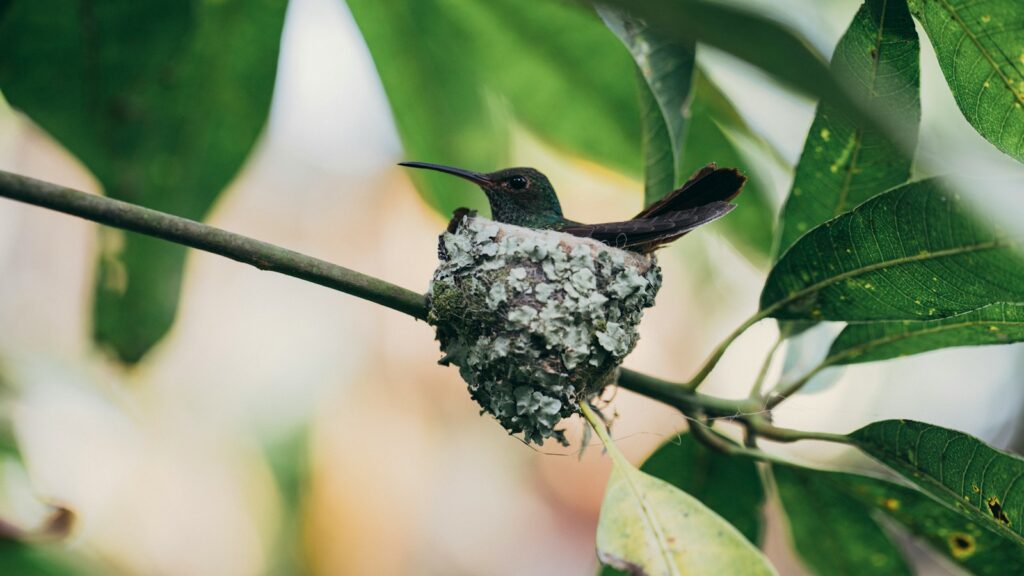
Each season presents unique backyard bird photography possibilities that can diversify your portfolio with distinctive seasonal contexts. Spring offers dramatic courtship behaviors, vibrant breeding plumage, and opportunities to document nesting activities and newly fledged youngsters with attentive parents. Summer brings abundant feeding opportunities as parent birds gather food for hungry nestlings, along with entertaining bathing behaviors during hot weather that create dynamic water-droplet action shots. Fall migration periods introduce transient species passing through your yard, while year-round residents may appear particularly active as they prepare for winter by caching food. Winter presents stark, clean backgrounds when snow is present, increasing contrast with colorful species like cardinals and blue jays, while also showcasing interesting behavioral adaptations like fluffed feathers that birds use to conserve heat during cold weather—creating visually distinctive silhouettes and textures not seen in warmer months.
Processing and Editing Bird Photos
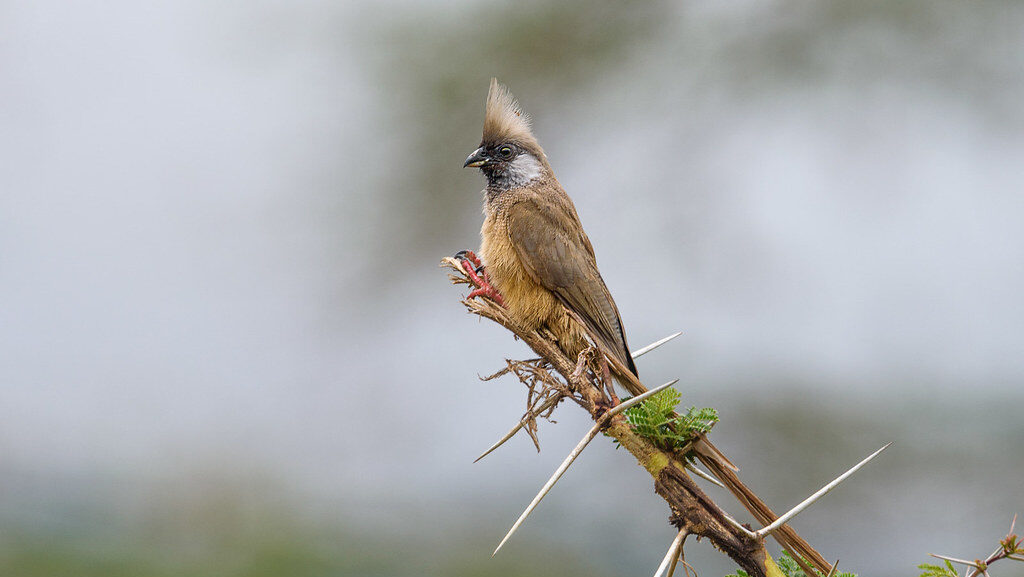
Post-processing plays a crucial role in realizing the full potential of your backyard bird images without compromising their authenticity. Begin with basic adjustments in software like Lightroom or Photoshop, focusing on correcting exposure, enhancing contrast, and making subtle color adjustments to accurately represent plumage colors without oversaturation. Apply careful sharpening techniques specifically to the bird while avoiding oversharpening backgrounds, which can create unnatural-looking images with distracting noise. Consider selective editing approaches like using adjustment brushes to brighten shadows under birds’ eyes or darken overly bright highlights on white feathers, helping to reveal natural details that camera sensors might not perfectly capture. Maintain ethical standards during editing by preserving the reality of your subject—minor spot removal of sensor dust is acceptable, but adding or removing elements or dramatically altering colors violates wildlife photography ethics and diminishes the documentary value of your work.
Photographing Hummingbirds
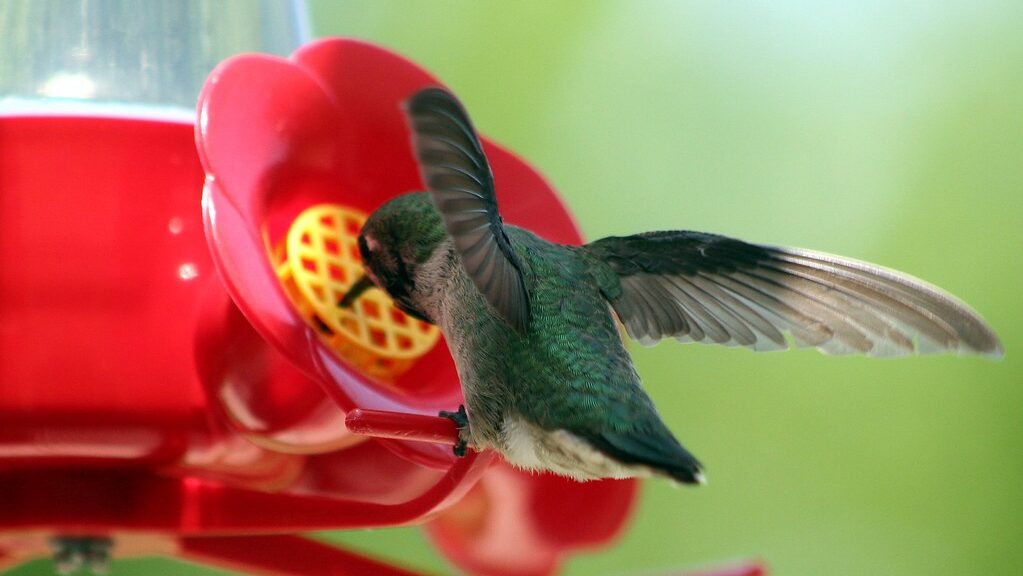
Hummingbirds present a specialized backyard photography challenge that rewards patience with extraordinary images of these jewel-like avian marvels. Set up dedicated hummingbird feeders with clear backgrounds at least two weeks before you plan to photograph them, allowing birds to establish regular feeding patterns you can anticipate. Position yourself about 10-15 feet from feeders to avoid disturbing their natural behavior while still achieving frame-filling images with a telephoto lens. Consider using flash techniques with multiple speedlights at reduced power (1/16 to 1/32) to freeze their wings without harming the birds—maintaining a flash-to-subject distance of at least 6-8 feet and limiting flash sessions to brief periods. Experiment with shutter speeds to capture different wing effects: ultra-fast speeds of 1/4000 second or faster will freeze wings completely, while slightly slower speeds around 1/1000 second create partial blur that conveys the remarkable speed of their wing movements while keeping their bodies and eyes tack-sharp.
Ethical Considerations in Bird Photography
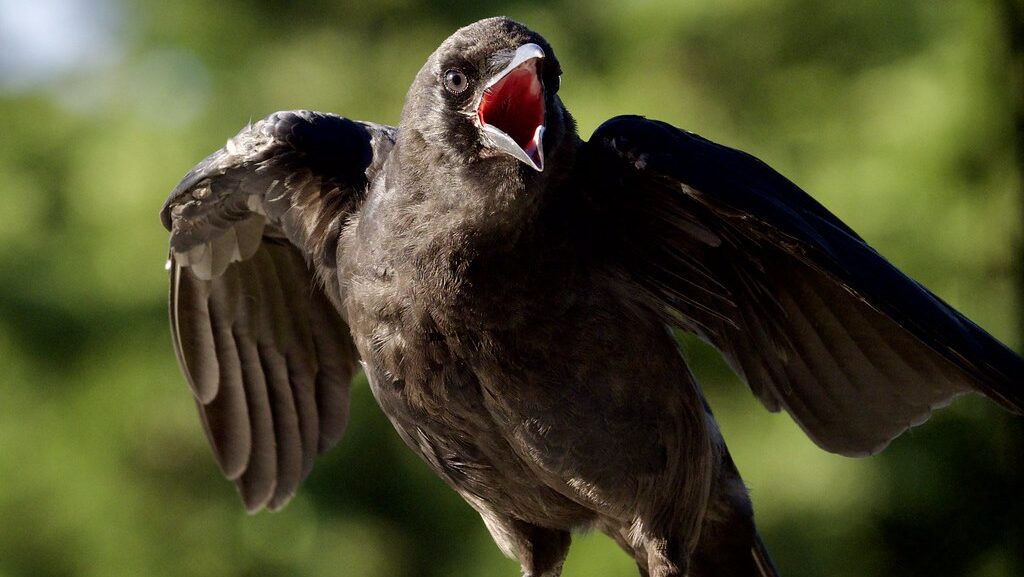
Responsible bird photography prioritizes the welfare of your subjects above getting the perfect shot, ensuring your presence and activities don’t negatively impact avian behavior or habitat. Maintain appropriate distances that prevent stress responses like interrupted feeding or abandonment of nests, using longer lenses rather than approaching too closely. Never bait birds with inappropriate foods or use recordings of distress calls to attract subjects, as these practices can disrupt natural behaviors and potentially harm birds by altering their normal routines. Clean and maintain feeding stations regularly to prevent the spread of diseases that can devastate backyard bird populations. Consider sharing your images with citizen science projects like eBird or iNaturalist, where your photography can contribute valuable data about species distribution and behavior while inspiring others to appreciate and protect birds in their own communities.
Building a Meaningful Portfolio
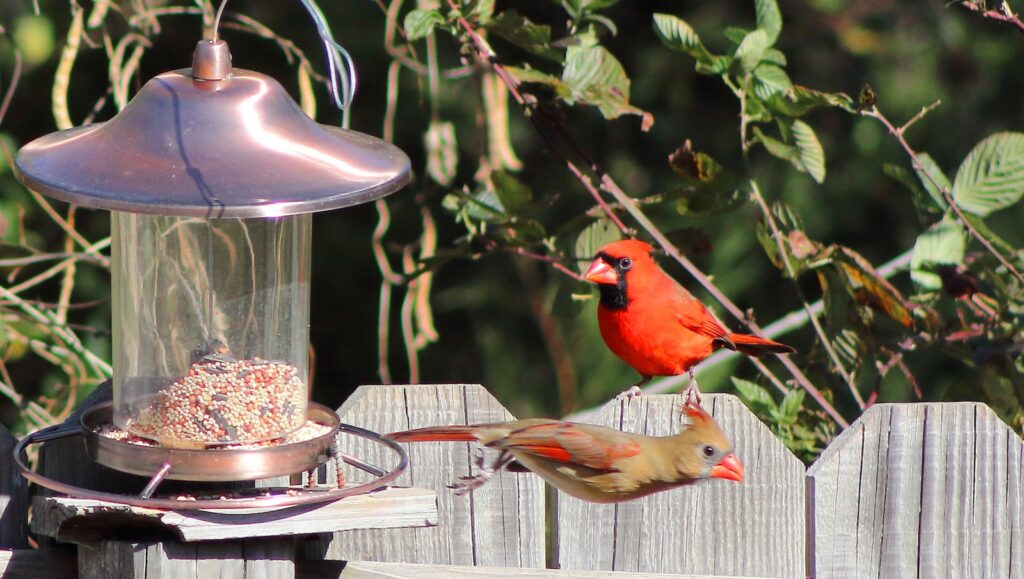
As your backyard bird photography skills develop, focus on creating a cohesive collection that showcases both technical excellence and meaningful storytelling. Challenge yourself to document the complete seasonal cycle of resident species, capturing the same birds in different contexts throughout the year to build visual narratives about their lives. Experiment with different photographic approaches—from frame-filling portraits that highlight intimate details to environmental shots showing birds within their habitat context. Focus on capturing distinctive behaviors like bathing, nest-building, feeding interactions, or territorial displays that reveal aspects of avian life beyond static perched portraits. Consider developing photo essays around specific themes like “Dawn Chorus,” “Winter Survival,” or “Backyard Biodiversity” that combine your technical skills with deeper observational insights, transforming your growing collection of images into a meaningful chronicle of the natural world literally in your own backyard.
Conclusion
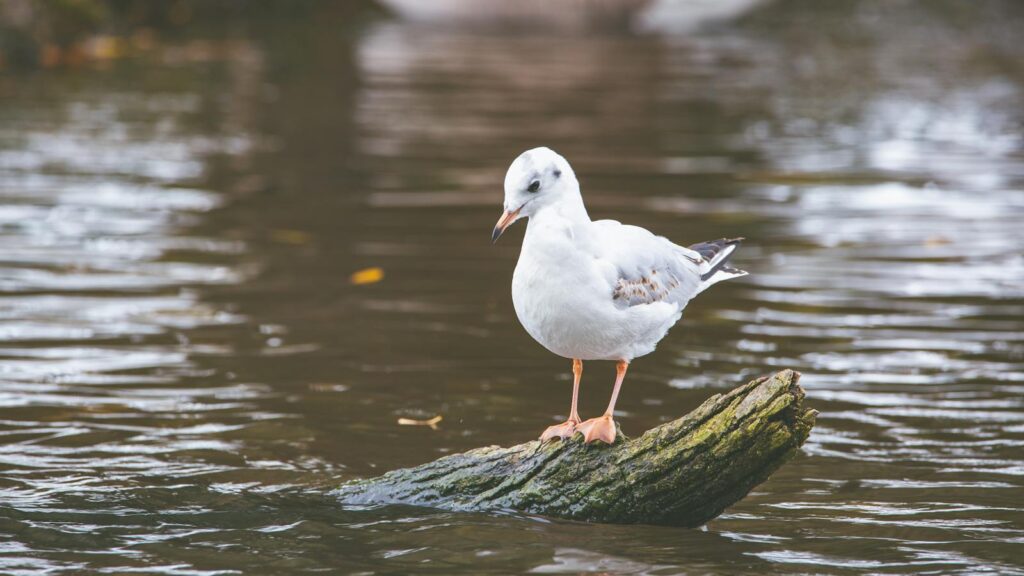
Backyard bird photography offers a uniquely accessible entry point into wildlife photography that can grow from casual hobby to passionate pursuit. By combining the practical habitat strategies outlined here with developing technical skills and deepening knowledge of avian behavior, photographers of all levels can create compelling images without traveling to exotic locations. Remember that the most remarkable bird photographs often come from photographers who develop intimate familiarity with common species rather than chasing rarities—your regular backyard visitors, when observed with patience and photographed with care, reveal extraordinary moments that connect viewers with the natural world. Whether you’re capturing a chickadee in perfect light or documenting the split-second drama of a hawk’s visit to your yard, the skills developed through backyard bird photography transfer to all wildlife photography pursuits while creating a meaningful visual record of the nature that surrounds us daily.