
Birds bring life, color, and melody to our outdoor spaces. Setting up a bird feeder is one of the best ways to attract these beautiful creatures to your yard. However, traditional bird feeders often come with a common frustration: spilled seed that attracts pests and creates mess. The good news is that you can create your own no-spill bird feeder with minimal materials and effort. This DIY project not only helps you save money but also reduces waste while providing a reliable food source for your feathered visitors. In this comprehensive guide, we’ll walk through various designs, materials, and techniques to create effective no-spill bird feeders that will keep both birds and humans happy.
Understanding Why Birds Spill Seed
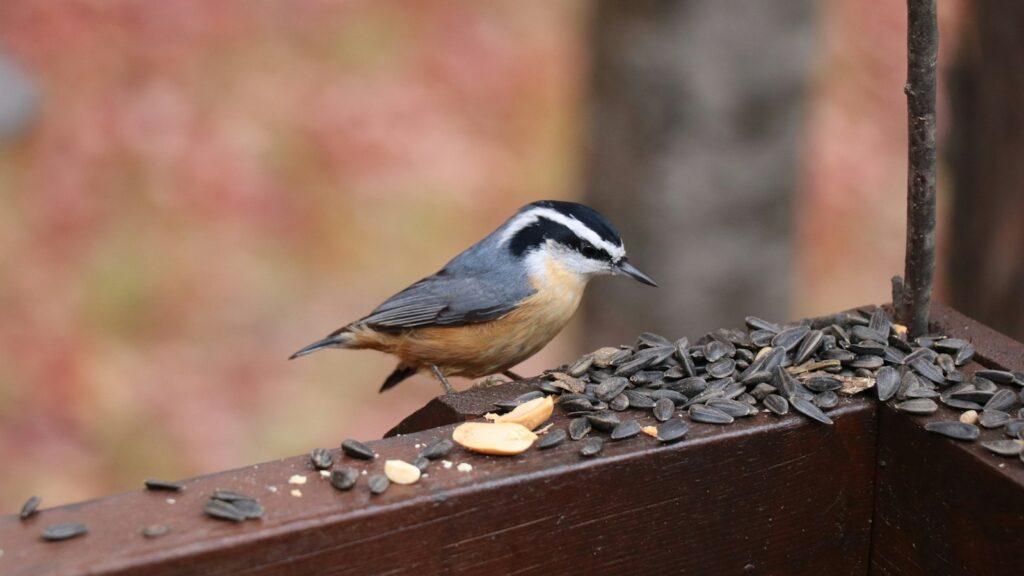
Before diving into building solutions, it’s important to understand why birds make such a mess at traditional feeders. Many birds are naturally programmed to sift through seeds, looking for their preferred varieties while discarding others. This behavior, called “billing,” involves the bird using its beak to toss unwanted seeds aside in search of favorites. Additionally, some feeder designs allow birds to perch in ways that unintentionally knock seeds out as they land or take flight. Weather conditions like wind can further exacerbate spillage problems, causing seeds to scatter across your yard. Understanding these natural behaviors helps us design feeders that work with birds’ instincts rather than against them.
Benefits of No-Spill Bird Feeders
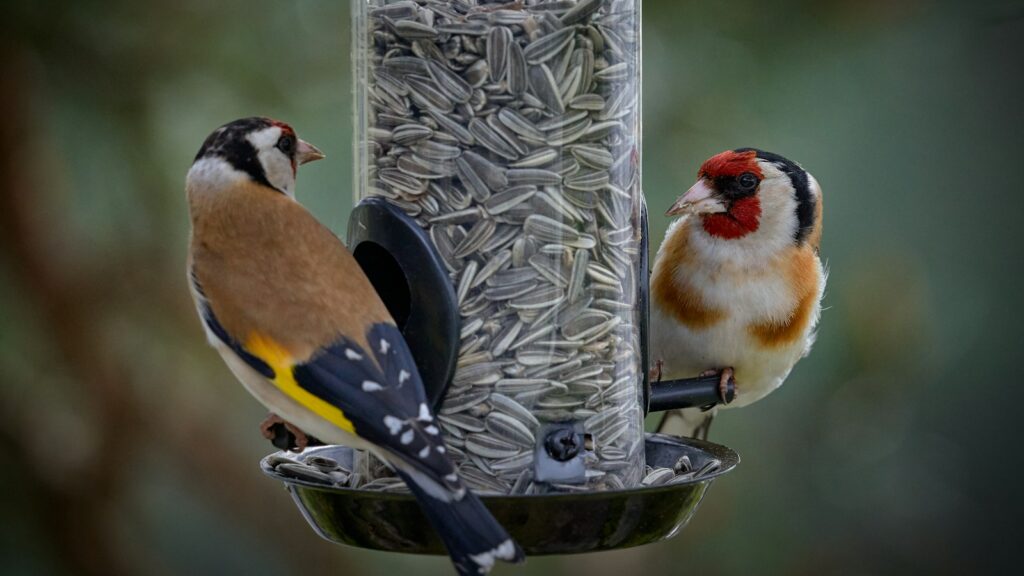
No-spill bird feeders offer numerous advantages that make them worth the effort to create. First, they significantly reduce waste, saving you money on bird seed that would otherwise end up on the ground. They help keep your yard or patio cleaner, eliminating the unsightly piles of discarded shells and seed husks that traditional feeders create. By preventing seed from accumulating on the ground, no-spill feeders also reduce the chances of attracting unwanted visitors like rodents, squirrels, and certain insects that can become pests. Additionally, these specialized feeders can be healthier for birds, as ground seed can quickly become moldy or contaminated, potentially spreading diseases among bird populations.
Essential Materials for DIY Bird Feeders
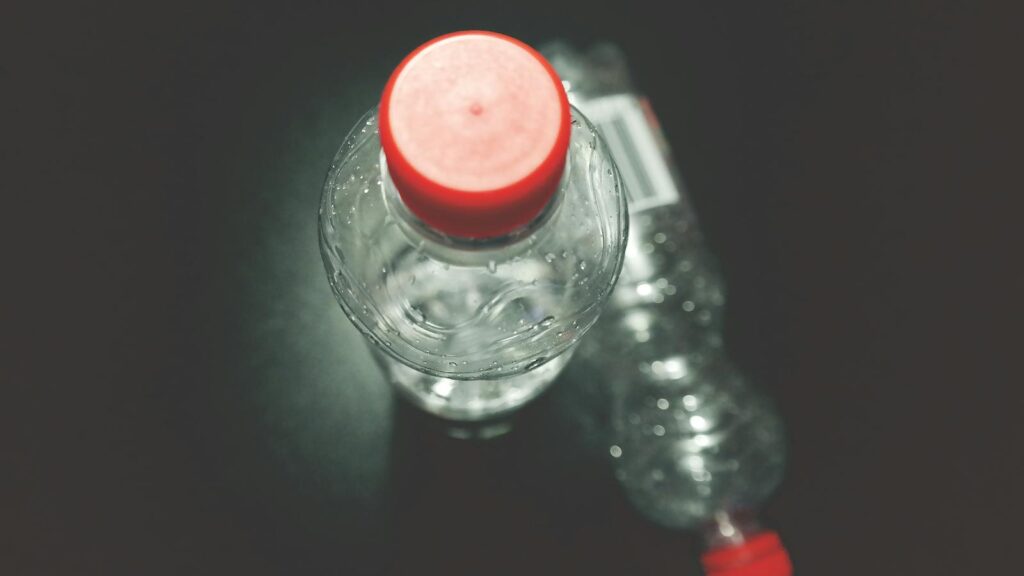
Creating an effective no-spill bird feeder doesn’t require expensive or specialized materials – many can be made with items you already have around your home. Basic supplies often include plastic bottles or containers (like soda bottles, milk jugs, or plastic food containers), which form the main seed reservoir. You’ll need cutting tools such as scissors or utility knives to shape your containers, and waterproof adhesives or hot glue to secure components together. Small pieces of wood can serve as perches, while wire, string, or cord works well for hanging your completed feeder. Weather-resistant materials are particularly important, so look for UV-resistant plastics, treated wood, or weatherproof containers that will stand up to the elements without degrading quickly.
The Plastic Bottle Tray Feeder
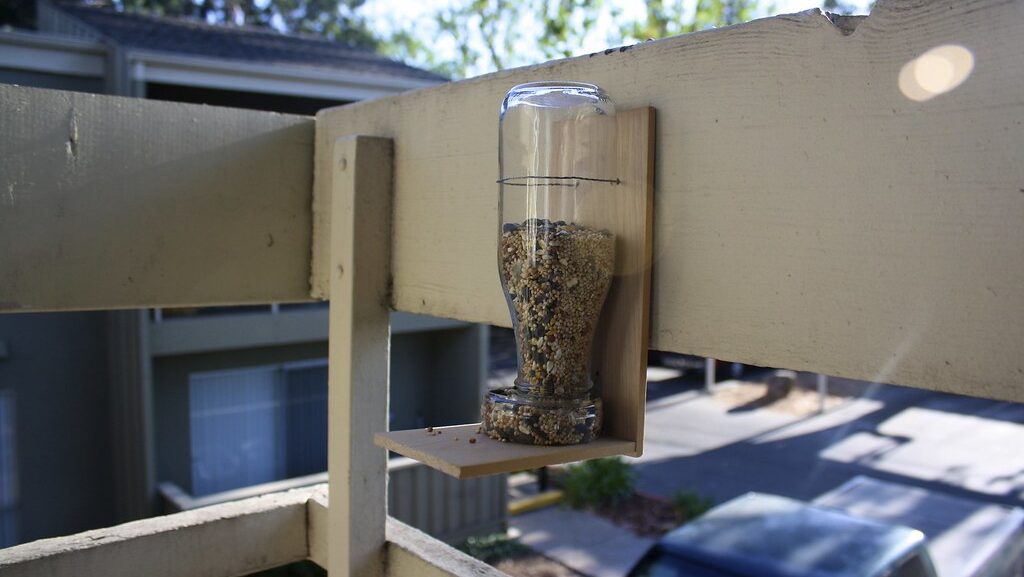
One of the simplest and most effective no-spill designs utilizes a plastic bottle as the main seed container, combined with a catching tray to prevent spillage. Start with a clean, dry plastic bottle (2-liter soda bottles work particularly well) and cut small feeding holes about 1.5 inches from the bottom – these should be just large enough for birds to access seed but not so large that seed pours out freely. Drill or poke drainage holes in the very bottom to prevent water accumulation. Next, create a tray by cutting the bottom section of a larger plastic container or using a plastic plate with raised edges. Secure the bottle to the center of the tray using weatherproof adhesive, ensuring that any spilled seed will fall into the tray rather than onto the ground. This design allows birds to feed while catching any seeds they might drop in the process.
The Window-Mounted Seed Saver
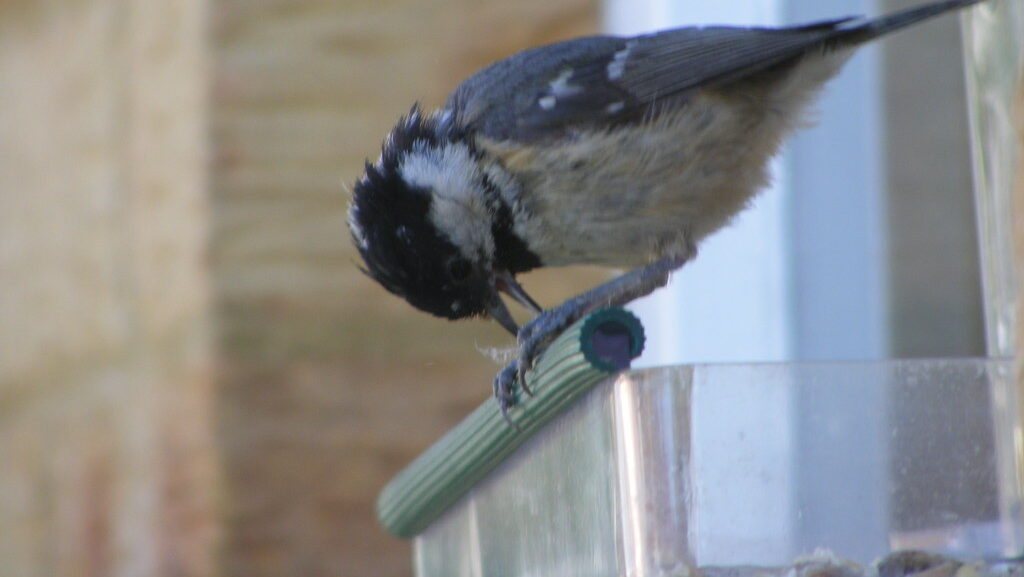
Window-mounted feeders offer excellent bird viewing opportunities while incorporating no-spill features that keep your outdoor space tidy. To create one, start with a clear plastic container with a lid, such as those used for salad greens or berries from the grocery store. Cut a small opening (about 2 inches wide) on one side of the container, making sure the opening has a lip that extends slightly outward to catch falling seeds. Attach suction cups to the back of the container using strong waterproof adhesive or by drilling small holes and securing them with nuts and bolts. For added stability, create a small shelf beneath the feeding hole where birds can perch while eating. The clear plastic allows you to monitor seed levels easily, while the contained design prevents seed from scattering beyond the feeder’s boundaries.
PVC Pipe No-Spill Design
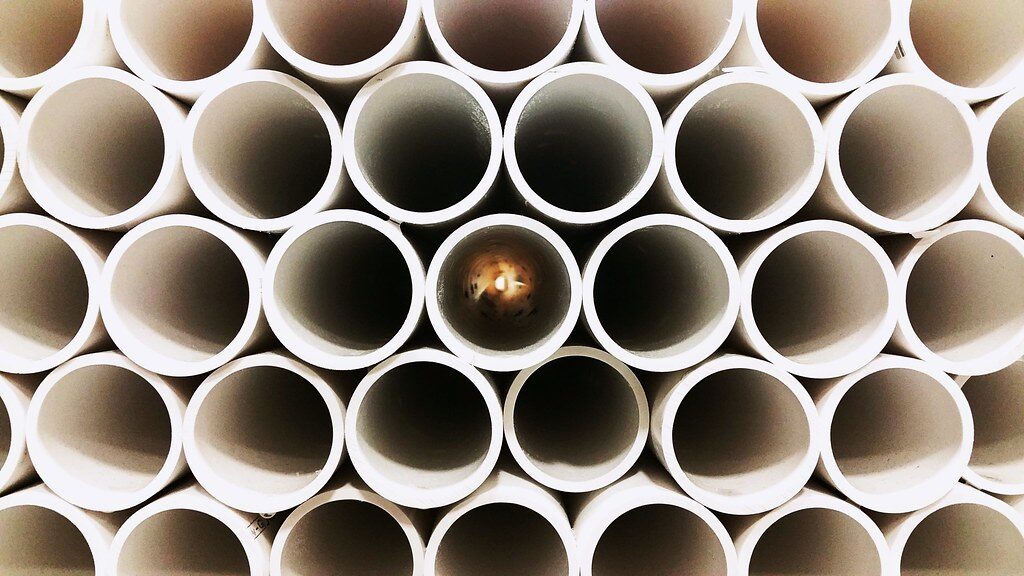
PVC pipe makes an excellent base material for creating durable, weather-resistant bird feeders with minimal spillage. Begin with a 3-4 inch diameter PVC pipe cut to your desired length (12-18 inches works well). Cap one end permanently with a PVC end cap, secured with PVC cement for weatherproofing. On the opposite end, use a removable cap that allows you to refill the feeder. Drill feeding holes (approximately 1-inch diameter) on opposite sides of the pipe, positioning them 2-3 inches from the bottom. Under each hole, attach a small curved piece of PVC or plastic that serves as both perch and seed catcher. Ensure the perches angle slightly upward toward the feeding holes to prevent seed from rolling off. This design works particularly well for smaller seeds like nyjer or millet and can be easily mounted on posts or hung from tree branches.
Recycled Container Gravity Feeder
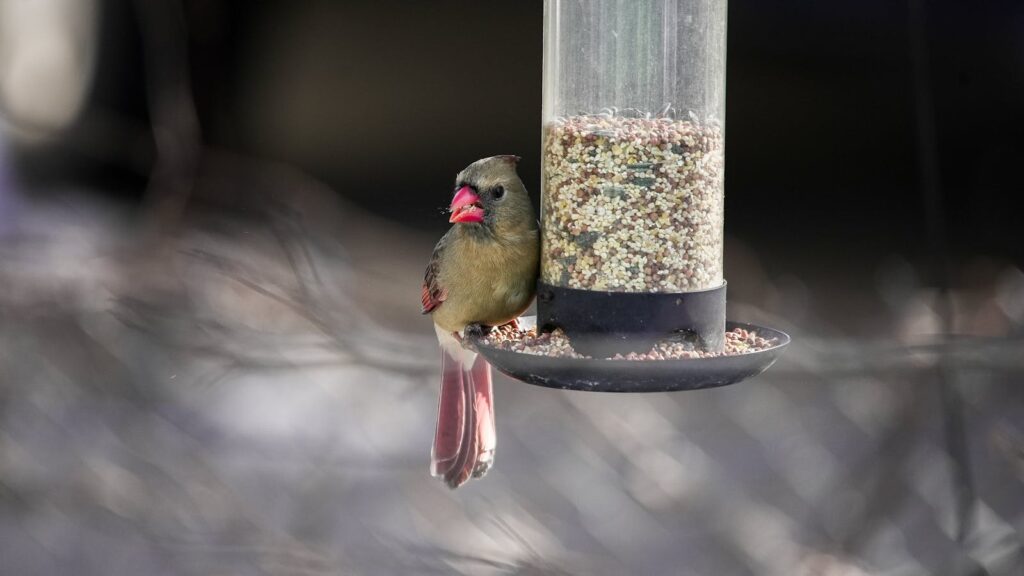
Gravity feeders operate on a simple principle: they dispense only small amounts of seed at a time as birds consume what’s available. To create one from recycled materials, start with a tall plastic container such as a coffee can or large food storage container. Cut small dispensing holes (approximately 1/4 inch) near the bottom of the container on multiple sides. These holes should be just large enough to allow seeds to pass through one or two at a time. Inside the container, create a series of baffles using cut pieces of plastic or thin wood that force the seed to follow a zigzag path down to the dispensing holes. This prevents seed from flowing too quickly and overwhelming the feeding area. Add a small tray or platform beneath each dispensing hole to catch any dropped seeds. This design works particularly well for black oil sunflower seeds and larger seed varieties.
Incorporating Seed-Catching Trays
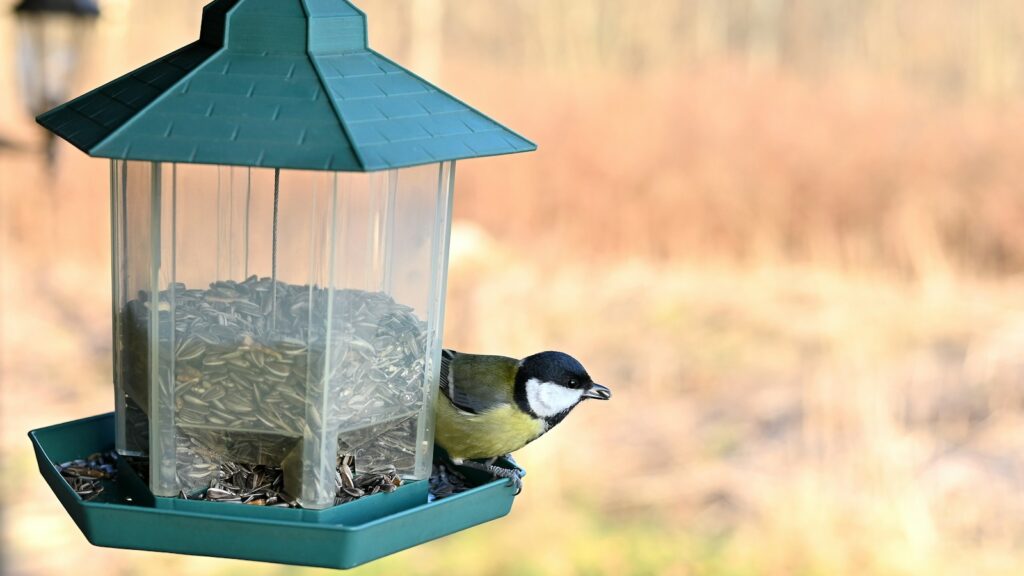
Seed-catching trays are perhaps the most crucial component of any no-spill bird feeder design, acting as the last line of defense against ground spillage. When designing your seed tray, ensure it extends at least 4-6 inches beyond the feeding area on all sides to effectively catch scattered seeds. Consider adding a small lip or raised edge (at least 1/2 inch high) around the perimeter of the tray to prevent seeds from being blown off by wind or knocked out by enthusiastic feeding. Drainage is essential to prevent water accumulation and seed spoilage, so drill several small holes in the tray bottom. For added functionality, some birders create double-layer trays where the top layer features a mesh screen that allows hulls and shell fragments to fall through while keeping whole seeds accessible to ground-feeding birds like juncos and doves.
Adding Weather Protection Features
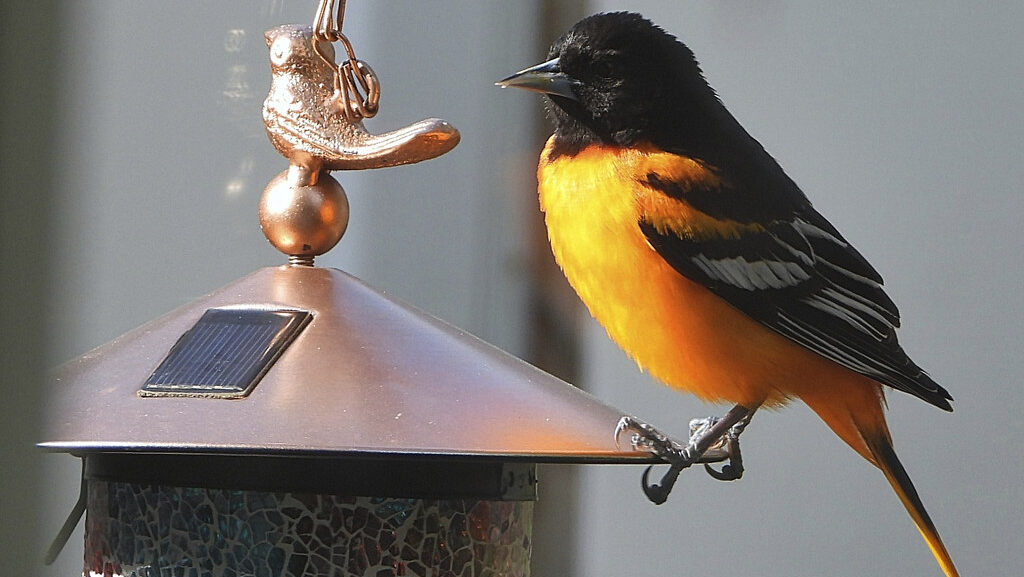
Weather protection is essential for maintaining your no-spill feeder’s functionality and extending its lifespan. Create a simple roof or baffle by attaching a plastic dome (like a repurposed plastic bowl or plant saucer) above your feeder, which prevents rain from directly entering the seed reservoir and causing mold growth. Position this cover at least 5-6 inches above the feeding area to allow birds comfortable access while still providing effective shelter. For wind protection, consider adding small windbreaks on the sides of platform feeders using clear plastic panels or wood that won’t obstruct your view of feeding birds. If your area experiences heavy snow, design your feeder with steep-sloped roofs that prevent snow accumulation and maintain access to feeding ports. These weather protection features ensure year-round functionality and prevent seed waste from weather damage.
Squirrel-Proofing Your No-Spill Feeder

Squirrels can quickly defeat the purpose of a no-spill feeder by scattering seed everywhere in their feeding frenzy. Make your feeder squirrel-resistant by mounting it on a smooth metal pole at least 5-6 feet tall and 10 feet away from any trees, fences, or structures from which squirrels might jump. Add a squirrel baffle – a smooth, cone-shaped obstruction that prevents climbing – to the mounting pole below the feeder. For hanging feeders, use a dome baffle above the feeder or suspend it from thin wire that squirrels cannot navigate. Consider incorporating weight-sensitive perches that close access to feeding ports when something heavier than a bird lands on them. If squirrels remain persistent despite these measures, try adding a separate squirrel feeding station elsewhere in your yard to divert their attention away from your bird feeders.
Proper Placement for Maximum Effectiveness
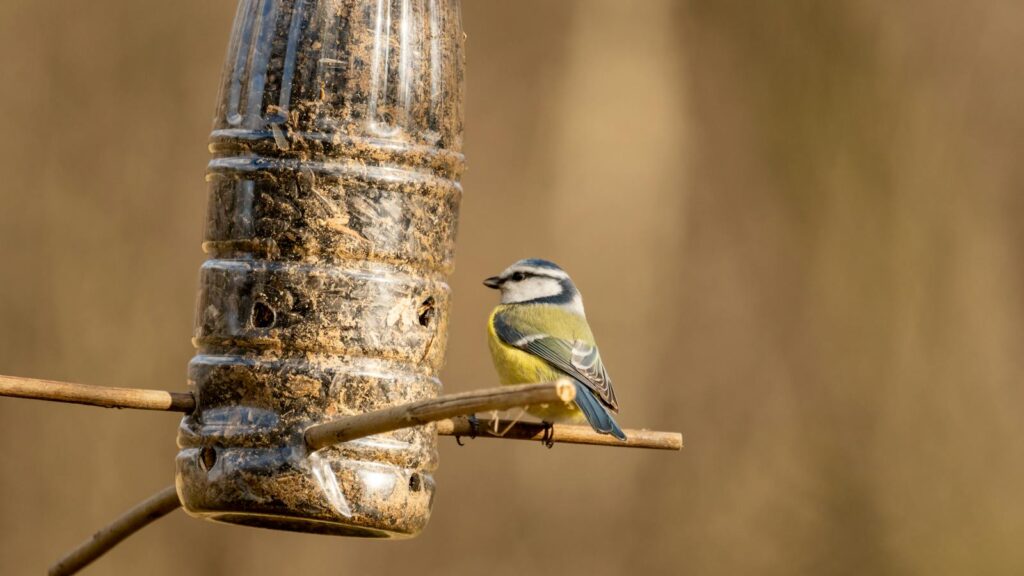
Strategic placement of your no-spill bird feeder greatly impacts both its effectiveness and how many birds it will attract. Position your feeder where it’s easily visible from inside your home but at least 10-12 feet away from dense shrubs or brush that could harbor predators like cats. The ideal height is 5-6 feet off the ground, providing birds with good visibility while feeding. Consider placing your feeder near trees that offer “staging areas” where birds can perch and assess the feeder before approaching, but not so close that squirrels can jump directly onto it. In regions with severe weather, locate feeders on the south-facing side of your home where they’ll be somewhat protected from harsh northern winds and storms. Proper placement ensures birds can feed comfortably and safely while maintaining the no-spill benefits of your feeder design.
Maintenance Tips for Long-Lasting Feeders
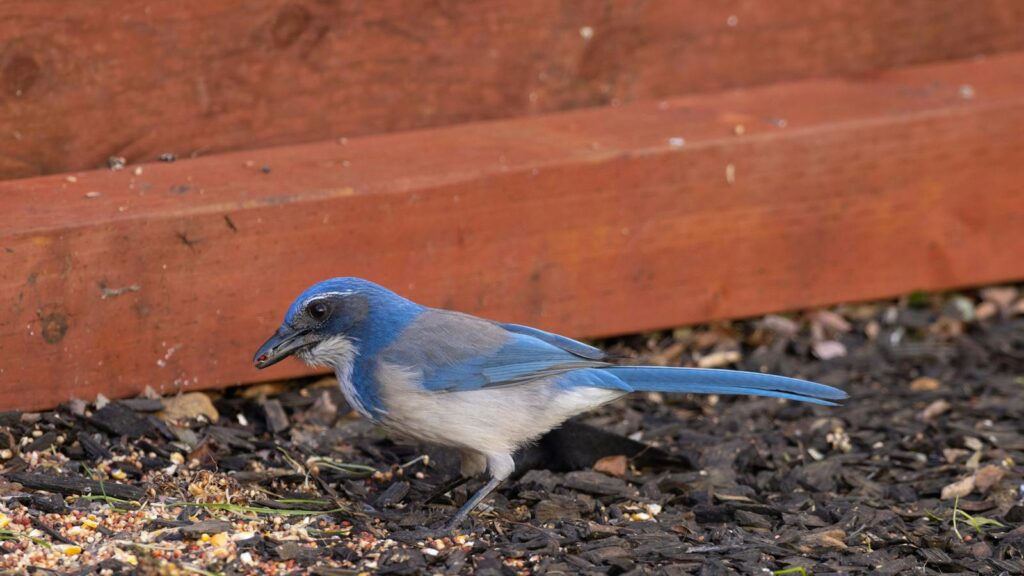
Regular maintenance keeps your no-spill feeder functional and safe for visiting birds. Clean your feeder thoroughly at least once every two weeks (more frequently during hot, humid weather) using a solution of one part bleach to nine parts water, followed by thorough rinsing and complete drying before refilling. Check seed-catching trays daily and remove any accumulated seed hulls or debris that might block drainage holes. Inspect your feeder regularly for damage, particularly after storms, and repair any cracks or broken parts immediately to maintain the no-spill functionality. During periods of heavy rain, consider temporarily removing any parts that aren’t completely weatherproof. Replace any wooden components that show signs of rotting, as these can harbor harmful bacteria and mold. With proper maintenance, a well-designed DIY no-spill feeder can last for many seasons.
Selecting the Right Seeds to Minimize Mess
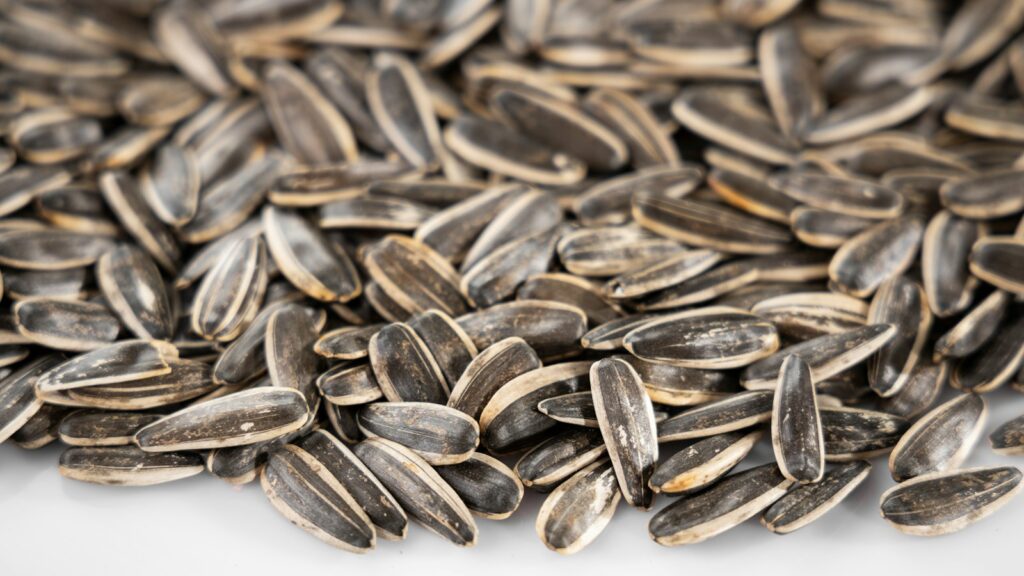
The type of seed you choose significantly impacts how much spillage occurs, even with a well-designed no-spill feeder. Black oil sunflower seeds attract a wide variety of birds while creating less waste than striped sunflower seeds, as they have thinner shells that are easier for birds to crack. Hulled seeds (those with shells already removed) virtually eliminate the mess from discarded shells, though they cost more and spoil faster. Single-seed varieties rather than mixed blends can reduce wastage from selective feeding, as birds won’t need to sift through unwanted seeds. For platform or tray feeders, nyjer seed works exceptionally well as its small size and weight prevent it from being scattered far by wind or bird movements. Consider using seed cakes or suet blocks in appropriate holders during windy seasons, as these solid forms resist spillage better than loose seed.
Tailoring Your Design to Target Specific Birds
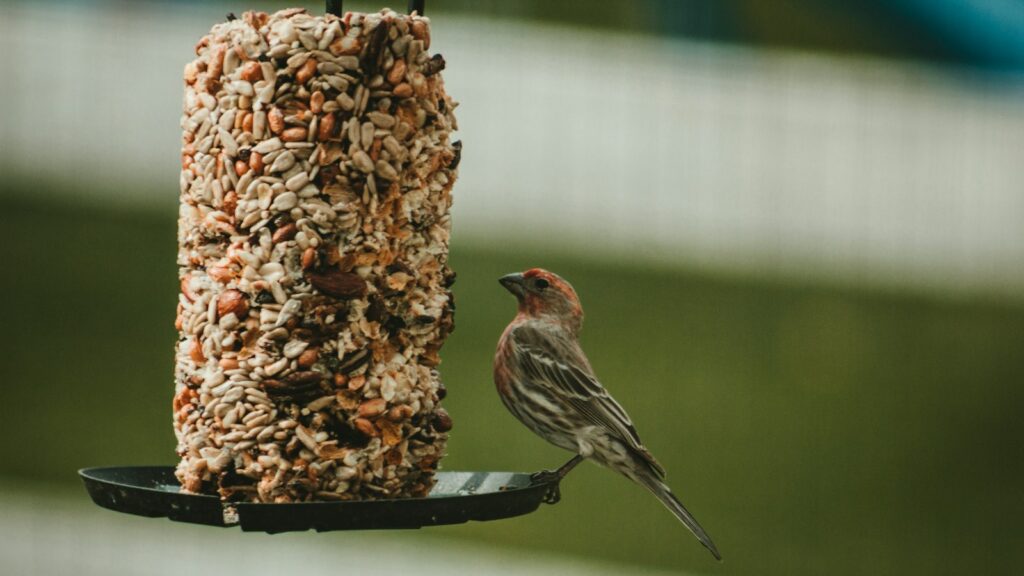
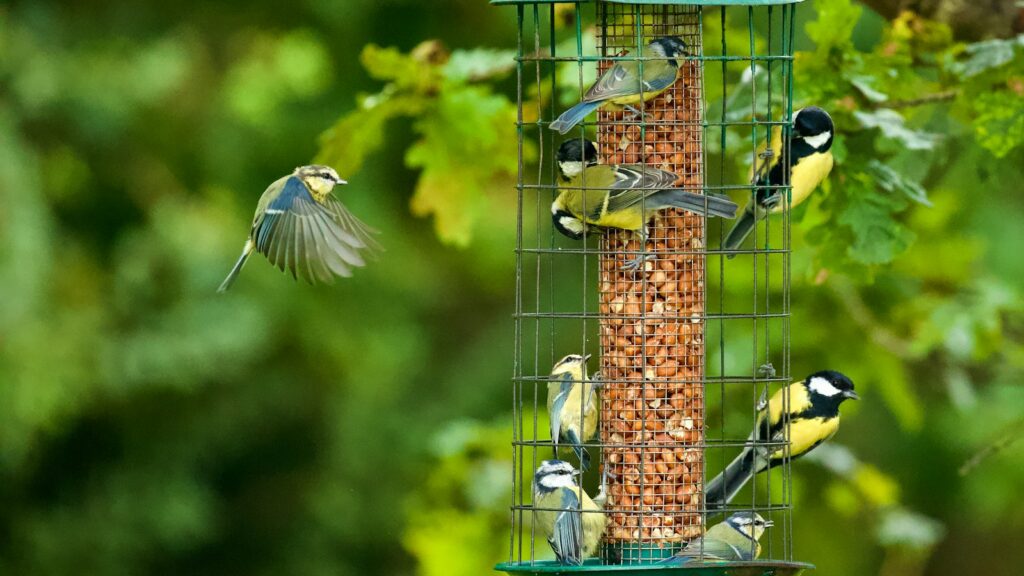
Different bird species have varying feeding preferences and behaviors, which you can accommodate in your no-spill feeder design. For small songbirds like chickadees and finches, create feeders with tiny ports that dispense just a few seeds at a time, paired with thin perches that won’t support larger birds or squirrels. Cardinals and grosbeaks prefer more substantial feeding platforms where they can sit comfortably while eating, so design wider perches with deeper seed trays for these larger species. Woodpeckers and nuthatches appreciate feeders they can cling to vertically, so incorporate mesh sides or textured surfaces into your design. Ground-feeding birds like juncos and doves benefit from platform feeders positioned closer to the ground (about 1-2 feet high) with extended catching trays. By understanding the specific needs of birds in your area, you can create targeted designs that reduce spillage while maximizing visitation.
Decorating and Personalizing Your Feeder
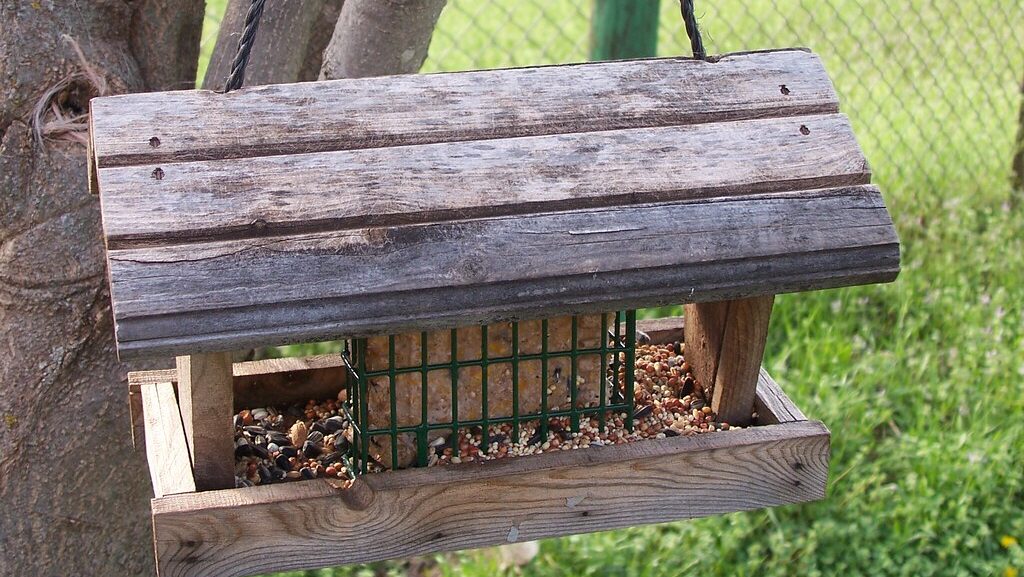
While functionality is paramount, adding decorative elements to your no-spill feeder makes it an attractive garden feature and personal expression. Use non-toxic, weather-resistant outdoor paints to add color and patterns to your feeder, avoiding the feeding ports and perches where birds will have direct contact. Consider adding decorative elements like glass beads, mosaic tiles, or copper accents that withstand outdoor conditions while adding visual interest. Personalize your feeder with engraved or painted details like your family name, special dates, or nature-inspired motifs. Remember that while decorating, it’s crucial not to compromise the feeder’s functional elements – maintain all drainage holes, keep feeding ports accessible, and ensure seed-catching features remain effective. A beautiful, personalized no-spill feeder becomes not just a practical tool for feeding birds but also a unique garden accent that reflects your creativity.
Conclusion
Creating your own no-spill bird feeder is a rewarding project that benefits both your yard and the local bird population. These designs not only reduce mess and waste but also provide more reliable food sources for birds in all seasons. By understanding bird behavior and incorporating clever design elements, you can create feeders that work harmoniously with nature while reducing maintenance needs. Whether you’re an experienced DIYer or just starting out, there’s a no-spill feeder design that matches your skill level and available materials. The next time you watch birds happily feeding at your custom creation – without the usual mess below – you’ll appreciate the time invested in building a solution that keeps everyone happy, from the smallest chickadee to yourself.