
Imagine the scene: you’ve carefully set up your bird feeder, filled it with premium seed, and eagerly await the colorful visitors to your garden. Instead, you watch as acrobatic squirrels perform Olympic-worthy gymnastics to reach your feeder, devouring the seed meant for your feathered friends in minutes. This frustrating scenario plays out in backyards across America daily. While squirrels are undeniably clever and entertaining creatures, their voracious appetites and persistence can quickly empty your feeders and drive away birds. The good news is that you don’t have to surrender in this backyard battle. With the right strategies, you can create a bird-friendly environment that discourages even the most determined squirrels, allowing you to enjoy birdwatching while respecting the natural balance of your outdoor space.
Understanding Squirrel Behavior: Know Your Opponent
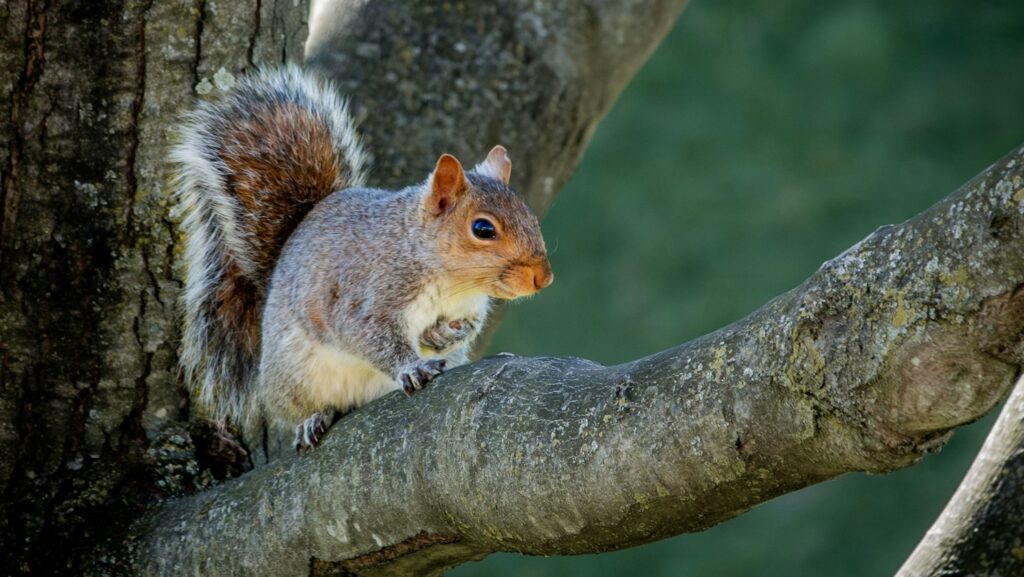
To effectively deter squirrels, it helps to understand what makes these resilient rodents such formidable adversaries. Squirrels possess remarkable physical abilities, including the capacity to jump horizontally up to 10 feet and fall from heights of 20 feet without injury. Their sharp claws allow them to climb almost any surface, while their problem-solving intelligence enables them to defeat many basic deterrents. Squirrels are primarily motivated by food scarcity, especially during fall when they’re actively storing food for winter and spring when natural food sources are depleted. Recognizing these patterns and capabilities will help you implement more effective strategies rather than simply reacting to their latest feeder raid. Remember that squirrels are highly adaptable – they learn quickly and will persistently test any barriers you put in their way.
The Right Feeder: Your First Line of Defense
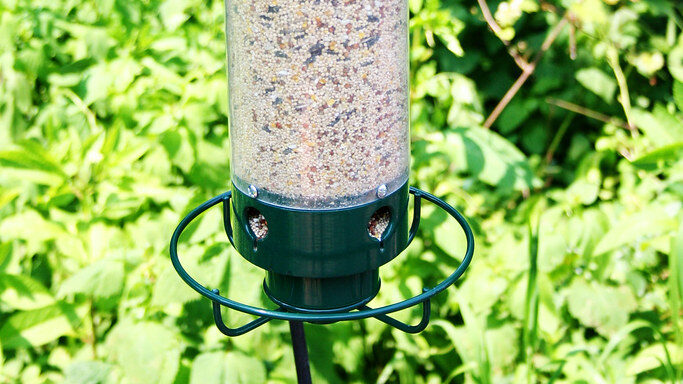
Investing in squirrel-resistant feeders can significantly reduce unwanted visitors while still welcoming birds. Look for feeders with weight-activated mechanisms that close feeding ports when something heavier than a bird lands on them. Caged feeders that surround the seed reservoir with wire mesh create a barrier that allows small birds to enter while keeping larger squirrels out. Some specialized feeders feature spinning or tilting mechanisms that use a squirrel’s weight against it, causing the animal to slide off when it attempts to reach the seed. While these specialized feeders may cost more initially, they often pay for themselves quickly in saved bird seed and reduced frustration. When selecting a feeder, also consider durability – metal components generally withstand squirrel teeth better than plastic or wooden parts.
Strategic Placement: Location Matters
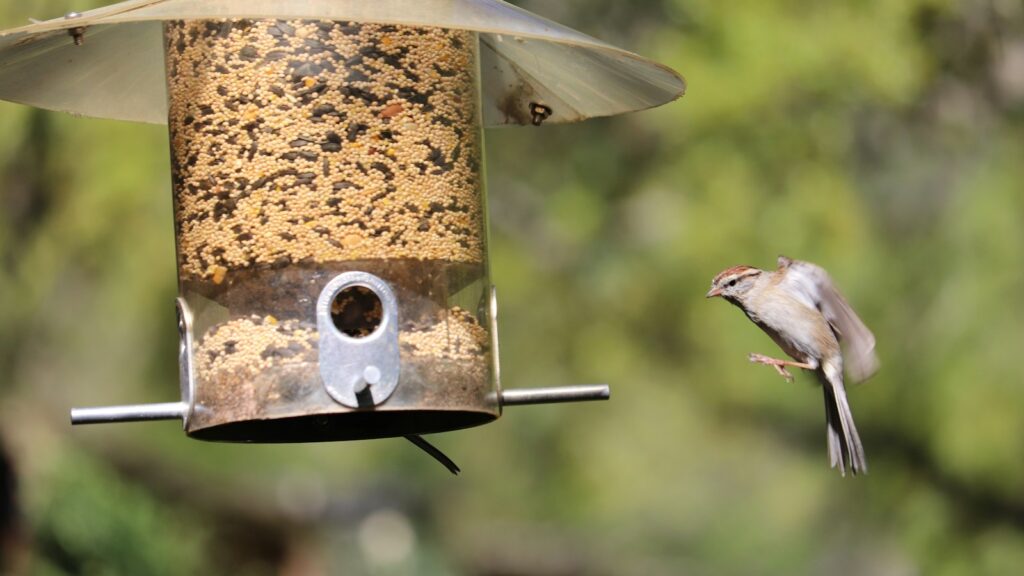
Where you position your bird feeder can dramatically impact squirrel access. Mount feeders at least 10 feet away from any jumping-off point like trees, roofs, or fences, accounting for squirrels’ impressive horizontal jumping ability. Hang feeders at least 5-6 feet off the ground, making them difficult to reach from below. Consider using shepherd’s hooks or pole systems specifically designed with bird feeding in mind, as these often incorporate built-in baffle systems. If your yard layout doesn’t allow for ideal spacing, focus on adding barriers to compensate. In heavily wooded areas, you might need to create a dedicated feeding station in a carefully selected clearing rather than hanging feeders directly from trees. Remember that squirrels will take advantage of any nearby structure, so scan your yard for potential launching points when selecting feeder locations.
Baffles: Creating Effective Barriers
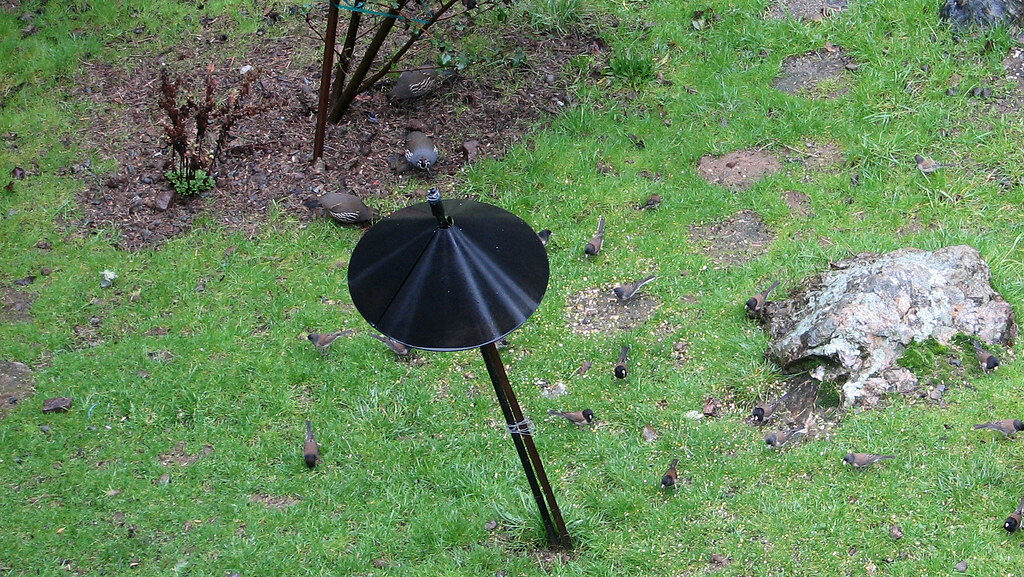
Baffles are physical barriers designed to prevent squirrels from climbing or descending to your feeder, and they come in various forms for different mounting situations. Dome-shaped baffles installed above hanging feeders prevent squirrels from climbing down from overhead branches, while cylinder-shaped baffles mounted on poles stop squirrels from climbing up from below. For maximum effectiveness, pole baffles should be positioned at least 4 feet from the ground and have a diameter of at least 8 inches. Dome baffles should be wide enough that squirrels can’t reach around them and positioned far enough from the feeder that they can’t jump from the baffle to the feeder. Metal baffles tend to outlast plastic ones and are more difficult for squirrels to damage or grip. Ensure any baffle is properly installed according to manufacturer instructions, as even small gaps can create access points for determined squirrels.
Slippery Strategies: Making Access Challenging

Creating slippery surfaces can significantly hinder squirrels’ climbing abilities without harming them. Commercial products like Slinkys stretched along poles or special non-toxic lubricants applied to poles make climbing virtually impossible for squirrels. Some bird enthusiasts use plumbing pipe or PVC around pole supports, creating a smooth surface that offers no purchase for claws. Specially designed spinners that rotate when weight is applied to them can also prevent squirrels from maintaining their grip. If using any greasy substances, be cautious to ensure they won’t harm birds that might come into contact with them, and reapply as needed, especially after rain. Remember that while these methods can be extremely effective, they work best when combined with proper placement and appropriate baffles as part of a comprehensive defense system.
Seed Selection: Choose Bird-Specific Foods

Certain types of bird seed are less attractive to squirrels, allowing you to feed birds while reducing squirrel interest. Nyjer (thistle) seed, favored by finches and other small birds, holds little appeal for squirrels due to its small size and specific oil content. Safflower seed attracts cardinals, chickadees, and titmice but tends to be ignored by squirrels because of its bitter taste. White proso millet appeals to ground-feeding birds like doves and juncos but is generally less enticing to squirrels compared to sunflower seeds. Avoid seed mixes containing large amounts of sunflower seeds, corn, or nuts if squirrels are problematic, as these are particularly attractive to rodents. Consider offering specialized seed mixes formulated with hot pepper additives, which birds can’t taste but squirrels find unpleasant – these can be particularly effective when used in combination with physical barriers.
Distraction Feeding: Strategic Compromise
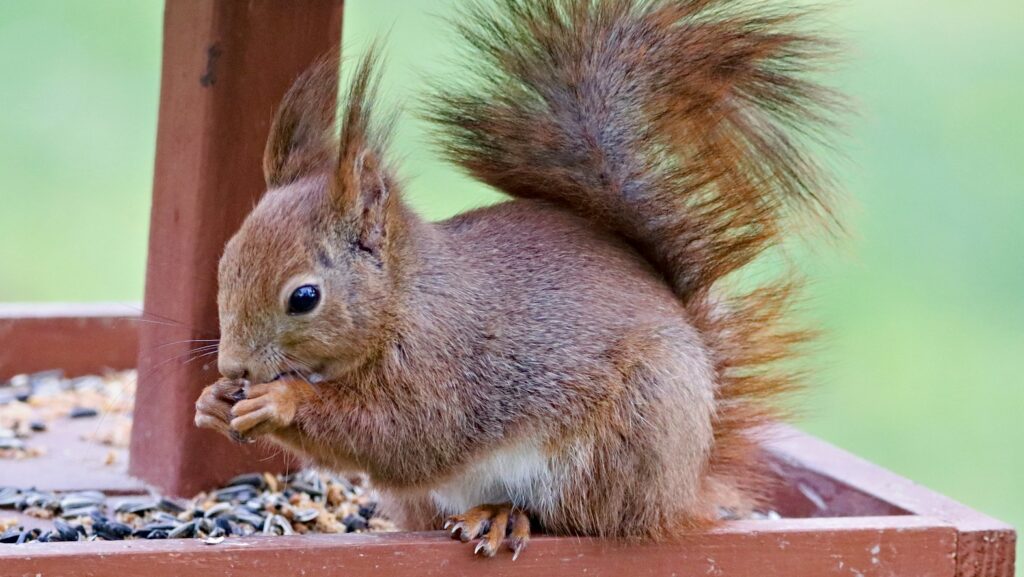
Sometimes the most practical approach is to provide alternate food sources specifically for squirrels, located away from your bird feeders. Create a dedicated squirrel feeding station with corn, nuts, or squirrel-specific feed blends in an area of your yard distant from bird feeding zones. Some gardeners find success with feeding platforms where they can place inexpensive seed, corn cobs, or even fruit that will occupy squirrels while birds feed undisturbed at their designated feeders. This strategy acknowledges that squirrels are part of the backyard ecosystem while still protecting bird seed. To maximize effectiveness, maintain the squirrel feeding area consistently so they learn to rely on it rather than investigating bird feeders. Keep in mind that this approach works best in combination with physical deterrents, not as a standalone solution.
Cage and Barrier Systems: Physical Protection

Installing physical barriers around your feeders creates zones where birds can feed while excluding larger animals. Hardware cloth or chicken wire enclosures with openings sized to admit specific bird species can effectively keep squirrels out while allowing target birds to access food. Some bird enthusiasts create custom “cages” around hanging feeders with entrance holes sized appropriately for the birds they wish to attract. Commercial versions called “squirrel guards” are available in various configurations to fit different feeder styles. For platform or tray feeders, consider adding a dome-shaped cage that allows birds to enter from below while preventing squirrels from dropping down from above. When designing or selecting cage systems, ensure the wire spacing is appropriate – typically 1.5 inches works well for most songbirds while excluding squirrels and larger birds like jays that might monopolize feeders.
Motion-Activated Deterrents: Technology Solutions
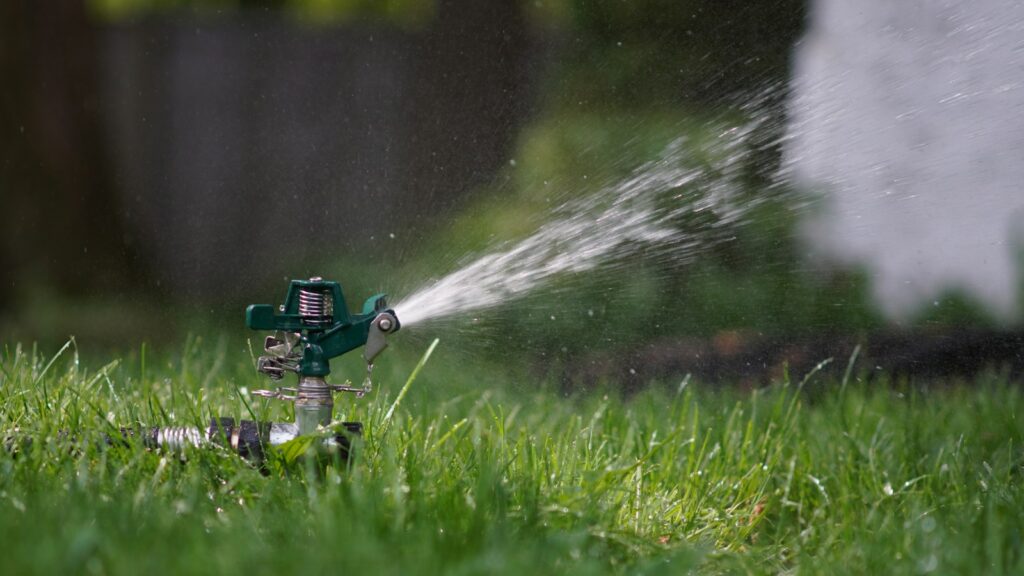
Modern technology offers humane ways to discourage squirrels through startling but harmless effects triggered by their presence. Motion-activated sprinklers deliver a quick burst of water when triggered by movement, creating an effective deterrent that surprises squirrels without causing harm. Electronic devices that emit ultrasonic sounds unpleasant to squirrels but inaudible to humans can create an uncomfortable environment that discourages persistent visits. Some systems combine motion detection with flashing lights or sudden movements that startle squirrels away from protected areas. These high-tech solutions typically require batteries or power sources and may need occasional maintenance to ensure continued effectiveness. While initially more expensive than passive barriers, these systems can be particularly useful in areas where physical barriers are difficult to implement or when dealing with exceptionally persistent squirrel populations.
Natural Deterrents: Scent and Taste Barriers
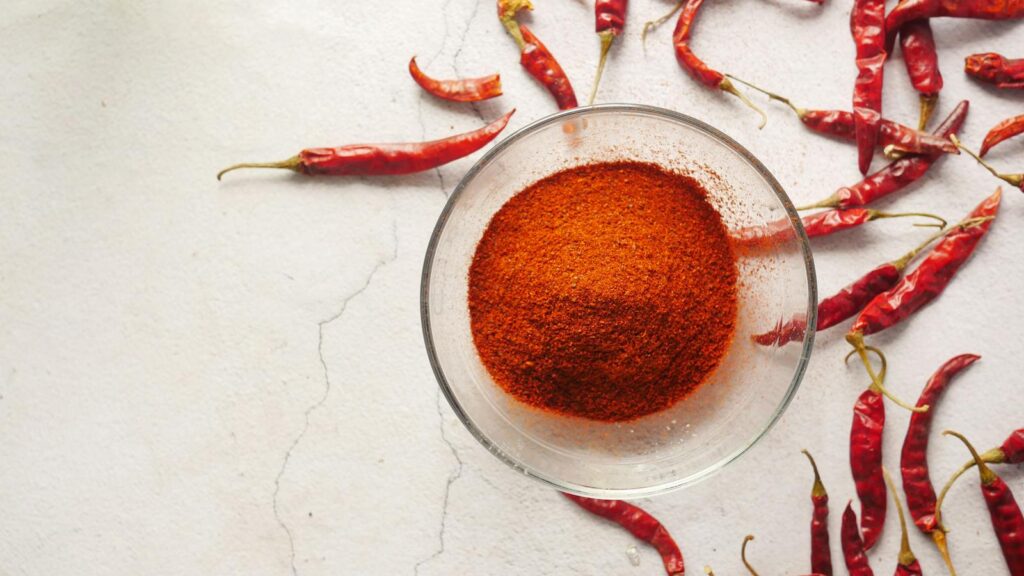
Certain natural substances create inhospitable environments for squirrels without harming them or affecting birds. Capsaicin, the compound that makes hot peppers spicy, can be added to bird seed as birds lack the receptors to detect it while squirrels find it intensely unpleasant. Commercial hot pepper oils, powders, or treated seeds are widely available and surprisingly effective. Some gardeners report success with peppermint oil applied to poles or nearby surfaces, as squirrels generally dislike the strong scent. Garlic oil mixtures sprayed around feeding areas (but not on the seed itself) may also discourage persistent squirrels. These natural deterrents typically need regular reapplication, especially after rain, to maintain their effectiveness. When using any scent-based deterrent, focus application on access routes rather than on feeders themselves to avoid potentially affecting the taste of the seed.
Feeder Maintenance: Regular Cleaning and Care
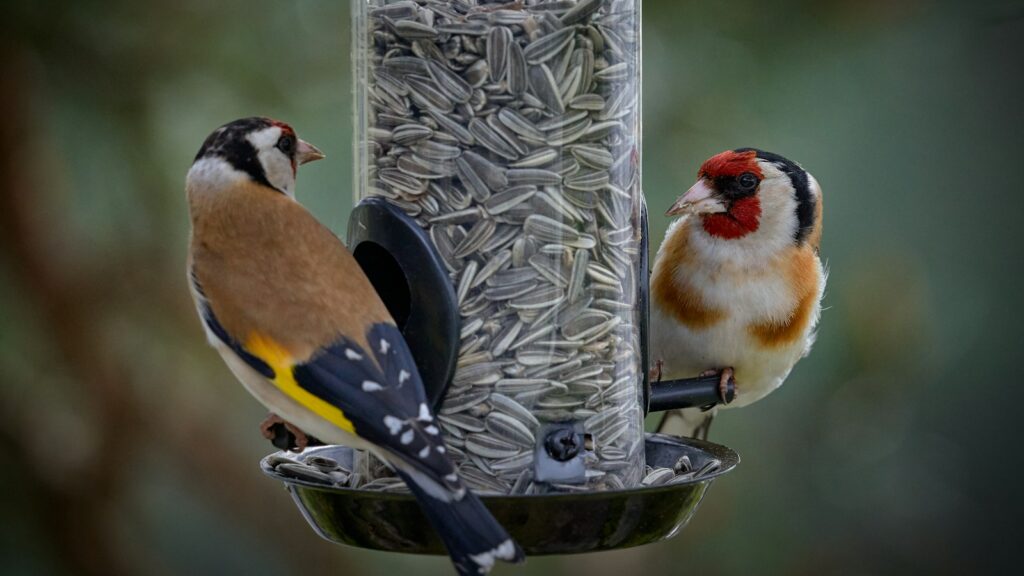
Regular maintenance of your feeding station discourages squirrels while promoting bird health. Clean seed debris from around feeding areas daily if possible, as accumulated seed on the ground attracts squirrels and conditions them to visit your feeding station. Empty and clean feeders regularly with a mild bleach solution (1 part bleach to 9 parts water) to prevent mold and disease that can harm birds. Inspect your squirrel deterrent systems regularly for damage or wear, particularly moving parts, baffles, or slipper surfaces that may become less effective over time. Replace damaged components promptly, as squirrels quickly exploit weaknesses in your defense system. Proper maintenance not only reduces squirrel problems but also ensures a healthier environment for the birds you want to attract, making your efforts more rewarding in the long term.
Timing Strategies: Smart Scheduling
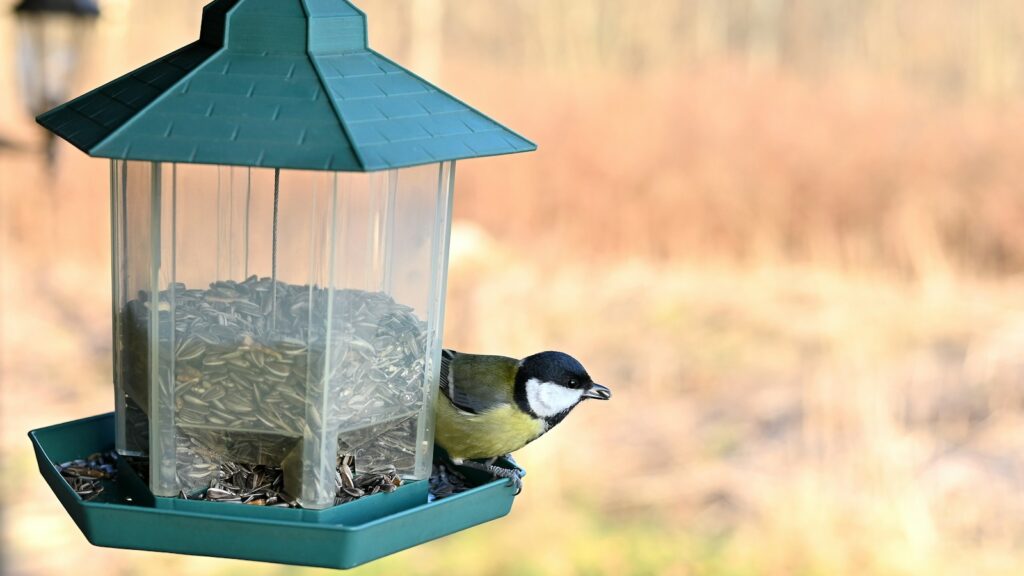
Adjusting when you make food available can reduce conflicts with squirrels, who typically follow predictable daily routines. Consider feeding birds early in the morning and late afternoon when many bird species are most active but before squirrels, who are primarily diurnal (daytime active), reach peak activity. Some bird enthusiasts bring feeders in during the middle of the day when squirrel activity is highest, then replace them during prime bird feeding times. If feasible, you might temporarily remove feeders during seasons when natural food is abundant and squirrel pressure is highest, typically late summer and early fall when they’re actively storing food for winter. Vary your feeding schedule occasionally to prevent squirrels from learning and anticipating regular patterns. These timing strategies work particularly well when combined with other deterrent methods as part of a comprehensive approach.
Landscaping Considerations: Environmental Management
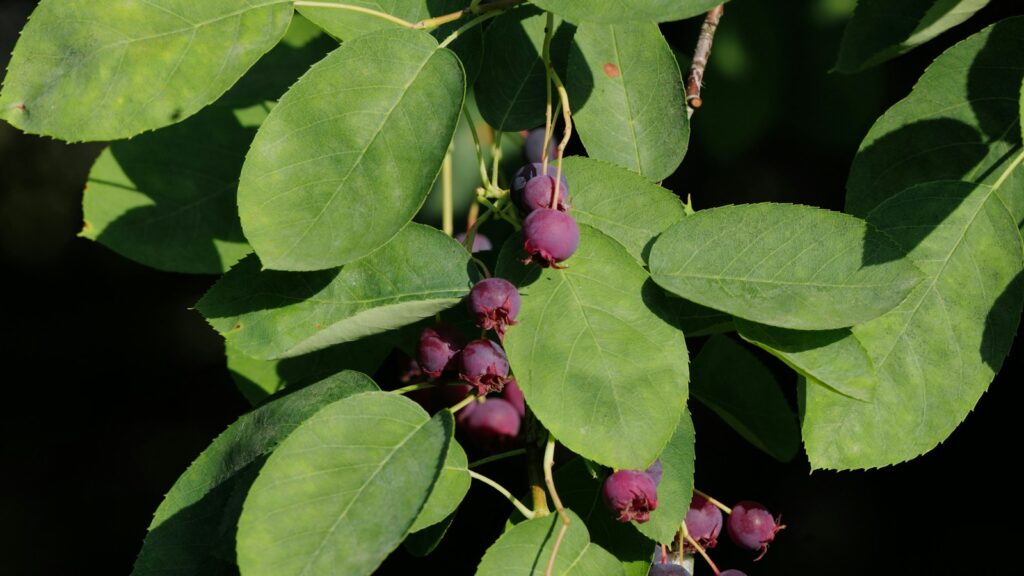
Thoughtful landscaping can naturally deter squirrels while creating a more bird-friendly environment. Consider planting shrubs and trees that produce berries and seeds attractive to birds but less appealing to squirrels, such as serviceberry, dogwood, or elderberry. Position bird feeders in open areas where squirrels feel more vulnerable to predators rather than near dense cover where they feel secure. Avoid planting nut-producing trees near feeding stations, as these naturally attract squirrels to the area. Some gardeners install dedicated wildlife hedges at a distance from their main bird feeding area, creating alternative habitat that draws squirrels away from feeders. Native plantings that support birds’ natural diets can reduce their dependence on feeders while creating a more balanced ecosystem in your yard. This long-term approach complements immediate deterrent methods while enhancing your overall backyard habitat.
A Balanced Approach: Coexistence Strategies
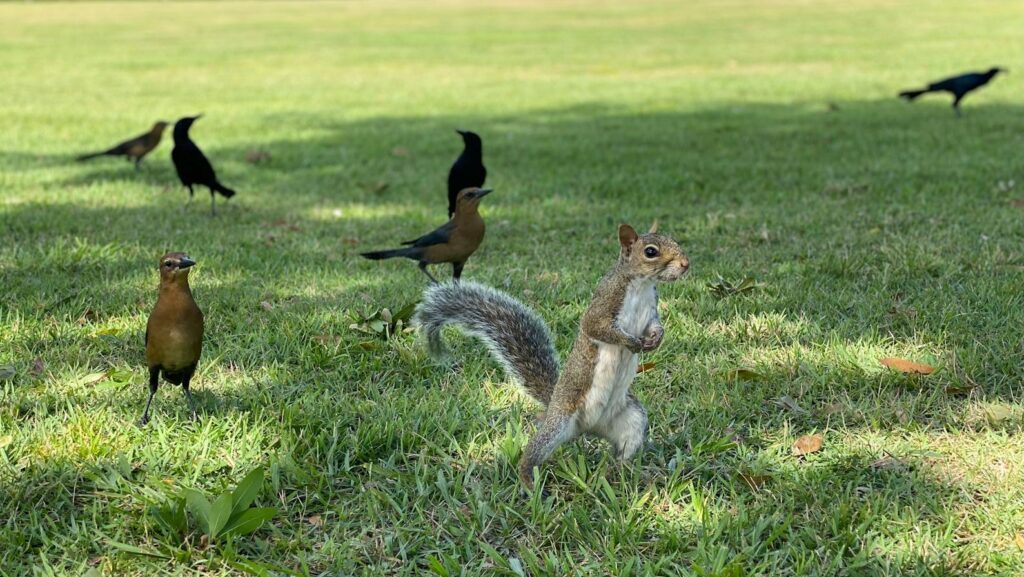
Finding balance in your backyard ecosystem acknowledges that both birds and squirrels have their place in nature. Consider dedicating certain feeders to birds that squirrels find difficult to access, such as tube feeders with short perches that accommodate small birds but not squirrels. Separate these protected feeders from areas where you might offer limited squirrel-accessible options. Rotate your deterrent methods periodically, as squirrels can eventually adapt to any single approach given enough time. Maintain realistic expectations – achieving a complete squirrel-free zone is rarely possible, but significantly reducing their impact on your bird feeding is an attainable goal. Remember that squirrels play important ecological roles, including forest regeneration through seed dispersal and tree planting, so complete elimination shouldn’t be the objective. With patience and a multi-faceted approach, you can create a backyard where birds thrive while squirrels find their appropriate niche.
Conclusion

The battle between bird enthusiasts and squirrels may be ongoing, but armed with these strategies, you can significantly tip the balance in favor of your feathered friends. Successful squirrel management typically requires combining several approaches rather than relying on a single solution. By understanding squirrel behavior, choosing appropriate feeders, implementing physical barriers, and using strategic placement, you can create a feeding system that welcomes birds while discouraging even the most determined squirrels. Remember that persistence is key – squirrels are adaptable and intelligent, so be prepared to adjust your tactics as needed. With thoughtful planning and consistent effort, you can enjoy the beauty and joy of backyard birds without surrendering your seed supply to squirrel raiders, creating a more balanced and rewarding backyard wildlife experience for everyone.