
Few wildlife experiences match the magic of having a wild bird trust you enough to eat from your hand. That moment of connection—where a creature typically wary of humans decides you’re safe enough to approach—creates a profound sense of harmony with nature. Getting birds to accept food from your palm requires patience, consistency, and understanding of avian behavior. While it might seem challenging at first, with the right techniques and a gentle approach, you can create meaningful interactions with your backyard visitors. This guide will walk you through everything you need to know about hand-feeding wild birds safely and ethically, turning your backyard into a place where trust between species can flourish.
Understanding Bird Psychology and Natural Wariness
Birds have evolved to be naturally cautious of potential predators, with humans historically representing a significant threat to many species. This wariness is actually a vital survival mechanism that has helped birds persist through centuries of human expansion and hunting. Their nervous systems are fine-tuned to detect movement, unfamiliar shapes, and potential dangers from considerable distances. Additionally, birds possess exceptional vision that allows them to spot predators much earlier than we might realize, meaning they’ve likely observed you long before you’ve noticed them. Understanding this inherent caution is the first step toward building trust—birds need consistent evidence that you represent safety rather than danger before they’ll consider approaching your outstretched hand.
Choosing the Right Bird Species to Hand-Feed

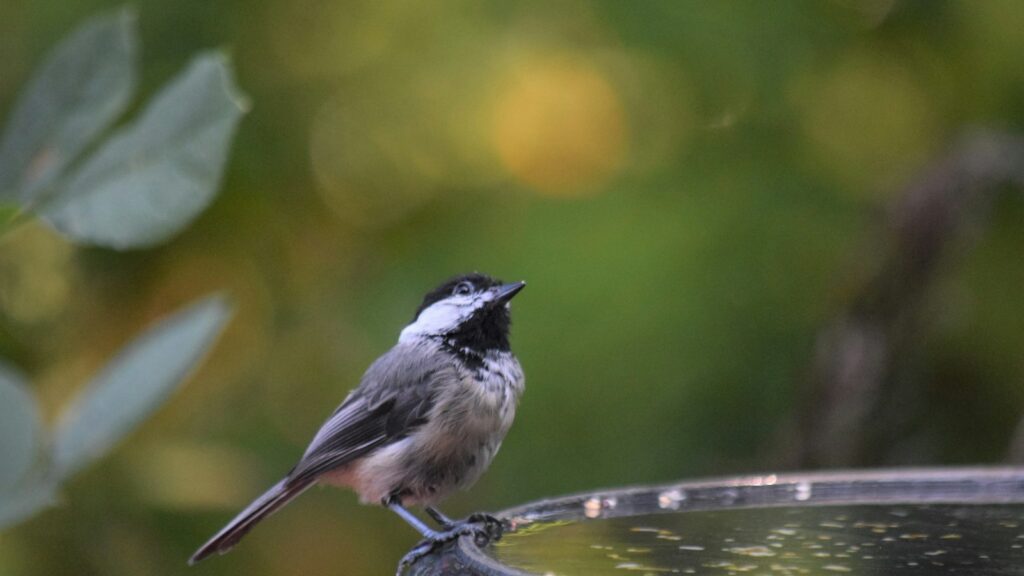
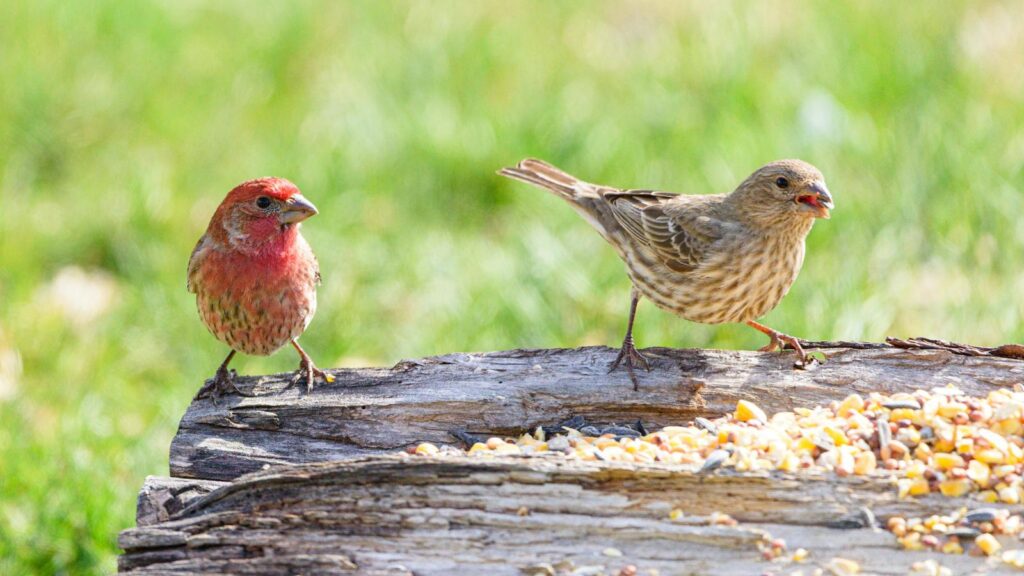
Not all bird species are equally receptive to hand-feeding, with some naturally more curious and adaptable than others. Chickadees, titmice, and nuthatches typically rank among the friendliest and most willing to approach humans, often becoming hand-feeding regulars within weeks of consistent effort. Cardinals, while initially shy, can gradually become comfortable with human presence and eventually accept hand-feeding with sufficient patience. Finches and sparrows may require more time and consistency before they build enough trust to eat from your hand. Conversely, birds of prey, waterfowl, and most ground-feeding birds generally remain too wary for hand-feeding and are better appreciated from a respectful distance. Focusing your efforts on naturally curious species will yield the quickest and most rewarding results.
Selecting the Perfect Location for Hand-Feeding
The location you choose for hand-feeding significantly impacts your chances of success with wild birds. Select a quiet spot in your yard away from busy streets, barking dogs, or areas with heavy human traffic that might startle birds. Positioning yourself near natural cover like shrubs or trees provides birds with a quick escape route, which paradoxically makes them feel secure enough to approach you. Morning hours typically offer the best opportunity for hand-feeding as birds actively search for food to replenish energy after the night. Weather conditions matter considerably—moderate, calm days without strong winds or precipitation create optimal conditions for birds to notice and approach you. Consistency in your chosen location helps birds recognize it as a reliable feeding station worth investigating.
Essential Equipment and Food Choices
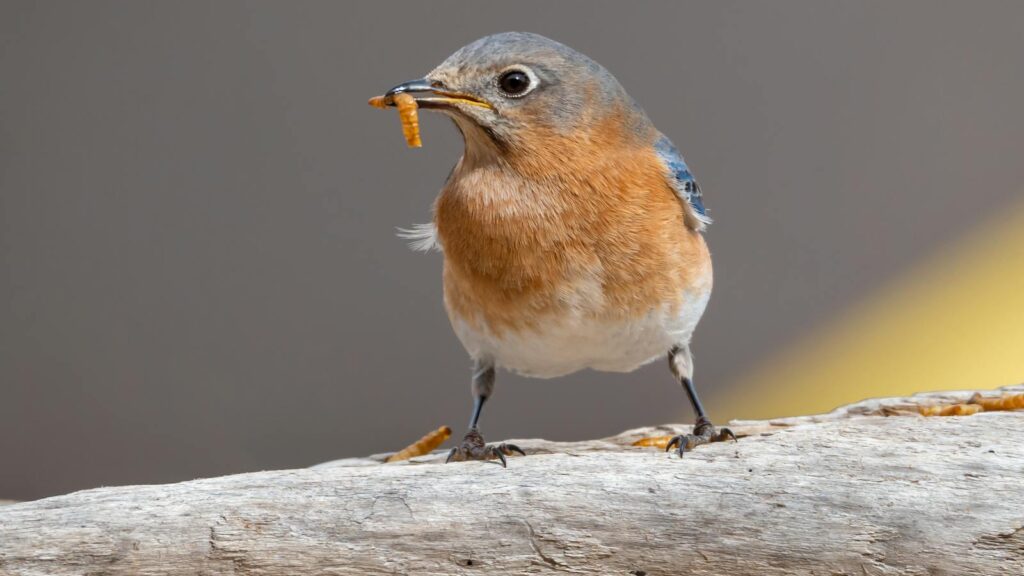
The right supplies can dramatically improve your hand-feeding success rate with wild birds. Start with high-quality, fresh bird seed appropriate for your local species—black oil sunflower seeds attract the widest variety of birds and are particularly favored by chickadees and titmice. Unsalted peanuts, mealworms, and suet nuggets serve as high-value treats that may entice more cautious birds to overcome their reservations. A small, shallow dish initially placed on your palm can help birds transition to eating directly from your hand. Wearing neutral-colored clothing that blends with the environment helps reduce your visual impact, while avoiding shiny jewelry or accessories prevents distracting reflections. Hand sanitizer used before feeding (and allowed to fully dry) ensures you don’t transfer harmful substances to your avian visitors.
Creating a Consistent Feeding Schedule

Birds thrive on routine and quickly learn to recognize patterns in their environment, making a consistent feeding schedule crucial to your hand-feeding success. Establish regular feeding times—ideally in the early morning and late afternoon when birds actively forage—and maintain this schedule daily, even on weekends. This reliability helps birds incorporate your feeding sessions into their daily routines and reduces their uncertainty about approaching you. During winter months when natural food sources are scarce, birds become particularly attentive to reliable feeding opportunities and may learn more quickly. Record-keeping can be surprisingly helpful; noting which species appear at what times allows you to optimize your schedule to match when your target birds typically visit.
The Progressive Approach Method
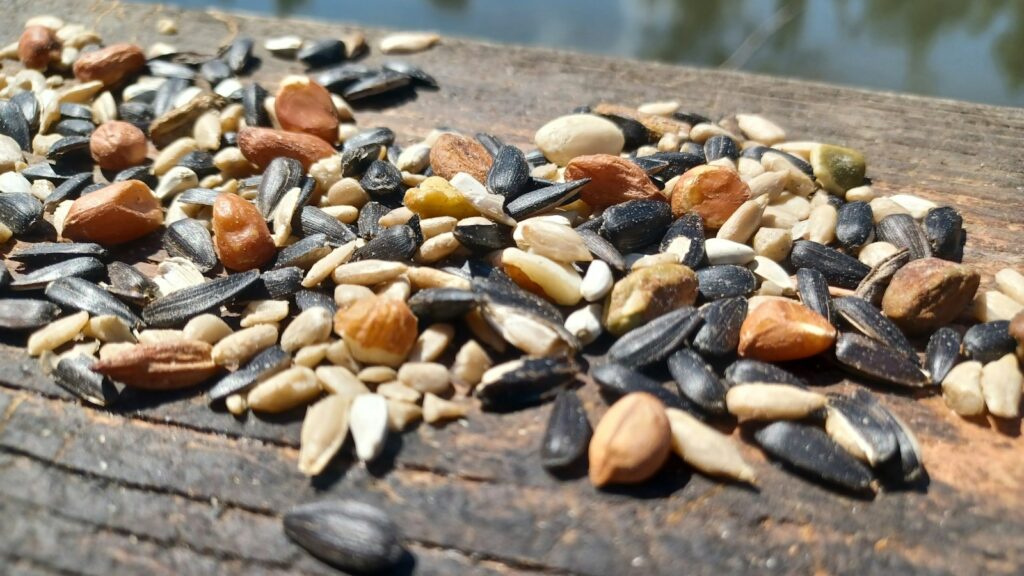
Successful hand-feeding requires a gradual approach that respects birds’ natural caution while building their confidence. Begin by simply placing food in established feeders and sitting quietly nearby, allowing birds to associate your presence with feeding rather than threat. Once birds comfortably feed with you present, gradually move the feeder closer to your position over several days. Next, try placing food on a surface beside you, such as a bench or small table, which creates an intermediate step between feeder and hand. As birds grow accustomed to feeding near you, begin holding food in your outstretched palm while remaining perfectly still. This methodical progression, which might take weeks depending on the species and individual birds, respects their comfort levels while steadily building trust.
Proper Hand Positioning and Posture

How you position yourself and your hand dramatically influences birds’ willingness to approach. Sit or stand extremely still with your arm extended steadily, as even small movements can reset your progress and frighten birds away. Position your hand flat with palm facing upward and fingers together to create a stable platform that resembles a small branch or feeding surface. Place a small pile of seed in the center of your palm rather than distributing it across your entire hand, which helps birds focus on the food rather than your fingers. Supporting your outstretched arm with a knee or nearby surface prevents fatigue-induced trembling that might startle approaching birds. Your breathing should remain slow and controlled, as birds can detect the motion of rapid breathing from surprising distances.
Mastering Stillness and Patience

Perhaps the most challenging aspect of hand-feeding birds is developing the ability to remain virtually motionless for extended periods. Practice holding your position without shifting, scratching, or adjusting your stance, as birds notice even slight movements and may interpret them as potential threats. Successful hand-feeders often report spending 15-30 minutes in complete stillness before birds gather enough courage to approach. During this waiting period, resist the urge to make eye contact with approaching birds, as direct gaze can be interpreted as predatory behavior in the animal kingdom. Prepare mentally for multiple sessions without success—many experienced bird-feeders report breakthrough moments occurring after several days or even weeks of consistent, patient effort.
Reading Bird Body Language
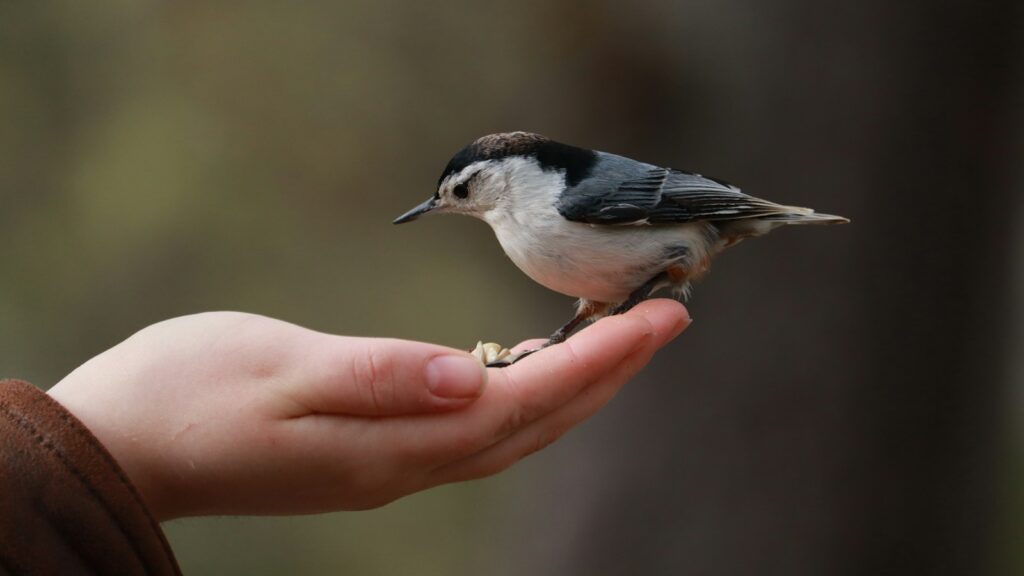
Learning to interpret subtle avian behaviors helps you gauge when birds are building confidence and when they’re feeling threatened. Watch for “confidence behaviors” like short back-and-forth flights near your position, landing progressively closer, or perching nearby while performing comfort behaviors such as preening. These actions indicate birds are becoming more comfortable with your presence. Conversely, alarm calls, stiff postures, or sudden synchronized departure of multiple birds suggests something has triggered their wariness. Pay particular attention to the behavior of chickadees, which often serve as “sentinel species” whose comfort level influences other birds. By recognizing these behavioral cues, you can adjust your approach accordingly—remaining especially still when birds show interest or temporarily backing away if they display stress signals.
Transitioning from Feeder to Hand
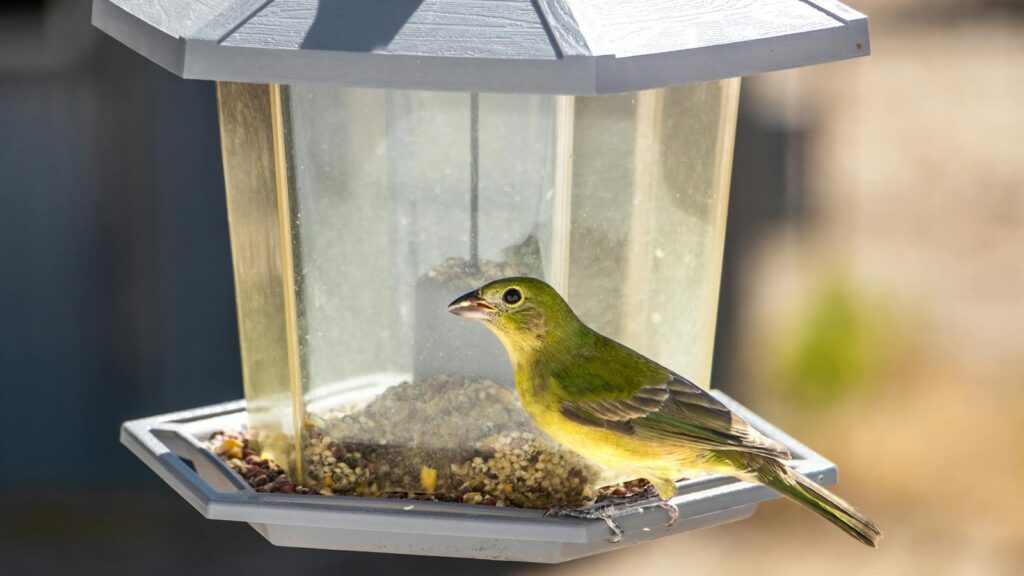
The critical transition from birds using traditional feeders to accepting food from your hand requires strategic manipulation of their established feeding patterns. Gradually elevate the stakes by temporarily removing or emptying conventional feeders shortly before your hand-feeding sessions, creating a stronger incentive for birds to investigate alternative food sources. Position yourself near the location of their regular feeder, essentially becoming a human version of their familiar feeding station. Some bird enthusiasts find success by attaching a small platform to the end of a pole, gradually shortening the pole over days until birds are essentially feeding from their hand. The familiar chickadee often serves as the “ice-breaker” species, with their bold approaches typically encouraging more cautious birds like nuthatches and finches to follow their example.
Advancing to Multiple Birds and Species

Once you’ve established trust with initial birds, you can gradually expand your hand-feeding experiences to include more individuals and species. Regular visitors will likely become increasingly comfortable, reducing their landing time on your hand and even returning multiple times during a single feeding session. This increased activity often attracts attention from other birds who learn through observation that your hand represents a safe feeding option. Different species may develop distinctive approaches—chickadees typically land briefly and take a single seed, while nuthatches might linger to select their preferred seed. As your “bird clientele” expands, you might need to adjust your feeding position or use both hands to accommodate different species’ preferences, creating a remarkable opportunity to observe subtle differences in feeding behaviors up close.
Avoiding Common Mistakes and Pitfalls
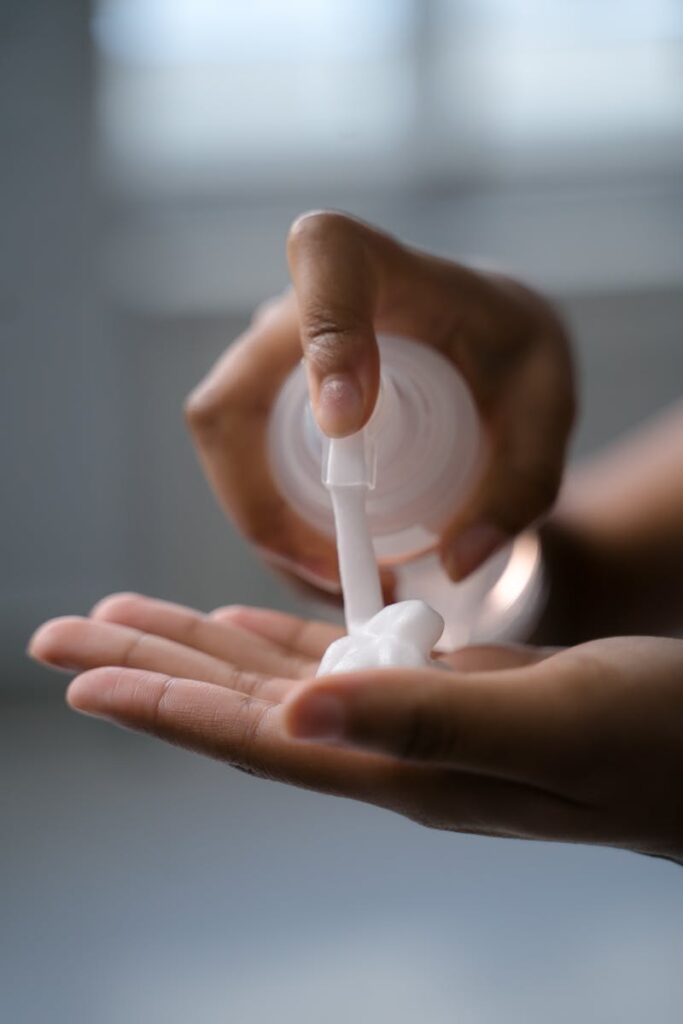
Several common errors can significantly delay or prevent successful hand-feeding experiences with wild birds. Perhaps the most frequent mistake is moving too quickly through the trust-building process, which can reset weeks of progress in an instant. Wearing strongly scented perfumes, lotions, or recently applied sunscreen can deter sensitive birds who rely partly on smell to detect danger. Attempting hand-feeding during high-stress periods like nesting season may prove unsuccessful as birds prioritize territory defense and family care over exploring new food sources. Inconsistent feeding schedules confuse birds and undermine the predictability they need to build confidence in your presence. Lastly, bringing pets, children, or chatting companions to your hand-feeding sessions introduces too many variables and movements for most birds to feel secure enough to approach.
Ethical Considerations and Responsible Practices
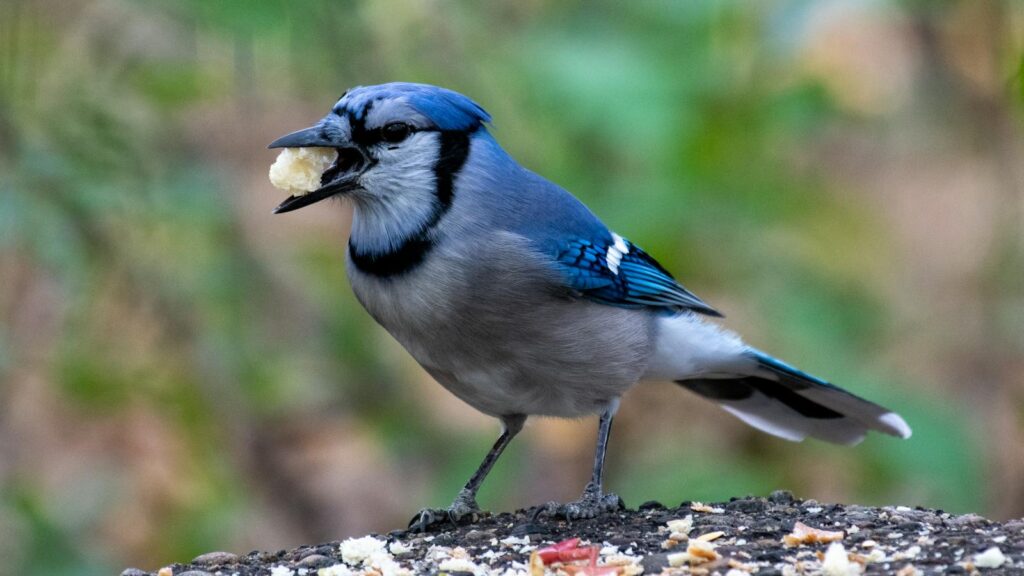
Ethical hand-feeding requires balancing the joy of close wildlife interaction with birds’ long-term welfare. Always provide high-quality, appropriate foods that contribute positively to birds’ nutrition rather than empty calories or potentially harmful items. Maintain impeccable hygiene by regularly washing hands before feeding and cleaning any dishes or surfaces used for bird food to prevent disease transmission between birds. Never attempt to hand-feed during extreme weather conditions when birds might become temporarily dependent on your food source and be exposed to dangerous elements while waiting. Respect natural boundaries by avoiding any attempt to touch, capture, or further domesticate wild birds beyond accepting food offerings. Responsible hand-feeding creates meaningful connections with wildlife while preserving their essential wildness and natural behaviors.
Capturing the Special Moment

The magical moment when a wild bird first lands on your hand deserves to be preserved, though doing so presents unique challenges. Consider setting up a pre-positioned camera on a tripod with a remote shutter release that allows you to capture the interaction without disruptive movement. Alternatively, a patient photography partner using a telephoto lens from a non-intrusive distance can document these special encounters without disturbing the birds. If using smartphone photography, enable voice commands for hands-free operation rather than attempting to manipulate the screen. Beyond photography, maintaining a journal of your hand-feeding experiences—noting first visits from different species, unusual behaviors, or particularly memorable interactions—creates a meaningful record of your growing relationship with your backyard wildlife community.
Conclusion: The Rewarding Connection of Trust

The experience of feeling a wild bird’s delicate feet land on your open palm creates a profound connection to the natural world that few other experiences can match. Through patience, consistency, and respect for birds’ natural behaviors, you’ve established yourself as a trusted part of their environment rather than a threat to be avoided. This relationship offers unique insights into avian behavior and intelligence that can’t be gained through distant observation alone. Beyond the personal joy these interactions bring, your hand-feeding experiences can inspire others to develop their own appreciation for birds and wildlife conservation. Remember that each visit represents extraordinary trust from creatures whose survival depends on caution—a privilege earned through dedication and respect for these remarkable wild neighbors.