
Hummingbirds, those jewel-like aerial acrobats, bring magic to any garden with their iridescent feathers and remarkable flying abilities. While sugar water feeders are a popular way to attract these tiny visitors, there are numerous natural alternatives that can be even more beneficial for both the birds and your garden ecosystem. Creating a hummingbird-friendly environment without relying on artificial nectar not only supports these amazing creatures but also promotes a healthier, more sustainable habitat. From planting the right flowers to providing essential non-food resources, this guide explores comprehensive strategies to welcome hummingbirds to your outdoor space while supporting their natural feeding behaviors and overall well-being.
Understanding Hummingbird Nutritional Needs
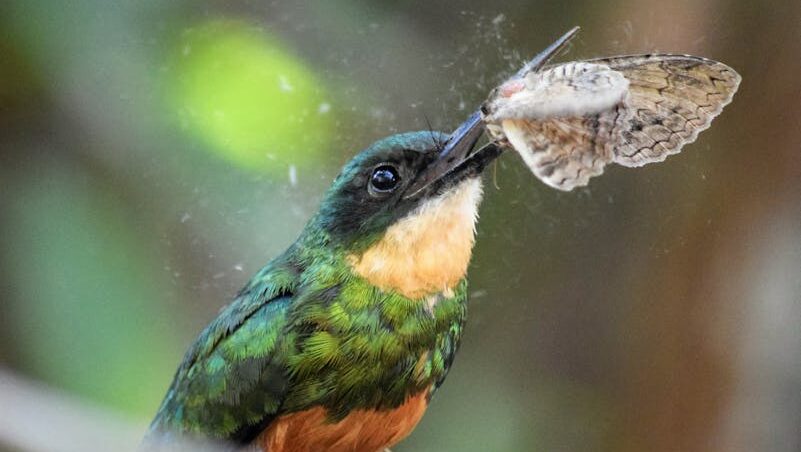
Contrary to popular belief, hummingbirds don’t survive on nectar alone – they require a balanced diet to thrive. While nectar provides essential carbohydrates for their high-energy lifestyle, these remarkable birds obtain vital protein by consuming small insects like aphids, gnats, fruit flies, and small spiders. In fact, insects make up approximately 60-80% of a hummingbird’s diet, particularly during breeding season when they need extra protein for developing eggs and feeding their young. This natural feeding behavior also includes consuming tree sap, which provides both carbohydrates and beneficial minerals not found in simple sugar water. Understanding these diverse dietary requirements helps create a more holistic environment that supports hummingbird health beyond just offering sweet solutions.
Creating a Nectar-Rich Garden
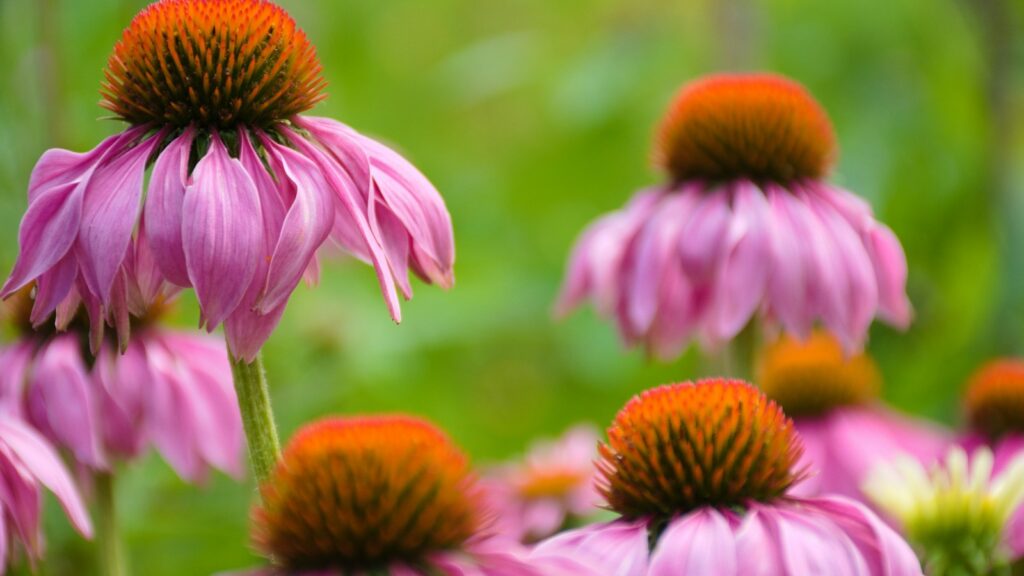
Planting a variety of nectar-rich flowers is the most natural and effective way to attract hummingbirds to your garden. Native plants that have co-evolved with local hummingbird species often provide the perfect nectar composition and flower shape for their specialized feeding habits. When designing your garden, aim for continuous blooming by selecting plants with different flowering periods from early spring through late fall to provide a reliable nectar source throughout the hummingbirds’ active season. Consider arranging plants in tiers or clusters to create accessible feeding stations where hummingbirds can easily hover while feeding. Research indicates that gardens with at least 15-20 different nectar plant species see significantly more hummingbird activity and species diversity than those with just a few varieties.
Best Flower Colors to Attract Hummingbirds
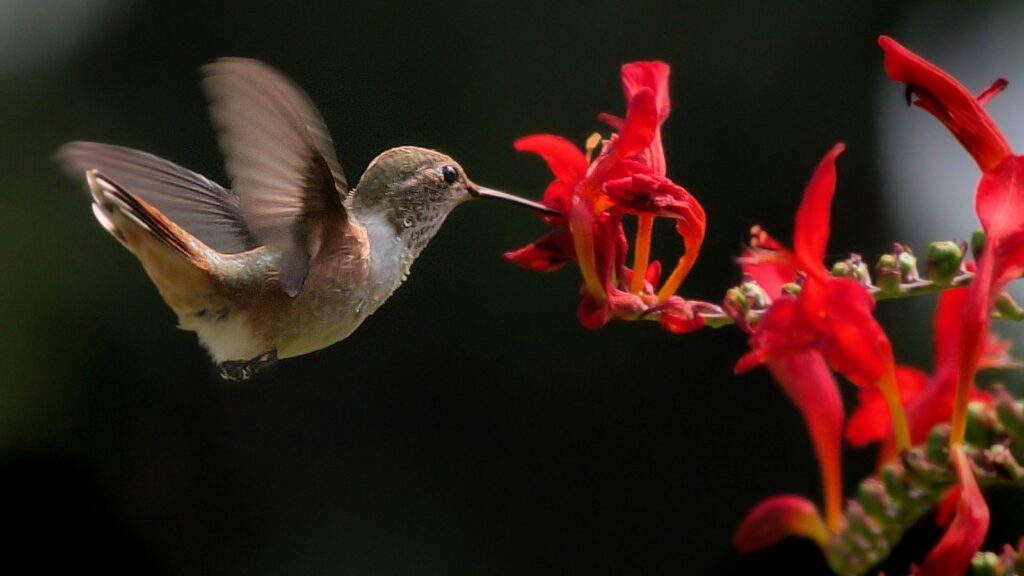
Hummingbirds have evolved to be particularly attracted to bright red flowers, though they’ll visit blooms in other vibrant hues as well. Their visual perception differs from humans – they can see into the ultraviolet spectrum but may not distinguish between some colors like red and green based on hue alone. Instead, they rely on contrast and brightness, which explains their preference for bold, vivid flowers that stand out against green foliage. Research has shown that tubular flowers in shades of red, orange, pink, and purple attract the most hummingbird visits. When planning your garden, incorporating clusters of these colors creates visual “billboards” that signal to passing hummingbirds that nectar is available. Interestingly, yellow flowers, while bright, tend to attract more bees and butterflies than hummingbirds, making red the most effective color for specifically targeting these aerial gems.
Top Native Plants for Hummingbirds
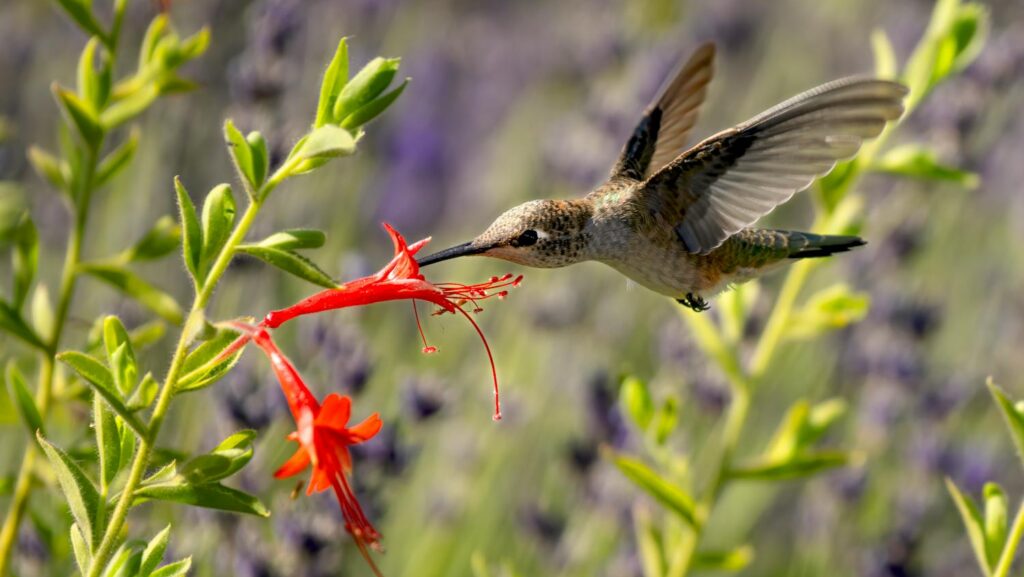
Native plants offer superior nutrition and habitat value compared to many ornamental varieties. In eastern North America, cardinal flower (Lobelia cardinalis), eastern columbine (Aquilegia canadensis), and trumpet honeysuckle (Lonicera sempervirens) are exceptional hummingbird magnets with their perfectly shaped tubular blooms. Western gardens benefit from including penstemon species, California fuchsia (Epilobium canum), and western columbine (Aquilegia formosa), all of which have co-evolved with local hummingbird populations. Southern regions thrive with coral bean (Erythrina herbacea), turk’s cap (Malvaviscus arboreus), and native sages (Salvia species), which provide abundant nectar during extended growing seasons. Northern gardeners can rely on bee balm (Monarda species), jewelweed (Impatiens capensis), and native honeysuckles to attract hummingbirds during the shorter summer months. Research from the Audubon Society indicates that native plants support up to 35 times more hummingbird activity than non-native ornamentals.
Designing with Tubular Flowers
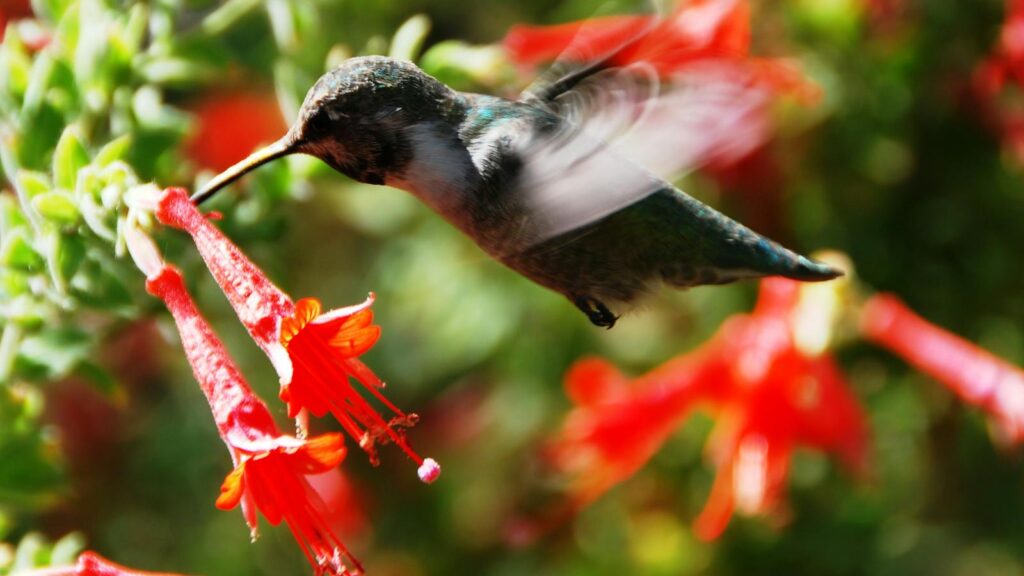
Hummingbirds possess specialized bill shapes that have co-evolved with certain flower forms, making tubular flowers particularly suited to their feeding style. These elongated blooms often contain higher nectar concentrations and are physically structured to exclude other pollinators that cannot reach the deep nectar reserves. When designing your garden, incorporate a variety of tubular-flowered plants with different bloom times, such as salvias, penstemons, trumpet vine, foxgloves, and cupheas to provide continuous nectar sources. Staggering plants of different heights creates multiple feeding levels that allow hummingbirds to move efficiently through the garden while maintaining their territorial behaviors. For smaller spaces, consider vertical gardening with climbing vines like trumpet honeysuckle or morning glory on trellises, which maximizes nectar production in limited square footage while providing additional perching spots for resting hummingbirds.
Providing Essential Water Features
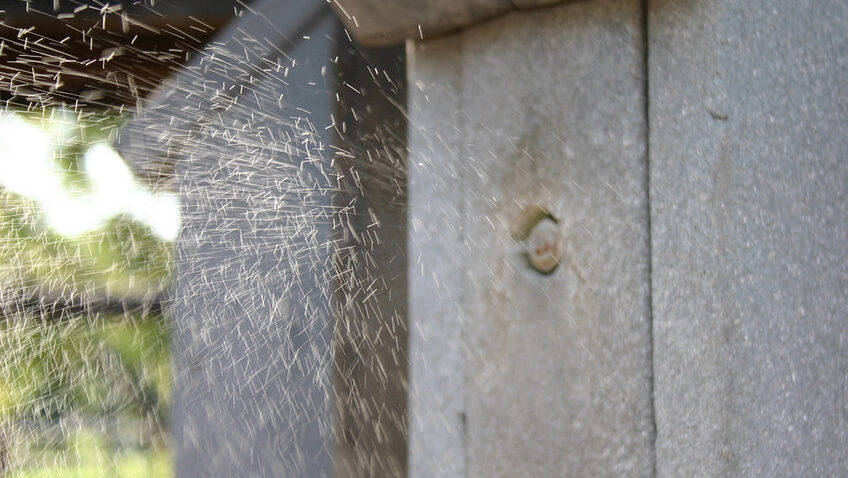
Water plays a crucial role in attracting hummingbirds, serving purposes beyond hydration that many gardeners overlook. These tiny birds require regular bathing to maintain their feathers in prime condition for efficient flight and insulation, but their small size means they often avoid traditional bird baths in favor of gentler water sources. Misting devices create ideal bathing opportunities, as hummingbirds will fly through the fine spray to wet their feathers before perching nearby to preen. A shallow fountain or dripper that produces moving water with a gentle sound attracts hummingbirds from surprising distances, as the splashing acts as an acoustic signal of water availability. During hot weather, a reliable water source becomes even more critical, with research showing that gardens featuring moving water features may see up to three times more hummingbird visits compared to those without water elements.
Creating Safe Perching Spots
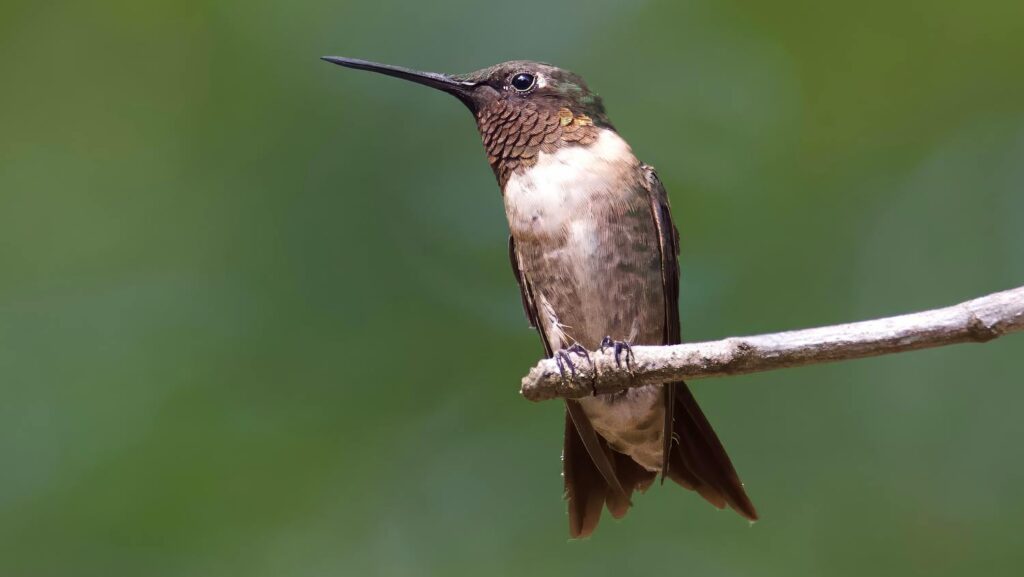
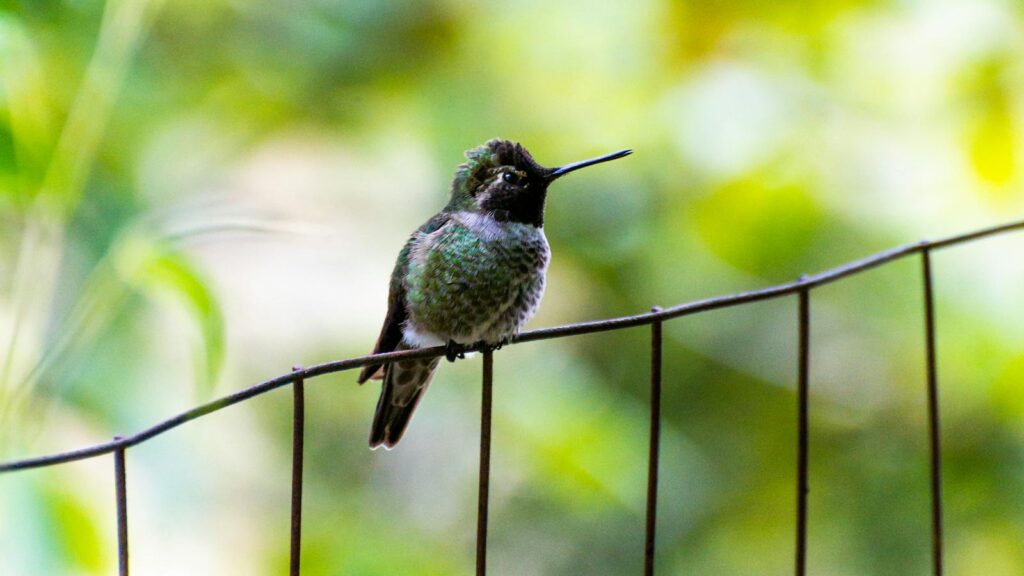
Despite their reputation for constant movement, hummingbirds actually spend up to 80% of their day perching to conserve energy and digest their food. Providing appropriate perching locations throughout your garden creates essential resting spots and encourages these birds to spend more time in your space. Ideal perches include small diameter branches on the outer edges of trees and shrubs, thin bamboo stakes, or even specialized hummingbird perches that can be mounted near feeding areas. Male hummingbirds particularly value elevated perches with good visibility for territorial monitoring, while females often prefer more sheltered locations that offer protection during breeding season. Strategic placement of perches near nectar sources but within sight of water features creates a complete habitat zone that meets multiple hummingbird needs. Research indicates that gardens with diverse perching options at various heights can support twice the hummingbird population compared to those focused solely on feeding resources.
Supporting Nesting Hummingbirds
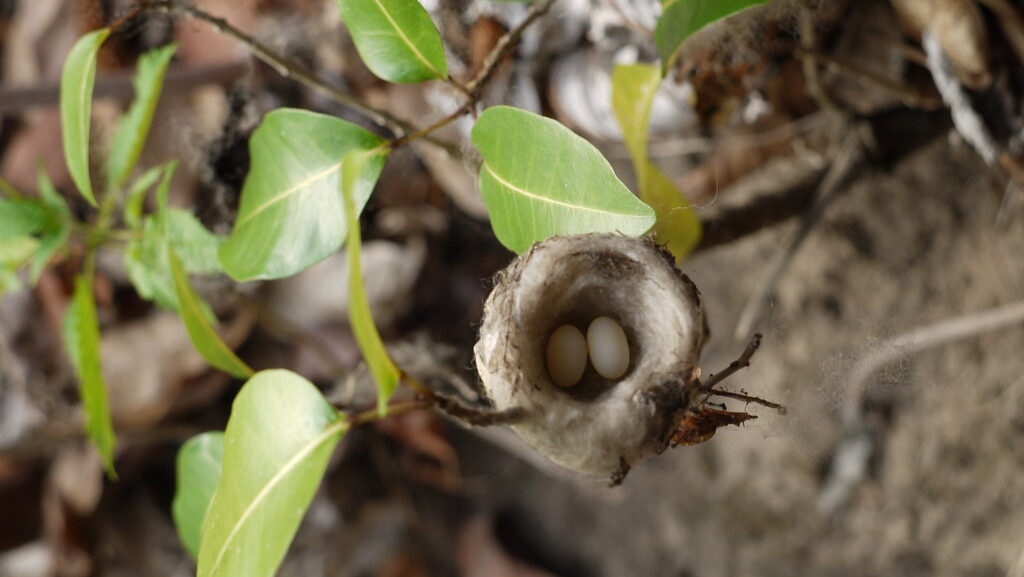
Female hummingbirds build remarkable walnut-sized nests using plant down, spider silk, and lichen, and providing materials for these architectural marvels can attract breeding birds to your garden. Certain plants like cinnamon fern, lamb’s ear, and pussy willow produce the soft fibers hummingbirds prefer for nest construction, making them valuable additions to any hummingbird garden. Creating sheltered nesting locations by growing small trees or large shrubs approximately 5-20 feet off the ground, protected from harsh weather but with dappled sunlight, offers prime nesting real estate for these discerning builders. Avoid disturbing areas where you notice hummingbird nesting activity, as these birds are sensitive to disruptions during the breeding season which typically lasts 6-8 weeks from egg-laying to fledging. Gardens that support successful nesting often become permanent stops on migration routes with hummingbirds returning to favorable locations year after year.
Insect-Friendly Gardening Practices
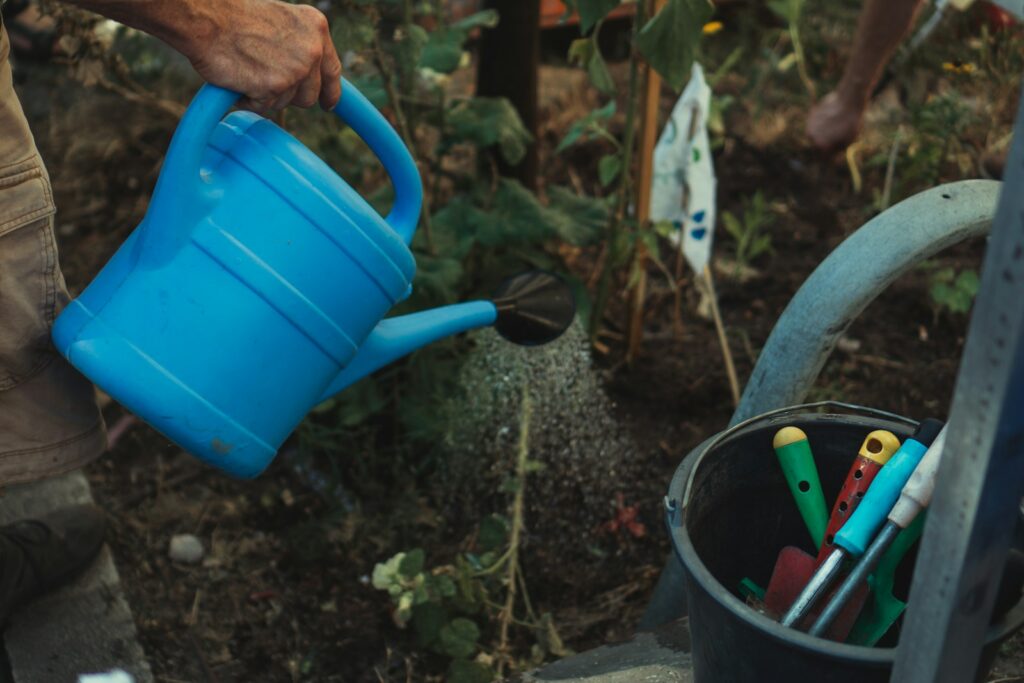
Supporting a healthy insect population is crucial for providing hummingbirds with the protein they need, making pesticide-free gardening an essential practice for hummingbird enthusiasts. Creating microhabitats like brush piles, leaf litter areas, and native grass patches fosters insect diversity that provides natural prey for hummingbirds throughout the day. Overripe fruit placed strategically around the garden attracts fruit flies and other small insects that hummingbirds can easily harvest during their feeding rounds. Maintaining areas of bare, damp soil encourages certain insects to gather, creating natural feeding stations that hummingbirds will regularly visit to collect protein-rich prey. Research from conservation biologists indicates that gardens managed without chemical pesticides support up to 50% more hummingbird activity than conventionally maintained landscapes, primarily due to the increased availability of insect prey.
Timing Your Garden for Migration
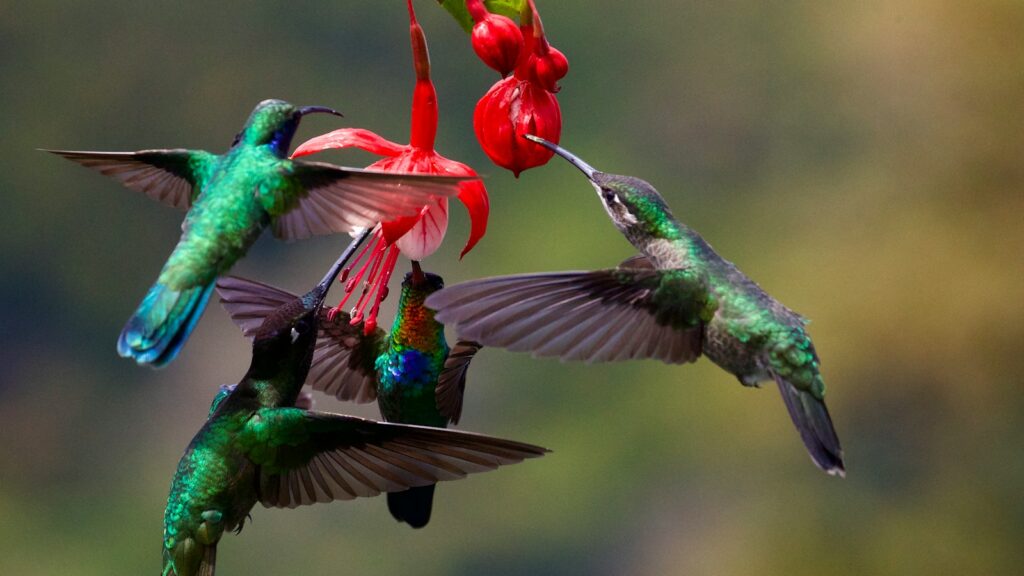
Aligning your garden’s peak blooming periods with hummingbird migration patterns maximizes your chances of attracting these seasonal visitors. Most North American regions experience two migration surges annually—spring arrival (typically March through May, moving northward) and fall departure (August through October, heading southward). Planning for abundant nectar sources during these critical periods means hummingbirds are more likely to stop and refuel in your garden during their long journeys. Early-blooming native plants are particularly valuable in spring when natural food sources may still be limited but migrating birds have depleted energy reserves. Fall migration requires even more substantial nectar resources as hummingbirds need to nearly double their weight before undertaking their long-distance flights to wintering grounds. Research tracking tagged hummingbirds has shown that they often follow the same migration routes year after year, returning to reliable food sources they’ve previously discovered.
Minimizing Threats to Visiting Hummingbirds
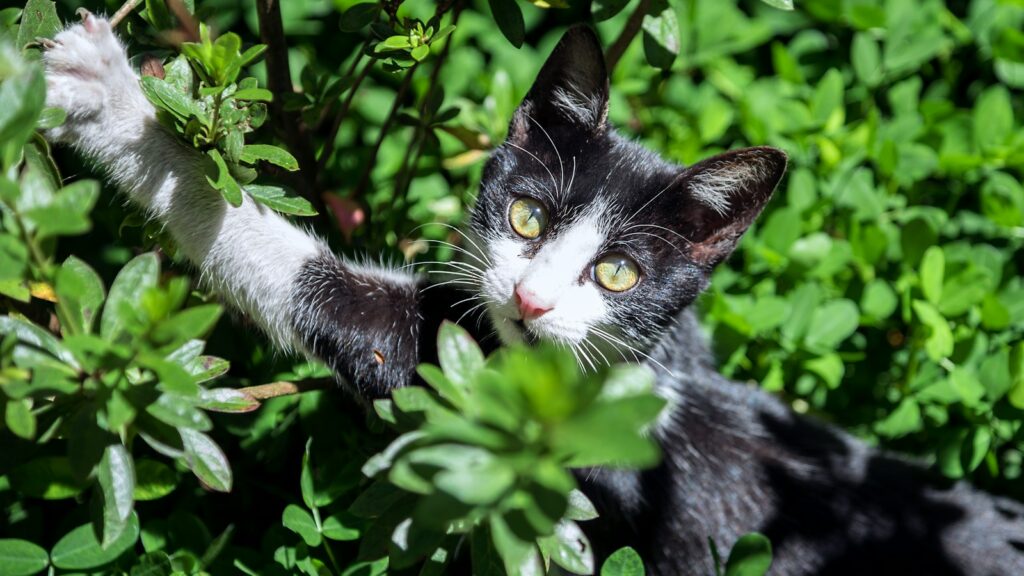
Creating a sanctuary for hummingbirds involves more than providing food and water—it requires eliminating common hazards that threaten these delicate birds. Window collisions represent one of the greatest dangers to hummingbirds, but applying window decals or screens specifically designed to be visible to birds while remaining aesthetically pleasing to humans can dramatically reduce these tragic accidents. Domestic cats pose another significant threat, responsible for millions of bird deaths annually, making supervision of pets critical in a hummingbird-friendly environment. Avoid using chemical pesticides, herbicides, and fungicides, which can poison hummingbirds both directly through exposure and indirectly by eliminating their insect food sources or contaminating nectar in treated plants. Invasive plant species can disrupt the ecological balance of your garden, so removing them creates space for native plants that have co-evolved with local hummingbird populations and provide superior habitat value.
Creating Hummingbird Corridors
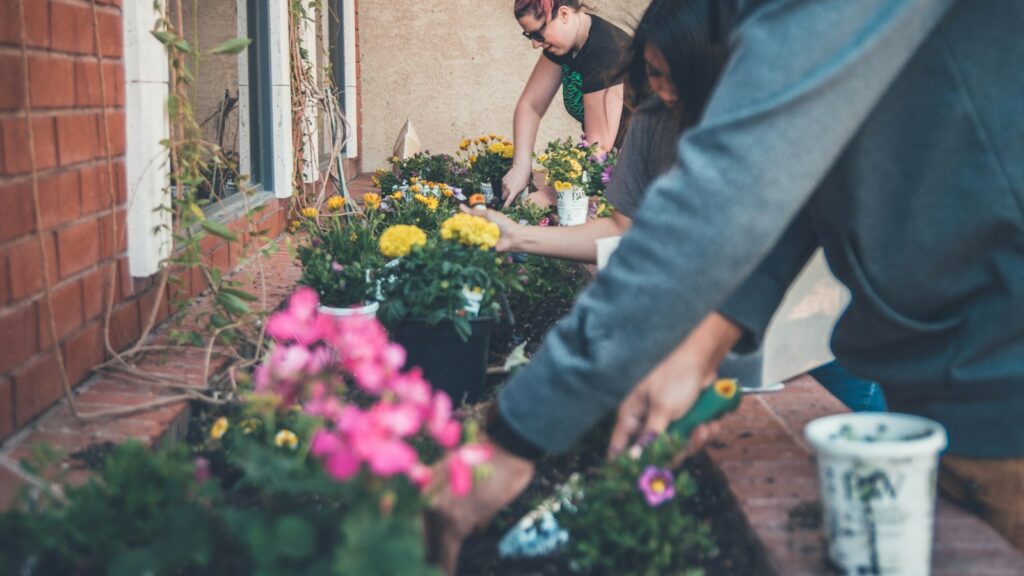
Collaborating with neighbors to create continuous habitat “corridors” multiplies the effectiveness of individual gardens in supporting hummingbird populations. These connected pathways of hummingbird-friendly plantings across multiple properties provide safe travel routes with reliable resources, particularly valuable in urban and suburban areas where natural habitat is fragmented. Research from urban ecology studies demonstrates that coordinated neighborhood planting efforts can increase hummingbird diversity by up to 80% compared to isolated gardens of similar size. Community-based corridor projects can start simply by sharing native plant divisions with neighbors or organizing seed exchanges focusing on hummingbird-attractive species. Documenting hummingbird sightings along these corridors through citizen science projects like eBird or Hummingbird Central not only tracks the success of your efforts but contributes valuable data to migration research and conservation strategies. Educational signage about your hummingbird corridor can inspire others to join the effort, creating an expanding network of hummingbird habitat.
Seasonal Maintenance for Hummingbird Gardens
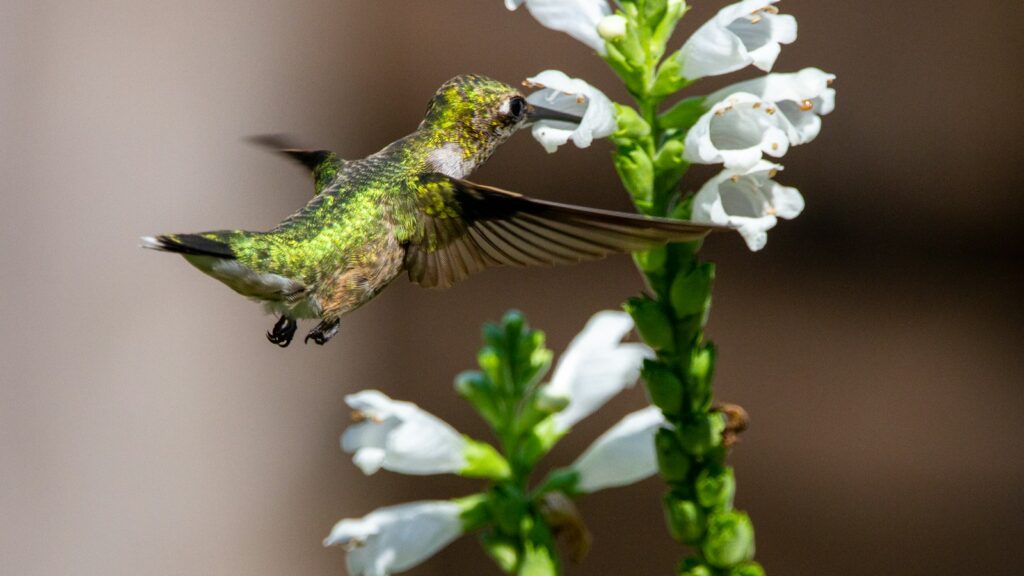
Maintaining a thriving hummingbird habitat requires specific seasonal care approaches that differ from conventional gardening practices. During spring cleanup, avoid cutting back last year’s perennial stems until temperatures consistently reach 50°F (10°C), as these hollow stems often house overwintering beneficial insects that serve as early-season protein sources for arriving hummingbirds. Summer maintenance should focus on deadheading spent blooms to encourage continued flowering without disturbing active nests, which can be remarkably well-camouflaged and easily damaged during aggressive pruning. Fall garden preparation requires a balanced approach—removing diseased plant material while leaving seed heads and standing stems of sturdy perennials that provide winter insect habitat and early spring food sources. Dividing overgrown perennial nectar plants every 3-4 years rejuvenates them for maximum bloom production, with early spring or fall being ideal times for this task to minimize disruption to feeding hummingbirds.
Conclusion
Creating a natural paradise for hummingbirds without relying on sugar water feeders not only supports these remarkable birds but enhances your entire garden ecosystem. By combining diverse native plantings with thoughtful habitat elements like water features, perches, and insect-friendly practices, you establish a sustainable environment that attracts hummingbirds while supporting their complete life cycle. As your garden matures into a hummingbird haven, you’ll enjoy the rewards of regular visits from these aerial jewels while contributing to conservation efforts that help secure their future. The iridescent flash of a hummingbird moving through a garden designed specifically to meet its needs offers a special kind of magic—a connection to nature that transforms a simple outdoor space into a vibrant, living sanctuary.