

The gentle flutter of wings and melodic chirping can transform an ordinary lawn into a vibrant sanctuary teeming with avian life. Ground-feeding birds, with their distinctive foraging behaviors, offer a unique opportunity for birdwatchers to observe these beautiful creatures up close as they search for seeds, insects, and other food sources right in your yard. Unlike birds that primarily feed at elevated feeders or in trees, ground-feeding species like juncos, sparrows, doves, and towhees prefer to dine at nature’s table—the earth beneath their feet. By creating a welcoming environment for these feathered visitors, you’ll not only enjoy their company but also contribute to their survival in an increasingly urbanized world. This guide will walk you through the essential steps to transform your lawn into a ground-feeding bird paradise, from understanding their specific needs to implementing bird-friendly landscaping practices.
Understanding Ground-Feeding Birds
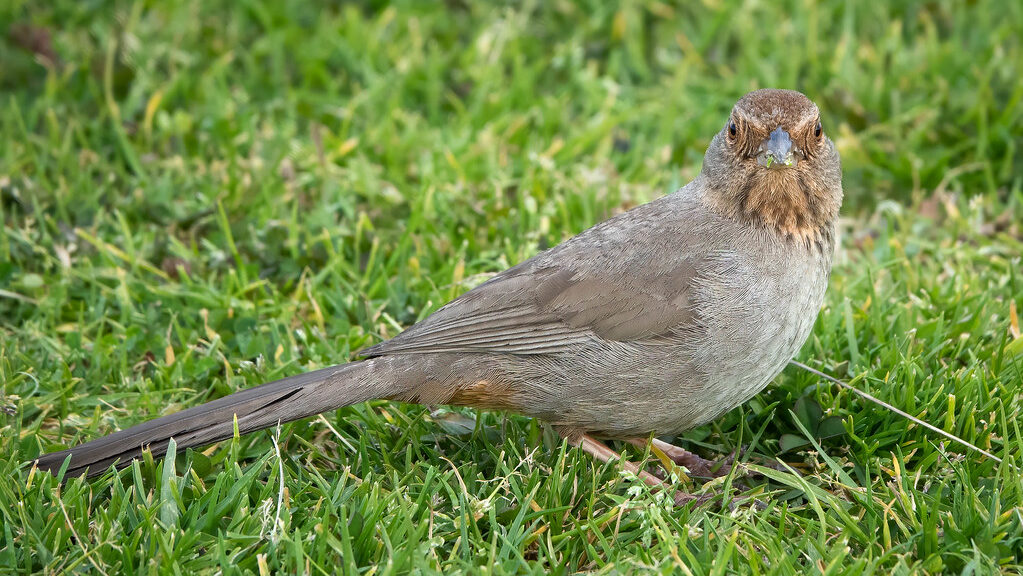
Ground-feeding birds comprise a diverse group of species that have evolved to forage primarily on the ground rather than in trees or shrubs. These birds typically have strong legs adapted for walking or hopping along the earth’s surface, and many possess specialized bills designed for efficiently picking up seeds, insects, or other ground-level food sources. Common ground-feeding visitors to North American yards include dark-eyed juncos, mourning doves, California towhees, various sparrow species, and even larger birds like American robins and wild turkeys in some areas. Understanding the natural behaviors and preferences of these birds is crucial, as ground feeders tend to be more cautious than their tree-dwelling counterparts, often requiring more cover and protection from predators. Most ground-feeding species prefer open spaces where they can easily spot approaching threats while having nearby shrubs or trees to retreat to if danger approaches.
Creating a Safe Environment
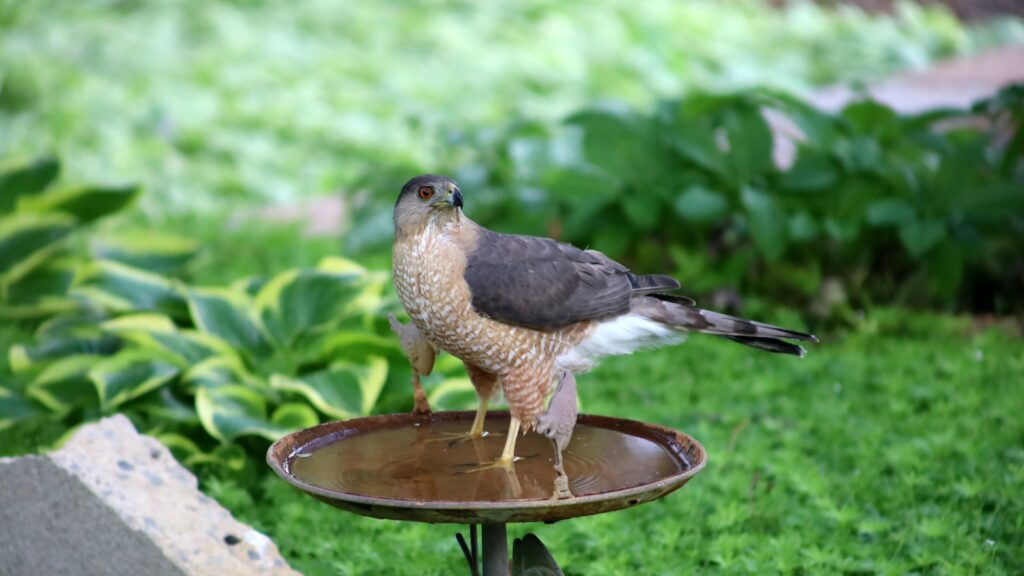
Safety is paramount for attracting and retaining ground-feeding birds in your yard. These birds are particularly vulnerable to predators like cats, hawks, and other wildlife while feeding on the ground. Position your feeding areas at least 10-15 feet away from dense shrubs or brush that could conceal stalking predators, while still providing some nearby cover for quick escape routes. Consider installing motion-activated sprinklers to deter neighborhood cats, or if you own cats yourself, equip them with brightly colored collar bells to alert birds of their presence. Reflective objects or spinners can help deter aerial predators, though their effectiveness varies. Perhaps most importantly, maintain a chemical-free lawn environment by eliminating the use of pesticides, herbicides, and chemical fertilizers that can harm birds directly or eliminate their natural food sources. Creating this balanced environment where birds feel secure will significantly increase the likelihood of regular visits from ground-feeding species.
Selecting the Right Ground Feeders
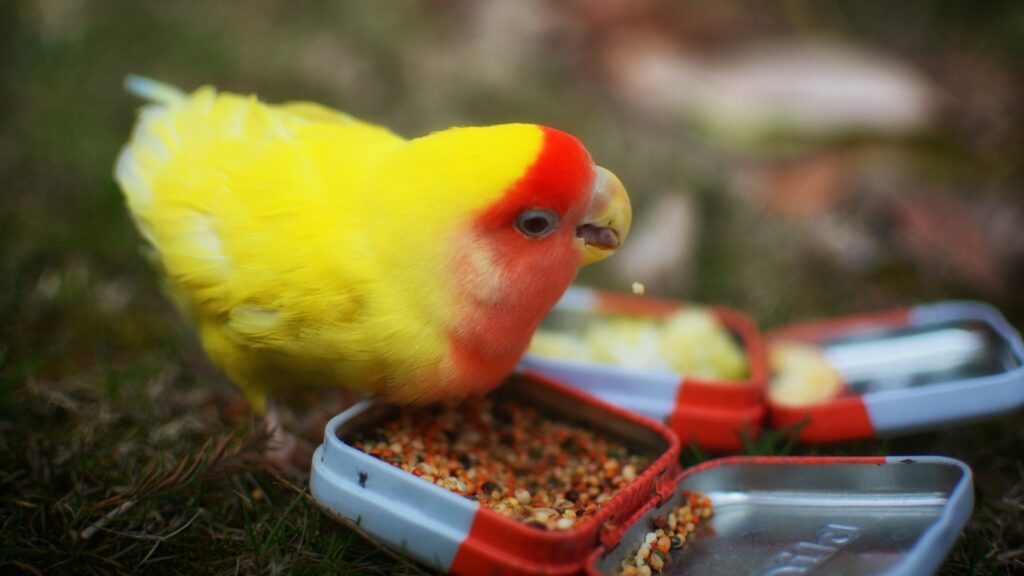
While scattered seed can work in a pinch, dedicated ground feeders offer better protection for both the food and the birds. Platform feeders raised just a few inches off the ground provide an excellent compromise, keeping seed drier while still accommodating ground-feeding birds’ natural behaviors. Look for platform feeders with drainage holes and removable screens that allow rain to pass through while keeping seed accessible. Another excellent option is tray feeders with low sides that can be placed directly on the ground or mounted on short posts. For areas with significant squirrel activity, consider ground feeders with weight-activated mechanisms that close when heavier animals attempt to access them. Some ground-feeding birds, particularly doves and quail, appreciate dedicated ground feeding areas created by laying out large, flat stones in a patio-like arrangement, which keeps seed off the damp ground while providing a natural-looking feeding surface.
Choosing the Right Foods
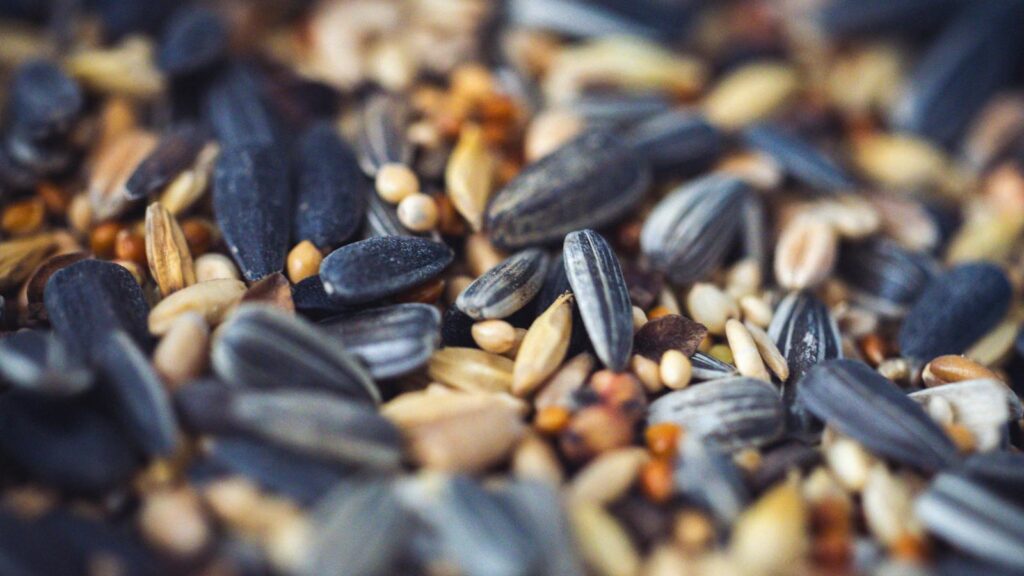
Different ground-feeding species have specific food preferences, but several options consistently attract a wide variety. Millet is particularly favored by sparrows, juncos, and doves, while black oil sunflower seeds appeal to nearly all ground-feeding birds and provide excellent nutritional value. Cracked corn is another affordable option that attracts larger ground-feeding species like quail and wild turkeys, though it should be offered in moderation to avoid attracting nuisance wildlife. Consider incorporating white proso millet, a smaller seed particularly attractive to native sparrows and other small ground feeders. For maximum diversity, many experienced birders recommend offering mixed seed blends specifically formulated for ground-feeding birds, which typically contain appropriate proportions of millet, cracked corn, sunflower chips, and other nutritious options. During warmer months, supplement seed offerings with dried mealworms or waxworms to attract insect-eating ground foragers like robins and thrushes.
Utilizing Native Plants
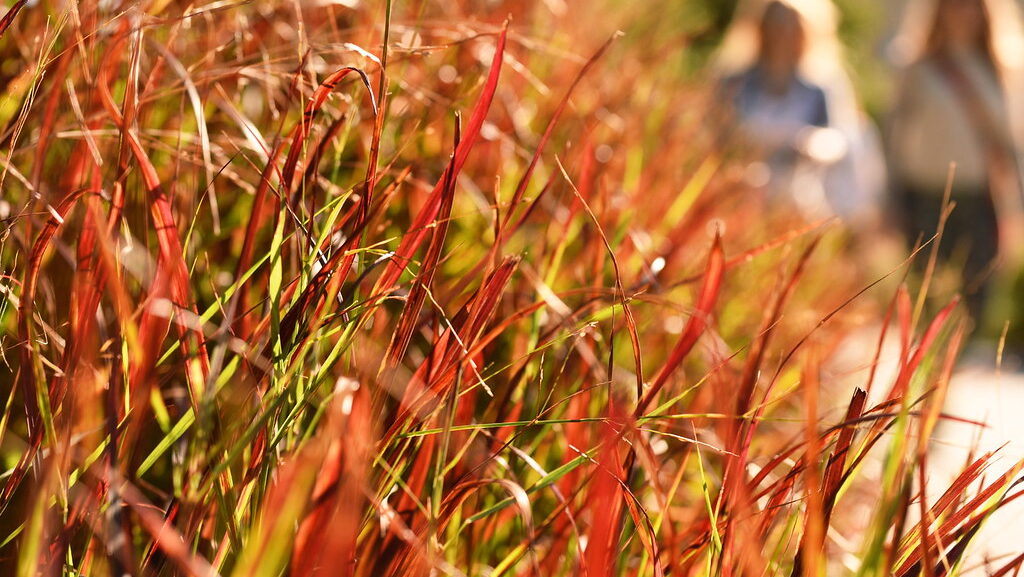
One of the most sustainable ways to attract ground-feeding birds is to incorporate native plants that naturally produce seeds these birds evolved to eat. Native grasses like little bluestem, switchgrass, and Indian grass provide nutritious seeds that attract sparrows, juncos, and towhees throughout the fall and winter months. Consider allowing a portion of your lawn to grow unmowed, creating a “mini meadow” where these grasses can mature and produce seeds. Native flowers such as coneflowers, black-eyed Susans, and sunflowers not only add beauty to your landscape but also provide abundant seeds that ground-feeding birds will forage for as they naturally fall to the ground. Even native shrubs like serviceberry, elderberry, and dogwoods produce fruits that eventually fall, creating natural ground-feeding opportunities. By recreating these natural food sources, you’ll attract ground-feeding birds while reducing dependency on purchased seed, creating a more sustainable and ecologically sound bird habitat.
Creating Dust Bathing Areas
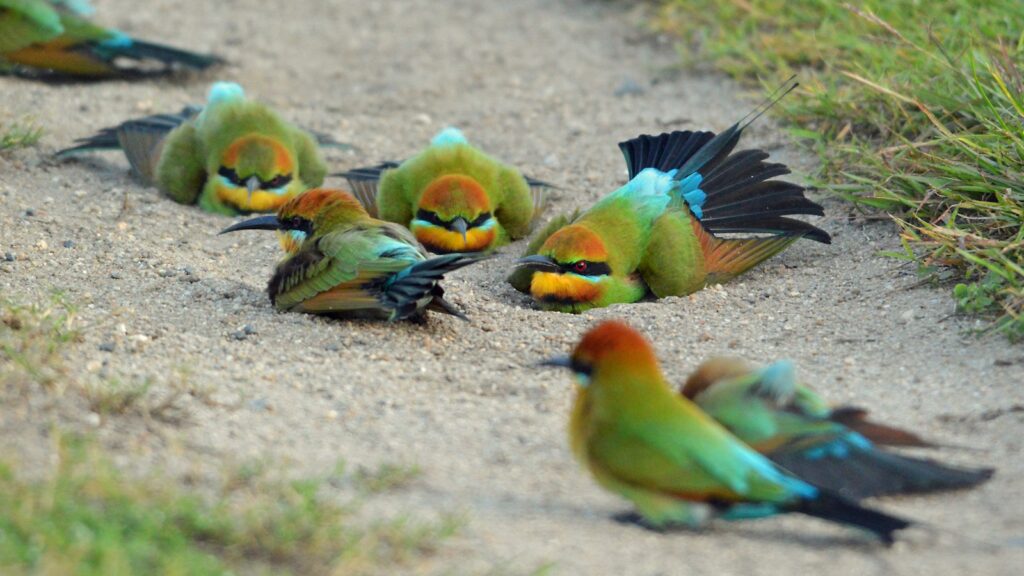
Many ground-feeding birds, particularly sparrows, doves, and quail, regularly engage in dust bathing as part of their grooming routine. This behavior helps them control parasites and maintain healthy feathers. Creating dedicated dust bathing areas can make your yard even more attractive to these species. Designate a small section of bare soil in a sunny location and keep it loose and dry by occasionally turning it over with a garden fork. For added appeal, mix in some fine sand and wood ash (from untreated wood only) to create the perfect consistency for dust bathing. Position these bathing areas where you can easily observe them from a window, as dust bathing behavior is fascinating to watch, with birds fluffing their feathers and vigorously working the dust into their plumage. Locate dust bathing spots near, but not directly adjacent to, feeding areas, giving birds multiple reasons to visit your yard while maintaining separation between activities.
Providing Water Sources
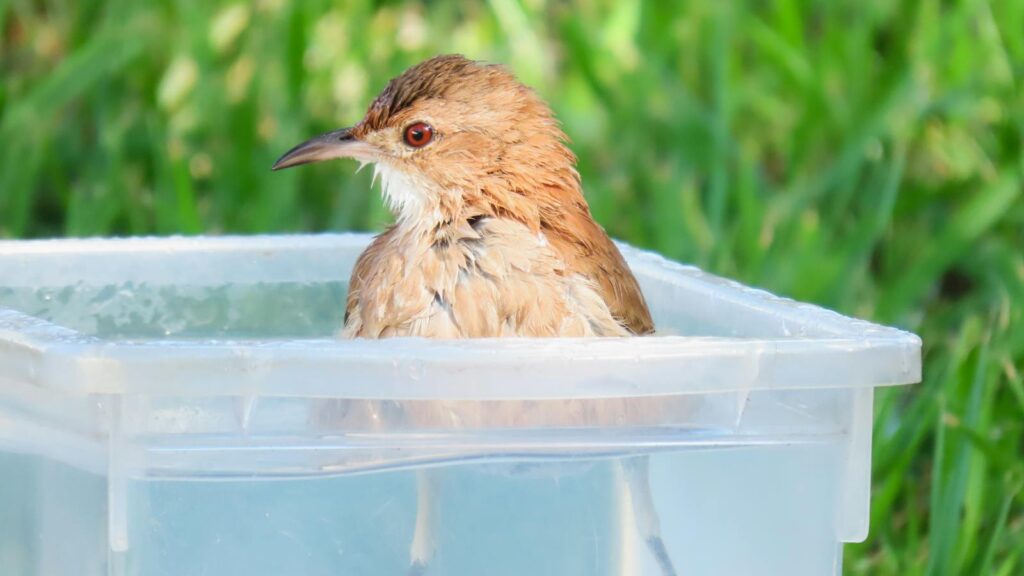
Water is a powerful attractant for all birds, including ground-feeding species, serving both drinking and bathing needs. Traditional bird baths mounted on pedestals may be too high for some ground-feeding birds, so consider installing ground-level water features. Shallow dishes or trays with no more than 1-2 inches of water work best, ideally with gently sloping sides allowing birds to wade in gradually. Place these water sources in open areas where birds can easily spot approaching predators, yet near enough to shrubs or trees to provide quick escape routes. To maximize appeal, add movement to the water with a small solar-powered fountain attachment or a dripper system—the sound of splashing water acts as a powerful bird attractant. In winter, heated ground-level water sources become particularly valuable in cold climates, often attracting birds even when food is less scarce, as unfrozen water can be difficult for birds to find during freezing temperatures.
Maintaining Clean Feeding Areas
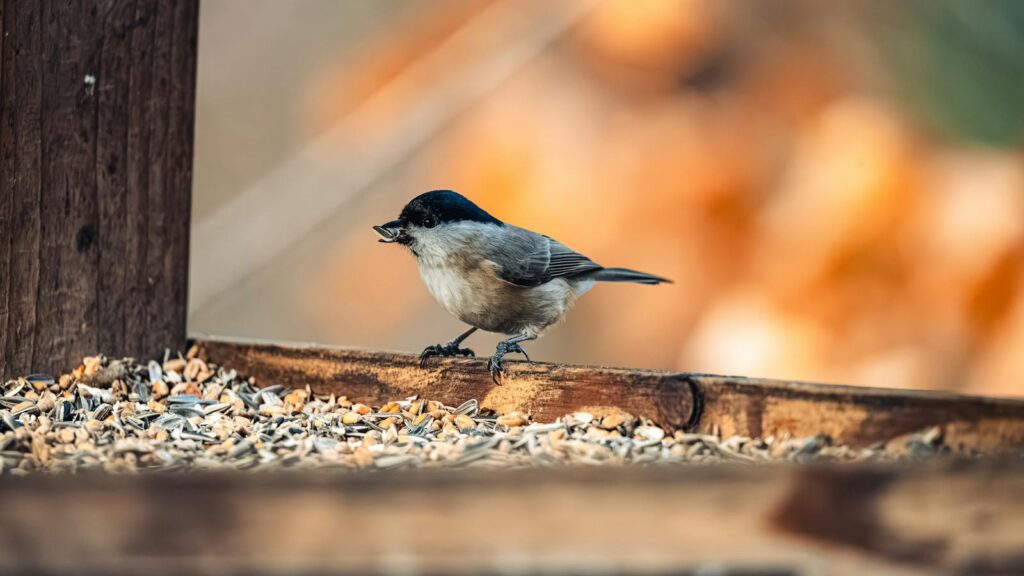
Ground feeding areas require more frequent maintenance than elevated feeders due to their exposure to moisture, soil, and droppings. Establish a regular cleaning schedule, removing old seed hulls and debris at least weekly, or more frequently during wet weather when mold can quickly develop. After removing old seed and hulls, sanitize platform or tray feeders with a solution of one part bleach to nine parts water, then rinse thoroughly and allow to dry completely before refilling. For feeding areas directly on the ground, occasionally rake or turn over the soil to prevent accumulation of waste and potential disease transmission. Never allow seed to become wet or moldy, as this can cause respiratory infections and other illnesses in visiting birds. During periods of heavy rain, consider using feeders with roofs or placing temporary covers over ground feeding areas to keep seed dry and prevent waste.
Landscaping for Ground-Feeding Birds
Beyond feeders, thoughtful landscaping can create a naturally attractive habitat for ground-feeding birds. Design your yard with varying levels of vegetation, from open, grassy areas where birds can forage to shrubs and small trees that provide cover and perching spots. Incorporate brush piles in appropriate corners of your yard, which not only provide shelter for birds but also attract insects that many ground-feeding species consume. Leave some areas of leaf litter intact during fall cleanup, as many ground-feeding birds like towhees and thrushes naturally forage by scratching through fallen leaves. Create gentle transitions between different habitat zones rather than abrupt changes—for example, graduate from open lawn to taller grasses, then to shrubs and finally trees. This layered approach, often called “edge habitat,” is particularly attractive to ground-feeding birds as it provides both foraging opportunities and nearby safety.
Seasonal Considerations
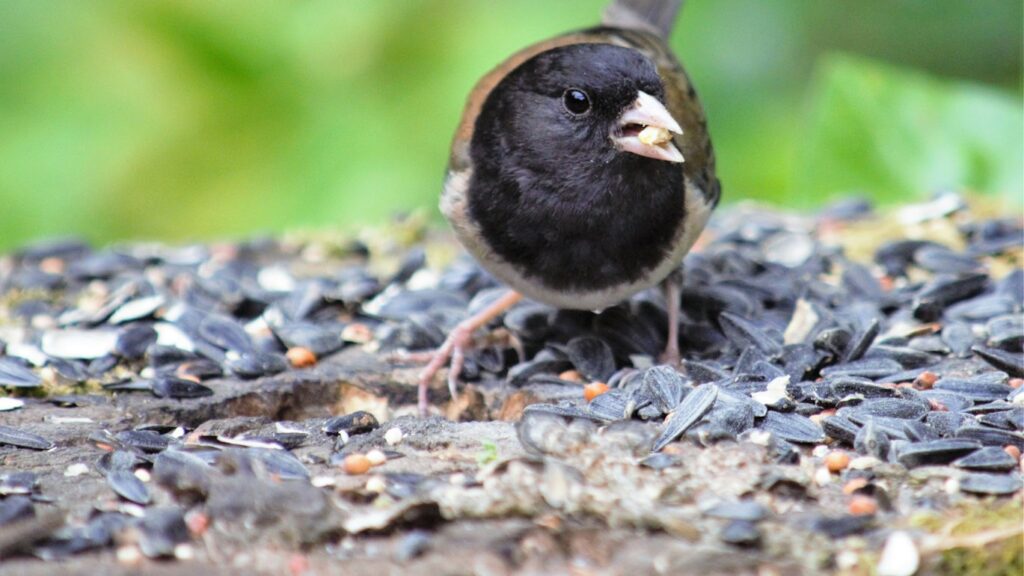
Ground-feeding birds have different needs throughout the year, and adapting your approach seasonally will maximize your success. During spring and summer, many ground feeders are raising young and shift their diet to include more protein-rich insects, so consider offering dried mealworms or minimizing lawn treatments to encourage natural insect populations. Fall represents a critical time when many migrating ground-feeding species may visit your yard, so increase the amount and variety of seed offerings during this period. Winter presents unique challenges for ground-feeding birds when natural food becomes scarce and snow can cover feeding areas; consider creating sheltered feeding spots under evergreen trees or using snow shovels to clear patches of ground after snowfalls. Early morning and late afternoon typically see the most feeding activity year-round, though during extreme weather conditions, birds may visit throughout the day as they struggle to meet their increased energy requirements.
Dealing with Unwanted Visitors
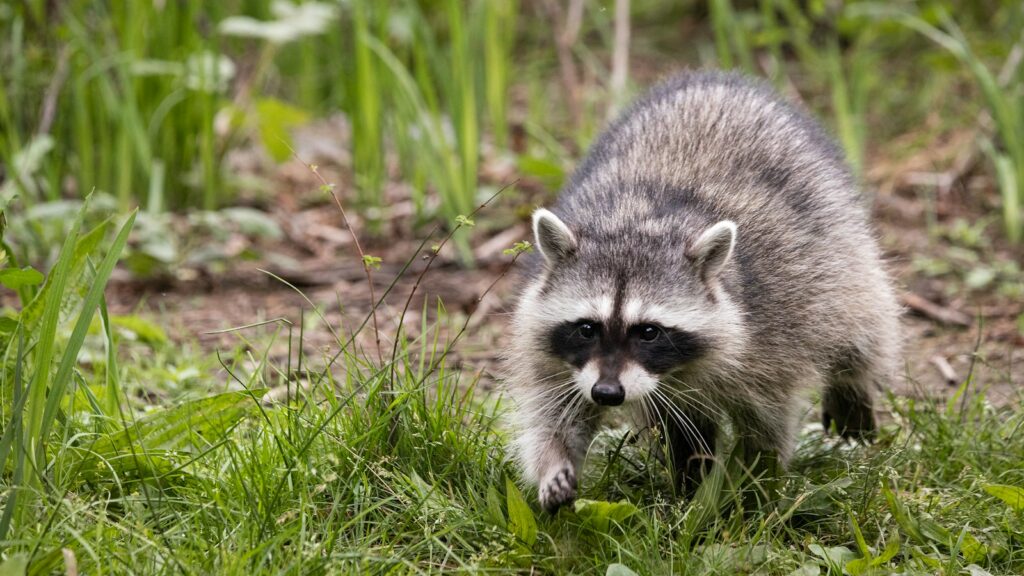
Unfortunately, feeding ground birds often attracts less desirable wildlife like rats, mice, raccoons, and opossums. Implement practical strategies to minimize these uninvited guests while still accommodating ground-feeding birds. Only put out an amount of seed that birds can consume within a day, especially before nightfall when nocturnal scavengers become active. Consider using specialized weight-sensitive feeders that close when heavier animals step on them, or surround ground feeding areas with hardware cloth barriers that have openings large enough for birds but too small for rodents. Avoid feeding products that particularly attract mammals, such as peanut butter, suet, and whole peanuts, in ground feeding stations. If rodents become problematic despite these precautions, temporarily suspend ground feeding for 1-2 weeks to encourage them to move elsewhere, then gradually reintroduce smaller amounts of seed with enhanced protective measures in place.
Observing and Identifying Visitors
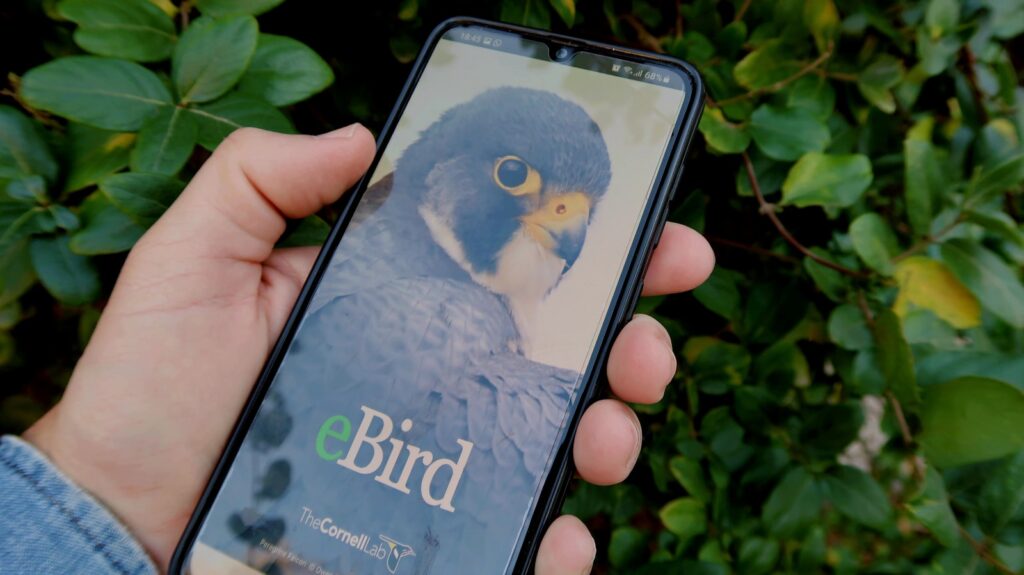
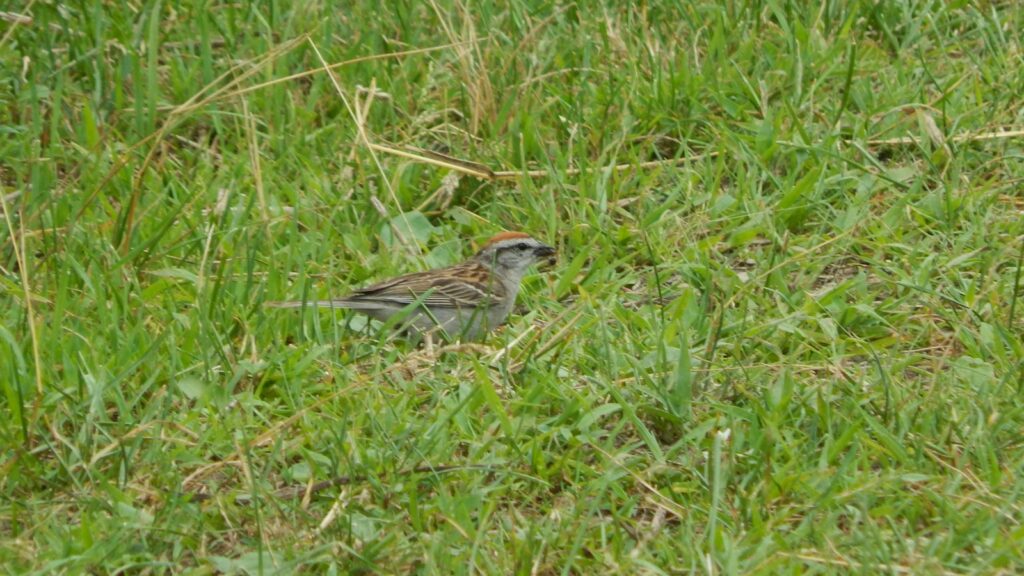
Part of the joy of attracting ground-feeding birds is learning to identify the different species that visit your yard. Position comfortable seating near windows with good views of your feeding areas, and keep binoculars and field guides handy for quick reference. Consider maintaining a yard list or journal to record the species you observe, noting patterns in visitation times, weather conditions, and food preferences. Many ground-feeding birds have distinctive behaviors—juncos and sparrows tend to hop rather than walk, towhees scratch vigorously with both feet simultaneously, and doves often feed in pairs or small groups. Smartphone apps like Merlin Bird ID or eBird can help with identification and allow you to contribute your observations to citizen science projects tracking bird populations. Photographing your visitors not only creates lasting memories but can also help with identification of challenging species like sparrows, which often require close attention to subtle field marks.
Promoting Bird-Friendly Communities
Your efforts to attract ground-feeding birds can extend beyond your property line through community engagement. Share your knowledge and success with neighbors, perhaps offering extra seed or spare feeders to help them get started with their own bird-friendly yards. Consider organizing neighborhood bird walks or creating social media groups where local residents can share sightings and tips. Advocate for bird-friendly practices in community spaces and local parks, such as reducing pesticide use, creating native plant gardens, and establishing designated feeding areas. Participate in citizen science projects like the Great Backyard Bird Count or Project FeederWatch, which use data collected by everyday birders to monitor population trends and distribution changes. By expanding your influence, you help create connected habitat corridors that benefit ground-feeding birds far more than isolated yards can alone.
Conclusion
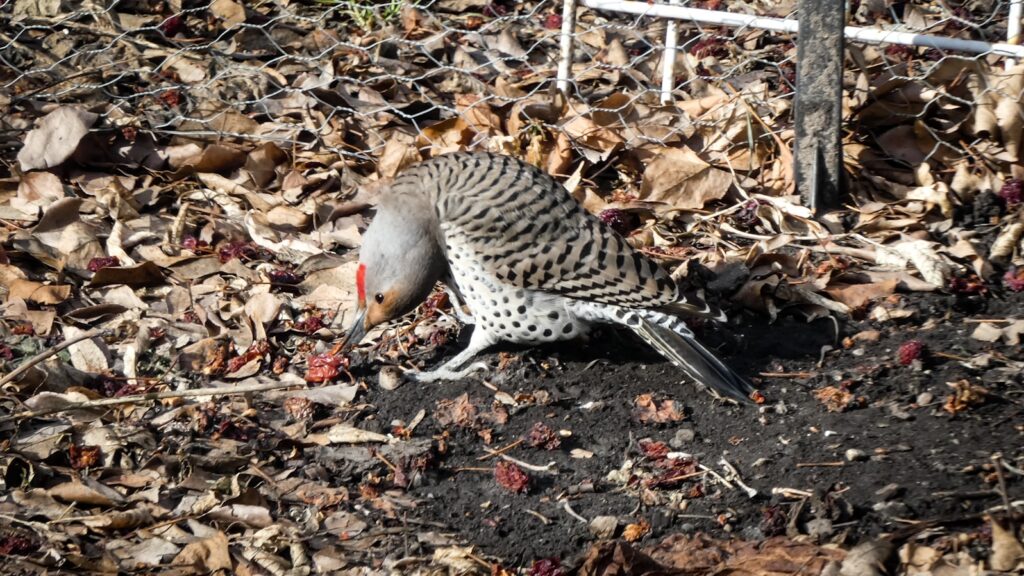
Creating a welcoming environment for ground-feeding birds transforms your yard into a thriving ecosystem while providing endless opportunities for observation and connection with nature. By implementing the strategies outlined in this guide—from choosing appropriate feeders and foods to landscaping with birds in mind—you’ll soon discover the unique joy of watching juncos scratch through fallen leaves, doves waddle across your lawn, or towhees perform their characteristic backward kicks while foraging. Remember that consistency is key; ground-feeding birds may take time to discover and trust new feeding areas, but once established, they’ll become regular visitors, bringing life and movement to your outdoor space throughout the seasons. As you develop this deeper relationship with your avian neighbors, you’ll gain not just the pleasure of their company but also a greater appreciation for the intricate natural world that exists just beyond your doorstep.