
Birdwatching has traditionally focused on observing the vibrant plumage, distinctive songs, and graceful flights of our feathered friends. However, a paradigm shift is occurring in this beloved pastime, driven by growing scientific and public recognition of corvid intelligence. Crows, ravens, and their corvid relatives are revolutionizing how we approach birdwatching, transforming it from mere observation to intellectual engagement with avian minds. Their problem-solving abilities, tool use, facial recognition skills, and complex social structures have captivated scientists and amateur enthusiasts alike, creating a new dimension to birdwatching that focuses not just on what birds look like, but on how they think and interact with their environment and with us. This cognitive dimension has added unprecedented depth to birdwatching, attracting new demographics to the hobby and changing how we value and protect these remarkable creatures.
The Cognitive Revolution in Ornithology
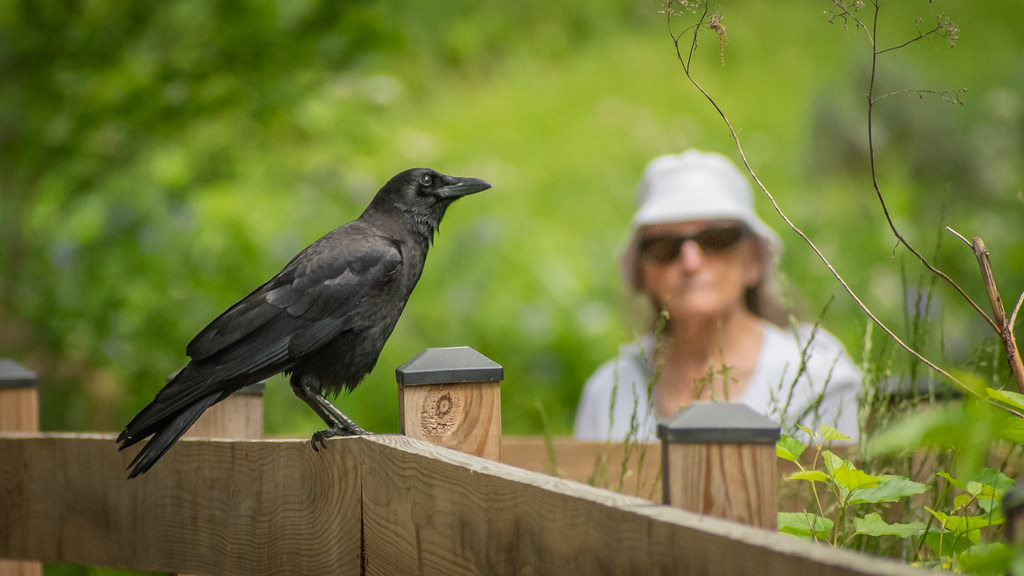
The study of bird intelligence has undergone a remarkable transformation over the past few decades, with corvids leading this scientific revolution. Once dismissed as simple creatures driven purely by instinct, birds—particularly crows and ravens—are now recognized as possessing intellectual capabilities rivaling those of great apes. Groundbreaking research by scientists like Dr. John Marzluff and Dr. Kaeli Swift has demonstrated crows’ ability to recognize individual human faces, remember those who have threatened them, and even pass this knowledge to their offspring and other crows who weren’t present during the original interaction. These discoveries have fundamentally altered the scientific understanding of avian cognition, challenging long-held assumptions about the relationship between brain size and intelligence. For birdwatchers, this cognitive revolution has added an entirely new dimension to their hobby, shifting focus from merely identifying species to understanding and interpreting complex behaviors.
From Identification to Interaction: A New Birdwatching Paradigm
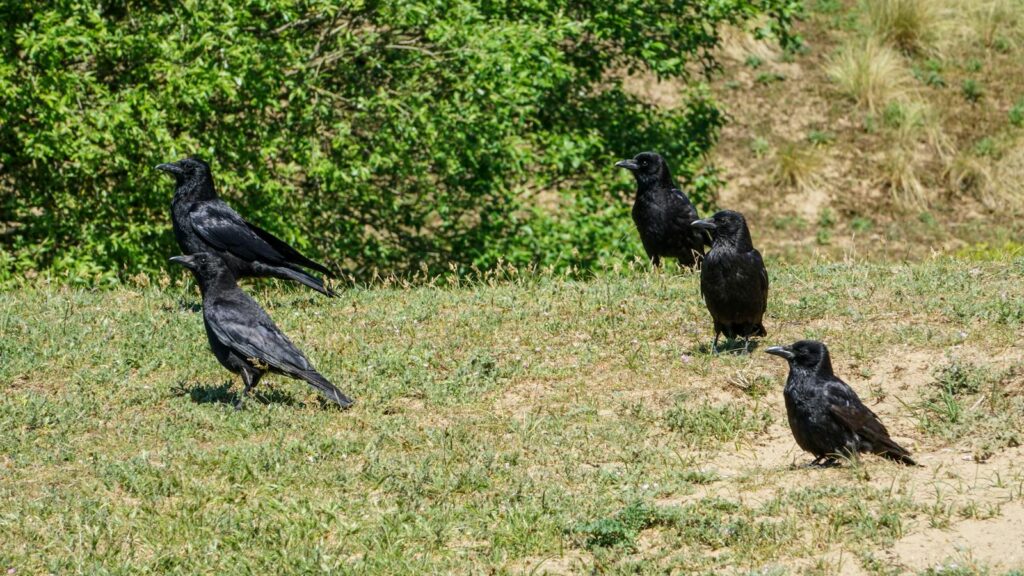
Traditional birdwatching has primarily centered on species identification, focusing on distinctive markings, calls, and habitats to check birds off a life list. However, the recognition of crow intelligence has sparked a new approach that prioritizes behavioral observation and cognitive engagement over mere identification. Modern crow watchers might spend hours observing a single family group, noting their problem-solving strategies, communication methods, and social interactions rather than quickly identifying them and moving on. This shift mirrors the evolution of wildlife tourism from species-spotting to more immersive experiences that emphasize understanding animal behavior and ecology. Many birdwatchers now maintain “behavior journals” alongside their traditional species lists, documenting interesting corvid activities, problem-solving instances, or tool use they observe in the field. This paradigm shift has enriched the birdwatching experience, transforming it from a collecting-oriented hobby to one focused on connection and understanding.
The Tool-Users: Observing Crow Problem-Solving in the Wild
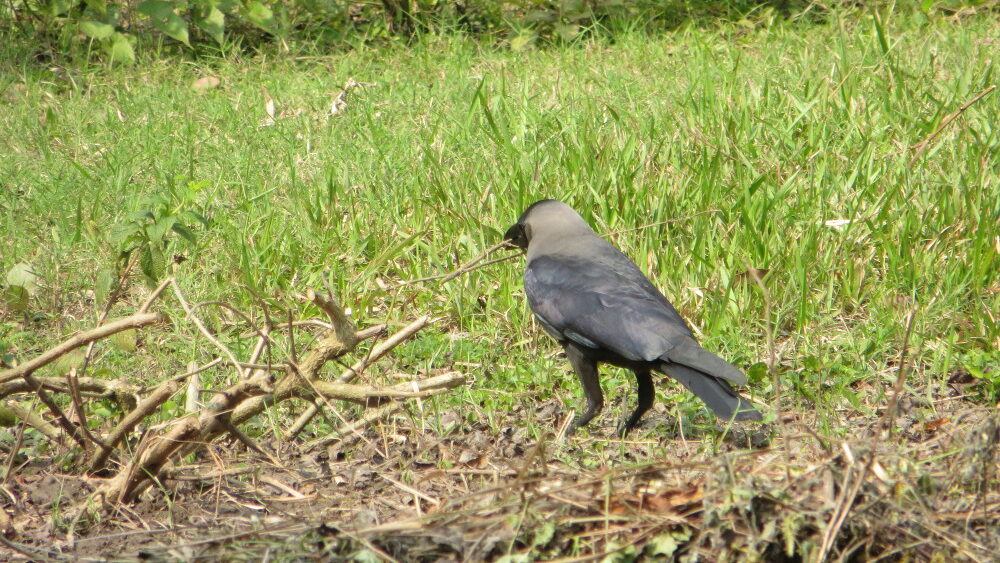
One of the most fascinating aspects of crow intelligence that has captivated birdwatchers is their sophisticated tool use and problem-solving abilities. New Caledonian crows craft complex hooked tools from twigs to extract insects from crevices, while American crows have been observed dropping nuts onto roadways for cars to crack open, then waiting for traffic lights to change before safely retrieving their prize. Birdwatchers now specifically seek out opportunities to witness these remarkable behaviors, with some dedicated enthusiasts setting up problem-solving scenarios in their yards to observe how local crows approach challenges. These observations have scientific value as well, with citizen scientists documenting novel tool use and problem-solving strategies that might otherwise go unrecorded by researchers. The pursuit of witnessing crow intelligence in action has created a new category of birdwatching expertise—understanding the cognitive challenges that might prompt tool use and recognizing the subtle indicators of planning and forethought in crow behavior.
Facial Recognition: When the Birds Watch Back
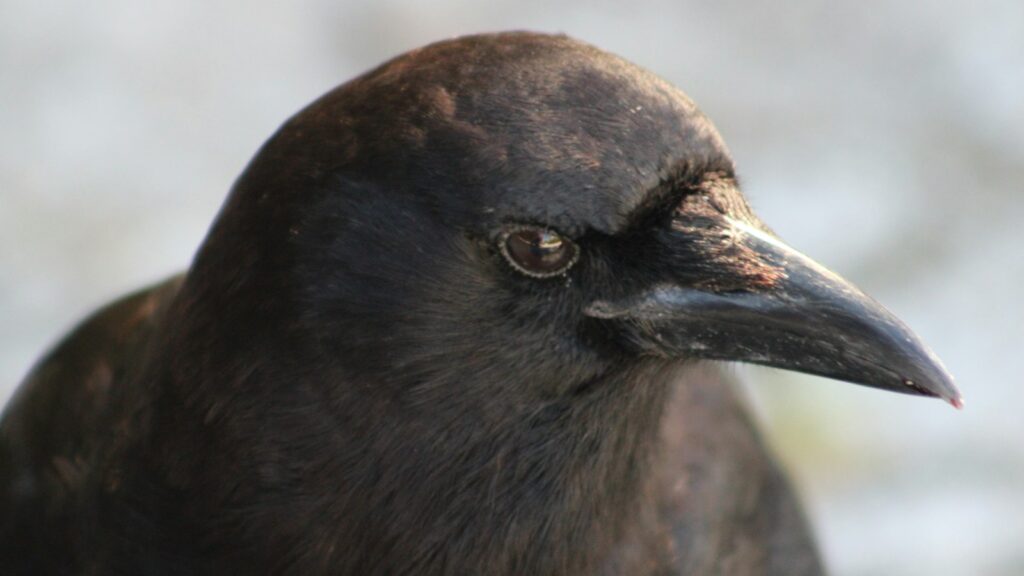
Perhaps the most profound shift in birdwatching comes from the unsettling realization that when it comes to crows, the birds are watching us as intently as we watch them. Research has conclusively demonstrated that crows can recognize individual human faces, remember whether those humans posed a threat or offered help, and maintain these memories for years. This cognitive ability creates a uniquely reciprocal relationship between corvid watchers and their subjects. Birdwatchers have reported remarkable experiences of being recognized by local crow families, sometimes followed on walks, brought gifts, or conversely, harassed if they had previously disturbed the birds. Many dedicated crow enthusiasts develop relationships with their local corvids, discovering that consistent, respectful behavior can transform them from anonymous observers to recognized individuals in the crows’ social world. This cognitive mirroring fundamentally changes the birdwatching experience from unidirectional observation to a more complex relationship of mutual awareness.
Citizen Science and Crow Cognition
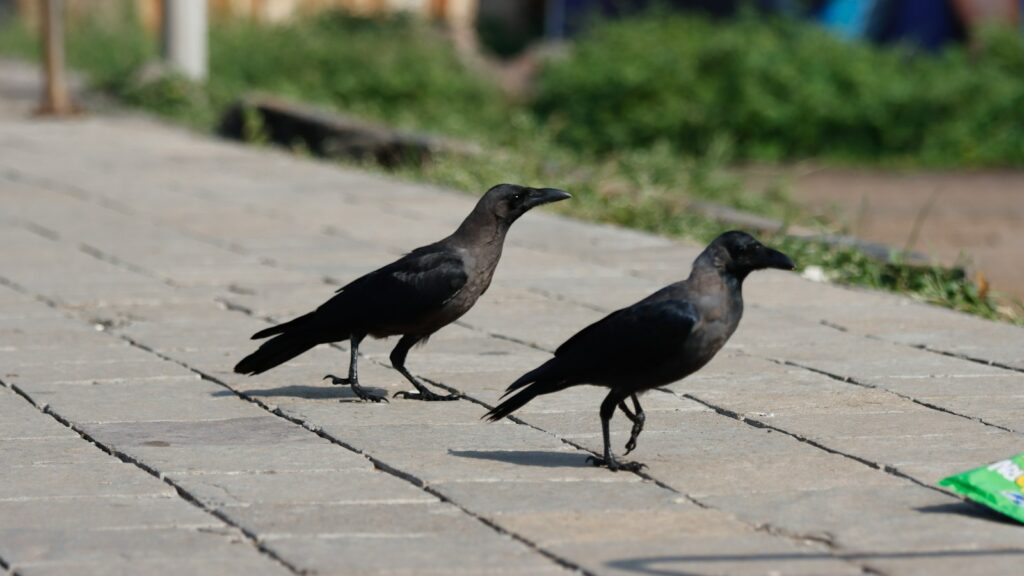
The recognition of corvid intelligence has sparked numerous citizen science initiatives that allow amateur birdwatchers to contribute meaningfully to our understanding of crow cognition. Projects like the University of Washington’s Seattle Crow Study engage thousands of volunteers in documenting crow behaviors, facial recognition abilities, and social structures across urban environments. These initiatives have democratized research into avian intelligence, allowing scientifically significant observations to come from backyard birdwatchers rather than solely from laboratory settings. Smartphone apps designed specifically for documenting crow behaviors have made it easier than ever for casual observers to contribute valuable data, creating a massive distributed research network tracking corvid cognition across diverse environments. The intersection of citizen science with corvid intelligence studies has created new pathways for birdwatchers to engage with their hobby, transforming passive hobbyists into active contributors to scientific knowledge.
The Cultural Intelligence of Crow Families
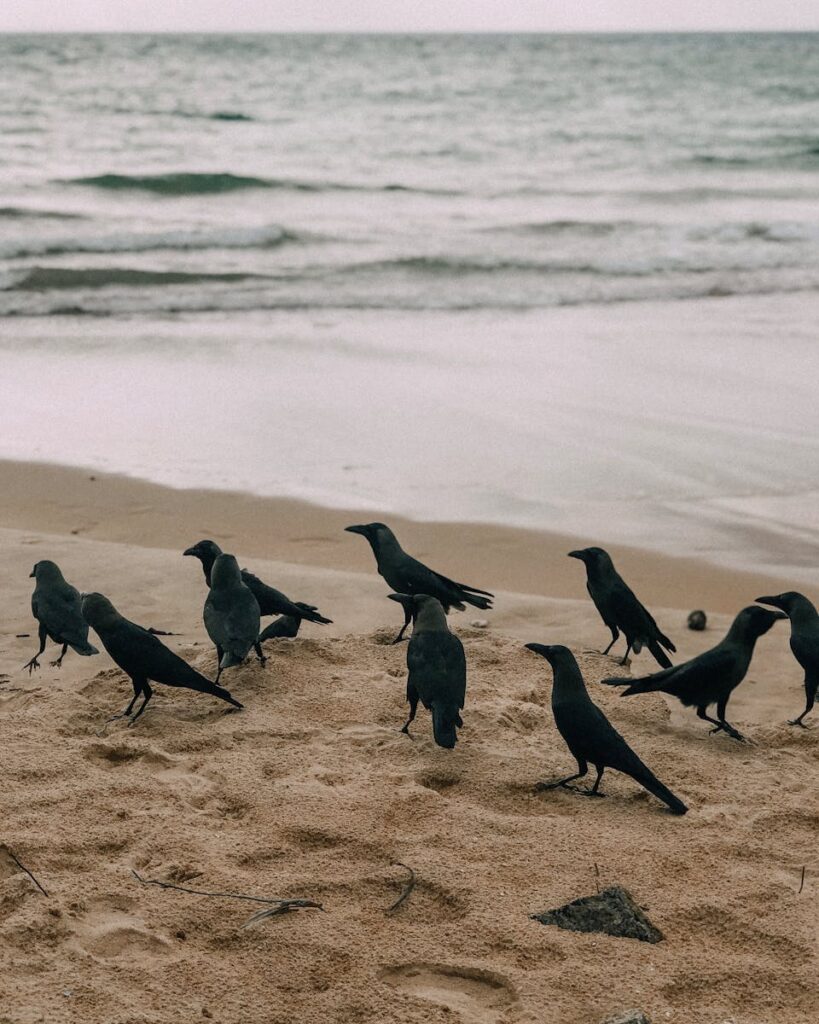
As birdwatchers turn their attention to crow intelligence, they’re discovering the fascinating social dynamics and cultural transmission of knowledge within crow families. Crows live in complex family groups where young birds often remain with their parents for several years, creating opportunities for cultural learning and knowledge transfer across generations. Dedicated observers have documented how specific behaviors—such as a unique food-processing technique or method for accessing a particular resource—spread through local crow populations through observation and teaching. Some birdwatching groups now maintain multi-year records of specific crow families, tracking the development and spread of behaviors through generations and across territories. This attention to the cultural dimensions of crow intelligence has fostered a deeper appreciation for these birds as bearers of tradition and knowledge, not just as biological entities.
Urban Birdwatching and Adaptive Intelligence
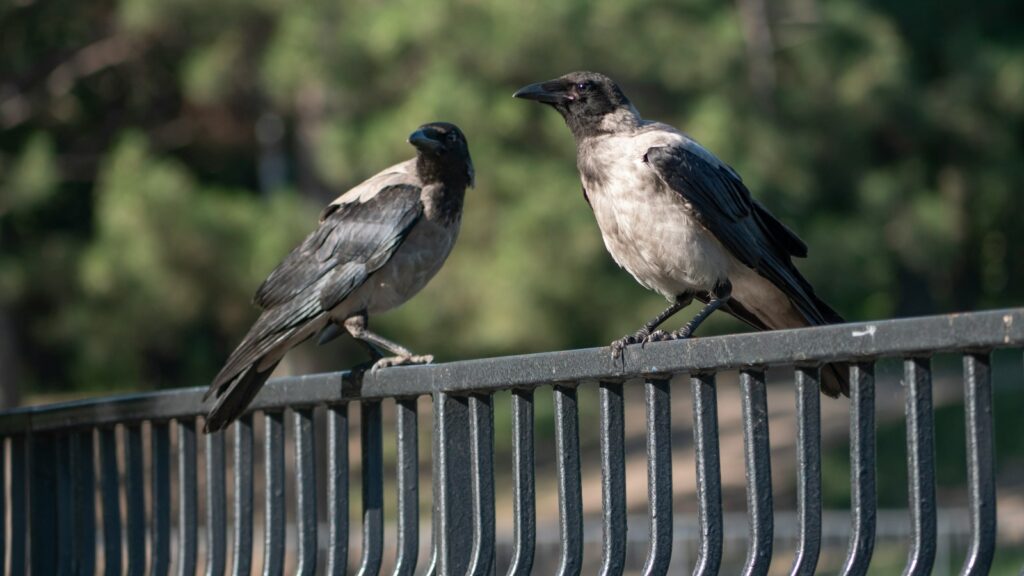
The intelligence of crows has made urban birdwatching increasingly rewarding, as these adaptable birds display remarkable cognitive flexibility in navigating human-dominated landscapes. Unlike many bird species that struggle with urbanization, crows thrive in cities, developing specialized behaviors for exploiting uniquely urban resources and avoiding urban hazards. Urban birdwatchers have documented crows using traffic patterns to crack nuts, opening food packaging with precision, manipulating water faucets to drink, and even dropping food into water to soften it or wash it. These observations of adaptive intelligence have transformed previously overlooked urban areas into prime birdwatching locations, democratizing access to meaningful nature observation for city dwellers. The rise of urban crow watching has also created new community networks in cities, with social media groups and meetups dedicated to tracking the behaviors of neighborhood crow families.
Ethical Considerations in Cognitive Birdwatching

The recognition of crow intelligence has necessarily brought ethical considerations to the forefront of birdwatching practices. If crows are cognitive beings capable of remembering human interactions, recognizing individuals, and experiencing complex emotions, what ethical responsibilities do birdwatchers have in their interactions with these birds? Many birdwatching organizations have developed new ethical guidelines that acknowledge the cognitive capabilities of corvids, recommending against activities that might cause stress or disruption to their social structures. Some birdwatchers have questioned traditional practices like playback (using recorded bird calls to attract birds), recognizing that cognitively complex birds might experience confusion or distress from these artificial communications. The ethical dimensions of interacting with intelligent birds have fostered important conversations within birdwatching communities about human responsibility toward the cognitive and emotional lives of the animals we observe.
Technological Innovations in Corvid Watching
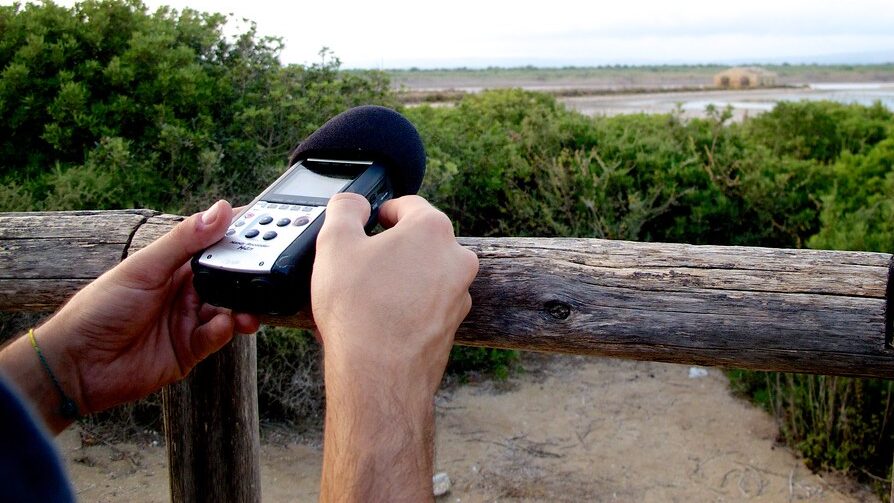
The growing interest in crow intelligence has spurred technological innovations specifically designed for observing and documenting cognitive behaviors in wild corvids. High-definition trail cameras with advanced motion detection allow birdwatchers to capture problem-solving behaviors that might be too subtle or quick for direct observation, while small, weatherproof microphones can record the nuanced vocalizations that crows use to communicate complex information to their flock mates. Specialized smartphone applications now help birdwatchers identify and categorize different types of corvid behaviors, creating standardized databases of observations that can be compared across different regions and populations. Some dedicated crow watchers have even developed puzzle boxes with built-in cameras that record how local crows approach and solve multi-step problems, providing unprecedented insights into their cognitive processes in natural settings. These technological tools have transformed corvid watching from casual observation to sophisticated behavioral monitoring, accessible to amateur enthusiasts.
The Social Media Effect on Crow Appreciation

Social media has played a pivotal role in transforming public perception of crows and popularizing cognitive birdwatching. Viral videos of crows solving puzzles, using tools, or interacting with humans have reached millions of viewers, many of whom had previously given little thought to avian intelligence. Dedicated crow appreciation groups on platforms like Facebook and Reddit have tens of thousands of members sharing observations, questions, and experiences with their local corvids. These online communities have become important hubs for amateur knowledge exchange, with experienced crow watchers helping newcomers interpret behaviors they’ve observed or suggesting ethical ways to interact with neighborhood crows. The social media ecosystem has also connected amateur observers with professional researchers, creating informal networks where significant observations can quickly reach scientists studying corvid cognition. This democratization of crow appreciation has attracted many people to birdwatching who might never have been interested in traditional species identification-focused approaches.
Conservation Implications of Recognizing Avian Intelligence
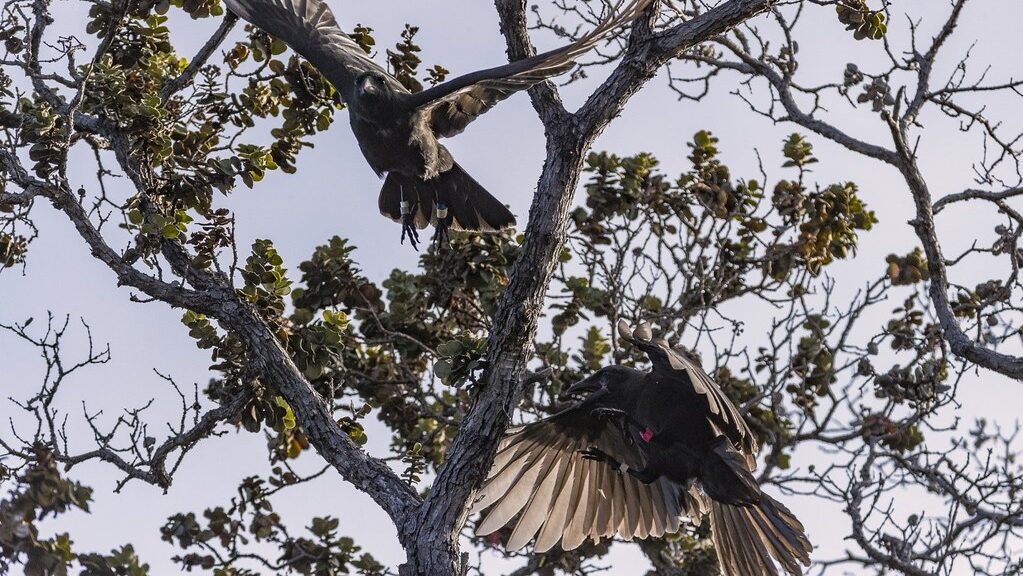
The growing recognition of crow intelligence has significant implications for bird conservation more broadly, potentially reshaping how we prioritize and approach wildlife protection. Research suggests that public support for conservation increases when people recognize the cognitive capabilities of the species being protected, creating emotional connections based on perceived similarities to human intelligence. Birdwatching groups focused on corvids often become advocates for habitat protection and anti-poisoning campaigns, motivated by their appreciation for these birds as thinking beings rather than just biodiversity components. Some conservation organizations have strategically highlighted the intelligence of threatened corvid species—like the Hawaiian crow (‘Alalā)—to build public support for expensive recovery programs that might otherwise struggle to gain funding. This cognitive approach to conservation represents a significant shift from traditional frameworks focused primarily on ecological roles or evolutionary uniqueness, potentially creating new pathways for public engagement with bird protection.
From Corvids to Broader Avian Intelligence
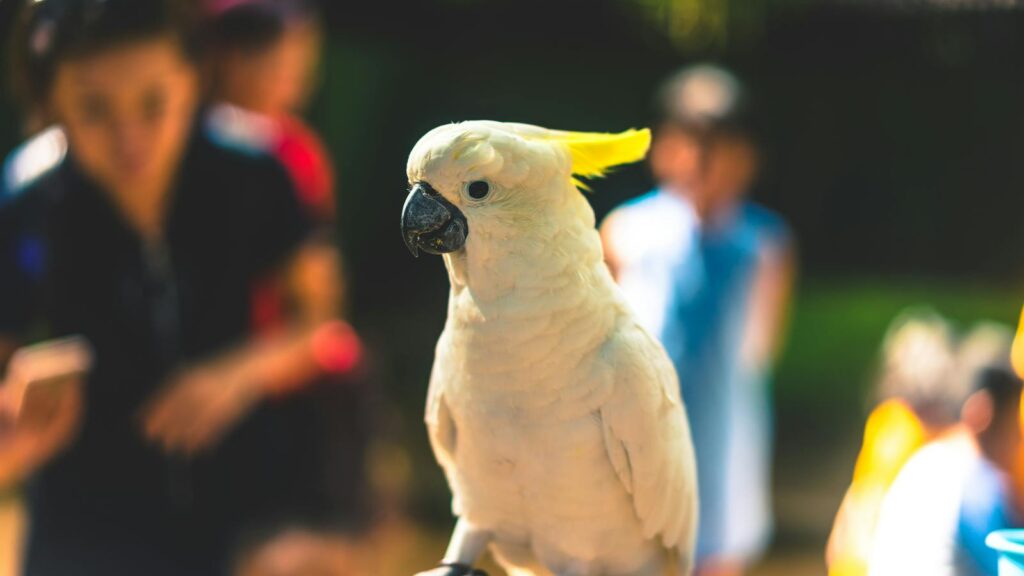
While crows have led the revolution in cognitive birdwatching, their remarkable abilities have prompted birdwatchers to look for signs of intelligence across other bird families as well. Observers now pay closer attention to the problem-solving abilities of chickadees at bird feeders, the sophisticated nest-building techniques of orioles, or the complex social interactions of Florida scrub-jays. This cognitive lens has revitalized interest in familiar backyard species that might previously have been overlooked by birdwatchers seeking rare or colorful species. Parrot intelligence, long recognized by companion bird owners, has received renewed attention from field birdwatchers studying wild populations, with dedicated observation groups forming around urban parrot flocks in cities like San Francisco and New York. The cognitive approach pioneered by crow watchers has thus spread throughout the birdwatching community, creating new appreciation for the mental lives of birds across taxonomic families.
The Future of Cognitive Birdwatching
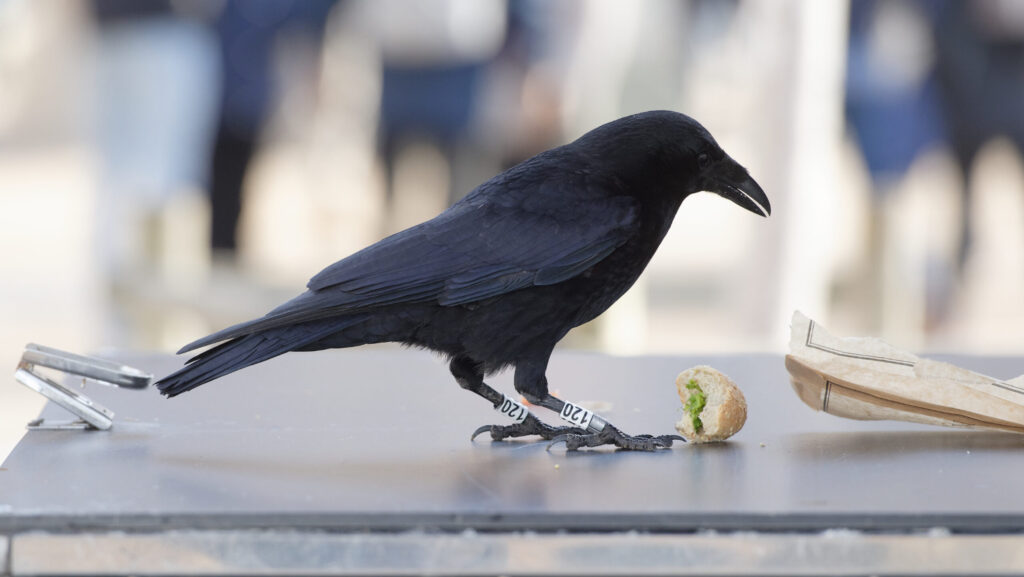
As our understanding of avian intelligence continues to evolve, so too will the practice of birdwatching, likely becoming increasingly focused on cognitive and behavioral dimensions. Emerging research into the neurological bases of crow intelligence may soon provide birdwatchers with new frameworks for interpreting the behaviors they observe, deepening their understanding of the mental processes behind corvid problem-solving and social interactions. Artificial intelligence and machine learning are beginning to assist in analyzing patterns in bird behavior that might be invisible to human observers, potentially revealing new dimensions of avian cognition for birdwatchers to explore. Universities are developing citizen science programs specifically focused on documenting evidence of teaching, cultural transmission, and regional “dialects” in crow behavior, creating structured opportunities for birdwatchers to contribute to cutting-edge research. As these trends continue, birdwatching may increasingly position itself not just as a hobby for appreciating biological diversity, but as a window into understanding diverse forms of intelligence that exist alongside our own.
Conclusion
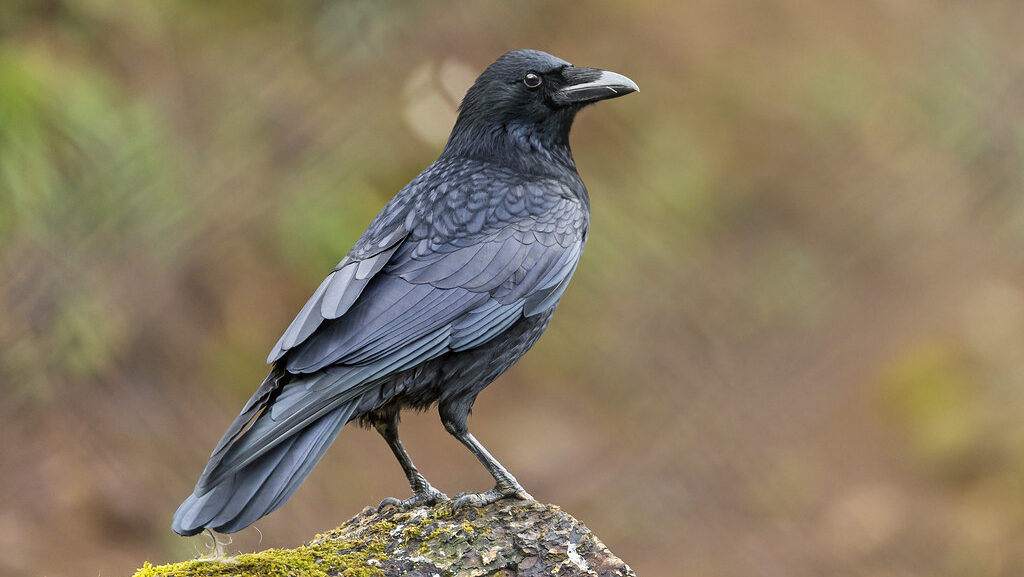
The intelligence of crows has fundamentally transformed birdwatching from a hobby centered on identification and listing to a multidimensional pursuit that engages with the cognitive lives of birds. This shift represents more than just a new trend in a traditional pastime—it reflects a broader reevaluation of how we understand and relate to the minds of non-human animals. By recognizing crows as thinking beings with complex social lives, problem-solving abilities, and awareness of human individuals, birdwatchers have pioneered a more intellectually and ethically nuanced approach to wildlife observation. As this cognitive revolution continues to spread throughout birdwatching communities, it promises to enrich our connection to the natural world, reminding us that we share our environment not just with biological specimens to be identified and cataloged, but with other minds experiencing and adapting to the world in their own remarkable ways.