

Birds are extraordinary creatures, mastering the art of flight through millions of years of evolution. While we often focus on their wings, feathers, and aerodynamic bodies, one crucial aspect of avian flight often goes unnoticed: their nostrils. These small openings, technically called nares, play vital roles during flight that extend far beyond simple breathing. From regulating airflow to detecting vital environmental cues, a bird’s nostrils are sophisticated instruments that contribute significantly to their aerial prowess. This article explores the fascinating functions of avian nostrils during flight, revealing how these small anatomical features address numerous challenges birds face while navigating the skies.
The Anatomy of Avian Nostrils

Bird nostrils, or nares, come in various shapes and positions depending on the species and their evolutionary adaptations. In most birds, these openings are located at the base of the bill, though their exact position varies widely across species. Some birds, like kiwis, have nostrils positioned at the tip of their beak, while others, including many seabirds, have tube-shaped nostrils on top of their bills. The internal structure of avian nostrils is complex, containing conchae (scroll-like structures) that increase the surface area and filter incoming air. These anatomical variations directly influence how birds breathe during flight and reflect adaptations to their specific ecological niches and flying demands. The specialized tissues lining the nasal cavities serve multiple functions, including warming, humidifying, and cleaning the air before it reaches the lungs.
Respiratory Efficiency During Flight

During flight, birds face the extraordinary challenge of maintaining efficient respiration while engaging in one of the most energetically demanding activities in the animal kingdom. Their nostrils play a critical role in this process by precisely controlling airflow into their unique respiratory system. Unlike mammals, birds possess a unidirectional breathing system with air sacs that allow for constant oxygen uptake during both inhalation and exhalation. The nostrils help regulate this airflow, with many species able to adjust the size of their nasal openings during different flight phases. This remarkable adaptation ensures maximum oxygen extraction even during high-altitude flight where oxygen is scarce. Some high-flying species like bar-headed geese, which migrate over the Himalayas, rely heavily on their specialized nostril structures to extract sufficient oxygen from the thin air at elevations exceeding 20,000 feet.
Heat Regulation Through Nasal Passages

Bird nostrils serve as crucial heat exchangers during flight, helping to maintain optimal body temperature despite varying atmospheric conditions. As birds fly, the air rushing through their nostrils passes over highly vascularized nasal tissues, facilitating efficient heat transfer. During cold-weather flying, the incoming air is warmed before reaching the lungs, conserving valuable body heat in challenging conditions. Conversely, in hot environments, birds can increase blood flow to nasal tissues to dissipate excess heat through their breath. This thermoregulatory function is particularly important for migratory species that encounter dramatic temperature variations during their journeys across continents. The complex turbinate structures within the nasal passages maximize the surface area available for this heat exchange, creating a sophisticated temperature regulation system that operates automatically during flight.
Pressure Equalization at Varying Altitudes

Birds often experience dramatic altitude changes during flight, creating potential pressure differentials that could damage sensitive tissues in their respiratory and auditory systems. Their nostrils play a vital role in equalizing these pressures through connections to air sacs and middle ear spaces. As a bird ascends or descends, air flows through specialized channels connecting the nasal passages to air-filled cavities throughout the skull. This continuous pressure equalization happens automatically, preventing the discomfort and potential damage that humans might experience without intentional ear-popping techniques. Birds that undergo extreme altitude changes, such as peregrine falcons during hunting dives or vultures riding thermal columns, have particularly effective nostril structures for rapid pressure adaptation. This adaptation allows them to transition between different atmospheric pressures without the physiological limitations that would affect other animals.
Specialized Adaptations in Seabirds
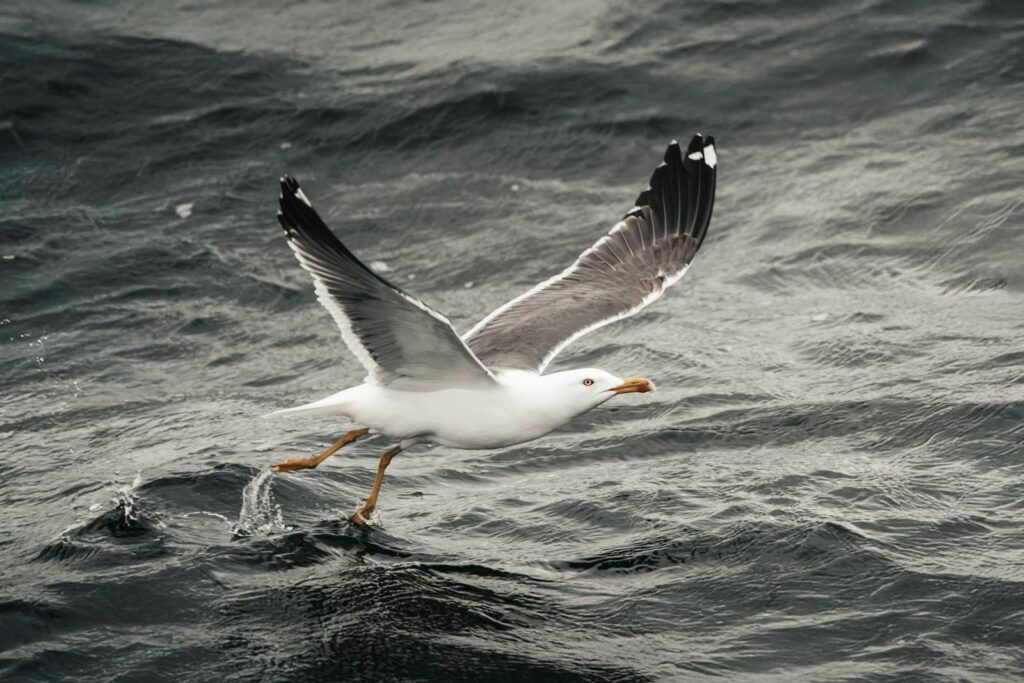
Seabirds exhibit remarkable nostril adaptations specifically evolved for their oceanic lifestyle and flying conditions. Many species, including albatrosses, petrels, and shearwaters, possess tubular nostrils on top of their bills that serve multiple flight-related functions. These tube-nosed structures excel at removing salt from inhaled sea spray, protecting their respiratory system during long oceanic flights. The unique design also helps these birds detect subtle scent molecules of prey and navigation cues even while flying at high speeds over seemingly featureless ocean expanses. Additionally, the tubular structure creates a protective baffle against water intrusion during plunge-diving or when skimming wave tops in rough seas. These specialized nostril adaptations represent one of the most visible examples of how flying birds have evolved respiratory interfaces specifically tailored to their environmental challenges.
Nostrils and Navigation: Olfactory Function

For many birds, the nostrils serve as critical sensory organs during flight, collecting airborne scent molecules that aid in navigation and food location. This olfactory function is particularly important for certain species like vultures, kiwis, and many seabirds that rely heavily on smell to locate resources across vast distances. During flight, specialized receptors within the nasal passages can detect incredibly dilute scent molecules carried on air currents, creating a three-dimensional olfactory map. Turkey vultures, for example, can detect the scent of decaying carcasses from over a mile away while soaring on thermals, their nostrils constantly sampling the air for these critical cues. Recent research suggests that even migratory birds may use olfactory landmarks detected through their nostrils to complement other navigation systems such as magnetoreception and celestial cues, particularly when flying over oceanic regions with few visual references.
Air Speed and Nostril Design
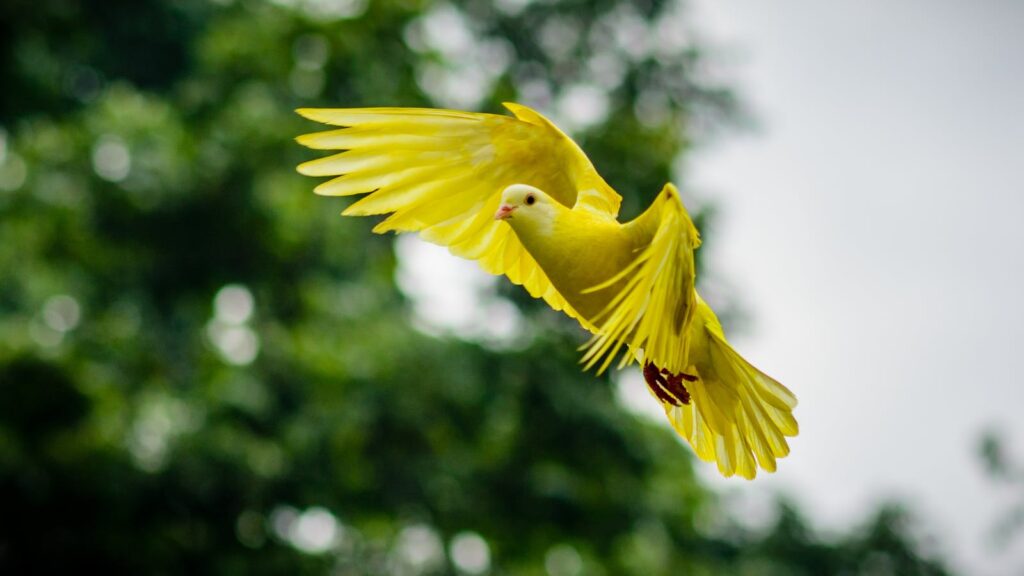
The shape and position of avian nostrils are often directly related to a bird’s typical flying speed and style, demonstrating remarkable aerodynamic adaptations. Fast-flying species like falcons and swifts tend to have small, recessed nostrils that minimize drag while allowing sufficient airflow for respiration during high-speed flight. These nostril designs prevent the discomfort and respiratory disturbance that would result from air being forced into the respiratory system at excessive pressures. Conversely, slower-flying birds often possess more prominent, open nostrils that maximize air intake without aerodynamic concern. Some species have evolved specialized structures around their nostrils that act as natural pitot tubes, using the pressure differential between moving and still air to sense their airspeed. This internal airspeed indicator helps birds make continuous flight adjustments without relying solely on visual cues, particularly valuable when navigating through changing wind conditions.
Filtering Mechanisms During Flight

Bird nostrils contain sophisticated filtering mechanisms that protect their respiratory system during flight through various environmental conditions. Specialized feathers, bristles, and membranes around the nostril openings trap dust, insects, and other airborne particles that could otherwise damage delicate lung tissues. In many species, these filters can be adjusted depending on flying conditions, opening more fully in clean air and partially closing when flying through smoke, dust, or precipitation. Desert-dwelling birds often have particularly advanced filtering systems to prevent sand and dust inhalation during flight over arid landscapes. Similarly, birds that fly through smoky conditions, such as those navigating forest fires to hunt fleeing insects, can partially restrict their nostrils to limit smoke exposure while maintaining sufficient oxygen intake for powered flight.
Moisture Conservation in Flight
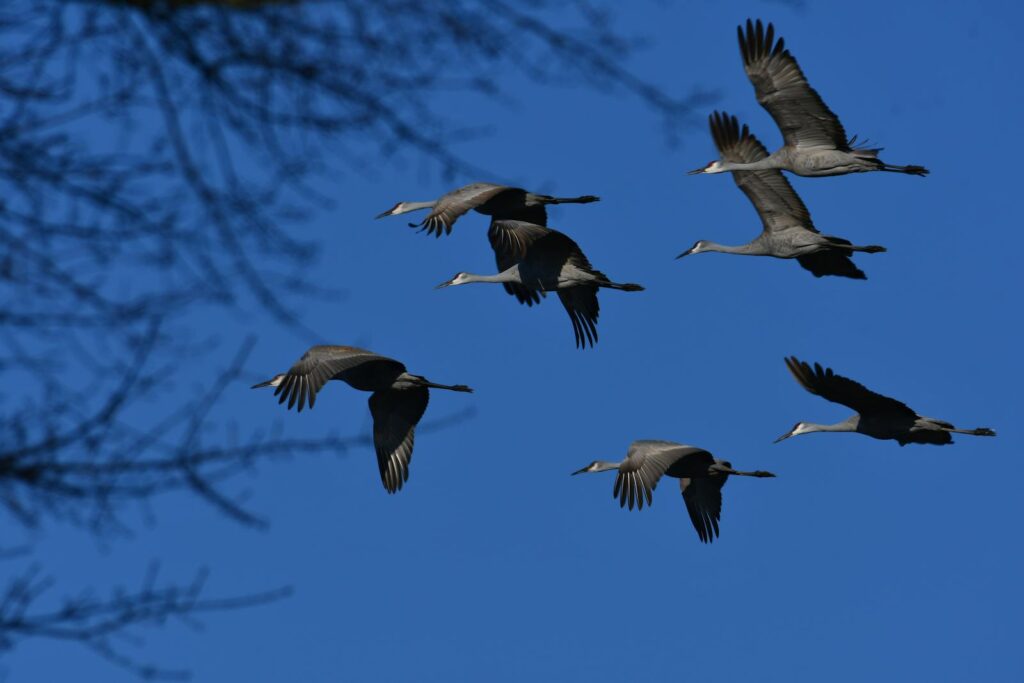
Flying exposes birds to significant water loss through respiration, particularly during long migratory journeys or when traversing arid regions. Their nostrils have evolved specialized adaptations to conserve moisture during these challenging flights. The convoluted internal structure of nasal passages allows moisture from exhaled air to condense on the surfaces, where it can be reabsorbed or redirected back into the body rather than lost to the atmosphere. This moisture-conserving mechanism is particularly developed in desert-dwelling species and long-distance migrants that may fly for days with limited access to drinking water. Some seabirds have evolved nasal glands near their nostrils that extract excess salt from their body fluids, producing a concentrated solution that drips from their nostrils during flight rather than using precious body water to dilute and excrete salt through kidneys. These adaptations dramatically extend flying range by reducing the physiological demands of water balance during sustained flight.
Communication Through Nasal Structures

Certain birds use their nostrils and associated structures as communication devices during flight, adding another dimension to their aerial capabilities. Species like frigatebirds and some vultures can inflate bright red throat pouches connected to their nasal system, creating dramatic visual displays visible to other birds even at considerable distances while soaring. Prairie chickens and sage grouse produce distinctive sounds by forcing air through specialized nasal structures during display flights, complementing their visual displays with audio signals that carry across their open habitats. In several pigeon and dove species, air passing through modified nostril structures during rapid wing beats creates whistling sounds that serve as flight identification signals within flocks. These communication adaptations illustrate how birds have evolved to use their respiratory anatomy not just for physiological needs but also for social signaling during flight, demonstrating the remarkable evolutionary flexibility of these structures.
Adaptations for High-Altitude Flight

Birds that routinely fly at high altitudes face extreme respiratory challenges that have driven specific nostril adaptations. Species like bar-headed geese, which migrate over the Himalayas at heights exceeding 29,000 feet, possess enlarged nostril openings and nasal passages that maximize oxygen intake in the thin air. Their nasal structures contain unusually dense networks of blood vessels positioned close to the surface, enhancing oxygen extraction from each breath taken during these challenging flights. The internal geometry of their nasal passages creates airflow patterns that increase residence time of each breath, allowing more complete oxygen absorption even at altitudes where humans would quickly lose consciousness without supplemental oxygen. Additionally, these high-flying species can adjust blood flow to their nasal tissues during flight, prioritizing oxygen uptake over other nostril functions like filtering or scent detection when flying through oxygen-depleted air at extreme elevations.
Evolutionary Insights from Nostril Design

The diversity of bird nostril designs offers fascinating insights into their evolutionary history and relationship to dinosaur ancestors. Paleontological evidence shows clear continuity between the nostril structures of certain theropod dinosaurs and modern birds, with similar positioning and presumed respiratory functions. The migration of nostrils toward the base of the bill in most flying birds represents an adaptation specifically for flight aerodynamics that wasn’t necessary in their ground-dwelling ancestors. Comparative studies between flightless birds and their flying relatives reveal how nostril form follows function—flying species typically show more aerodynamic nostril designs while ground-dwellers like kiwis have nostrils optimized for scent detection rather than airflow management. These evolutionary patterns demonstrate how the seemingly simple feature of a nostril opening represents millions of years of adaptive refinement, with each species’ nostril design telling a story about its ecological niche and locomotion strategy.
Future Research and Biomimetic Applications
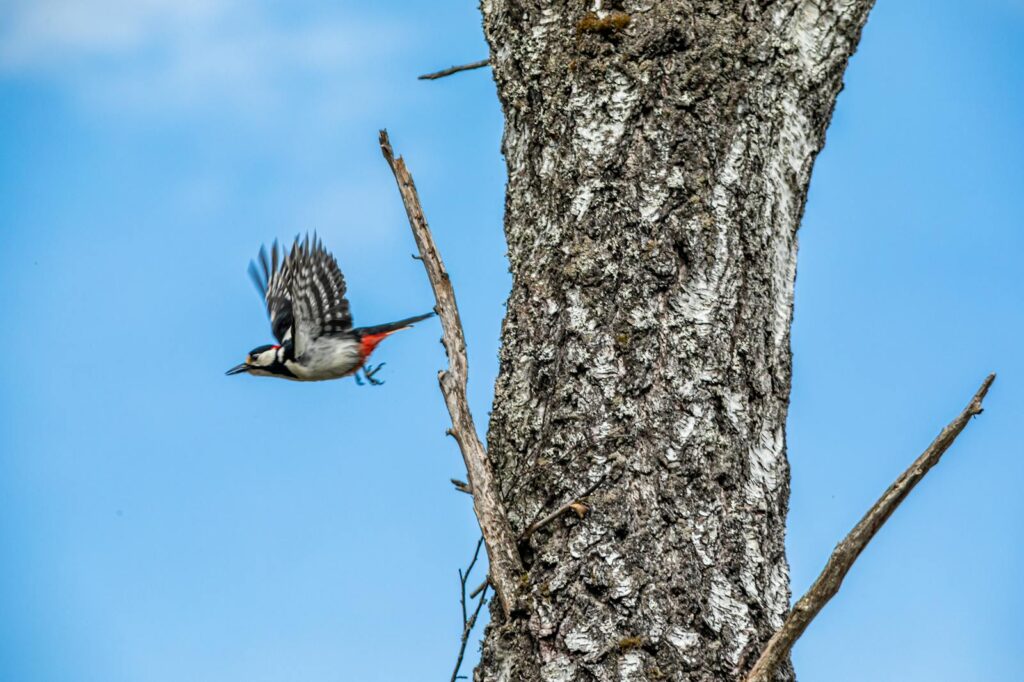
The sophisticated respiratory interfaces that birds have evolved through their nostril systems hold significant potential for biomimetic applications in human technology. Engineers studying bird nostril aerodynamics are developing improved ventilation systems for aircraft that mimic the passive pressure regulation found in avian nasal structures. Respiratory medical devices inspired by the heat and moisture exchange capabilities of bird nostrils show promise for patients requiring breathing assistance in varying environmental conditions. Conservation biologists are using detailed understanding of species-specific nostril functions to better monitor how air pollution and climate change might affect different birds’ ability to navigate and maintain respiratory efficiency during migration. As research tools become more sophisticated, allowing non-invasive study of airflow through bird nostrils during actual flight, our understanding of these remarkable adaptations continues to deepen, offering new insights into both avian biology and potential technological applications.
The nostrils of birds represent far more than simple breathing holes—they are sophisticated multifunctional instruments that enable their remarkable aerial lifestyles. From regulating airflow and body temperature to sensing environmental cues and equalizing pressure, these small anatomical features solve numerous challenges birds face while flying. The diversity of nostril designs across species reflects the varied evolutionary pressures that have shaped birds for different flight styles, habitats, and ecological niches. As we continue to study these adaptations, we gain not only greater appreciation for avian biology but also inspiration for human technologies that might benefit from nature’s elegant solutions. The next time you observe a bird in flight, consider the invisible but crucial role its nostrils play in that magnificent aerial journey—a small but vital component of one of nature’s greatest evolutionary achievements.