

Birds have always captivated human imagination with their remarkable ability to navigate across continents with pinpoint accuracy. For decades, ornithologists and casual birdwatchers alike wondered how these creatures could find their way during migrations spanning thousands of miles. The discovery that birds can sense Earth’s magnetic field has revolutionized our understanding of avian navigation and is now transforming birdwatching practices worldwide. This fascinating intersection of biology, physics, and recreational hobby is opening new frontiers in how we observe, track, and appreciate our feathered friends.
The Magnetic Sense: Nature’s Hidden Compass

Birds possess an extraordinary ability known as magnetoreception—the capacity to detect Earth’s magnetic field and use it for orientation and navigation. This sixth sense allows species like European robins, indigo buntings, and various migratory warblers to undertake epic journeys with remarkable precision, even on overcast nights when celestial navigation is impossible. Scientists believe birds perceive magnetic fields through specialized cells containing magnetite (a naturally magnetic mineral) or through light-sensitive proteins called cryptochromes in their eyes. This biological compass gives birds crucial directional information, helping them maintain correct headings during long-distance migrations and distinguishing between magnetic north and south. Understanding this mechanism has completely transformed our perception of birds from simple creatures guided by instinct to sophisticated navigators with sensory capabilities that humans can only detect with advanced instruments.
The Scientific Breakthrough: Quantum Biology at Work
The revelation that birds might use quantum effects to perceive magnetic fields represents one of the most exciting frontiers in modern biology. Researchers have discovered that cryptochromes in birds’ retinas undergo quantum entanglement when struck by blue light, creating pairs of electrons that are sensitive to magnetic fields. This quantum coherence, maintained in a warm, wet, and noisy biological environment, was previously thought impossible outside laboratory conditions. The discovery has spawned an entirely new field called quantum biology, bridging the gap between quantum physics and biological systems. These findings suggest birds essentially “see” magnetic fields as visual patterns overlaid on their normal vision, rather than sensing them as humans sense touch or taste. This revolutionary understanding has forced scientists to reconsider fundamental assumptions about sensory perception and has opened new avenues for understanding other mysterious animal behaviors.
Tech-Enhanced Birdwatching: Magnetic Field Awareness
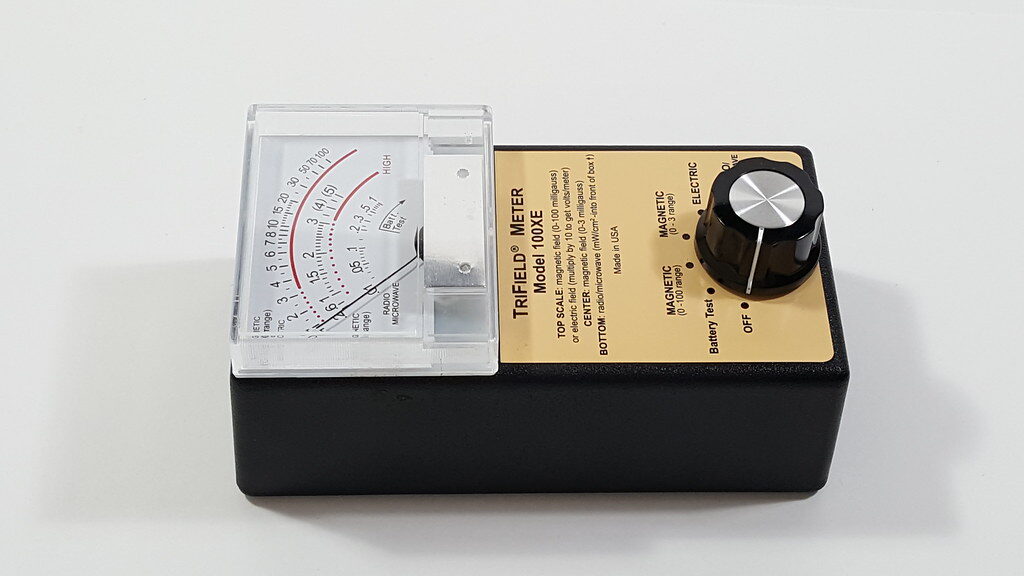
Armed with knowledge about birds’ magnetic sensing abilities, innovative birdwatchers are now incorporating magnetic field data into their observation strategies. Specialized apps have emerged that display real-time magnetic field conditions, allowing enthusiasts to predict how birds might behave or move in response to magnetic fluctuations. These tools overlay geomagnetic information with traditional birding maps, creating a more comprehensive picture of avian movement patterns. Some advanced birders carry portable magnetometers that measure local magnetic field variations, correlating unusual bird behaviors with changes in magnetic conditions. This technological integration has created an entirely new dimension to birdwatching, transforming it from a purely visual activity to one that considers invisible forces affecting bird behavior. By accounting for magnetic influences, birdwatchers report increased success in spotting rare species and witnessing fascinating behaviors that might otherwise go unnoticed.
Migration Forecasting: Predicting Bird Movements

Understanding birds’ magnetic sensitivity has dramatically improved migration forecasting capabilities. Ornithologists now incorporate geomagnetic data alongside traditional meteorological information to predict when and where birds will move during migration seasons. This enhanced forecasting considers factors like magnetic storms, polar shifts, and local magnetic anomalies that might influence birds’ navigational decisions. Citizen scientists contribute to these efforts by reporting observations that correlate bird movements with magnetic conditions, building comprehensive databases that improve predictive models. Serious birdwatchers now consult “migration magnetism forecasts” similar to how surfers check wave reports, planning their excursions for optimal viewing opportunities. For conservation organizations, these forecasts have proven invaluable for scheduling habitat protections during critical migration periods and for timing bird counts to maximize accuracy in population assessments.
Magnetic Anomalies: Hotspots for Rare Bird Sightings

Birdwatchers are increasingly targeting locations with unusual magnetic properties, which can disrupt birds’ navigation and create unexpected viewing opportunities. These magnetic anomalies—areas where the Earth’s magnetic field differs from the regional norm due to mineral deposits, geological features, or human-made structures—can confuse migrating birds and cause them to congregate or pause in these locations. Experienced birders now catalogue these “magnetic hotspots” and share them within the birdwatching community as prime locations for observing rare or off-course species. Some dedicated enthusiasts have created maps highlighting natural magnetic anomalies near important flyways, predicting where disoriented birds might appear during migration seasons. This knowledge has led to the discovery of previously unknown stopover sites and has helped identify critical habitat that might need protection. By understanding how magnetic anomalies affect bird behavior, birdwatchers have gained valuable insights into the challenges birds face during their journeys.
Timing Matters: Magnetic Field Fluctuations and Bird Activity

Solar storms and geomagnetic disturbances can significantly affect birds’ magnetic perception, creating unique viewing opportunities that savvy birdwatchers now track. During periods of heightened solar activity, when charged particles bombard Earth’s magnetic field, birds may exhibit altered behavior patterns as their magnetic compass temporarily malfunctions. Birdwatching communities have begun monitoring space weather reports and solar activity predictions alongside their regular weather forecasts to anticipate these effects. These geomagnetic events sometimes force birds to rely on visual landmarks rather than magnetic cues, changing their flight patterns and congregation behaviors. Experienced birders report that dawn observations following geomagnetic storms can yield sightings of confused migrants resting in unexpected locations or flying along unusual routes. This awareness of the relationship between cosmic events and bird behavior represents a fascinating evolution in birdwatching knowledge, connecting terrestrial observation with astronomical phenomena.
Citizen Science Revolution: Magnetic Monitoring Networks

The birdwatching community has embraced magnetic field awareness through citizen science initiatives that monitor both bird behavior and magnetic conditions. Volunteer networks equipped with consumer-grade magnetometers record local magnetic field data alongside traditional bird observations, creating unprecedented datasets that link avian behavior to geomagnetic conditions. These collaborative efforts have established early warning systems for unusual bird movements triggered by magnetic field fluctuations, alerting birdwatchers to potential rare sighting opportunities. University researchers actively recruit experienced birders to help document correlations between magnetic anomalies and bird behavior, bridging the gap between academic science and recreational observation. The resulting databases help scientists understand how different species respond to magnetic cues and how anthropogenic electromagnetic pollution might affect bird navigation. By participating in these networks, birdwatchers contribute valuable scientific information while enhancing their own observation skills and success rates.
Conservation Implications: Protecting Magnetic Navigation Routes

Understanding birds’ reliance on magnetic fields has introduced new considerations for conservation efforts focused on protecting migratory routes. Conservationists now recognize that electromagnetic pollution from power lines, radio towers, and urban development may disrupt birds’ ability to navigate effectively, creating invisible barriers to migration. Forward-thinking wildlife management now includes assessments of electromagnetic environments when designing bird sanctuaries and protected corridors. Birdwatchers have become powerful advocates for “magnetic conservation,” pushing for regulations that limit electromagnetic interference in critical bird habitats and along major flyways. Some wildlife refuges have begun creating “magnetically clean” zones where artificial electromagnetic fields are minimized, providing safe passage for magnetically sensitive species. This evolving approach to conservation acknowledges that habitat protection must extend beyond physical land preservation to include the invisible magnetic landscape that birds depend upon for navigation.
Technological Innovations: New Tools for Magnetic Birdwatching

The integration of magnetic awareness into birdwatching has spurred development of specialized equipment designed specifically for this emerging practice. Compact, field-ready magnetometers with smartphone connectivity allow birdwatchers to measure local magnetic conditions and correlate them with bird behavior in real time. Advanced binoculars with built-in magnetometric displays overlay magnetic field information directly into the visual field, helping observers understand how birds might perceive their environment. Software developments include augmented reality applications that visualize magnetic field lines at birdwatching locations, creating a more immersive understanding of the invisible forces affecting bird movement. Wearable technology for serious birders now incorporates geomagnetic sensors alongside traditional GPS and weather monitoring capabilities, creating comprehensive field data collection systems. These technological innovations have transformed birdwatching equipment from simple optical aids to sophisticated environmental analysis tools, reflecting the increasingly scientific nature of this popular hobby.
Ethical Considerations: Respecting Birds’ Magnetic Sensitivity

As knowledge about birds’ magnetic sensitivity grows, the birdwatching community has begun developing ethical guidelines regarding human activities that might interfere with this crucial sense. Responsible birders now avoid using equipment that generates strong electromagnetic fields in sensitive habitats, recognizing that such interference might disorient birds as severely as loud noises or physical disturbances. Conservation-minded birdwatching groups advocate against the placement of cell towers and high-voltage power lines near critical migration corridors, citing evidence of their disruptive effects on magnetic navigation. Birdwatching tourism organizations increasingly select observation sites that minimize electromagnetic interference, allowing for more natural behavior observation. Educational programs teach new birdwatchers about electromagnetic ethics alongside traditional wildlife viewing etiquette, emphasizing the importance of maintaining magnetically pristine environments. This evolving ethical framework demonstrates how scientific understanding directly influences recreational practices, creating more responsible interaction between humans and the avian world.
Educational Transformation: Teaching Magnetic Awareness

Birdwatching education has undergone significant transformation with the inclusion of magnetic field science in training programs and field guides. Modern bird identification courses now cover not just visual and auditory identification but also behavioral patterns associated with magnetic perception and navigation. Innovative field guides include sections on geomagnetic conditions that affect specific species, helping observers anticipate and interpret behaviors previously considered mysterious or random. Birdwatching workshops increasingly incorporate basic physics lessons explaining how Earth’s magnetic field functions and how birds perceive it, making complex scientific concepts accessible to amateur naturalists. Educational leaders in the birdwatching community create visualization exercises that help beginners imagine what birds might “see” when perceiving magnetic fields, fostering deeper connection and understanding between humans and birds. This educational evolution reflects a broader trend toward more scientifically informed nature observation, elevating birdwatching from casual hobby to sophisticated citizen science.
The Future of Magnetic Birdwatching: Emerging Frontiers

The integration of magnetic awareness into birdwatching continues to evolve rapidly, with several exciting developments on the horizon. Researchers are developing non-invasive techniques to temporarily alter local magnetic fields in safe, controlled ways to study bird responses, potentially creating ethical viewing opportunities for rare behaviors. Satellite-based magnetic field mapping is becoming more precise, allowing for predictive models that could forecast bird movements with unprecedented accuracy weeks in advance. The growing field of magnetic ecology examines how entire ecosystems are influenced by geomagnetic conditions, suggesting birdwatching might eventually expand to observe these broader ecological responses. Neuroscience advancements are bringing us closer to understanding exactly how birds consciously experience magnetic fields, which could revolutionize how birdwatchers interpret and appreciate avian behavior. These developments suggest magnetic birdwatching will continue to grow more sophisticated, blending traditional observation with cutting-edge science to create a deeper connection between humans and the birds they study.
Conclusion

The discovery of birds’ magnetic sensing abilities has transformed birdwatching from a purely observational activity into a multidimensional practice that considers invisible forces shaping avian behavior. As birdwatchers incorporate magnetic awareness into their techniques, they gain deeper insights into the remarkable capabilities of these creatures and the challenges they face in an increasingly electromagnetically complex world. This scientific revolution has enriched the birdwatching experience, creating stronger connections between recreational observation and serious conservation. By understanding and respecting birds’ magnetic perception, we not only improve our chances of successful sightings but also develop greater appreciation for the sophisticated sensory worlds that exist beyond human perception. The future of birdwatching looks brighter—and more magnetically aware—than ever before.