

Birds are remarkable architects, creating nests that range from simple scrapes in the ground to elaborate, woven structures that can withstand the elements for years. While many people assume birds always build fresh nests for each breeding season, the reality is far more nuanced. Some avian species are thrifty recyclers, returning to and refurbishing their old homes year after year, while others refuse to reuse nests under any circumstances. This fascinating aspect of bird behavior reveals much about their evolution, ecological adaptations, and even their cognitive abilities. Whether it’s a massive eagle’s nest that grows larger each season or a hummingbird’s tiny cup that’s abandoned after a single use, nest reuse strategies reflect the diverse lifestyles and survival techniques of birds worldwide.
The Evolutionary Advantages of Nest Reuse
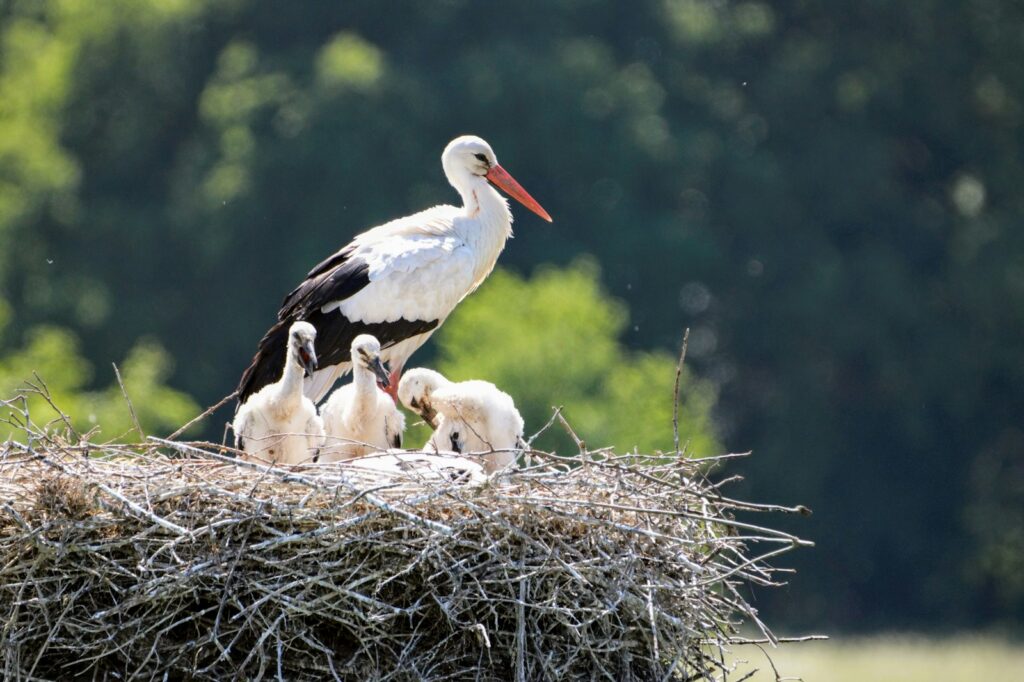
Reusing nests offers several significant evolutionary advantages that have shaped bird behavior over millions of years. The most obvious benefit is energy conservation, as building a nest from scratch requires substantial time and physical effort that could otherwise be directed toward mating, defending territory, or gathering food. For large raptors like eagles, whose nests can weigh hundreds of pounds, the energy savings are particularly significant. Additionally, experienced birds that reuse nests often enjoy earlier breeding starts compared to those building new structures, which can translate to more successful broods and greater offspring survival rates. Research has also shown that familiar nest sites may provide psychological comfort to returning birds, reducing stress during the vulnerable breeding period and potentially improving reproductive outcomes.
Eagles: Master Nest Recyclers
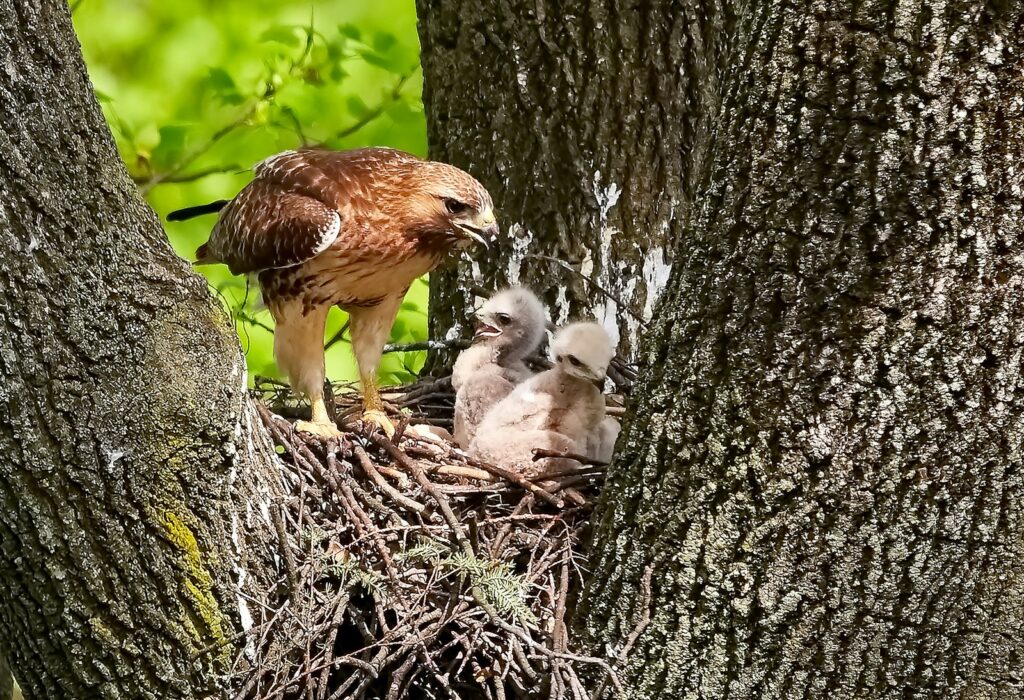
Bald eagles and golden eagles are among the most dedicated nest reusers in the avian world, returning to the same structures for decades. These massive nests, called eyries, are continuously expanded and renovated each breeding season, with new materials added to strengthen and enlarge the structure. The oldest documented eagle nests have been in continuous use for over 30 years and can reach dimensions of up to 10 feet in diameter, 20 feet deep, and weigh more than two tons. Eagles typically maintain several nests within their territory, rotating between them in different years—a strategy that helps reduce parasite loads while maintaining familiar breeding sites. The investment in these enormous structures makes evolutionary sense, as eagles can live for 20-30 years and form long-term pair bonds, making their nests multigenerational family homes.
Barn Swallows and Their Mud Homes
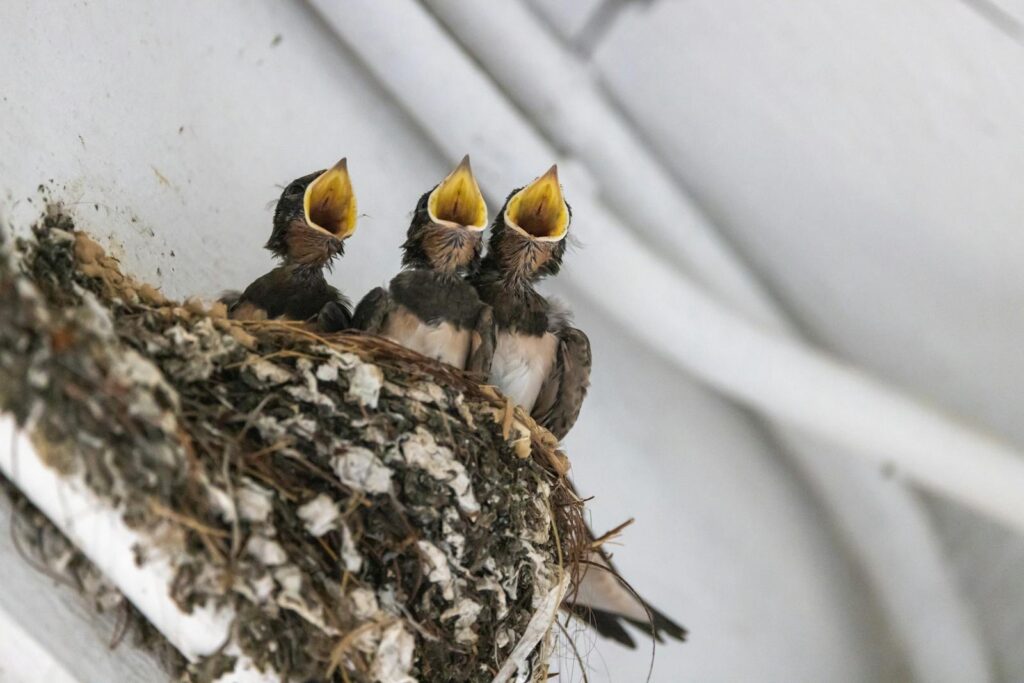
Barn swallows demonstrate fascinating nest reuse behaviors centered around their distinctive mud cup nests. These skilled aerial insectivores construct their homes by gathering hundreds of mud pellets and mixing them with grass to create remarkably durable structures attached to buildings, bridges, or cliff faces. Rather than building entirely new nests each year, returning barn swallows typically refurbish their previous year’s nests, repairing damaged sections and adding fresh mud linings. Research has shown that pairs returning to established nests can begin breeding up to 10 days earlier than those constructing new homes, providing a significant reproductive advantage. Interestingly, barn swallows show strong site fidelity, with over 60% of adults returning to the same colony and many reclaiming the same nest they used previously, suggesting these birds have excellent spatial memory.
Woodpeckers: Cavity Creators and Reusers
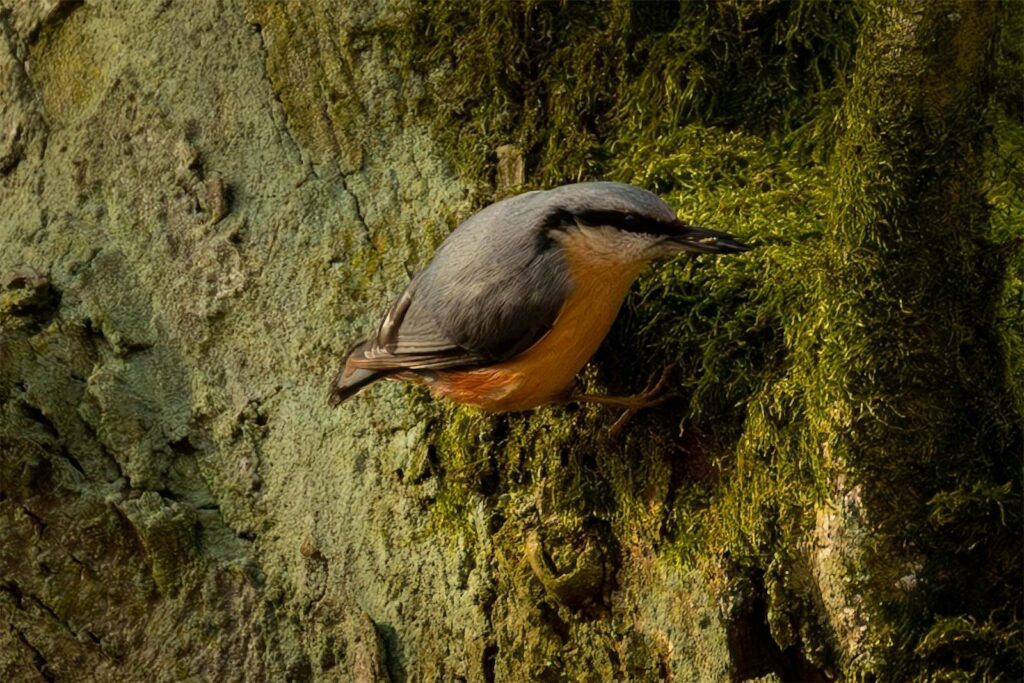
Woodpeckers have a complex relationship with nest reuse that varies significantly among species. Many woodpecker species excavate new nesting cavities each year, seemingly abandoning perfectly good homes from previous seasons. This behavior appears wasteful until you consider that old woodpecker cavities become essential housing for secondary cavity nesters like bluebirds, chickadees, and flying squirrels that cannot create their own holes. However, some woodpecker species do reuse cavities, particularly in habitats where suitable trees for excavation are limited. The flicker, for instance, will sometimes reclaim and renovate its previous nests rather than creating new ones. Acorn woodpeckers take reuse to another level—these communal nesters maintain “granary trees” riddled with storage and nesting cavities that serve as generational family compounds used for decades.
Hummingbirds: The One-and-Done Nesters
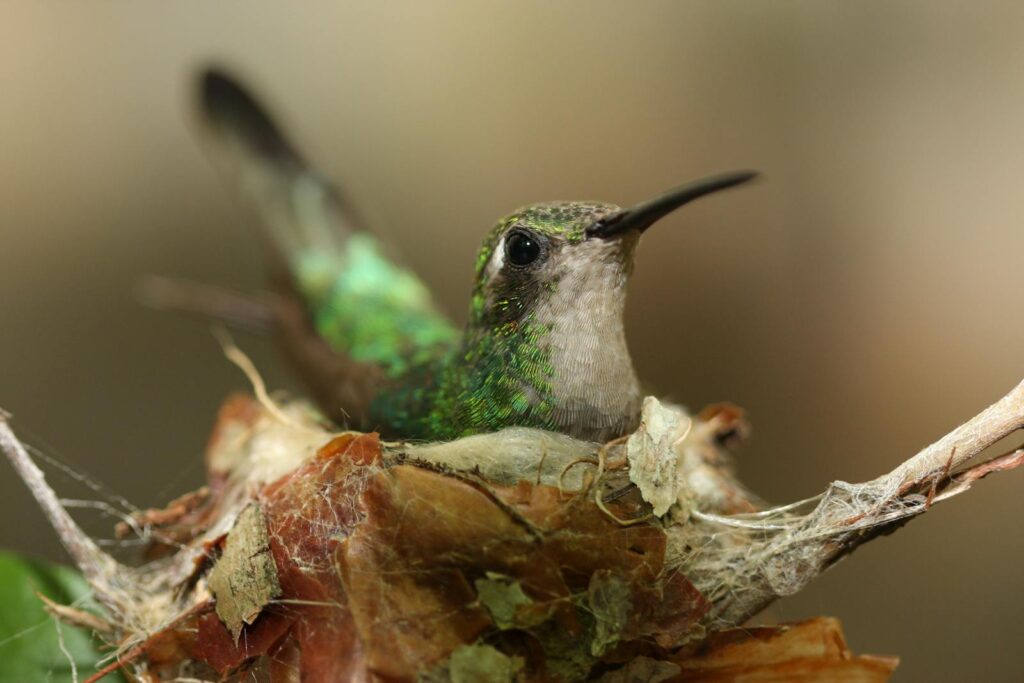
Hummingbirds represent the opposite end of the nest reuse spectrum, rarely if ever returning to their previous nests. These tiny birds construct some of the most intricate nests in the avian world, using spider silk as “glue” to bind plant materials, lichen, and moss into elastic cups that can expand as nestlings grow. Despite the craftsmanship involved, female hummingbirds (who build nests without male assistance) abandon these structures after a single breeding cycle. The primary reason appears to be structural degradation—the elements quickly compromise these small, delicate nests made primarily of organic materials. Additionally, parasite accumulation poses a serious threat to tiny hummingbird nestlings, making fresh construction a healthier option. Some species, like the Ruby-throated Hummingbird, may build their new nests on top of old ones, creating a stack of abandoned nurseries rather than truly reusing them.
Nest Parasites: The Hidden Driver of Nest Abandonment
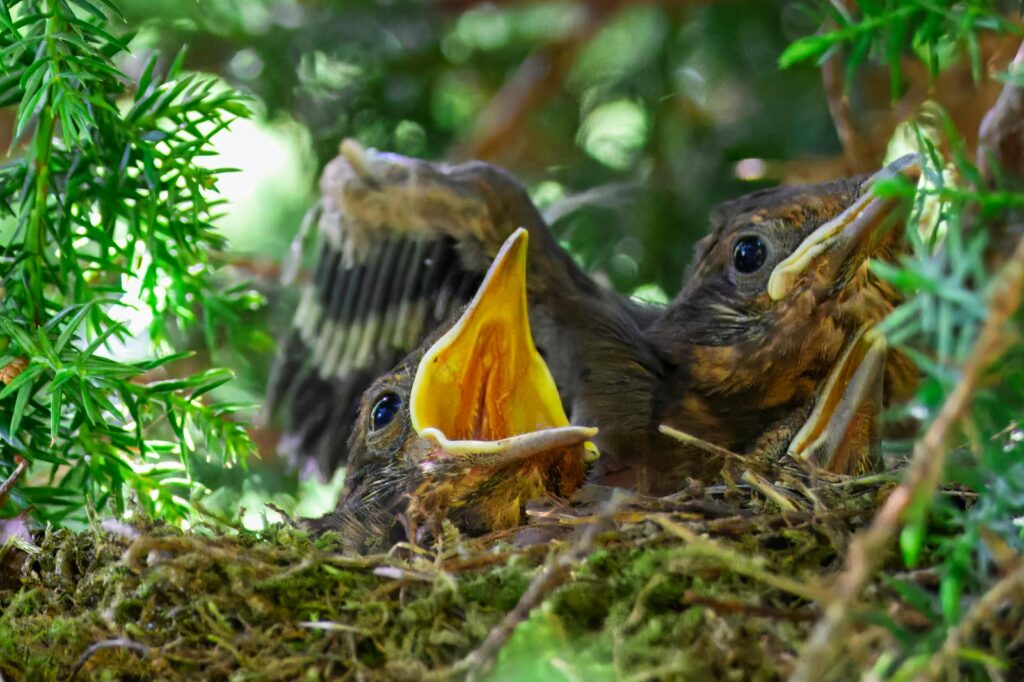
Parasites represent one of the most significant factors influencing whether birds reuse their nests. Used nests often harbor mites, fleas, flies, and other ectoparasites that can severely impact nestling survival and adult health. Studies have shown that in some species, parasite loads can reduce nestling weight by up to 50% and significantly increase mortality rates. Birds have evolved various strategies to combat this threat, with nest abandonment being perhaps the most effective. Species that do reuse nests often engage in extensive cleaning and renovation behaviors, including removing old nesting material, incorporating fresh aromatic herbs with antimicrobial properties, and performing “nest fumigation” by bringing in materials like cigarette butts whose nicotine acts as a natural pesticide. The balance between energy conservation through nest reuse and parasite avoidance helps explain the diverse approaches birds take to nest reoccupation.
Colonial Nesters and Their Reuse Patterns
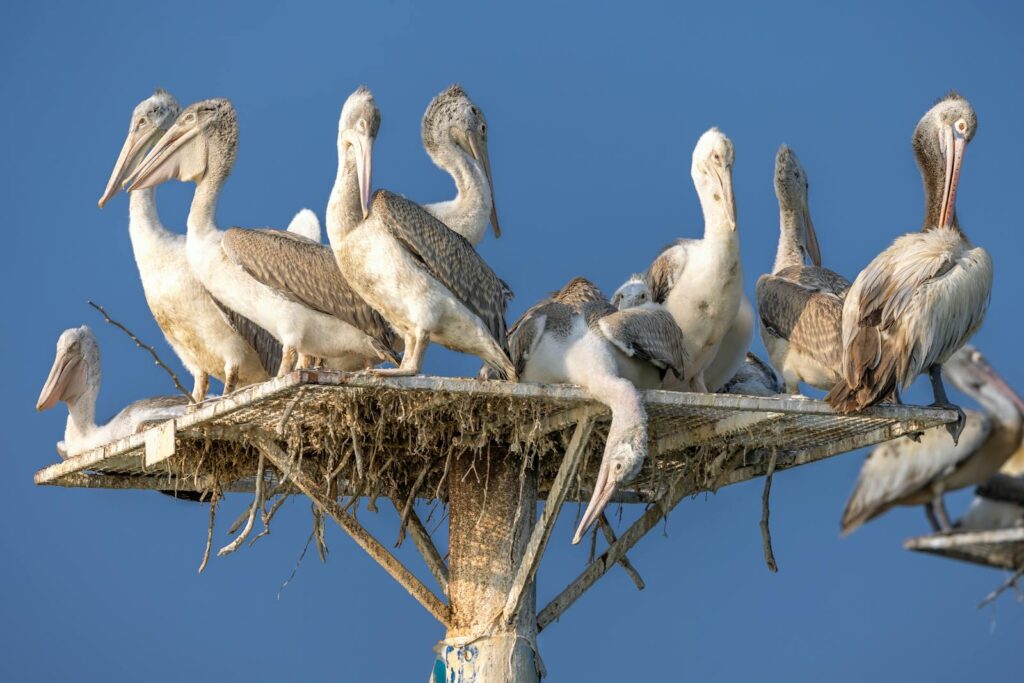
Birds that nest in colonies display particularly interesting patterns of nest reuse influenced by social dynamics. Cliff swallows, for example, build conical mud nests in dense colonies, and studies show that individuals preferentially claim previously used nests rather than building new ones, with the highest-quality nests (those with successful breeding histories) being most sought after. This creates a competitive environment where early-arriving birds claim the best recycled nests. Seabirds like gannets and albatrosses, which form massive breeding colonies on islands, typically return to the exact same nest site year after year, often reuniting with the same mate. These long-lived species invest heavily in nest maintenance, gradually building up nest mounds over decades. Colony nesting appears to increase the likelihood of nest reuse, possibly because the collective presence of many birds reduces predation risk, making established nesting sites particularly valuable.
Raptors Beyond Eagles: Hawks, Owls, and Osprey

Many raptor species beyond eagles demonstrate strong nest reuse tendencies, though with interesting variations. Ospreys are particularly dedicated nest recyclers, with pairs returning to the same nest year after year, adding new materials each season until structures can reach six feet in diameter and weigh hundreds of pounds. Red-tailed hawks typically maintain several nests within their territory and rotate between them, a strategy that helps manage parasite loads while maintaining familiar sites. Great horned owls take a different approach—they rarely build their own nests, instead reusing the abandoned nests of other large birds, particularly those built by hawks and crows. This nest “theft” is so common that great horned owls are sometimes called “the tenants of the bird world.” Among smaller raptors, American kestrels readily reuse natural cavities or nest boxes but avoid sites where previous breeding attempts failed, suggesting they remember and learn from past experiences.
House Finches and Other Songbird Reusers
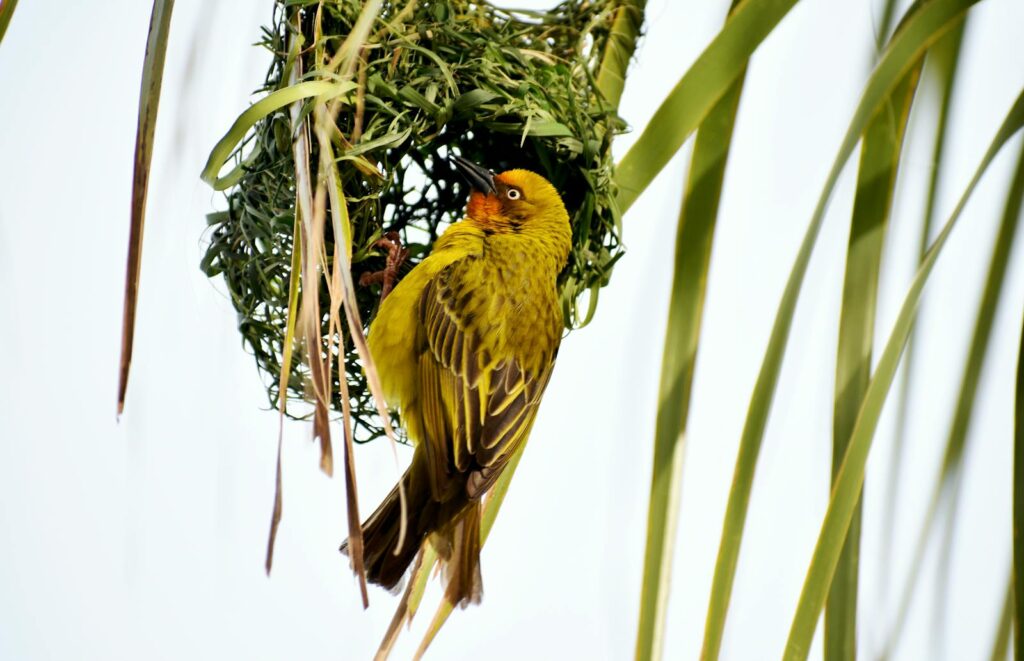
While many songbirds build new nests for each breeding attempt, house finches stand out for their willingness to reuse nests multiple times. These adaptable birds will not only reuse their own nests from previous seasons but may also refurbish abandoned nests of other species. House finches often raise multiple broods in a single season, sometimes renovating and reusing the same nest for consecutive clutches rather than building anew. Eastern phoebes display similar behavior, frequently reusing their mud-and-moss nests attached to buildings or bridges, sometimes for multiple years. The Carolina wren demonstrates perhaps the most unusual reuse pattern among songbirds—they will construct new nests directly on top of their old ones, creating nest “towers” that can contain three or four stacked nests. This behavior seems to balance the benefits of site fidelity with the need to avoid accumulated parasites.
Nest Boxes and Human Influence on Reuse Patterns
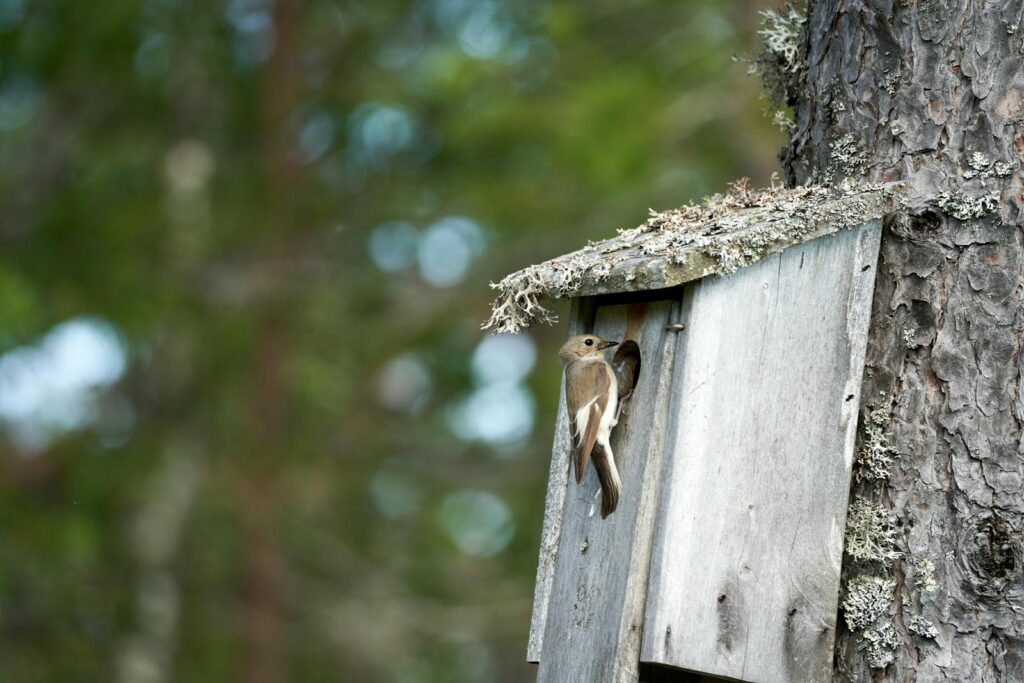
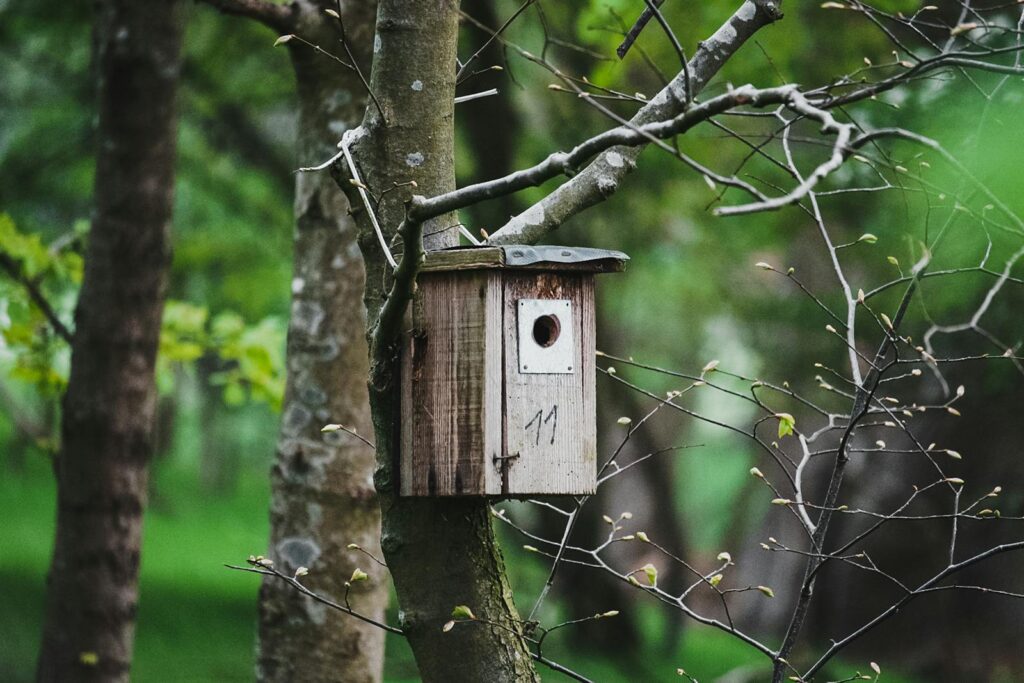
The introduction of artificial nest boxes has significantly influenced bird nesting behaviors, particularly regarding reuse patterns. Many cavity-nesting species that might otherwise build new nests or find natural cavities eagerly reuse nest boxes year after year, including bluebirds, tree swallows, and chickadees. This behavior has given researchers valuable insights into nest reuse dynamics. Studies show that boxes cleaned out after breeding season have higher occupancy rates in subsequent years, confirming the importance of parasite management in nest reuse decisions. Interestingly, some birds display stronger site fidelity to artificial structures than natural cavities—purple martins, for instance, have become so adapted to human-provided housing that eastern populations now almost exclusively nest in artificial martin “condominiums.” Human-provided nest platforms for species like ospreys and herons have similarly encouraged nest reuse and site fidelity, demonstrating how our interventions can shape avian breeding behaviors.
The Role of Building Materials in Nest Longevity
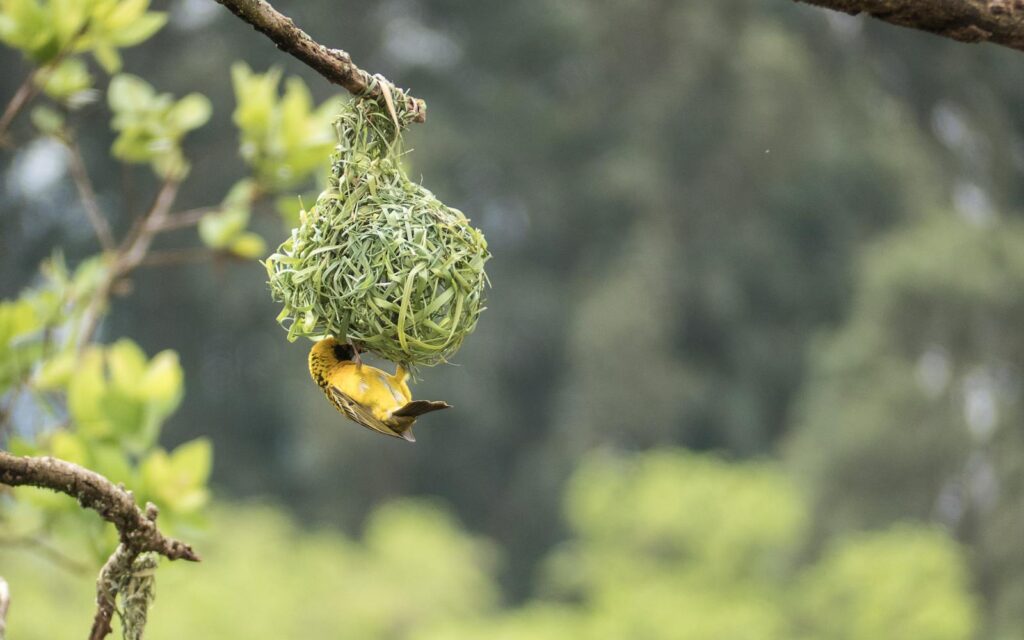
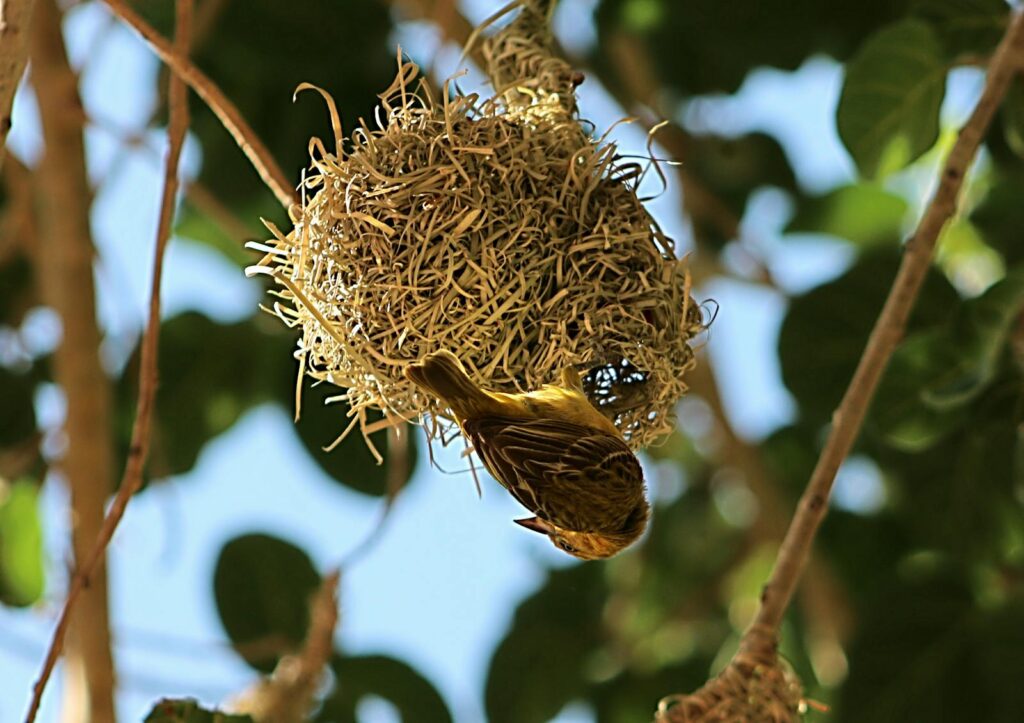
The durability of nest materials plays a crucial role in determining whether reuse is even possible. Birds using sturdy materials like sticks, mud, and grass roots create structures capable of withstanding years of weathering, making them candidates for potential reuse. Conversely, species using delicate or quickly degrading materials like spider webs, plant down, or loosely woven grasses create nests with short lifespans. The architectural design also matters—cup nests exposed to the elements typically deteriorate faster than enclosed cavity nests or pendulous structures with protective “roofs.” Climate further influences material durability, with nests in humid tropical regions decomposing much faster than those in arid environments. Some species make fascinating material choices that enhance longevity—northern orioles incorporate synthetic strings and plastic strips into their hanging nests, while kingbirds and phoebes sometimes use discarded snakeskins, which may deter nest predators while adding structural strength.
Climate Change and Shifting Nest Reuse Patterns
Emerging research suggests climate change is altering traditional nest reuse patterns in complex ways. As spring temperatures warm earlier in many regions, migratory birds are returning to breeding grounds sooner, sometimes finding their previous nests too degraded for reuse after facing harsher or longer winter conditions. More frequent and severe weather events, including unseasonable storms and flooding, are destroying nests that might otherwise have been reused for multiple seasons. Conversely, milder winters in some regions have reduced nest degradation, potentially increasing reuse opportunities. Climate-driven shifts in parasite and insect populations also influence reuse decisions—warmer temperatures generally accelerate parasite life cycles, potentially making nest reuse riskier for some species. Researchers are actively monitoring these changing dynamics, with preliminary findings suggesting certain species are abandoning traditional nest reuse behaviors while others are increasing reuse frequency as an adaptation to rapidly changing environmental conditions.
Cognitive Aspects of Nest Reuse Decisions
The decision to reuse a nest involves sophisticated cognitive processes that reveal the complexity of avian intelligence. Birds must remember the location of previous nests, assess their condition upon return, and make decisions based on past breeding success or failure at that site. Studies with color-banded individuals show that birds often abandon nest sites where they previously experienced predation or breeding failure, demonstrating their ability to learn from experience. Some species appear to weigh multiple factors in their reuse decisions, including structural integrity, parasite loads, and territorial advantages. Corvids (crows and ravens) display particularly advanced cognition in nest decisions, sometimes dismantling portions of their old nests to reuse high-quality sticks while discarding others. The cognitive mapping abilities required to relocate nests across migrations of thousands of miles further highlight the remarkable spatial memory of birds, with some individuals returning to the exact same nest cup on the exact same branch year after year.
Nest reuse represents a fascinating window into avian ecology, revealing how birds balance energy conservation, parasite avoidance, site familiarity, and breeding success. From the massive, generational structures of eagles to the single-use architectural marvels of hummingbirds, these diverse strategies demonstrate the remarkable adaptability of birds. By understanding which species reuse nests and why, conservationists can better protect critical breeding habitats and design more effective artificial nest structures. For backyard birdwatchers, this knowledge offers practical insights—cleaning out nest boxes after breeding season, for instance, increases the likelihood of reoccupation. As climate change and habitat loss continue to challenge bird populations worldwide, their flexible approaches to nest reuse may prove increasingly important for survival, highlighting yet another remarkable aspect of avian adaptation to an ever-changing world.