
Birds are remarkable social creatures that form complex communities where trust serves as the foundation for survival and prosperity. From starlings performing mesmerizing murmurations to geese flying in V-formations across continents, avian species demonstrate sophisticated mechanisms for establishing and maintaining trust within their flocks. This intricate social dynamic isn’t merely instinctual but represents evolutionary adaptations that have developed over millions of years. Understanding how birds build and maintain trust reveals fascinating insights about cooperation in nature and offers lessons that extend beyond the avian world.
The Foundation of Avian Social Structures
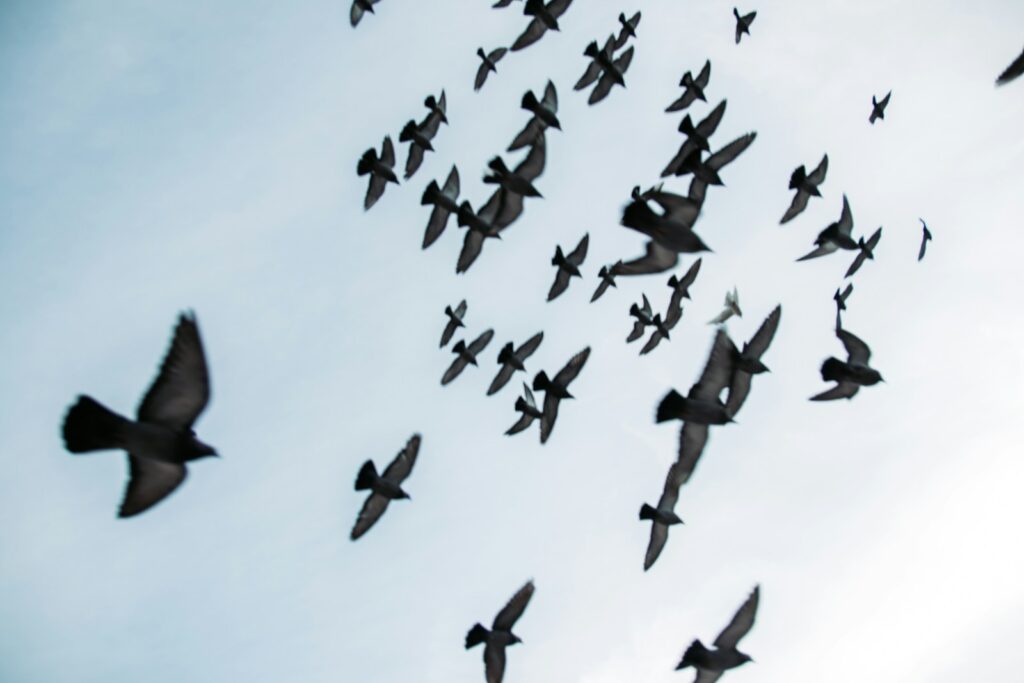
Trust within bird flocks begins with the fundamental social structures that characterize different species. Some birds maintain lifelong monogamous relationships, while others form seasonal flocks that can number in the thousands or even millions. The cornerstone of these varied arrangements is predictable behavior that allows individuals to anticipate the actions of flockmates. For instance, chickadees develop specific hierarchies where each bird knows its place, reducing conflict and creating stability. These social frameworks serve as the scaffolding upon which more complex trust relationships can develop and flourish. The consistency of these structures provides birds with a sense of security that forms the groundwork for cooperative behaviors.
Vocal Communication as Trust Currency

Birds use sophisticated vocal communication systems to establish trust within their communities. Species-specific calls convey different messages, from warnings about predators to information about food sources. Research has shown that birds like Carolina chickadees use over 15 distinct calls, each carrying specific information that flockmates rely upon. The reliability of these communication systems is paramount—a bird that consistently provides accurate information through its calls builds trust, while those giving false alarms may be socially penalized. This vocal honesty creates a form of social currency that strengthens connections between individuals and enhances group cohesion. Over time, birds learn to recognize the voices of reliable flock members, creating a network of trusted information sources.
Allopreening: Physical Bonding and Trust Building
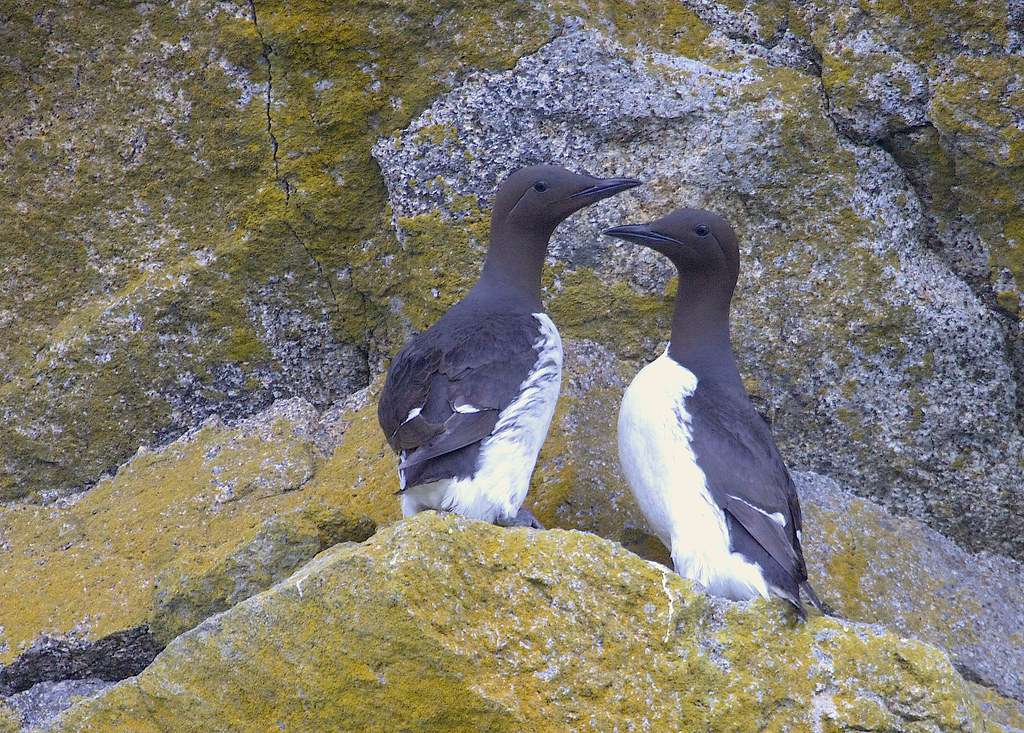
Allopreening—the practice where birds groom each other—serves as a critical trust-building activity across many species. When a bird allows another to preen its feathers, particularly in vulnerable areas like the head and neck, it demonstrates significant vulnerability and trust. This mutual grooming helps remove parasites from hard-to-reach places and strengthens social bonds between individuals. Species like parrots and corvids engage in extensive allopreening sessions that reinforce pair bonds and familial relationships. The neurological response to allopreening includes the release of oxytocin and other bonding hormones, creating positive associations with specific flock members. These physical interactions create lasting social connections that help maintain flock cohesion during challenging times.
Sentinel Behavior and Collective Security
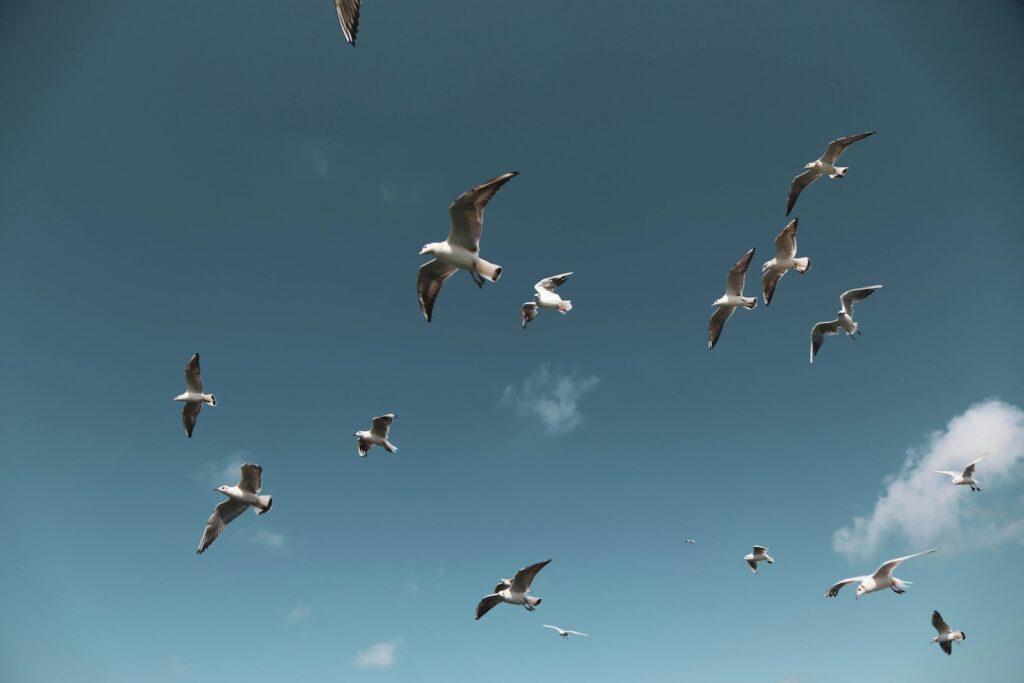
Many bird species establish trust through sentinel systems where individuals take turns watching for predators while others feed or rest. Meerkats are famous for this behavior, but birds like Florida scrub-jays and European starlings also employ sophisticated sentinel systems. The bird serving as sentinel typically perches at a higher vantage point and makes specific calls when danger approaches, allowing flockmates to feed with reduced vigilance. Trust develops when sentinels reliably perform their duties, creating a cooperative security system that benefits the entire group. Research has shown that birds are more likely to feed efficiently when they trust their sentinels, demonstrating how this system translates directly into survival advantages for the flock.
Food Sharing and Resource Distribution
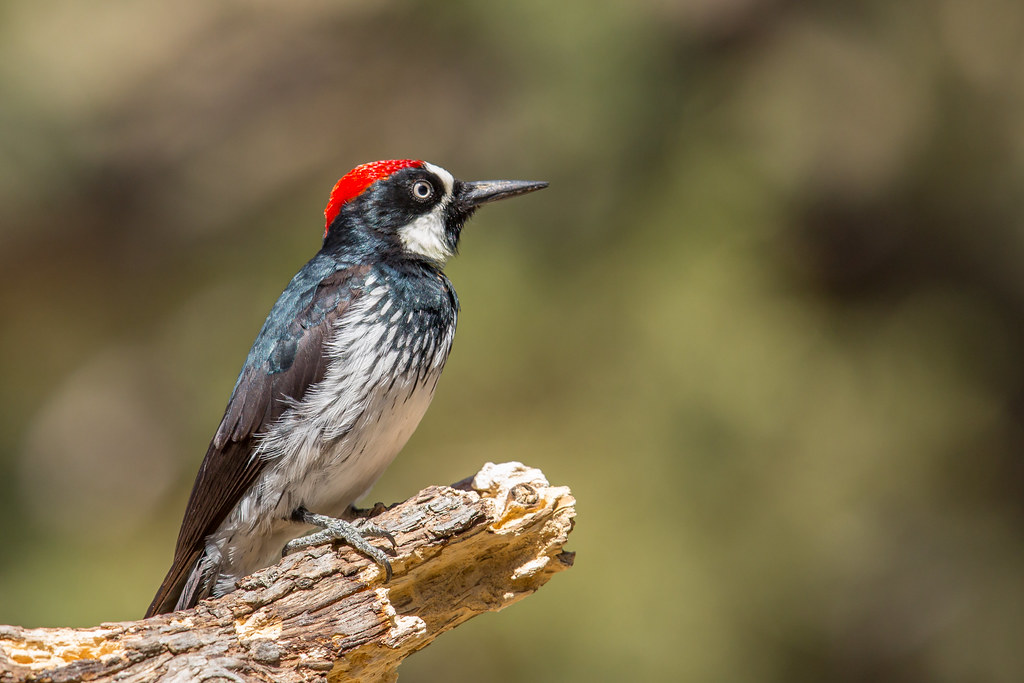
The sharing of food resources represents one of the most tangible demonstrations of trust within bird communities. Ravens have been observed calling others to large carcasses, seemingly contradicting the selfish behavior one might expect from evolutionary theory. Similarly, adult birds in many species will share food with non-related juveniles, building community bonds beyond immediate family. This generosity creates reciprocal relationships where birds remember those who have shared with them in the past. Some species like acorn woodpeckers, create communal food stores that all group members defend and access, requiring immense trust in the collective commitment to resource management. These food-sharing behaviors demonstrate that birds recognize the long-term benefits of trust over short-term individual gain.
Recognizing Individual Identities
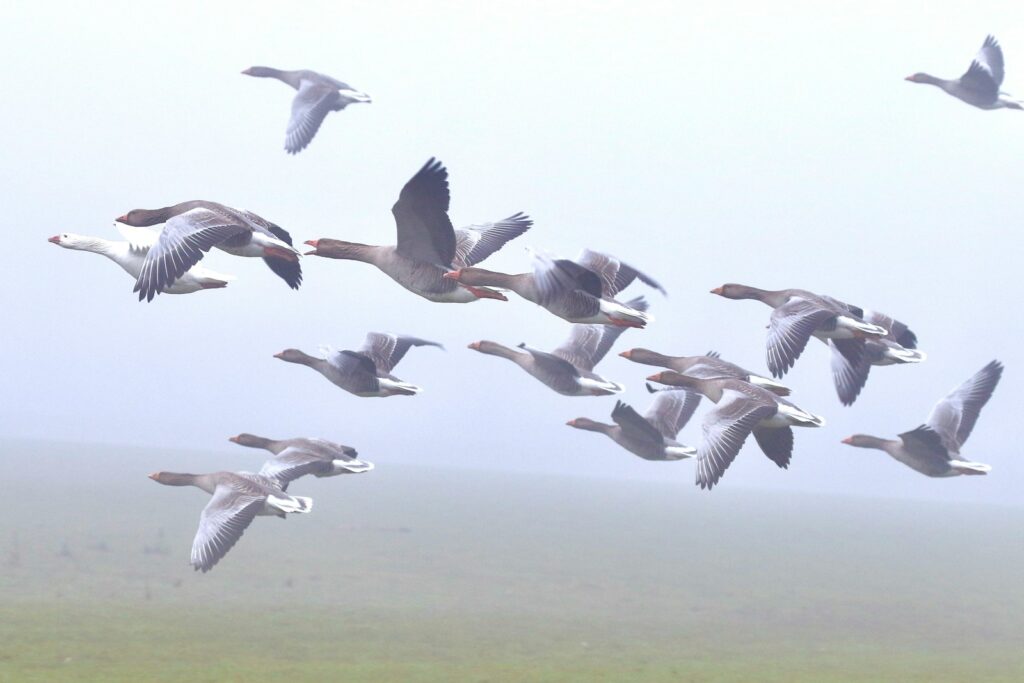
The ability to recognize individual flock members forms a crucial component in avian trust-building. Birds possess remarkable cognitive abilities for identifying specific individuals through visual, vocal, and behavioral cues. Corvids like crows and ravens can remember human faces for years and distinguish between dozens of their own kind. This recognition allows birds to maintain detailed social maps of their communities, remembering past interactions with specific individuals. When a raven encounters another bird that previously shared food, it’s more likely to cooperate with that individual in the future. This cognitive capacity for individual recognition allows birds to direct trust selectively rather than generically, creating nuanced social networks within larger flocks.
Cooperative Breeding Systems

Many bird species engage in cooperative breeding where non-breeding adults help raise the offspring of the breeding pair, demonstrating extraordinary trust between family members. Florida scrub-jays, acorn woodpeckers, and many species of African starlings rely on helpers that defend territory, feed nestlings, and warn of predators. These helpers are often offspring from previous seasons who delay their own reproduction to assist parents or siblings. The trust required for this system is immense—breeding birds must trust helpers with their vulnerable offspring, while helpers trust that their contribution enhances inclusive fitness or provides experience for future breeding opportunities. These cooperative systems create multi-generational bonds that strengthen the entire family group against environmental challenges.
Synchronized Movement as Trust Display
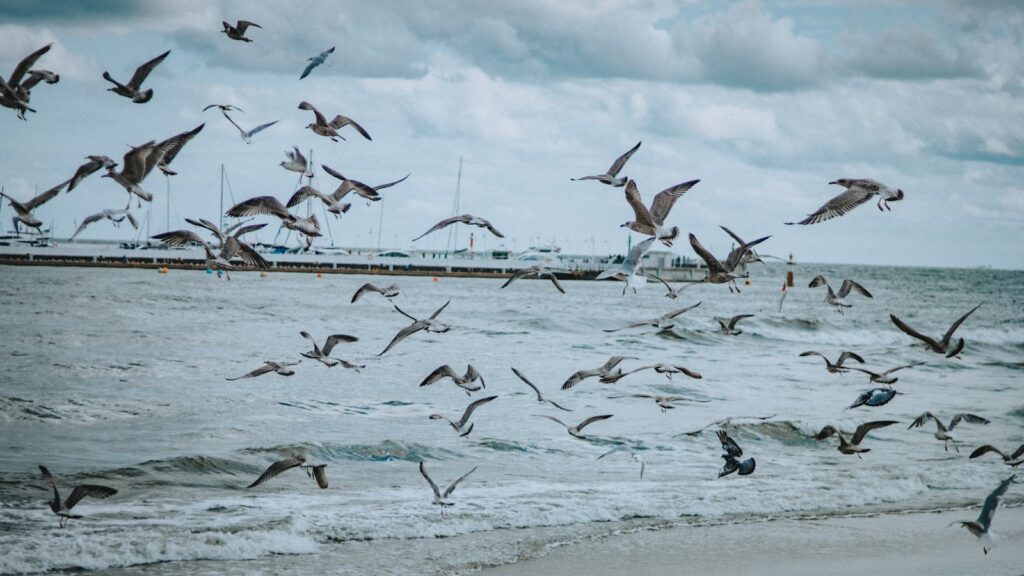
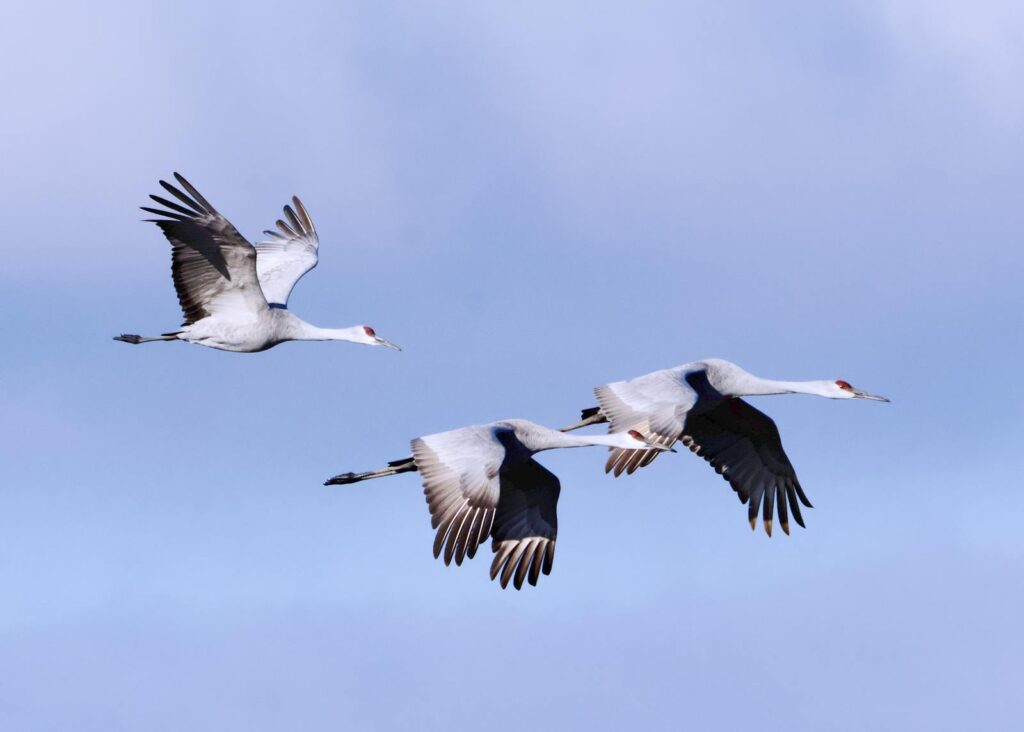
The spectacular synchronized movements displayed by flocking birds represent one of nature’s most visible demonstrations of trust. When thousands of starlings move as one fluid organism in a murmuration, each bird must trust the movements of its nearest neighbors. European starlings maintain precise distances from seven neighboring birds, creating rippling effects through the flock that coordinate movement without centralized control. These synchronized flights require split-second reactions and absolute trust that others will maintain formation. Beyond their breathtaking beauty, these displays protect from predators by creating visual confusion and demonstrating collective strength. The evolutionary development of these synchronized movements demonstrates how trust can emerge through natural selection as a survival strategy.
Conflict Resolution and Social Harmony
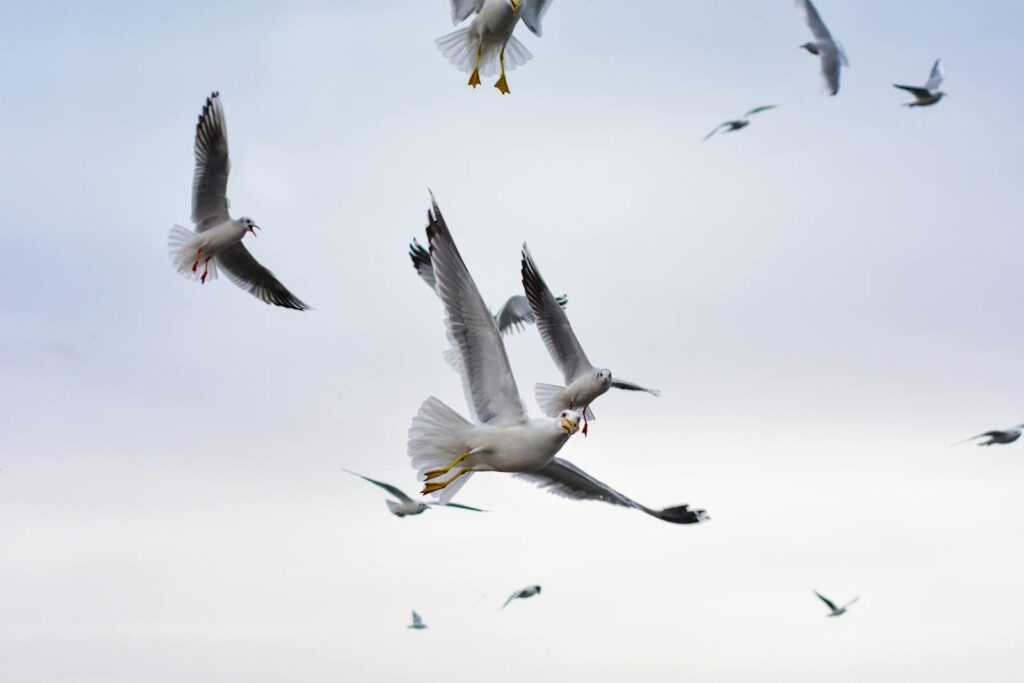
Even the most trusting bird communities experience conflicts, but many species have developed sophisticated methods for resolving disputes. Corvids engage in reconciliation behaviors after aggressive encounters, often through specific gestures or vocalizations that signal peaceful intentions. Chickadees and other species with strict hierarchies use ritualized displays that minimize physical harm while reinforcing social order. Rather than exile or ostracize members after conflict, many bird flocks incorporate reconciliation mechanisms that restore trust and maintain group cohesion. These conflict resolution strategies demonstrate the importance birds place on maintaining social bonds even after trust has been temporarily broken. The ability to repair relationships represents a sophisticated aspect of avian social intelligence.
Seasonal Shifts in Trust Dynamics
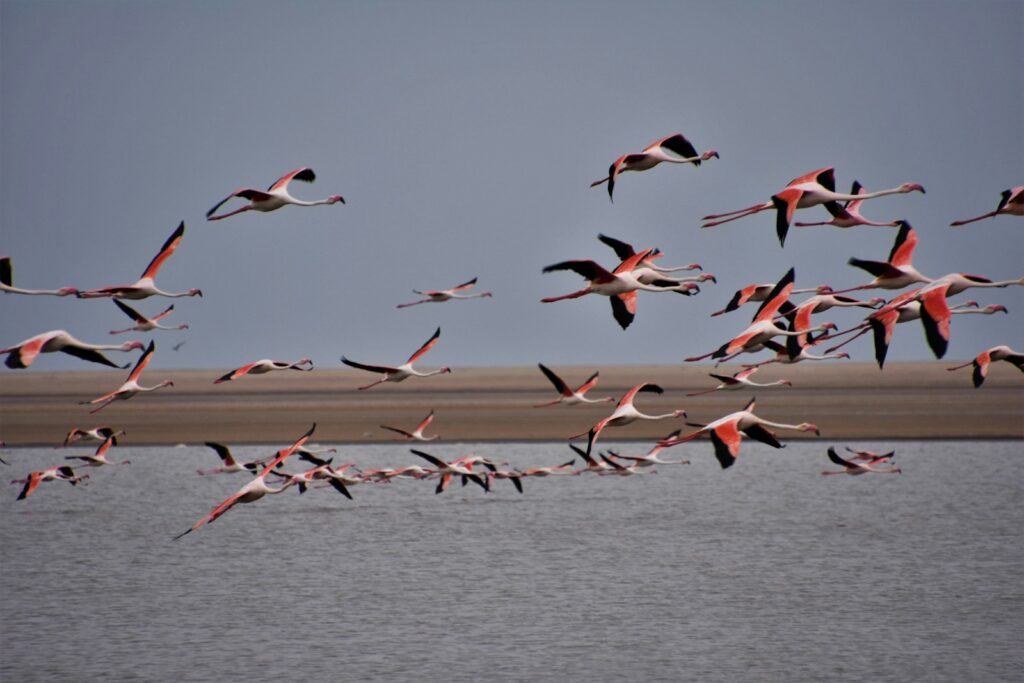
Trust relationships within bird flocks often undergo significant shifts with seasonal changes, particularly during breeding seasons. Species that maintain large communal flocks during winter may fracture into territorial breeding pairs in spring, demonstrating the flexibility of avian social structures. During these transitions, birds must adapt their trust-building behaviors to match their current social context. Migratory species face the additional challenge of reforming trust bonds after long journeys, often returning to the same individuals year after year. Research tracking great tits found that birds remember and preferentially associate with reliable partners from previous seasons, showing the persistence of trust across time. These seasonal adaptations showcase the dynamic nature of avian social intelligence.
Teaching and Information Transfer
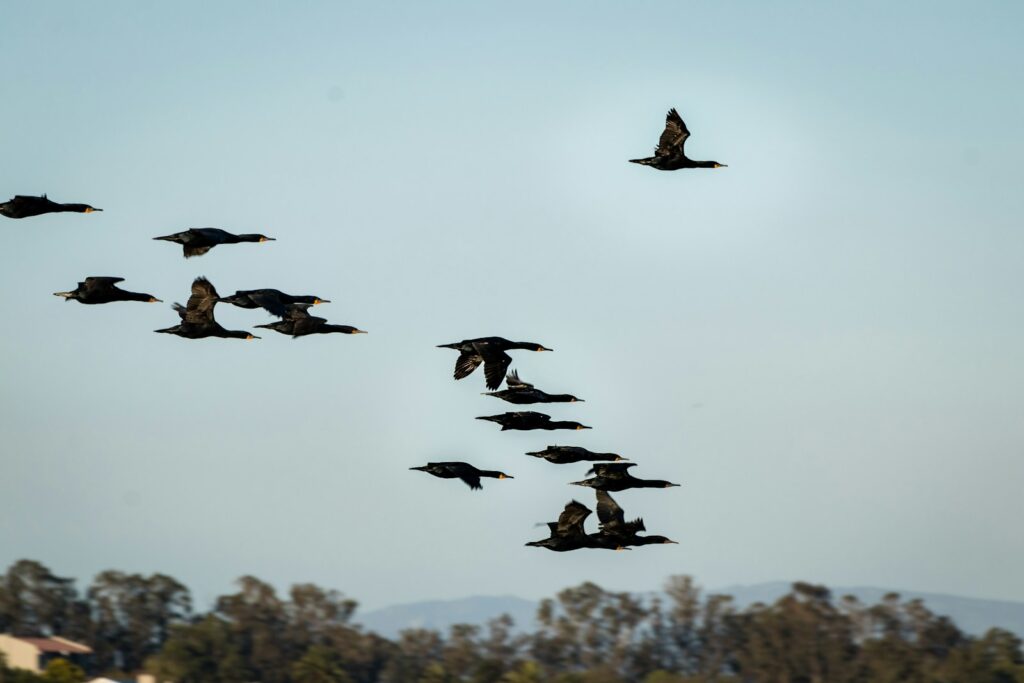
The transmission of knowledge between flock members represents a sophisticated trust-based behavior observed in many bird species. Adult birds demonstrate specific skills to juveniles, such as tool use in New Caledonian crows or the opening of milk bottles by great tits. Young birds trust the information provided by adults, while adults trust that their investment in teaching will benefit the flock. Some species, like the European blackbird, learn specific calls that identify local predators from more experienced flock members. This cultural transmission of knowledge ensures that vital survival information passes between generations, creating communities that collectively become smarter and more adaptable. The willingness to share and receive information strengthens trust bonds throughout the flock.
Rebuilding Trust After Breach
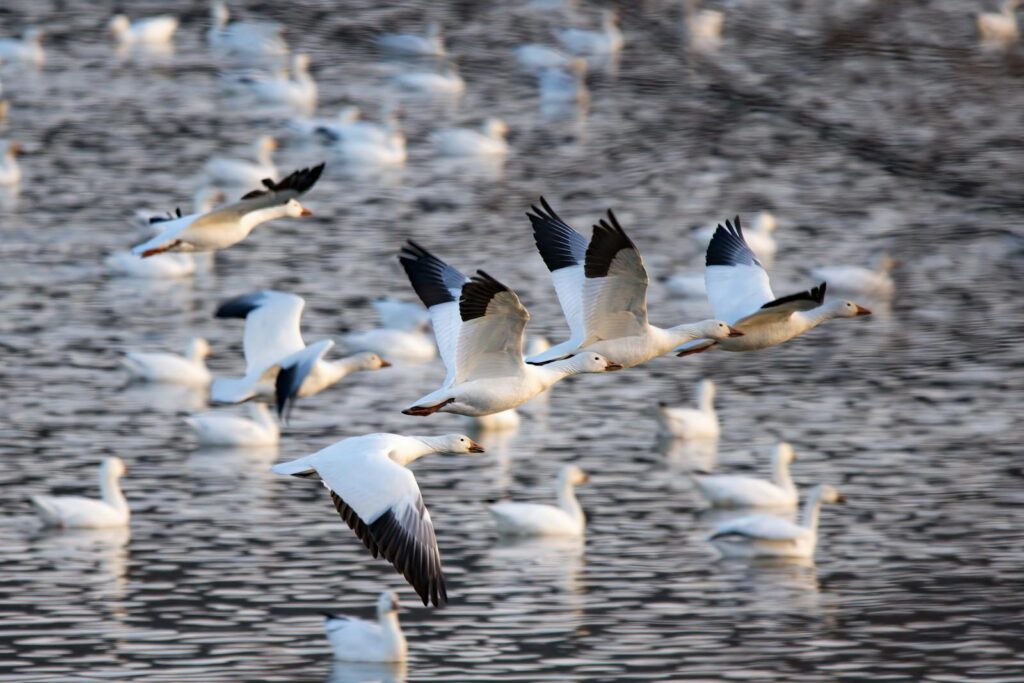
Bird flocks occasionally experience trust violations when an individual behaves contrary to group expectations, such as giving false alarms or stealing food from communal stores. Rather than permanent ostracism, many bird communities have mechanisms for trust restoration that allow reintegration of individuals who have violated social norms. Corvids demonstrate reconciliation behaviors after conflicts, often through specific gestures that signal peaceful intentions. In species like ravens, individuals that have stolen food may later share larger findings as a form of reputation repair. These reconciliation behaviors suggest that birds recognize the value of maintaining relationships even after trust breaches. The capacity for forgiveness and trust restoration represents one of the most sophisticated aspects of avian social dynamics.
Human Lessons from Avian Trust Systems
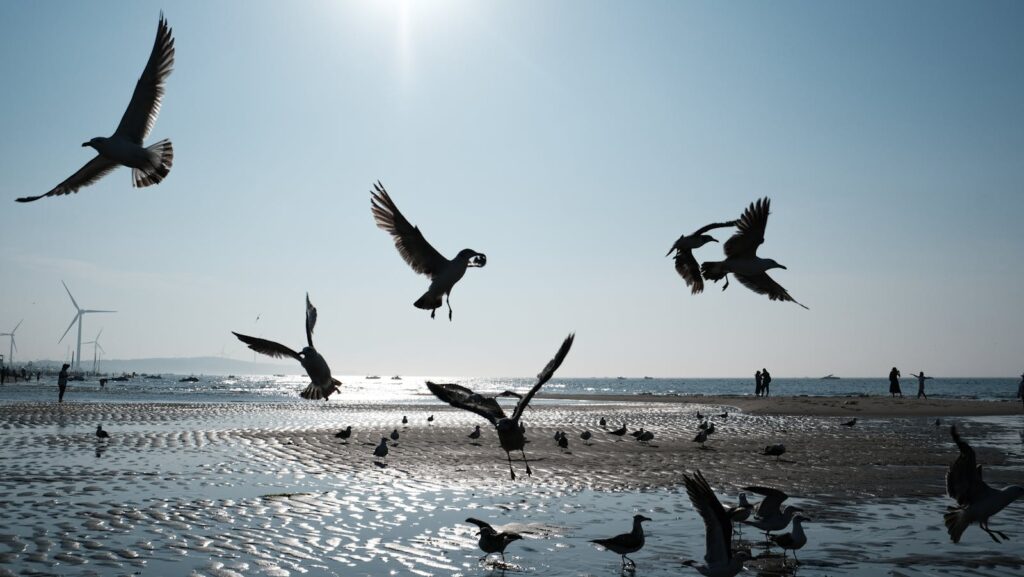
The trust-building mechanisms employed by birds offer fascinating insights for human societies and relationships. The consistent honesty in communication demonstrated by warning calls reminds us of the fundamental importance of truthfulness in building reliable social bonds. Cooperative behaviors like sentinel systems illustrate how alternating between roles of giving and receiving support creates sustainable communities. The reconciliation behaviors birds display after conflicts demonstrate the value of repair mechanisms in maintaining long-term relationships despite inevitable disagreements. These parallels suggest that many trust-building principles transcend species boundaries and reflect fundamental aspects of social living. By observing how birds build trust within their flocks, we gain a deeper appreciation for the universal foundations of social cohesion.
Conclusion
The intricate trust-building mechanisms employed by birds reveal sophisticated social intelligence that enables cooperation, survival, and prosperity within flocks. From allopreening and food sharing to sentinel systems and reconciliation behaviors, birds demonstrate that trust represents an essential evolutionary adaptation rather than merely a human virtue. These avian social systems showcase how reliability, consistency, and positive reciprocity create communities greater than the sum of their individual members. As we continue studying these remarkable creatures, we discover that the principles underlying trust transcend species boundaries, offering valuable insights into the fundamental nature of social cohesion across the animal kingdom.