

Birds undertake some of the most impressive journeys in the animal kingdom, with many species traveling thousands of miles between breeding and wintering grounds each year. During these epic migrations, birds face numerous challenges, with predation being one of the most significant threats to their survival. From hawks and falcons patrolling the skies to cats and snakes waiting on the ground, predators lurk at every stage of the journey. Yet birds have evolved remarkable strategies to avoid becoming meals during their vulnerable migratory periods. These adaptations range from behavioral modifications to physiological changes, all designed to maximize survival during these dangerous travels. This article explores the fascinating ways migrating birds protect themselves from predators while undertaking their extraordinary journeys across continents and oceans.
Safety in Numbers: Flocking Behavior

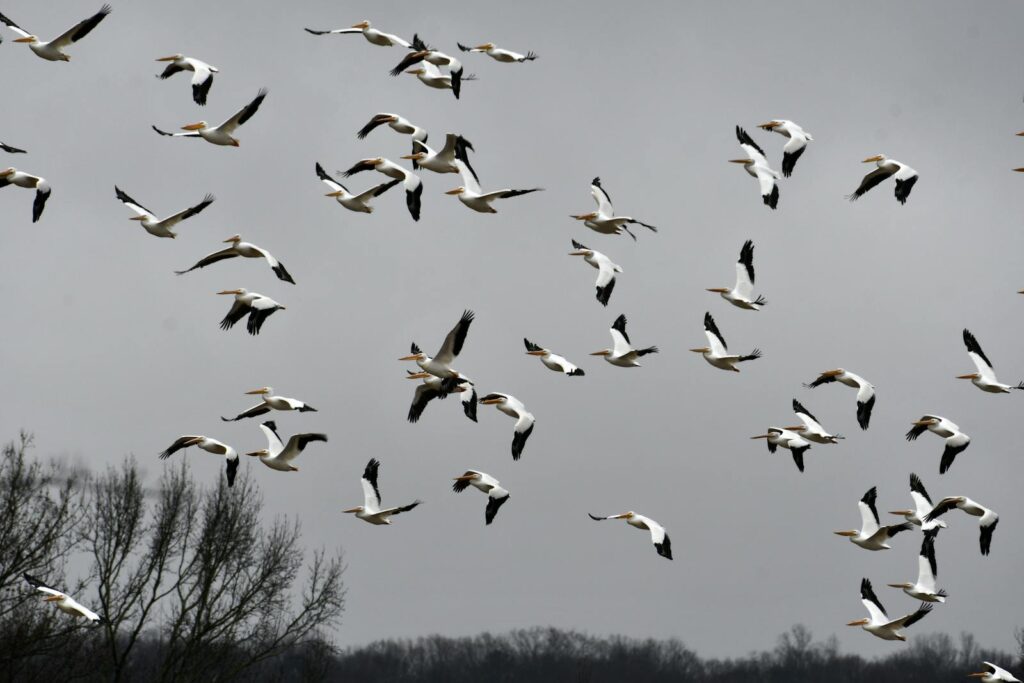
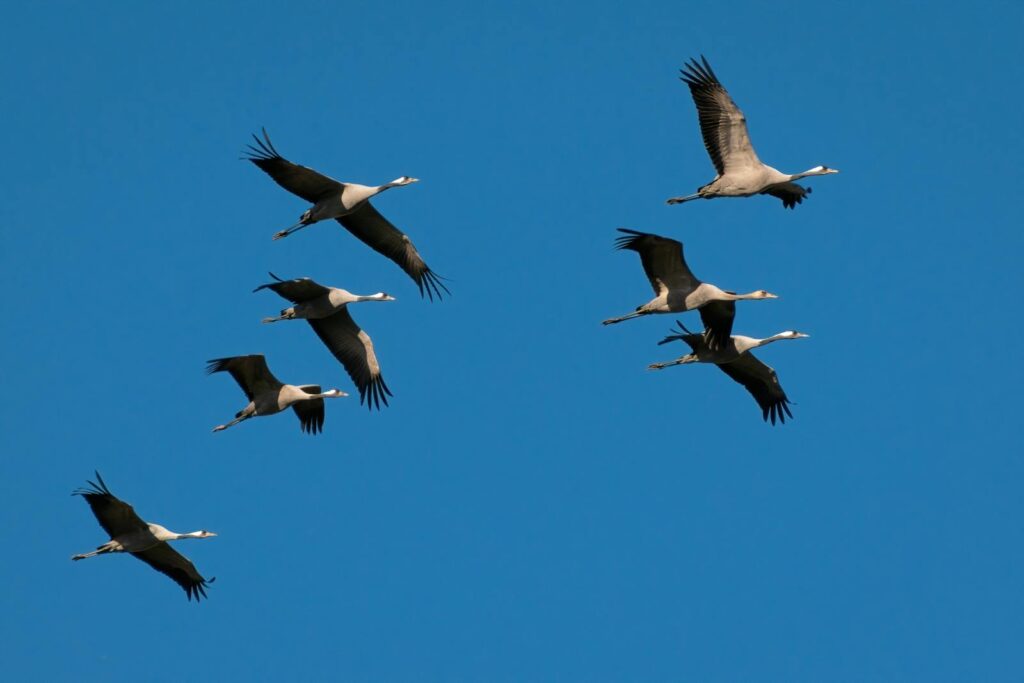
One of the most visible anti-predator strategies employed by migratory birds is traveling in flocks, which offers multiple benefits for predator avoidance. Large groups create a “confusion effect,” making it difficult for predators to single out individual targets amidst the swirling mass of birds moving in coordination. Research has shown that predators like peregrine falcons have lower success rates when hunting in large flocks compared to pursuing solitary birds. Additionally, more eyes in a flock mean more individuals watching for danger, creating a collective vigilance system where one bird’s alert response can quickly spread throughout the group. The famous murmurations of starlings, where thousands of birds swoop and turn in astonishing synchrony, demonstrate how coordinated movement can confuse and discourage aerial predators from attacking.
Timing Is Everything: Migration Scheduling
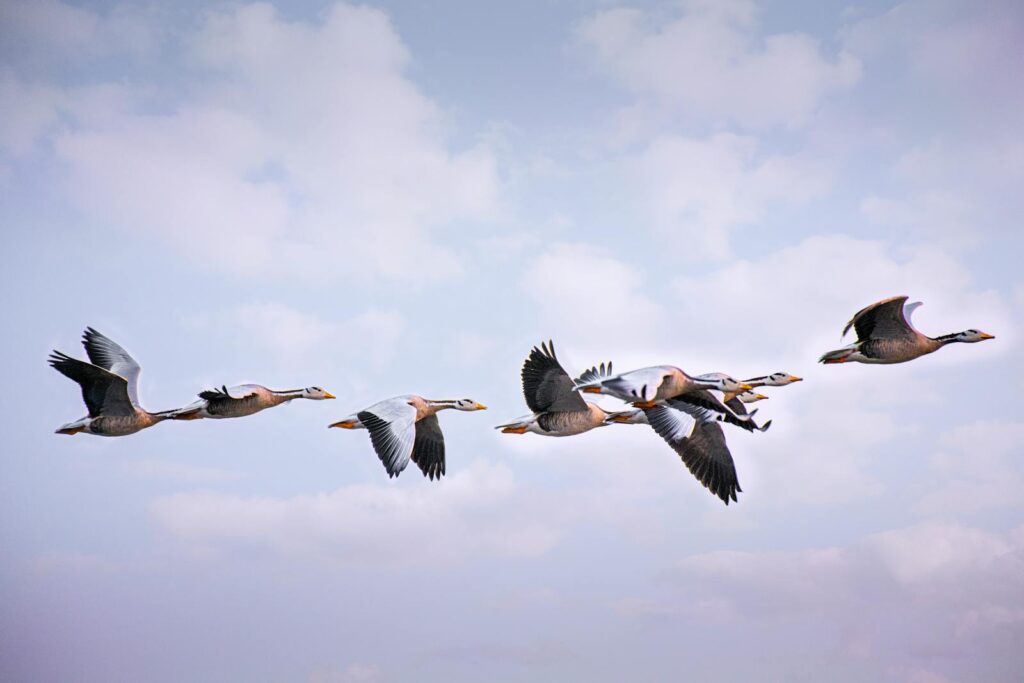
Many bird species have evolved precise timing for their migrations that helps them avoid peak predator activity. Numerous songbird species, for instance, initiate their flights at dusk and travel through the night when many diurnal predators like hawks and falcons are inactive. Research tracking nocturnal migrants using radar has revealed massive pulses of bird movement beginning just after sunset across many different species and regions. Some species, like the bar-tailed godwit, time their long-distance oceanic crossings to coincide with favorable winds, which not only conserves energy but also reduces their time spent in vulnerable airspace. The synchronized mass departure of many species during specific calendar periods, often called migration waves, can also overwhelm local predator populations through sheer numbers, improving individual survival odds through a predator satiation effect.
Altitude as Protection: Flying High

The heights at which birds migrate offer significant protection from many predatory threats. Radar studies have documented migratory birds routinely traveling at altitudes between 1,500 and 6,000 feet, with some species like the bar-headed goose famously crossing the Himalayas at elevations exceeding 20,000 feet. These extreme heights place birds well beyond the hunting range of most aerial predators, which typically don’t pursue prey at such elevations due to energy constraints and thinning oxygen. High-altitude flight also provides birds with access to more favorable wind patterns, allowing them to travel faster and reduce the duration of their vulnerable migratory period. Interestingly, birds adjust their flight altitude depending on weather conditions and time of day, often climbing higher during the day (when visual predators are active) and descending somewhat at night (when they face fewer predatory threats).
Speed and Efficiency: Minimizing Vulnerability

Migrating birds have evolved to complete their journeys as quickly and efficiently as possible to minimize their exposure to predators. Many species undergo physiological preparations before migration, including increasing fat stores and even temporarily shrinking certain organs to reduce weight and maximize flight efficiency. The arctic tern, which makes the longest migration of any animal, traveling from Arctic breeding grounds to Antarctic wintering areas, can sustain flight speeds of 22-25 mph for extended periods. During stopover periods when birds must land to refuel, many species become hyperphagic—consuming food at extraordinary rates to minimize time spent in potentially dangerous feeding areas. Some remarkable species, like the blackpoll warbler, make non-stop flights of 1,500 miles or more across the Atlantic Ocean, eliminating the need for risky stopovers where predators might be concentrated.
Cryptic Coloration: Blending In During Stopovers
Many migratory birds undergo seasonal plumage changes that provide better camouflage during their journeys and stopovers. The bright breeding plumage of male songbirds often transitions to more subdued, cryptic coloration before migration, helping them blend into unfamiliar environments they encounter along their routes. The American goldfinch is a perfect example, with males replacing their brilliant yellow summer plumage with olive-brown feathers that closely match dried grasses and vegetation during migration and winter. This seasonal change is particularly important during stopover periods when birds must rest and refuel in unfamiliar territories where they lack knowledge of local predators or safe havens. Some species even show different molting patterns between juveniles and adults, with young birds often retaining more cryptic plumage during their first migration when they’re most vulnerable and inexperienced.
Strategic Stopover Selection: Safe Havens
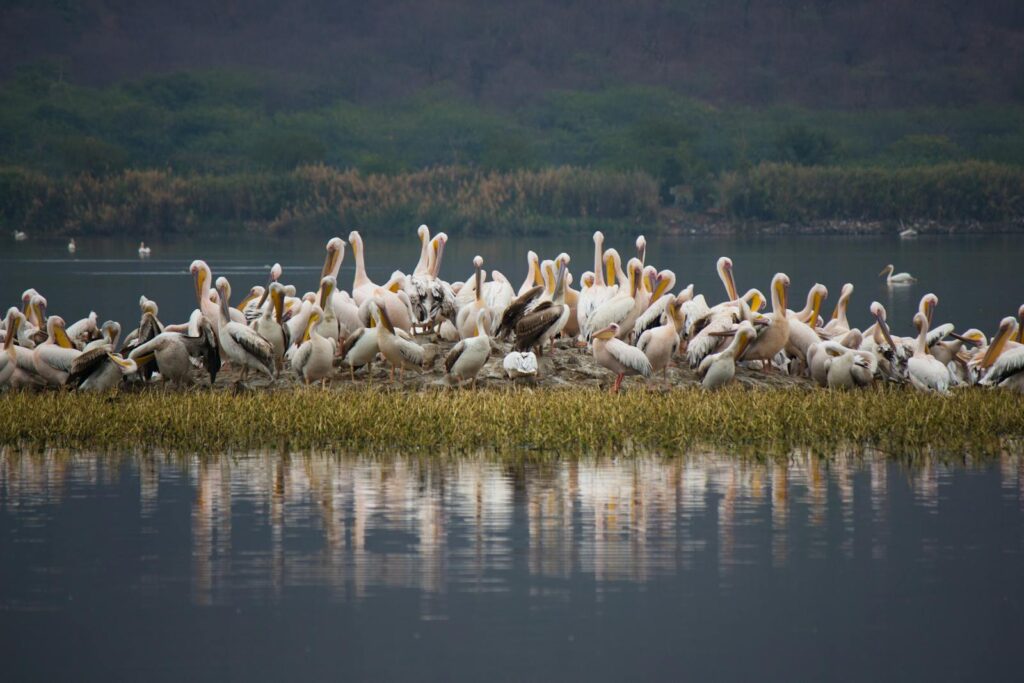
The selection of appropriate stopover locations plays a crucial role in predator avoidance during migration. Birds don’t just land anywhere when they need to rest and refuel; they seek out specific habitats that offer both abundant food resources and protection from predators. Dense vegetation like shrublands and forests provides physical cover that conceals birds from visual predators while allowing them to forage safely. Coastal marshes and wetlands, critical stopover points for many species, offer not only rich feeding opportunities but also the safety of water barriers that many mammalian predators won’t cross. Research using tracking technology has revealed that some species, like the Swainson’s thrush, consistently select stopover sites with specific vegetation structures that balance foraging efficiency with predator protection, even adjusting their habitat preferences based on their current energy reserves and risk tolerance.
Mobbing Behavior: Collective Defense
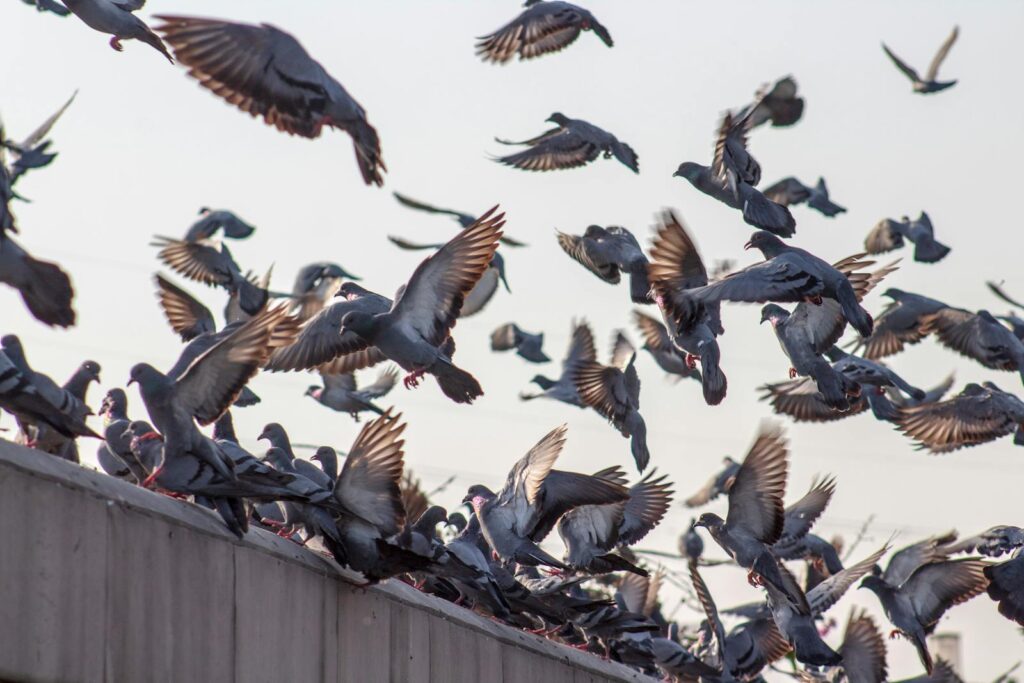
Even during migration, many bird species engage in mobbing behavior when they encounter predators at stopover sites. This collective defense strategy involves multiple birds harassing a predator through dives, alarm calls, and sometimes even physical contact to drive it away from the area. During migration, different species may join forces in mixed-species mobbing events, with resident birds and migrants cooperating to drive away threats. This behavior is particularly common at communal roosting sites where large numbers of migrants concentrate, creating an environment where predators are quickly detected and confronted by multiple individuals. Researchers studying European starlings during migration have observed that roosting flocks become more cohesive and coordinated in their responses to predator models during migratory periods than during the breeding season, suggesting heightened collective vigilance during these vulnerable times.
Physiological Adaptations: Internal Defenses
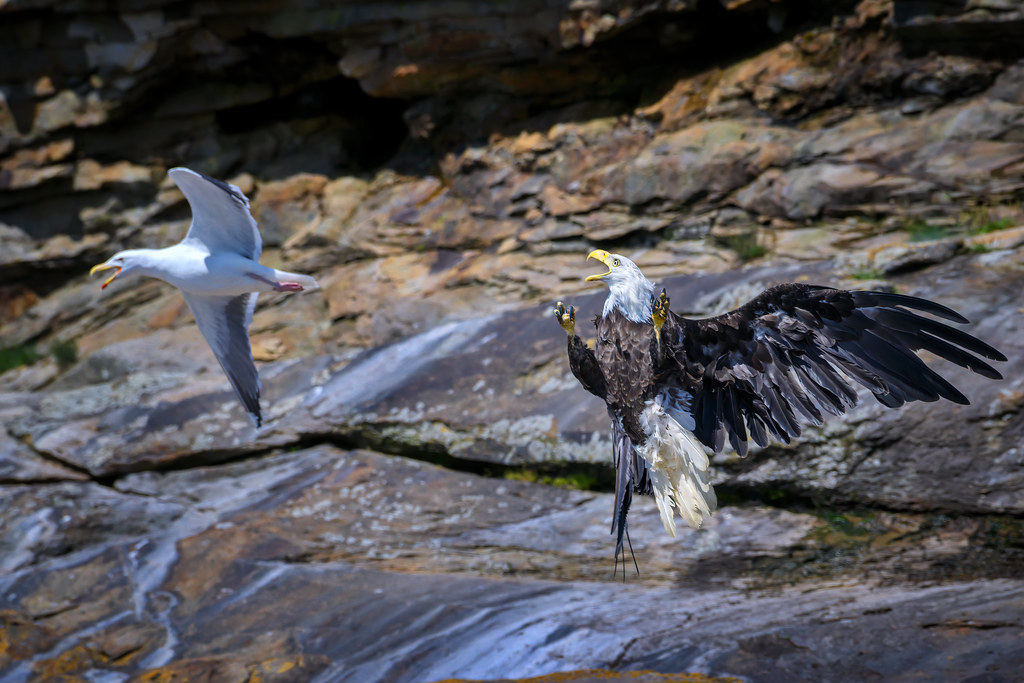
Migrating birds undergo remarkable physiological changes that not only prepare them for long-distance flight but also enhance their predator avoidance capabilities. Many species develop enhanced muscle mass and cardiovascular capacity before migration, improving their burst speed and maneuverability to escape predator attacks. Neurological changes during migratory periods have been documented in several species, with birds showing heightened alertness and faster reaction times to visual and auditory stimuli that might indicate predator presence. Some fascinating research has revealed that certain migratory birds even temporarily reduce their sleep requirements during migration periods through unihemispheric sleep—resting one brain hemisphere at a time while keeping the other alert for potential threats. This ability allows birds like the swainson’s thrush to remain vigilant even during necessary rest periods, maintaining a level of awareness that helps them detect approaching predators.
Vocal Adaptations: Silent Travel

While many bird species are known for their vocal communication, during migration, many adopt a strategy of vocal restraint to avoid attracting predatory attention. The chattering songbirds of summer often travel in near silence during their nocturnal migratory flights, using vocalizations only in specific circumstances like maintaining flock cohesion in fog or darkness. This vocal adaptation is particularly important for species that migrate over oceans or deserts, where sounds might carry for long distances and attract the attention of predators. Some researchers have documented that even typically vocal species like thrushes and warblers reduce their calling rates by up to 90% during active migration compared to their behavior during breeding seasons. When birds do vocalize during migration, they often use specific flight calls that are higher-pitched and shorter than their normal songs, making them more difficult for predators to locate accurately and reducing the period of vulnerability.
Route Selection: Avoiding Predator Hotspots

The specific pathways birds choose for their migrations often reflect predator avoidance strategies that have evolved over millennia. Many species avoid crossing large bodies of water at their widest points, instead following coastlines or crossing at narrower passages where they spend less time over water without access to protective cover. Radar tracking studies have shown that some birds will detour around certain landscape features that concentrate predators, even if it means flying additional distances. Raptors themselves migrate along specific corridors where updrafts allow them efficient travel, and many prey species have evolved migration routes that deliberately avoid these predator highways. The Mediterranean Sea crossing provides a fascinating example, with many small songbirds crossing at specific narrow points like Gibraltar or the Boot of Italy rather than attempting direct routes that would minimize distance but maximize time spent over open water, where they would be vulnerable to predation by gulls and other seabirds.
Adaptive Migration Timing: Weather Windows

Birds have evolved sophisticated abilities to time their migrations around specific weather conditions that protect them from predators. Many species wait for cloud cover or foggy conditions before initiating migratory flights, using these weather patterns as visual concealment from aerial predators. Research has shown clear correlations between cloud cover and migration intensity in radar studies, with massive “exodus events” often occurring on nights with low cloud ceilings. Frontal systems and their associated winds not only help birds travel more efficiently but also create conditions where visual predators struggle to hunt effectively due to reduced visibility or difficult flying conditions. Some species even appear to time their departures to coincide with rainfall ending, taking advantage of grounded predators who may be less likely to hunt immediately after storms. This weather-related timing represents a sophisticated system where birds balance energy conservation with predator avoidance.
Learning and Tradition: Passing Down Knowledge

The intergenerational transmission of migration knowledge plays a crucial role in predator avoidance for many bird species. Experienced adult birds often lead migrations, sharing their accumulated knowledge about safe routes, stopover sites, and predator hotspots with inexperienced juveniles making their first journeys. Studies tracking intergenerational migration in species like white storks have shown that juvenile birds who migrate with experienced adults have significantly higher survival rates than those traveling alone or in inexperienced groups. In some species, this knowledge transmission is remarkably specific, with birds learning particular landscape features to avoid or preferred corridors that minimize predation risk. Research with captive-raised migratory birds has demonstrated that individuals released without exposure to experienced migrants often take more dangerous routes and suffer higher predation rates, highlighting the importance of this cultural transmission of safety information. This learning system allows successful anti-predator strategies to be maintained and refined across generations even as predator populations and behaviors change.
Human-Related Challenges and Adaptations

Human activities have created new predation challenges for migrating birds, forcing them to adapt their anti-predator strategies in response. Light pollution from cities creates disorientation that can lead birds to circle illuminated areas until exhausted, making them vulnerable to urban predators like cats and hawks. Some species have begun avoiding brightly lit urban areas during migration, creating detours around cities even though this extends their journey. Habitat fragmentation has concentrated birds in smaller stopover areas, sometimes creating predator magnets where hawks and other predators learn to target these hotspots. In response, some migratory species have altered their stopover duration, spending less time at sites with high predator abundance, even if it means reduced refueling opportunities. Climate change has also shifted the timing of migrations relative to predator activity cycles, creating mismatches where birds may arrive at stopover sites when predator populations are at their seasonal peaks rather than during historically safer periods.
Conclusion
The strategies birds employ to avoid predation during migration represent some of the most sophisticated anti-predator adaptations in the natural world. Through a combination of behavioral, physiological, and social mechanisms, migratory birds navigate the gauntlet of predators that threaten them throughout their journeys. From flying at extreme altitudes to traveling under the cover of darkness, from forming massive protective flocks to selecting precise weather windows for travel, these adaptations demonstrate the power of natural selection in shaping survival strategies. As birds face increasing challenges from habitat loss, climate change, and other human impacts, their ability to adapt these anti-predator strategies will play a crucial role in determining which migratory species continue to make their remarkable journeys across our planet. Understanding these mechanisms not only illuminates the extraordinary capabilities of birds but also highlights the importance of conservation efforts that protect the conditions necessary for successful migration.