

When it comes to exceptional vision in the animal kingdom, birds reign supreme. Their remarkable visual capabilities have evolved over millions of years, allowing them to spot tiny prey from incredible distances, navigate vast landscapes, and perform aerial feats with precision. Among these aerial masters, one species stands out for possessing what many experts consider the sharpest eyesight on Earth. The eagle, particularly the wedge-tailed eagle, has visual acuity that far surpasses that of humans and most other animals. This extraordinary visual system allows these birds to spot potential prey from heights that would render such targets completely invisible to human eyes. In this article, we’ll explore the remarkable visual abilities of eagles and other birds with exceptional eyesight, examining the anatomical adaptations, evolutionary advantages, and fascinating behaviors that showcase nature’s most impressive visual systems.
The Crown Holder: Eagles and Their Visual Supremacy
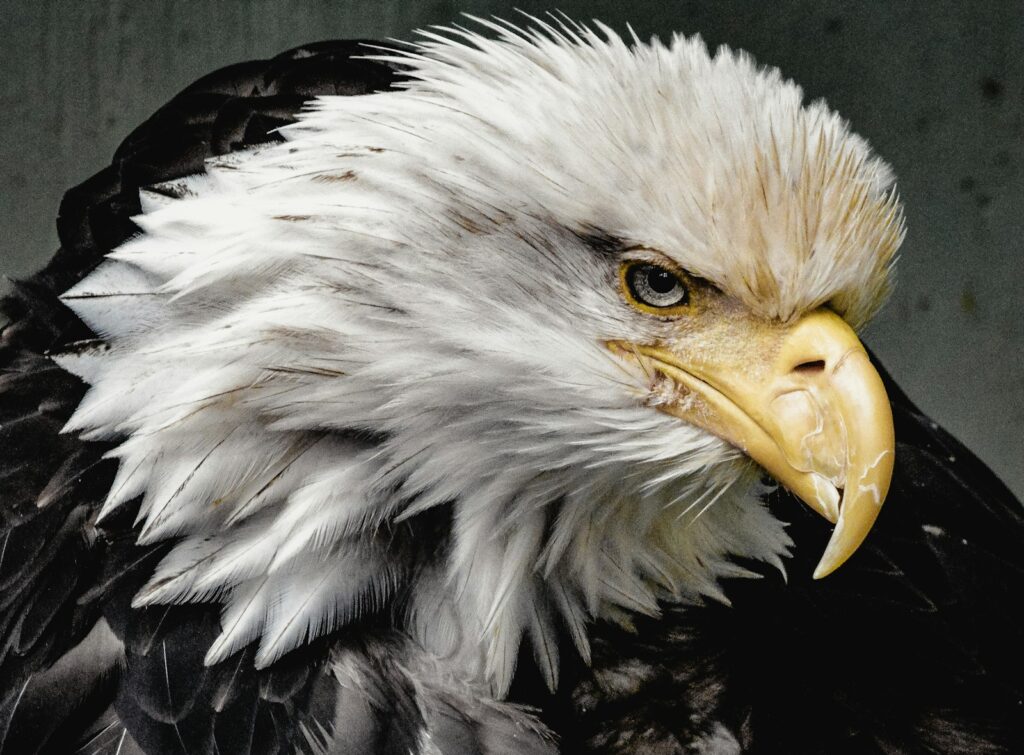
Eagles, particularly the wedge-tailed eagle of Australia, are widely recognized as having the sharpest vision in the animal kingdom. With visual acuity estimated to be 4 to 8 times better than that of humans, these birds can spot a rabbit from a distance of over two kilometers. Their eyes contain approximately five times more photoreceptors per area than human eyes, with around 1 million cones per square millimeter compared to our 200,000. This density of visual receptors allows eagles to perceive details that would be completely invisible to us, effectively giving them “built-in binoculars.” What’s more, eagles can maintain their focus while diving at speeds exceeding 150 miles per hour, a feat made possible by specialized muscles that adjust their lens and cornea with extraordinary precision.
The Remarkable Anatomy of Eagle Eyes
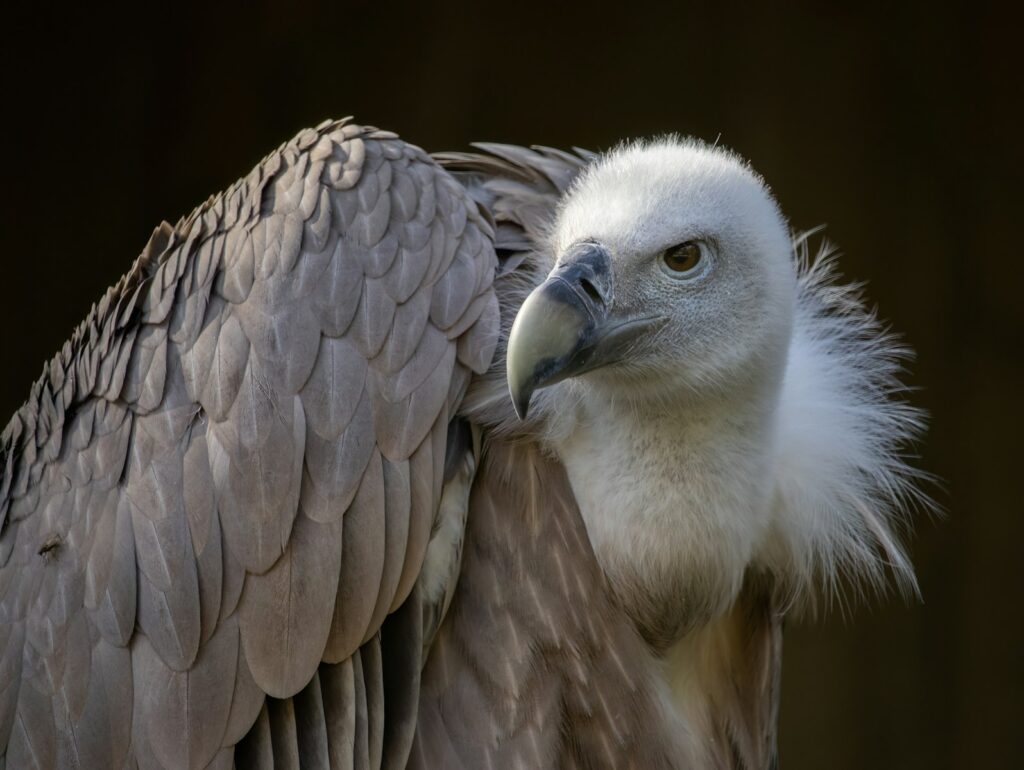
The exceptional vision of eagles stems from several anatomical advantages that have evolved specifically for aerial hunting. Their eyes are disproportionately large for their skulls, taking up most of the head’s space and weighing almost as much as the brain. Unlike humans, eagles have a flattened eyeball shape maintained by a ring of scleral ossicles—small bones that form a rigid framework around the eye. This unique structure allows their cornea and lens to be positioned farther from the retina, creating a longer focal length that magnifies images. Additionally, eagles possess a specialized region on their retina called the fovea, which contains an extraordinarily high concentration of cone cells—responsible for color vision and detail perception. In fact, eagles have two foveae per eye (compared to our single fovea), allowing them to see both forward and to the side with incredible clarity simultaneously.
Eagles vs. Humans: Comparing Visual Capabilities
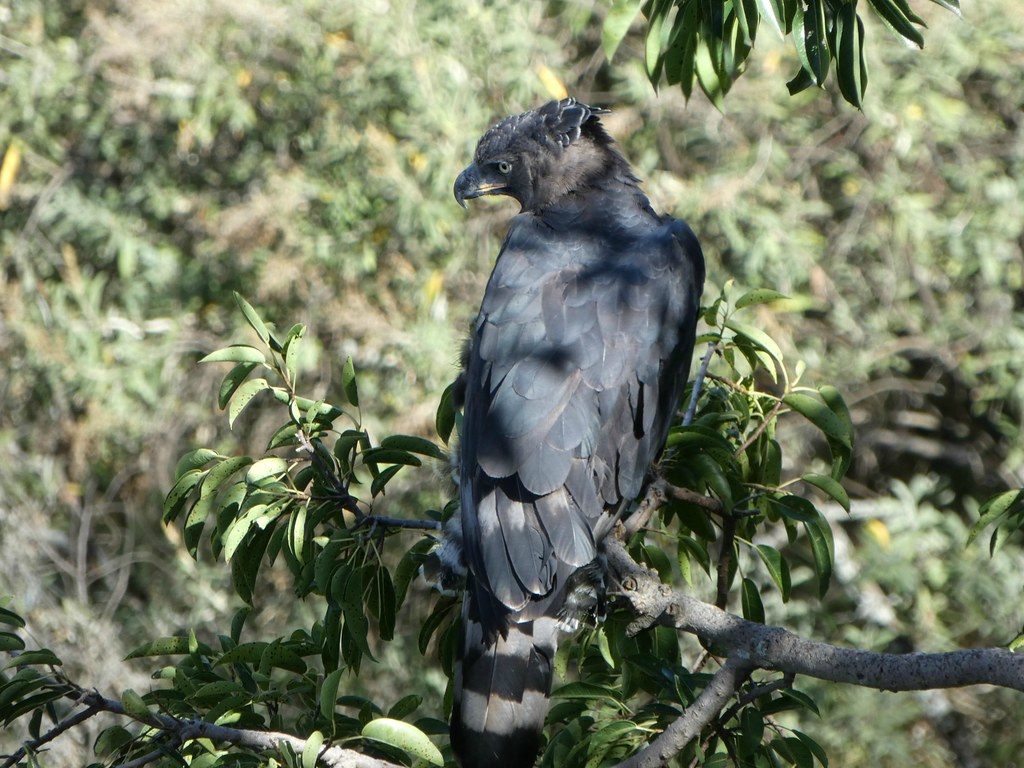
The difference between eagle and human vision is truly staggering when examined closely. Human vision is typically measured at 20/20, meaning we can distinguish details at 20 feet that a person with standard vision can see at that distance. Eagles, by contrast, have vision estimated at around 20/5 or even 20/4, meaning they can see clearly at 20 feet what humans would need to be at 4 or 5 feet away to discern. This translates to eagles being able to spot an object just 2 inches wide from a distance of approximately 1 mile. Color perception also differs dramatically—while humans have three types of cone cells (trichromatic vision), eagles have an additional type that allows them to see into the ultraviolet spectrum. This enhanced color perception helps them track prey by detecting ultraviolet light reflected by rodent urine trails, giving them hunting advantages beyond mere visual acuity.
The Evolutionary Advantage of Superior Vision
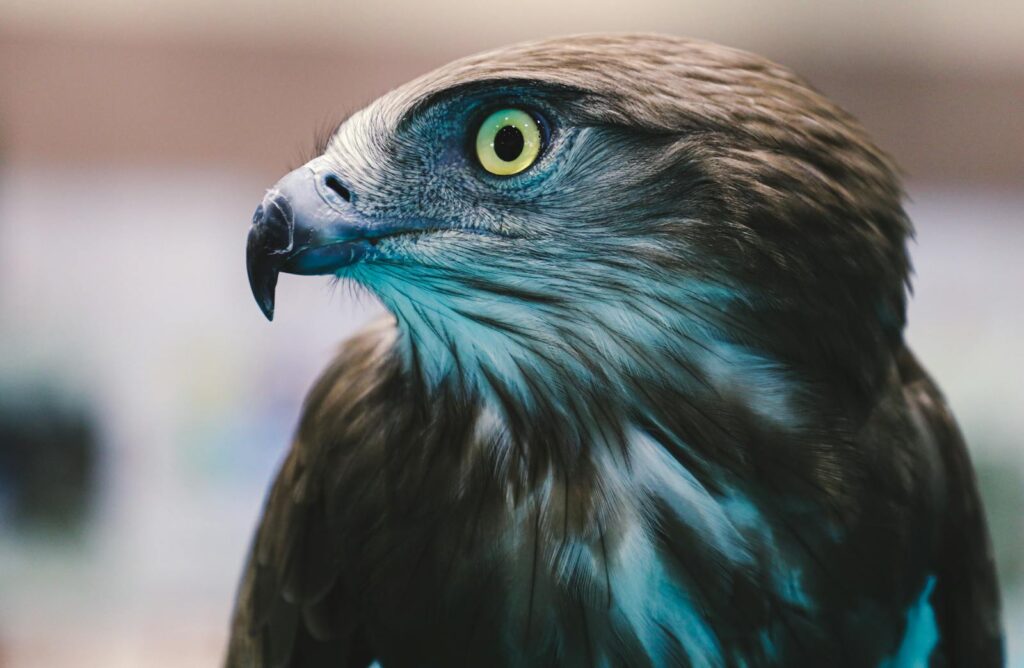
The extraordinary visual capabilities of eagles represent a prime example of evolutionary adaptation shaped by ecological pressures. As apex aerial predators, eagles rely almost exclusively on their vision to locate and capture prey, often from significant heights that maximize their hunting territory while minimizing energy expenditure. Natural selection has favored individuals with superior vision, as they could spot prey more effectively and thus secure more consistent nutrition. This evolutionary pressure has been particularly intense for eagles, as they often hunt small, camouflaged prey against complex backgrounds from distances where other sensory systems would be ineffective. Their remarkable vision also provides crucial advantages during territorial defense and mate selection, where spotting potential threats or evaluating potential partners from great distances conserves valuable energy. The eye’s development in eagles represents one of the most specialized sensory adaptations in vertebrate evolution.
Other Birds with Extraordinary Vision
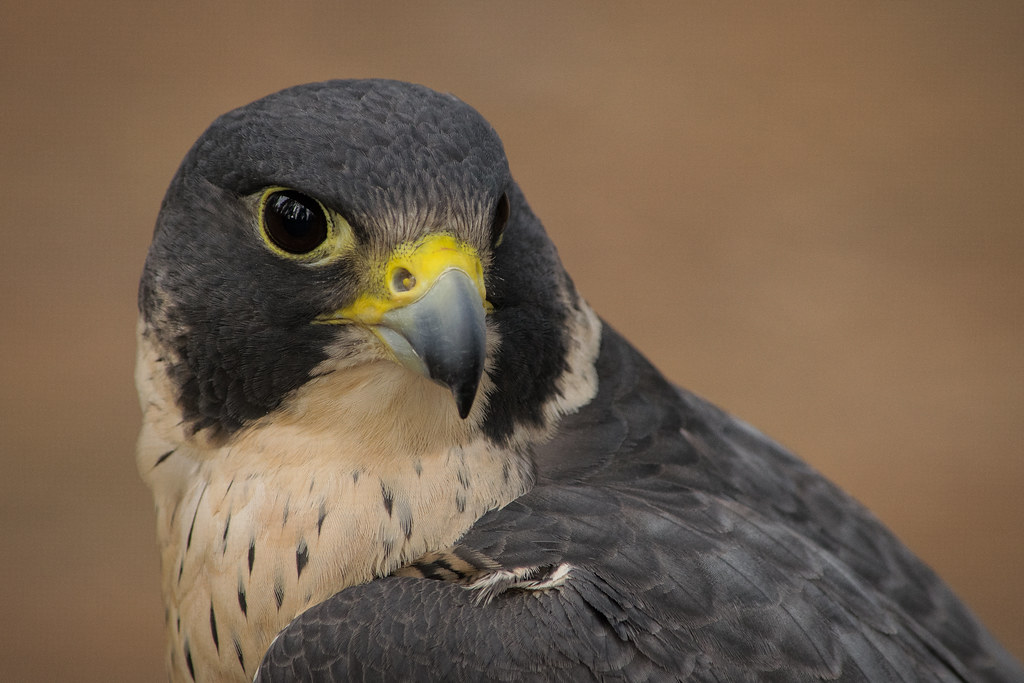
While eagles claim the top spot for visual acuity, several other bird species possess remarkable visual capabilities adapted to their specific ecological niches. Falcons, particularly the peregrine falcon, have specialized central vision that allows them to track fast-moving prey during high-speed dives reaching over 200 mph. Ospreys have polarized vision that helps them see through water surface glare to spot fish swimming below. Owls, though not matching eagles in sharpness, have evolved extraordinary light-gathering abilities that allow them to hunt effectively in near-total darkness. Their eyes contain an exceptional density of rod cells (responsible for low-light vision) and a reflective layer called the tapetum lucidum that gives light a second chance to stimulate those receptors. Even common birds like pigeons have impressive visual capabilities, with studies showing they can distinguish between paintings by different human artists and recognize all 26 letters of the English alphabet.
The Science Behind Avian Visual Acuity
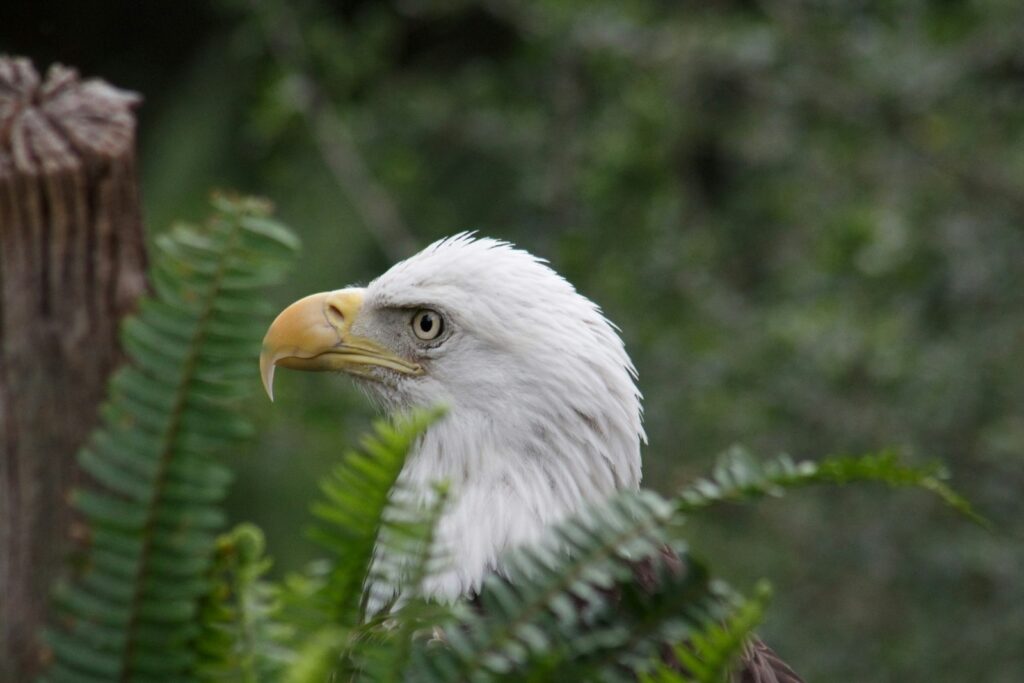
The exceptional visual acuity of birds like eagles stems from several key physiological factors that scientists have extensively studied. The retina—the light-sensitive layer at the back of the eye—contains significantly higher densities of photoreceptors in birds of prey compared to other animals. In particular, the concentration of cone cells (responsible for color vision and detail perception) in the eagle’s fovea reaches remarkable levels, with some species having over a million cones per square millimeter. Another critical factor is the large size of their eyes relative to their head, creating a larger image on the retina and thus capturing more detail. The shape of avian eyes also differs fundamentally from mammalian eyes, with a flattened structure that increases the focal length and creates a naturally magnified image. Additionally, birds of prey possess specialized musculature that allows rapid and precise adjustments to focus, enabling them to maintain visual clarity even during complex aerial maneuvers.
How Eagles Hunt Using Their Superior Vision

An eagle’s hunting strategy revolves entirely around its exceptional vision, demonstrating the practical application of this evolutionary advantage. Typically, an eagle will soar at heights between 500 and 3,000 feet, methodically scanning the landscape below for the slightest movement that might indicate prey. When potential prey is spotted, the eagle can maintain visual contact while adjusting its flight path, all without losing focus on the target—a capability human pilots with high-powered optics struggle to match. During the final attack dive, or stooping, eagles keep their head perfectly stable while their body undergoes dramatic acceleration and position changes. Their specialized nictitating membrane—a transparent third eyelid—protects the eye during these high-speed dives without compromising vision. The precision of this visual system allows golden eagles to target specific vulnerable areas on prey animals, such as the base of the skull on small mammals, demonstrating not just visual acuity but the integration of visual processing with hunting behavior.
The Role of UV Vision in Bird Predation
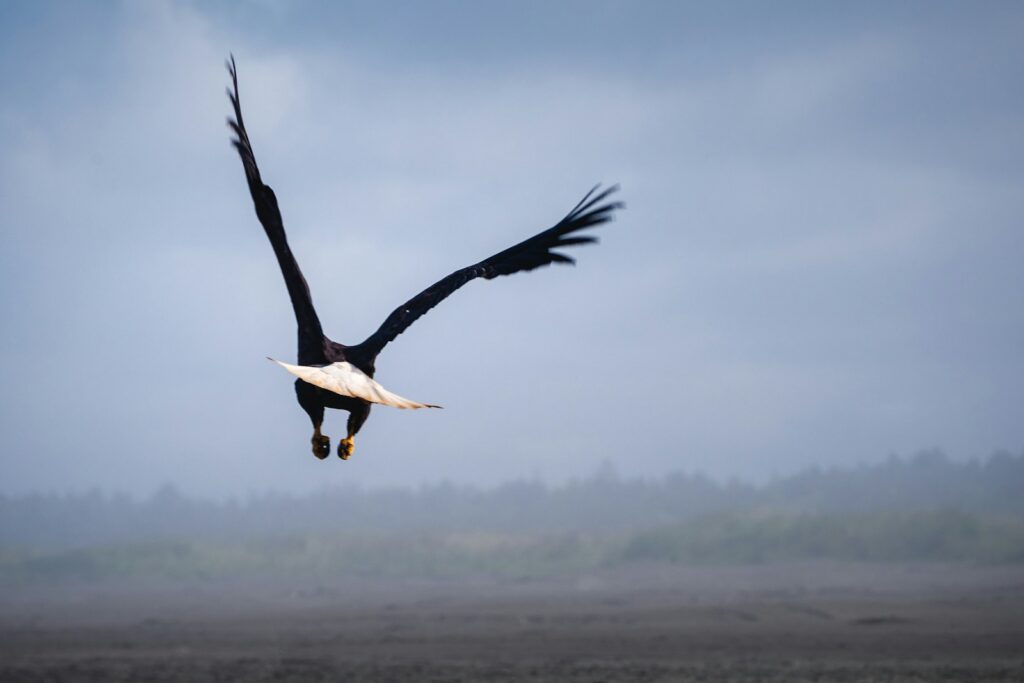
Many birds of prey, including eagles and kestrels, possess the remarkable ability to see into the ultraviolet spectrum, a capability that provides significant hunting advantages invisible to the human eye. This adaptation proves especially valuable when hunting small rodents, which leave trails of urine that strongly reflect ultraviolet light. These urine markings, completely invisible to humans, appear as bright signposts to birds with UV sensitivity, effectively creating a visual map of rodent activity and concentration. Research has demonstrated that kestrels are significantly more successful when hunting in areas with these UV-visible trails compared to areas where the trails have been obscured. Beyond prey detection, UV vision helps birds identify ripe fruits, distinguish between visually similar species, and evaluate the health of potential mates based on feather conditions that reflect ultraviolet light differently depending on the bird’s nutritional state and parasite load. This adaptation represents yet another dimension of visual perception that gives birds an edge in their environmental interactions.
Adaptations for Night Vision in Nocturnal Birds
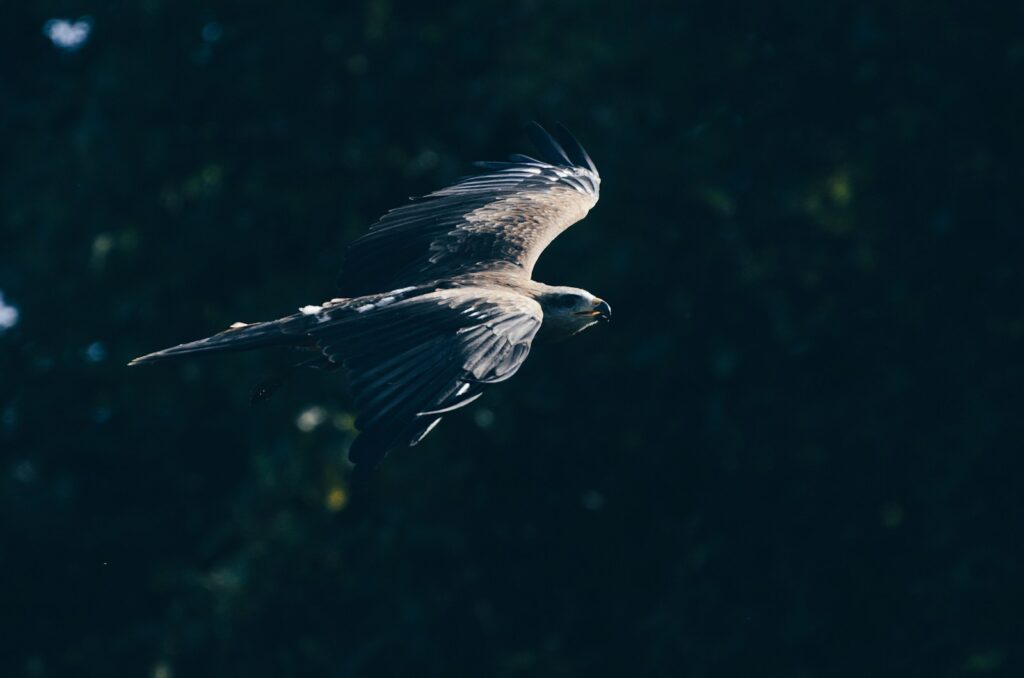
While eagles excel in daytime visual acuity, nocturnal birds have evolved remarkable adaptations for seeing in near-darkness, showcasing different yet equally impressive visual specializations. Owls, the quintessential nocturnal hunters, possess extraordinarily large eyes relative to their skull size—so large that they cannot move their eyes within their sockets, necessitating their famous ability to rotate their heads up to 270 degrees. The owl’s retina contains an exceptional density of rod cells, which are specialized for detecting light rather than color, allowing them to function in illumination levels 100 times dimmer than what humans require. Behind the retina, owls have a specialized reflective layer called the tapetum lucidum that bounces light back through the retina, effectively giving photons a second chance to be detected. Additionally, the pupils of nocturnal birds can dilate to extraordinary sizes, maximizing light collection in minimal lighting conditions. These adaptations demonstrate how different environmental pressures have shaped avian vision along different evolutionary paths, all resulting in remarkable visual capabilities.
The Mystery of Migrating Birds’ Navigation Vision

Migrating birds showcase yet another dimension of extraordinary avian vision through their ability to navigate across vast distances with remarkable precision. Research has revealed that many migratory species can actually visualize Earth’s magnetic field, a capability scientists call “magnetoreception.” This remarkable adaptation appears to involve specialized proteins called cryptochromes in the birds’ retinas that are sensitive to magnetic fields, creating a literal visual overlay of magnetic information on the bird’s normal vision. Some species, like European robins, can detect polarized light patterns in the sky, essentially seeing directional information invisible to humans. Garden warblers and other nocturnal migrants use stellar navigation, memorizing star patterns with such precision that they can determine direction even when seeing only small portions of the night sky. These sophisticated visual systems allow birds like the Arctic tern to complete annual migrations of over 40,000 miles with pinpoint accuracy, returning to the exact same breeding grounds year after year, demonstrating how avian vision extends far beyond simple acuity into realms of perception humans are only beginning to understand.
Threats to Eagles and Their Vision
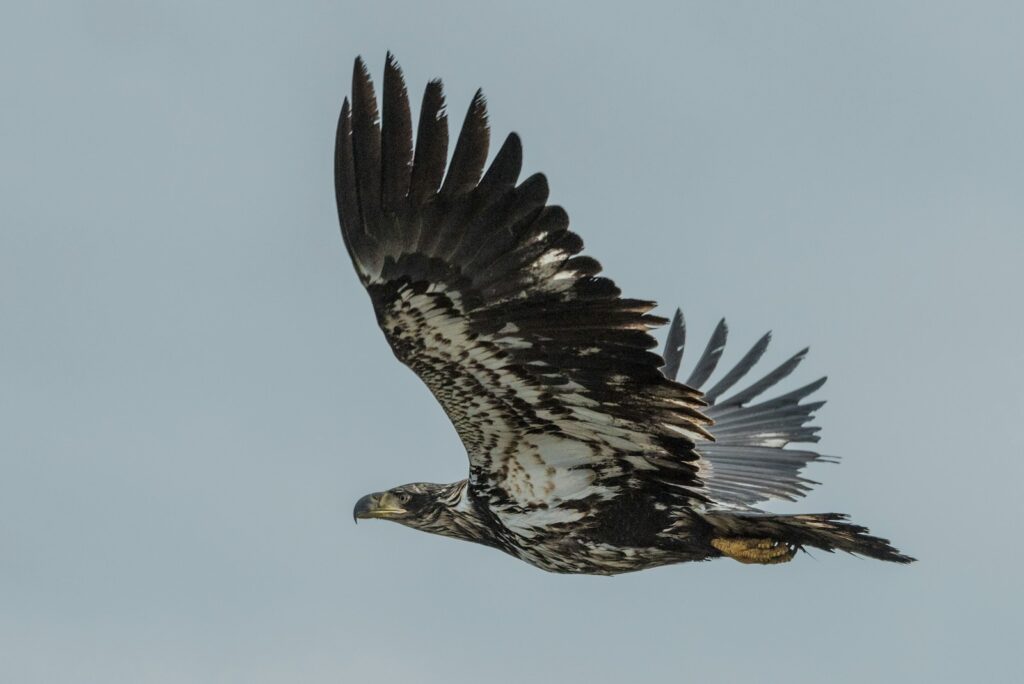
Despite their remarkable visual capabilities, eagles face numerous threats that can damage or compromise their vision, many stemming from human activities. Lead poisoning from ingested ammunition in prey animals can cause severe neurological damage affecting vision processing and coordination. Pesticides, particularly organochlorines like DDT, have historically caused thinning of eggshells and direct toxic effects that can impact the development of visual systems in eagle chicks. Habitat destruction reduces hunting territories and forces eagles to adapt to human-modified landscapes where their long-distance vision may become less advantageous. Collisions with human structures like wind turbines and power lines cause direct trauma, with eye injuries being particularly devastating for these vision-dependent predators. Climate change presents a more subtle threat, potentially altering prey distributions and availability, forcing eagles to adapt their hunting strategies and territories. Conservation efforts specifically focused on protecting the conditions that allow these birds to effectively use their extraordinary vision—such as preserving open hunting territories and reducing contaminants—are essential for ensuring their continued survival.
Studying Eagle Vision: Research Challenges and Breakthroughs
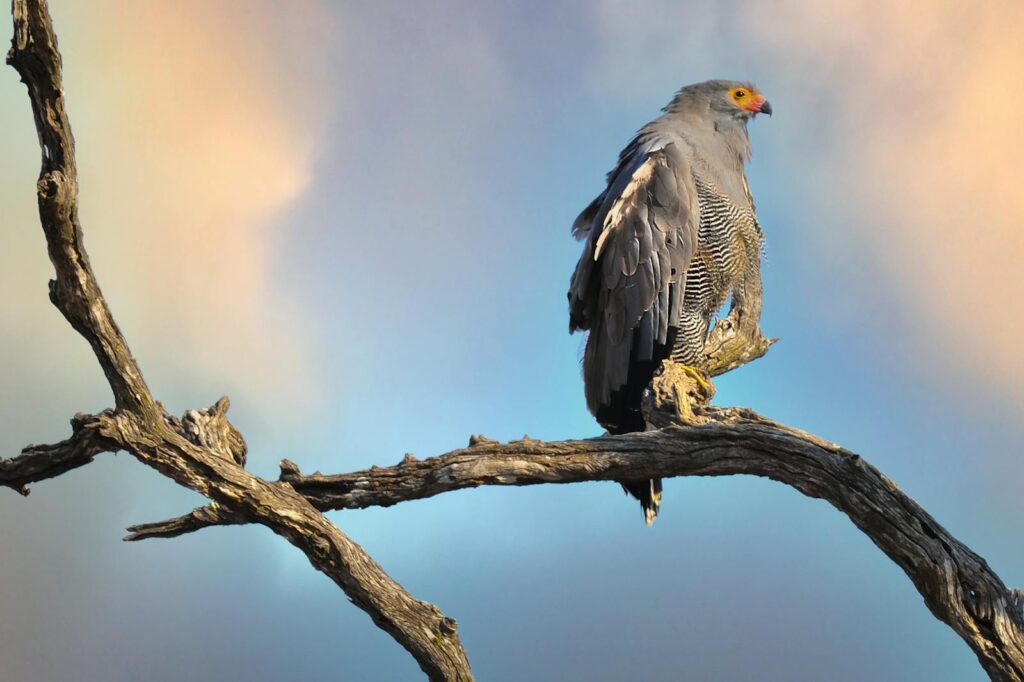
Scientifically measuring and understanding eagle vision presents unique challenges that researchers have addressed with increasingly sophisticated methods. Traditional visual acuity tests used for humans cannot be directly applied to eagles, requiring creative experimental designs that leverage natural behaviors. One groundbreaking approach involves training eagles to distinguish between increasingly fine patterns at various distances, providing quantifiable data on their visual limits. Advanced imaging techniques, including specialized ophthalmological equipment modified for avian subjects, have allowed researchers to examine the structural details of eagle retinas without harming the birds. Molecular biology has revealed the genetic basis for the additional photoreceptors that enable eagles’ ultraviolet vision and extraordinary cone cell density. Perhaps most fascinating are studies using miniaturized camera systems attached to free-flying eagles, providing first-person perspectives that help scientists understand how these birds process and utilize visual information during real hunting scenarios. These research efforts continue to reveal new aspects of eagle vision, including recent discoveries about how their visual processing integrates with other sensory systems to achieve their remarkable hunting precision.
The extraordinary visual capabilities of eagles and other birds of prey represent one of nature’s most remarkable evolutionary achievements. From the wedge-tailed eagle’s ability to spot tiny prey from kilometers away to the specialized night vision of owls and the magnetic field perception of migratory species, avian vision showcases the incredible diversity of sensory adaptations in the animal kingdom. These visual systems have evolved through millions of years of natural selection, perfectly attuned to the ecological niches and behaviors of each species. As we continue to study and understand these remarkable adaptations, we gain not only scientific knowledge but also a deeper appreciation for the sophisticated ways animals perceive their world. For eagles, possessing the sharpest eyesight in the animal kingdom is not merely an impressive biological statistic—it represents the foundation of their existence, the sensory cornerstone upon which their entire lifecycle depends. In protecting these magnificent birds and the habitats they require, we preserve living examples of evolution’s extraordinary capacity to develop specialized sensory systems that far exceed our own human capabilities.