

Within the cozy confines of a nest, a drama unfolds that has captivated ornithologists for generations. Bird siblings, from the moment they hatch, engage in complex competitive interactions that can determine their very survival. These interactions, collectively known as sibling rivalry, represent one of nature’s most fascinating evolutionary strategies for ensuring that at least some offspring survive to adulthood. Far from being simply aggressive behavior, sibling rivalry in bird broods encompasses a spectrum of competitive strategies that vary dramatically across species. From subtle competition for parental attention to outright aggression and even siblicide, the dynamics of avian siblings provide a remarkable window into evolutionary adaptation, parental investment theory, and behavioral ecology.
The Evolutionary Basis of Sibling Rivalry
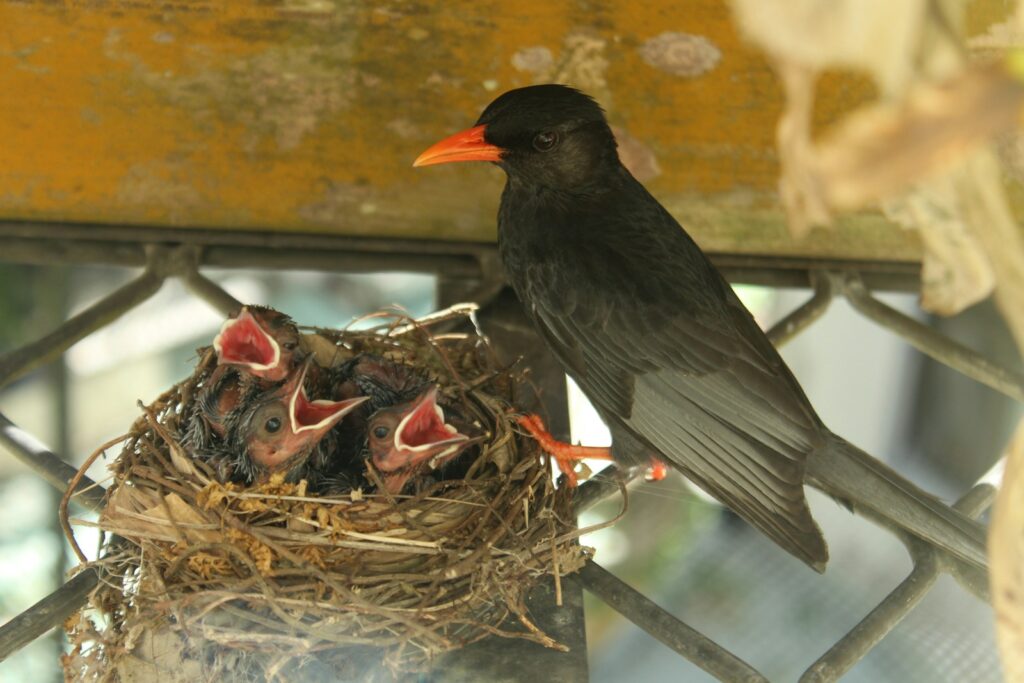
Sibling rivalry in birds has deep evolutionary roots, primarily stemming from competition for limited resources. When parents can only provide a finite amount of food or care, natural selection favors offspring that can secure a greater share of these resources. This competitive dynamic emerges as a direct consequence of resource scarcity, creating selective pressure for behaviors that increase an individual chick’s chances of survival. Importantly, the intensity of sibling rivalry often correlates with environmental conditions; when resources are abundant, rivalry may be minimal, but when food is scarce, competition intensifies dramatically. This evolutionary adaptation ensures that in challenging conditions, at least some offspring—typically the most competitive ones—will survive rather than all perishing due to insufficient resources.
Hatching Asynchrony: Nature’s Competitive Edge
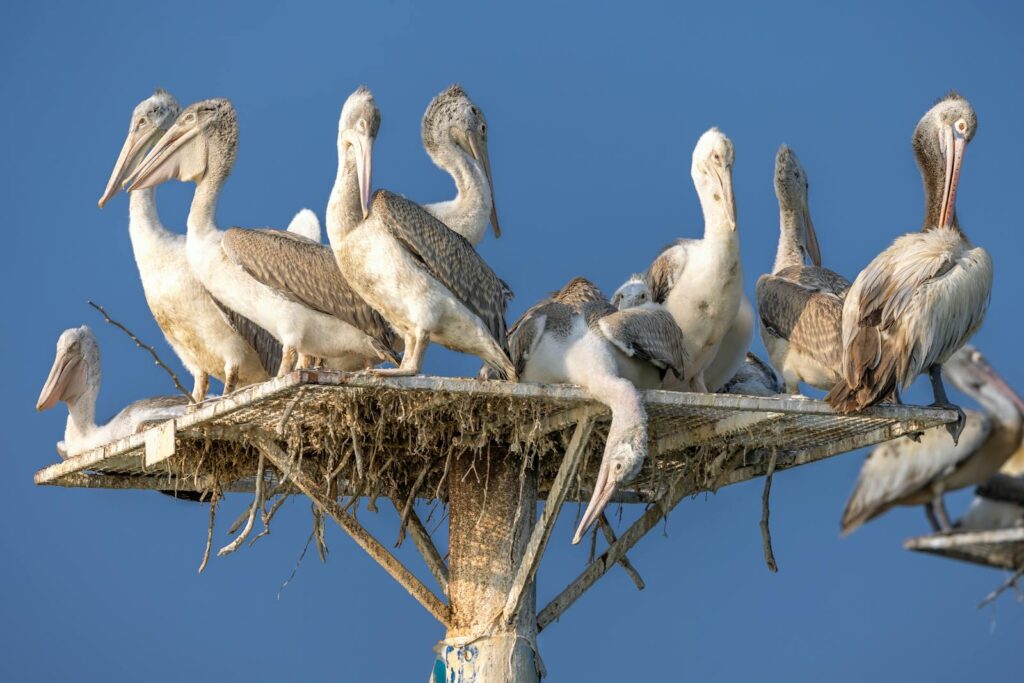
Many bird species exhibit hatching asynchrony, where eggs in the same clutch hatch at different times, creating immediate size and developmental disparities among siblings. This phenomenon isn’t accidental but represents an adaptive strategy that establishes a competitive hierarchy within the brood from the outset. The first-hatched chicks gain a significant head start, growing larger and stronger before their siblings even emerge from their eggs. In species like raptors and seabirds, this age difference can span several days, creating dramatic size disparities that profoundly influence survival prospects. Hatching asynchrony essentially serves as a form of parental insurance, creating a hierarchy that ensures that at least some offspring will thrive even in unpredictable environments.
Begging Behavior as Competitive Strategy
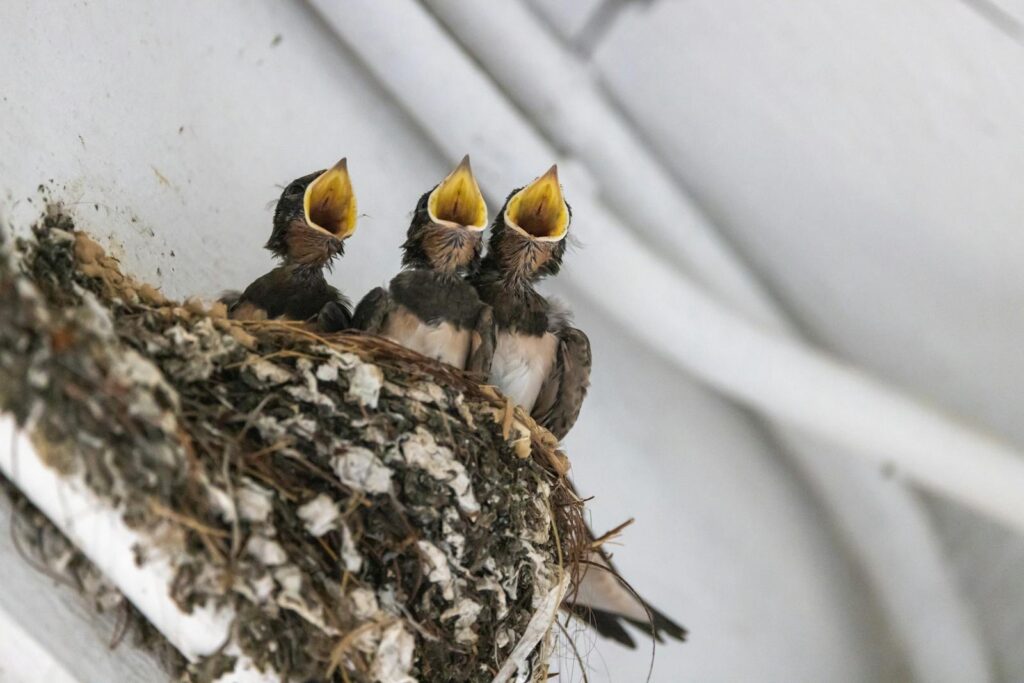
The iconic image of baby birds with mouths agape, frantically begging for food, represents a sophisticated competitive strategy. Chicks engage in elaborate begging displays—combining vocalizations, posturing, and visual signals—to attract parental attention and secure more food than their siblings. Research has shown that begging intensity often honestly signals hunger levels, with hungrier chicks begging more vigorously, though some species have evolved deceptive begging strategies. The positional advantage within the nest also plays a crucial role, with chicks jockeying for optimal positions closest to where parents typically deliver food. This complex signaling system represents an evolutionary arms race between siblings competing for parental investment, with each chick attempting to portray itself as the most deserving recipient.
Obligate Siblicide: The Ultimate Rivalry
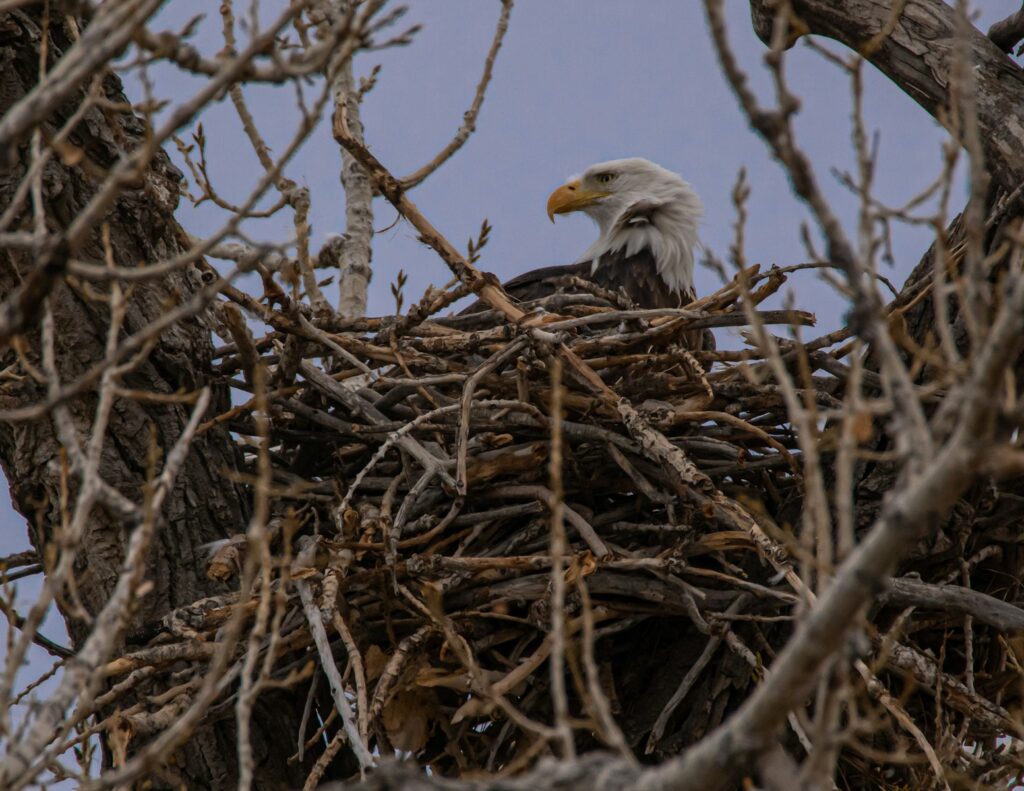
In certain bird species, sibling rivalry reaches its most extreme expression through obligate siblicide—the systematic killing of nestmates. Species like the Nazca booby and some eagles have evolved reproductive strategies where parents typically lay two eggs but only expect to raise one offspring. The first-hatched chick aggressively attacks and eventually eliminates its younger sibling, often while parents remain passive observers to this seemingly brutal process. From an evolutionary perspective, this strategy serves as insurance against the failure of the first egg and ensures maximum parental investment in the surviving chick. Though disturbing to human observers, obligate siblicide represents a fascinating adaptation to environments where resources are rarely sufficient to raise multiple offspring successfully.
Facultative Siblicide: Conditional Aggression
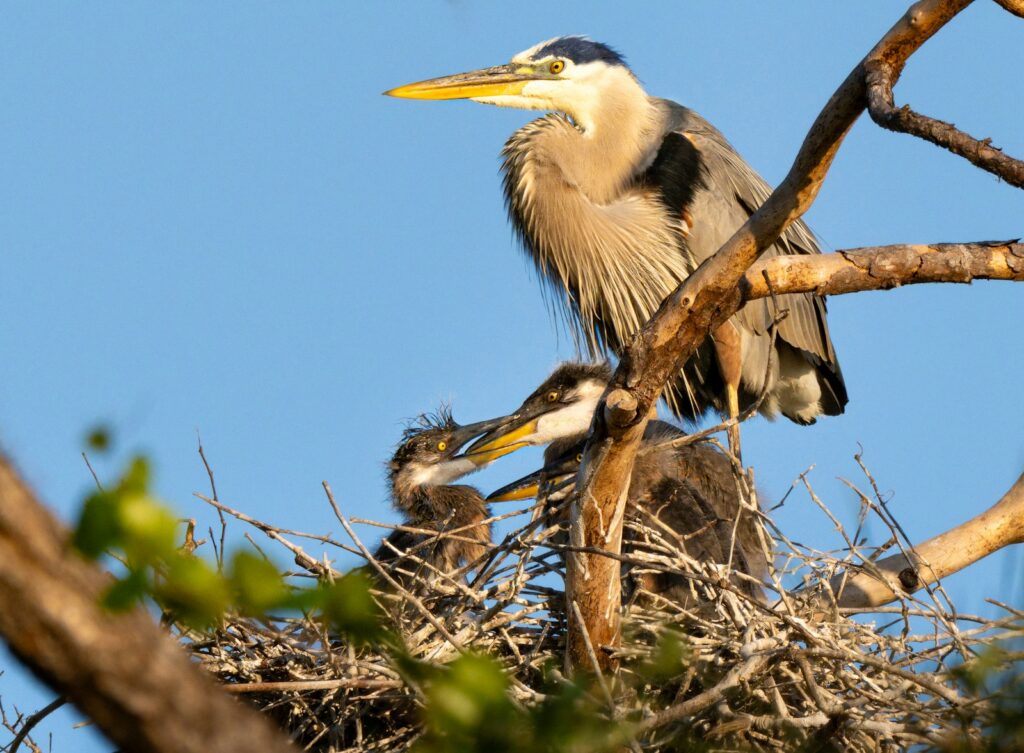
Unlike obligate siblicide, facultative siblicide occurs conditionally, depending on resource availability and environmental conditions. In species like herons, egrets, and some raptors, siblings may coexist peacefully when food is abundant but turn aggressive when resources become scarce. This flexible strategy allows parents to maximize their reproductive output based on prevailing conditions. The oldest or strongest chick typically initiates aggression when food deliveries decrease, sometimes delivering fatal pecks to its siblings or pushing them from the nest. This adaptive response to environmental uncertainty enables parents to adjust their brood size to match resource availability without having to make that determination themselves, essentially delegating the decision to the competitive interactions of their offspring.
Parental Responses to Sibling Rivalry
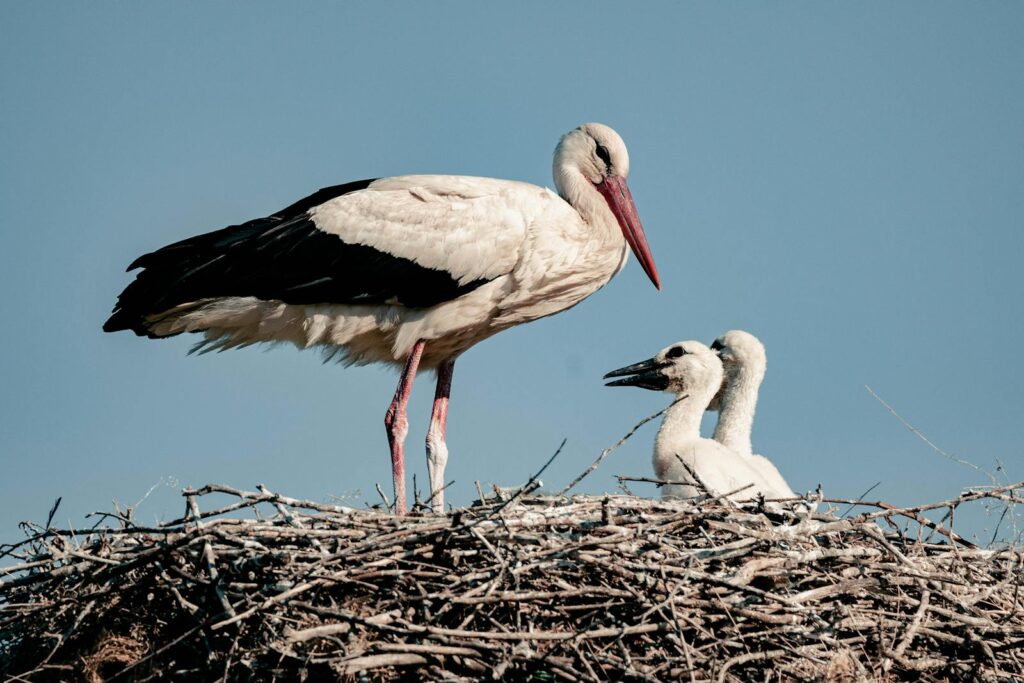
Parents are not passive observers in the drama of sibling rivalry but active participants whose behaviors can either mitigate or exacerbate competitive dynamics. Some species practice preferential feeding, deliberately allocating more resources to certain offspring based on signals like size, begging intensity, or position in the nest. Others employ more egalitarian feeding strategies, attempting to distribute food evenly despite the competitive efforts of their chicks. In species where siblicide occurs, parents may intervene selectively or remain completely uninvolved, depending on evolutionary adaptations. Importantly, parental responses often vary with environmental conditions, with more equitable food distribution occurring when resources are abundant and more selective investment when resources are limited.
Hormonal Mechanisms of Competitive Behavior

The competitive behaviors exhibited in sibling rivalry have fascinating hormonal underpinnings that influence chick development and behavior. Testosterone levels, in particular, play a crucial role in mediating aggressive behaviors in many bird species, with higher levels correlating with increased aggression and competitive advantage. Interestingly, maternal hormones deposited in eggs can create developmental disparities among siblings even before hatching occurs. For instance, mothers may deposit more testosterone in eggs laid earlier in the sequence, predisposing the first-hatched chicks to more aggressive behavior. Stress hormones like corticosterone also influence competitive dynamics, with chronically elevated levels potentially suppressing growth and begging behavior in subordinate chicks, further cementing the competitive hierarchy within the brood.
Brood Reduction as an Adaptive Strategy
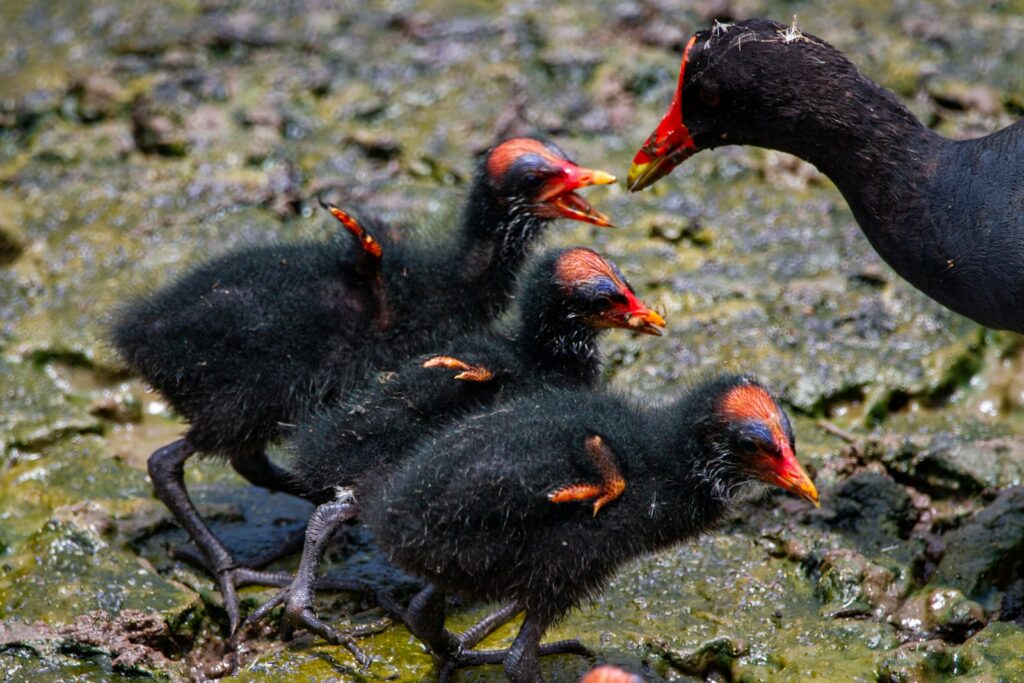
The phenomenon of brood reduction—where only a subset of hatched chicks survives to fledging—represents a sophisticated adaptation to environmental uncertainty. Many bird species produce more offspring than they can typically raise, essentially creating a surplus that functions as insurance against unpredictable conditions. When resources prove insufficient, sibling rivalry mechanisms naturally reduce the brood to a sustainable size through competition or direct aggression. This strategy allows parents to maximize their reproductive potential without committing to a fixed brood size that might prove unsustainable. Importantly, brood reduction through sibling rivalry ensures that the strongest offspring survive, potentially increasing the genetic quality of survivors compared to random mortality.
Vocal Signatures and Individual Recognition
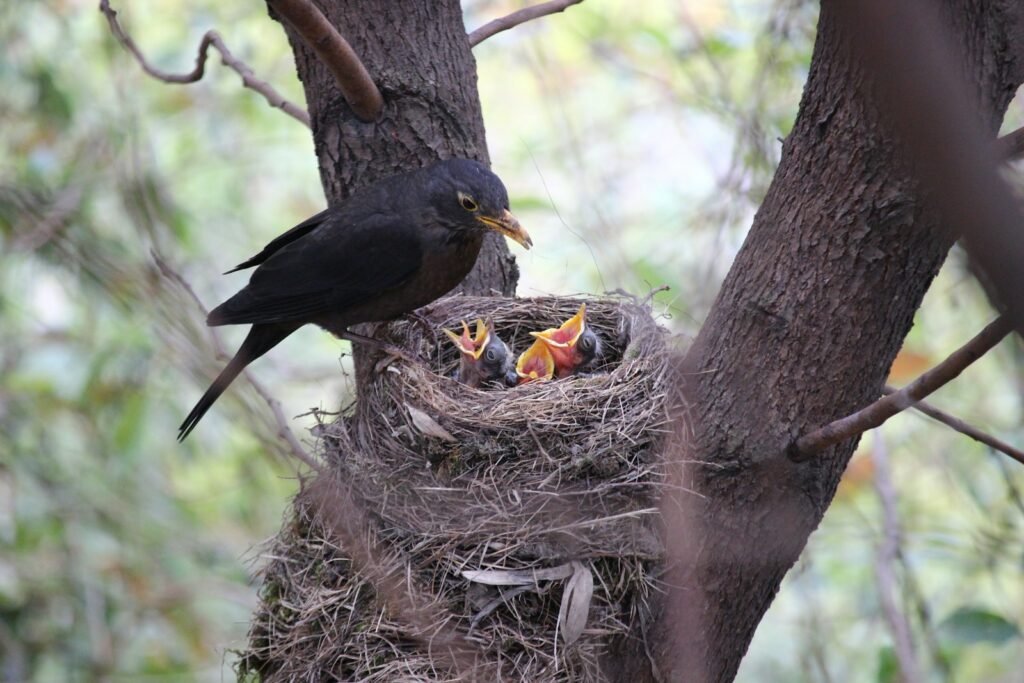
In the complex social environment of a nest, many bird species have evolved sophisticated systems of individual recognition that influence competitive dynamics. Chicks in species like bank swallows and cliff swallows develop unique vocal signatures that allow parents to recognize individual offspring. This remarkable ability enables parents to track the feeding history of each chick and potentially distribute food more equitably, mitigating some effects of aggressive competition. In colonial species where nest confusion might occur, these individual signatures become particularly important for preventing misdirected parental care. The development of these unique vocal “fingerprints” represents an evolutionary countermeasure to the potential exploitation of parental investment by the most aggressive chicks.
Sibling Rivalry in Cooperative Breeding Species
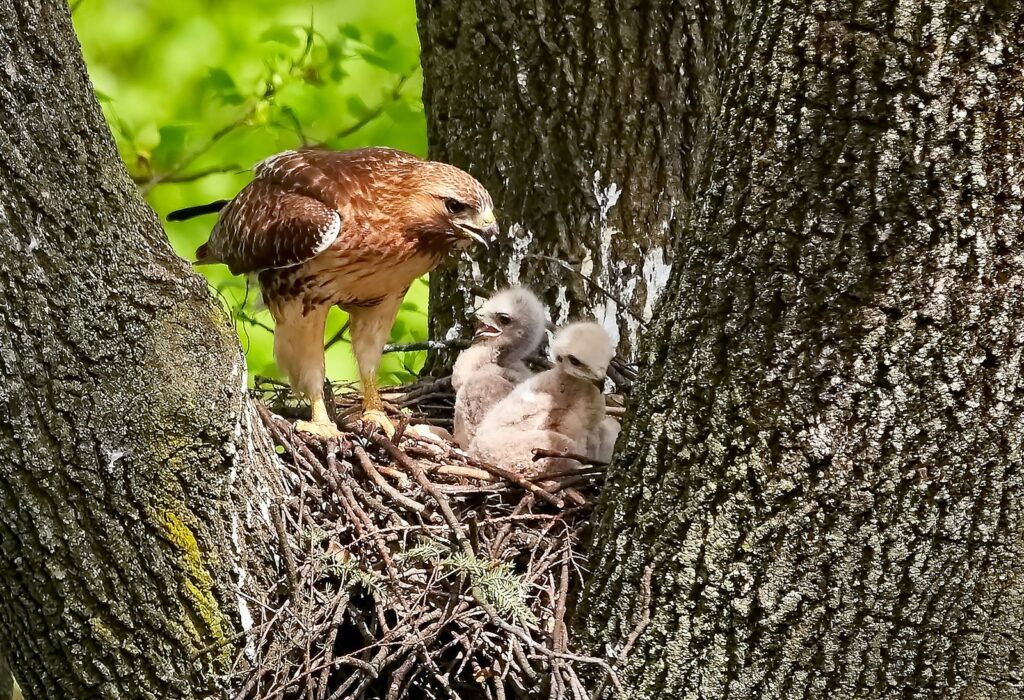
Cooperative breeding birds, where non-breeding helpers assist in raising young, present a fascinating twist on traditional sibling rivalry dynamics. In species like Florida scrub-jays and Australian babblers, siblings from previous broods may remain with parents and help raise subsequent broods, creating complex family structures. This system significantly alters competitive dynamics, as the presence of multiple caregivers often reduces resource limitations that drive intense sibling competition. However, research indicates that subtle forms of favoritism and competition may still exist, particularly between current nestlings and previous offspring who serve as helpers. This cooperative system demonstrates how ecological conditions and social structures can fundamentally reshape the expression of sibling rivalry, creating more complex competitive and cooperative dynamics.
Cognitive Aspects of Nestling Competition
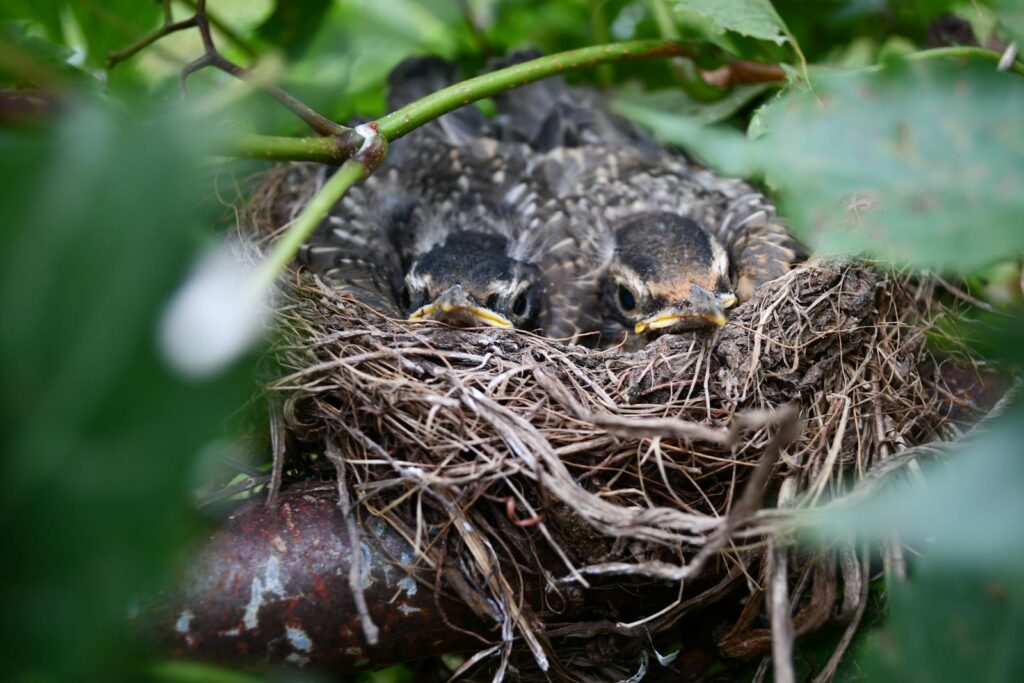
Recent research has revealed surprising cognitive dimensions to sibling rivalry, suggesting that even young nestlings possess sophisticated competitive strategies beyond simple reflexive behaviors. Chicks in many species demonstrate the ability to adjust their begging intensity based on the presence and behavior of siblings, showing a rudimentary form of social awareness. Some species exhibit “scramble competition,” where chicks monitor parental arrival and feeding patterns to position themselves optimally for feeding opportunities. Particularly fascinating is evidence that some nestlings can assess their competitive standing within the brood hierarchy and adjust their strategies accordingly—either intensifying efforts when competition is close or conserving energy when clearly outmatched. These observations suggest that even at the nestling stage, birds possess more advanced cognitive abilities for social competition than previously recognized.
Conservation Implications of Sibling Rivalry
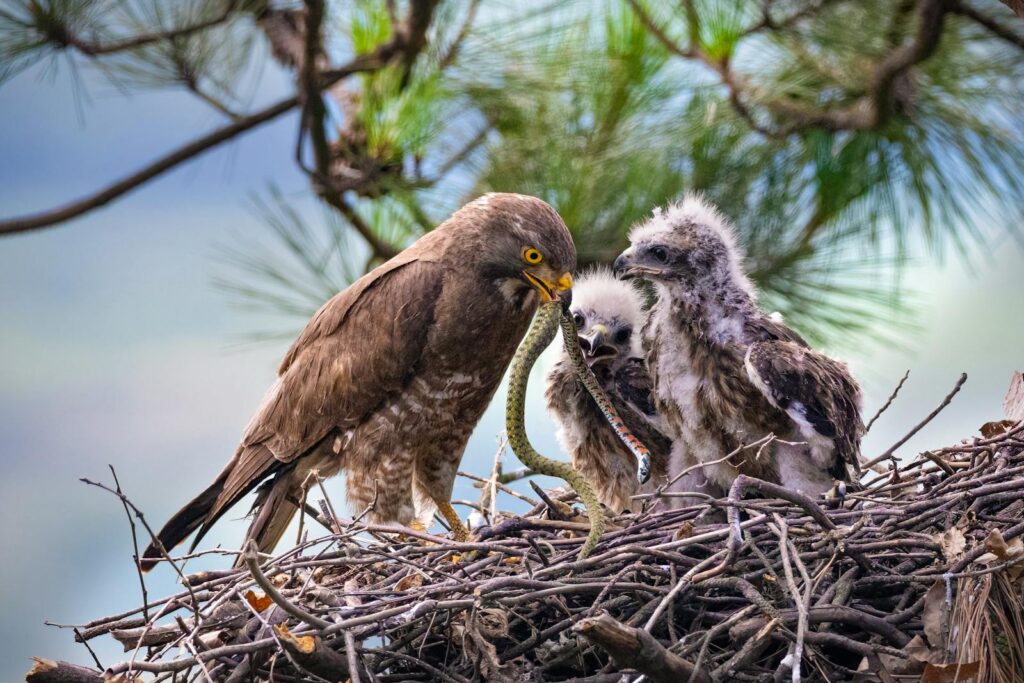
Understanding sibling rivalry dynamics has important implications for bird conservation and captive breeding programs. For endangered species with strong sibling rivalry or siblicide, conservation strategies may include interventions like artificial incubation and hand-rearing to maximize offspring survival. In captive breeding programs for species like California condors and Philippine eagles, eggs are often removed for artificial incubation to prevent natural brood reduction processes. However, these interventions may have unintended consequences, potentially allowing the survival of individuals that would not thrive under natural selection pressures. Conservation biologists must carefully weigh the ethical and biological implications of interfering with natural competitive processes while attempting to preserve critically endangered species, particularly when limited resources are directed toward individual survival rather than population-level genetic diversity.
Sibling rivalry in bird broods, far from being a biological aberration, represents a sophisticated evolutionary adaptation that optimizes reproductive success in unpredictable environments. Through mechanisms ranging from subtle begging competition to extreme siblicide, these competitive interactions allow birds to adjust brood size to match resource availability and ensure that at least some offspring receive sufficient investment to survive. The tremendous diversity of competitive strategies across different bird species reflects the varied ecological challenges they face and the different solutions that have evolved to address the fundamental problem of resource allocation. For ornithologists and evolutionary biologists, these sibling dynamics provide a remarkable window into natural selection, revealing how seemingly harsh competitive behaviors can serve adaptive purposes when viewed through the lens of evolutionary fitness and long-term reproductive success.