

In the quiet dawn of a dewy morning, a slender bird with a long, curved bill stands perfectly still on a lawn. Suddenly, it plunges its beak deep into the soil with surgical precision and pulls out a wriggling earthworm. This remarkable feat isn’t luck – it’s the American woodcock demonstrating one of nature’s most impressive sensory adaptations. Unlike most birds that rely primarily on sight to locate food, the woodcock can actually hear its prey moving beneath the soil. This extraordinary ability has fascinated ornithologists and casual bird watchers alike, making the woodcock one of the most specialized and intriguing ground-feeding birds in North America.
The American Woodcock: Nature’s Soil Listener
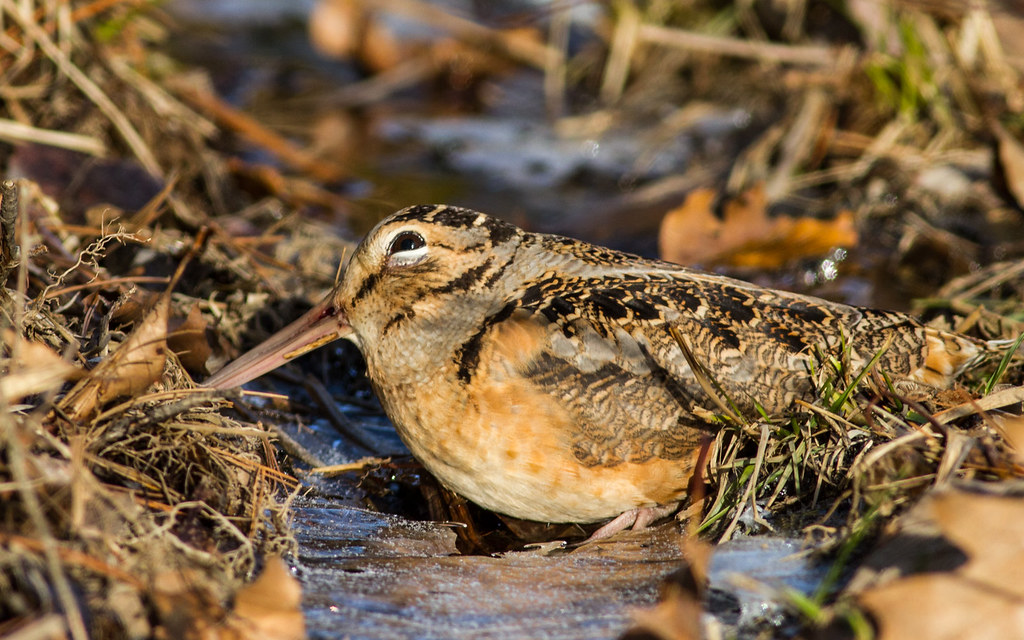
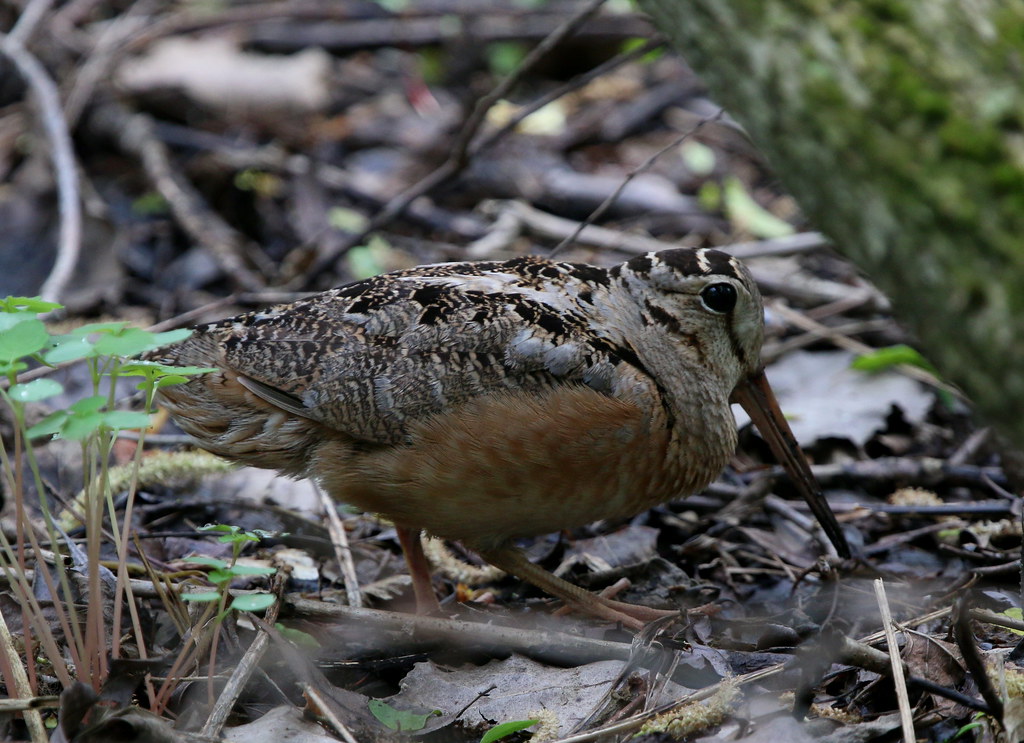
The American woodcock (Scolopax minor), sometimes affectionately called the “timberdoodle” or “bogsucker,” belongs to the shorebird family despite living primarily in young forests and shrublands. This plump, mottled brown bird features a distinctively rotund body, short legs, and an extraordinarily long bill designed for probing soft soil. What truly sets the woodcock apart, however, is its specialized sensory equipment that allows it to detect prey entirely hidden from view. This remarkable bird has evolved to occupy a specific ecological niche, feeding almost exclusively on earthworms that it locates through subtle vibrations and sounds transmitted through the ground. Its entire physical structure, from its bill to its brain, represents an evolutionary masterpiece designed for this specialized hunting technique.
Evolutionary Marvel: The Woodcock’s Unique Skull Structure
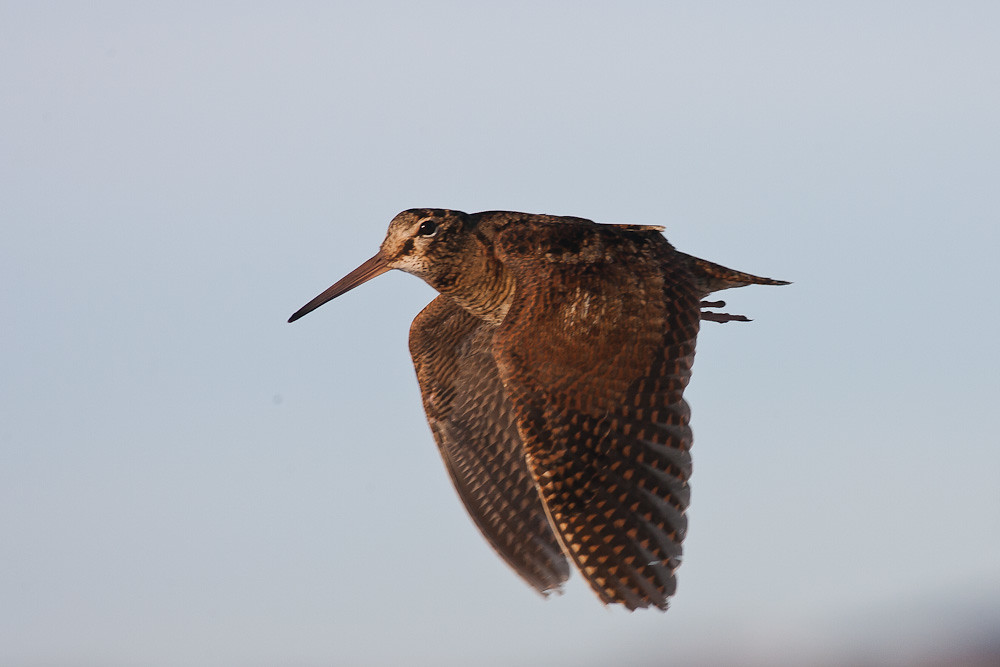
The woodcock’s ability to hear underground movement stems from its extraordinary skull anatomy, which represents one of the most unusual adaptations in the bird world. Unlike most birds, the woodcock’s ears are positioned asymmetrically – with the right ear sitting higher on the skull than the left. This unusual arrangement allows for enhanced directional hearing, helping the bird triangulate the precise location of sounds coming from beneath the soil surface. Additionally, the woodcock’s brain is essentially upside-down compared to other birds, with the cerebellum positioned below the rest of the brain rather than behind it. This bizarre reorganization accommodates the large auditory processing centers and allows the eyes to be positioned high and far back on the head, giving the woodcock nearly 360-degree vision while keeping its bill pointed downward for feeding. This complete restructuring of avian cranial architecture showcases natural selection’s remarkable ability to engineer specialized solutions.
The Remarkable Sensitivity of Woodcock Hearing
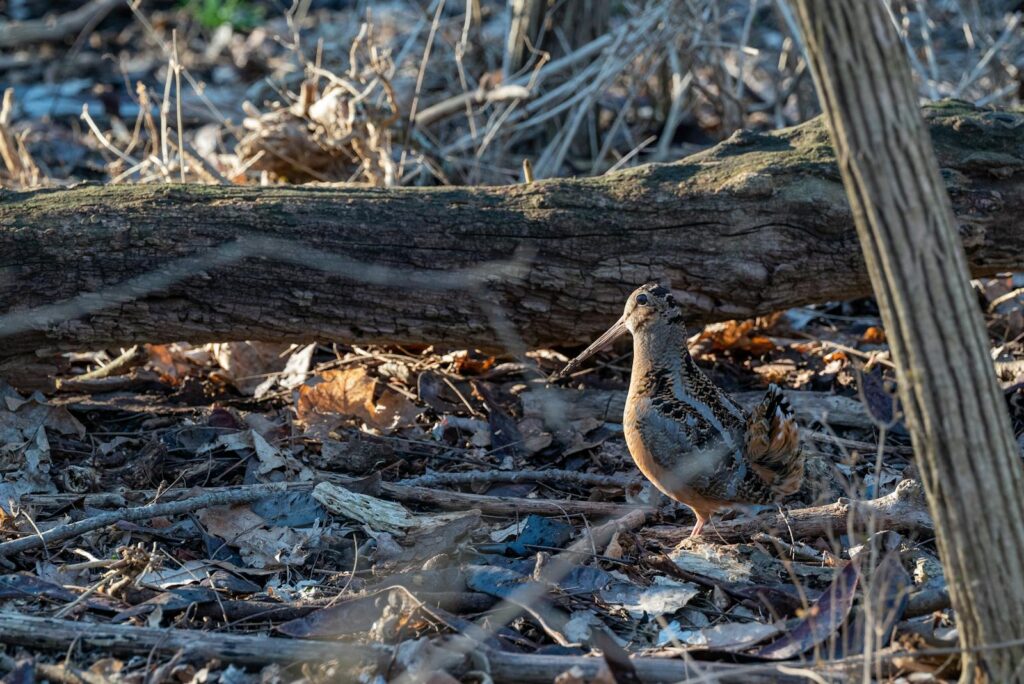
The auditory capabilities of the American woodcock far exceed what would be expected for a bird of its size. Studies have demonstrated that woodcocks can detect the subtle movements and vibrations of earthworms at depths of up to six inches below the soil surface. This extraordinary sensitivity allows them to locate prey that would be completely undetectable to most other predators. The specialized ear structure works in conjunction with mechanoreceptors in the woodcock’s bill tip that can sense tiny vibrations when pressed against the ground. This dual sensory system creates a sophisticated detection mechanism that functions somewhat like a biological seismograph. Even on completely dark nights or in dense fog when visual hunting would be impossible, woodcocks can forage effectively using only their hearing abilities, giving them a significant advantage over visual hunters in their ecosystem.
The Flexible Bill: A Masterpiece of Adaptation
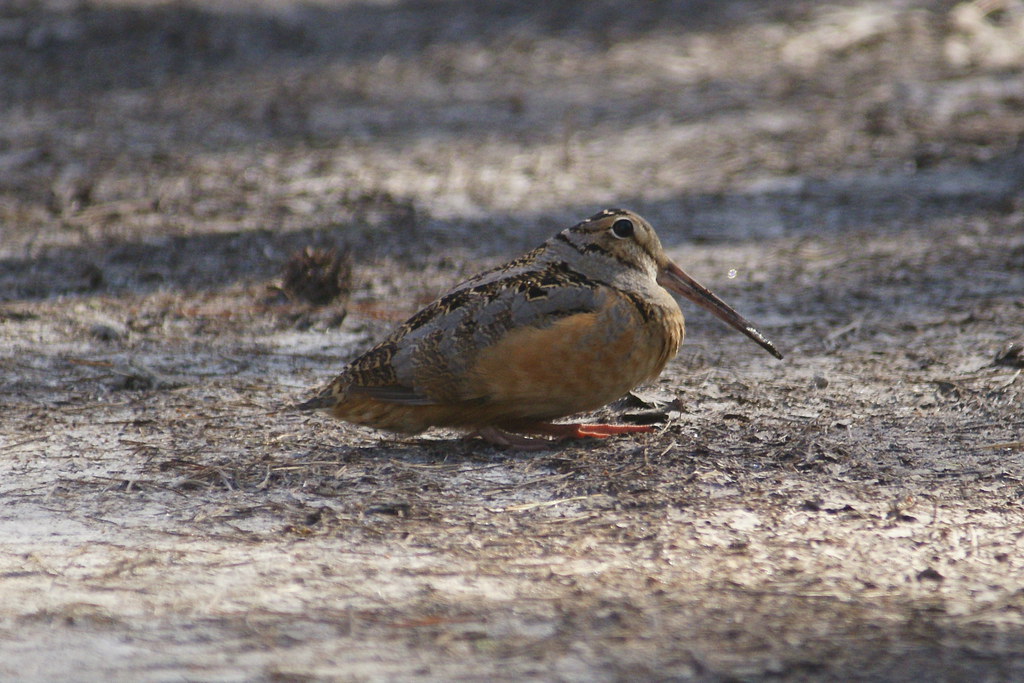
The woodcock’s bill represents another marvel of evolutionary engineering that works in perfect harmony with its hearing abilities. Measuring between 2.5 and 3 inches long, this specialized tool features a flexible tip that can be opened while the rest of the bill remains closed – an unusual adaptation known as “rhynchokinesis.” This flexibility allows the woodcock to grasp worms underground without having to open a large hole in the soil. The bill’s exterior is heavily innervated with mechanoreceptors that can detect minuscule movements and vibrations. Most remarkably, the tip contains specialized touch receptors called Herbst corpuscles that can identify prey by feel once the bill is inserted into the soil. These sensory organs work in concert with the bird’s hearing to create a dual detection system with remarkable precision, allowing the woodcock to extract worms from the soil with almost infallible accuracy.
Feeding Technique: The Art of Earthworm Extraction
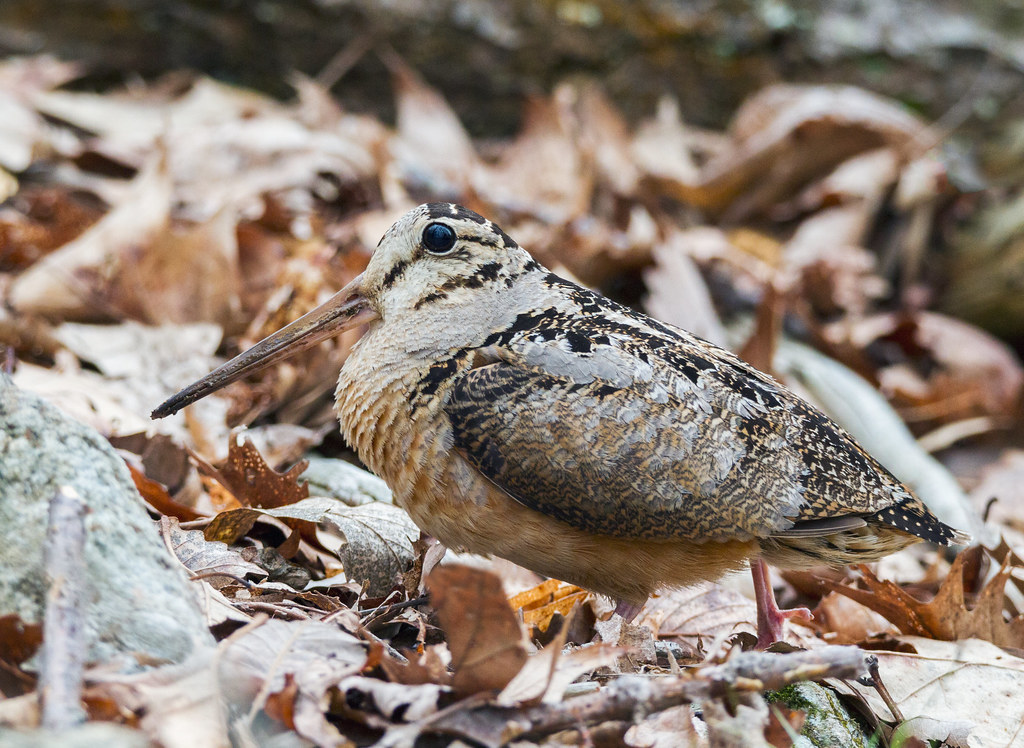
The woodcock’s feeding behavior reveals a methodical approach that maximizes the effectiveness of its sensory adaptations. When hunting, the bird will often perform a distinctive rocking motion while standing in place, shifting its weight forward and backward in what ornithologists call the “woodcock walk” or “earthworm dance.” This curious behavior serves an important purpose – the vibrations caused by this motion may stimulate earthworms to move, making them easier for the woodcock to detect. Once the bird senses a worm, it quickly plunges its long bill into the exact location where it detected movement. The sensitive, flexible bill tip can then grasp the worm underground and extract it with remarkable efficiency. A skilled woodcock can locate and consume dozens of earthworms per hour, making it one of the most effective specialized predators in its environment.
Earthworms: The Underground Chorus
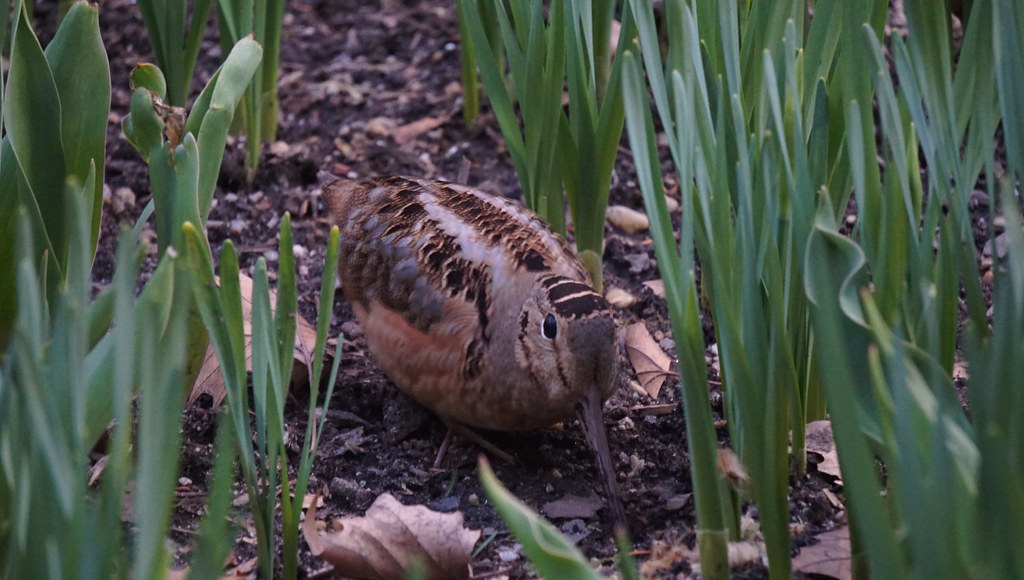
To fully appreciate the woodcock’s auditory talents, we must understand what exactly the bird is hearing beneath the soil. Contrary to what many might assume, earthworms are not silent creatures. As they tunnel through soil, earthworms create subtle but detectable sounds and vibrations that the woodcock has evolved to detect. The rasping of an earthworm’s bristle-like setae against soil particles, the muscular contractions that propel them forward, and even the displacement of soil particles all create micro-acoustic signatures. Recent studies using sensitive vibrational microphones have actually recorded these movements, confirming what woodcocks have “known” for millennia. Additionally, the moisture content of soil affects sound transmission, which may explain why woodcocks prefer to feed in damp areas where sound travels more efficiently through the ground.
Research Challenges: Studying an Elusive Sense
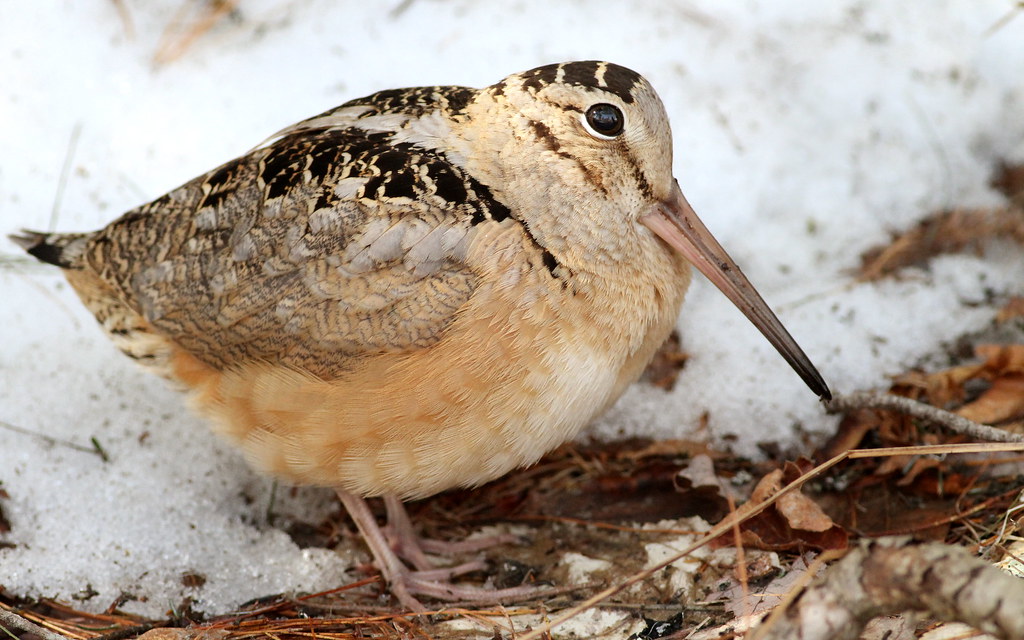
Investigating exactly how woodcocks detect underground prey has presented significant challenges to researchers over the years. Unlike vision or even regular hearing, which can be tested through relatively straightforward experimental setups, measuring a bird’s ability to detect subterranean sounds requires creative methodology. Early studies involved placing woodcocks in controlled environments with artificial soil substrates and hidden mechanical “worms” that could produce vibrations of varying intensities. More recent research has utilized advanced neurological techniques, including electroencephalography, to measure brain responses when presented with recordings of underground worm movements. One particularly ingenious study employed specially designed contact microphones that could detect the subtle sounds of worms moving through soil, allowing researchers to compare these recordings with the woodcock’s responsive behaviors. Despite these advances, the precise mechanisms and sensitivity thresholds of the woodcock’s extraordinary sense remain partially mysterious and a subject of ongoing scientific inquiry.
Beyond Woodcocks: Other Avian Soil Listeners
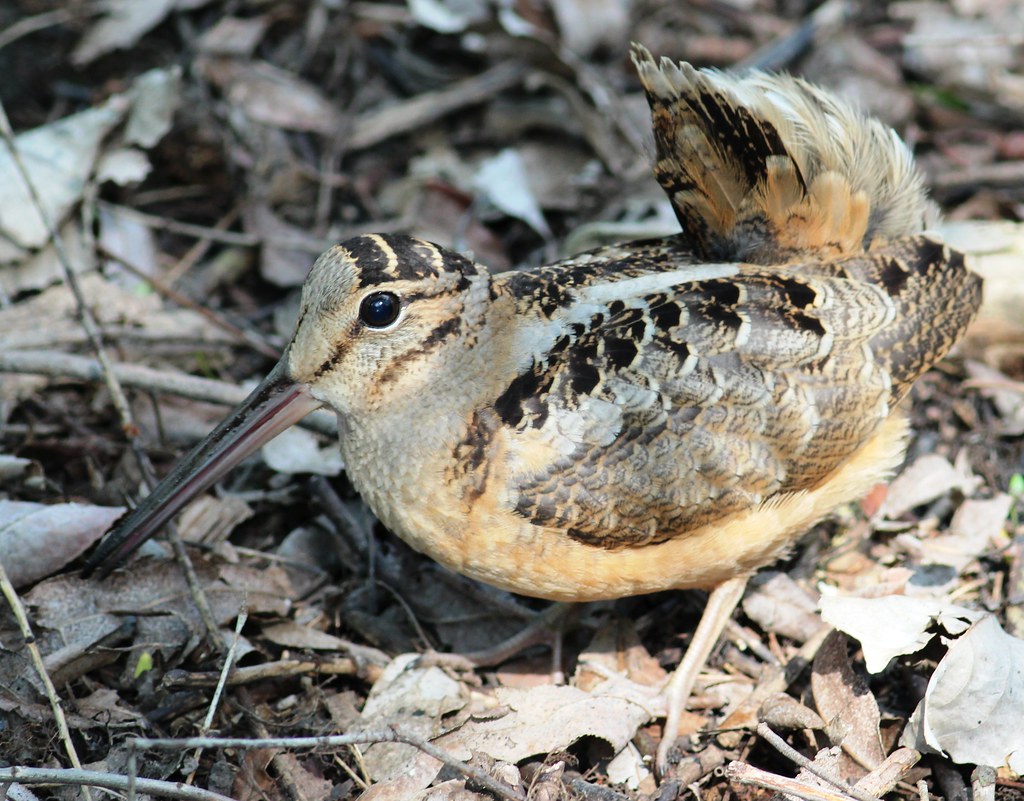
While the American woodcock represents perhaps the most specialized case of underground prey detection, several other bird species have evolved similar, if less advanced, capabilities. The Eurasian woodcock (Scolopax rusticola), a close relative of the American species, exhibits many of the same auditory adaptations and feeding behaviors. Within the sandpiper family, both snipes and dowitchers possess elongated bills with sensitive tips that can detect prey through touch and possibly sound vibrations. The kiwi of New Zealand represents another fascinating case, with nostrils unusually located at the tip of its bill and highly developed olfactory senses that help it locate invertebrates in soil. Many probe-feeding shore birds, such as godwits and curlews, may also utilize some degree of vibrational sensing, though their adaptations are generally less specialized than those of woodcocks. These parallel evolutionary developments across different bird families highlight how similar ecological pressures can drive the development of specialized sensory systems.
Habitat Requirements: Where Woodcocks Listen Best
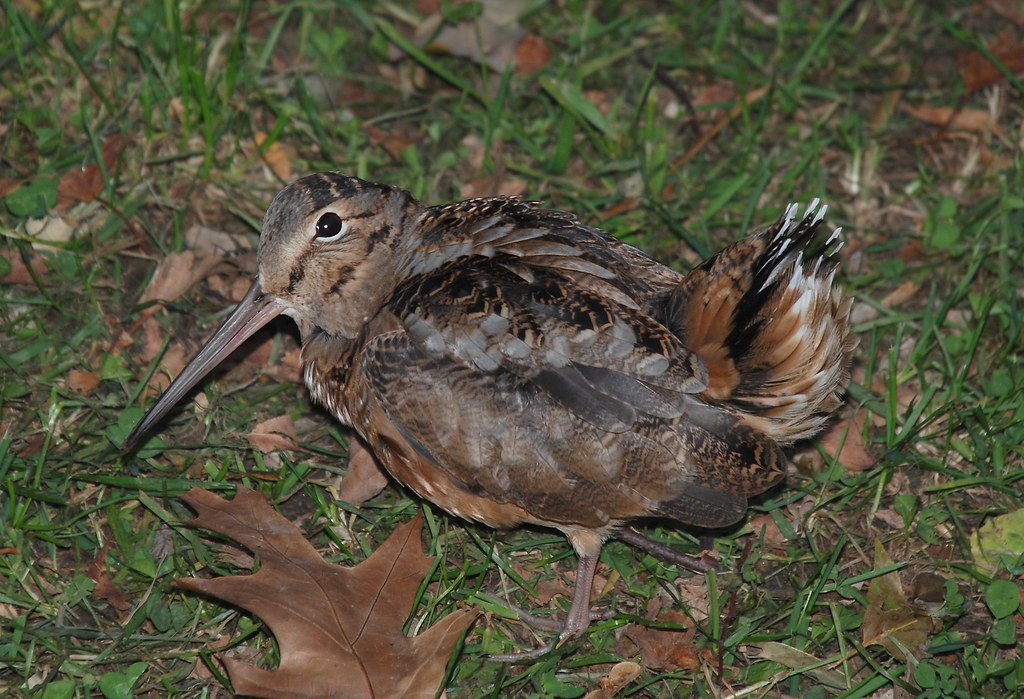
The woodcock’s specialized feeding technique influences its habitat preferences in very specific ways. These birds favor areas with moist, loamy soils that support abundant earthworm populations and facilitate sound transmission. Young forests with scattered openings, alder thickets, and shrubby fields represent ideal woodcock habitats, as these environments provide both feeding areas and cover. Soil moisture is particularly critical – too dry, and earthworms burrow too deeply or become inactive; too saturated, and the soil becomes anaerobic, driving worms to the surface where specialized hearing becomes unnecessary. The woodcock’s dependency on these particular habitat conditions makes it vulnerable to landscape changes, especially suburban development and the conversion of early successional forests to mature woodlands with less suitable understory vegetation. Conservation efforts specifically targeting woodcock habitat often focus on maintaining a mosaic of young forest stands through careful forest management practices that mimic natural disturbance patterns.
The Sky Dance: Courtship Beyond the Soil
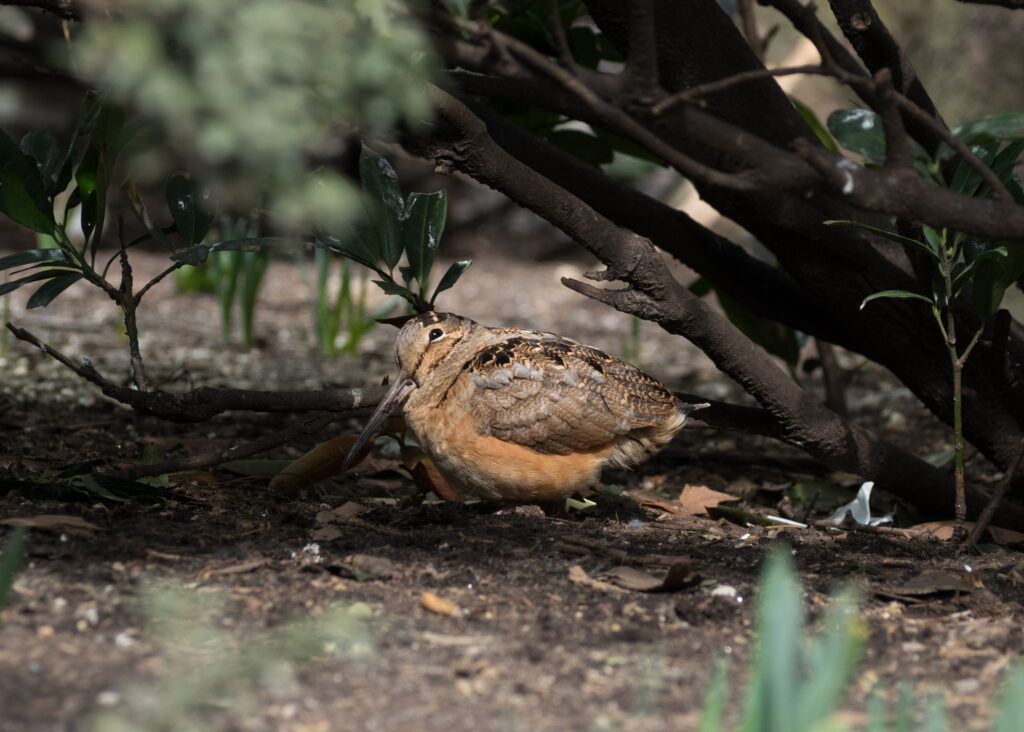
While the woodcock’s underground hearing abilities define its feeding ecology, this remarkable bird is known for another spectacular behavior that seems almost contradictory to its ground-feeding lifestyle. During spring evenings, male woodcocks perform an elaborate aerial display known as the “sky dance” or “timber tumble.” Taking flight from a small clearing, the male spirals upward to heights of 200-300 feet while emitting a series of liquid, twittering calls. At the apex of this flight, he begins a zigzagging descent accompanied by a distinctive chirping sound created not vocally but by air rushing through specially modified wing feathers. This stunning courtship display, occurring at dusk and dawn during breeding season, demonstrates the woodcock’s surprising versatility – a bird perfectly adapted for detecting prey beneath the soil also possesses impressive aerial agility and one of the most elaborate courtship rituals in the bird world. This juxtaposition of specialized ground-feeding and aerial artistry makes the woodcock particularly fascinating to ornithologists studying behavioral adaptations.
Conservation Concerns: Protecting the Soil Lister
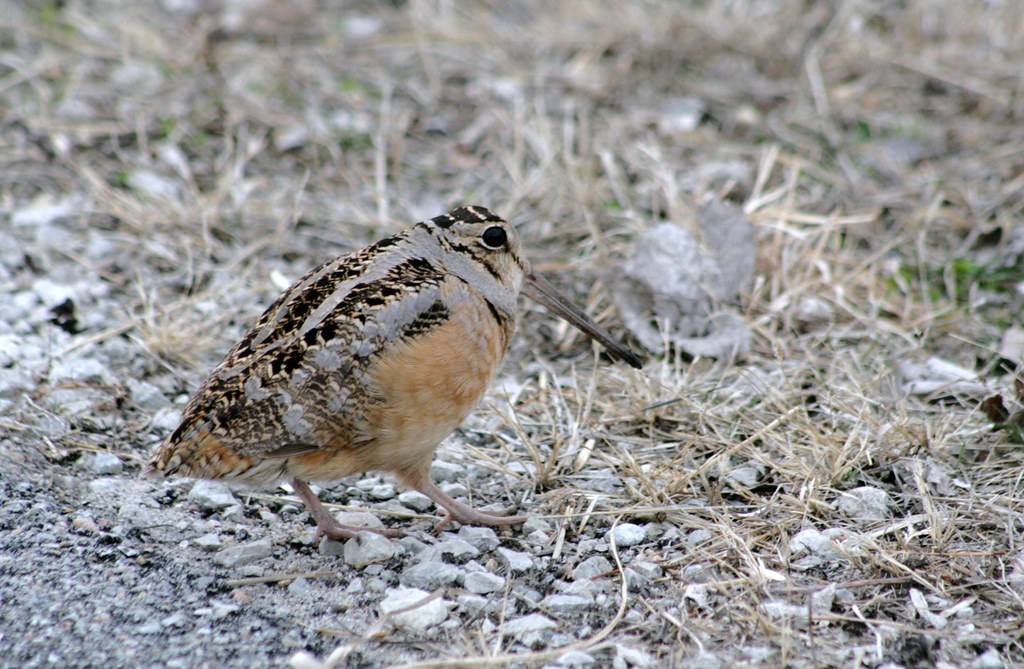
American woodcock populations have declined by approximately 1% annually since the 1960s, raising conservation concerns for this unique species. The primary threat comes from habitat loss, as the young forests and shrubby areas woodcocks require are increasingly converted to other land uses or allowed to mature into older forests less suitable for these specialized birds. Climate change presents additional challenges, potentially altering soil moisture patterns and earthworm distribution in ways that could impact woodcock feeding success. Chemical pesticides and fertilizers can reduce earthworm populations or make them less detectable through changes in behavior. Conservation strategies include targeted habitat management through selective logging and controlled burns to maintain young forest habitat, along with hunting regulations that ensure sustainable harvests of this popular game bird. Several organizations, including the American Woodcock Society, work specifically to protect this unique species and the early successional habitats it depends upon for its specialized feeding strategy.
Scientific Significance: What Woodcocks Teach Us
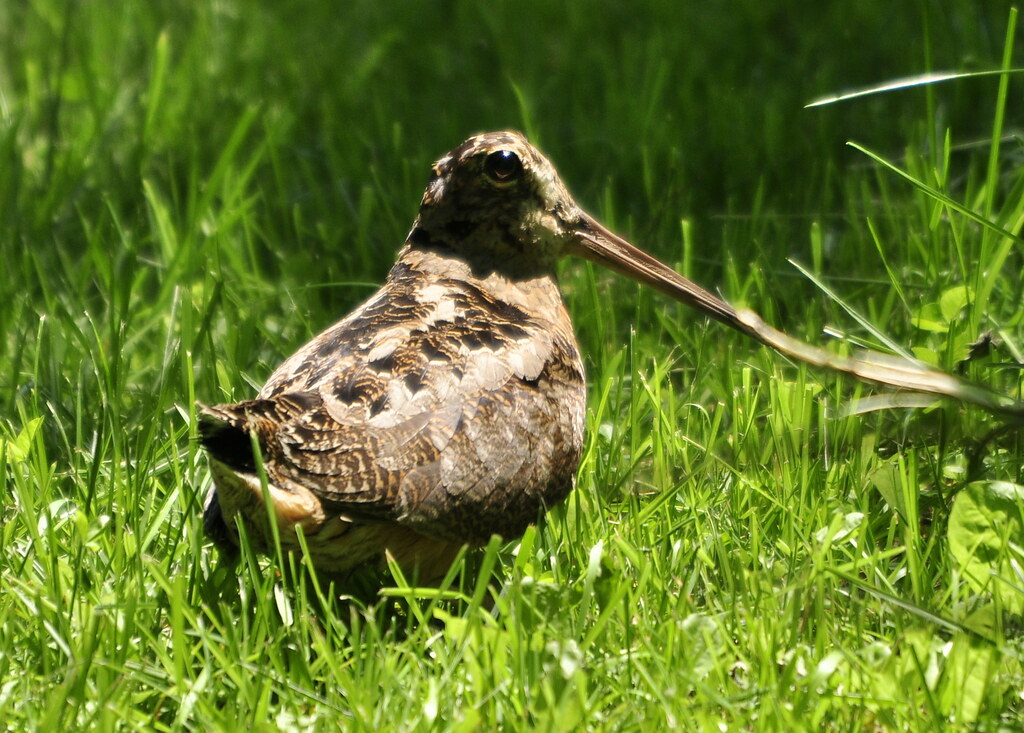
The American woodcock’s remarkable ability to hear underground prey offers valuable insights across multiple scientific disciplines. For evolutionary biologists, the woodcock represents a prime example of highly specialized adaptation, demonstrating how sensory systems and physical structures can be radically modified to exploit specific ecological niches. Neurobiologists study woodcock’s brain structure to better understand how sensory information processing can be optimized for unusual tasks. For ecologists, the woodcock-earthworm relationship highlights the intricate connections between forest soil ecology, invertebrate populations, and specialized predators. Engineers studying biomimicry have drawn inspiration from the woodcock’s sensitive bill tip when designing ground-penetrating sensors and vibration detection systems. Perhaps most importantly, the woodcock reminds us that nature often develops solutions far more sophisticated than our technologies, having perfected the art of detecting underground movement long before humans invented sonar or seismic monitoring equipment.
A Symphony Beneath Our Feet
The American woodcock stands as a testament to the remarkable adaptability and specialization possible through evolutionary processes. Its ability to hear earthworms moving underground represents one of nature’s most impressive sensory adaptations – a capability that requires not just exceptional hearing, but an entirely reorganized skull structure, specialized bill mechanics, and sophisticated neural processing. When we observe a woodcock successfully extracting worms from seemingly solid ground, we’re witnessing the culmination of millions of years of evolutionary refinement, a perfect match of predator ability to prey behavior. In a world increasingly dominated by human activity, preserving species like the woodcock reminds us of the extraordinary diversity of solutions that nature has developed for life’s challenges and the importance of maintaining the specific habitats that allow such specialized creatures to thrive.