
In the fascinating world of avian behaviour, few practices are as curious and enigmatic as “anting.” This peculiar behaviour involves birds deliberately collecting live ants and rubbing them through their feathers or simply lying down amidst an ant colony, allowing the insects to crawl freely through their plumage. First documented by ornithologists in the 1930s, anting has been observed in over 250 bird species worldwide, from common backyard visitors like blue jays and cardinals to exotic tropical species. Seeing a bird meticulously picking up ants one by one and applying them to its feathers with apparent purpose raises intriguing questions about animal intelligence and natural medicinal practices. What drives these feathered creatures to engage in such unusual behaviour, and what benefits might they gain from these tiny insects? This exploration into the secret world of anting reveals a remarkable adaptation that highlights the complex relationship between birds and their environment.
What Exactly Is Anting Behaviour?
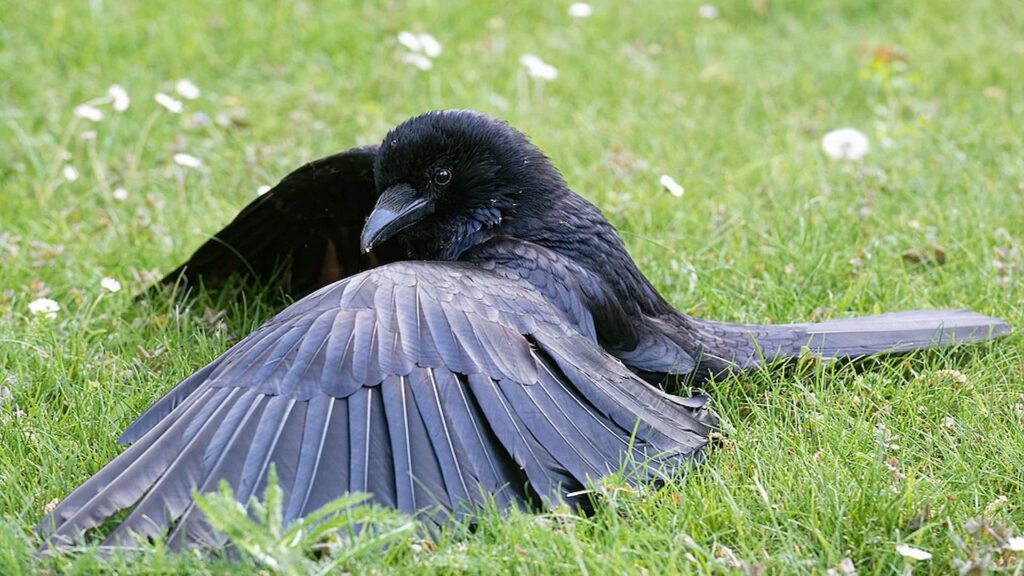
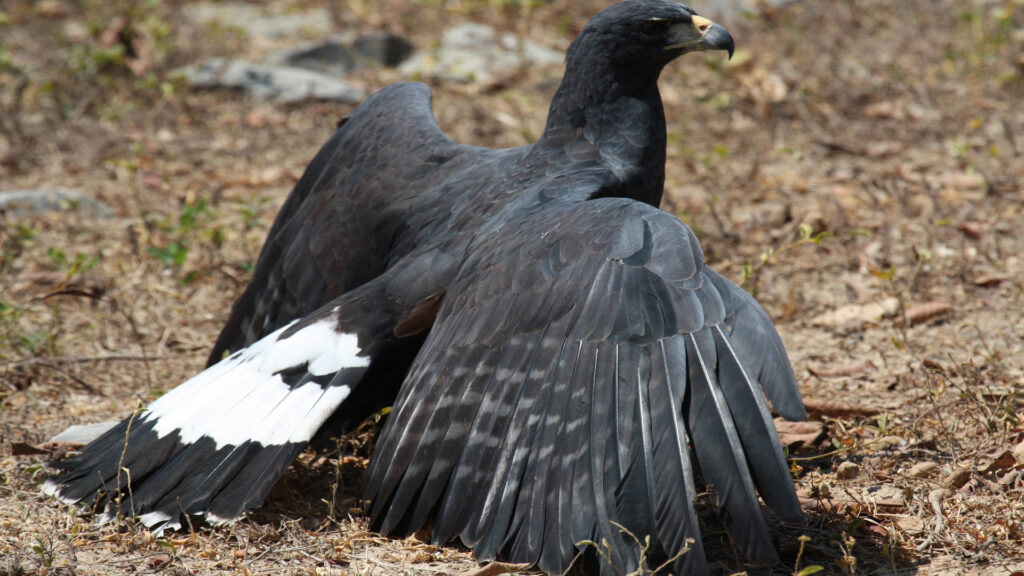
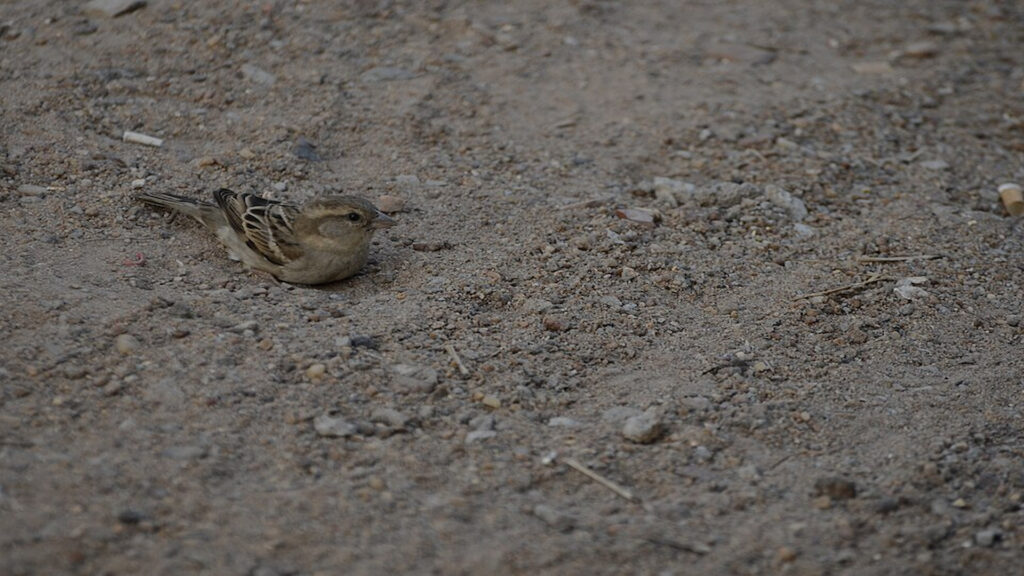
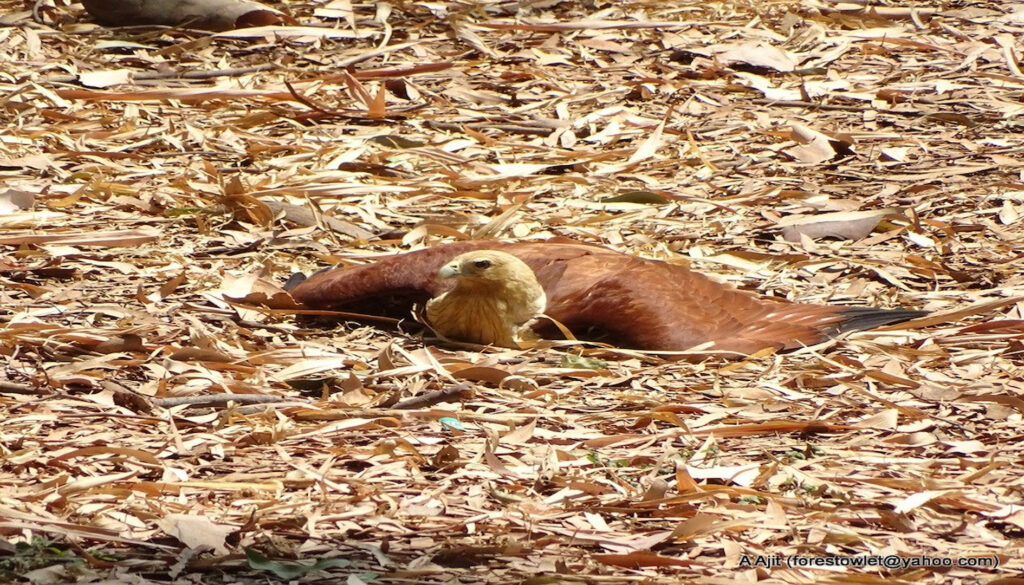
Anting refers to a distinct behaviour pattern where birds intentionally use ants as a tool for feather maintenance. Ornithologists distinguish between two primary forms: active and passive anting. In active anting, birds carefully pick up individual ants with their beaks and methodically wipe them through their wing and tail feathers, often focusing on areas difficult to reach during normal preening. On the other hand, passive anting involves birds spreading their wings and tail feathers while lying or standing directly on an anthill, allowing the disturbed insects to swarm over their bodies. This behaviour is most commonly observed during warm weather when ants are highly active, and a single anting session may last anywhere from a few minutes to half an hour. The birds often display unusual postures during these sessions, sometimes appearing to be in a trance-like state with ruffled feathers and spread wings, suggesting the experience produces a profound physiological response.
The Formic Acid Connection
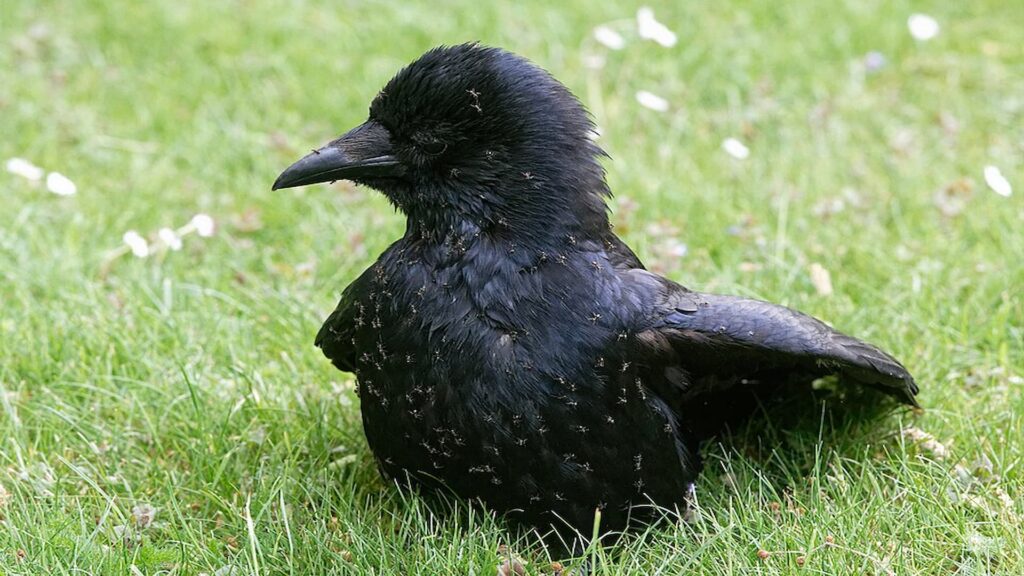
The most widely accepted explanation for anting involves formic acid, a chemical compound many ant species produce as a defence mechanism. When disturbed, ants release this acidic substance, which birds may deliberately provoke by manipulating the insects. Formic acid is a natural insecticide capable of eliminating or deterring parasites that commonly plague birds, including feather mites, lice, and ticks, which can cause significant discomfort and health issues. Laboratory analyses have confirmed that formic acid effectively kills many of the external parasites that typically infest birds’ plumage. Beyond its pest control properties, formic acid may also supplement the birds’ natural preen oil, enhancing its antimicrobial properties and improving overall feather condition. This chemical interaction represents a sophisticated form of tool use, with birds essentially harnessing the defensive chemistry of another species for their benefit.
Anting as Natural Pest Control

The antiparasitic benefits of anting may be one of the primary evolutionary drivers behind this behaviour. Birds are highly susceptible to ectoparasites. Ectoparasites are external organisms that live on the surface of a host, which can multiply rapidly in the warm, protected environment of feathers. These parasites consume feather material, skin cells, and blood, potentially leading to anaemia, feather damage, reduced flight capability, and diminished mating success. Controlled studies have shown that birds suffering from higher parasite loads are more likely to engage in anting behaviour when given the opportunity. Following anting sessions, microscopic examination of feathers often reveals a significant reduction in parasite numbers, demonstrating the practical effectiveness of this natural pest management technique. Some researchers suggest this behaviour represents a form of avian medicine, where birds have learned to self-medicate using resources available in their environment.
The “Bird High” Hypothesis
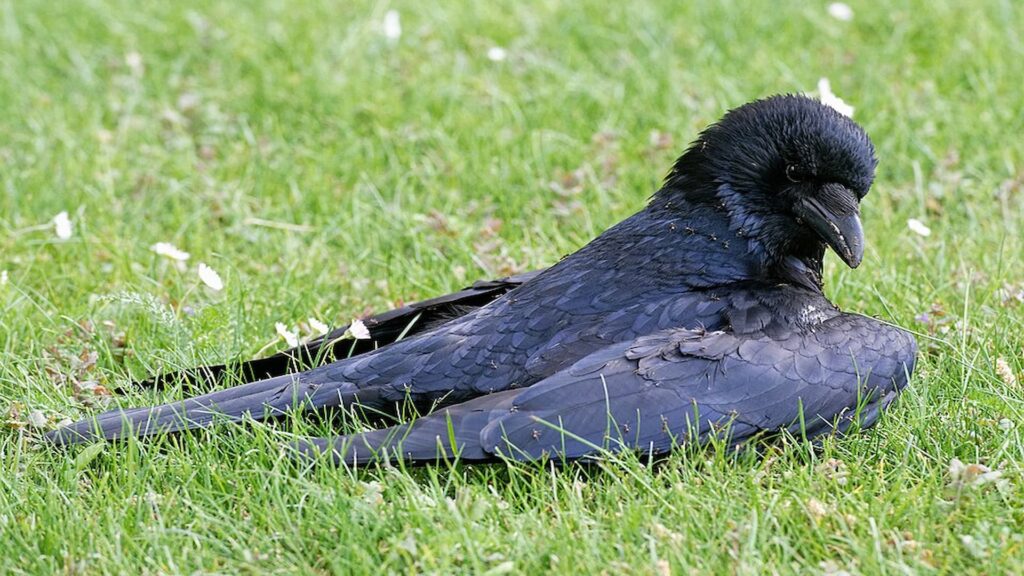
A more controversial explanation for anting suggests that the behaviour may produce a pleasurable sensation or even a mild intoxication effect in birds. The unusual postures adopted during anting—wings spread, feathers fluffed, eyes sometimes closed—bear striking similarities to behaviours seen when birds are experiencing pleasure or mild sedation. Some scientists have proposed that formic acid may stimulate nerve endings in the skin, creating a tingling sensation that birds find enjoyable or soothing. This hypothesis is supported by observations of birds appearing to enter trance-like states during anting sessions, sometimes losing awareness of their surroundings. Laboratory analysis indicates that formic acid can interact with avian neural receptors in ways similar to certain mild stimulants, potentially triggering dopamine release. While this “getting high” theory remains contentious among ornithologists, it cannot be entirely dismissed as a contributing factor to the behaviour.
Bird Species That Practice Anting
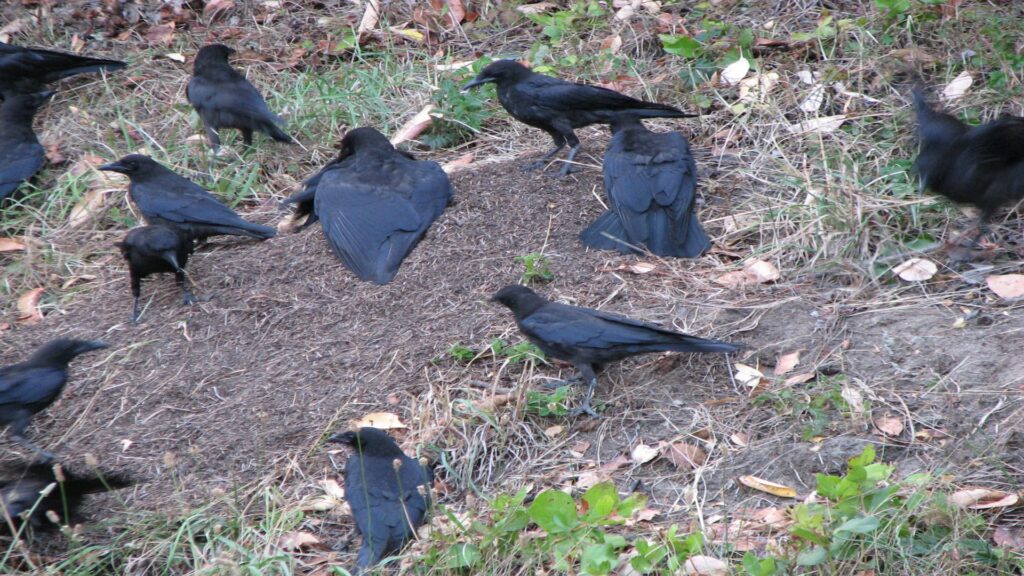
While anting has been documented across a remarkable variety of bird families, it is particularly common among passerines, or perching birds. American crows, blue jays, and European starlings are among the most frequent anters observed in North American and European settings, often performing elaborate anting rituals multiple times daily during summer months. Wild turkeys have been witnessed engaging in spectacular group anting sessions, with dozens of birds simultaneously sprawling across large ant colonies. Among tropical species, motmots and antbirds are regular practitioners, with some species appearing to seek out specific ant species with particularly potent chemical secretions. Interestingly, anting appears less common among aquatic birds and raptors, suggesting the behaviour may correlate with particular ecological niches or parasite pressures. Some species have developed highly specialised anting techniques—Babblers in Southeast Asia, for instance, have been observed skillfully picking up ants and applying them specifically to the base of each primary feather in sequence.
Alternative Anting Materials

While true anting involves the use of ants, ornithologists have documented birds applying similar behaviours with other substances containing comparable chemical properties. Some birds have been observed using millipedes, which produce benzoquinones that function similarly to formic acid in repelling parasites. Citrus fruits, with their acidic compounds, are occasionally utilised by birds in tropical regions, who pierce the rinds and rub the juice through their feathers. Particularly fascinating are reports of birds in urban environments adapting this behavior to use cigarette butts, which contain nicotine—a natural insecticide that effectively deters parasites. Certain species have been documented using marigold petals and other plants with natural repellent properties, suggesting a sophisticated understanding of environmental resources with medicinal properties. These observations indicate that the core function of anting—applying external substances with pest-deterring properties—may be more important than the specific use of ants themselves.
Seasonal Patterns in Anting Behaviour
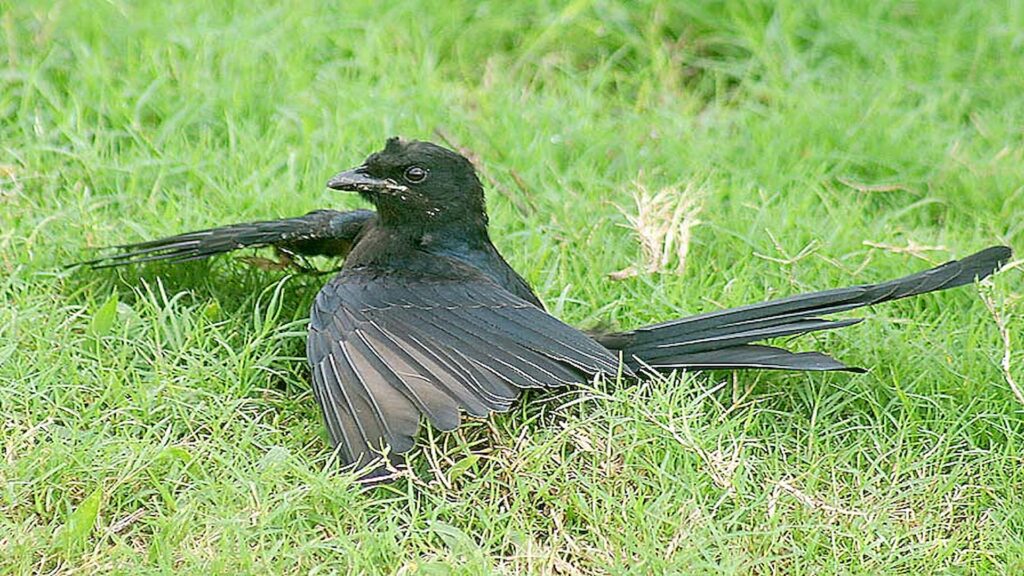
Ornithologists have identified distinct seasonal patterns in anting frequency, with most observations occurring during warm summer months when both ant activity and ectoparasite pressure reach their peak. Many bird species show increased anting behaviour during moulting periods, when old feathers are shed and new ones grow in, suggesting it may serve a protective function for developing plumage. In tropical regions with less pronounced seasons, anting often correlates with the onset of rainy periods, which typically trigger increased ant activity and movement. Data from long-term studies indicate that individual birds may perform anting rituals dozens of times during peak season, while barely engaging in the behaviour during cooler months. Weather conditions also influence anting frequency, with humid days, which favour both ant activity and parasite reproduction, showing significantly higher instances of the behaviour across multiple species.
The Learning Component
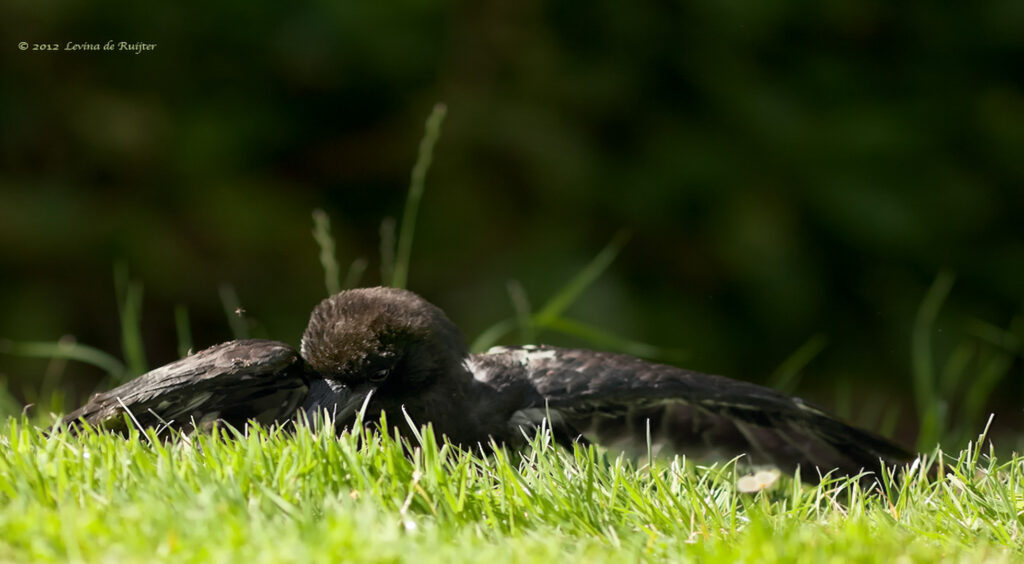
Evidence suggests that anting is not purely instinctual but involves a learned component passed through observation and experience. Juvenile birds rarely display anting behaviour until they have observed adults performing it, indicating cultural transmission of this survival technique. Captive birds raised in isolation from adults of their species typically take longer to develop anting behaviour when presented with ants, sometimes discovering it through trial and error rather than innate knowledge. In species that flock together, researchers have documented the rapid spread of anting behaviour when one bird begins the process, with others quickly joining in—a phenomenon known as social facilitation. Hand-raised birds introduced to wild populations have been observed watching and then mimicking the anting behaviours of their wild counterparts, gradually refining their technique. This learning aspect highlights the sophisticated cognitive capabilities of birds and demonstrates how beneficial behaviours can spread through populations.
Anting and Feather Maintenance
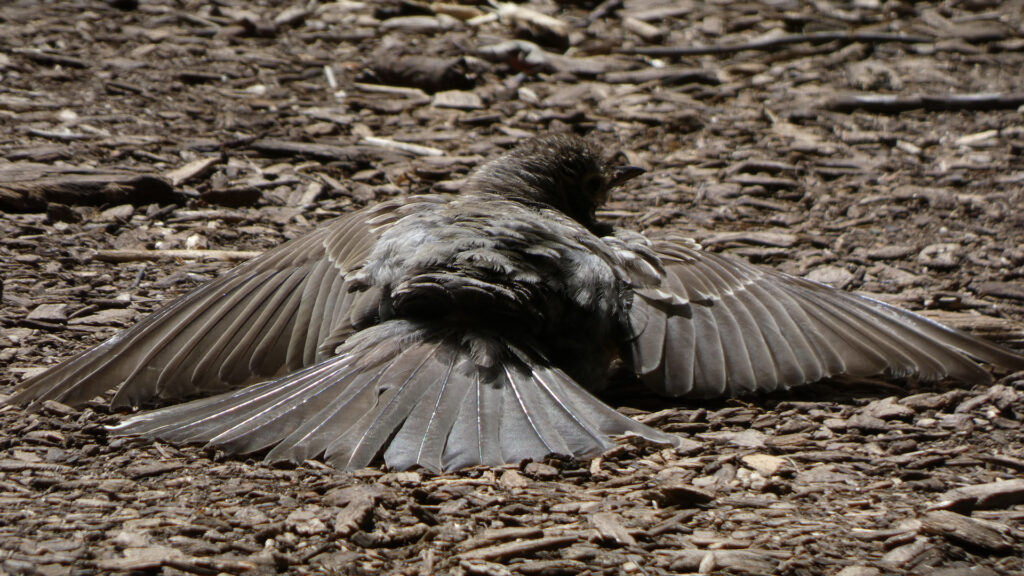
Beyond parasite control, anting may serve a broader role in overall feather maintenance and conditioning. The formic acid from ants can help remove excess preen oil accumulated on feathers, restoring their water-repellent properties, which are crucial for flight efficiency and insulation. Some researchers suggest that formic acid may accelerate the breakdown of the outer sheath that encases developing feathers during moulting, helping birds shed these coverings more efficiently. Microscopic examination has revealed that feathers treated with formic acid show smoother barbule alignment—the tiny hooks that keep feathers neatly zipped together—potentially improving flight aerodynamics. Additionally, the acid’s antimicrobial properties may help prevent bacterial and fungal infections that can damage feather structure over time. Birds often perform extensive preening sessions immediately following anting, suggesting the behaviour may be integrated into a comprehensive feather care routine.
Scientific Studies on Anting
Controlled scientific studies have significantly advanced our understanding of anting behaviour since its first formal documentation in 1935 by German ornithologist Erwin Stresemann. Laboratory experiments exposing birds to different ant species have confirmed preferences for those producing higher concentrations of formic acid, suggesting birds can distinguish between more and less effective ant types. Research using scanning electron microscopy has revealed microscopic changes to feather structure after anting, including the removal of debris and parasites from areas between barbules that are difficult to clean through normal preening. Recent studies employing metabolic testing have demonstrated that birds expend significantly less energy maintaining body temperature after anting sessions, indicating improved feather insulation performance. Perhaps most compelling are controlled experiments showing that birds with access to ants maintain lower parasite loads than control groups without such access, providing quantitative evidence for the health benefits of this behaviour.
Cultural and Species Differences in Anting
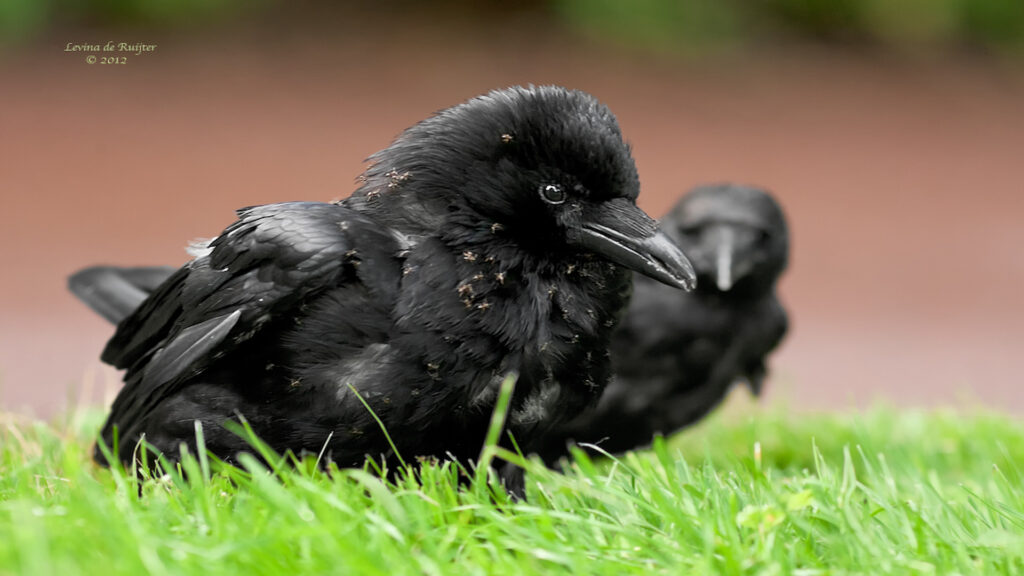
Fascinating variations in anting techniques have been documented across different bird species and geographic regions, suggesting cultural evolution of this behaviour. North American blue jays typically practice active anting, methodically applying individual ants to their wing feathers with precision movements of their beaks. In contrast, European starlings predominantly engage in passive anting, sprawling directly on ant nests with wings spread wide to maximise exposure. Some tropical species perform “tandem anting,” where birds work in pairs, with one individual applying ants to hard-to-reach areas of its partner’s plumage. Regional differences exist even within species—Western populations of American robins tend to prefer passive anting, while Eastern populations more commonly engage in active techniques. These variations likely reflect adaptations to local ant species, parasite pressures, and climatic conditions, demonstrating the remarkable behavioural plasticity of birds.
Anting-Like Behaviours with Non-Ant Substances
The fundamental principle behind anting—applying external substances with beneficial properties to feathers—extends beyond ants to numerous other materials. Birds in smoke-filled environments have been observed bathing in charcoal dust, which possesses natural antibacterial properties that may serve similar functions to formic acid. Certain jay species regularly rub resinous plant materials through their feathers, applying sticky substances that may trap and immobilise small parasites. Particularly remarkable are observations of urban crows in Mexico City placing discarded chilli pepper skins on their feathers, potentially utilising capsaicin’s insect-repelling properties. Mud bathing, common among many ground-dwelling species, may serve a similar function, with certain soil types containing minerals with natural antiparasitic properties. These diverse adaptations of the anting principle demonstrate remarkable problem-solving abilities across avian species and suggest that the fundamental behaviour of applying external substances for health benefits may be more widespread than previously recognised.
Future Research Directions
Despite decades of observation, many aspects of anting remain poorly understood, creating rich opportunities for future ornithological research. Advanced metabolomic studies could precisely identify how formic acid and similar compounds interact with avian physiology at the cellular level, potentially revealing additional benefits beyond parasite control. Comparative research examining anting across diverse habitats and climate zones might clarify how this behaviour adapts to different environmental pressures and resources. Neurological investigations using non-invasive brain monitoring could potentially resolve the question of whether anting produces pleasurable sensations or altered states in birds. Long-term population studies might reveal connections between anting frequency and overall species fitness, including reproductive success and disease resistance. As climate change alters the distribution of both birds and ant species, tracking changes in anting behaviour could serve as an indicator of ecological disruption and adaptation.
Observing Anting in Your Backyard
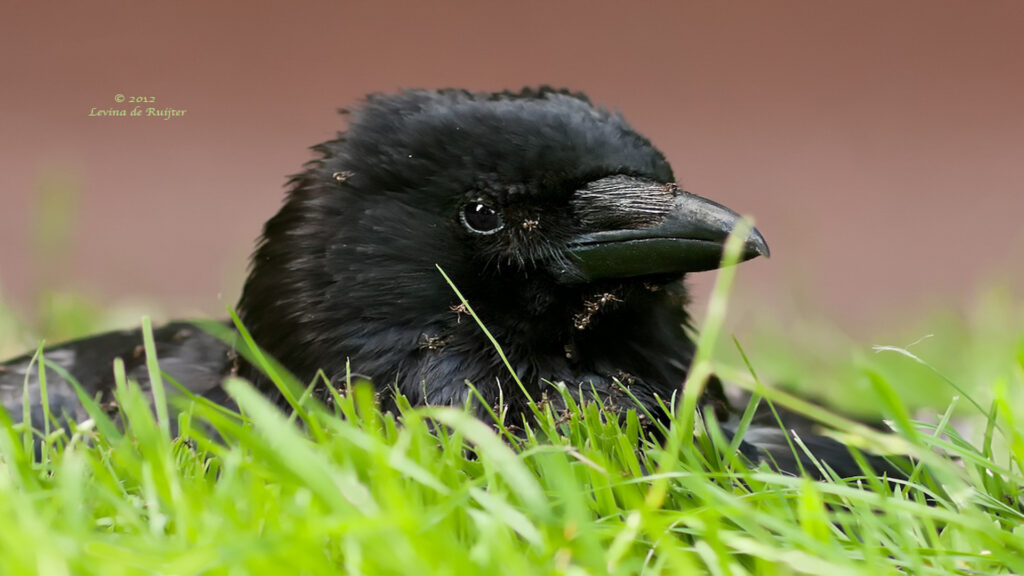
Backyard birdwatchers can contribute valuable observations to the understanding of anting by creating environments conducive to witnessing this fascinating behaviour. Providing open ground areas where ants can establish colonies naturally, particularly native ant species that produce formic acid, increases the likelihood of observing anting in local bird populations. Morning hours during summer months offer the best chances for witnessing anting, especially following light rain when ant activity typically increases. Patient observers should watch for unusual behaviours such as birds repeatedly visiting the same ground spot or adopting strange postures with spread wings. Citizen science platforms like eBird and iNaturalist welcome ant observations, including photographs and videos that can be shared with researchers studying this behaviour. Maintaining a journal documenting the species, weather conditions, time of day, and specific anting techniques observed can contribute meaningful data to the collective understanding of this remarkable avian adaptation.
Conclusion
The curious phenomenon of birds rubbing ants on their feathers represents a fascinating intersection of animal behaviour, chemistry, and natural medicine. This sophisticated exploitation of another species’ chemical defences demonstrates the remarkable adaptability and intelligence of birds. Whether primarily for parasite control, feather maintenance, sensory pleasure, or a combination of benefits, anting showcases how evolution has shaped behaviours that allow birds to manipulate their environment in surprisingly complex ways. As researchers continue to unravel the mysteries of anting, this behaviour serves as a reminder of how much we still have to learn about the secret lives of the creatures that share our world. The next time you spot a bird behaving oddly on the ground, you might be witnessing this ancient practice—a natural pharmacy visit that has likely been occurring for millions of years.