

Argentavis Magnificens: The Giant of the Skies
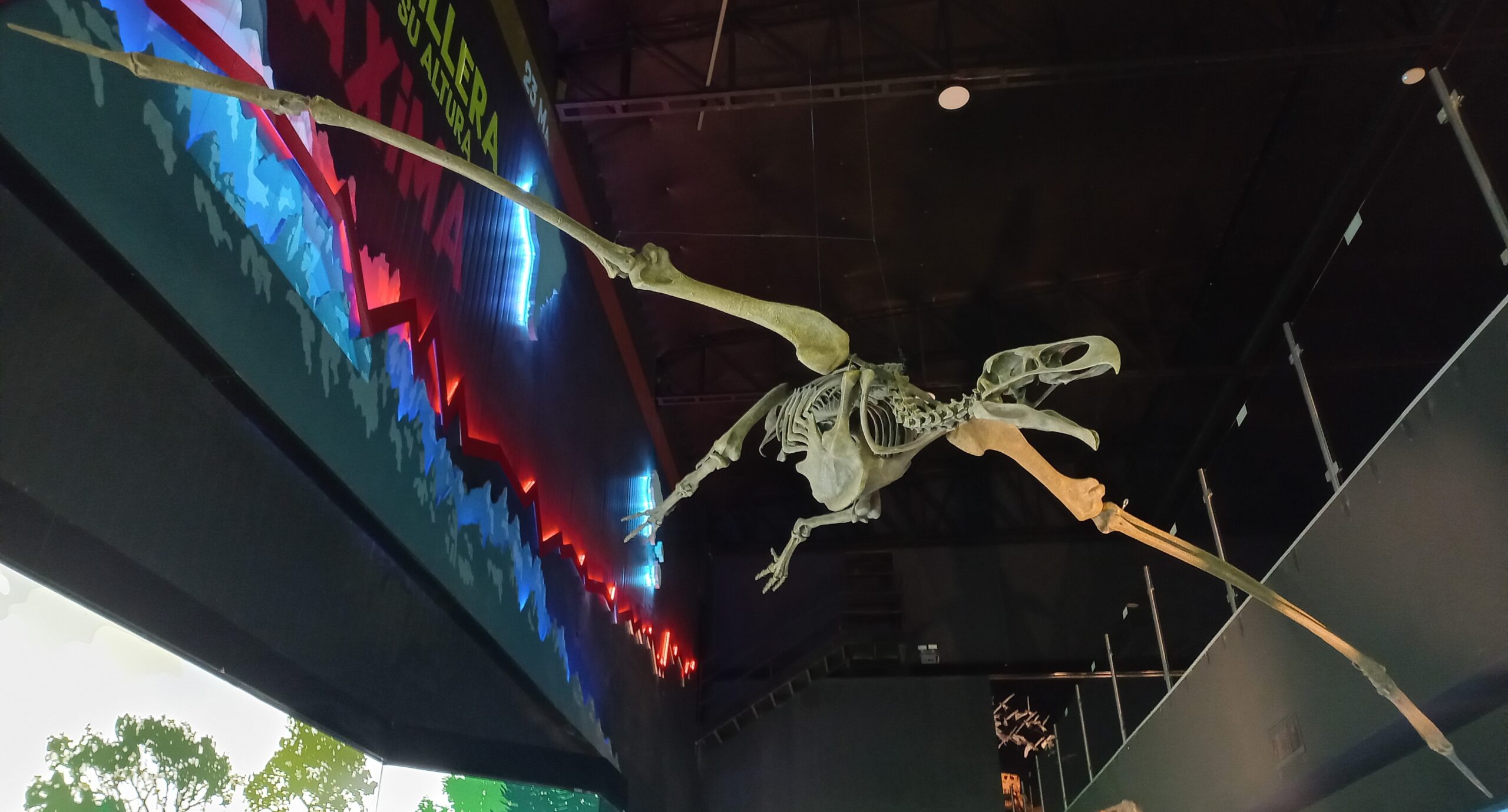
Argentavis was so massive, it could barely get off the ground! With a wingspan stretching up to 23 feet—wider than a small airplane—this Argentine behemoth soared above South America around six million years ago. Imagine a bird as tall as a basketball player, but with the wingspan to match a pickup truck. It’s easily the heavyweight champion of ancient avians.
Pelagornis Sandersi: The Tooth-Billed Titan

Pelagornis Sandersi ruled the coastal skies with wings that reached up to 24 feet. Its “teeth” were actually bony spikes lining its beak, perfect for snatching slippery fish. This ocean wanderer was bigger than any seabird alive today, gliding over waves like a living sailplane. Some scientists even think it could fly for days without landing.
Mihirung (Dromornis Stirtoni): Australia’s Thunder Bird
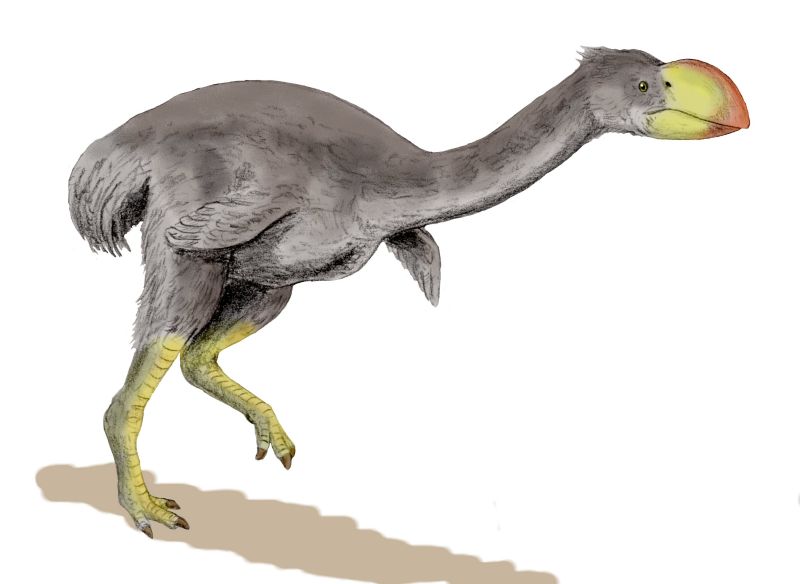
Known as the Mihirung, Dromornis Stirtoni was a flightless giant from ancient Australia. Standing up to 10 feet tall and weighing over 1,100 pounds, it looked more like a dinosaur than a modern bird. Despite its intimidating size, it was probably a gentle herbivore—think of a giant goose with a bad attitude and the legs to match.
Haast’s Eagle: Predator of Giants
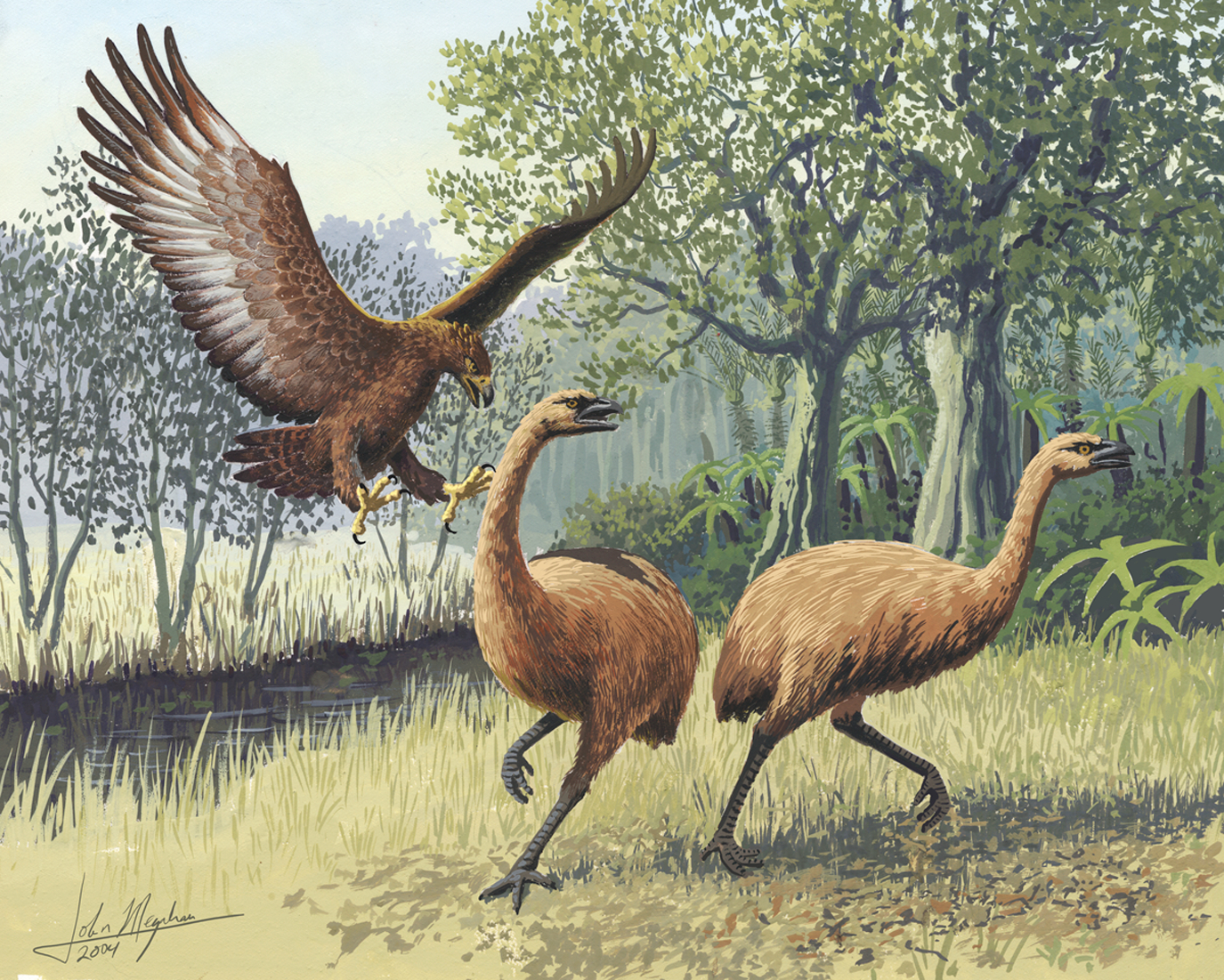
Native to New Zealand, Haast’s Eagle preyed on massive, flightless moa birds. With a wingspan of nearly 10 feet and talons the size of tiger claws, it’s the largest eagle ever known. This raptor was so powerful, it could take down prey many times its own weight—imagine today’s golden eagle, but on prehistoric steroids.
Vorombe Titan: The Elephant Bird
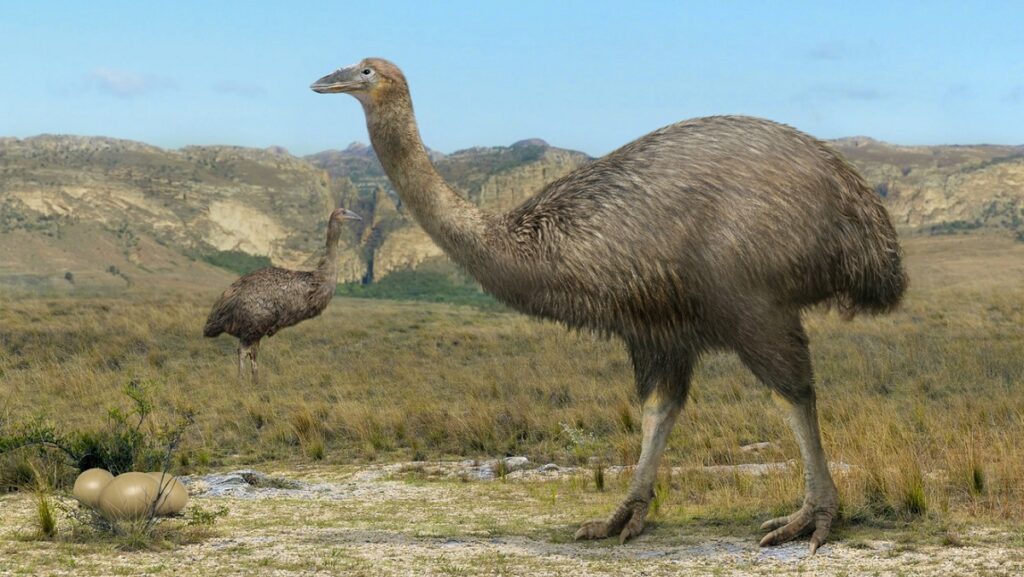
Vorombe titan, meaning “big bird” in Malagasy, wasn’t just big—it was earth-shaking. At over 10 feet tall and 1,600 pounds, this Madagascan giant was heavier than an ostrich and taller than a pro basketball hoop. Its massive eggs were the size of footballs, making it the ultimate overachiever in the bird world.
Brontornis: The Thunderous Terror Bird
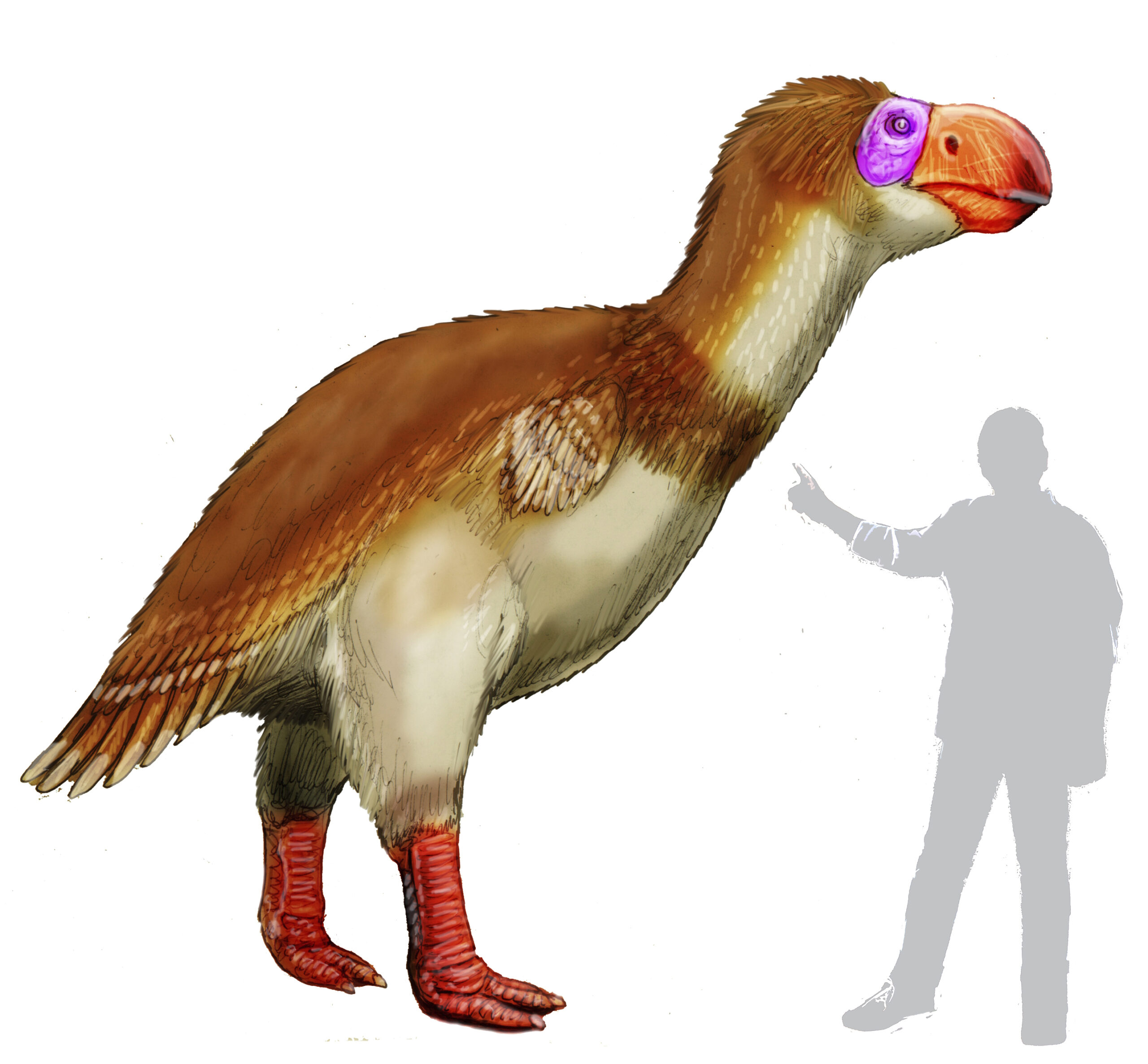
Brontornis lived in South America and could weigh up to 1,500 pounds. Its name means “thunder bird,” and it’s easy to see why—this hulking, flightless predator stomped around like a prehistoric linebacker. Some say it was more of a scavenger than a hunter, but with a beak that could crush bones, it didn’t need to chase much.
Gastornis: The Giant Goose With a Bite
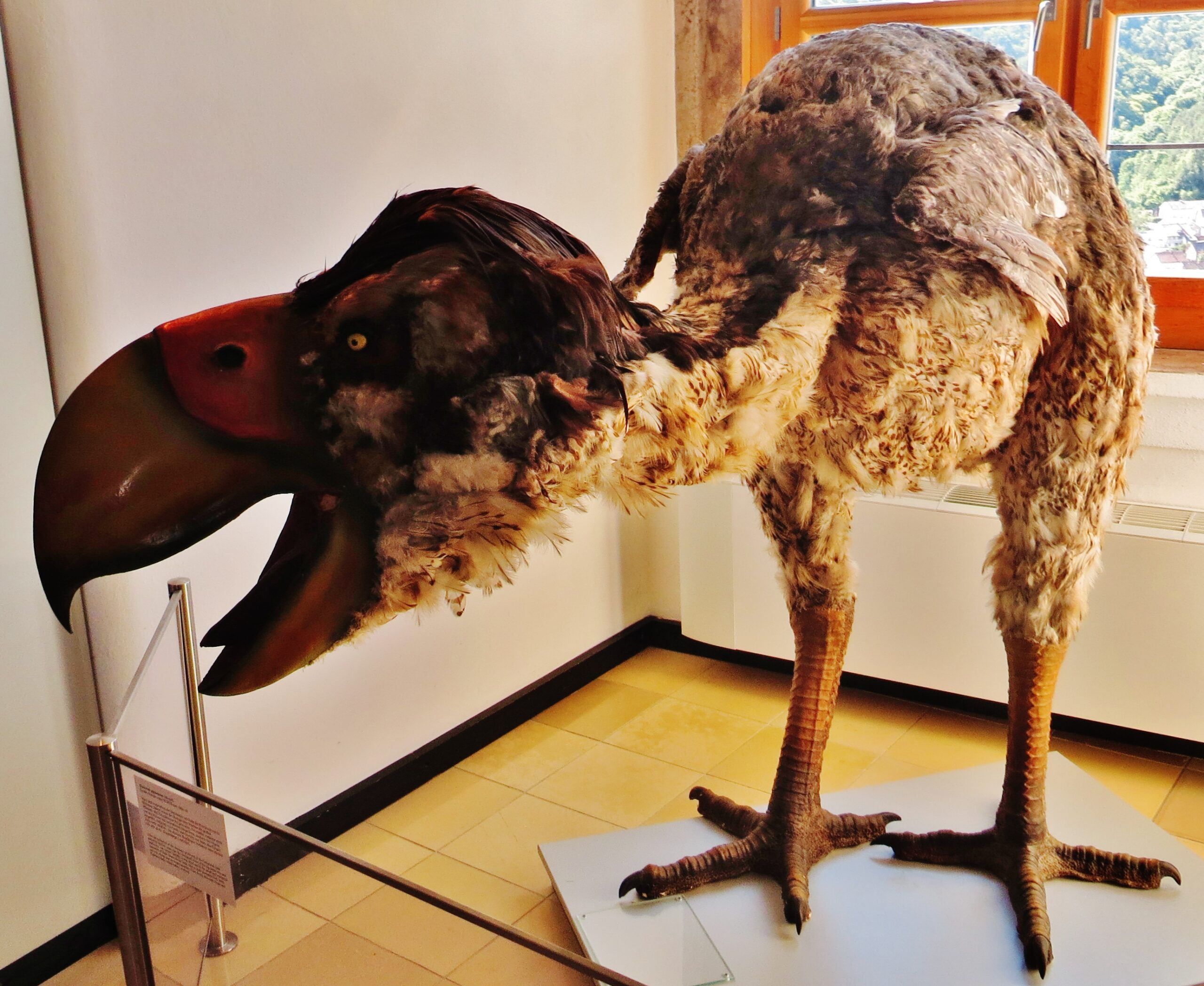
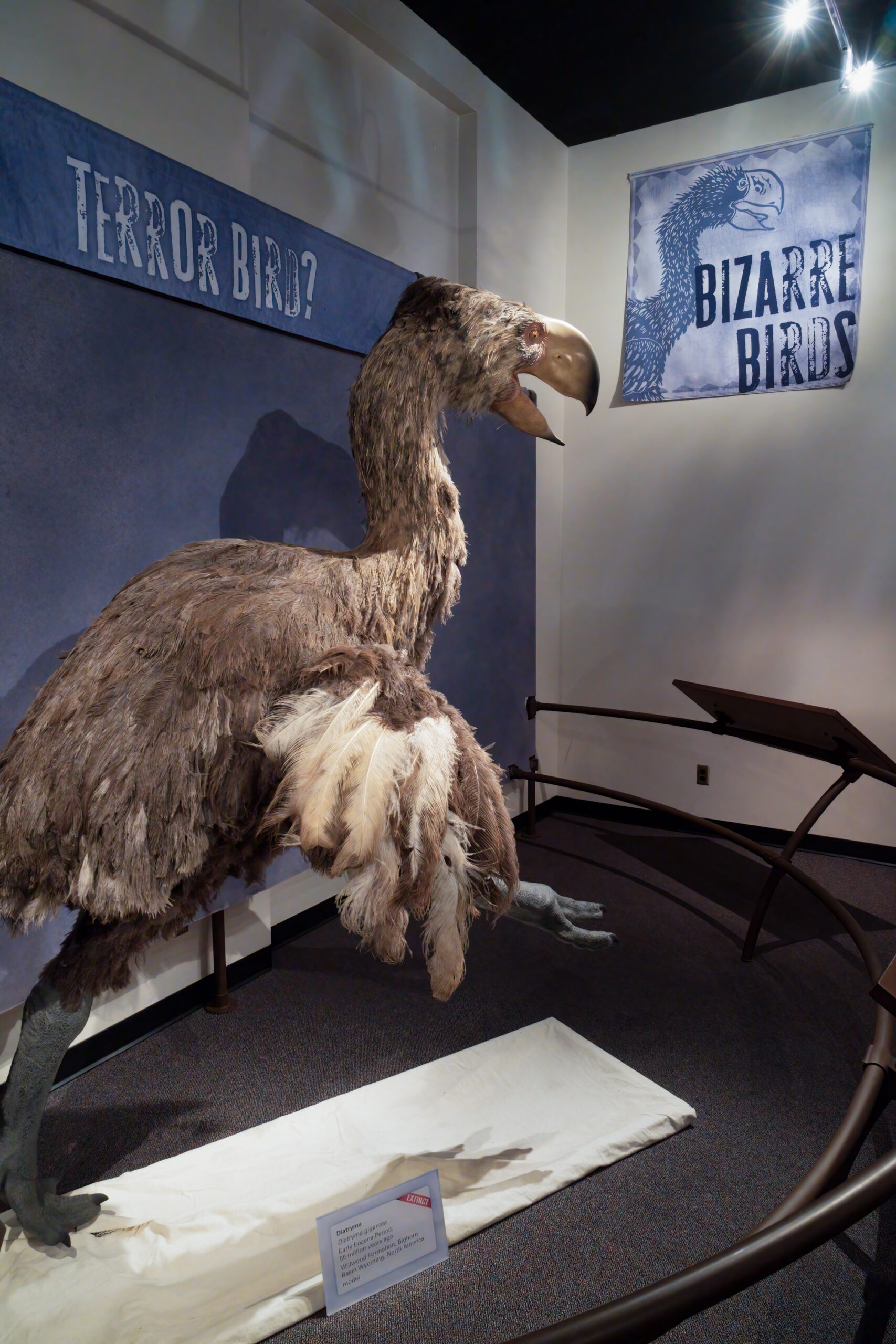
Gastornis, sometimes called Diatryma, was a heavyweight of ancient Europe and North America. Reaching up to 7 feet tall, it had a massive beak that looked built for cracking anything from seeds to small animals. Scientists still debate whether it was a fierce predator or a peaceful plant-eater, but either way, it would be a showstopper at any backyard feeder.
Kelenken: The Skull-Crushing “Terror Bird”
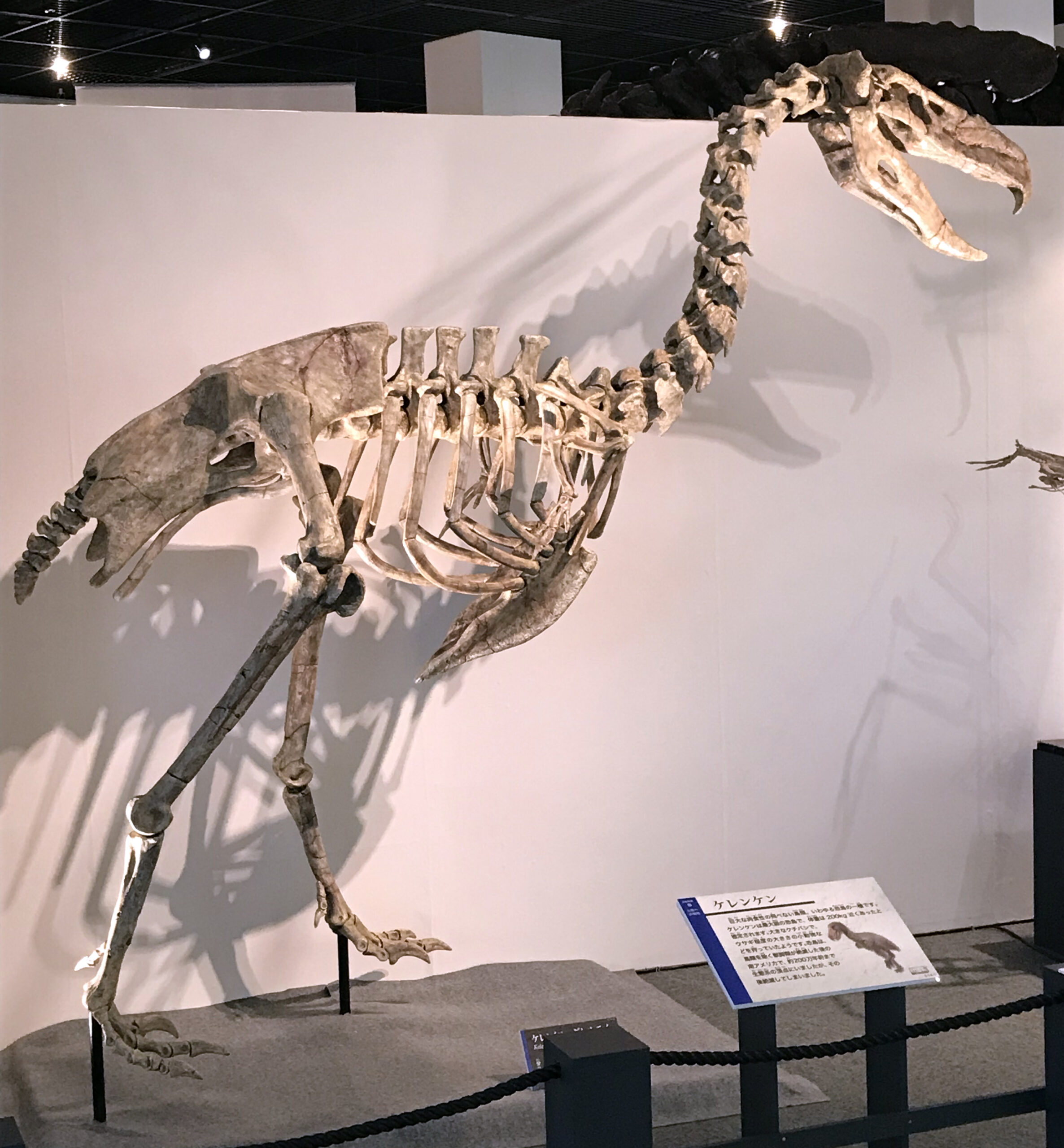
Kelenken is famous for having the largest bird skull ever discovered—over two feet long! This South American terror bird used its giant hooked beak to hunt prey in the grasslands. Standing nearly 10 feet tall, Kelenken would make even the boldest hawk hesitate. Its head alone was almost as long as a baseball bat.
Fun Fact: Prehistoric Eggs Were Real Whoppers

Some ancient birds, like the elephant bird, laid eggs that weighed over 20 pounds—about as much as a bowling ball! These enormous eggs could have fed a family for days. If you think your backyard robin’s egg is impressive, imagine cracking open one of these prehistoric giants for breakfast.
Bizarre Beaks and Ancient Adaptations
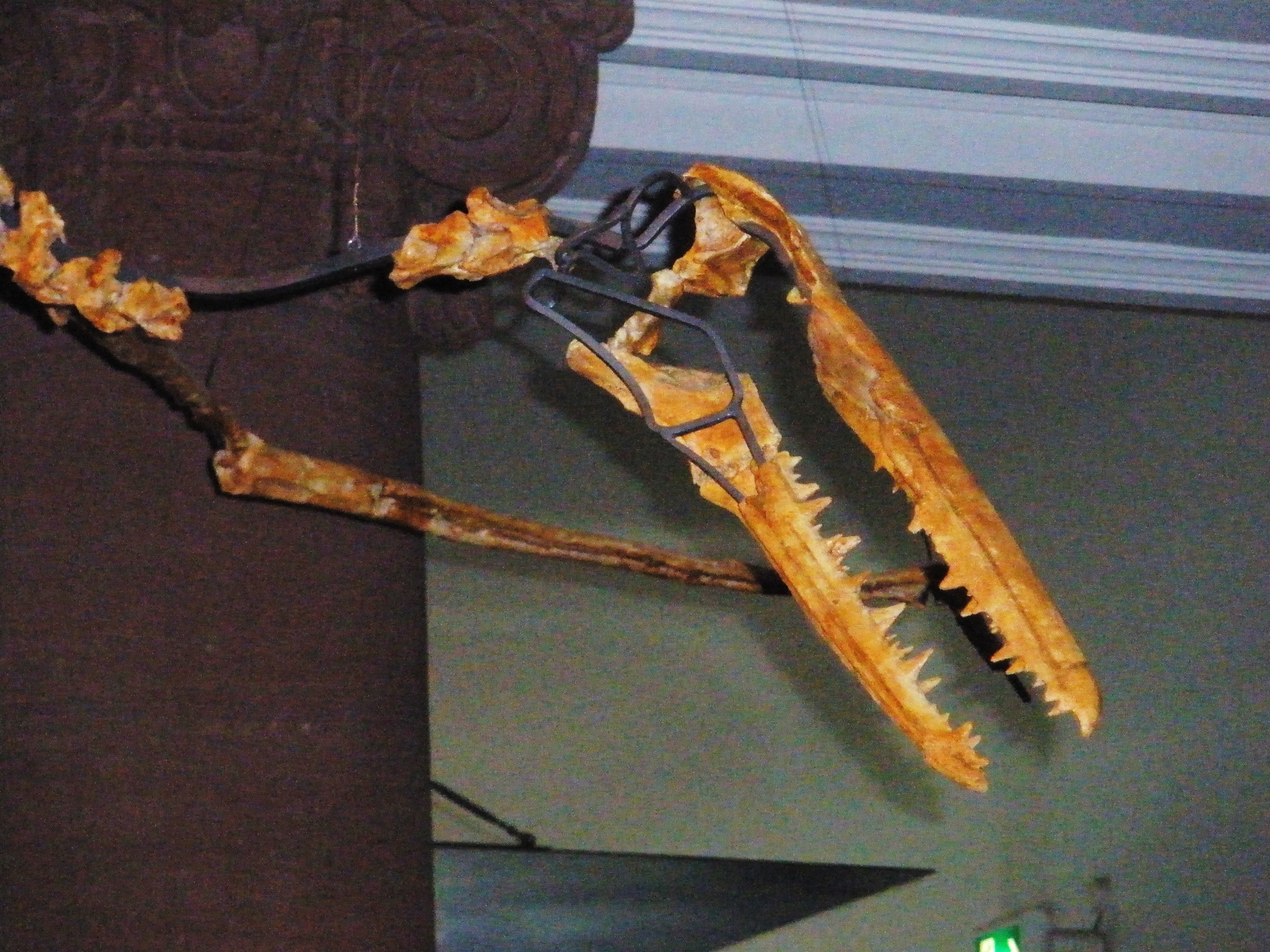
Many prehistoric birds had beaks unlike anything seen today. From toothy spikes to powerful bone-crushers, these adaptations helped them dominate their worlds. Some, like Pelagornis, evolved “pseudo-teeth” for fishing, while others, like Gastornis, wielded beaks that could snap branches. Their beaks were as unique as fingerprints!
Where Did They All Go?
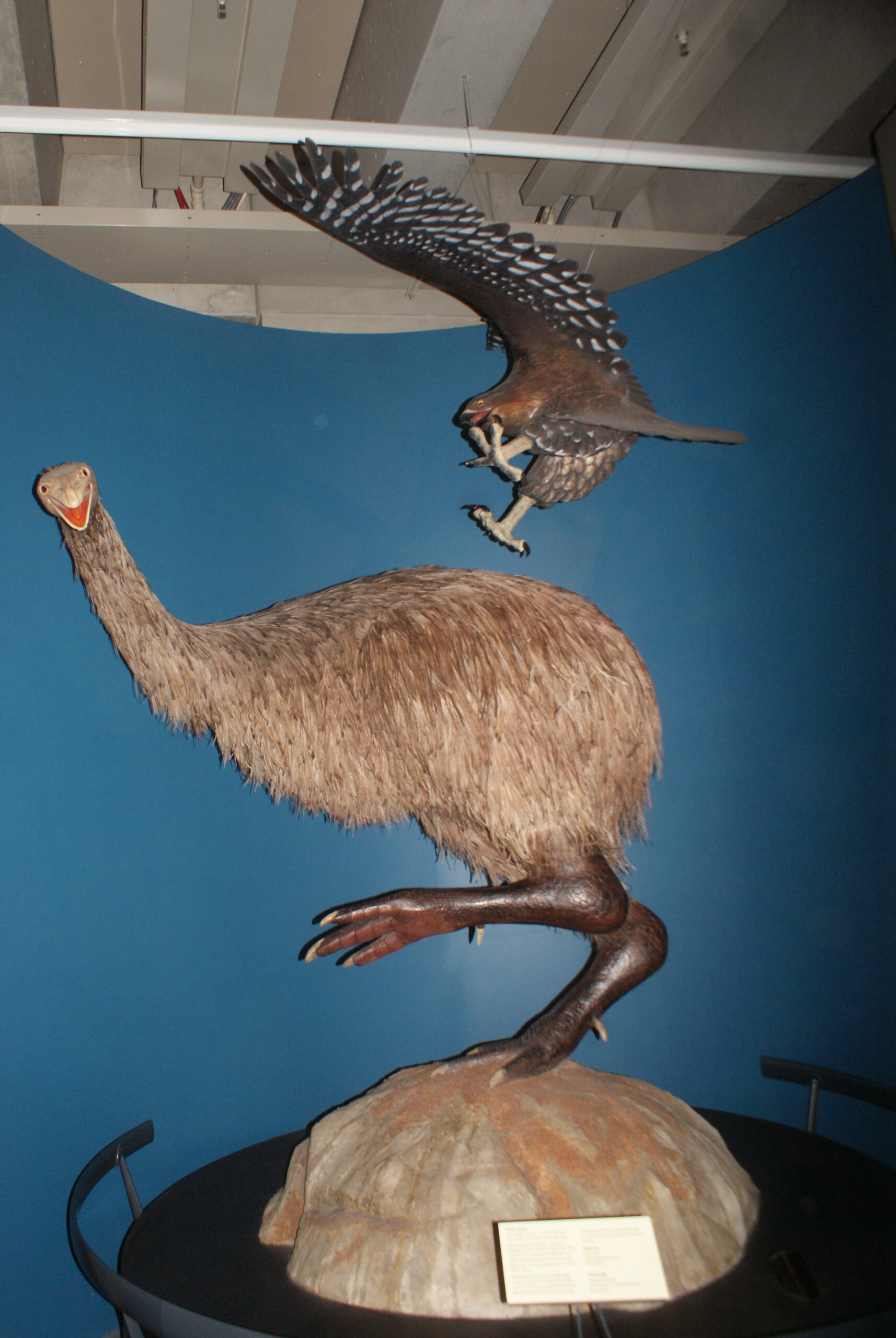
Most of these gigantic birds vanished due to shifting climates, new predators, or changing habitats. Some, like Haast’s Eagle, disappeared when their main prey went extinct. Others couldn’t compete with new mammal arrivals. Their fossils remind us that even the biggest, boldest birds once faced extinction’s call.
Modern Giants: Today’s Raptors in Comparison
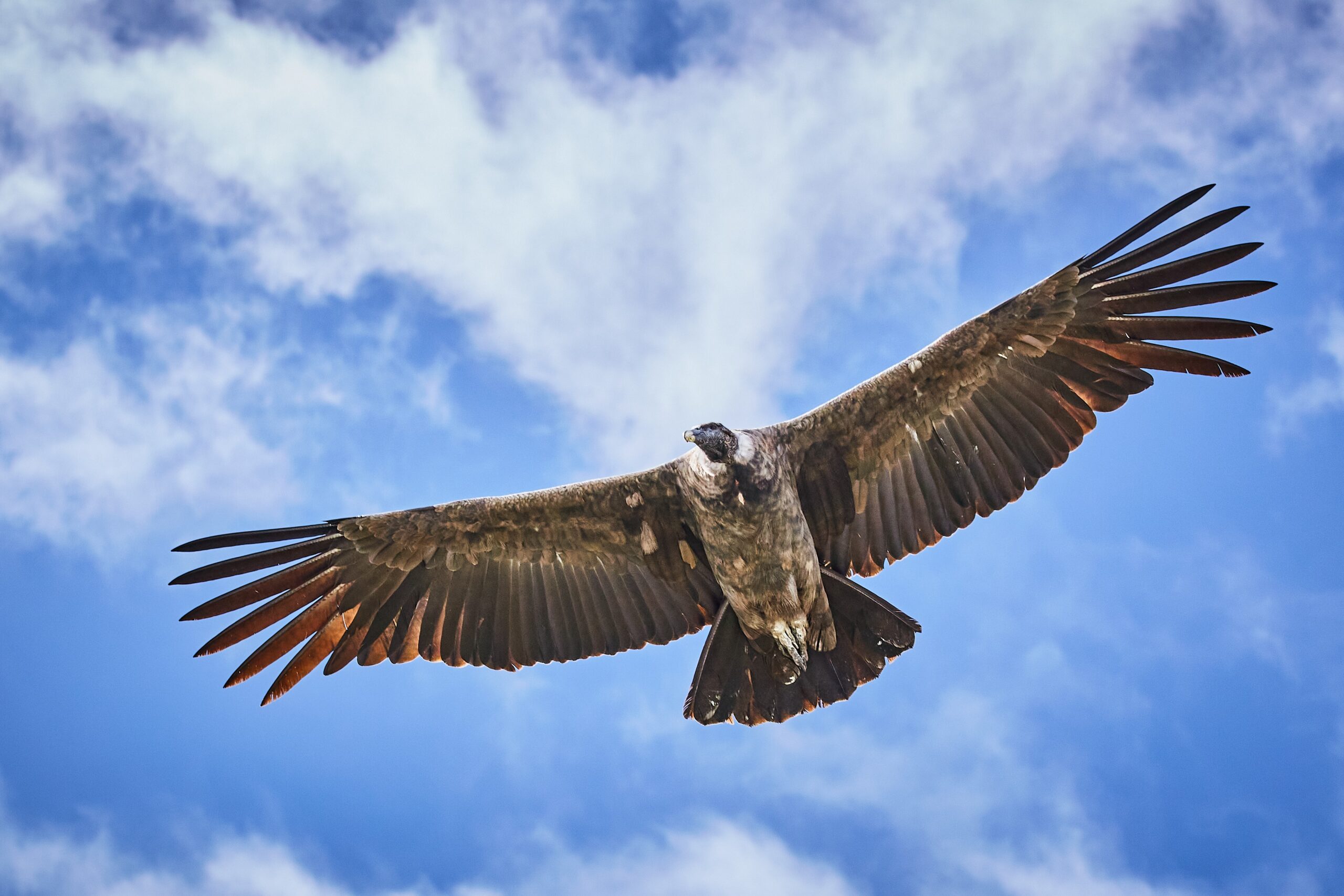
Today’s largest raptors, like the Andean condor or the harpy eagle, seem tiny beside prehistoric birds. The Andean condor’s wingspan tops out at about 10 feet, just half that of Argentavis. Next time you see a hawk or eagle overhead, remember: it’s just a shadow of the giants that came before.
Can You Imagine Meeting One?
Picture walking through an ancient forest and spotting a bird taller than your car or with wings wider than your house. These prehistoric birds truly make today’s turkeys and geese seem tame. It’s a wild thought—how would modern life change if these giants still strutted or soared above us?