

In the vast timeline of Earth’s history, certain prehistoric creatures evolved remarkable adaptations that continue to astonish scientists today. Among these evolutionary marvels was a specialized beak structure found in certain extinct birds that possessed crushing power comparable to modern hyenas’ bite force. These ancient avian predators developed formidable beaks capable of shattering bones and accessing nutritious marrow, much like today’s bone-crushing mammals. The story of these prehistoric bone-crushers reveals fascinating insights into convergent evolution, where similar functional traits emerge in completely unrelated animal groups separated by millions of years. By examining these remarkable prehistoric beaks, we gain a deeper understanding of evolutionary adaptations and ecological niches throughout Earth’s history.
The Pseudodontorns: Introducing the Bone-Crushing Birds
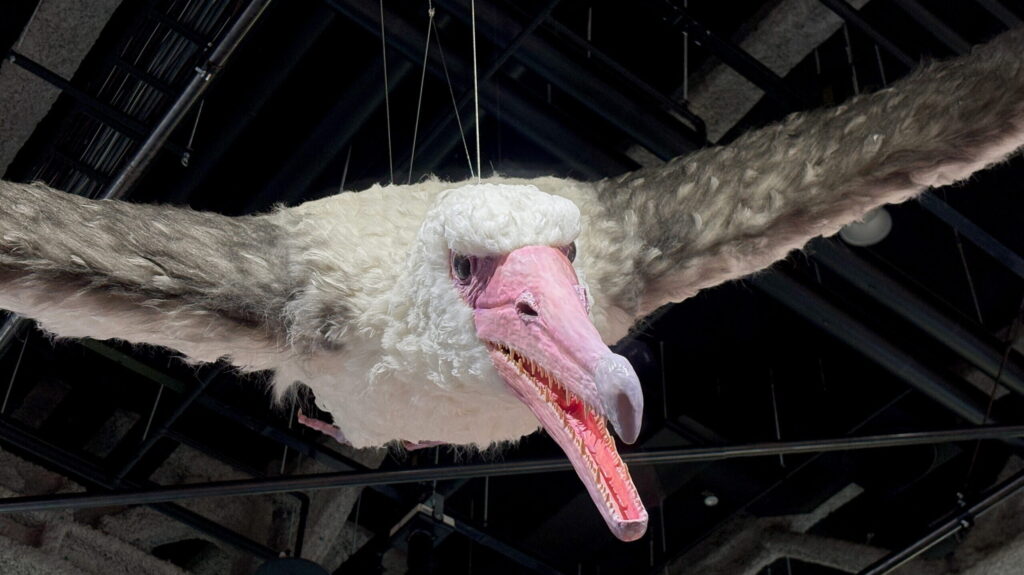
Among the most notable prehistoric birds with powerful, crushing beaks were the Pseudodontorns, sometimes called “false-toothed birds” or pelagornithids. These remarkable seabirds dominated Earth’s skies for over 50 million years, from the late Paleocene through the Pliocene periods (roughly 60-2.5 million years ago). Unlike modern birds with smooth beaks, Pseudodontorns evolved bony, tooth-like projections along their beak edges that gave them a serrated, saw-like appearance. These weren’t true teeth but specialized bony outgrowths from the premaxilla and mandible, creating a formidable biting implement that could seize prey with remarkable efficiency. Some species reached wingspans exceeding 20 feet, making them among the largest flying birds ever known, combining their powerful beaks with impressive size to become apex predators of ancient oceans.
Teratornithidae: North America’s Giant Predatory Birds
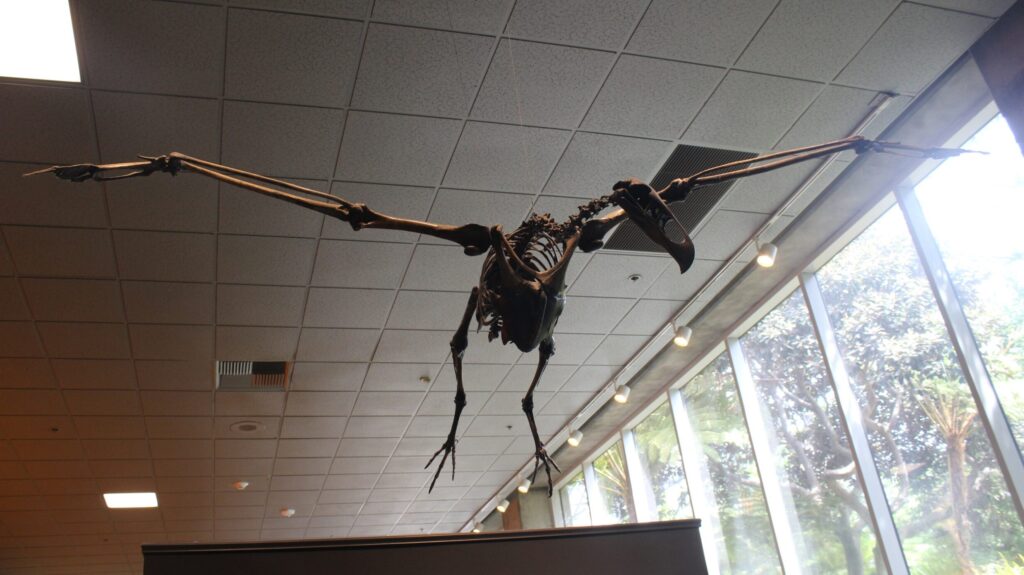
Another group of birds with hyena-like crushing power were the Teratornithidae, sometimes called “terror birds” (though distinct from the South American phorusrhacids also given this nickname). These massive avian predators inhabited North America during the Pleistocene, with some species surviving until as recently as 10,000 years ago. The most famous genus, Teratornis, had wingspans reaching 12 feet and possessed remarkably robust, deep beaks capable of delivering bone-crushing force. Unlike today’s vultures that evolved for primarily scavenging behavior, evidence suggests teratorns were active predators as well as opportunistic scavengers. Their beak structure combined slicing edges with powerful musculature that could both tear flesh and crush small bones with considerable force, giving them versatility in their feeding behavior that made them successful apex predators in prehistoric North America.
Comparing Bite Forces: Hyenas vs. Prehistoric Birds
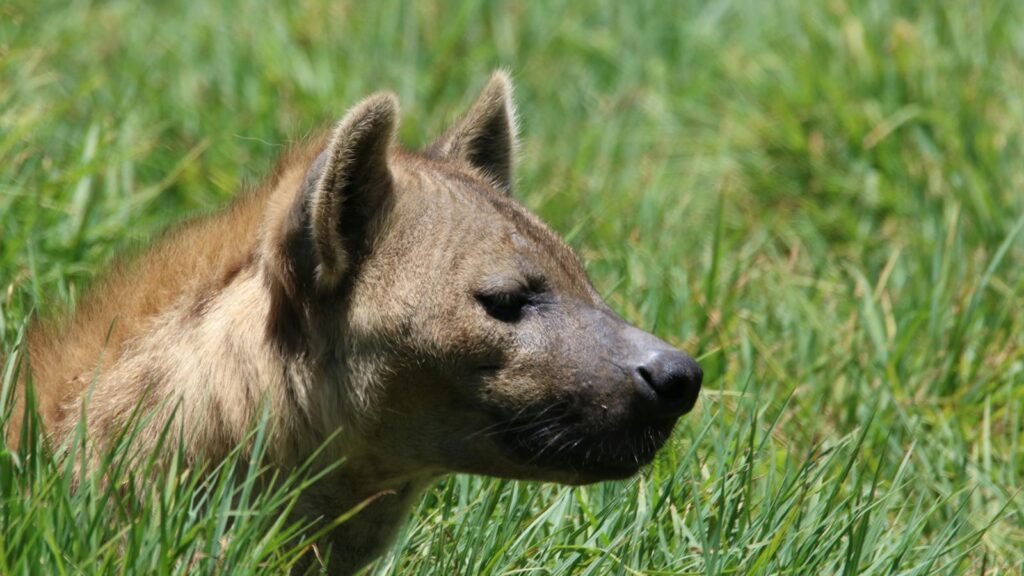
Modern spotted hyenas possess one of the most powerful mammalian bite forces measured, reaching up to 1,100 pounds per square inch (psi) at their specialized bone-crushing premolars. This remarkable adaptation allows hyenas to extract nutrient-rich marrow from bones other predators must abandon. When scientists analyze fossil evidence and perform biomechanical models of certain prehistoric birds like the larger pseudodontorns and teratorns, they discover comparable crushing power despite fundamentally different jaw structures. While hyenas use specialized teeth and robust jaw muscles, prehistoric birds relied on beak morphology and cranial adaptations to achieve similar functional outcomes. This represents a fascinating example of convergent evolution – where unrelated animals evolve similar traits to exploit comparable ecological niches – with both groups evolving specialized feeding structures capable of accessing nutrients other predators couldn’t reach.
The Evolution of Bone-Crushing Adaptations
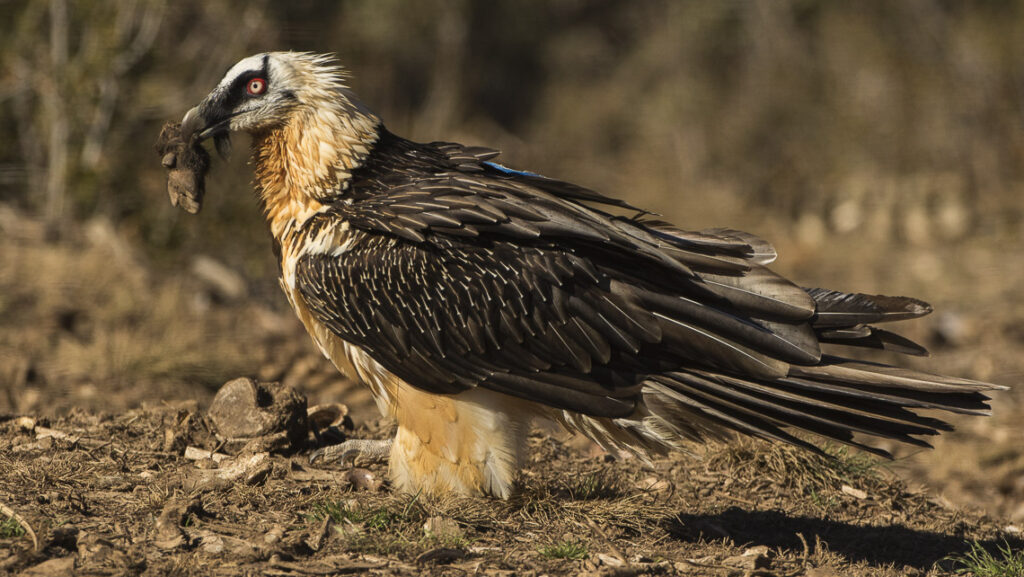
The development of bone-crushing beaks in prehistoric birds didn’t happen overnight but evolved gradually over millions of years in response to specific ecological pressures. Paleontologists can trace this evolution by examining progressive changes in fossil specimens, showing how initially weaker beaks became increasingly robust and specialized. The driving force behind these adaptations was likely intense competition for food resources, with bone-crushing abilities opening up a nutritional niche other predators couldn’t exploit. Birds that could access bone marrow gained a significant survival advantage, particularly during periods of scarcity when more readily accessible food was limited. This evolutionary pathway represents a specialized adaptation to a challenging ecological niche, demonstrating how natural selection shapes physical characteristics to maximize survival advantages in specific environments.
Osteological Evidence: What Fossils Reveal
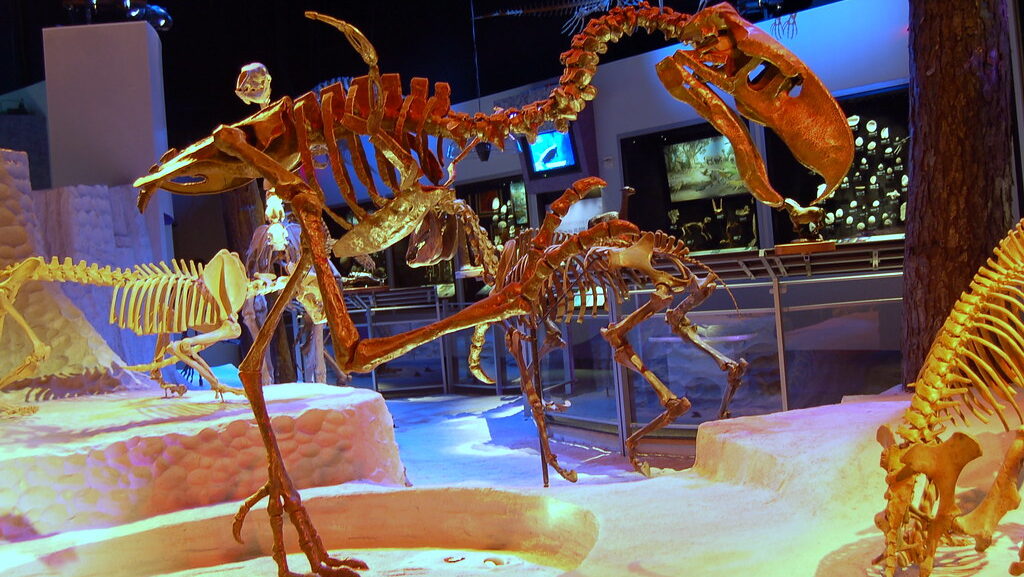
Fossils provide critical evidence about the bone-crushing capabilities of prehistoric birds through several key indicators. The most obvious is beak morphology itself – with thicker, deeper, and more robust structures than those found in birds lacking crushing abilities. Microscopic analysis of fossil beaks reveals dense, reinforced bone structure with specialized architecture designed to withstand extreme mechanical forces without fracturing. Muscle attachment points on these prehistoric skulls indicate exceptionally powerful jaw muscles capable of generating tremendous bite forces. Perhaps most compelling are fossil assemblages showing bone fragments with distinctive crushing damage patterns matching the beak structure of these birds, providing direct evidence of their feeding behavior. In some exceptional cases, fossilized stomach contents have been discovered containing crushed bone fragments, offering definitive proof of their bone-processing capabilities.
The Dromornithids: Australia’s Thunderbirds
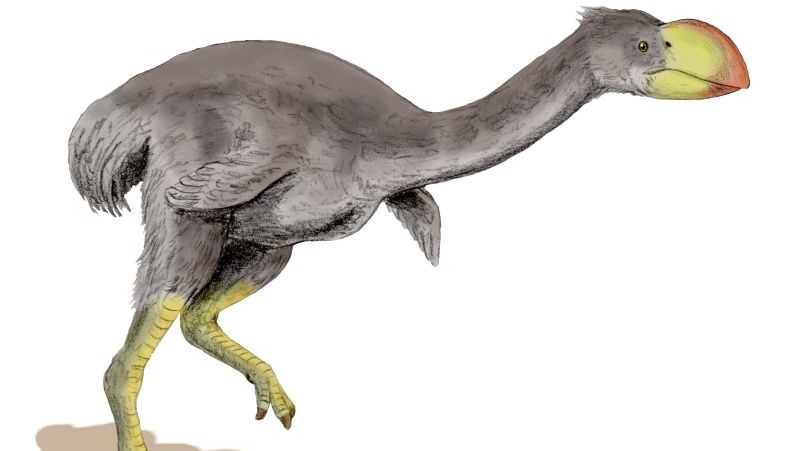
Australia’s prehistoric landscape hosted the remarkable Dromornithids, often called “thunderbirds” or “mihirungs,” massive flightless birds that evolved in isolation on the continent for millions of years. The largest genus, Dromornis, stood nearly 10 feet tall and possessed an immense, heavily reinforced beak capable of generating tremendous force. While earlier interpretations suggested these birds were herbivores similar to modern moas, newer evidence indicates at least some species were likely omnivorous and possessed bone-crushing capabilities. Their massive skull structure featured reinforced attachment points for powerful jaw muscles that could generate forces comparable to modern hyenas. These adaptations allowed dromornithids to process tough plant material and potentially crush bones of smaller prey or scavenged carcasses, making them versatile feeders in Australia’s prehistoric ecosystems.
Feeding Ecology: The Niche of Bone-Crushers
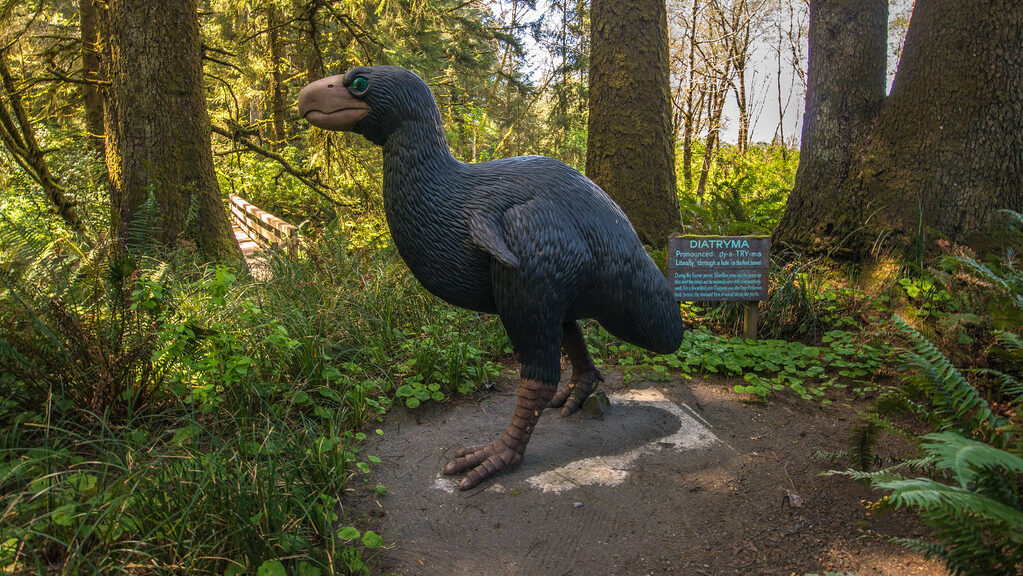
Bone-crushing adaptations opened unique ecological niches for prehistoric birds, allowing them to access nutritional resources unavailable to most competitors. Bone marrow contains high concentrations of calories, proteins, and fats – an energy-rich food source that remains sealed within bones after other predators have consumed the more accessible flesh. By evolving beaks capable of breaking into this protected resource, these birds gained significant advantages during periods of resource scarcity when competition intensified. This specialized feeding strategy would have reduced direct competition with other predators, allowing them to thrive even in challenging environmental conditions. The evolution of these powerful beaks also potentially allowed some species to process other tough materials, such as hard-shelled marine creatures or fibrous plant materials, further expanding their potential food sources and ecological flexibility.
Biomechanical Analysis: The Science Behind the Crush

Modern paleontologists use sophisticated biomechanical modeling to understand how prehistoric bird beaks functioned as crushing implements. Using techniques such as finite element analysis (FEA), scientists create computer models of fossil skulls to simulate how stresses and forces would have distributed throughout the beak and skull during powerful biting actions. These models incorporate data on bone density, muscle attachment points, and leverage mechanics to calculate potential bite forces. The results often reveal specialized structures designed to withstand and distribute crushing forces, including reinforced bone sections and stress-dissipation features that prevented fractures during powerful biting. Comparative analyses with modern bone-crushing specialists like hyenas reveal remarkable functional similarities despite dramatically different evolutionary origins, confirming these prehistoric birds possessed truly formidable crushing capabilities.
Phorusrhacids: South America’s Notorious “Terror Birds”
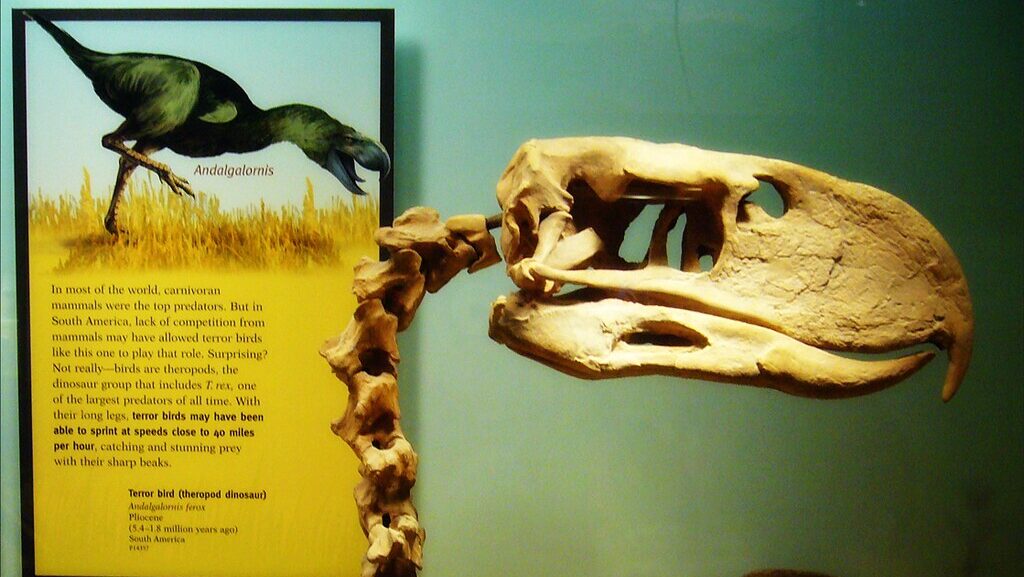
Perhaps the most famous bone-crushing prehistoric birds were the Phorusrhacids, the true “terror birds” that dominated South American ecosystems for over 60 million years following the extinction of dinosaurs. These flightless predators reached heights of up to 10 feet with massive, hook-tipped beaks and powerful necks designed for delivering devastating killing strikes. While some species specialized in slashing attacks with their beaks, others evolved more robust structures capable of significant crushing power. Biomechanical studies of Phorusrhacid skulls reveal some species could generate bite forces comparable to those of modern crocodilians, allowing them to process bone and access marrow. Their unique skull design combined lightning-fast strikes with powerful compressive force, making them versatile predators capable of both killing prey and processing tough materials including bones.
Ecological Impact: Predators and Scavengers
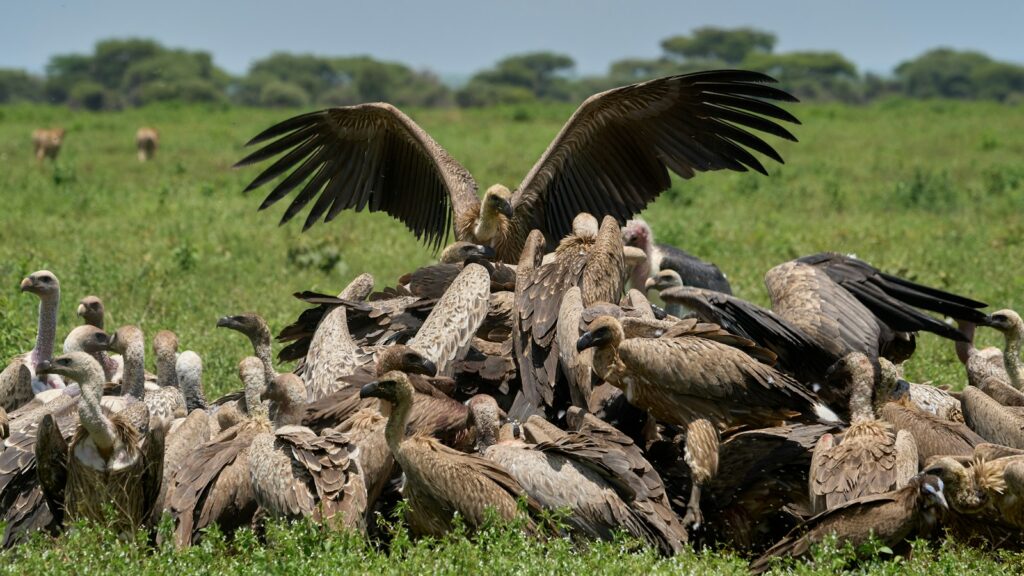
The presence of bone-crushing birds in prehistoric ecosystems had significant ripple effects throughout ancient food webs. As efficient processors of carcasses, these birds could extract maximum nutritional value from remains, potentially accelerating nutrient cycling within ecosystems. Their ability to process bones meant fewer remains persisted in the environment, affecting other scavengers dependent on longer-lasting carcass materials. In some prehistoric ecosystems, these birds likely acted as keystone species – organisms with disproportionate effects on their environments relative to their abundance. The pressure exerted by these powerful avian predators would have influenced the evolution of defensive adaptations in prey species, potentially including faster escape speeds, greater vigilance, or more effective camouflage. Their disappearance from various ecosystems likely created significant ecological gaps that were filled by other organisms, including mammalian bone-crushers like hyenas in some regions.
Convergent Evolution with Hyenas
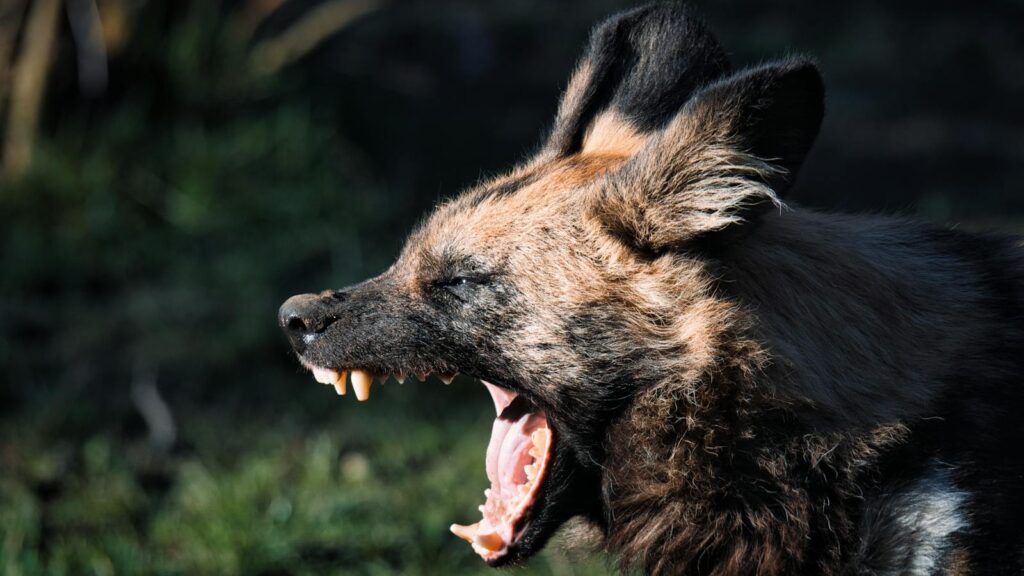
The similarities between prehistoric bone-crushing birds and modern hyenas represent one of evolution’s most fascinating examples of convergent development. Despite evolving from completely different ancestral lineages separated by hundreds of millions of years of independent evolution, both groups arrived at remarkably similar functional solutions to the challenge of accessing bone marrow. Hyenas evolved specialized premolar teeth with thick enamel and conical shapes perfect for concentrating crushing force, while the birds developed reinforced beak structures capable of similar functions through entirely different anatomical arrangements. Both groups developed exceptionally powerful jaw muscles and reinforced skull structures to withstand the stresses of bone-crushing activities. This parallel evolution demonstrates how similar ecological pressures can drive the development of functionally comparable adaptations in wildly different animal groups, a testament to natural selection’s power to shape organisms for specific ecological niches.
Extinction and Legacy

The disappearance of bone-crushing birds from Earth’s ecosystems occurred at different times across various regions, with many species vanishing during broader extinction events. The last of the great pseudodontorns disappeared around 2.5 million years ago, potentially due to climate changes affecting marine ecosystems and competition from emerging marine mammals. In North America, teratorns persisted until relatively recent times, with some species surviving until approximately 10,000 years ago during the end-Pleistocene extinctions that coincided with human arrival in the Americas. The ecological niches once occupied by these remarkable birds were in some regions filled by mammalian bone-crushers like hyenas, while in other areas, their specific ecological roles remained unfilled. Their legacy lives on in the fossil record, providing crucial insights into evolutionary processes and how specialized adaptations develop in response to ecological opportunities.
Modern Birds: Where Did the Crushing Power Go?
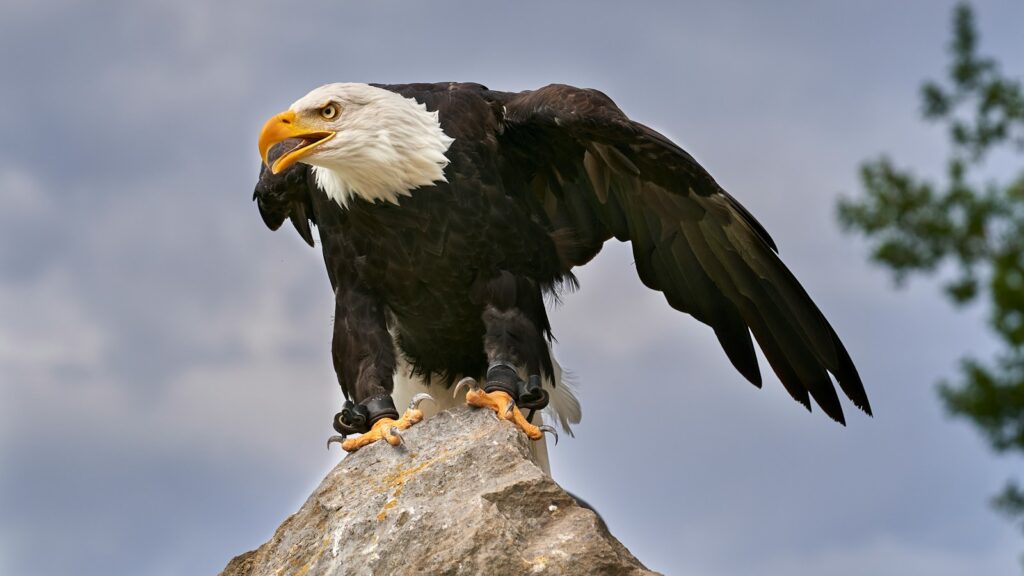
Among today’s roughly 10,000 bird species, none possess the extreme bone-crushing capabilities that evolved in these prehistoric giants, raising questions about why this adaptation disappeared. Several factors likely contributed to this evolutionary shift, including changing ecological landscapes and competition from mammals that developed similar specializations. Modern vultures, for instance, evolved different feeding strategies that rely on accessing soft tissues rather than crushing bones, with some species using highly acidic stomach environments to dissolve consumed bone fragments rather than crushing them mechanically. Some contemporary birds retain impressive biting power – particularly certain parrots, eagles, and ravens – but none approach the specialized bone-crushing adaptations of their prehistoric counterparts. This evolutionary trajectory reflects changing selective pressures over millions of years, with modern birds generally evolving toward different ecological specializations than their bone-crushing ancestors.
Conclusion
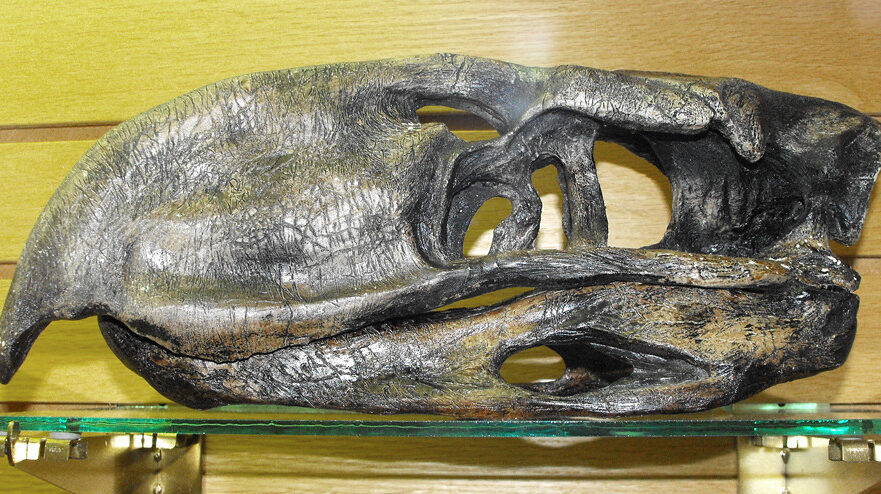
The story of prehistoric bone-crushing birds offers a fascinating window into evolution’s creative power to shape remarkable adaptations. These ancient avians, with their hyena-like crushing ability, remind us that nature has repeatedly invented similar solutions to ecological challenges across vastly different animal groups. Through careful scientific analysis of fossils, biomechanical modeling, and comparative studies with modern animals, researchers continue to uncover the remarkable capabilities of these long-vanished creatures. Their evolutionary journey demonstrates the intricate relationship between form and function, showing how physical structures evolve in response to specific ecological opportunities. Though these mighty-beaked birds no longer patrol our skies or dominate ancient landscapes, their legacy persists in our growing understanding of life’s remarkable adaptive potential throughout Earth’s long history.