

Vultures, those distinctive birds with their bald heads and imposing wingspans, are perhaps among the most misunderstood creatures in the animal kingdom. From ancient mythology to modern media portrayals, these remarkable scavengers have been shrouded in misconceptions that have tarnished their reputation for centuries. Despite their vital ecological role as nature’s cleanup crew, vultures continue to suffer from persistent myths that not only mischaracterize their behavior and biology but also undermine conservation efforts aimed at protecting declining populations. In this article, we’ll examine nine persistent myths about vultures that continue to circulate—and reveal the fascinating truths behind these essential but often maligned birds.
Myth 1: Vultures Are Harbingers of Death
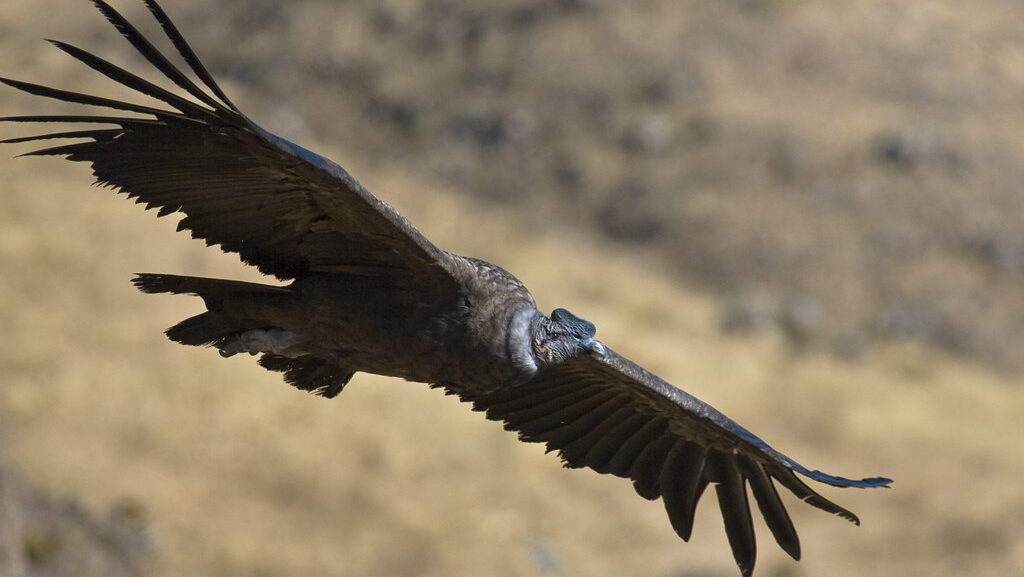
One of the most pervasive myths about vultures is that they somehow predict or even cause death. This superstition dates back centuries, with vultures appearing in various cultures as omens or messengers of doom. In reality, vultures don’t possess any supernatural ability to foresee death; they simply have evolved remarkable adaptations to detect carrion. Their exceptional sense of smell (particularly in New World vultures) allows them to detect the gases produced by decomposition from great distances, while their keen eyesight helps them spot carcasses from high altitudes. Rather than causing death, vultures arrive after it has already occurred, performing the crucial ecological service of cleaning up remains that might otherwise spread disease. Their presence indicates not the coming of death but rather nature’s efficient system for recycling nutrients back into the ecosystem.
Myth 2: Vultures Kill Healthy Animals
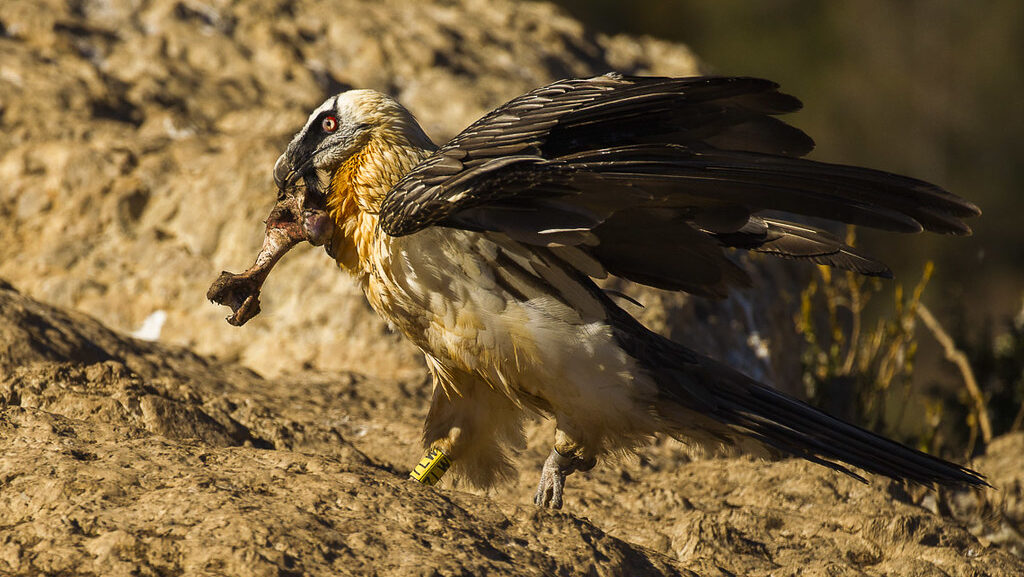
Contrary to popular belief, vultures rarely, if ever, kill healthy animals. Their physical adaptations tell the story—vultures possess relatively weak feet compared to predatory birds like eagles or hawks, making them poorly equipped for capturing live prey. Their beaks, while powerful for tearing dead flesh, aren’t designed for the quick, killing strikes that characterize true predators. Nearly all vulture species worldwide are obligate scavengers, meaning they feed almost exclusively on animals that are already dead. The rare exceptions occur primarily when vultures opportunistically feed on extremely weak, dying, or newborn animals that cannot escape—situations that represent a tiny fraction of their feeding behavior. Their ecological niche is firmly in the cleanup department, not the hunting category, making them nature’s sanitation workers rather than killers.
Myth 3: Vultures Are Dirty and Spread Disease
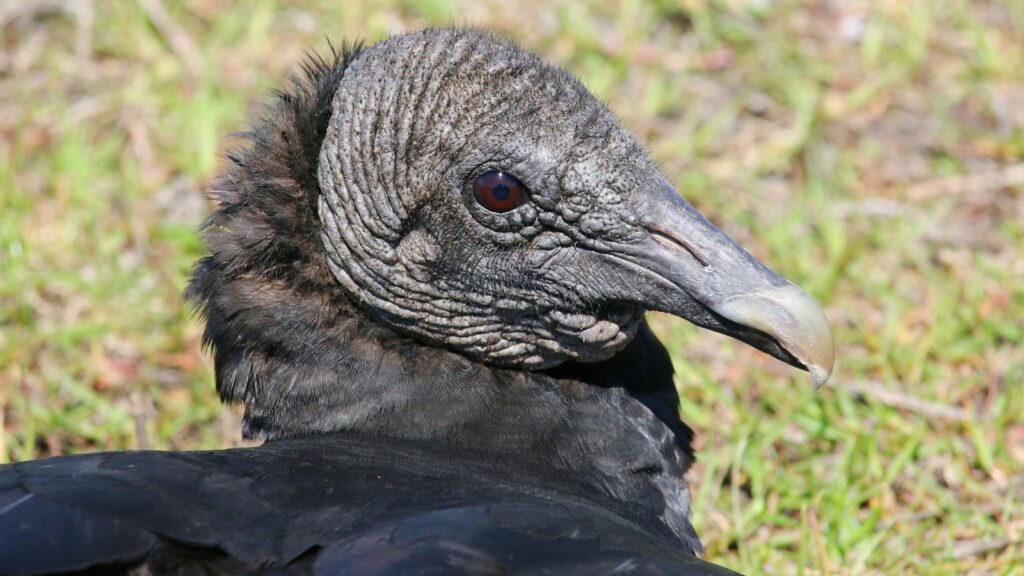
Perhaps the most ironic myth about vultures is that they’re unclean birds that spread disease. In truth, vultures are remarkably hygienic and play a crucial role in disease prevention. Their stomachs contain incredibly potent acids with pH levels as low as 1, powerful enough to neutralize dangerous pathogens like anthrax, botulism, and cholera that would sicken other animals. This digestive superpower allows vultures to consume carcasses that would be toxic to other species, effectively removing these disease reservoirs from the environment. Additionally, vultures practice regular cleaning behaviors, including sunning their wings to bake off bacteria and bathing when water is available. Their characteristic bald heads—often cited as “ugly” features—are actually evolutionary adaptations that prevent feathers from becoming soiled with blood and viscera during feeding, further reducing disease risk. Far from spreading illness, vultures serve as natural disease control agents in ecosystems worldwide.
Myth 4: All Vultures Are the Same Species
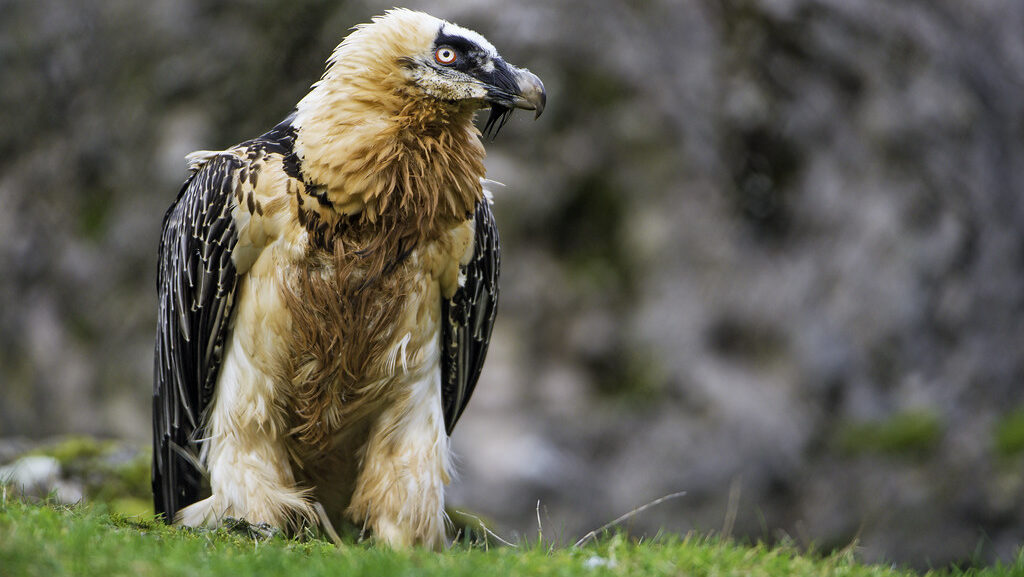
Many people mistakenly believe that all vultures belong to a single species or that they’re all closely related. In reality, vultures represent a fascinating example of convergent evolution—where unrelated animals develop similar traits to fill similar ecological niches. The vulture family tree divides into two distinct groups that evolved independently on different continents. Old World vultures, found in Africa, Europe, and Asia, are related to eagles and hawks in the family Accipitridae. New World vultures, native to the Americas, belong to the family Cathartidae and are more closely related to storks than to their Old World counterparts. These two vulture lineages evolved similar features—bald heads, soaring flight patterns, and scavenging behaviors—despite being separated by millions of years of evolution. Worldwide, there are 23 different vulture species, each with unique adaptations, ranges, and conservation statuses, demonstrating remarkable diversity within the vulture ecological niche.
Myth 5: Vultures Circle When Something Is Dying
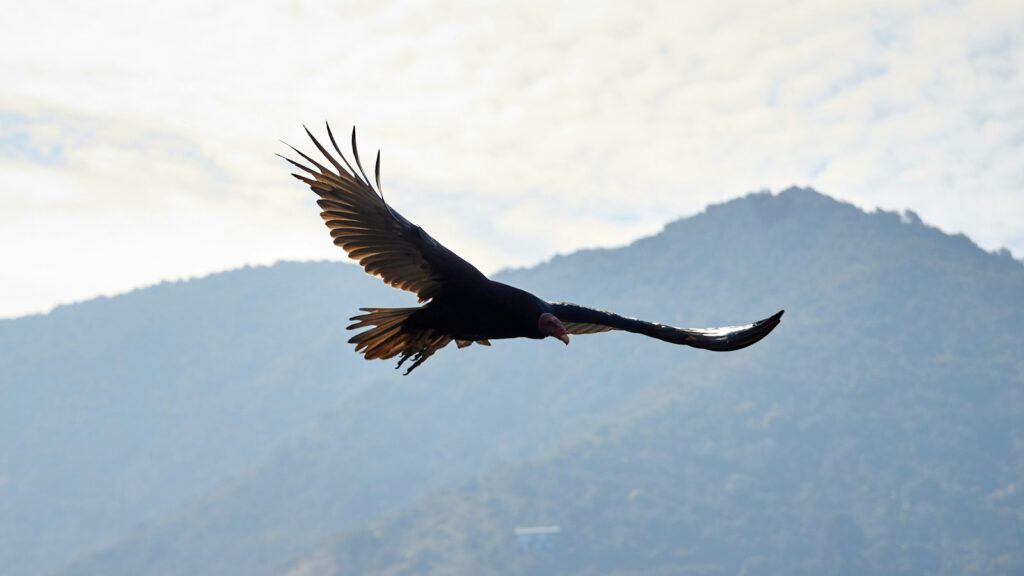
The iconic image of vultures circling over a dying animal is deeply embedded in popular culture, but it fundamentally misrepresents vulture behavior. Vultures don’t circle because they’re waiting for something to die; they circle because they’re riding thermal air currents that rise from the warming earth. These thermal updrafts allow vultures to gain altitude with minimal energy expenditure, enabling them to soar and search vast areas for food while conserving energy. This efficient flight strategy helps vultures—who may need to travel many miles between meals—minimize their caloric output during food searches. When vultures do locate a carcass, they typically don’t circle it but instead descend directly or perch nearby. The circling behavior has much more to do with efficient flight mechanics than with any morbid waiting game, representing an elegant solution to the energy challenges faced by large-bodied scavenging birds.
Myth 6: Vultures Have a Poor Sense of Smell
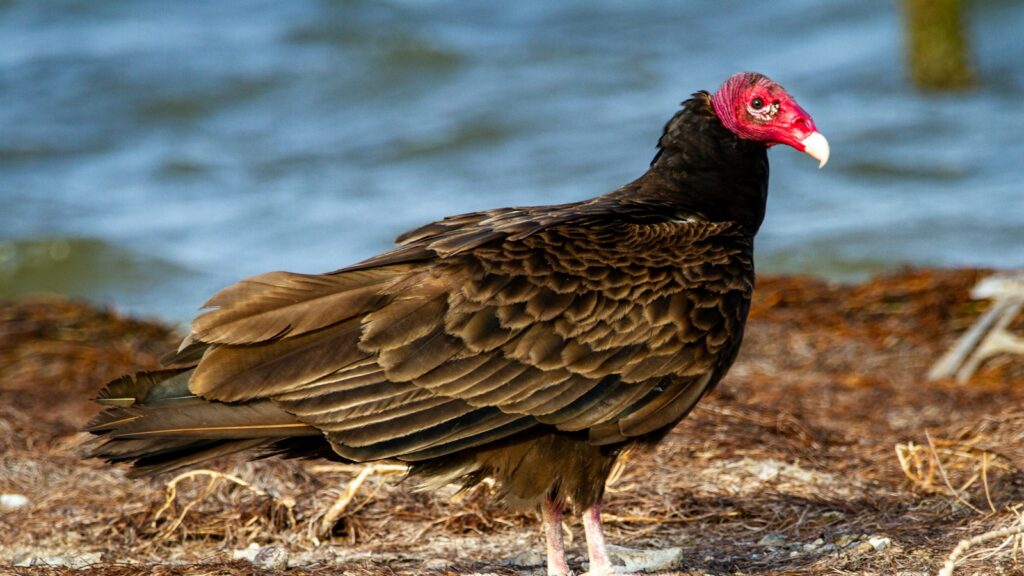
A common misconception holds that all vultures rely exclusively on vision to locate food, lacking any meaningful sense of smell. This myth contains a partial truth but misses important distinctions between vulture groups. Old World vultures (those native to Africa, Europe, and Asia) indeed have a limited or absent sense of smell, relying primarily on their exceptional eyesight to locate carcasses. However, New World vultures, including the turkey vulture and its relatives in the Americas, possess one of the most highly developed olfactory systems in the bird world. Turkey vultures can detect the scent of ethyl mercaptan (a gas produced by decomposing bodies) in concentrations as low as a few parts per trillion, allowing them to find carrion hidden under dense forest canopies where visual detection would be impossible. This remarkable chemical sensitivity is so accurate that energy companies add similar compounds to natural gas lines specifically so that turkey vultures can help identify leaks. The different sensory adaptations between vulture lineages highlight how varied their evolutionary paths have been despite filling similar ecological roles.
Myth 7: Vultures Are Unintelligent Birds
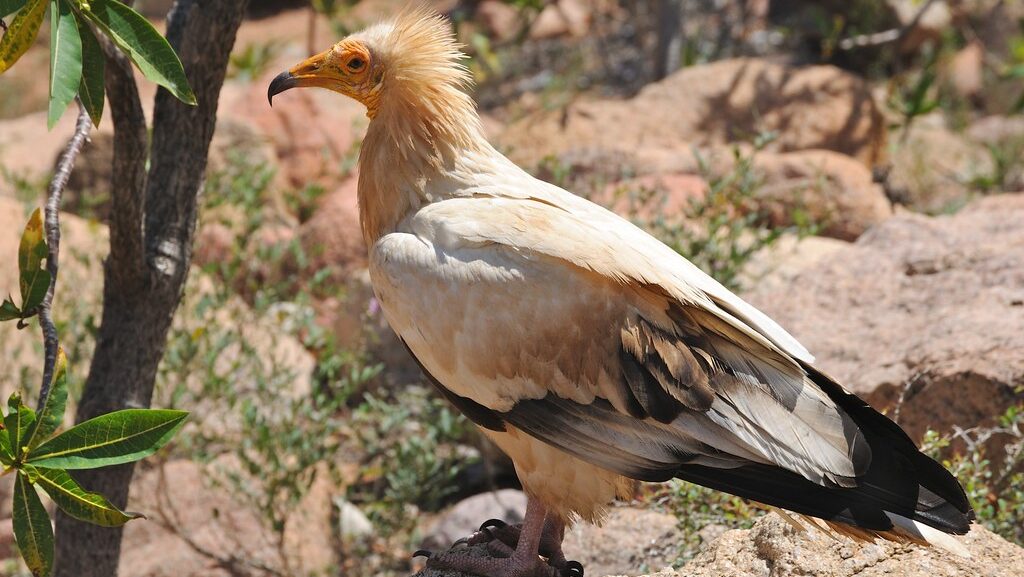
Vultures are often portrayed as dim-witted birds with limited cognitive abilities, but research reveals them to be remarkably intelligent animals. Studies have documented complex social behaviors, problem-solving skills, and long-term memory in various vulture species. For example, Egyptian vultures have been observed using tools—specifically, dropping stones to crack open ostrich eggs that would otherwise be inaccessible food sources. Many vulture species demonstrate sophisticated social hierarchies and recognition abilities, remembering individuals and their status within feeding groups. Their navigation abilities are equally impressive, with some species capable of memorizing the locations of seasonal food sources across vast territories. Vultures also show adaptability in changing environments, including adjusting their feeding and nesting behaviors in response to human development. These cognitive abilities help explain how vultures have successfully adapted to diverse habitats across multiple continents, demonstrating that their ecological success stems not just from physical adaptations but also from their intelligence.
Myth 8: Vultures Are Overpopulated and Don’t Need Protection

Far from being overpopulated, vultures rank among the most endangered groups of birds worldwide. Of the 23 vulture species globally, 14 are currently threatened with extinction, with some populations experiencing catastrophic declines of over 95% in recent decades. In South Asia, species like the Indian vulture collapsed due to poisoning from the veterinary drug diclofenac, which causes kidney failure in vultures when they consume the carcasses of treated livestock. African vultures face similar pharmaceutical threats along with deliberate poisoning by poachers who target the birds to prevent them from circling over illegally killed wildlife. Additional threats include habitat loss, electrocution on power infrastructure, and collisions with wind turbines. The conservation implications extend far beyond the birds themselves—when vulture populations decline, disease outbreaks often increase as carcasses remain unprocessed in the environment for longer periods. The myth of vulture overpopulation is particularly dangerous because it undermines the urgent conservation efforts needed to prevent these ecological keystone species from disappearing entirely.
Myth 9: Vultures Attack People
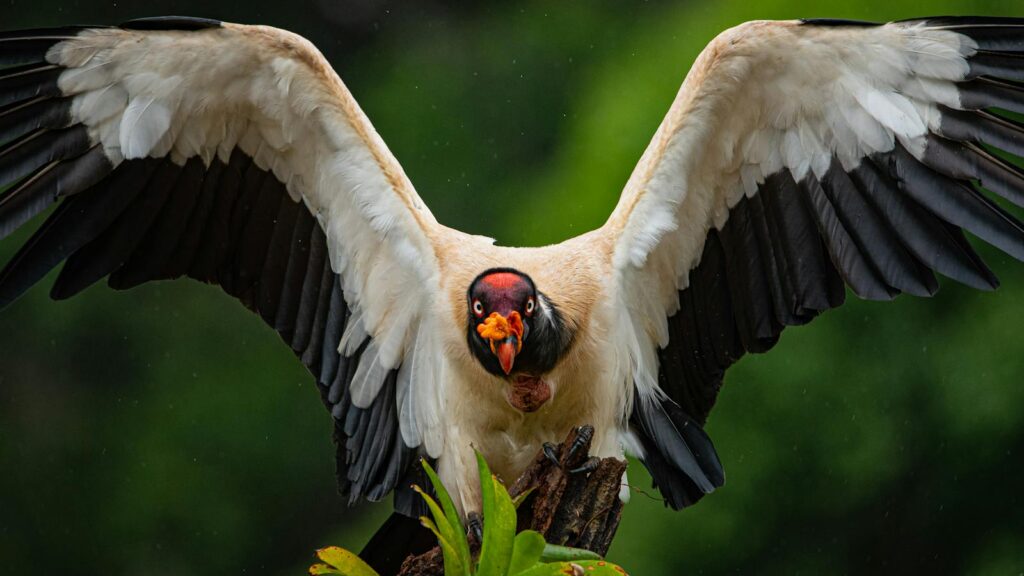
The myth that vultures attack humans persists in popular imagination, fueled by sensationalistic media portrayals and horror movie tropes. However, there are virtually no documented cases of vultures attacking living, healthy humans in the wild. Vultures evolved as specialized scavengers with physical adaptations suited specifically for consuming carrion, not for predation. Their feet lack the powerful grasping talons of predatory birds, and their behavior around humans typically involves avoidance rather than aggression. When confronted or cornered, most vulture species resort to defensive tactics like projectile vomiting—an effective deterrent that both lightens their weight for quicker escape flight and repels potential threats with partially digested carrion. The extremely rare cases where vultures have pecked at immobile humans involved individuals who were already deceased or unconscious and were mistaken for carrion. In normal circumstances, vultures maintain a healthy distance from people, preferring to observe from afar rather than engage. Their undeserved reputation for aggression represents one of the most persistent and damaging myths affecting public perception of these beneficial birds.
g sounds when threatened or during feeding competitions. Black vultures are known for their distinctive pig-like grunts and growls that communicate dominance at feeding sites. Griffon vultures produce squealing calls during courtship and nest defense, while bearded vultures make high-pitched whistling sounds. Young vultures are particularly vocal, producing whining calls when begging for food from parents. These vocalizations, combined with non-vocal communications like wing postures and head movements, create a sophisticated communication system that facilitates the complex social interactions observed in vulture colonies and at communal feeding sites. While certainly not songsters, vultures are far from the silent birds they’re often portrayed to be.
Conclusion
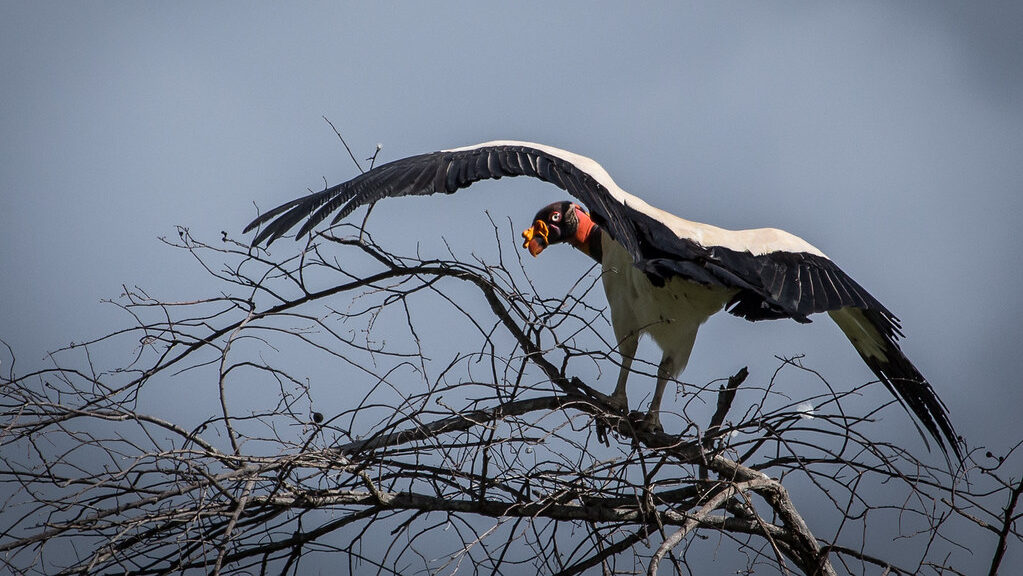
Vultures represent nature’s perfect example of how appearance and reputation can diverge dramatically from actual value. Behind their seemingly macabre lifestyle and unconventional appearance lies a sophisticated ecological design that benefits countless other species—humans included. By dismantling these nine persistent myths, we gain a more accurate appreciation for these remarkable birds: not as harbingers of death but as guardians of ecosystem health; not as disease spreaders but as nature’s disease prevention system; not as mindless creatures but as intelligent, socially complex animals facing serious conservation challenges. In many parts of the world, the decline of vulture populations has created cascading ecological problems, from increased disease transmission to imbalances in scavenger communities. Understanding the truth about vultures isn’t just about correcting misinformation—it’s an essential step toward ensuring these irreplaceable birds continue their vital work in ecosystems worldwide.