

Falcons, the aerial masters of the avian world, have captivated humans for millennia with their breathtaking speed and hunting prowess. From ancient falconry traditions to modern scientific studies, these remarkable birds continue to astonish us with their velocity capabilities. While many birds impress with their flight abilities, falcons stand in a league of their own, pushing the boundaries of what seems physically possible in the natural world. In this exploration of falcon speed, we’ll dive into seven incredible facts that showcase just how these feathered missiles have evolved to become nature’s fastest creatures, achieving velocities that would leave even sophisticated human aircraft in awe.
The Peregrine Falcon: Nature’s Speed Champion
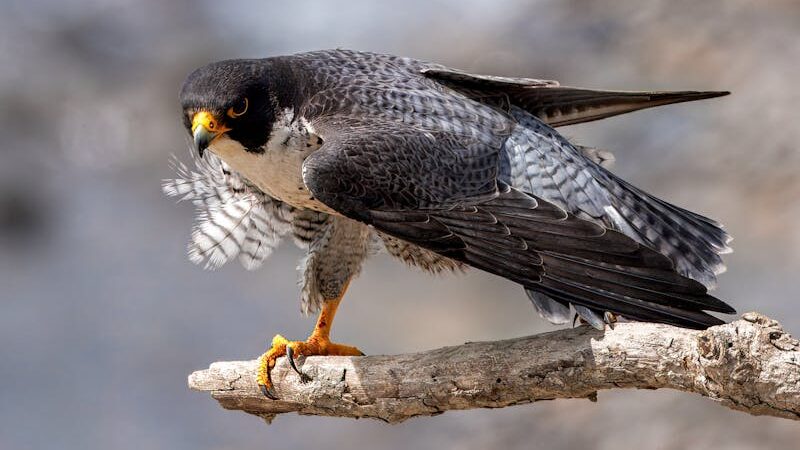
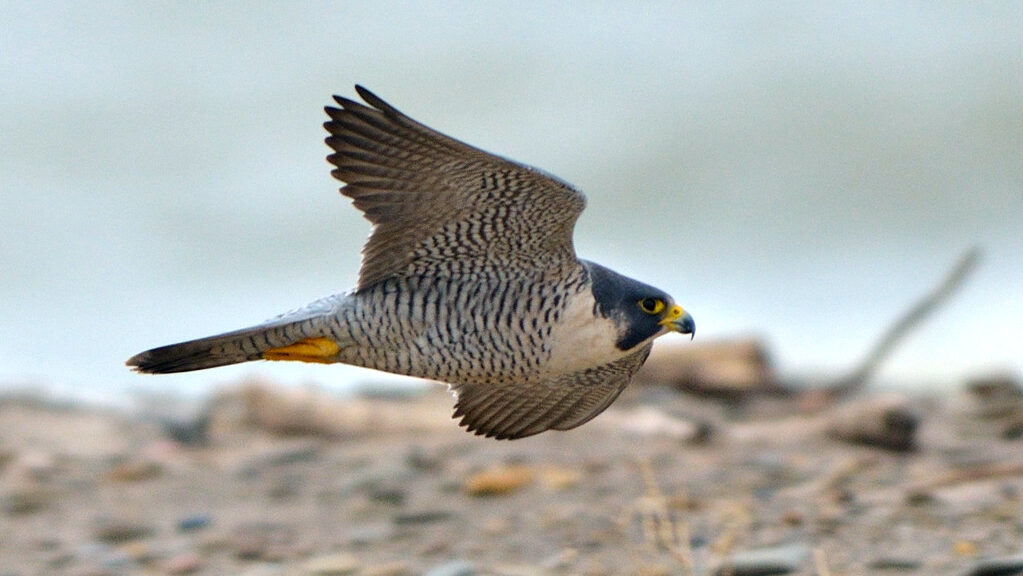
When discussing falcon speed, the conversation invariably begins with the peregrine falcon (Falco peregrinus), holder of the undisputed title of fastest animal on Earth. During its hunting stoop—a high-speed diving attack on flying prey—the peregrine falcon can reach speeds of over 240 miles per hour (386 km/h), a velocity confirmed through multiple scientific studies and radar tracking. This phenomenal speed exceeds that of Formula 1 race cars and would earn a speeding ticket on any highway in the world. The peregrine’s remarkable velocity isn’t just impressive in the animal kingdom—it outpaces many small aircraft and represents one of nature’s most extraordinary evolutionary adaptations for hunting.
Evolved for Velocity: The Falcon’s Aerodynamic Design
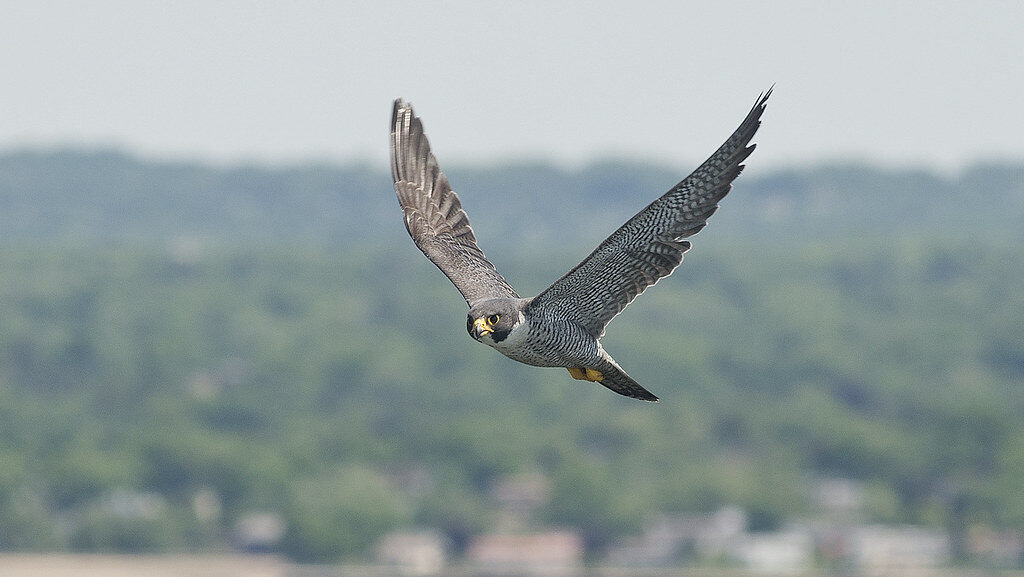
Falcons possess specialized physical features that contribute to their unmatched speed capabilities, representing millions of years of evolutionary refinement. Their bodies exhibit a teardrop shape with a pointed head, slim body, and narrow, swept-back wings that significantly reduce drag during high-speed flight. The falcon’s nostrils contain special bony tubercles that deflect airflow and protect the respiratory system during high-speed dives, preventing potential damage from the intense air pressure. Their feathers are exceptionally dense and rigid, providing the necessary stability and strength to withstand the extreme forces encountered during rapid acceleration and high-velocity flight. Even the falcon’s vision has evolved to handle speed, with specialized tear ducts and third eyelids (nictitating membranes) that keep their eyes lubricated and protected while maintaining crystal-clear vision at speeds that would blind most other creatures.
Horizontal Speed: Not Just Diving Champions
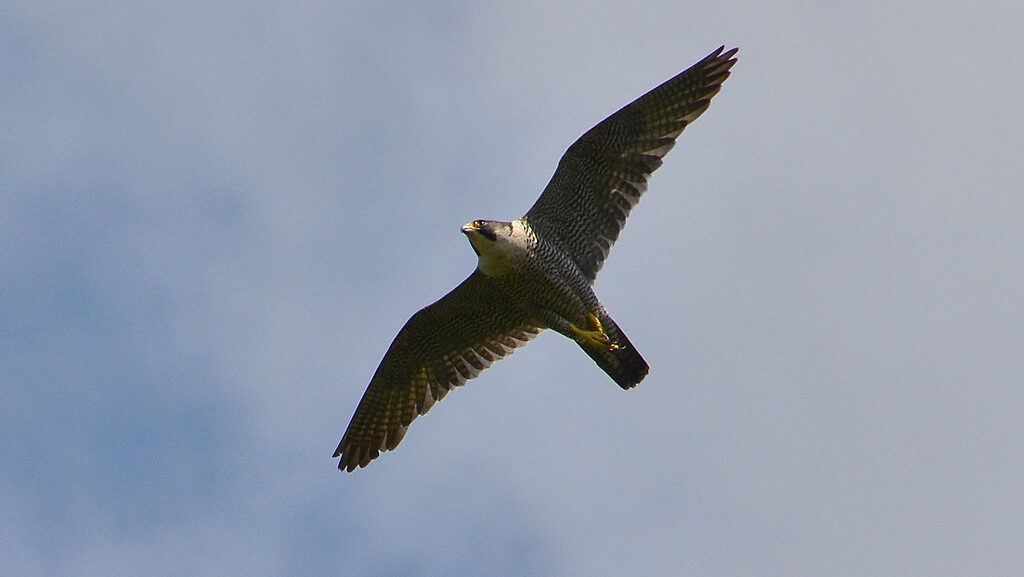
While falcons are celebrated for their diving speed, their horizontal flying abilities are equally impressive by avian standards. In level flight, peregrine falcons typically cruise at 40-60 mph (64-97 km/h), but can reach bursts of 65-70 mph (105-113 km/h) when pursuing prey or traveling long distances. This horizontal speed capability exceeds that of most birds, including other raptors like eagles and hawks, demonstrating the falcon’s all-around aerial superiority. The gyrfalcon (Falco rusticolus), the largest falcon species, can maintain horizontal speeds of up to 70 mph (113 km/h) for extended periods during long hunting forays across Arctic tundra. Remarkably, falcons achieve these speeds through powered flight rather than simply gliding on air currents, showcasing their exceptional muscle strength and cardiovascular efficiency.
The Physics Behind the Falcon’s Stoop
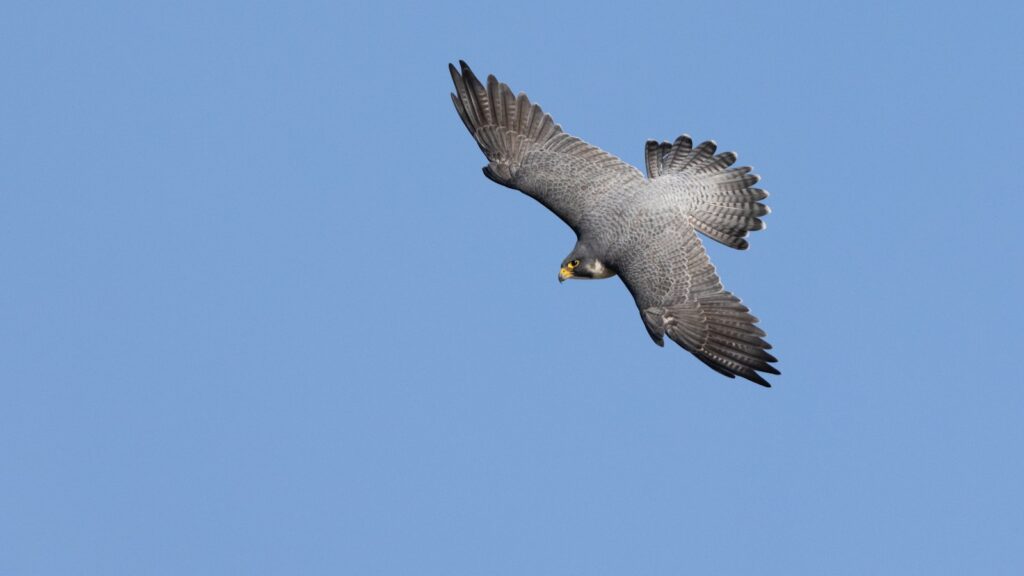
The falcon’s legendary diving speed involves sophisticated physics and precise body control that scientists continue to study. When initiating a hunting stoop, falcons ascend to heights of 3,000 feet or more before folding their wings close to their body in a precise configuration that creates the perfect balance between stability and minimal drag. Research has shown that during the dive, falcons don’t simply fall but actively adjust their body position to optimize aerodynamics, creating a nearly perfect parabolic trajectory. The birds experience g-forces of up to 25g during pull-out from dives, forces that would cause human pilots to lose consciousness without specialized pressure suits. Remarkably, falcons have evolved specialized blood vessels and physiological adaptations that prevent them from blacking out during these extreme maneuvers, allowing them to maintain hunting precision even at the limits of biological possibility.
Acceleration Capabilities: 0 to 200 MPH
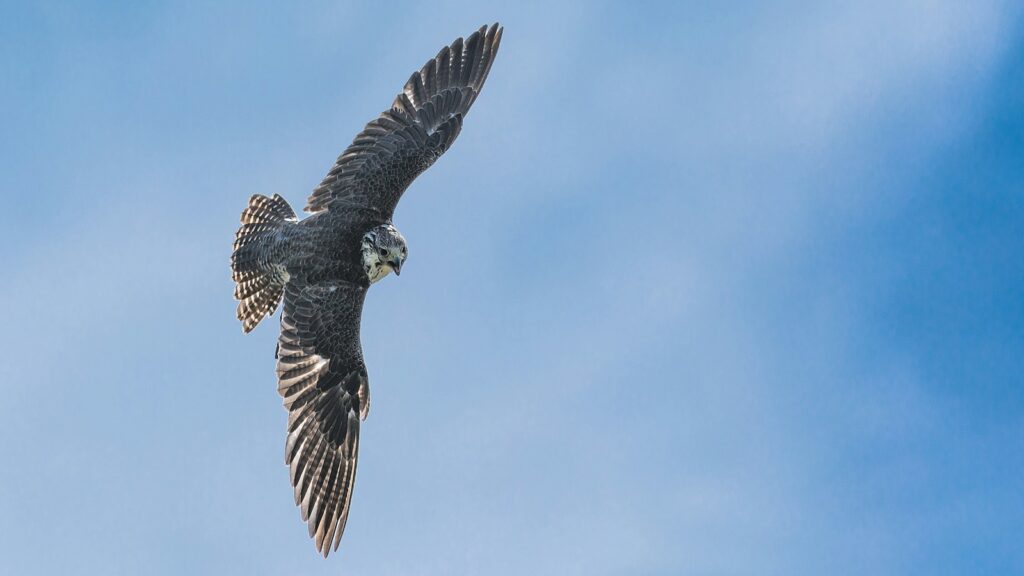
Falcons don’t just impress with their top speed—their acceleration rates are equally astonishing and exceed those of most high-performance vehicles. A peregrine falcon can accelerate from a hovering position to over 200 mph (322 km/h) in a stoop within approximately 8 seconds, representing an acceleration force few natural or human-made objects can match. During this acceleration phase, the falcon’s body undergoes dramatic physiological adaptations, with heart rates spiking to over 900 beats per minute to supply sufficient oxygen to muscles operating at peak performance. Studies using high-speed cameras have shown that falcons adjust their wing positions dozens of times per second during acceleration, making micro-corrections that perfect their trajectory toward prey. This combination of raw power and precision control allows falcons to intercept prey birds that are themselves flying at considerable speeds, adding another layer of complexity to their hunting calculations.
Speed Variations Among Different Falcon Species
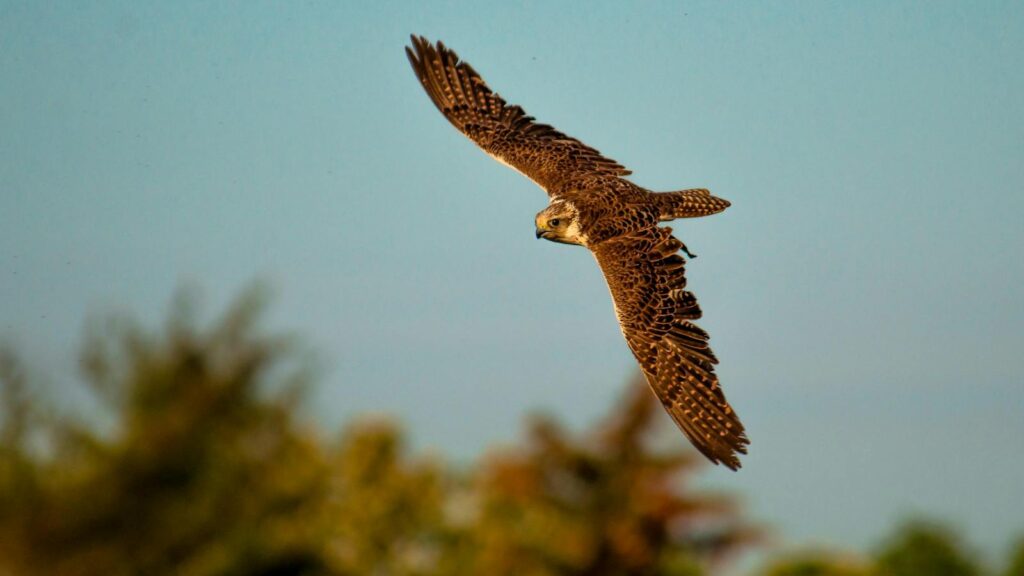
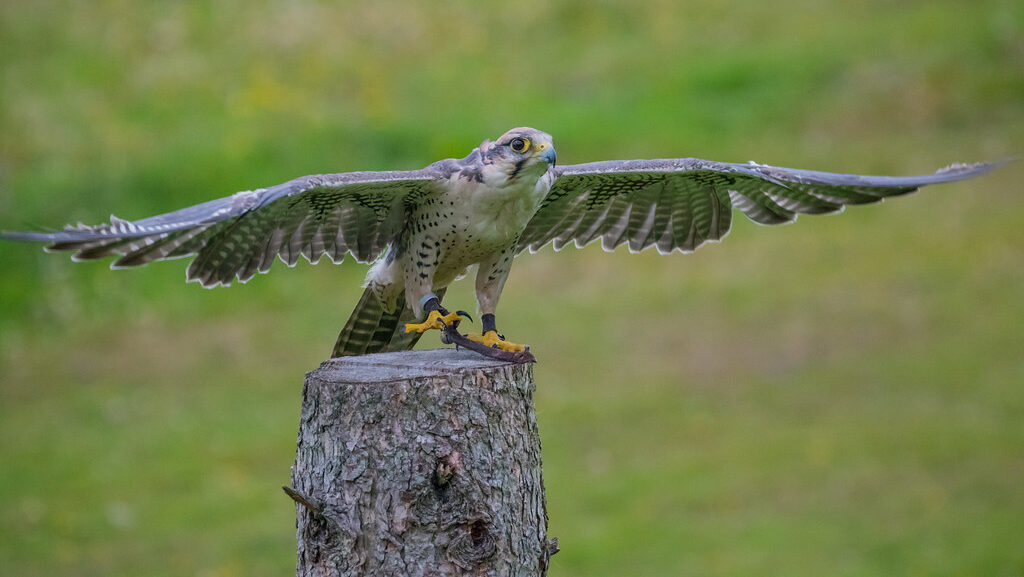
While the peregrine falcon holds the speed record, other falcon species demonstrate impressive velocity adaptations suited to their specific hunting environments. The saker falcon (Falco cherrug), popular in Middle Eastern falconry, can reach speeds of 200 mph (322 km/h) in a dive and shows exceptional horizontal speed when pursuing prey across open plains. The smaller merlin (Falco columbarius), weighing just 5-8 ounces, compensates for its size with remarkable agility, capable of quick 100 mph (161 km/h) dashes through forest environments where maneuverability is essential. The prairie falcon (Falco mexicanus) has evolved for high-speed, low-altitude hunting over open terrain, using ground effect principles to maintain speeds of 45-60 mph (72-97 km/h) just a few feet above the landscape. These variations demonstrate how different falcon species have optimized their speed capabilities to match their specific ecological niches and hunting strategies.
How Scientists Measure Falcon Speeds
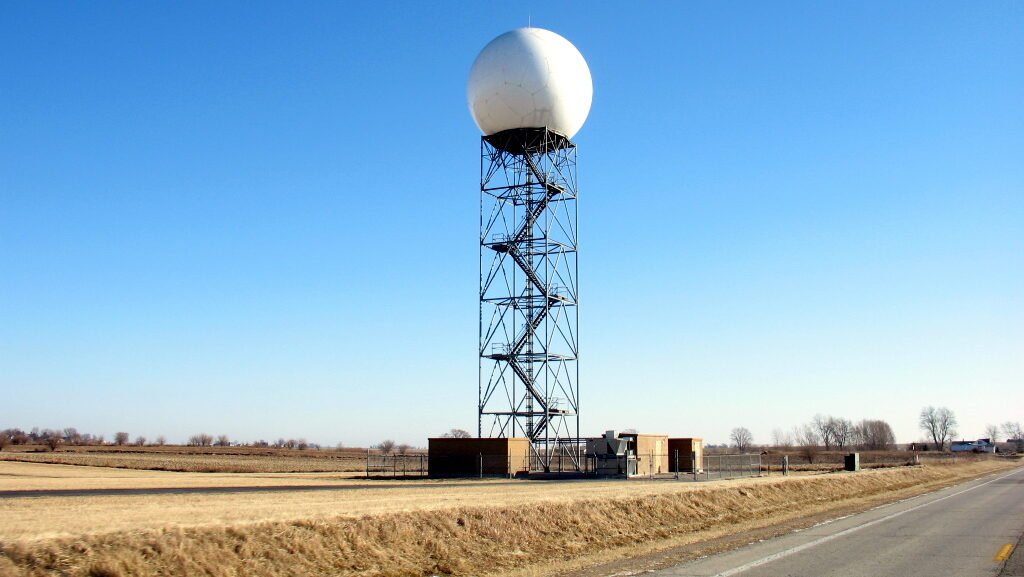
Accurately measuring the extraordinary speeds of falcons presents significant scientific challenges that have required innovative technologies. Early estimates relied on stopwatch timing and distance calculations, but modern research employs sophisticated methods including Doppler radar, which can track the speed of objects by measuring the change in frequency of radio waves reflected off moving targets. Researchers have also utilized specialized high-speed cameras capable of capturing thousands of frames per second, allowing for precise velocity calculations by analyzing frame-by-frame movement. In recent studies, miniaturized GPS data loggers attached to falcons have provided the most accurate measurements yet, recording position, altitude, and speed multiple times per second during flight. These advanced measurement techniques have consistently confirmed the peregrine’s astonishing diving speeds, with the highest reliably documented speed recorded at 242 mph (389 km/h) during a controlled study in 2005.
Hunting at High Speed: Precision in Motion
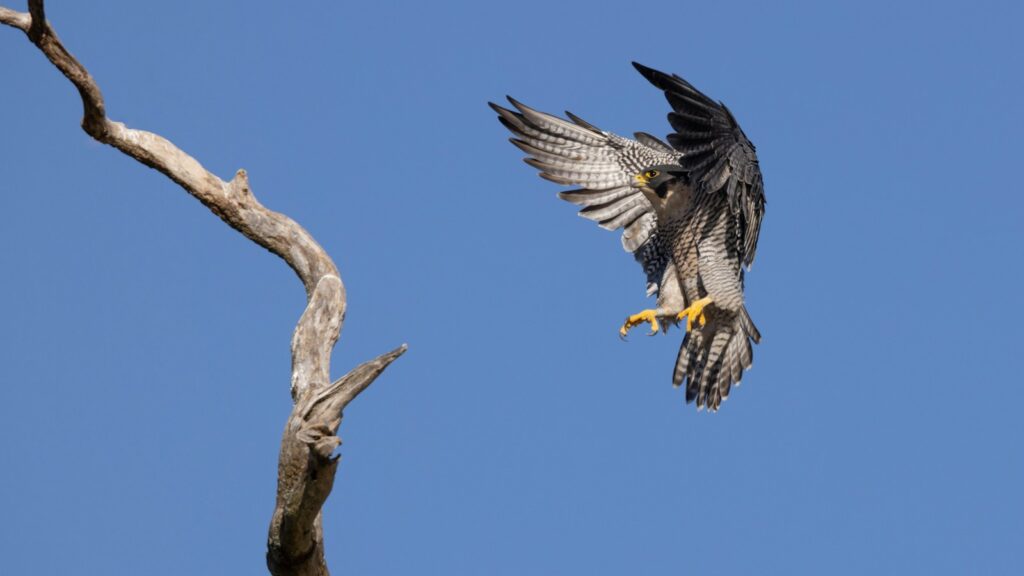
Achieving tremendous speeds would be meaningless without the ability to effectively capture prey, and falcons demonstrate extraordinary precision even at their velocity limits. When striking prey at high speed, falcons don’t simply collide with their target but execute a complex maneuver where they strike with clenched talons, delivering a powerful blow that can stun or kill instantly without harming themselves. High-speed photography has revealed that falcons make last-millisecond adjustments to their trajectory, compensating for the evasive movements of prey with a level of neurological processing speed that neuroscientists find remarkable. The falcon’s brain has evolved specialized neural pathways that process visual information much faster than most vertebrates, essentially allowing them to perceive time at a different rate during high-speed hunting. This combination of velocity and precision makes falcon predation one of nature’s most impressive demonstrations of evolutionary refinement, with success rates often exceeding 70% for experienced adult birds.
The Biomechanical Limits: How Falcons Handle G-Forces
The extreme speeds achieved by falcons subject their bodies to physical forces that would be lethal to most organisms, including humans. During the pull-out phase of a high-speed dive, falcons experience g-forces that can exceed 25 times normal gravity, far beyond what human fighter pilots can endure without specialized pressure suits. Researchers have discovered that falcons possess specially adapted cardiovascular systems with uniquely structured blood vessels in their head and neck that prevent blood from rushing away from the brain during high-g maneuvers. Their skull structure provides exceptional protection for the brain, with specialized cushioning that absorbs the shock forces generated during the impact of striking prey at high velocities. Perhaps most remarkably, the falcon’s respiratory system maintains efficient function even under extreme acceleration and deceleration, allowing the bird to keep its metabolic processes operating at peak efficiency throughout complex hunting sequences that push the boundaries of biomechanical possibility.
Falcon Speed in Cultural Context and Human Inspiration

The falcon’s speed has secured its place not just in natural history but in human culture across diverse civilizations. Ancient Egyptian hieroglyphs featured falcons as symbols of divine speed and power, while medieval European nobility practiced falconry partly out of admiration for the bird’s velocity capabilities. In modern times, falcon speed has inspired numerous technological developments, with aerospace engineers studying falcon aerodynamics to improve aircraft design, particularly in the fields of supersonic flight and maneuverability. Military aircraft like the F-16 Fighting Falcon deliberately incorporate principles observed in falcon flight dynamics, especially regarding rapid directional changes and efficient high-speed propulsion. Sports car manufacturers have similarly drawn inspiration from falcon anatomy when designing vehicles intended to achieve exceptional acceleration and aerodynamic efficiency, demonstrating how these birds continue to influence human engineering even in our technologically advanced era.
Climate Change and Falcon Speed: An Uncertain Future

Recent research has begun to examine how changing global climate patterns might affect the remarkable speed capabilities of falcon species worldwide. Studies suggest that increasing average temperatures may impact air density and thermal patterns in ways that could alter optimal diving conditions for falcons, potentially affecting their hunting success rates. Changing prey migration patterns due to climate shifts may require falcons to adapt their hunting strategies and possibly develop different speed optimization techniques to capture food in changing environments. Some researchers have documented slight variations in falcon wing morphology in certain populations over recent decades, which may represent early evolutionary responses to changing atmospheric conditions. While falcons have demonstrated remarkable adaptability throughout their evolutionary history, the rapid pace of current climate change presents unprecedented challenges that may test the limits of their ability to maintain their spectacular speed capabilities in coming decades.
Conservation Efforts to Protect Nature’s Speed Champions

Preserving the falcon’s extraordinary speed capabilities requires dedicated conservation efforts that address the specific threats facing these aerial athletes. While peregrine falcons have made a remarkable recovery from near-extinction caused by DDT poisoning in the mid-20th century, other falcon species continue to face significant challenges including habitat loss, illegal capture for the pet trade, and electrocution on power lines. Conservation organizations have implemented specialized breeding and release programs that maintain genetic diversity, ensuring that the physical adaptations necessary for extreme speed performance remain robust in wild populations. Falcon migration corridors receive special protection in many regions, creating safe passages that allow the birds to undertake the long-distance movements necessary to maintain their hunting proficiency and physiological conditioning. Educational programs help raise public awareness about the ecological importance of falcons and their unique speed capabilities, building constituency support for protective legislation and habitat preservation initiatives that will ensure future generations can continue to marvel at nature’s fastest creatures.
Conclusion
The extraordinary speed capabilities of falcons represent one of nature’s most impressive evolutionary achievements. From the peregrine’s 240+ mph stoops to the specialized physiological adaptations that make such velocities possible, these birds push the boundaries of what seems biologically possible. Their remarkable combination of raw speed, acceleration, precision, and control continues to inspire both scientific research and human technological innovation. As we work to protect falcon populations worldwide, we preserve not just a species but a living example of natural engineering at its most spectacular—a reminder that even our most advanced human technologies still have much to learn from the perfection achieved through millions of years of evolution in the fastest animals on Earth.