

Across our planet’s vast skies, certain creatures navigate with a sophistication that rivals our most advanced navigation systems. Among these aerial navigators, one species stands out for its remarkable ability to read the invisible highways of the air. The bar-headed goose (Anser indicus) doesn’t merely fly—it creates mental maps of wind patterns, planning journeys that span continents with astonishing precision. These birds possess an innate understanding of atmospheric dynamics that allows them to conserve energy while traveling thousands of miles between breeding and wintering grounds. Their journey over the Himalayas represents one of nature’s most impressive feats of migration, showcasing an evolutionary masterpiece of navigation that scientists are only beginning to fully understand.
The Bar-Headed Goose: Nature’s Aeronautical Engineer
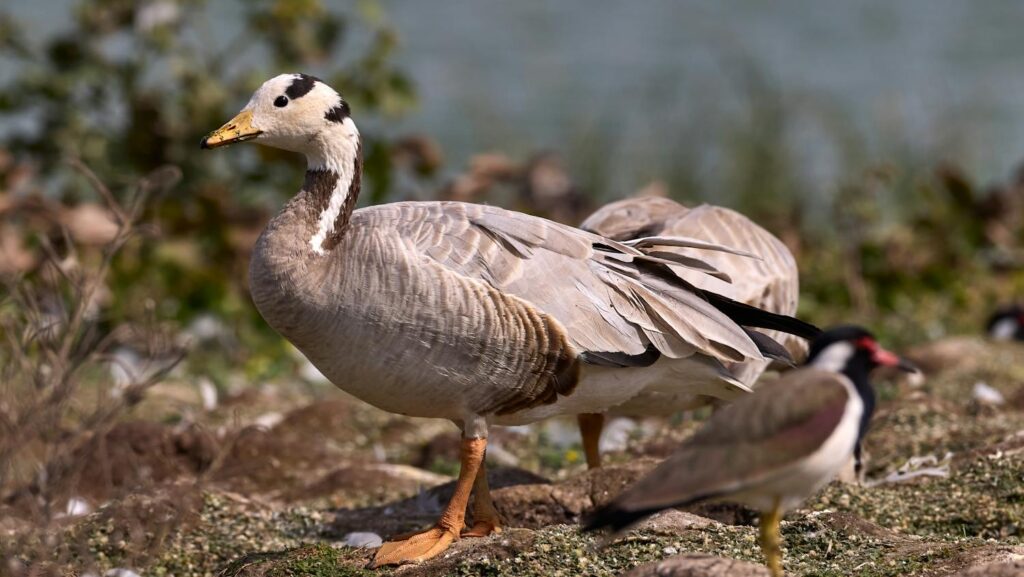
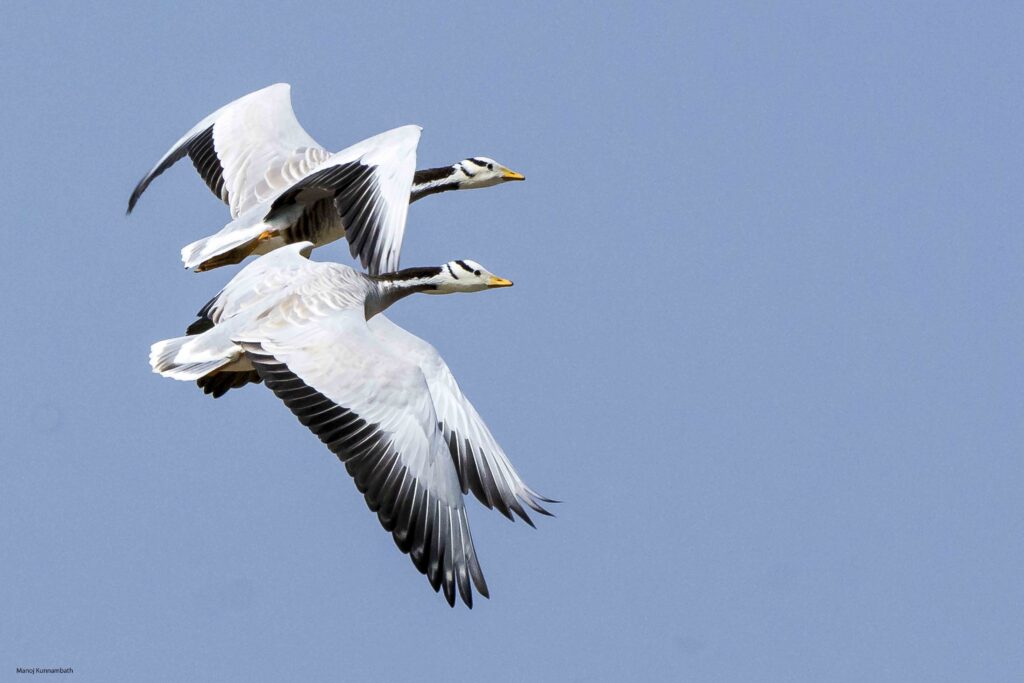
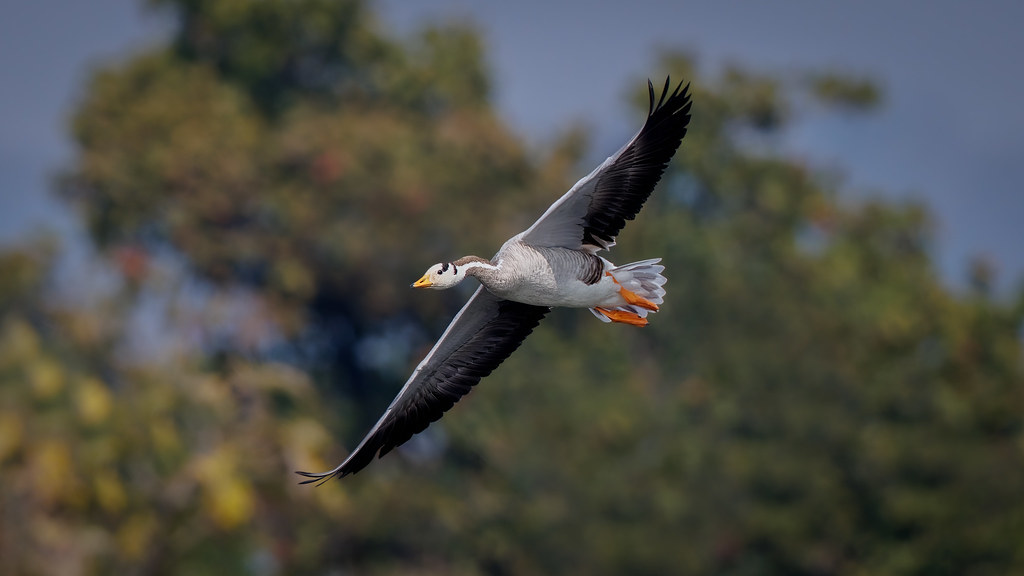
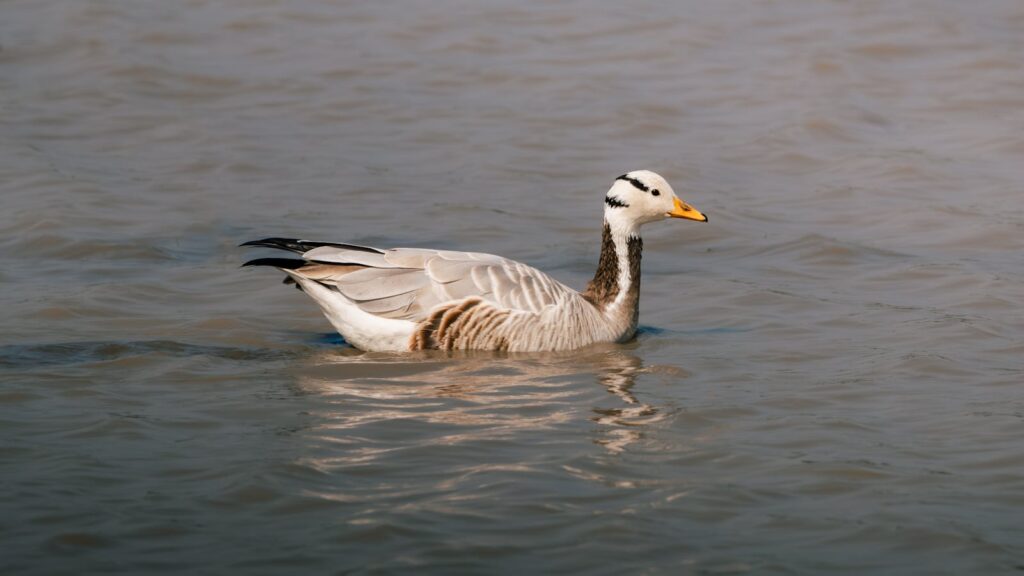
The bar-headed goose has evolved to become one of the world’s most impressive high-altitude flyers. With distinctive bars across its head and a wingspan of approximately 140-160 centimeters, these medium-sized geese don’t immediately appear remarkable. However, their internal physiology tells a different story. Their bodies contain specialized hemoglobin that binds oxygen more efficiently than most birds, allowing them to fly in oxygen-thin environments. Their lungs extract oxygen with extraordinary efficiency, and their wing structure enables them to cut through thin air with minimal energy expenditure. These adaptations make them perfectly suited for their incredible migratory journeys across the roof of the world, where understanding wind patterns becomes not just advantageous but essential for survival.
The Himalayan Challenge: Flying Through the Death Zone

The migration route of the bar-headed goose takes them directly over the Himalayan mountains, including passages near Mount Everest at altitudes exceeding 29,000 feet—well within what mountaineers call “the death zone.” At these heights, oxygen levels are only about a third of those at sea level, temperatures plummet below -40°F, and powerful jet streams create air currents exceeding 200 mph. Most aircraft require pressurized cabins to navigate these conditions, yet these birds fly through them with nothing but their evolved physiology. The extreme conditions mean that any navigation error could be fatal, creating intense evolutionary pressure for these birds to develop sophisticated wind-mapping capabilities. Their ability to predict and utilize favorable wind patterns often means the difference between successful migration and death.
The Wind Map in Their Minds
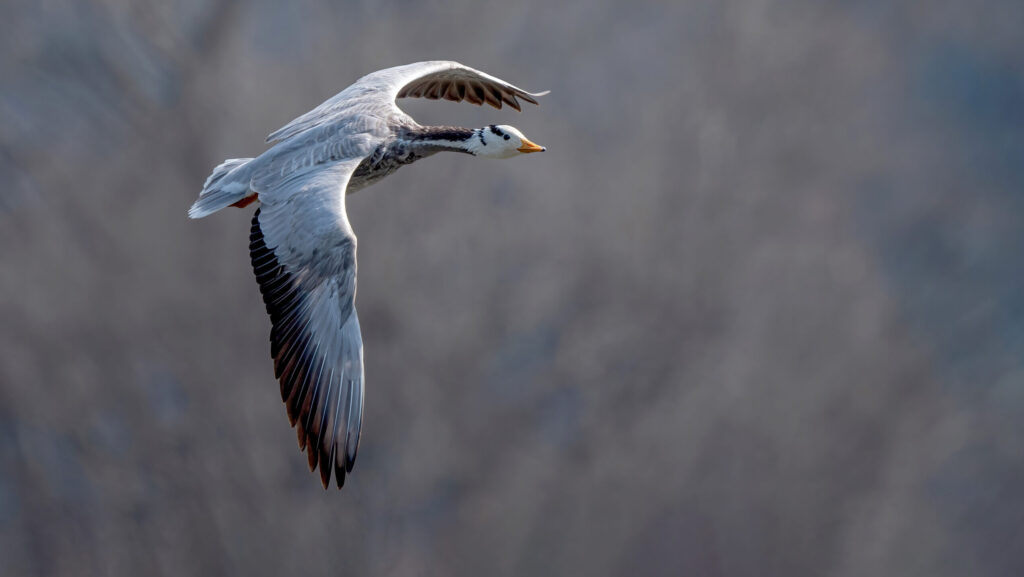
Research suggests that bar-headed geese possess an internal “wind map” that guides their migration decisions. Unlike simple instinctual navigation, these birds appear to make real-time tactical decisions based on atmospheric conditions they can sense. They can detect minute changes in air pressure, temperature gradients, and wind direction—information they integrate into a mental model of their route. This cognitive map allows them to predict where updrafts will form, where wind resistance will be minimal, and where dangerous downdrafts might occur. Studies tracking individual birds show they often wait for days until conditions align with their internal predictions, suggesting they’re not simply reacting to wind patterns but anticipating them based on environmental cues and possibly even seasonal experience.
Reading the Invisible Highways
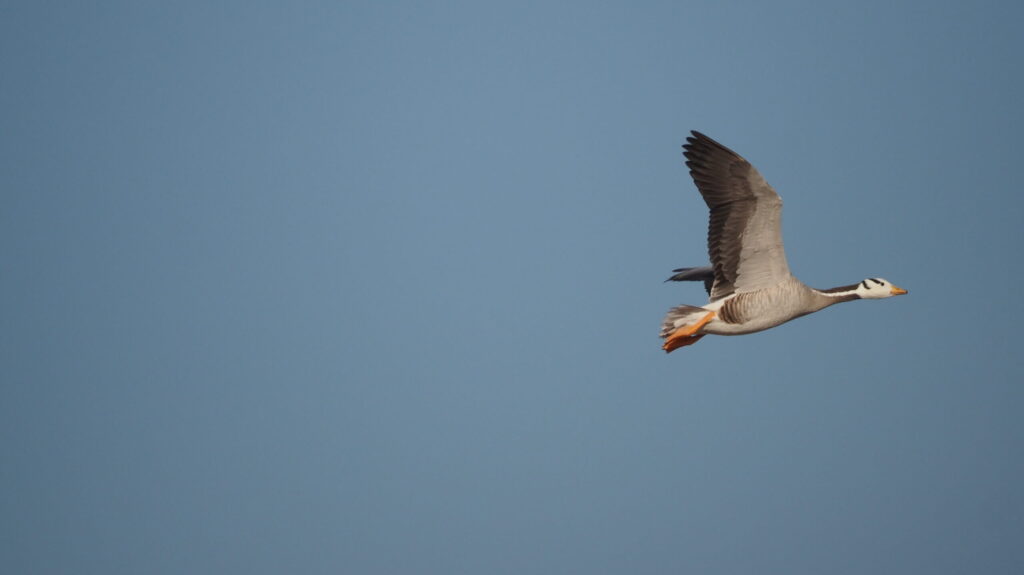
Bar-headed geese perceive wind patterns through multiple sensory systems working in concert. Their feathers contain mechanoreceptors that detect subtle pressure changes across their bodies, essentially turning their entire surface into a wind-sensing organ. Their inner ears contain sophisticated barometric sensors that can detect altitude changes of mere meters. Recent research suggests they may even be able to detect Earth’s magnetic field and use it to cross-reference their wind maps. What’s particularly remarkable is how they integrate this sensory information with visual landmarks below, creating a multi-layered navigation system. When flying through clouds with no visual reference points, they rely almost exclusively on their wind-mapping abilities, demonstrating the sophistication of this internal system.
The Energy-Conservation Strategy
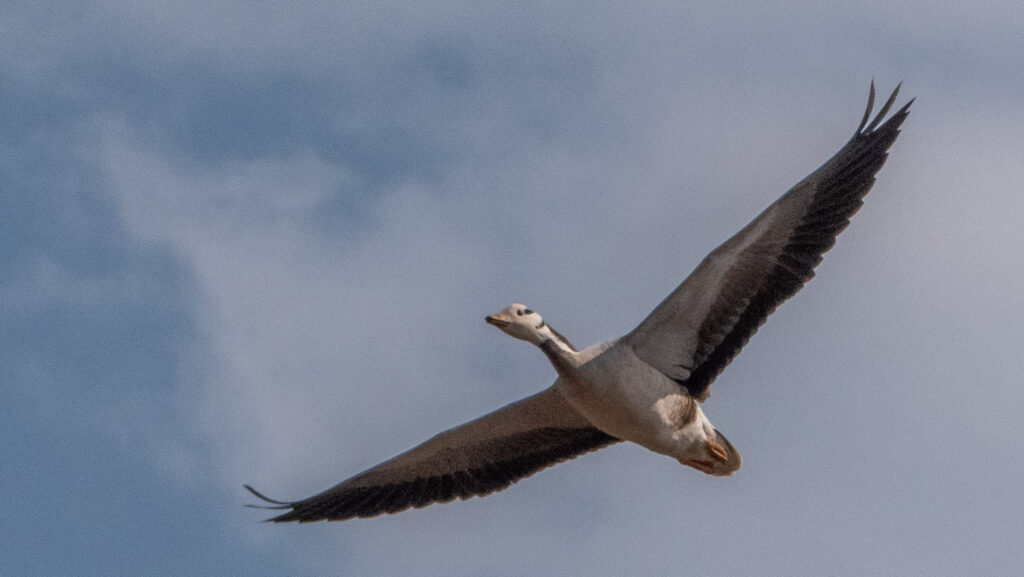
The primary advantage of wind mapping for bar-headed geese is energy conservation during their grueling migrations. By predicting and utilizing tailwinds, they can reduce energy expenditure by up to 70% compared to flying against headwinds. Their ability to find thermal updrafts allows them to gain altitude with minimal wing flapping, essentially getting a free lift from rising warm air. Researchers have observed these birds making seemingly illogical detours that actually make perfect sense when wind patterns are analyzed—they’re trading direct routes for energetically favorable ones. This strategic approach to migration allows them to complete journeys of over 5,000 kilometers with minimal stopping, carrying just enough fat reserves to fuel their incredible journey.
Nocturnal Navigation Masters

One of the most fascinating aspects of bar-headed goose migration is their preference for night flying when crossing the Himalayas. This counterintuitive behavior actually demonstrates their sophisticated understanding of wind patterns. At night, mountain winds typically calm and become more predictable as the temperature differential between day and night stabilizes air movements. Nocturnal migration also allows them to take advantage of the more stable atmospheric conditions that occur in the absence of solar heating. Researchers using GPS tracking have confirmed that these nighttime flights correlate with periods of optimal wind conditions, suggesting the birds are timing their crossing based on their mental wind maps. This nocturnal strategy also helps them avoid predators and excessive heat during daytime hours.
Weather Forecasters Without Technology

Bar-headed geese demonstrate an uncanny ability to predict weather changes days in advance of their occurrence. Observers at breeding grounds have noticed pre-migration behaviors that correlate with favorable wind conditions that will occur 48-72 hours later, suggesting these birds can forecast weather patterns. They appear particularly sensitive to barometric pressure changes associated with approaching weather fronts. Their forecasting abilities often exceed the accuracy of local traditional human weather prediction in their native ranges. Research teams studying their departures from Lake Qinghai in China have documented mass departures that precisely anticipate the arrival of favorable tailwinds, sometimes leaving just hours before weather systems arrive that would have made migration energetically costly.
Social Learning and Wind Knowledge
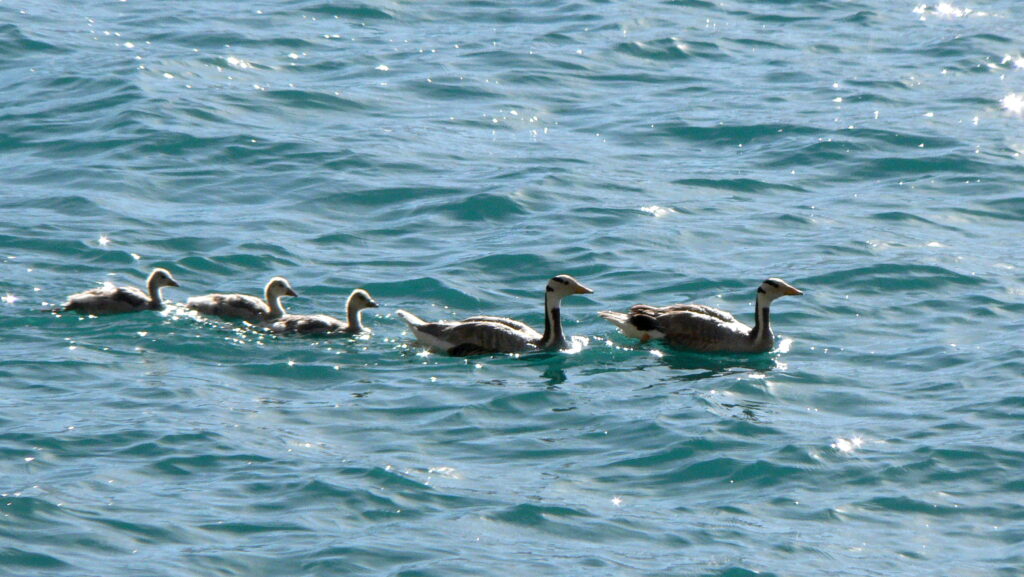
Wind-mapping abilities in bar-headed geese appear to combine innate knowledge with significant social learning components. Juvenile birds typically migrate with experienced adults during their first journey, observing and internalizing the decision-making processes around wind exploitation. Researchers have noted that orphaned geese raised in captivity and released show significantly poorer navigation abilities compared to those that migrated with experienced birds. The flock structure during migration often forms a leadership hierarchy with the most experienced birds making critical decisions about routing and timing. This social transmission of knowledge creates a collective wisdom about wind patterns that spans generations, allowing the species to adapt to changing climate conditions over time.
Technological Insights into Avian Navigation
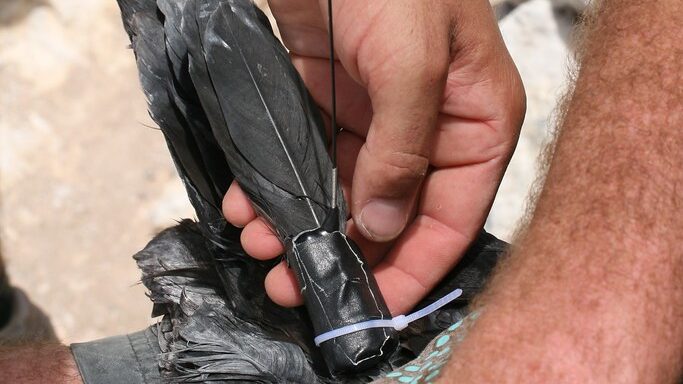
Modern tracking technology has revolutionized our understanding of how bar-headed geese utilize wind patterns. Lightweight GPS transmitters combined with barometric sensors allow researchers to correlate bird movements with precise atmospheric conditions in real-time. One groundbreaking study equipped geese with heart rate monitors and accelerometers, revealing how they precisely match their flight efforts to changing wind conditions, reducing wing beats when catching favorable currents. Advanced computational models comparing optimal routes based on wind patterns closely match the actual routes taken by tracked birds, confirming their sophisticated navigation abilities. These technological insights have allowed scientists to construct virtual models of the birds’ mental wind maps, revealing decision-making processes that remained mysterious for centuries.
Adapting to Climate Change
As global climate patterns shift, bar-headed geese face significant challenges to their traditional wind-mapping abilities. Changing jet stream patterns and less predictable mountain weather systems require these birds to adapt their mental models. Researchers have observed subtle shifts in migration timing and routing over the past decades that correlate with changing wind patterns across their range. Their ability to adapt their wind maps may determine whether they can continue their remarkable migrations in a changing climate. Some populations have already altered their traditional routes to take advantage of new wind patterns forming due to changing temperature gradients across the Tibetan Plateau and Himalayan region.
Inspiring Human Technology
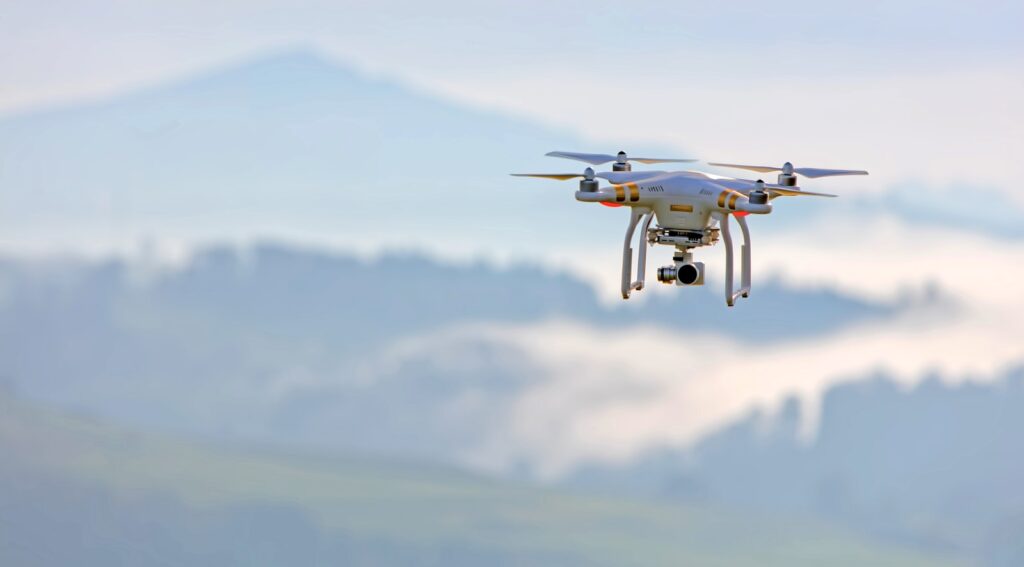
The wind-mapping abilities of bar-headed geese have inspired numerous technological innovations in human aviation. Drone developers have created algorithms based on goose navigation to optimize flight paths for minimal energy consumption. Commercial airlines have studied their route selection to improve fuel efficiency on long-haul flights through areas with variable wind conditions. Military aviation has developed unpowered high-altitude gliders that utilize thermal mapping inspired by these birds’ navigation techniques. Perhaps most promising are developments in autonomous aircraft designed to harvest atmospheric energy through sophisticated wind mapping, potentially allowing for indefinite flight times using principles observed in these remarkable birds.
Conservation Challenges
Despite their remarkable navigation abilities, bar-headed geese face numerous conservation challenges that threaten their migration patterns. Habitat loss at critical staging areas disrupts their ability to rest and refuel during journeys, forcing them to attempt longer flights without adequate energy reserves. Increasing human development in mountain valleys creates artificial wind patterns that don’t match their evolutionary expectations. Climate change is altering traditional wind currents across their range, potentially rendering generations of accumulated wind knowledge obsolete. Conservation efforts now focus on protecting not just their physical habitat but also the integrity of the aerial corridors they depend on, recognizing that wind patterns themselves represent a critical natural resource for these remarkable navigators.
Conclusion
The bar-headed goose stands as one of nature’s most sophisticated navigators, having evolved an extraordinary ability to map and utilize wind patterns that remain invisible to human eyes. Their trans-Himalayan migrations represent a masterclass in energy-efficient travel, combining innate abilities with learned knowledge passed through generations. As we continue to unravel the mysteries of their aerial journeys, these birds offer valuable lessons about adaptation, efficiency, and the remarkable capabilities that evolution can produce. In a world increasingly dominated by technological navigation, the bar-headed goose reminds us that nature developed sophisticated solutions to complex navigation problems long before humans took to the skies.