

The kakapo, affectionately known as “owl parrot,” stands as perhaps the most endearing paradox in the animal kingdom. This flightless, nocturnal, and critically endangered New Zealand native has captured hearts worldwide despite—or perhaps because of—its unusual characteristics and seemingly impractical evolutionary adaptations. With fewer than 250 individuals surviving today, the kakapo represents not just a conservation priority but a charming testament to nature’s wonderful oddities. These moss-green birds, with their owl-like faces and parrot lineage, embody a unique combination of traits found nowhere else on Earth, making them both ecological misfits and beloved icons of wildlife preservation. Their story is one of survival against overwhelming odds, quirky behaviors, and the unwavering efforts of dedicated conservationists determined to save one of the planet’s most remarkable avian treasures.
The Evolutionary Oddball: A Bird Out of Time
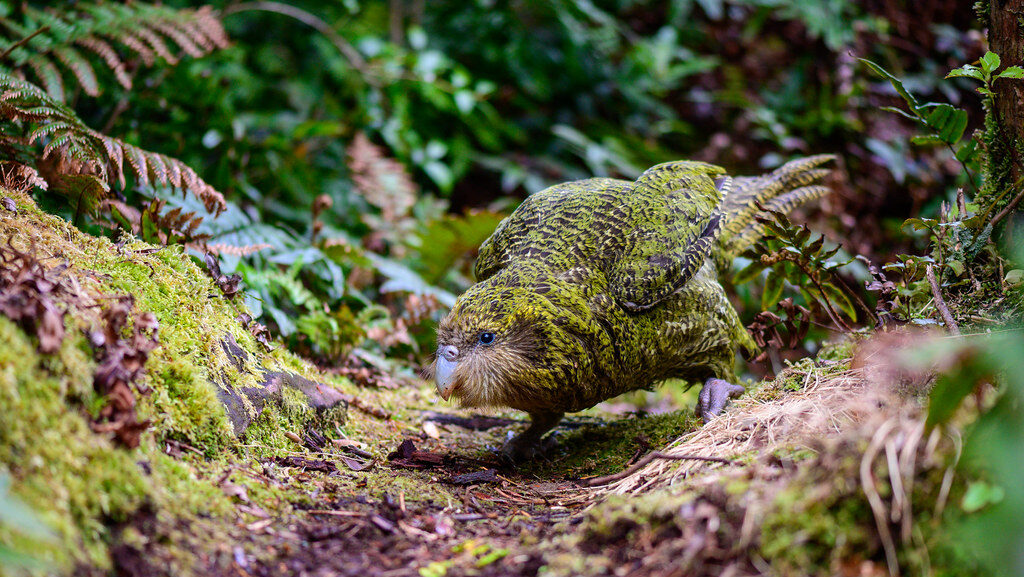
The kakapo’s evolutionary journey is a fascinating tale of adaptation in isolation. Evolving on the predator-free islands of New Zealand over millions of years, these birds had no natural need to fly and eventually lost the ability entirely, developing massive bodies that can reach over 9 pounds—making them the heaviest parrots in the world. Their wings, while still present, serve little purpose beyond occasional balance assistance and failed attempts at gentle gliding from heights. Unlike most birds that developed light, hollow bones for flight, kakapos possess solid, heavy skeletons that anchor them firmly to the ground. This evolutionary path made perfect sense in their predator-free paradise until humans arrived, bringing cats, stoats, and rats that decimated their populations by exploiting their flightlessness and naive lack of defensive behaviors.
The Night Owl Parrot: Masters of Darkness
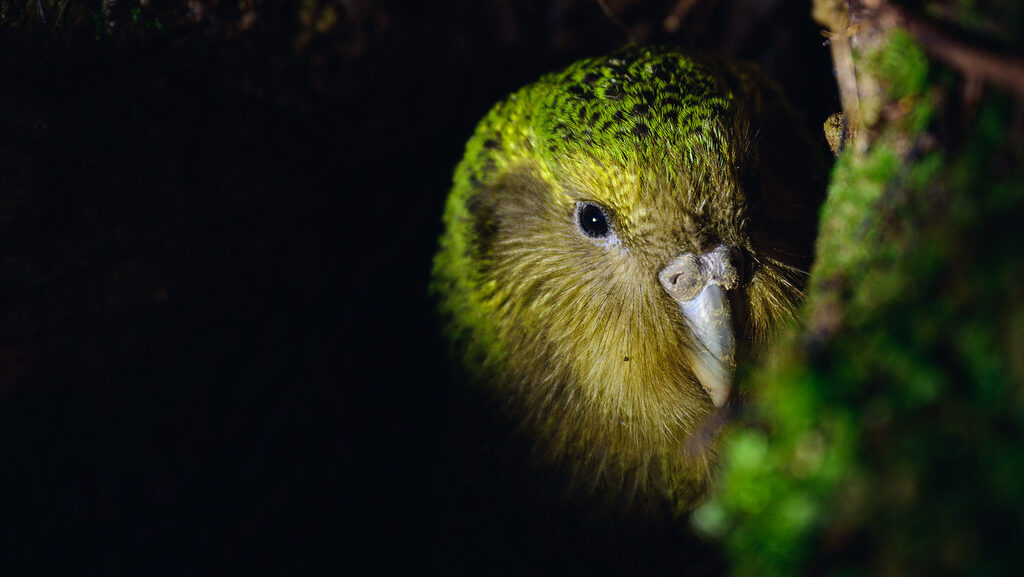
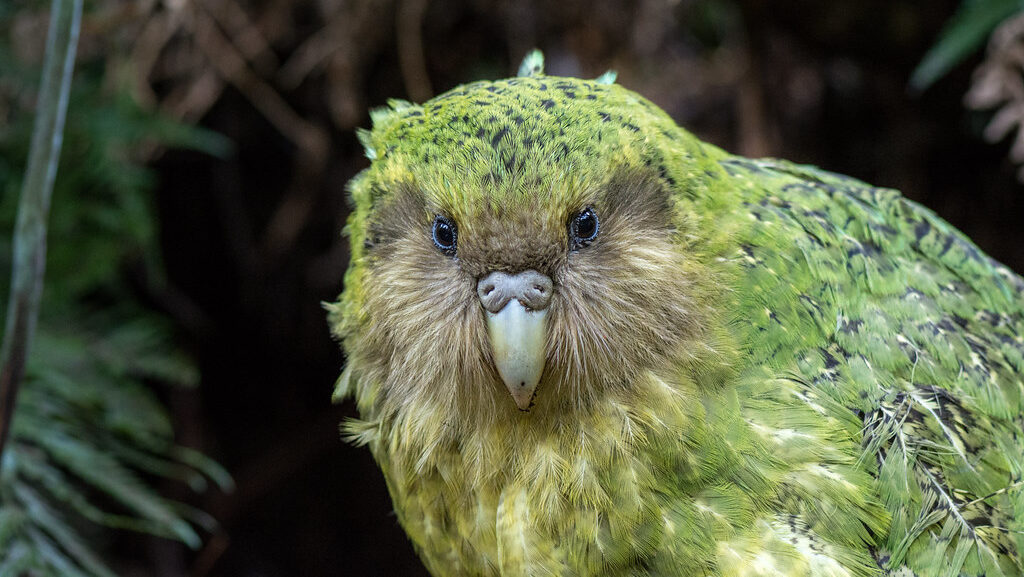
Unlike virtually every other parrot species, kakapos are strictly nocturnal, coming alive under the cover of darkness when most of their feathered relatives are fast asleep. Their large, expressive facial discs resemble those of owls, helping to collect sound while their excellent night vision guides them through the forest understory. During daylight hours, kakapos remain motionless, relying on their remarkable moss-green plumage that provides perfect camouflage among New Zealand’s native vegetation. This nocturnal lifestyle likely evolved as an adaptation to avoid now-extinct native predatory birds that hunted by day. Their exceptional sense of smell—unusual among birds—helps them locate favorite foods in complete darkness, from native fruits and seeds to roots and even tree bark, which they methodically strip with their powerful beaks.
The Botanical Connection: A Parrot Shaped by Plants
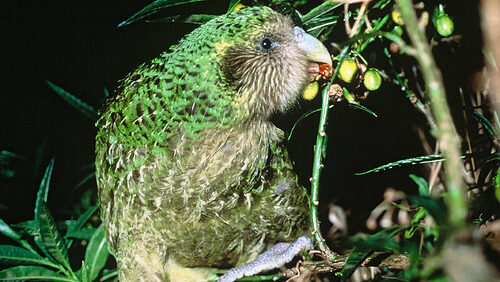
Kakapos share an intimate relationship with New Zealand’s native flora that has shaped both their diet and reproductive cycles. These specialized herbivores have co-evolved with certain native trees, particularly the rimu, whose fruiting cycles directly trigger their breeding behavior. Scientists have observed that kakapos only breed successfully during “mast years” when these trees produce abundant fruit—an event that may occur just once every 2-4 years. Their digestive system reflects this specialized plant diet, with a remarkably efficient process that extracts maximum nutrition from fibrous plant materials. Kakapos even display a behavior called “browse signs”—distinctive bite patterns left on plants that conservationists can use to track their movements and feeding habits. Their relationship with New Zealand’s plants is so intimate that some native species may have evolved specifically to be dispersed by these unusual parrots.
The Romeo of the Forest: Bizarre Mating Rituals
Perhaps nothing exemplifies the kakapo’s lovable oddity more than its extraordinary breeding behaviors, centered around what may be the bird world’s most elaborate mating display. Male kakapos construct meticulously maintained “bowls”—shallow depressions in the ground connected by carefully cleared tracks—that form the stage for their evening performances. During breeding season, males inflate their thoracic air sacs like balloons and emit deep, resonant “booms” that can travel for kilometers through the forest, followed by metallic “chings” to advertise their location to females. These booming sessions can continue for up to eight hours nightly over several months, representing an enormous energy investment. The males’ dedication is remarkable—they maintain the same bowls year after year, sometimes for decades, creating what scientists believe may be the longest-lasting display arenas in the bird world.
The Personality Paradox: Fearless Yet Vulnerable
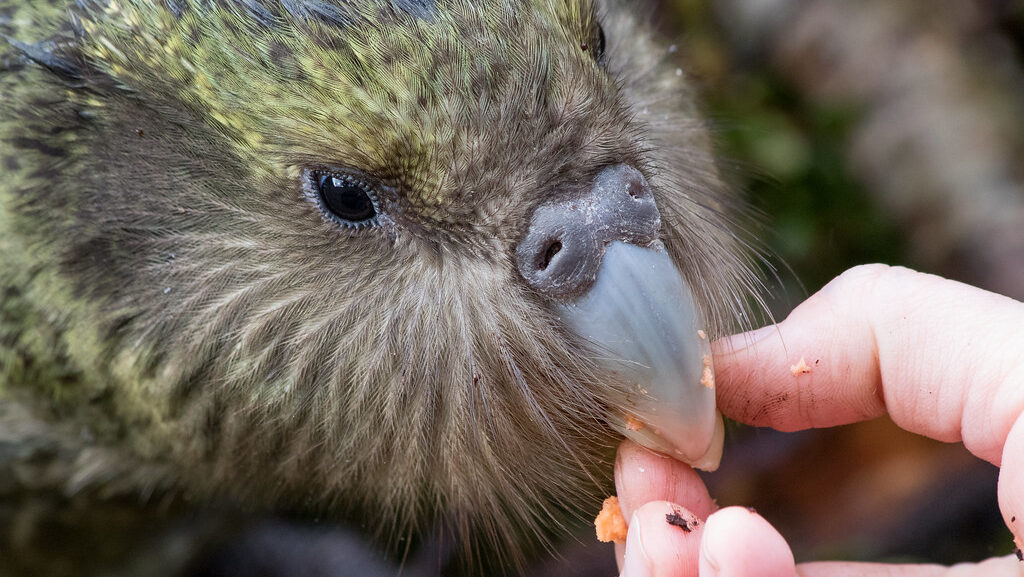
Kakapos possess personalities that conservationists and researchers describe as disarmingly charming yet frustratingly impractical. Having evolved without mammalian predators, they never developed appropriate fear responses and will often approach potential threats with innocent curiosity rather than self-preserving caution. Their trusting nature extends to humans, whom they may climb like trees or attempt to mate with—behaviors famously documented in wildlife documentaries that have both endeared them to the public and highlighted their conservation vulnerability. Individual kakapos display distinct personalities, with some known for their playfulness and others for their grumpy dispositions, leading conservation teams to develop specific handling protocols for different birds. This combination of friendliness and naivety has made them extraordinarily vulnerable to introduced predators but simultaneously created powerful ambassadors for conservation as people form emotional connections with these charismatic birds.
The Longevity Legend: Methuselahs of the Bird World
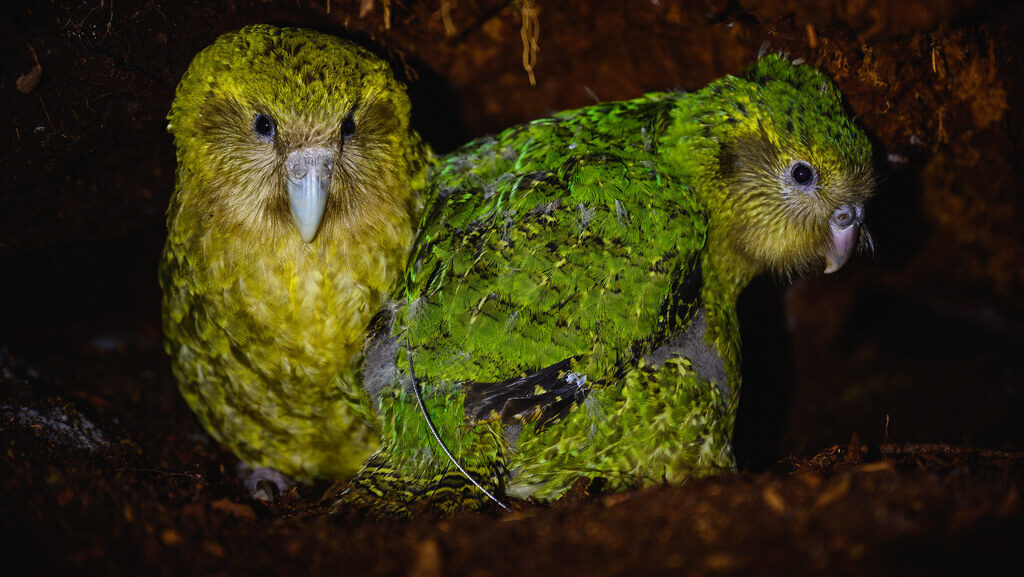
Kakapos stand among the longest-living birds on the planet, with an estimated lifespan that can exceed 90 years in optimal conditions. This remarkable longevity aligns with their slow reproductive strategy—females may not begin breeding until age 9 and typically produce few chicks over extended intervals. The oldest known kakapo, named Richard and discovered in the 1970s, was estimated to be at least 80 years old when he died in 2011, having lived through the dramatic transformation of New Zealand’s ecosystem following European colonization. Their long lives present both conservation challenges and opportunities, as populations recover slowly but individual birds can become multi-generational conservation ambassadors. This extended lifespan also means each kakapo accumulates decades of environmental knowledge about their territory, feeding locations, and seasonal patterns—information that would be permanently lost if a bird perishes before reproducing.
The Conservation Miracle: Saving a Species from the Brink
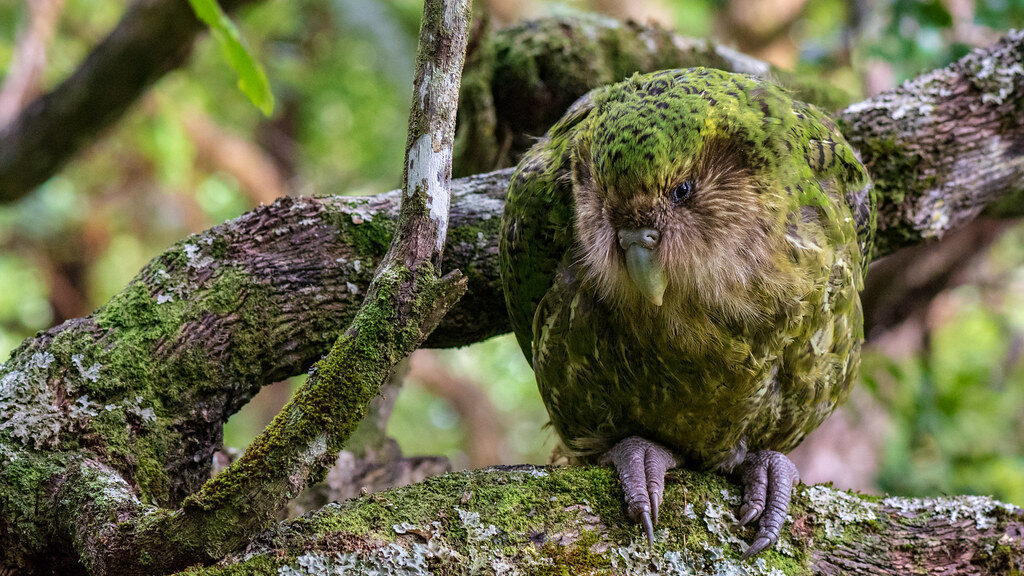
The kakapo’s story represents one of conservation’s most intensive and innovative rescue missions, pulling a species back from the very edge of extinction. By the 1970s, scientists believed kakapos might already be extinct until a small population was discovered on Stewart Island, triggering immediate protection efforts. The Kakapo Recovery Program, established in 1989, pioneered radical conservation approaches including transferring all remaining birds to predator-free island sanctuaries, developing specialized artificial insemination techniques, and implementing round-the-clock monitoring systems. Each kakapo is named, microchipped, fitted with a radio transmitter, and has its complete genealogy and health records meticulously maintained. The intensive management has paid off—from just 51 birds in 1995, the population has grown to approximately 248 in 2023, representing one of conservation’s most remarkable success stories despite continuing challenges.
The Technological Protection: Innovation Saving a Species

The survival of the kakapo has become intertwined with cutting-edge conservation technology developed specifically for these unique birds. Each kakapo wears a custom-designed transmitter backpack that provides real-time location data and activity patterns to conservation teams via satellite links. Specially designed “smart eggs” with embedded sensors monitor temperature, movement, and embryo development in nests, alerting rangers when intervention might be necessary. Artificial feeding stations equipped with weight sensors and identification technology track each bird’s food consumption and physical condition, while genetic management software helps plan optimal breeding pairs to maximize genetic diversity. Perhaps most remarkably, scientists have developed 3D-printed artificial insemination tools specifically sized for kakapos, as conventional equipment designed for other birds proved unsuitable for this unique species—demonstrating how their exceptional nature requires exceptional solutions.
The Cultural Icon: New Zealand’s Beloved Symbol

The kakapo occupies a special place in New Zealand’s cultural identity, representing both the country’s unique evolutionary history and its commitment to conservation innovation. In Māori culture, the kakapo (known as “kākāpō”) held significant cultural value and featured prominently in traditional stories, with their feathers being highly prized for ceremonial cloaks worn by chiefs. Today, the kakapo appears on New Zealand’s currency, postage stamps, and as mascots for conservation campaigns, instantly recognizable to most New Zealanders. The birds’ individual personalities have contributed to their cultural status, with certain kakapos achieving celebrity status—none more famous than Sirocco, who became an internet sensation after an enthusiastic encounter with zoologist Mark Carwardine during a BBC documentary filming. Appointed as New Zealand’s “Official Spokesbird for Conservation,” Sirocco has his own social media accounts followed by hundreds of thousands worldwide, demonstrating the kakapo’s remarkable capacity to connect people with wildlife conservation issues.
The Ecological Role: Forest Engineers
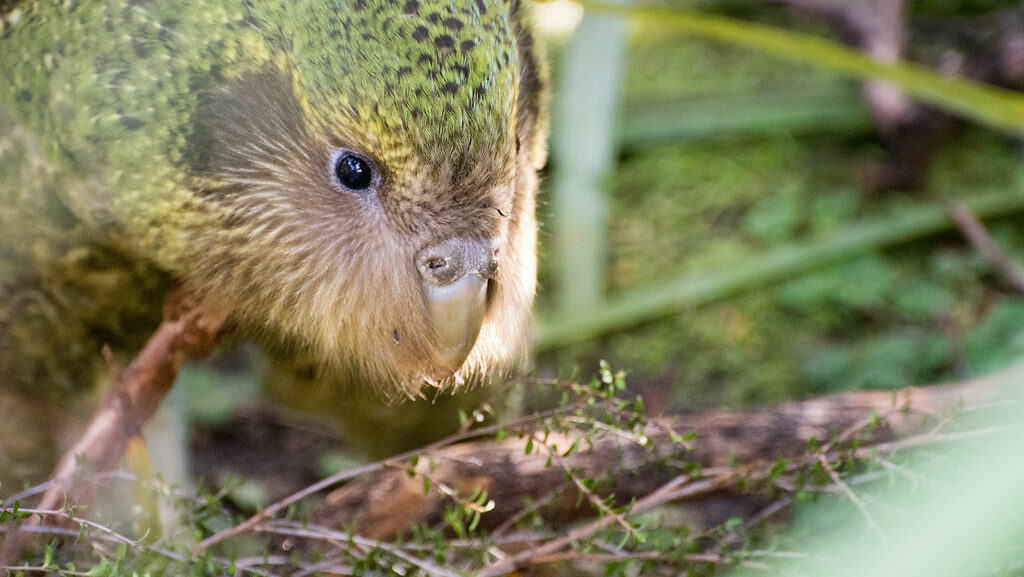
Despite their endangered status, kakapos play crucial ecological roles in New Zealand’s forest ecosystems that scientists are still working to fully understand. As seed dispersers, they transport large seeds throughout their territory in ways that no other remaining native species can replicate. Their feeding habits stimulate new growth in certain plants, while their substantial digging and nest-building activities aerate soil and create microhabitats for invertebrates and fungi. Recent research suggests that even their droppings serve a unique purpose, with specialized gut bacteria helping to fertilize certain native plants in ways specific to this species. Ecologists have noted that areas where kakapos have been reintroduced often show enhanced biodiversity metrics compared to similar habitats without them, suggesting these peculiar parrots may be ecological keystones despite their rarity. This understanding has transformed conservation perspectives, highlighting that saving kakapos isn’t merely about preserving a charming oddity but restoring essential ecological functions to New Zealand’s forests.
The Genetic Challenge: Diversity in a Limited Pool
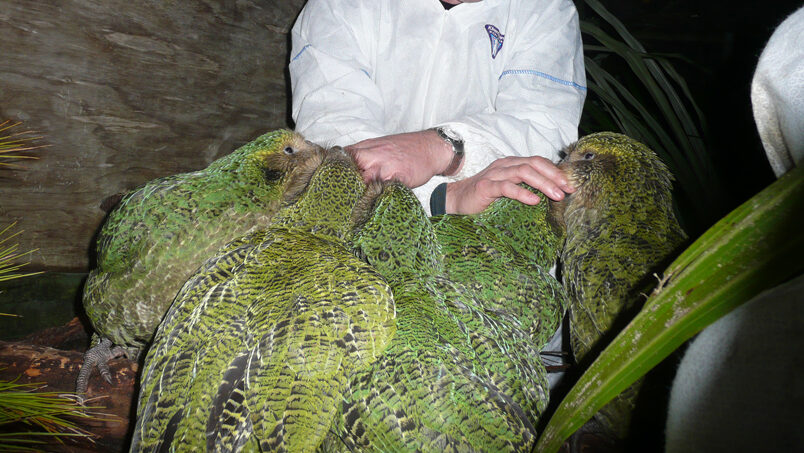
The kakapo’s precarious population status presents enormous genetic challenges that threaten their long-term recovery prospects despite conservation successes. Having passed through an extreme genetic bottleneck with as few as 50 individuals in the 1990s, today’s population carries limited genetic diversity that increases vulnerability to diseases and potentially reduces reproductive success. Conservation geneticists have mapped the complete genome of every living kakapo, creating the most comprehensive genetic management program for any endangered species. This genetic work has revealed surprising insights, including evidence that kakapos once diversified into different regional variants throughout New Zealand, each with distinct adaptations to local environments—diversity now lost through population collapse. Scientists are pioneering emerging technologies like gene editing to potentially address inbreeding depression issues, though such approaches raise complex ethical questions about intervention in endangered species’ genetics. Despite these challenges, recent studies have uncovered unexpectedly high genetic resilience in certain kakapo lineages, offering hope that the species might harbor more adaptive potential than initially feared.
The Sensory World: How Kakapos Experience Reality
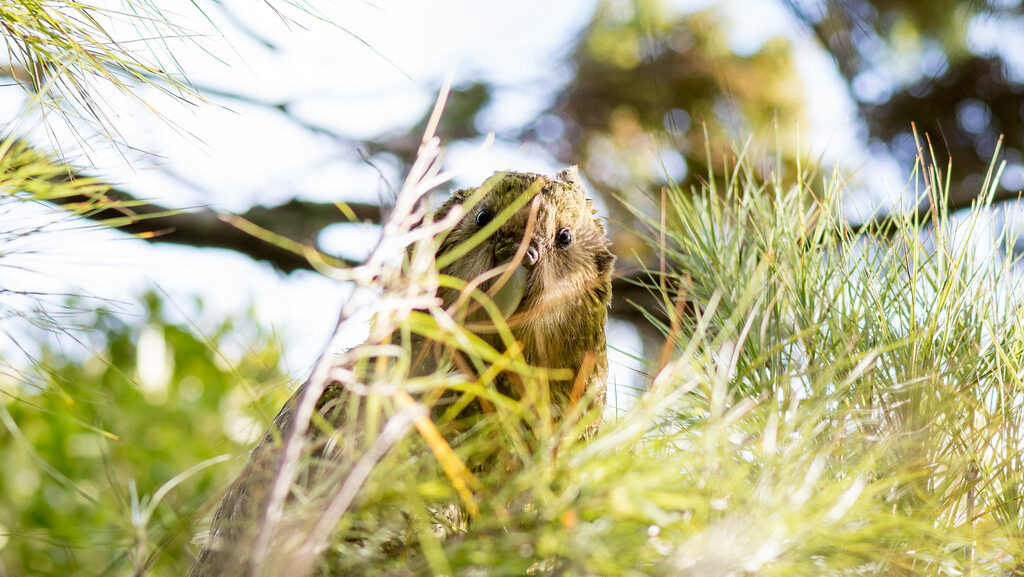
The kakapo’s perception of the world differs dramatically from most birds, creating a unique sensory experience that helps explain their unusual behaviors. Unlike most avian species that rely predominantly on vision, kakapos navigate their world through an extraordinary sense of smell more reminiscent of mammals than birds—their enlarged olfactory bulbs allow them to detect specific foods and potential mates through dense forest understory. Their facial disc, similar to owls, captures and focuses sound waves, giving them exceptional directional hearing that compensates for their poor aerial perspective. Touch plays a crucial role in their sensory repertoire, with highly sensitive whisker-like feathers around their beaks that help them navigate in darkness and assess food quality. Perhaps most surprising is their apparent sensitivity to low-frequency sounds below human hearing range, which researchers believe may help males assess the acoustic properties of their booming bowls and allow females to evaluate potential mates from great distances—sensory adaptations perfectly suited to their nocturnal, ground-dwelling lifestyle.
The Future Prospects: Hope for the Lovable Misfit
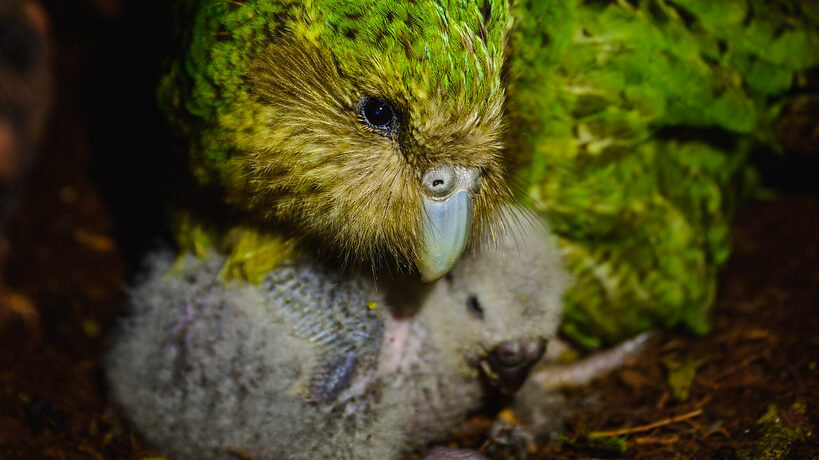
The kakapo’s future hangs in a delicate balance between cautious optimism and continuing challenges that will determine whether these extraordinary birds persist for generations to come. Recent breeding seasons have shown promising results, with 2019 delivering a record-breaking 86 chicks that significantly boosted the population, though subsequent years have been less productive due to natural fluctuations in food availability. Conservation teams are working to establish additional predator-free island habitats that could eventually support self-sustaining kakapo populations without intensive human management. Climate change presents emerging threats, potentially disrupting the delicate synchronization between kakapo breeding cycles and the fruiting patterns of their food plants. Perhaps most encouraging is the development of innovative mainland sanctuaries with predator-proof fencing that could eventually allow kakapos to return to portions of their historic range on New Zealand’s main islands. Despite continuing challenges, the kakapo has demonstrated remarkable resilience when given appropriate protection, offering hope that this lovable misfit—a bird that seems to have evolved with different rules than the rest of the avian world—might yet flourish in the centuries to come.
Conclusion
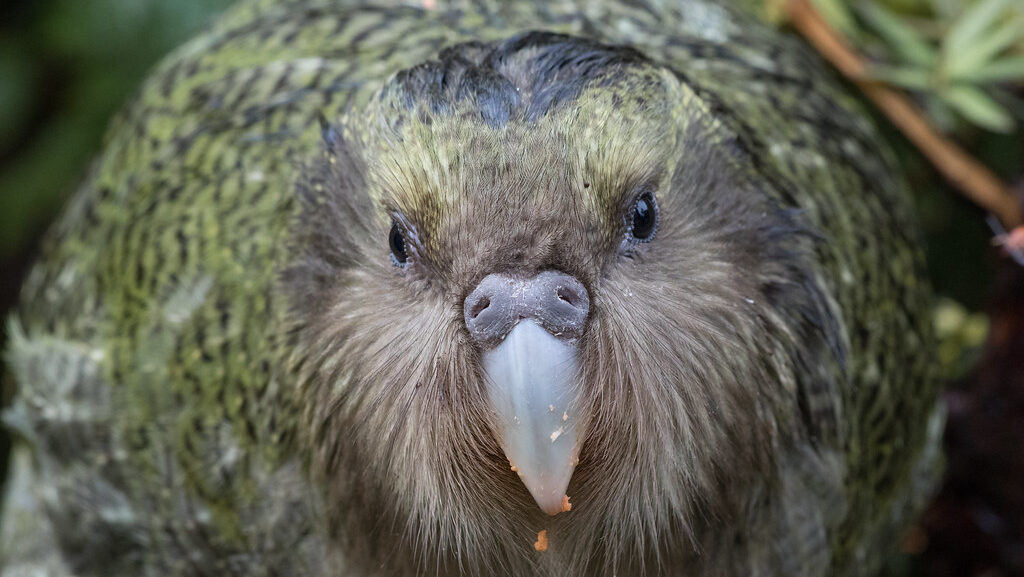
The kakapo embodies nature’s capacity for the unexpected—a flightless, nocturnal parrot that smells its way through life, boom-calls for love, and approaches the world with disarming trust. Their story transcends typical conservation narratives, touching something deeper in the human experience. Perhaps we see ourselves in these plump, peculiar birds—creatures trying their best with the adaptations they have, sometimes wonderfully ill-suited for changing circumstances yet persisting nonetheless. Their improbable existence reminds us that evolution isn’t always about perfect design but about fascinating alternatives that can work brilliantly until conditions change. As conservation efforts continue, the kakapo offers powerful lessons about resilience, the value of evolutionary distinctiveness, and our responsibility to preserve even those species that seem like nature’s wonderful mistakes. In saving the world’s most lovable misfit, we ultimately affirm something essential about biodiversity—that our planet is richer for containing creatures that defy expectations and charm us precisely because they break all the rules.