

In the shadow of borders and along migration routes across continents, one humble fruit tree stands as an unlikely beacon for those in transit: the mulberry. With its generous branches heavy with sweet berries, this unassuming tree has become an essential waypoint for migrants undertaking perilous journeys in search of better lives. Beyond merely providing sustenance, mulberry trees have woven themselves into the fabric of migration narratives, creating natural gathering points where paths converge, stories are shared, and momentary respite can be found. Their presence marks the landscape not just botanically but culturally, becoming living landmarks in the geography of human movement.
The Mulberry: Nature’s Roadside Restaurant
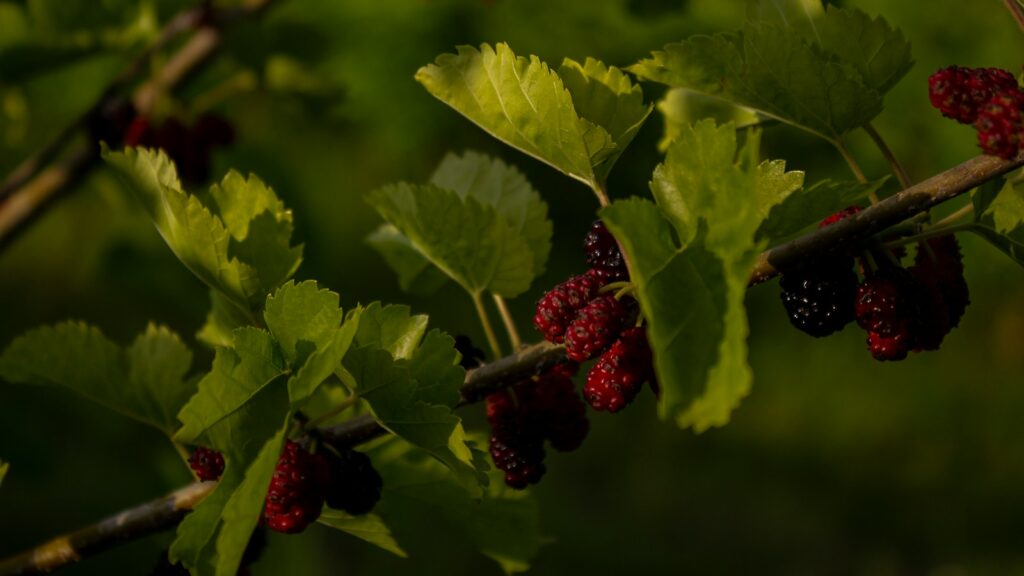
The mulberry tree (Morus spp.) has earned its reputation as a “migration magnet” through its remarkable ability to provide accessible nutrition to travelers with no resources to spare. These trees produce an abundance of berries that ripen gradually over several weeks, ensuring a relatively long harvest period compared to other fruit trees. A single mature mulberry can produce thousands of berries in a season, offering caloric sustenance to those who may have gone days with limited food access. The berries themselves are exceptionally nutritious, containing vital vitamins, antioxidants, and natural sugars that provide quick energy—precisely what exhausted travelers need during long journeys on foot. For migrants navigating unfamiliar terrain with limited supplies, these freely available fruits represent a critical nutritional lifeline that requires no payment, permission, or documentation to access.
Historical Significance Along Migration Routes
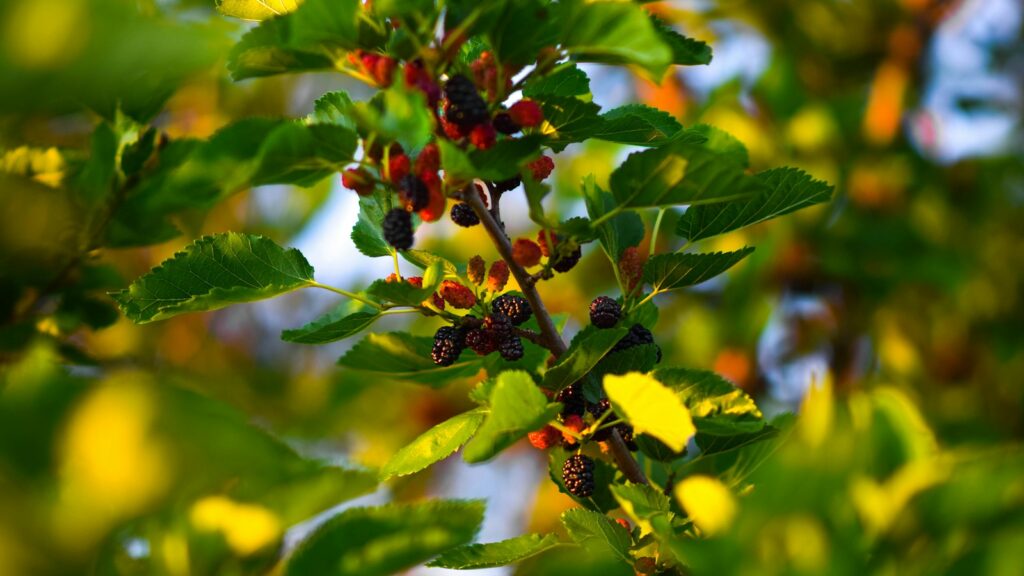
The relationship between mulberry trees and human migration isn’t a modern phenomenon but has roots stretching back centuries. Ancient silk road travelers relied on mulberry groves as navigational landmarks and food sources, creating a historical precedent for their current role in migration pathways. During the Dust Bowl migration in 1930s America, mulberry trees planted decades earlier became crucial sustenance points for families traveling westward with minimal possessions and dwindling resources. European migrations following both World Wars saw mulberry trees serving as informal gathering points where displaced persons could find both nourishment and community. This historical pattern demonstrates how these trees have consistently emerged as natural infrastructure supporting human movement, regardless of era or geography. Their presence along migration routes represents an unintentional but vital support system that has served countless generations of people in transition.
Geographical Distribution Aligning With Migration Corridors
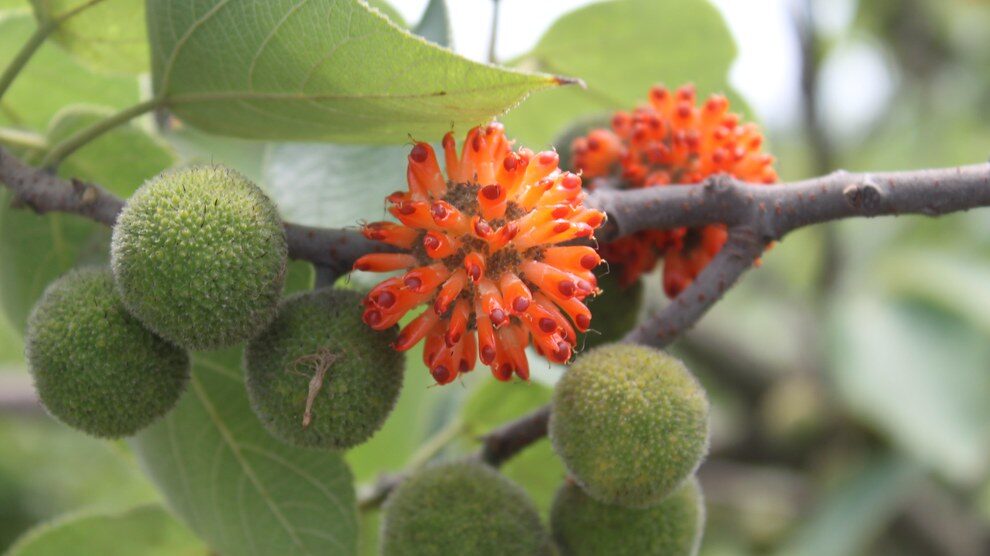
The global distribution of mulberry trees reveals a remarkable overlap with major contemporary migration routes, creating a fortuitous natural resource for those in transit. Across the Mediterranean region, where thousands attempt sea crossings annually, coastal mulberry trees provide crucial nutrition before hazardous water journeys. Central American migration corridors feature mulberry varieties that thrive in subtropical climates, offering sustenance along the arduous northward trek toward the United States border. In Southeast Asia, where labor migration creates complex movement patterns, native mulberry species grow abundantly along rural-to-urban transition zones. These geographical alignments aren’t coincidental—mulberries thrive in precisely the temperate and subtropical regions where human migration pressure is often highest. Their ability to grow in disturbed soils, along roadsides, and in transitional ecological zones mirrors the liminal spaces migrants often traverse.
Nutritional Benefits for Undernourished Travelers
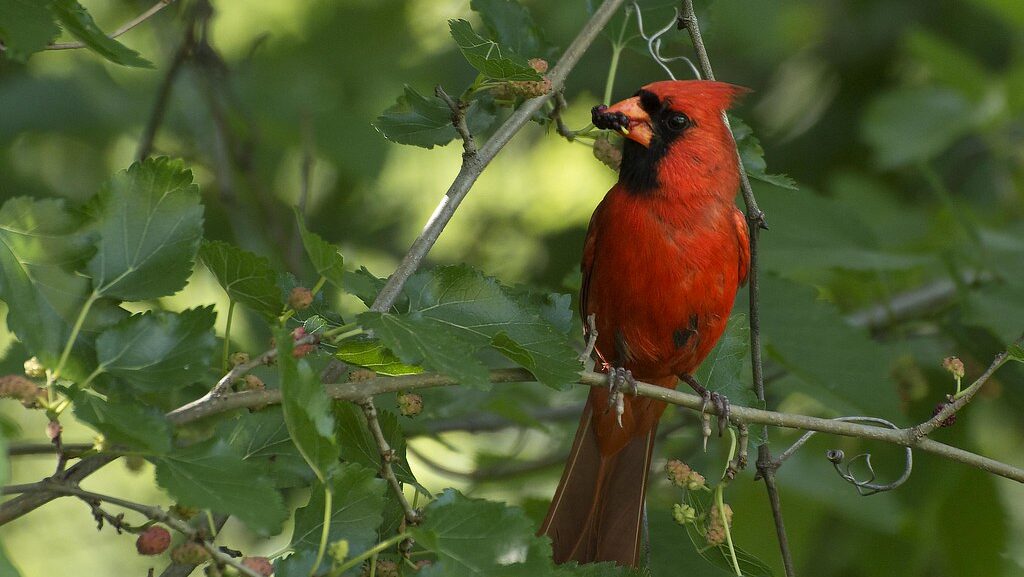
For migrants facing food insecurity during their journeys, the nutritional profile of mulberries provides critical health support beyond simply satisfying hunger. These berries contain significant amounts of iron, which helps combat the anemia that frequently affects those with limited food access during long journeys. The high vitamin C content supports immune function—vital for travelers exposed to new environments and potential pathogens with limited healthcare access. Mulberries also provide restorative antioxidants that help address the physical stress of constant movement, exposure to elements, and sleep deprivation common in migration contexts. For children migrating with families, these nutritional benefits are especially crucial as the berries provide developmental nutrients that might otherwise be entirely absent from their restricted diets. This nutritional lifeline, available without cost, helps prevent the most severe health consequences of migration-related food insecurity.
Social Gathering Points and Information Exchange

Beyond their nutritional value, mulberry trees function as informal social infrastructure along migration routes, creating natural gathering points where critical information is exchanged. Migrants often pause at these trees not just to rest and eat, but to share intelligence about route conditions, border patrol patterns, dangerous areas to avoid, and trustworthy assistance ahead. These arboreal meeting points have developed their own communication ecosystem, with some trees becoming known stops where written information might be left for those following behind. Aid workers report that certain well-established mulberry locations serve as predictable places to find migrants in need, allowing for more effective distribution of medical care and supplies. The shade these trees provide creates a natural respite from harsh sun, allowing for longer periods of rest and recovery while enabling the social connections that can prove life-saving in migration contexts. This social function transforms mulberry trees from mere food sources into crucial nodes in an informal support network spanning thousands of miles.
The Mulberry Tree in Migrant Narratives and Testimonies

Personal accounts from migrants frequently mention mulberry trees as significant landmarks in their journey narratives, highlighting their importance beyond mere practical utility. In interviews with asylum seekers arriving in Europe, many recall specific mulberry trees that marked critical junctures in their journeys, describing them with emotional detail that reveals their psychological significance. One Syrian refugee documented in humanitarian reports spoke of a particular mulberry near the Turkish border where his family made the decision to continue despite mounting dangers, a moment he marked by collecting seeds he later planted at his eventual resettlement location. Migrant poetry and art occasionally feature mulberry imagery as symbols of transient hope—the sweetness that sustains during bitter circumstances. These narrative incorporations demonstrate how the trees transcend their biological function to become embedded in the emotional geography of migration experiences. For many, these trees represent rare moments of agency and choice in journeys largely defined by constraint and necessity.
Cultural Significance Across Different Migrant Groups
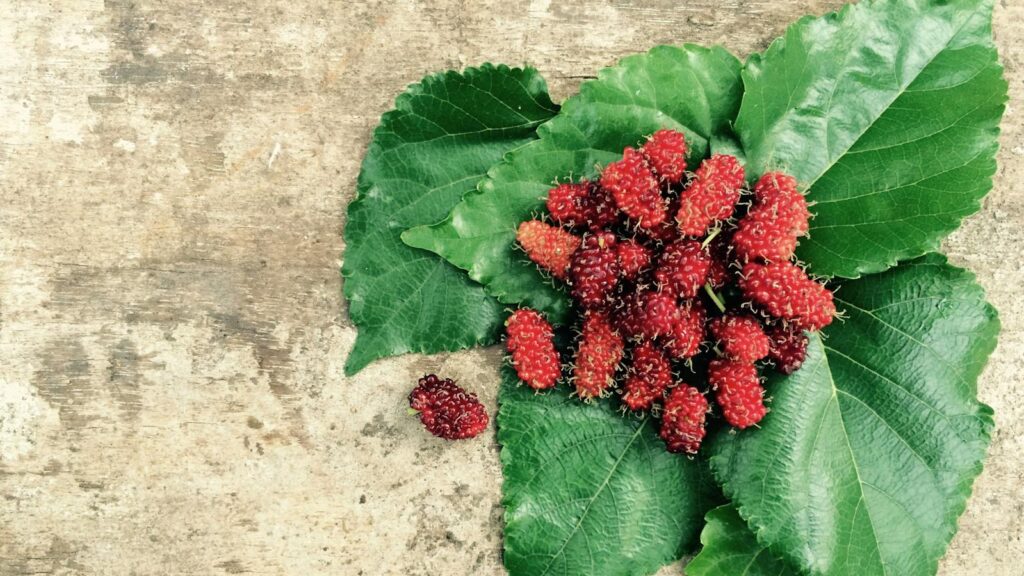
The cultural meaning attached to mulberry trees varies significantly across different migrant populations, creating a rich tapestry of associations that reflect diverse origins. For migrants from South Asian backgrounds, mulberries often carry deep cultural resonance as the trees are integral to traditional foodways and have religious significance in some communities. Central American migrants frequently incorporate mulberries into folk medicine practices during their journeys, using the leaves and berries for treatment of minor ailments when conventional healthcare is inaccessible. Middle Eastern refugees often recognize mulberry varieties similar to those from their homelands, creating momentary connections to places and traditions left behind. These cultural dimensions mean that finding mulberry trees doesn’t merely represent physical sustenance but can provide psychological nourishment through connection to cultural identity and heritage. The universality of the mulberry across so many cultural traditions makes it uniquely positioned to serve diverse migrant populations simultaneously.
Humanitarian Recognition of “Mulberry Points”
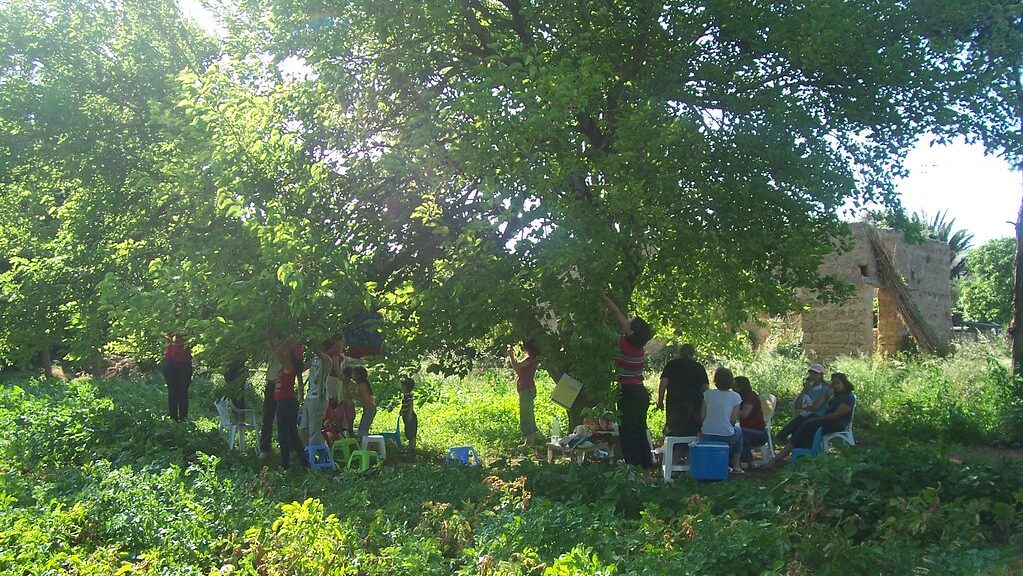
Aid organizations working along migration routes have increasingly formalized their recognition of significant mulberry locations as strategic service delivery points. Several European NGOs operating in the Balkans region now map key “mulberry points” where they can reliably intercept migrants to provide water, medical care, and legal information during fruiting seasons. Mobile health clinics in Mexico and Central America have adjusted their schedules to increase presence near known mulberry gathering areas during peak migration periods, recognizing the trees as natural congregation sites. Some humanitarian groups have even implemented programs to protect and maintain historically significant mulberry trees that have supported generations of migrants, understanding their importance to future travelers. This institutional recognition transforms what began as an organic pattern into a more formalized aspect of humanitarian response infrastructure. By acknowledging the role these trees already play in migration journeys, aid providers can work with rather than against established patterns of movement and rest.
Climate Change Impacts on Mulberry Availability

The relationship between migrants and mulberry trees faces new challenges as climate change alters growing patterns and fruiting seasons across traditional migration corridors. Rising temperatures have shifted fruiting periods in some regions, creating potential misalignment between peak migration times and mulberry availability. Extreme weather events have damaged established mulberry stands in several key transit regions, removing reliable food sources that previous waves of migrants had depended upon. Drought conditions in parts of Central America and the Mediterranean have stressed mulberry populations, reducing fruit yield in areas where migrants most need these resources. These disruptions to previously reliable patterns add another layer of precarity to already dangerous journeys, potentially eliminating critical food sources at key junctures. Climate researchers and migration experts have begun documenting these shifts, recognizing that changes to seemingly minor ecological features like roadside mulberry trees can have significant humanitarian implications for vulnerable populations in transit.
Conservation Efforts and Replanting Initiatives
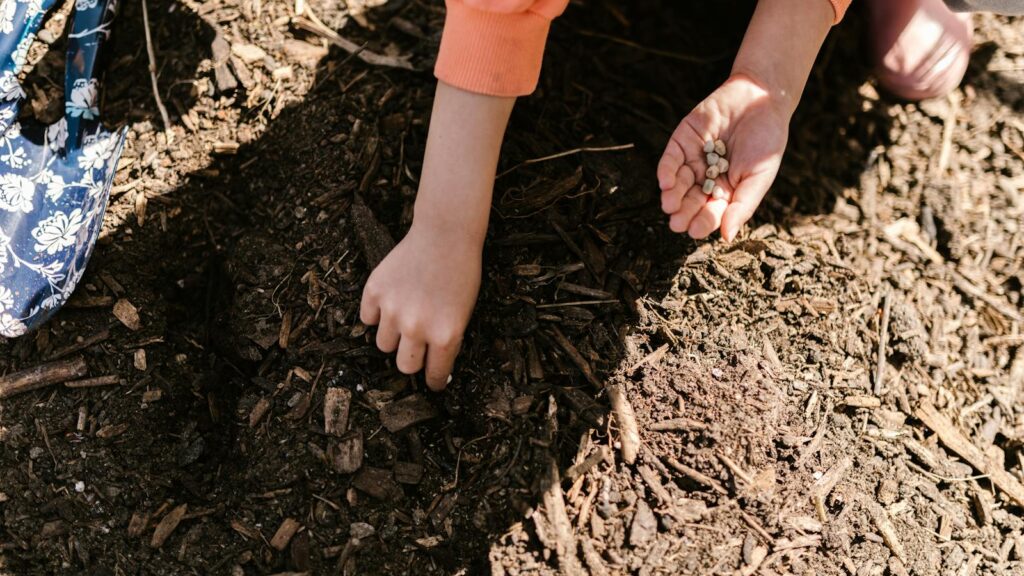
Recognizing the vital role mulberry trees play for migrants, several grassroots and formal conservation efforts have emerged to protect existing trees and plant new ones along key routes. A coalition of environmental and humanitarian organizations in southern Europe has launched initiatives to plant drought-resistant mulberry varieties along documented migration paths, creating sustainable food sources for future travelers. Citizen volunteers in border communities from Mexico to Macedonia have organized mulberry planting events specifically intended to support migrants, sometimes facing criticism from anti-immigration groups for these humanitarian landscaping efforts. Some migrant advocacy organizations have incorporated mulberry conservation into their broader work, documenting historically significant trees and working to protect them from development or removal. These conservation efforts represent a unique intersection of environmental stewardship and humanitarian action, acknowledging that ecological and human welfare are deeply interconnected. By ensuring the continued presence of these trees, conservationists help maintain a critical safety net for some of the world’s most vulnerable travelers.
Mulberries and the Politics of Migration

The humble mulberry tree has occasionally become entangled in the contentious politics surrounding migration, revealing broader tensions about borders and humanitarian obligations. In several European contexts, authorities have removed mulberry trees near border areas specifically to discourage migrants from gathering or resting in these locations, actions condemned by human rights organizations as forms of “hostile environment” tactics. Conversely, some pro-migration activists have deliberately planted mulberries as acts of resistance and solidarity, creating what some call “humanitarian landscaping” designed to support those making dangerous journeys. Border surveillance strategies sometimes include monitoring known mulberry gathering points, transforming these natural features into securitized spaces where migrants may face increased risk of apprehension. These political dimensions illustrate how even natural features become incorporated into the complex geopolitics of migration management. The mulberry tree’s role thus extends beyond ecological and nutritional functions into the realm of political symbolism and contested space.
The Future of Migration Trees in a Changing World
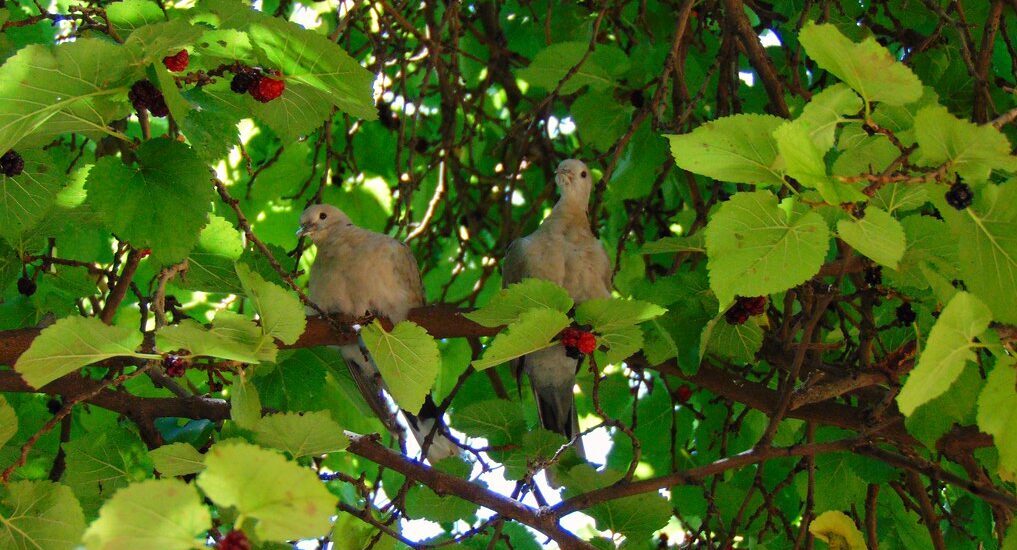
Looking ahead, the relationship between mulberry trees and migration patterns faces both challenges and new possibilities as global circumstances evolve. Climate migration is projected to increase significantly in coming decades, potentially creating new migration corridors where supportive vegetation like mulberry trees may be absent or unsuited to changing conditions. Technological innovations in migration management, including more sophisticated surveillance and border control systems, may disrupt traditional resting points around features like mulberry trees, forcing new adaptations in movement patterns. Conversely, growing recognition of the mulberry’s humanitarian role might lead to more intentional planting and protection efforts, potentially creating more robust natural support systems along major migration routes. Some researchers have proposed comprehensive “migration corridor ecology” approaches that would analyze and support the full range of natural features, including mulberry trees, that sustain human movement across hostile landscapes. Whatever form it takes, the ancient relationship between these fruit-bearing trees and people in transit will continue to evolve, reflecting broader changes in how humanity navigates an increasingly mobile future.
Conclusion
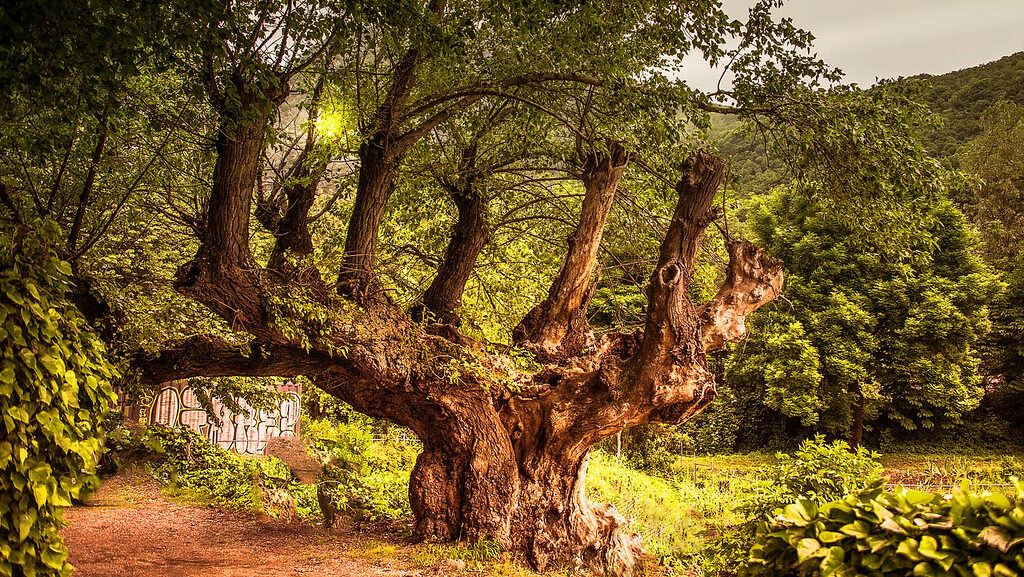
The mulberry tree stands as a testament to the unexpected ways nature and human movement intersect, creating systems of support that transcend formal boundaries and institutions. For countless migrants making life-altering journeys across continents, these unassuming trees represent rare moments of abundance in landscapes often defined by scarcity and danger. They provide not just physical nourishment but psychological sustenance—places to gather, share information, and briefly experience the simple pleasure of sweet fruit freely given. As migration continues to define our global era, the mulberry’s role reminds us that even in the most challenging human circumstances, connections to the natural world remain vital. These trees, with their open branches and freely offered fruit, embody a kind of borderless generosity that stands in stark contrast to the increasingly fortified boundaries of our human world.